AI
How to Tokenize a Business Model Step by Step
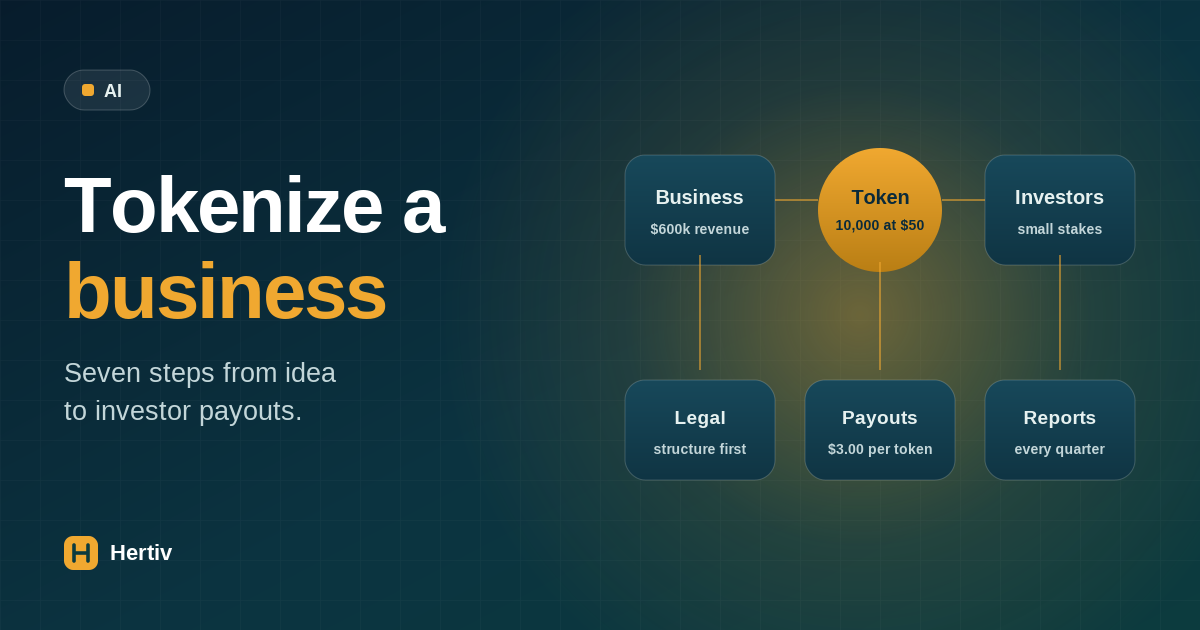
Tokenizing a business model means turning a share of its revenue or ownership into digital tokens. Seven steps take an idea from sketch to working offer.
Guides on AI agents, LLM apps, RAG, evaluation and MCP, written by the engineers who build them.
1945 posts · page 64 of 82
Tokenizing a business model means turning a share of its revenue or ownership into digital tokens. Seven steps take an idea from sketch to working offer.
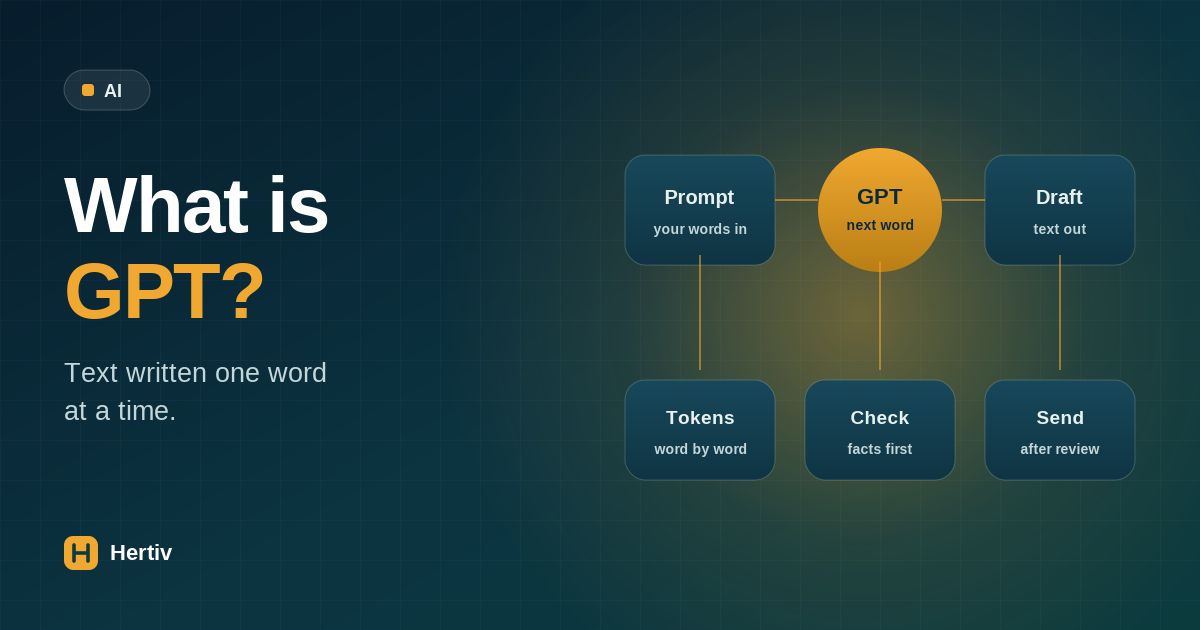
GPT is a type of AI model that writes text by predicting the next word, one word at a time. It powers chatbots, drafting tools and coding assistants.
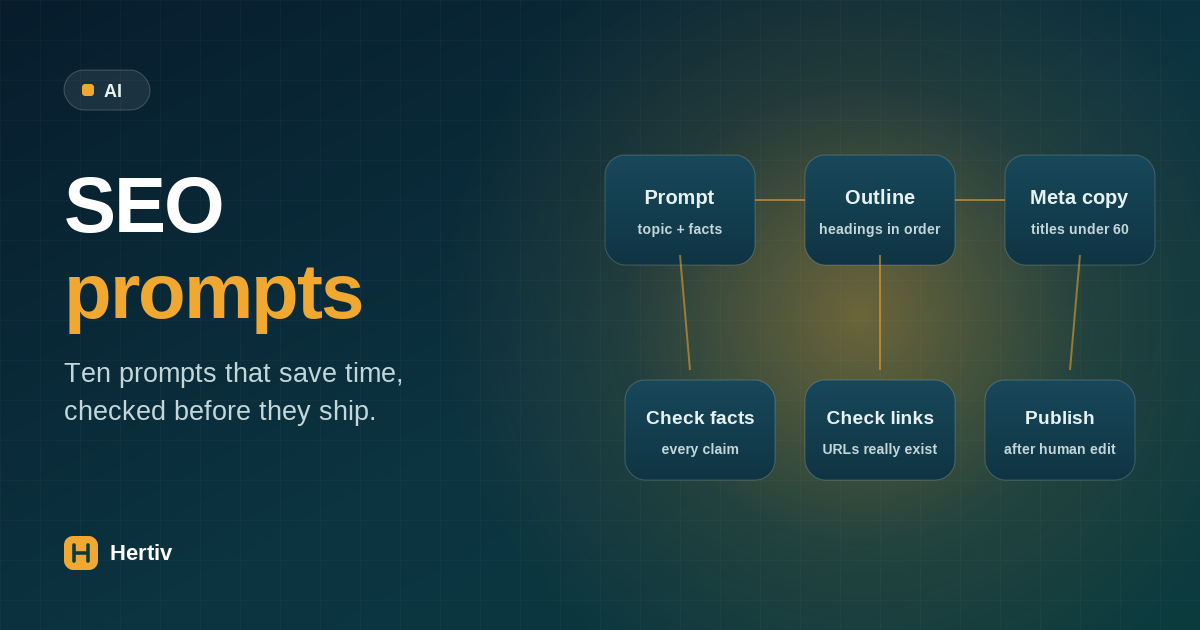
Ten ChatGPT prompts for SEO that save real time: keyword research, outlines, meta copy, internal links, audits and refresh plans, with wording to start from.
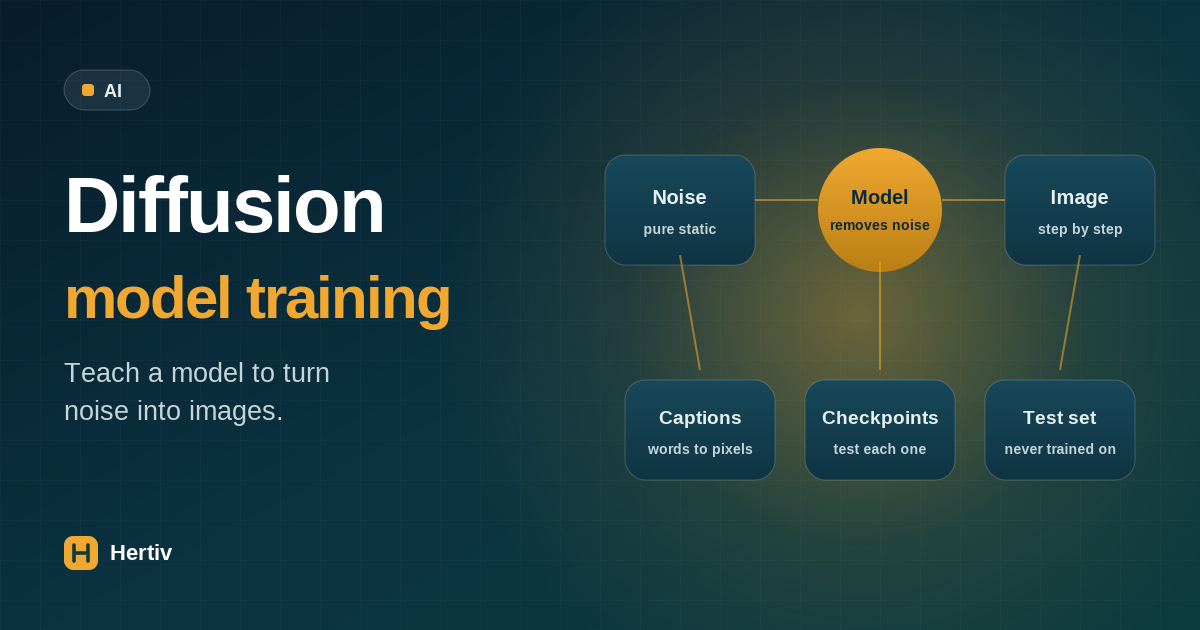
Training a diffusion model means teaching it to reverse noise into images, step by step. Here is the data, the setup and the plan.
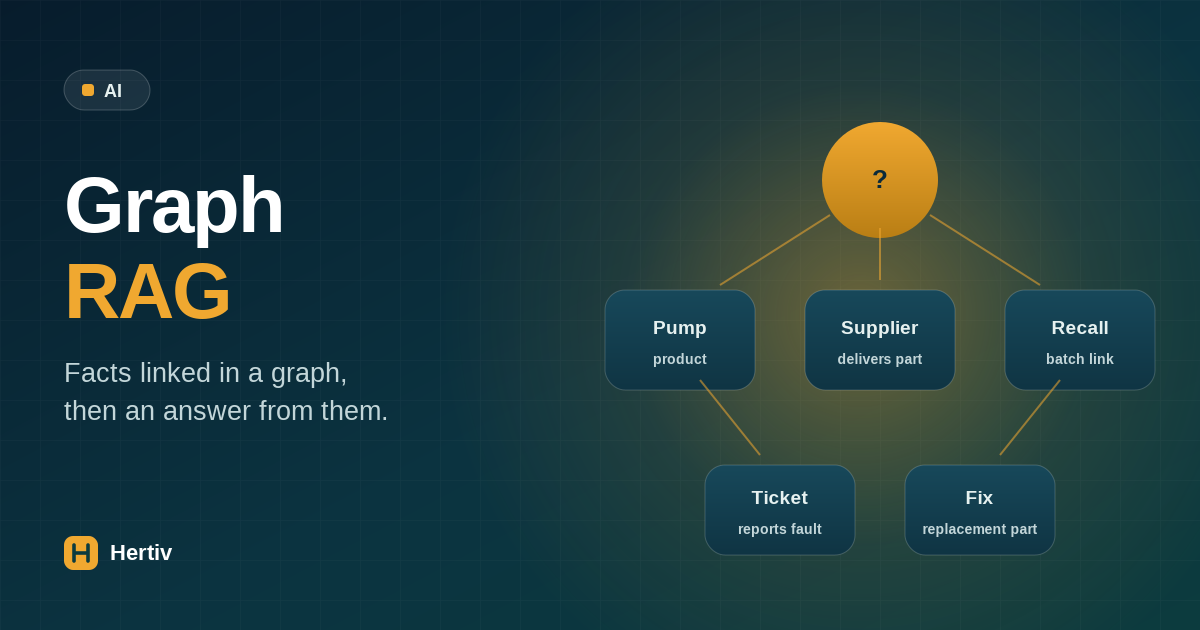
Graph RAG adds a knowledge graph to retrieval, so an AI can follow links between facts instead of searching text alone. Here is how it works.
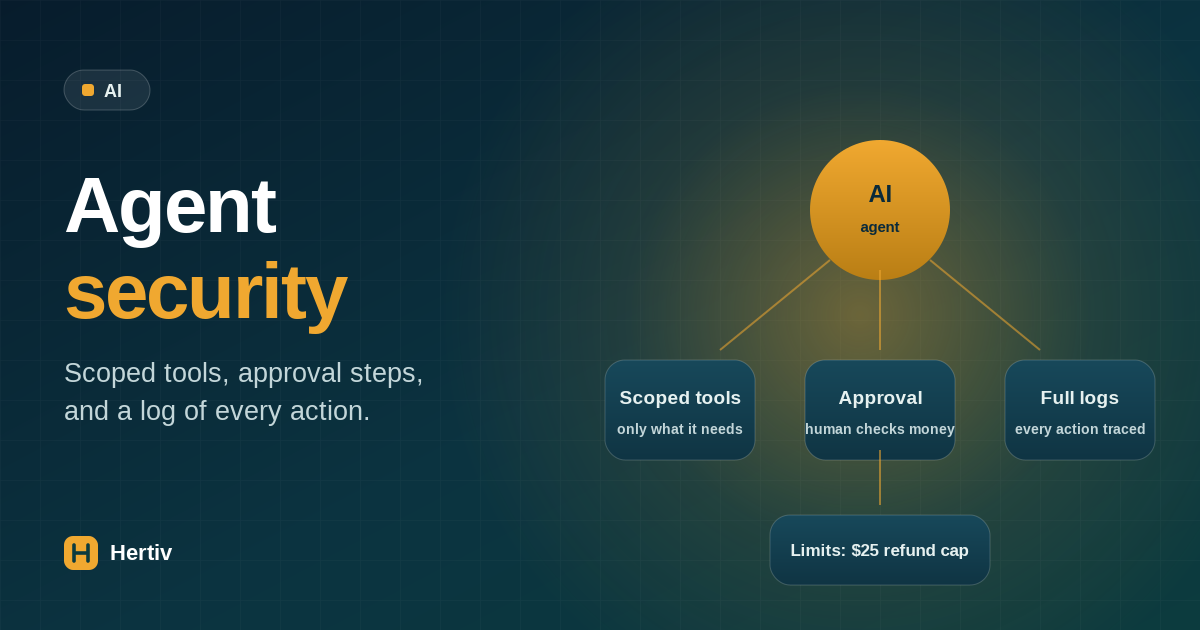
AI agents act on your behalf, so their permissions matter as much as a staff member's. Here is what to secure first and how to test it.
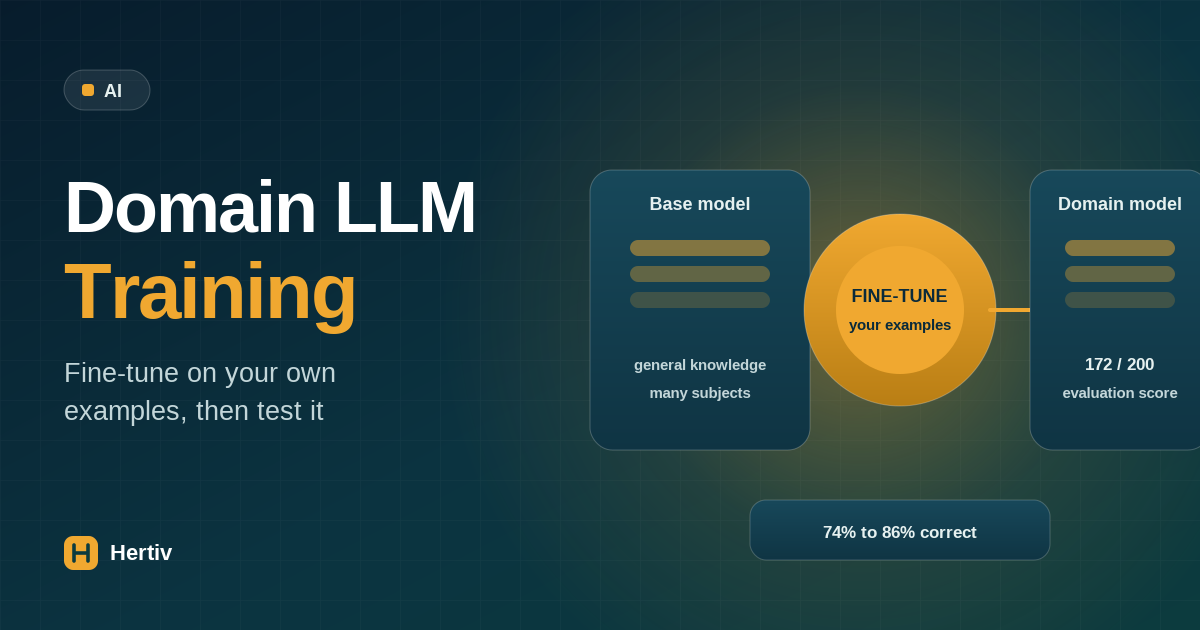
Training a domain-specific LLM means teaching a general model your field's language and tasks. Learn when to fine-tune, what data you need, and how to test it.
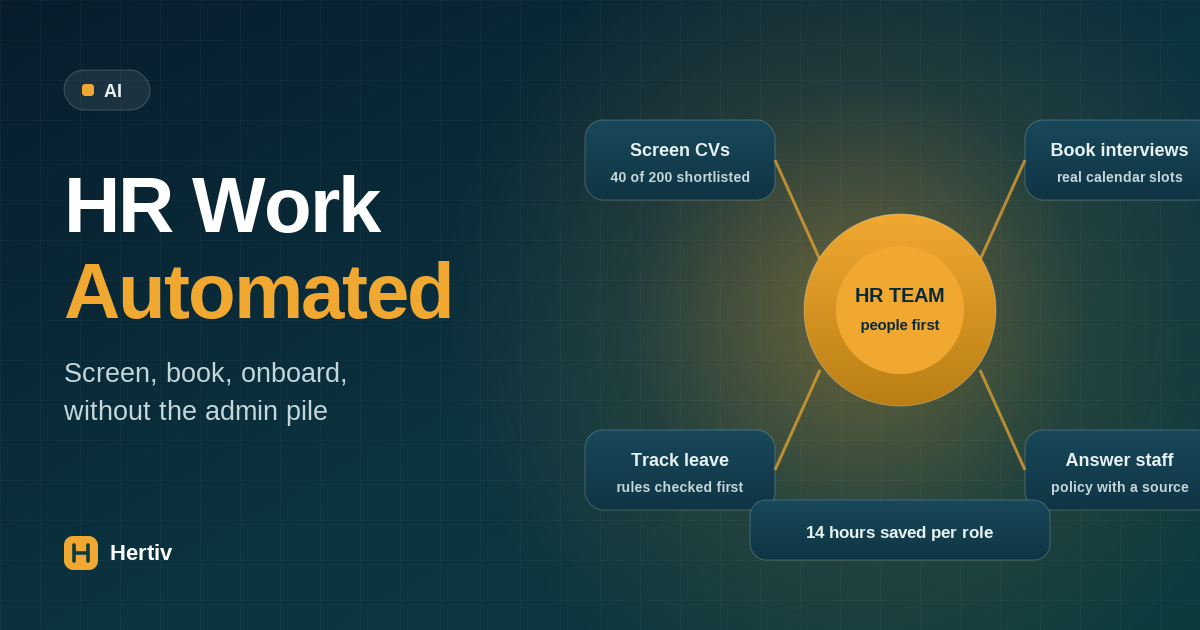
HR automation uses software to handle routine people tasks such as screening CVs, booking interviews and tracking leave. Learn what it covers and how to start.
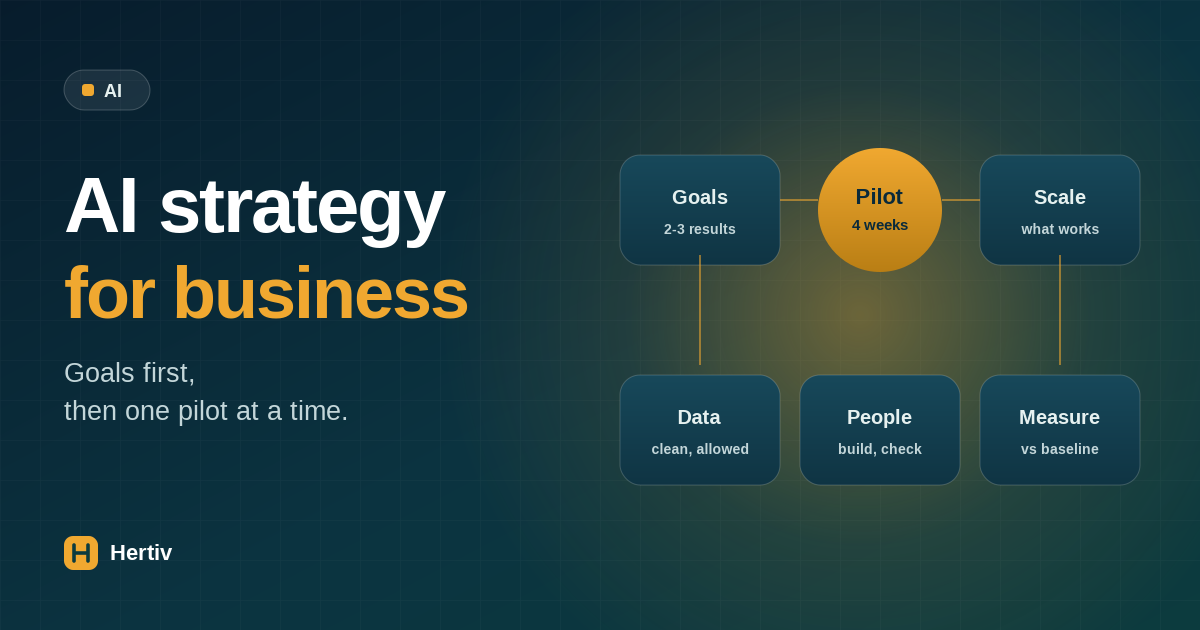
An AI strategy says which business problems AI will solve, what data and skills that needs, and how to measure success. Here is how to build one in five steps.
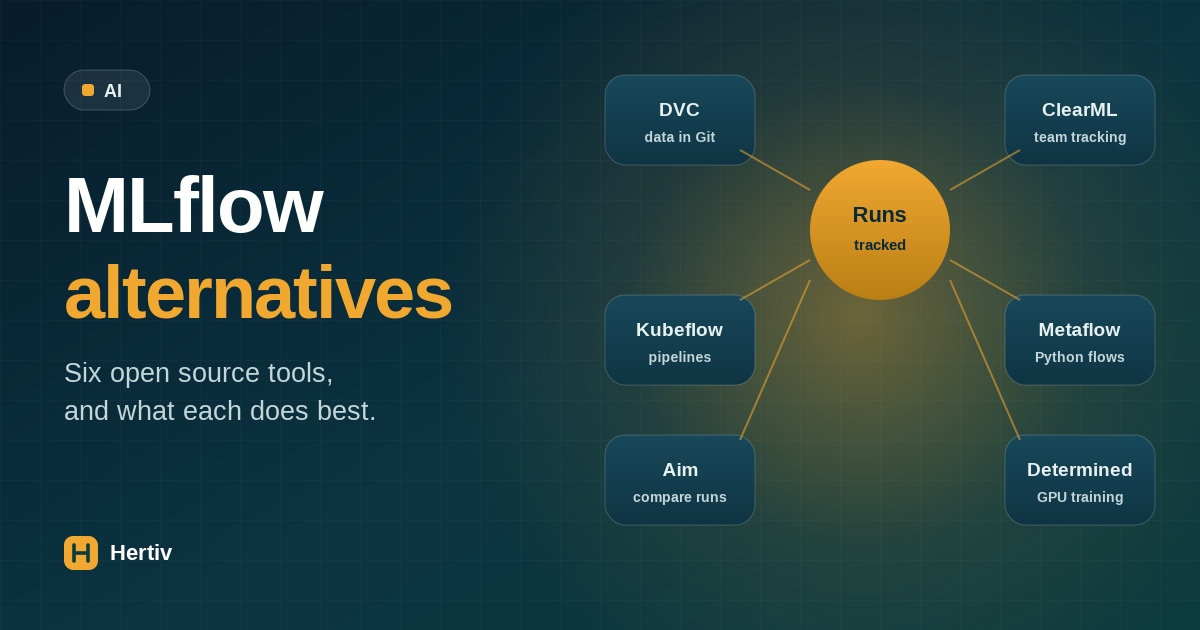
MLflow is a popular way to track machine learning experiments, but it is not the only open source option. Here are six alternatives and what each one does best.
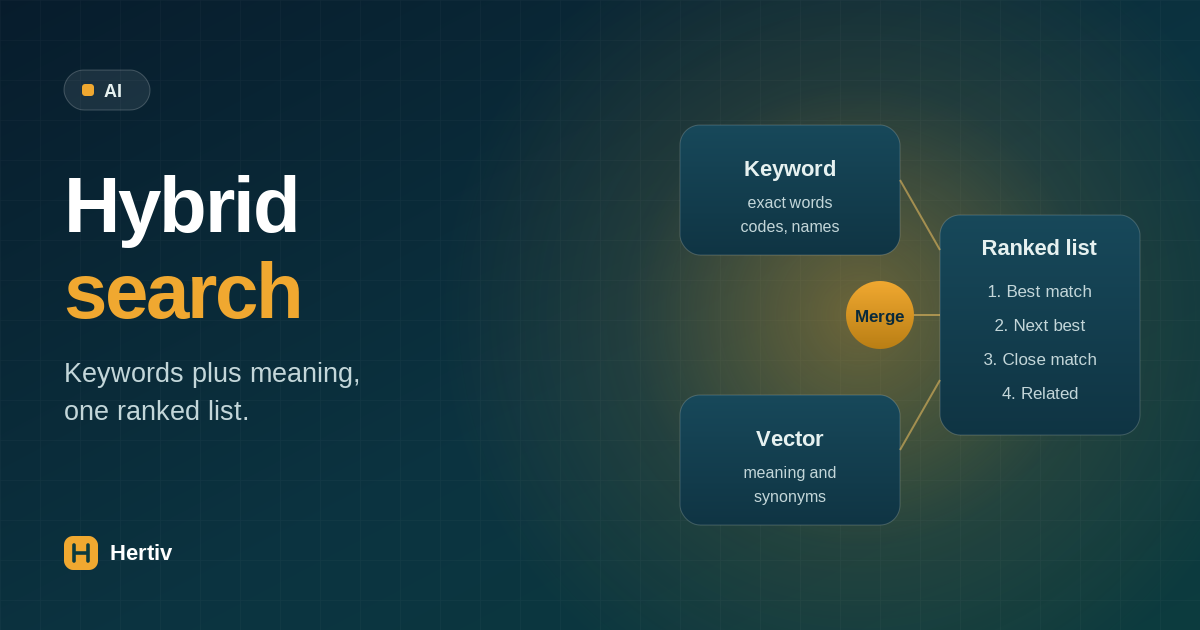
Hybrid search mixes keyword search with vector search, then ranks the combined results. Learn how the two methods work together and when the mix wins.
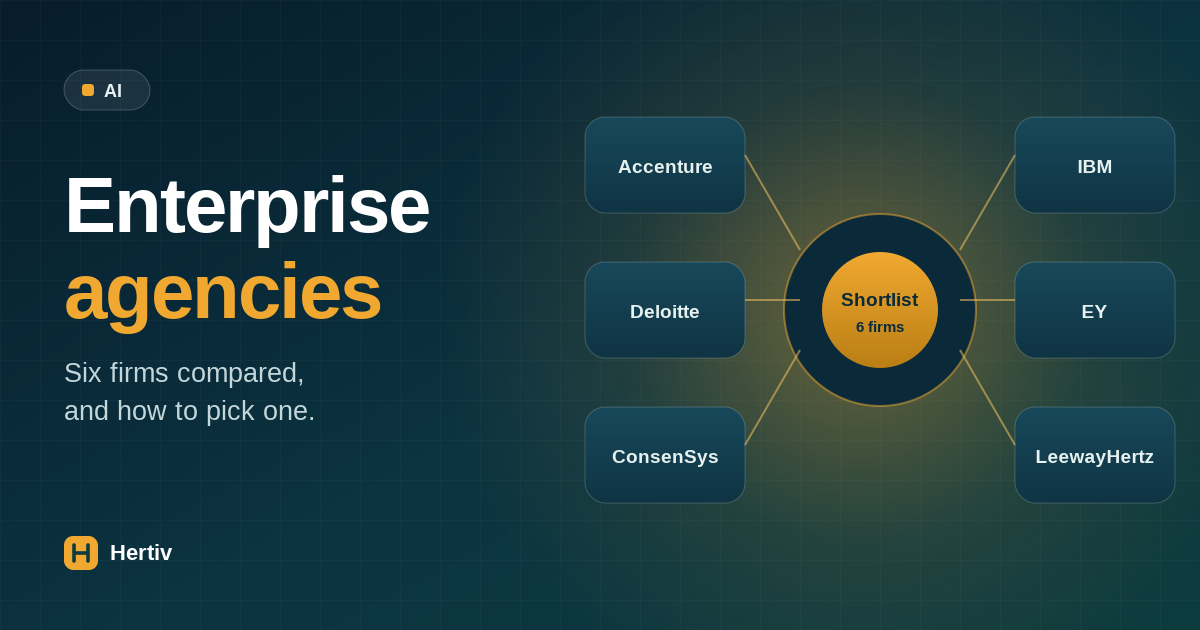
Enterprise blockchain agencies build private networks, token platforms and smart contracts for large companies. Compare six firms and how to pick one.
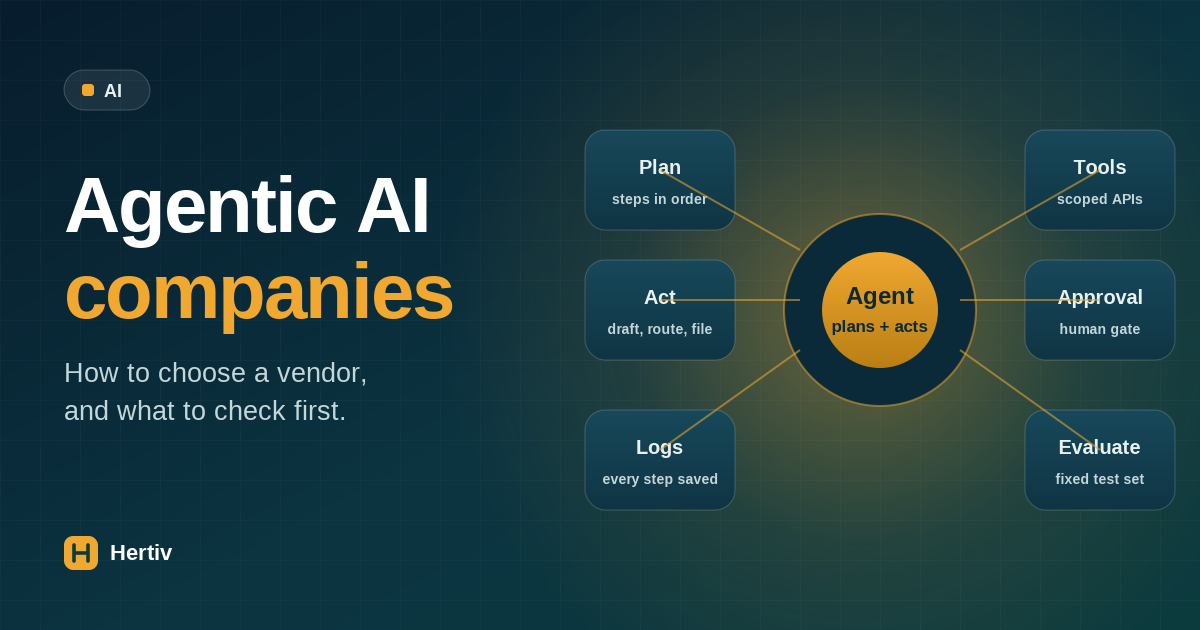
Agentic AI companies build systems that plan and act on their own. Here is what enterprises should check before choosing one.
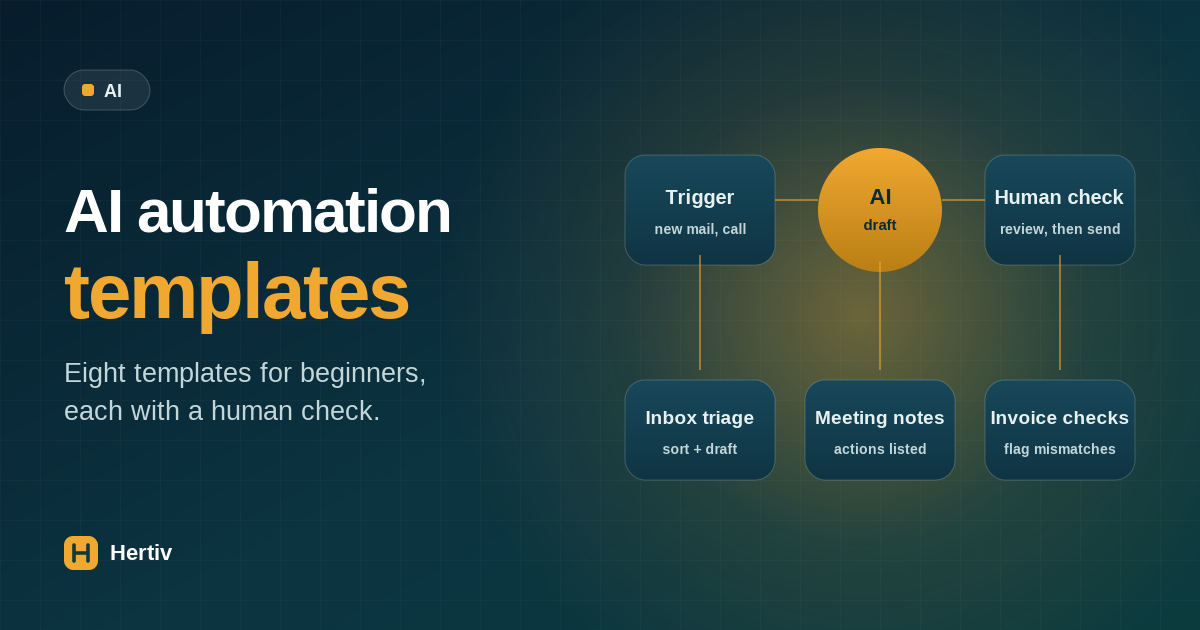
Eight beginner-friendly AI automation templates that save real time, from inbox triage to invoice checks. Pick one, run it for a week, then expand.
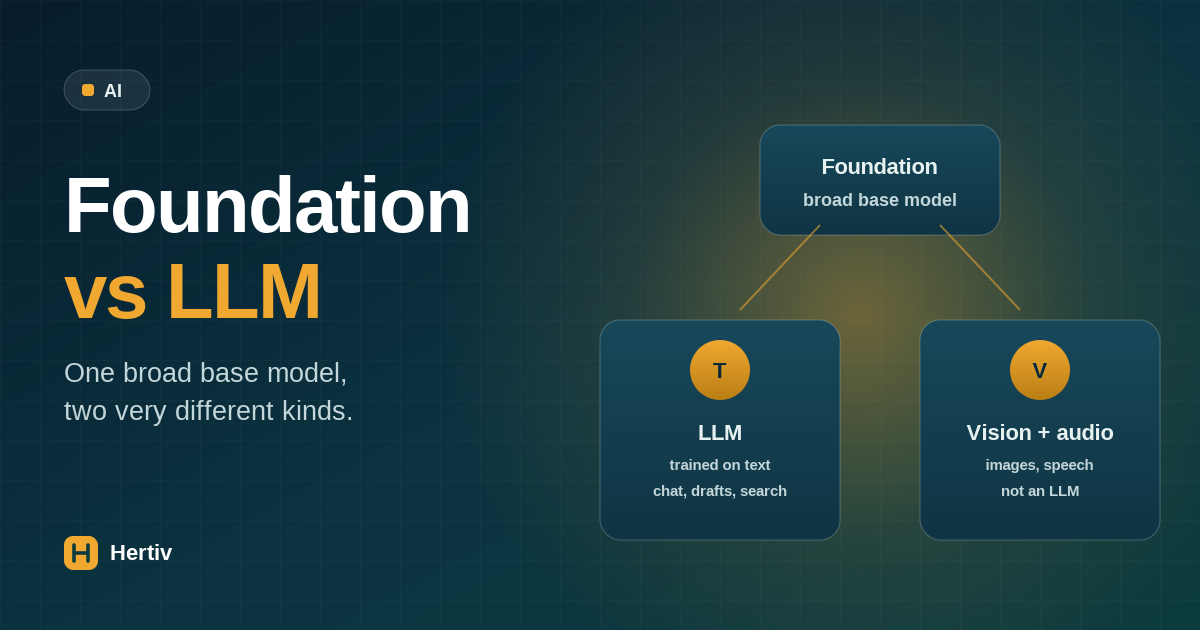
A foundation model is the broad category; a large language model is one type of foundation model. Here is how they differ and when each term applies.
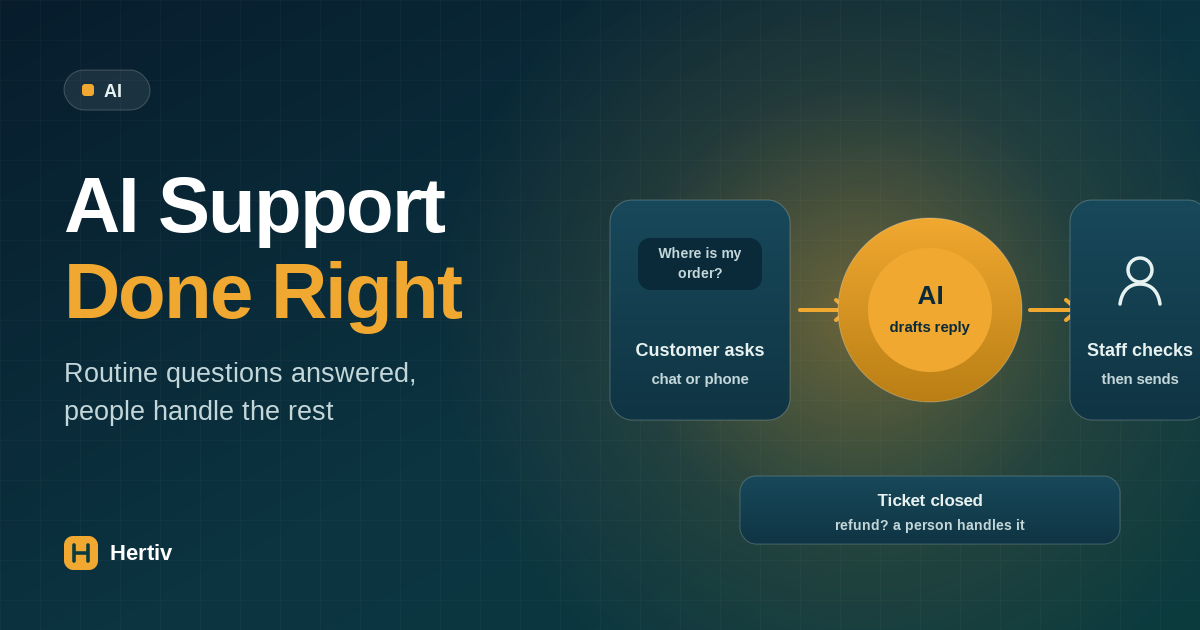
AI customer service answers routine questions, drafts replies and routes tickets. Learn where to start, how to set it up, and how to keep quality high.
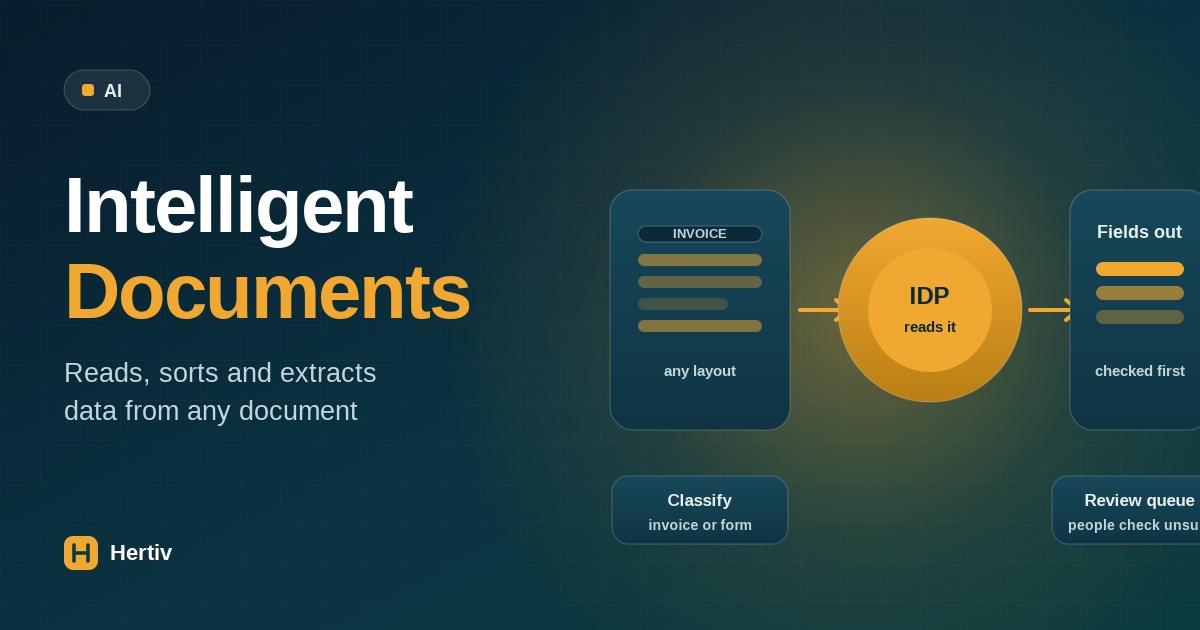
Intelligent document processing reads, sorts and pulls data from documents with AI. Learn how it works, where it fits, and what to check before you start.
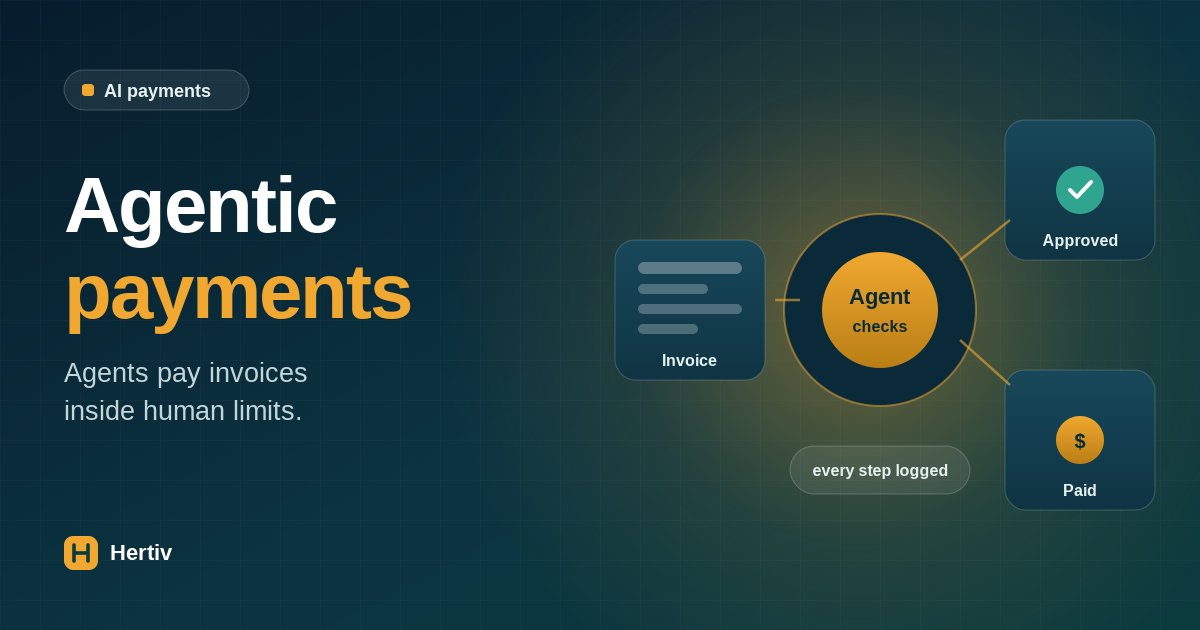
Agentic payments let an AI agent pay suppliers and settle invoices inside limits a human sets. Here is how they work and the controls that keep them safe.
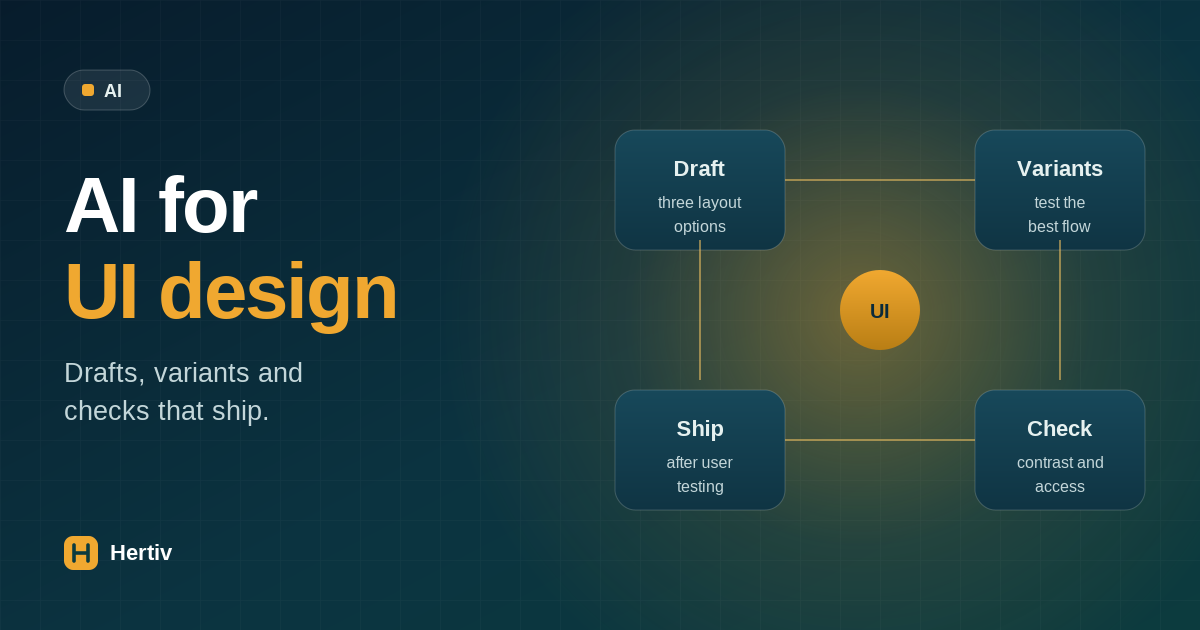
AI can draft layouts, write interface copy and test design variants, but it works best with a designer checking the result. Learn a practical workflow.
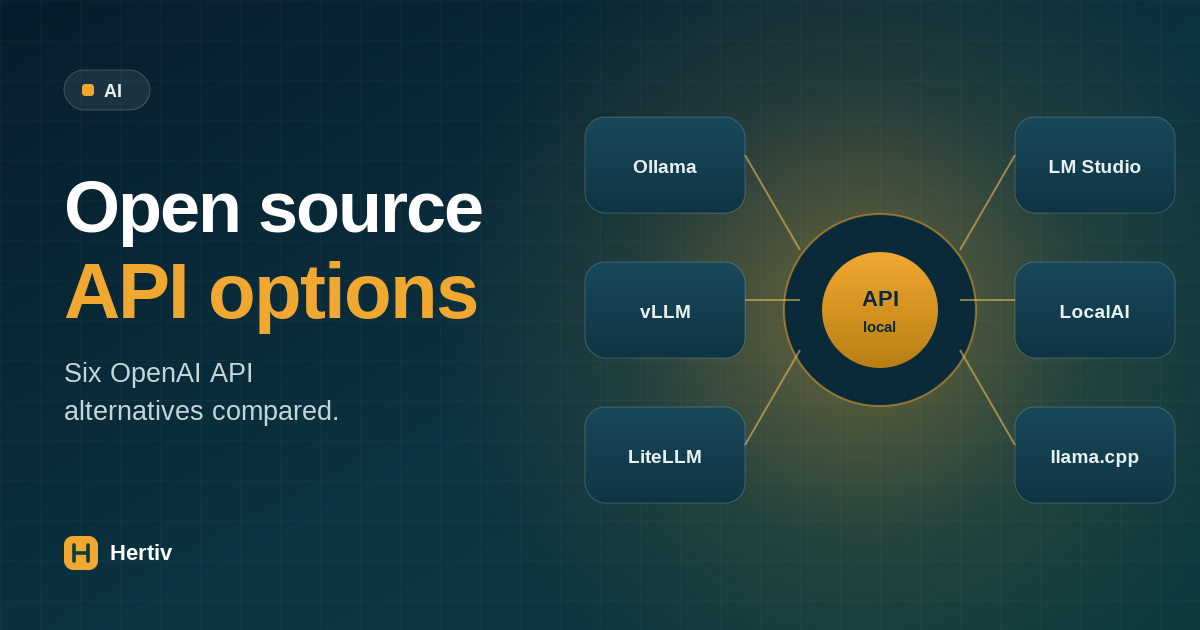
Open source OpenAI API alternatives let you run chat models on your own servers. Compare Ollama, LM Studio, vLLM, LocalAI, LiteLLM and llama.cpp.
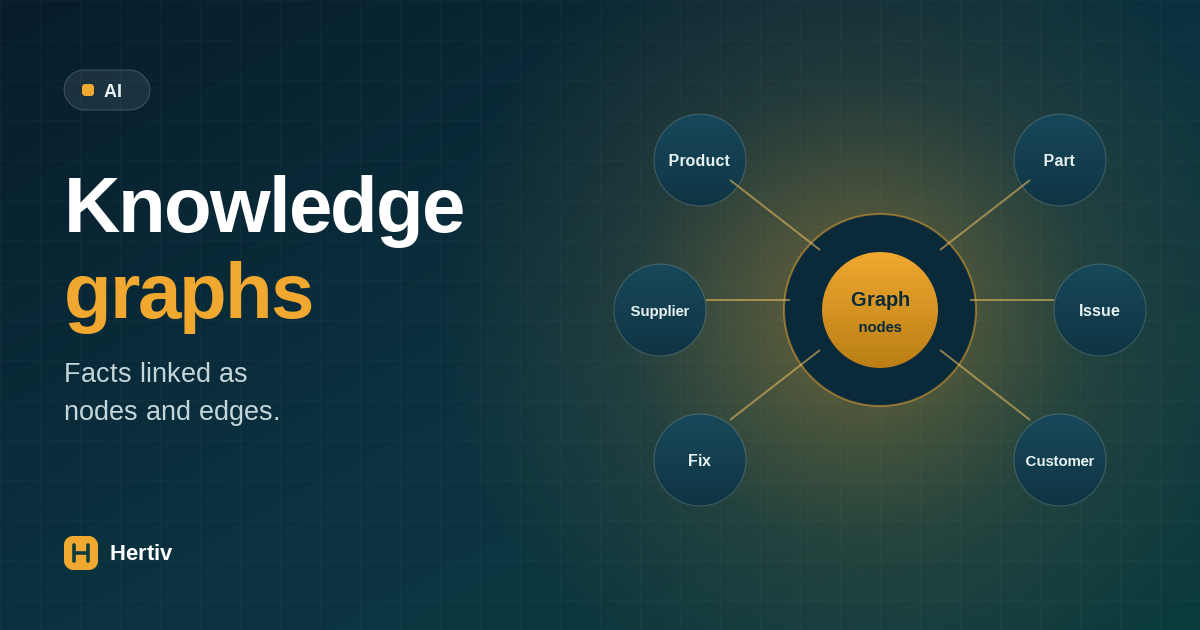
A knowledge graph stores facts as connected entities and relationships, so software can answer questions that need context. Learn how it works and where it helps.
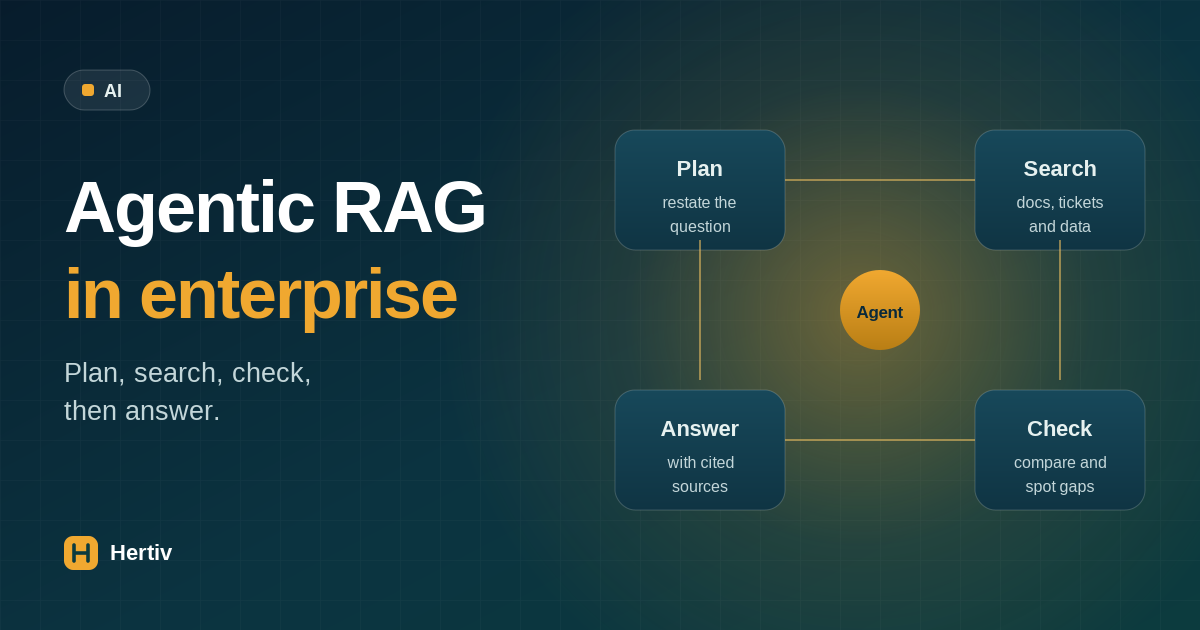
Agentic RAG lets an AI agent plan, search and check enterprise data before answering. Learn how it works, what it needs and how to roll it out safely.
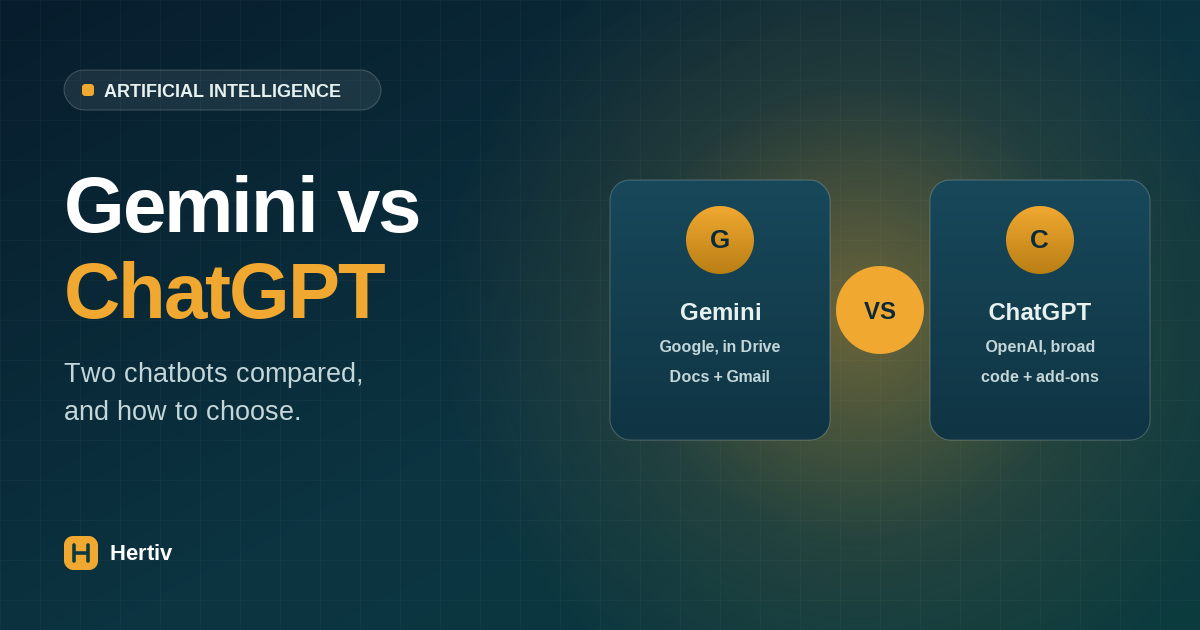
Gemini and ChatGPT are the two best-known AI chatbots, but they fit different workflows. Here is how they compare on writing, coding, files and everyday use.
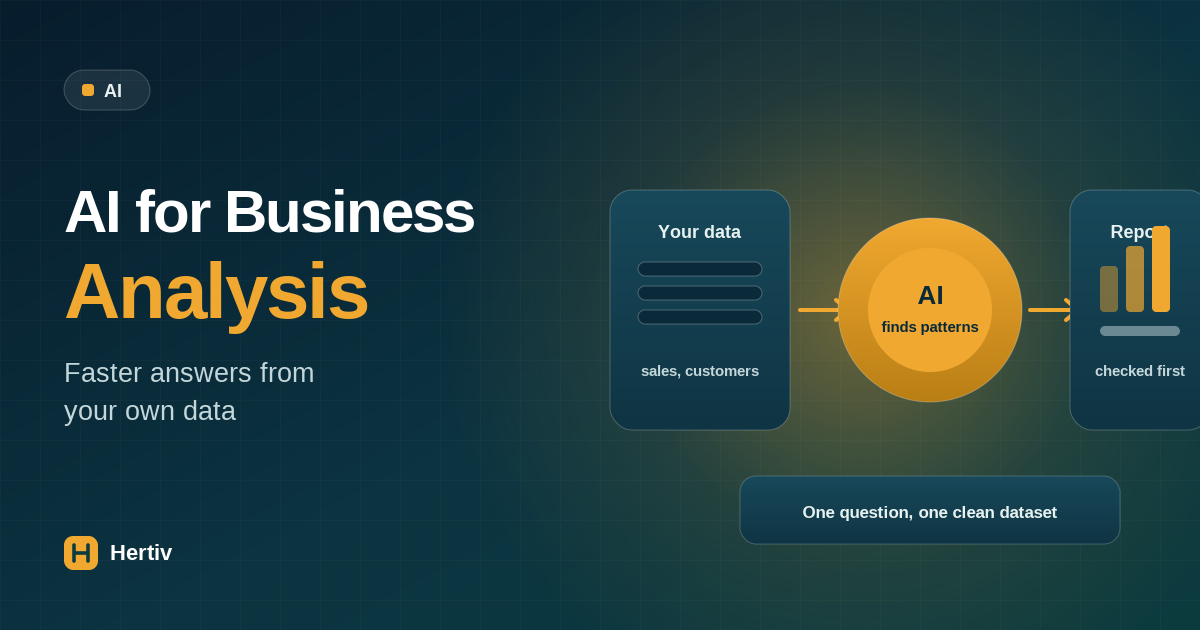
AI can speed up business analysis by cleaning data, spotting patterns and drafting reports. Here is how to start, with a worked example and checks.
No posts on this page match. Use site search (Ctrl K) to search every post.
A senior engineer reads every request and replies within one business day with questions, a rough range, or a call link.