AI
How to Invest in AI Technology: A Practical Guide
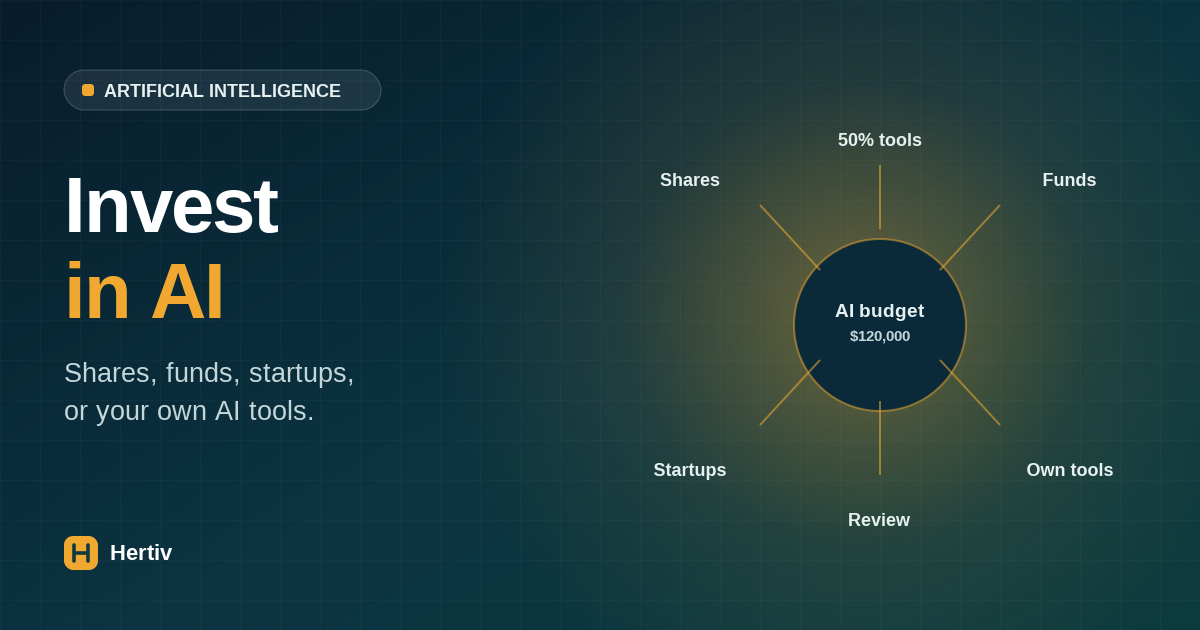
Investing in AI means choosing how to put money into it: buying shares, backing startups or funding your own AI tools, while weighing risk and time horizon.
Guides on AI agents, LLM apps, RAG, evaluation and MCP, written by the engineers who build them.
1953 posts · page 63 of 82
Investing in AI means choosing how to put money into it: buying shares, backing startups or funding your own AI tools, while weighing risk and time horizon.
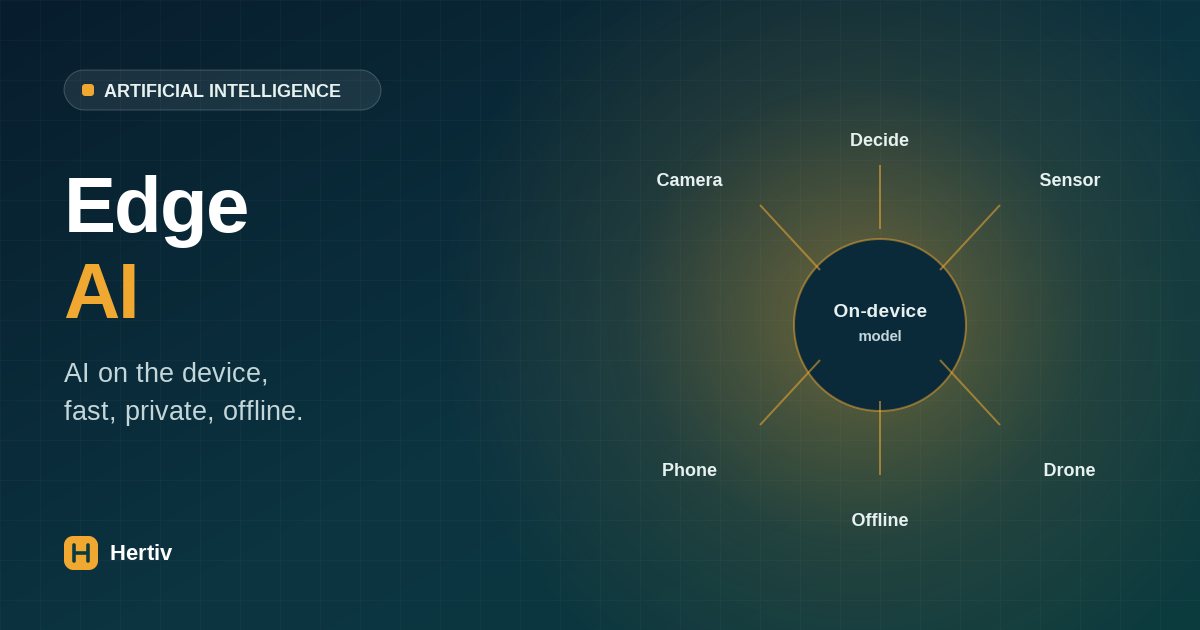
Edge AI runs machine learning models on the device itself, such as a camera or phone, instead of sending data to a server, so it answers faster and works offline.
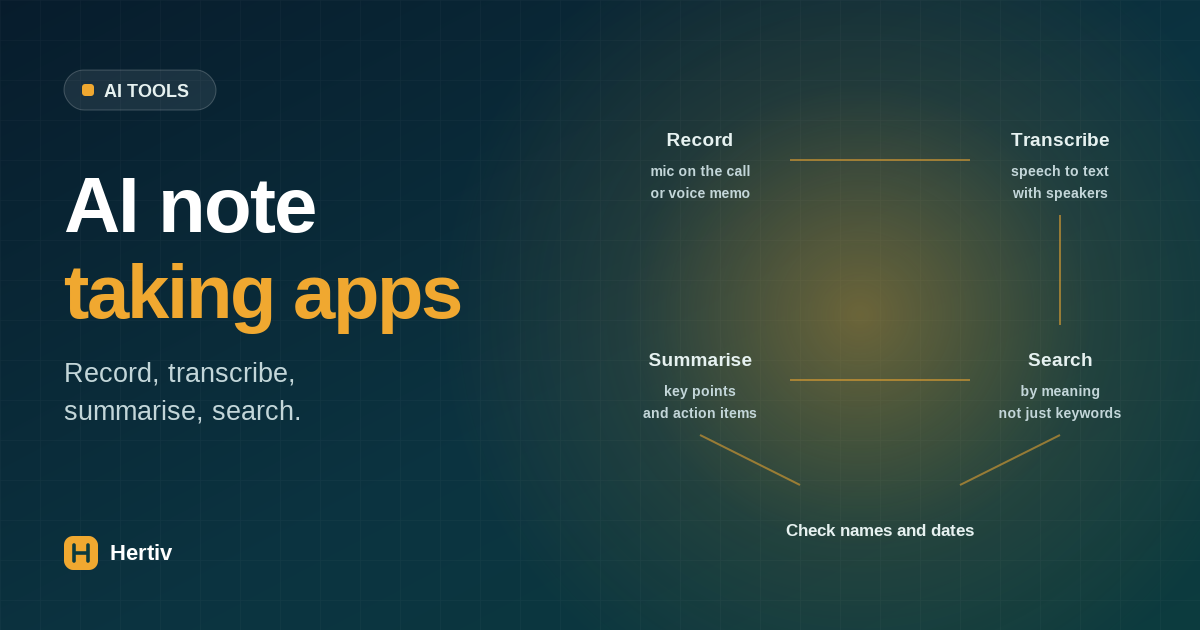
These AI note taking apps turn meetings, lectures and voice memos into searchable notes with transcription, summaries, action items and links.
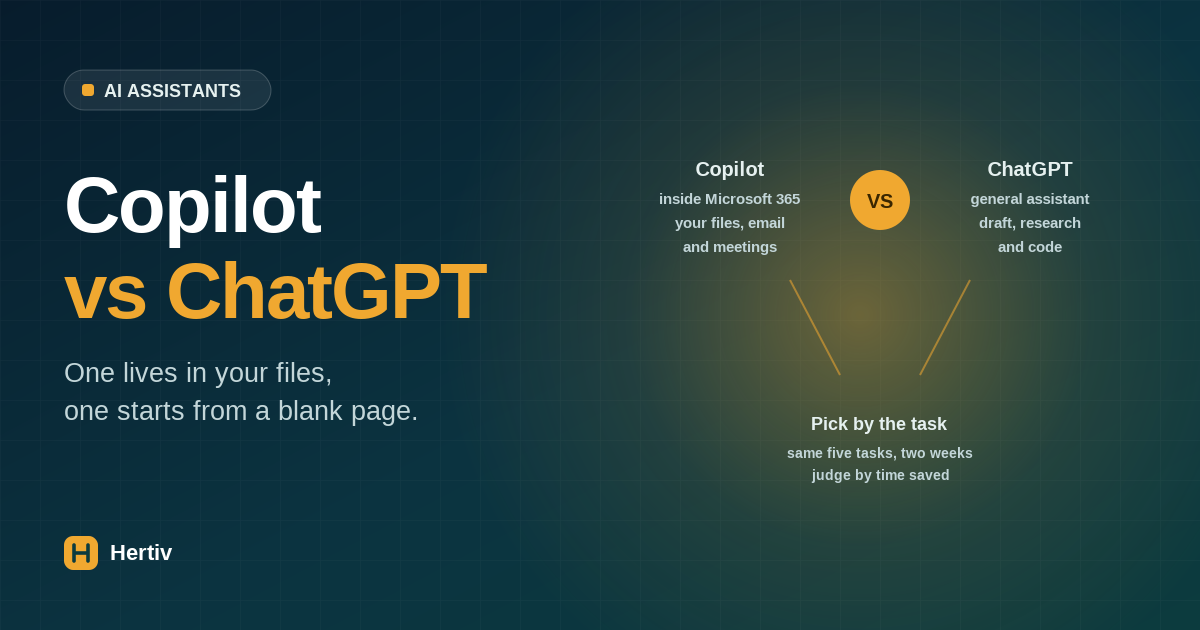
Copilot vs ChatGPT comes down to where you work: Copilot lives inside Microsoft 365 and your files, while ChatGPT is a general assistant for drafting and research.
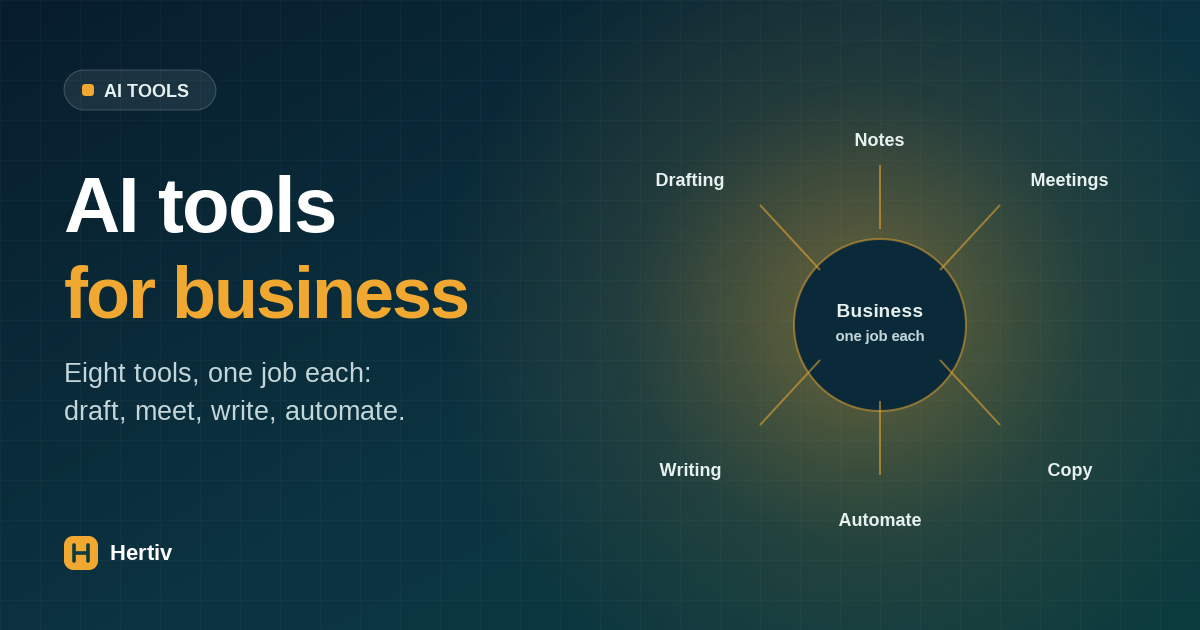
These AI tools for business cover drafting, meetings, notes, writing and automation, each with a clear job. Compare them by workflow, not by feature list.
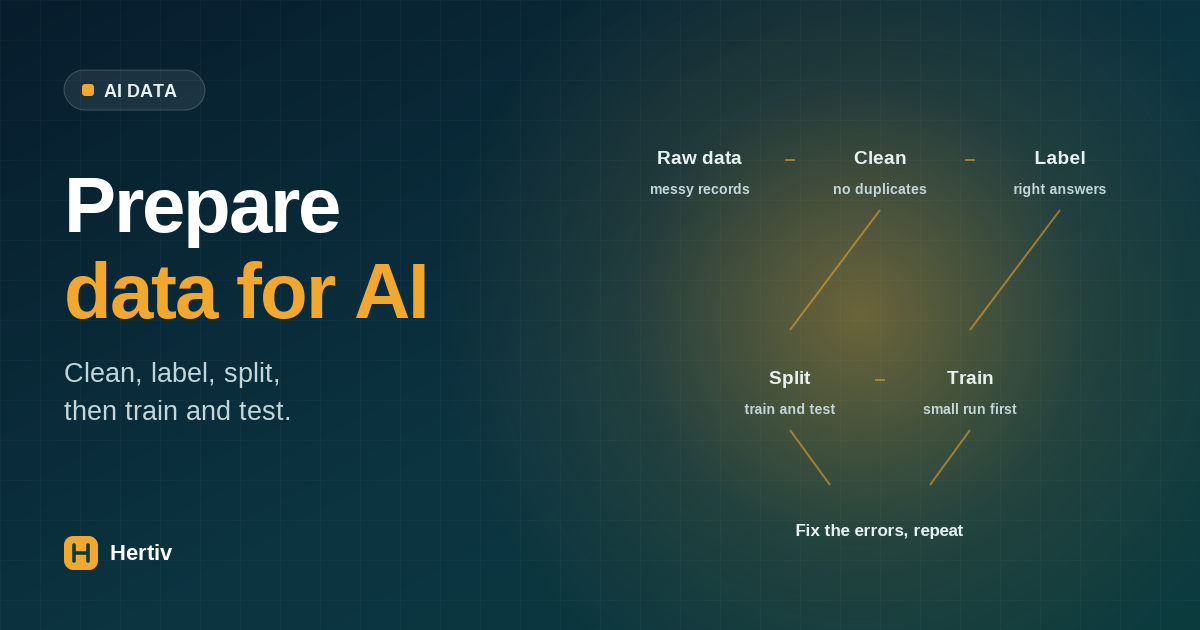
Preparing data for AI means collecting, cleaning, labelling and splitting real examples so a model can learn from them. Here is the process, step by step.
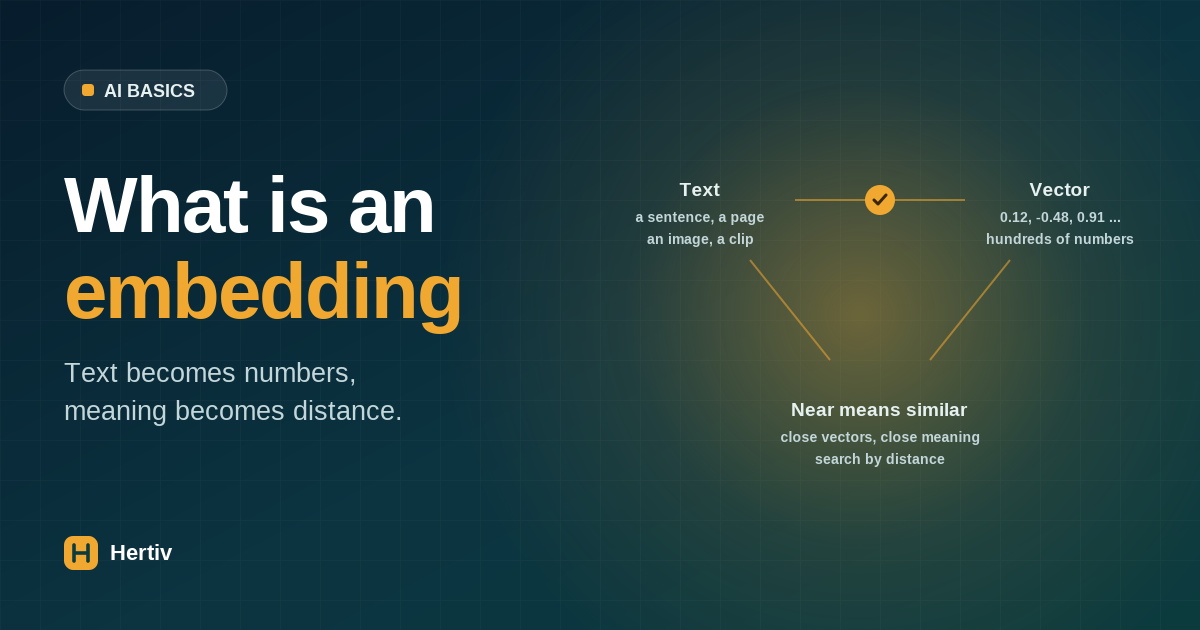
An embedding turns text, images or audio into numbers that capture meaning, so software can compare items by similarity. Here is how it works and where it is used.
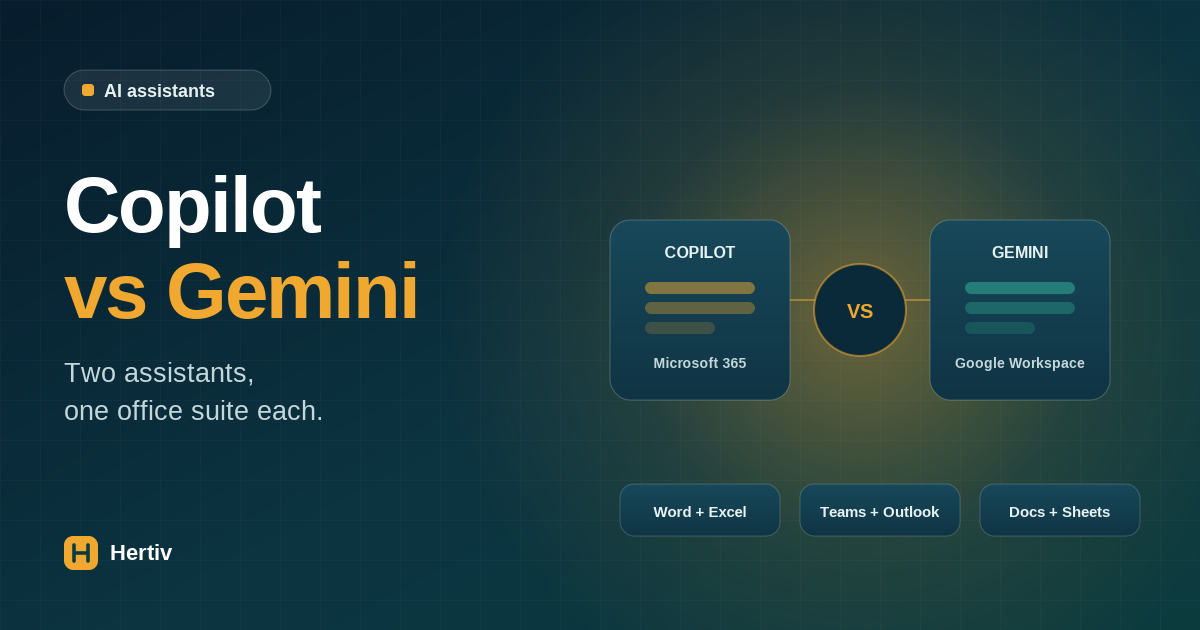
Copilot lives in Microsoft 365 and Gemini lives in Google Workspace. Here is how they compare, and which one fits your team.
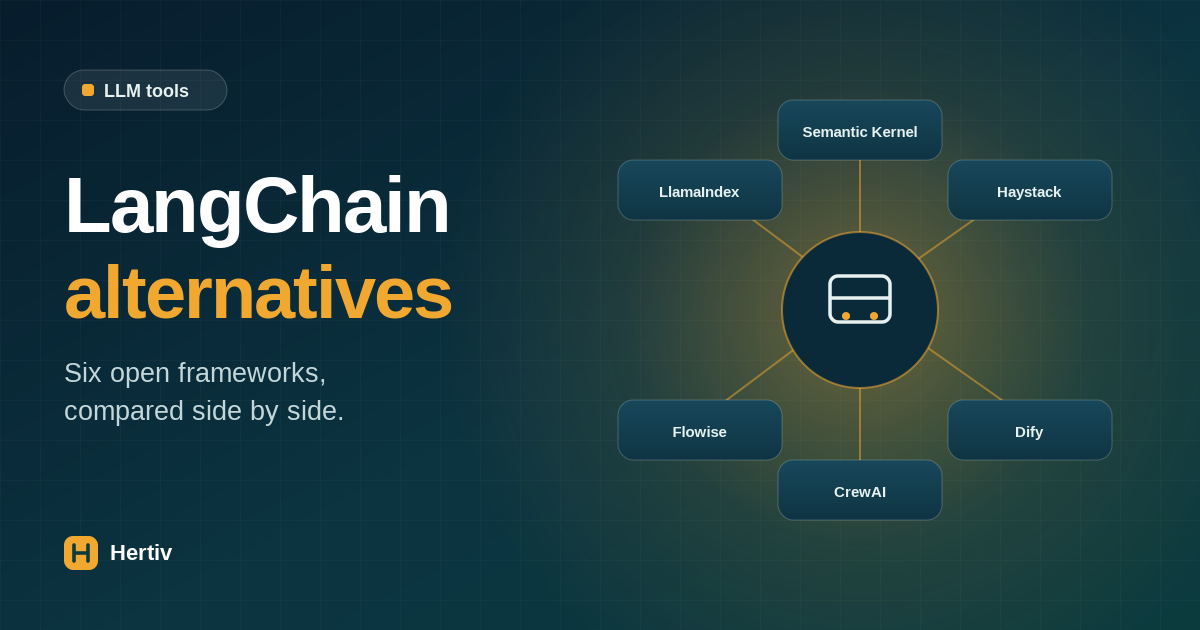
LangChain is not the only way to build LLM apps. Here are six open source alternatives, what each one does best, and how to pick between them.
LLM API costs fall fastest when you cut wasted tokens: cache repeated prompts, use smaller models for easy tasks, trim context and track spend per use case.
Explainable AI, or XAI, is the set of methods that show why a model made a decision, in terms a human can check. Learn the methods and where they matter.
Ten Discord automation ideas that cut moderator workload: welcome flows, moderation flags, tickets, role menus, polls, levels, FAQ replies and event reminders.
Cursor is a full AI editor, while Copilot adds AI help to the editors you already use. Compare how each handles your codebase, multi-file edits and team controls.
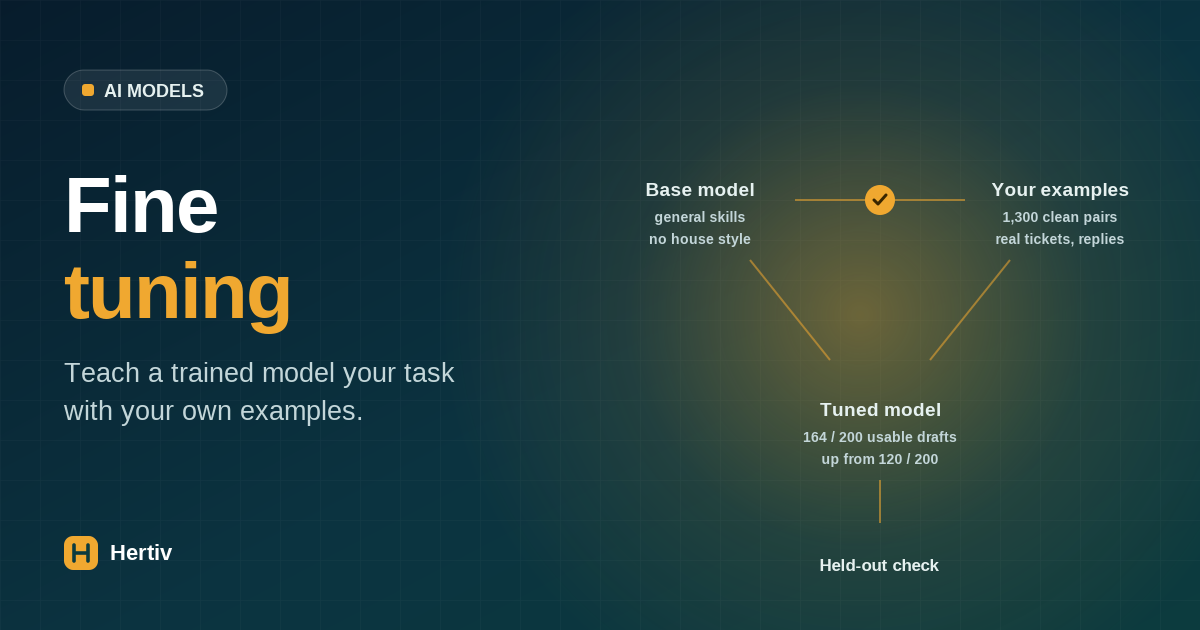
Fine-tuning adapts a trained model to your task with your own examples. Here is how it works, when it beats prompting, and what good training data looks like.
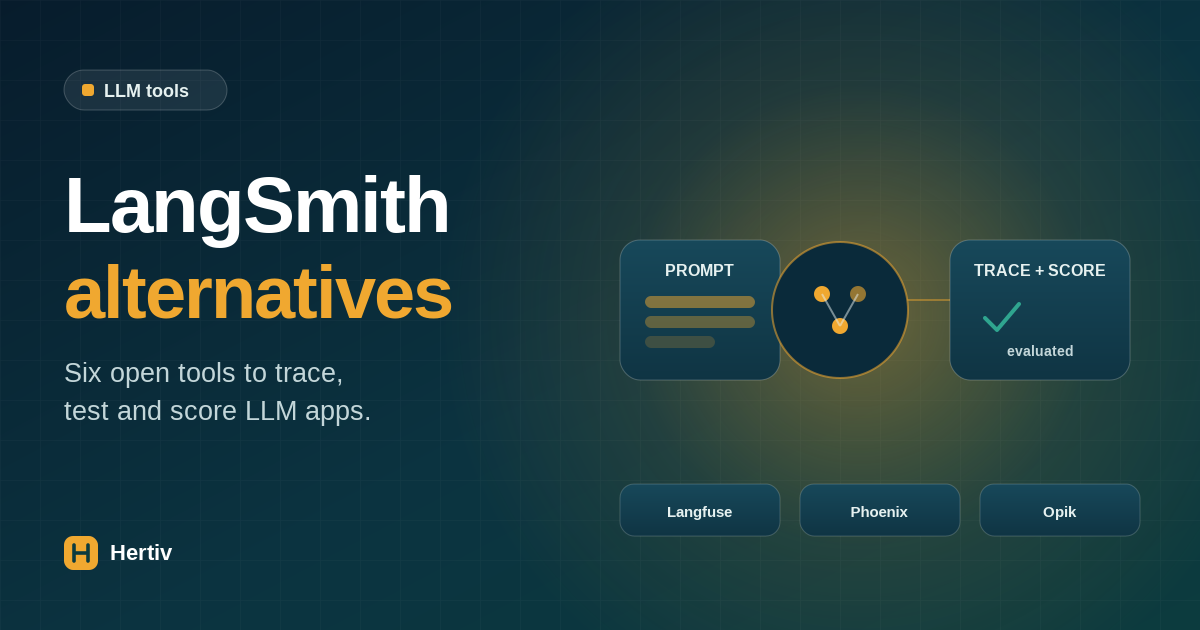
LangSmith is LangChain's hosted platform for tracing and evaluating LLM apps. These six open source tools cover the same ground, and you can run them yourself.
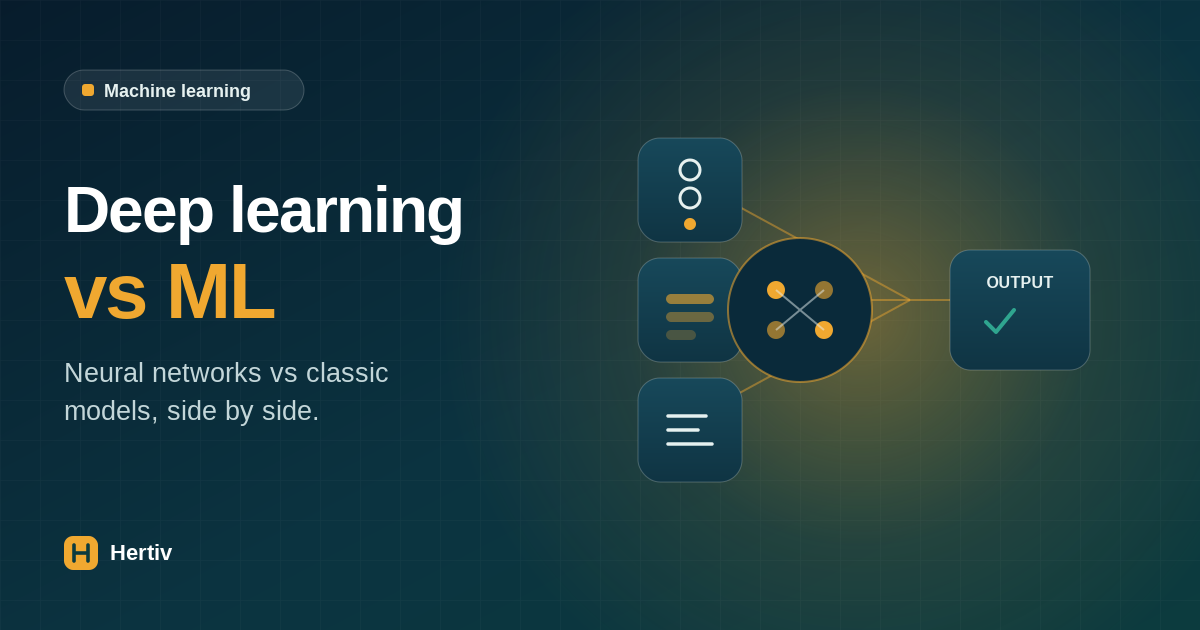
Deep learning is a branch of machine learning that uses neural networks to learn from raw data. Here is how the two compare, and when each one is the right choice.
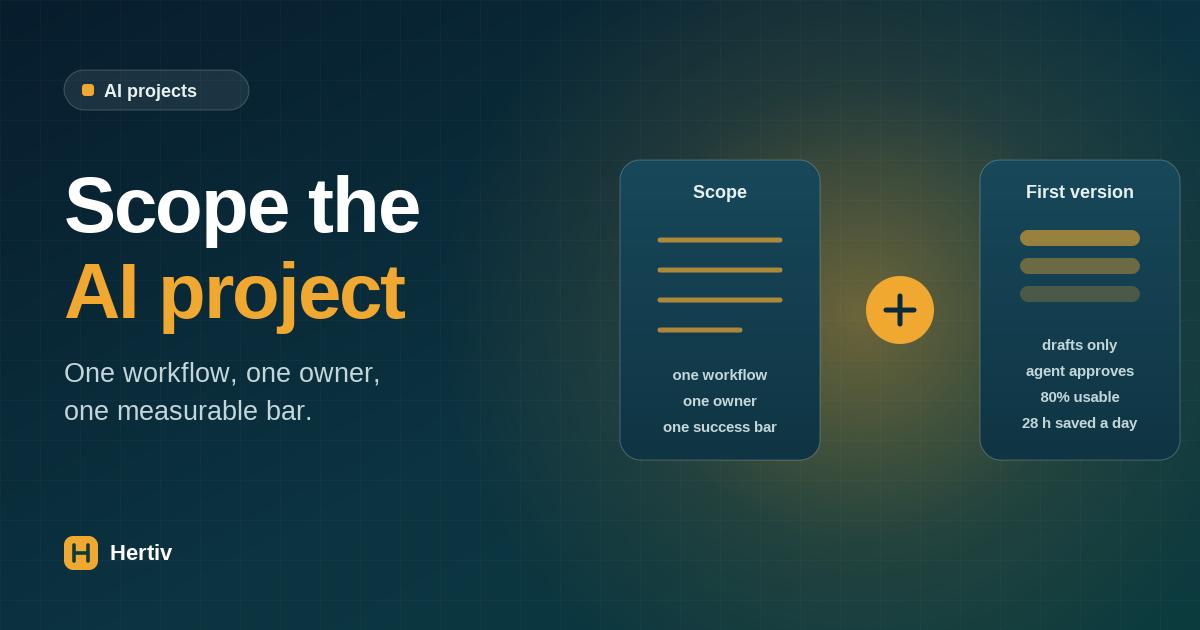
Scoping an AI development project means defining the job, the data, the success bar and the first version before building, so the team ships something measurable.
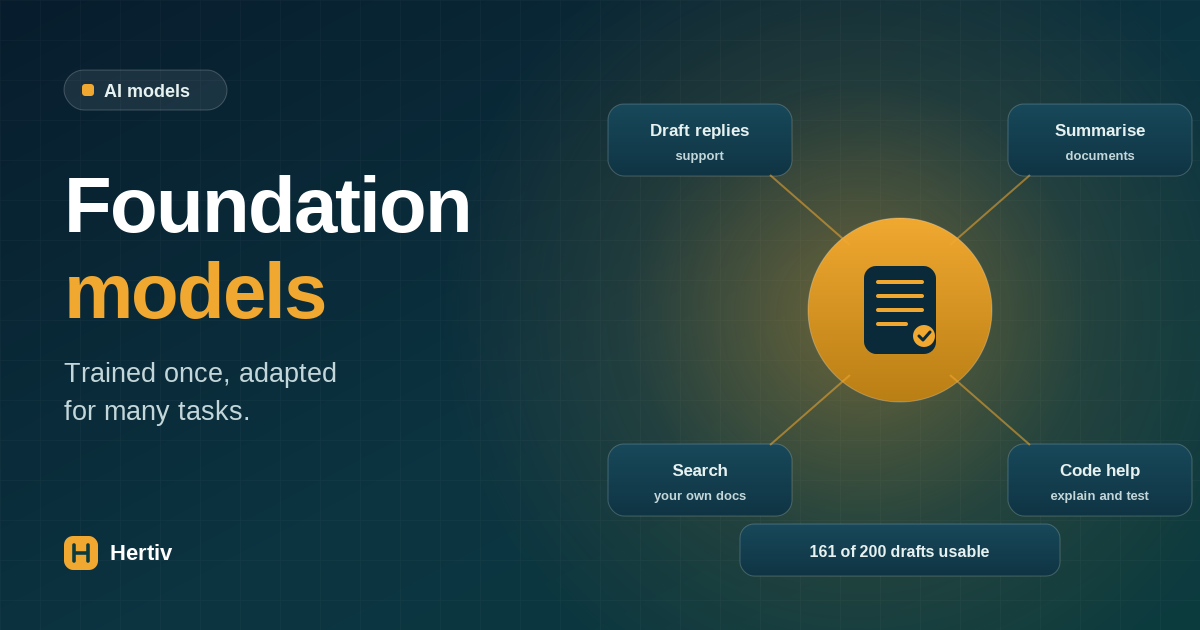
A foundation model is a large model trained on broad data that teams adapt for many tasks, from drafting to search, instead of training a new model each time.
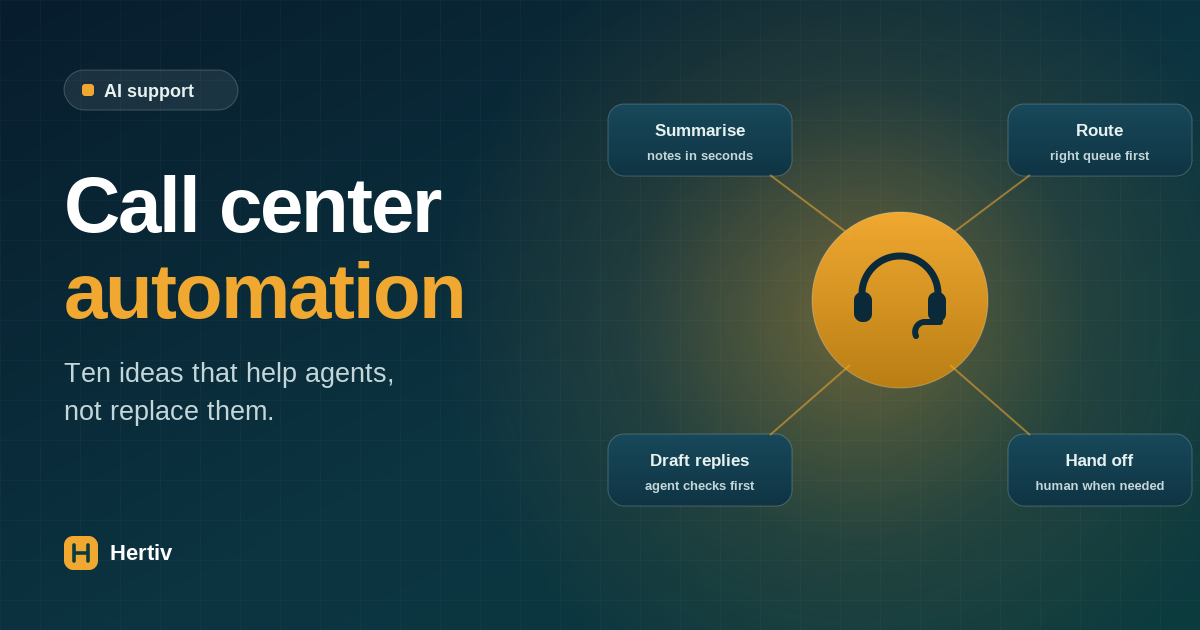
Ten call center automation ideas that help agents instead of replacing them: call summaries, routing, drafts, knowledge search and quality scoring.
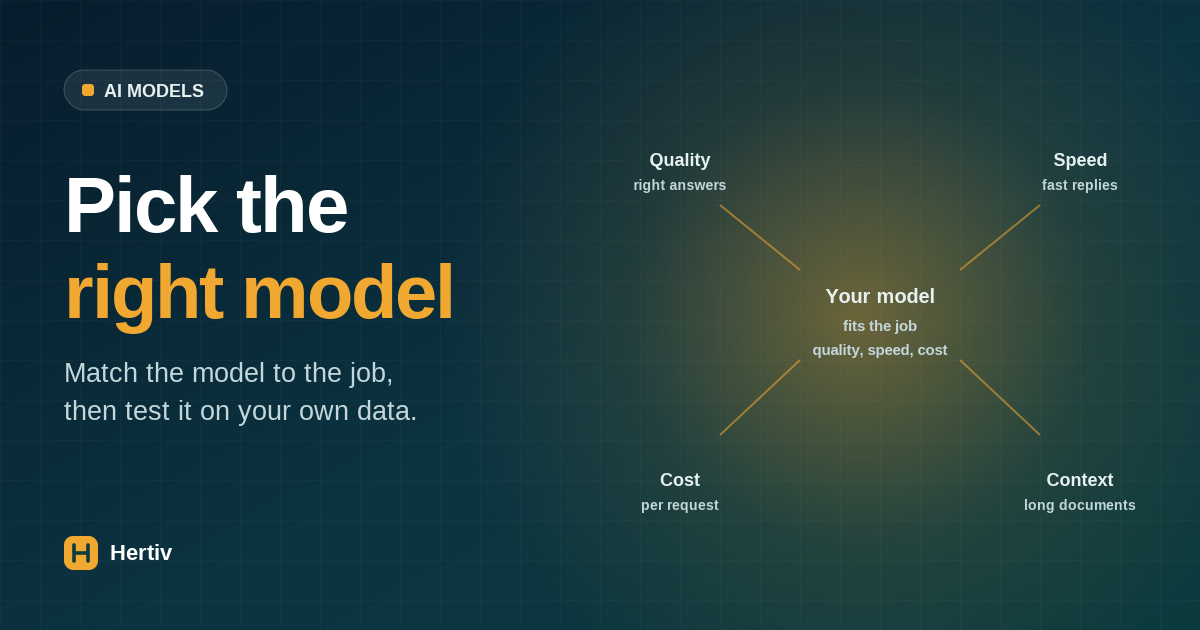
Selecting the right AI model means matching the task, quality bar, speed and cost before you commit. Here is a practical way to choose and test.
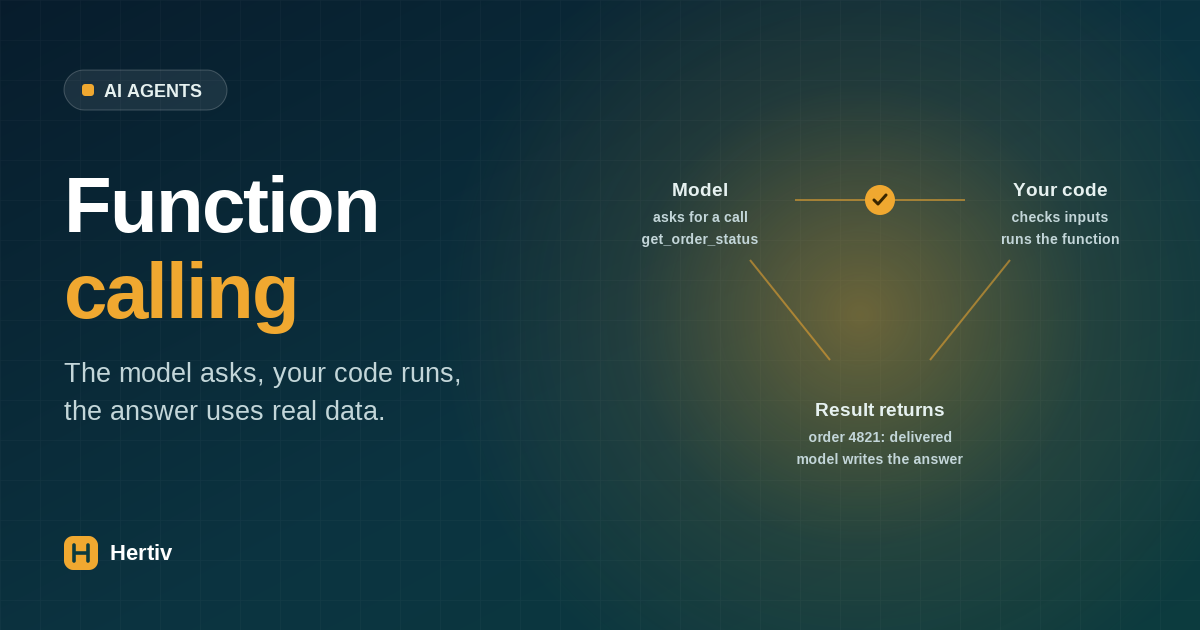
Function calling lets a language model ask your code to run a real action, such as looking up an order. Here is how it works and when to use it.
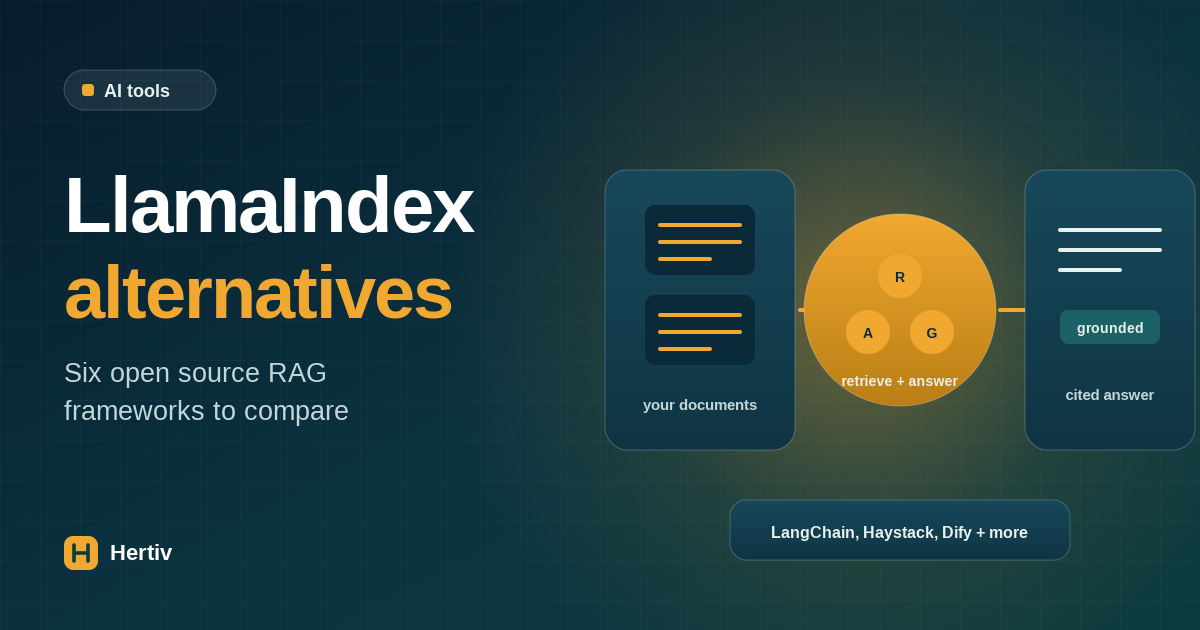
LlamaIndex is one way to build RAG apps, but LangChain, Haystack, Semantic Kernel, RAGFlow, Flowise and Dify cover the same job. Compare six alternatives.
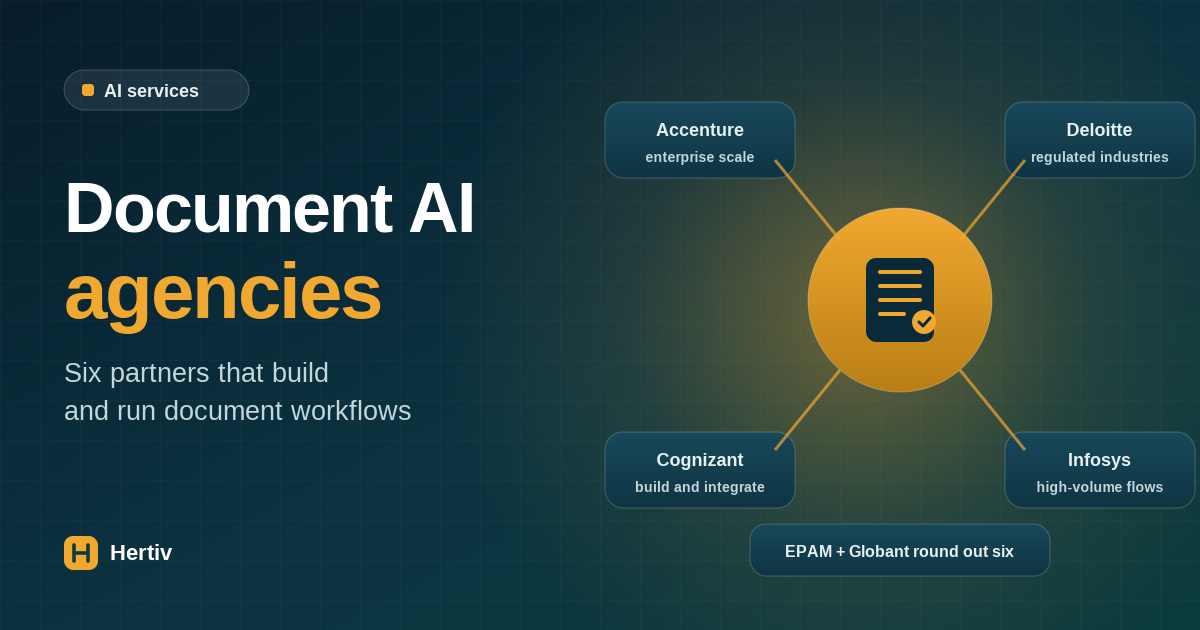
Document AI agencies build and run extraction and validation for invoices, contracts and claims. Compare six partners on what they deliver and how to choose.
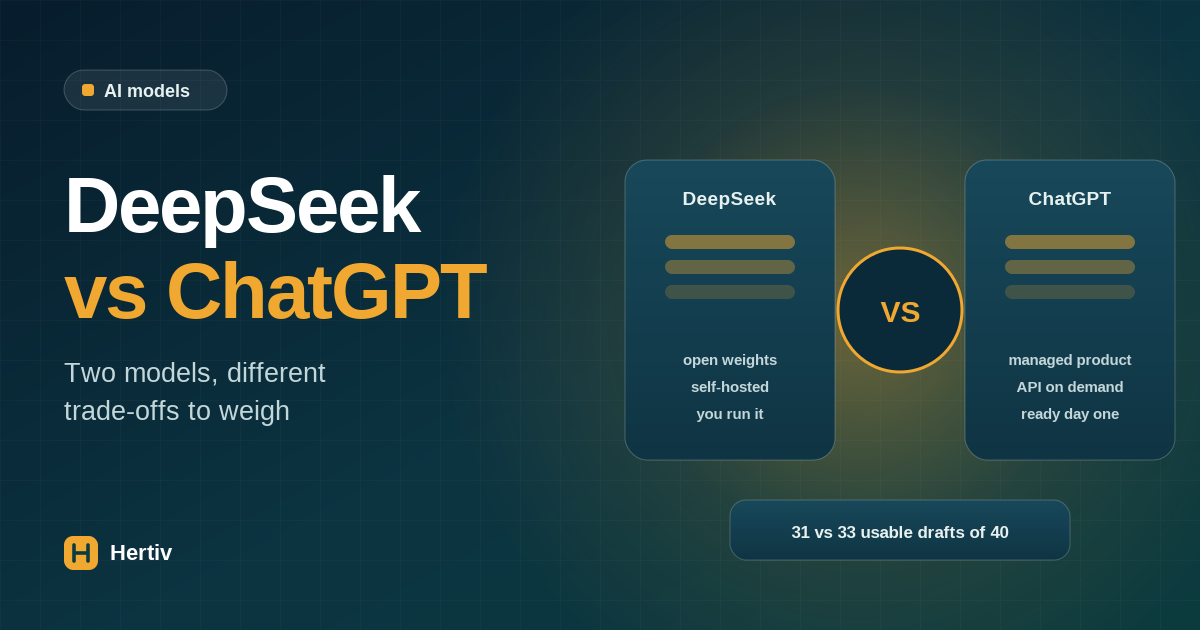
DeepSeek and ChatGPT differ in how you run them, what they cost and where they fit best. Compare the differences before you pick one.
No posts on this page match. Use site search (Ctrl K) to search every post.
A senior engineer reads every request and replies within one business day with questions, a rough range, or a call link.