AI
What Is a Large Language Model, and How Does It Work?
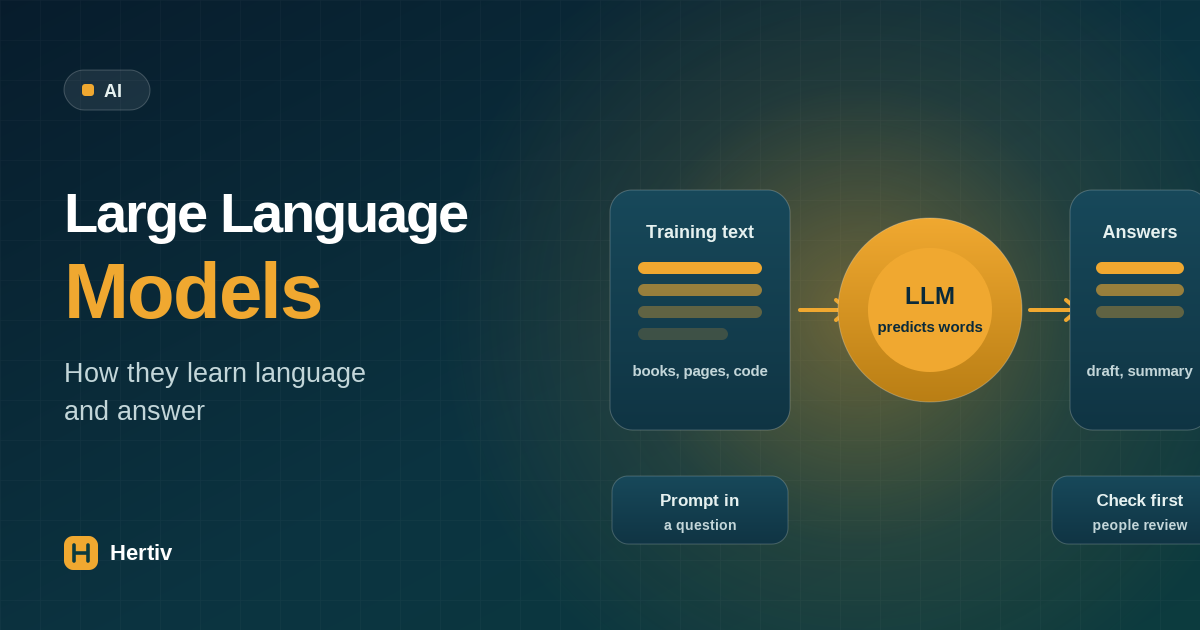
A large language model is an AI system trained on huge amounts of text to predict and produce language. Here is how it learns and where it fits.
Guides on AI agents, LLM apps, RAG, evaluation and MCP, written by the engineers who build them.
1945 posts · page 65 of 82
A large language model is an AI system trained on huge amounts of text to predict and produce language. Here is how it learns and where it fits.
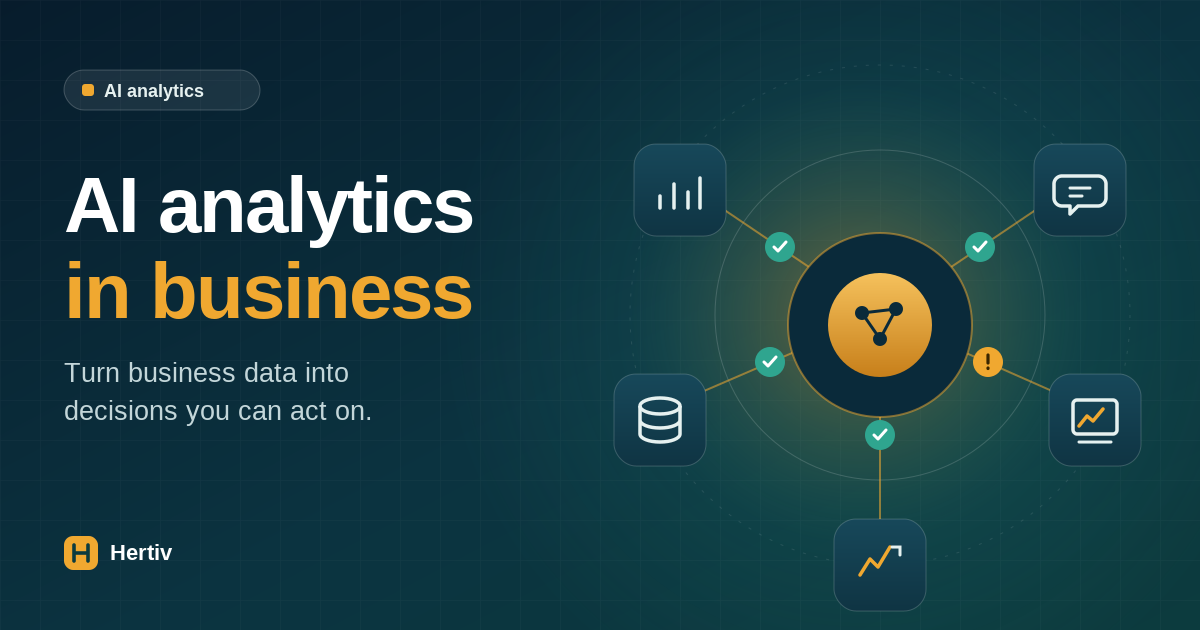
AI analytics solutions read business data, find patterns and predict what may happen next, so teams can act early instead of reporting what already happened.
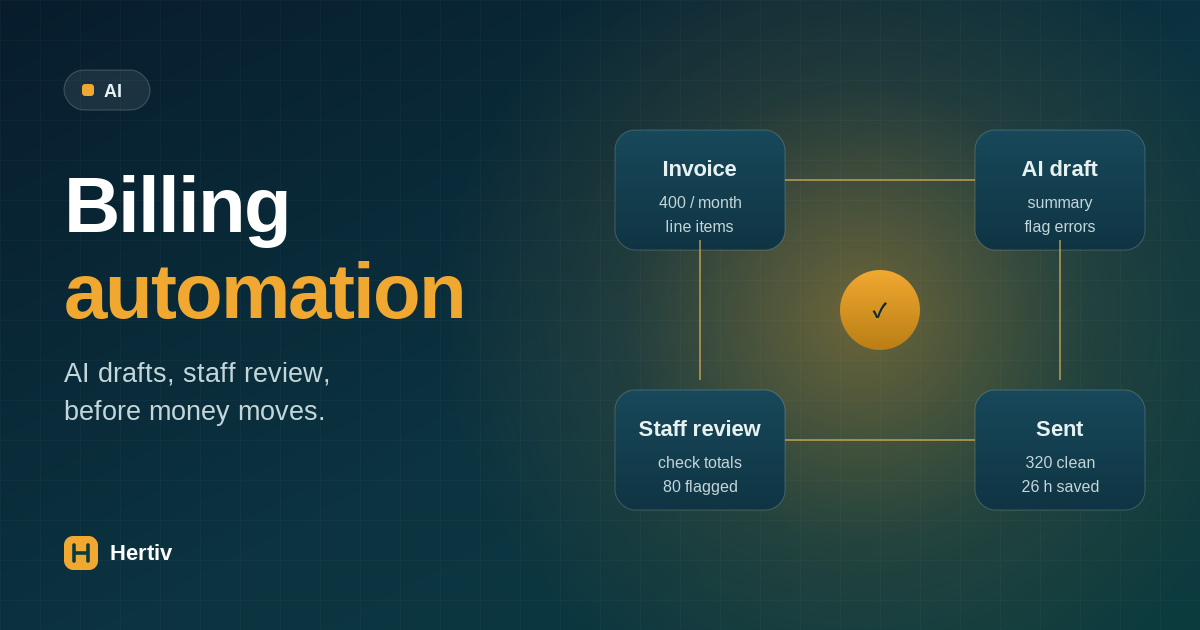
Generative AI can draft invoices, chase late payments and flag billing errors, with staff reviewing the output before money moves.
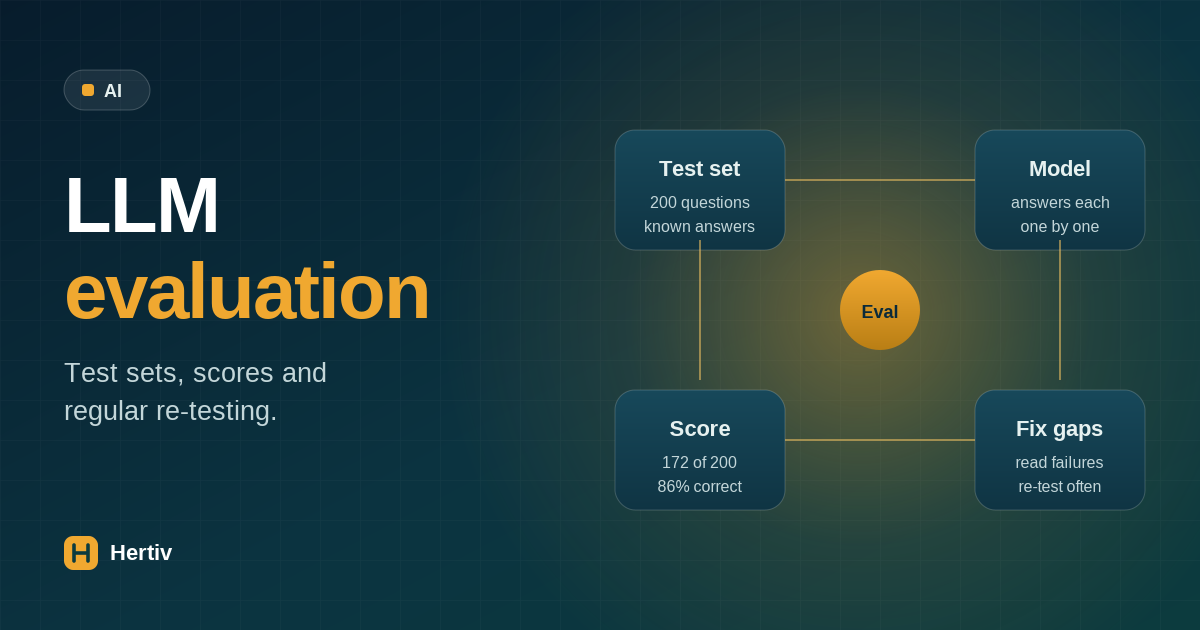
LLM evaluation measures how well a language model does a job, using a fixed test set, scores for accuracy and safety, and regular re-testing.
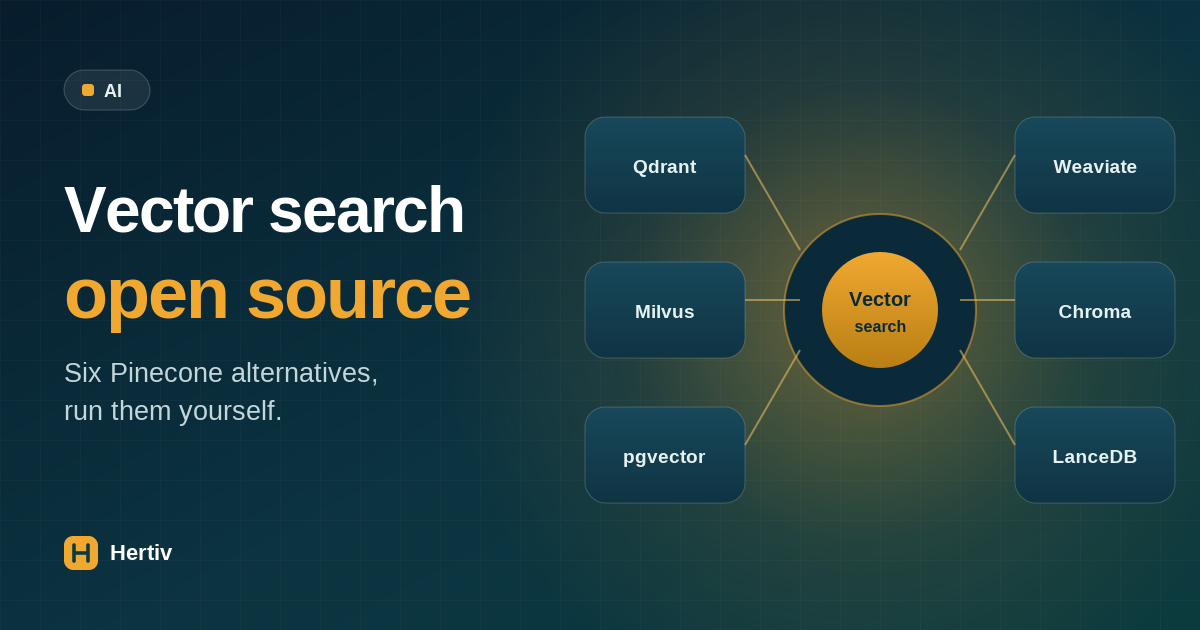
Open source Pinecone alternatives let you run vector search yourself: Qdrant, Weaviate, Milvus, Chroma, pgvector and LanceDB compared on fit.
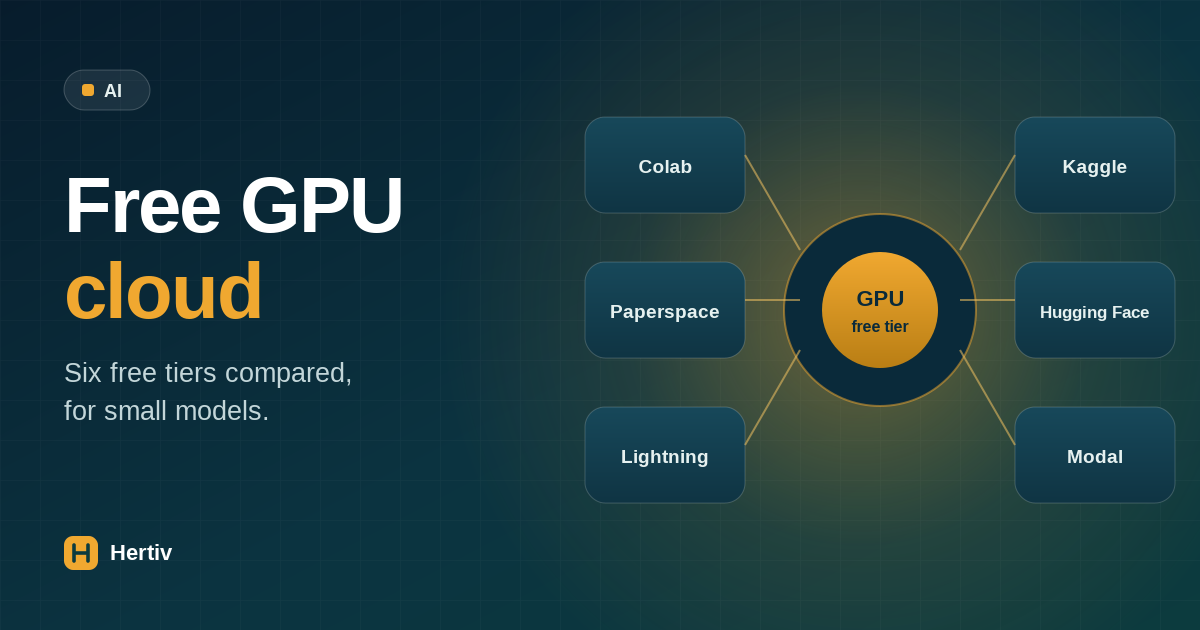
Free GPU cloud providers let you train small models without paying. Compare Colab, Kaggle, Paperspace, Hugging Face Spaces, Lightning AI and Modal.
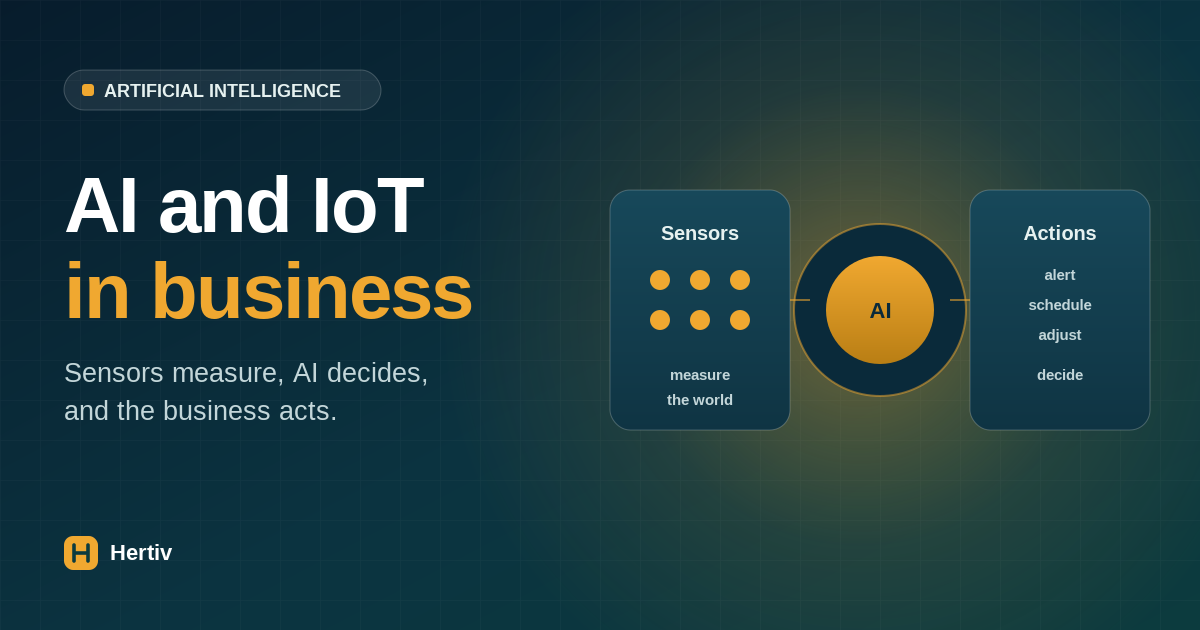
AI and IoT work best together: sensors collect data from the real world, and AI turns it into decisions. This guide explains how businesses use the combination.
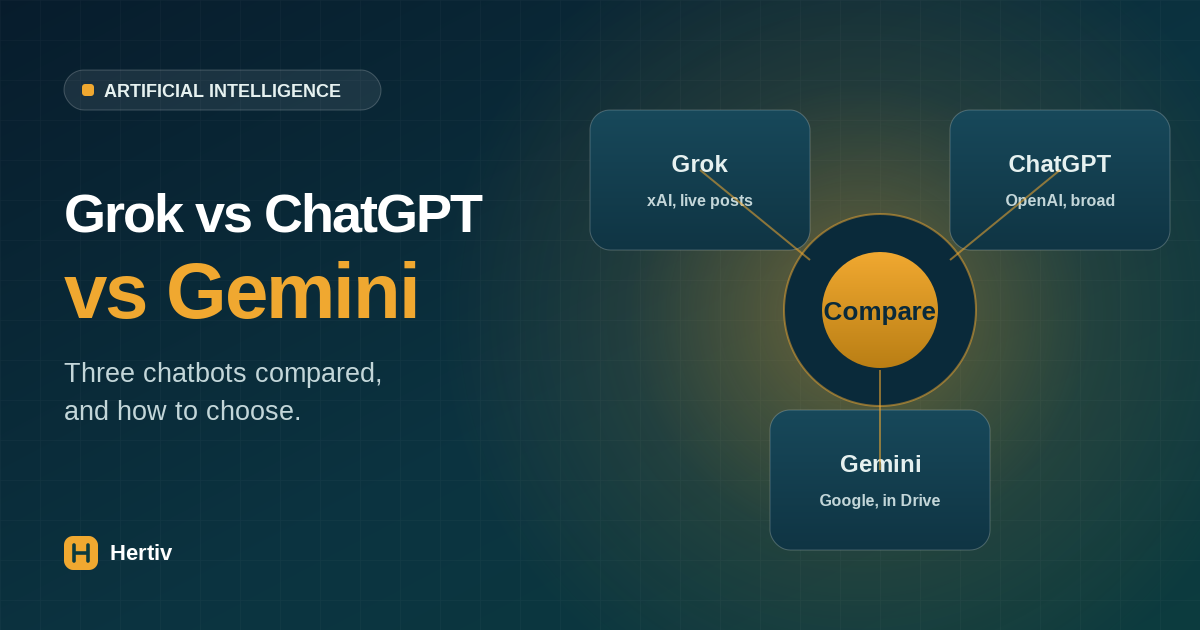
Grok, ChatGPT and Gemini are the three best-known chatbots, from xAI, OpenAI and Google. This guide compares them so you can pick the one that fits your work.
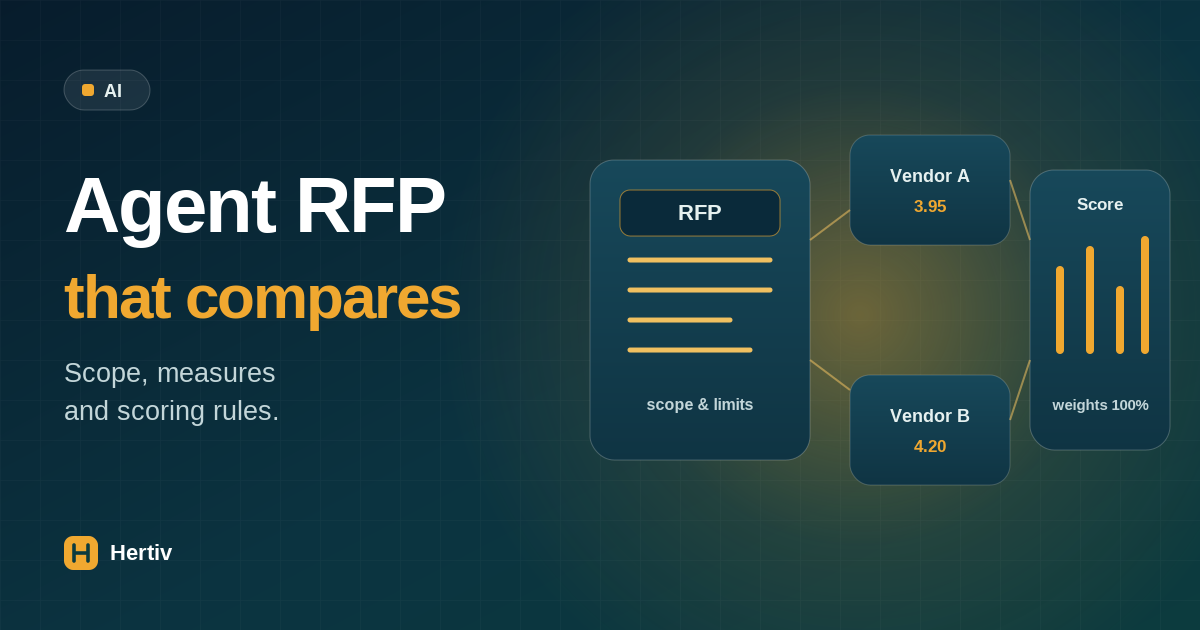
An AI agent development RFP should describe the job, the data, the success measures and the budget range. This guide covers each section and how vendors are scored.
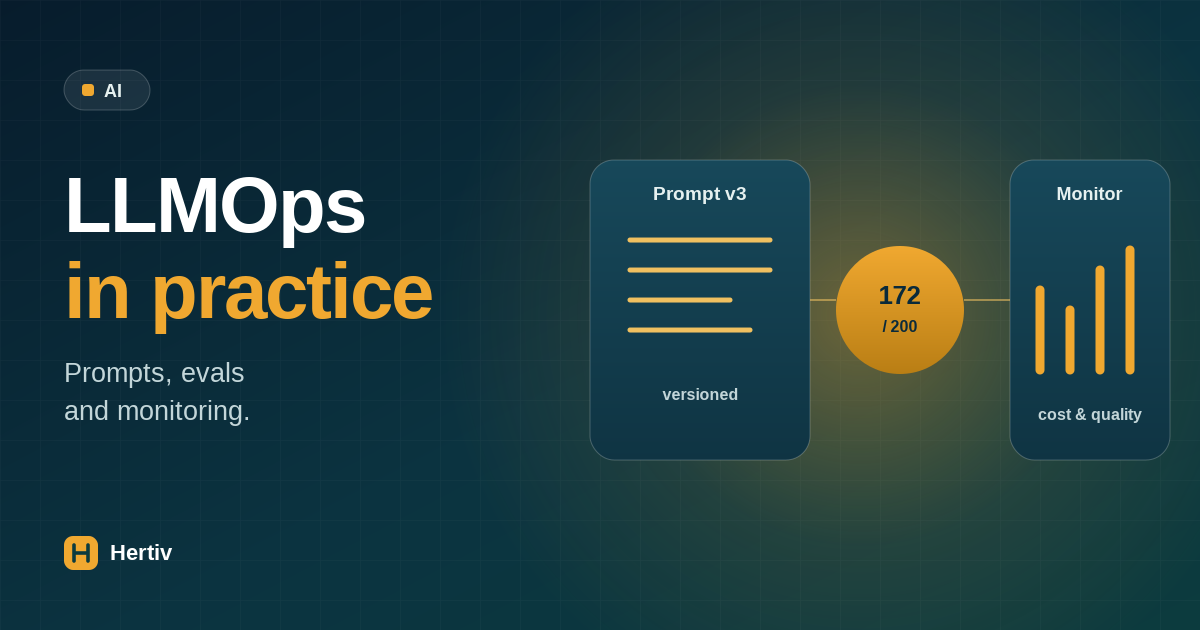
LLMOps is the set of practices for running large language models in production: prompts, evals, costs, versions and monitoring. This guide explains each part.
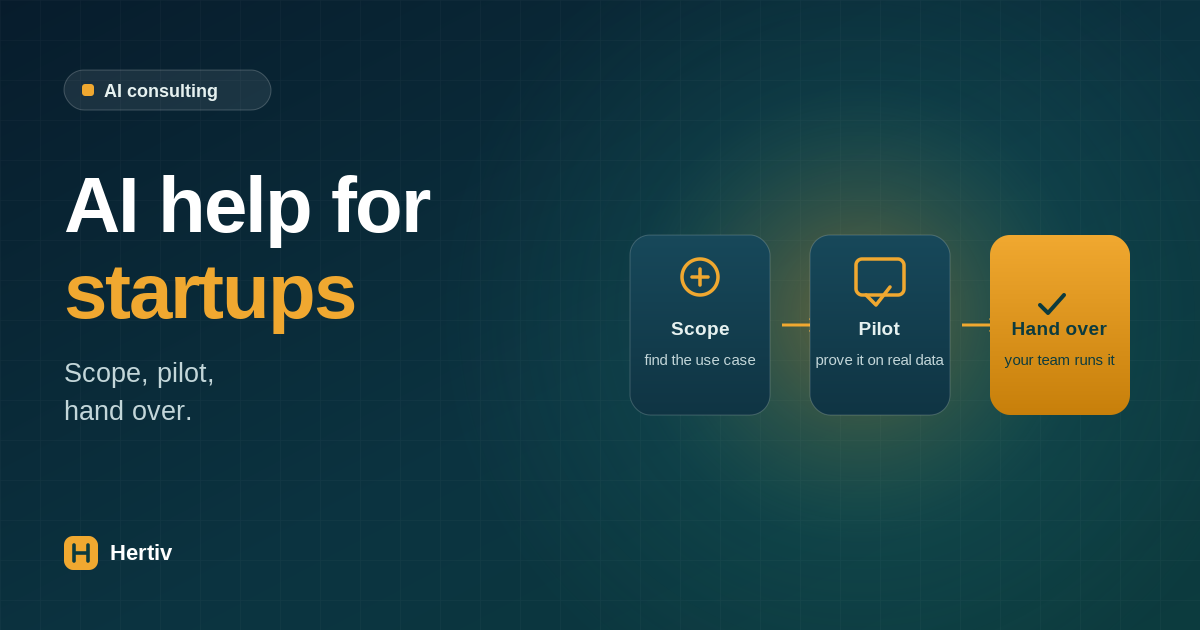
AI consulting helps a startup pick the right use case, prove it fast and ship it safely. This guide explains what consultants do, what it costs and when to hire one.
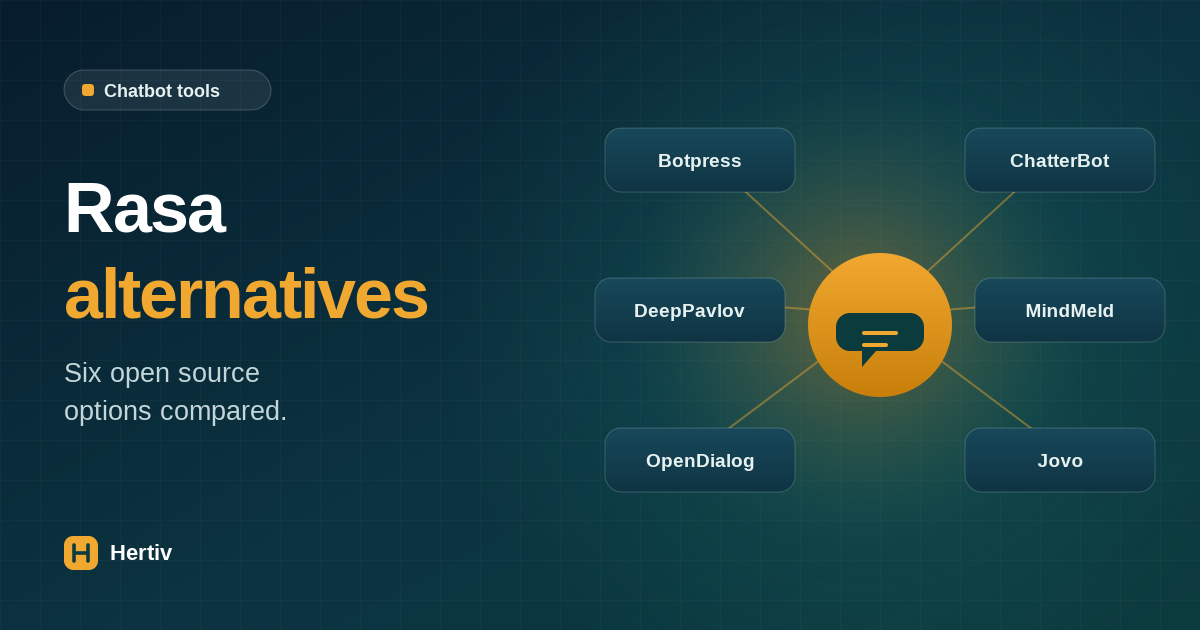
Rasa is an open source chatbot framework, but it is not the only one. These six alternatives cover different needs, from simple FAQ bots to full conversational AI.
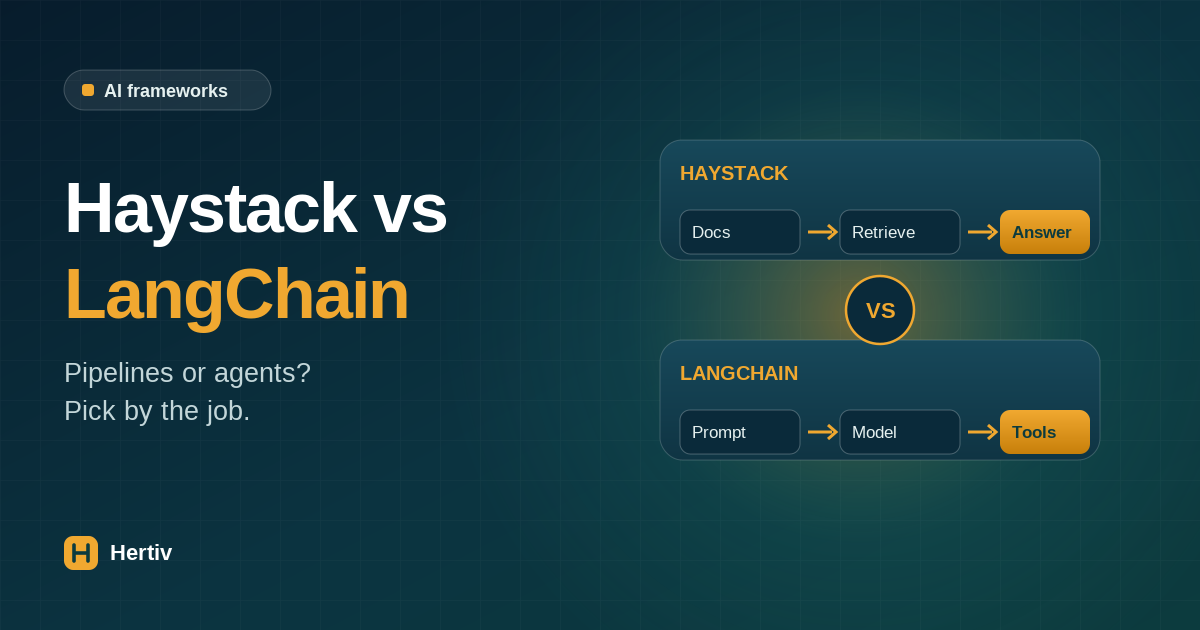
Haystack and LangChain both build retrieval-augmented generation apps, but they start from different ideas. Here is how each works and which fits your project.
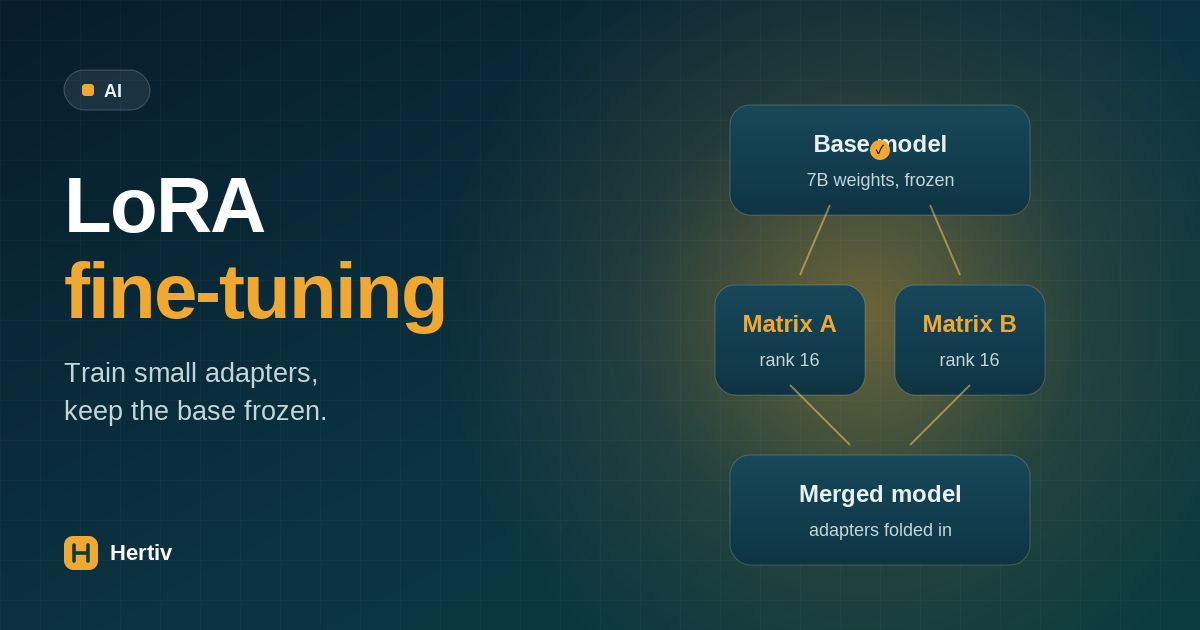
LoRA fine-tunes a large language model by training two small adapter matrices instead of every weight, cutting GPU memory and training time.
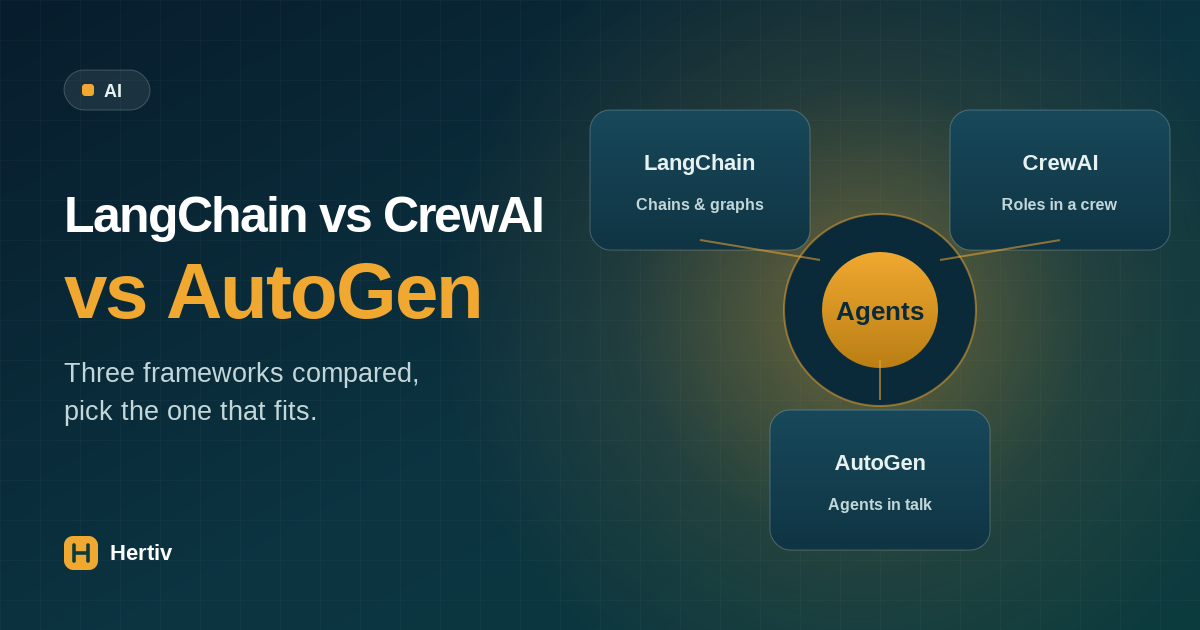
LangChain, CrewAI and AutoGen all build multi-agent systems, but from different ideas. This guide compares them so you can pick the one that fits your project.
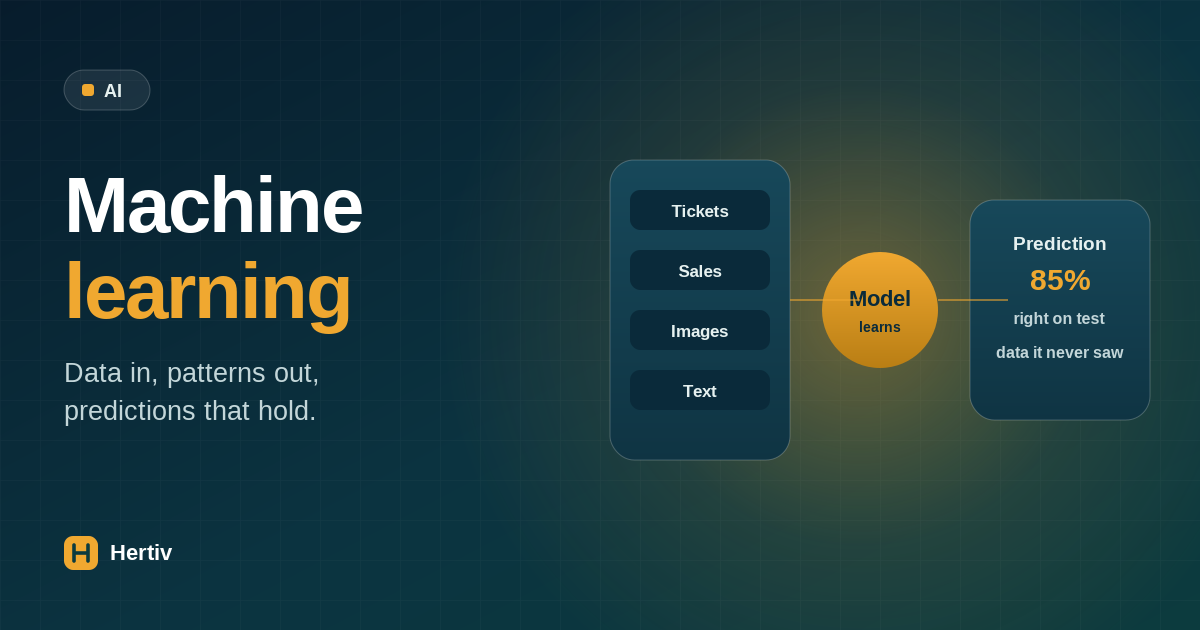
Machine learning is software that finds patterns in data and uses them to make predictions. Learn how it learns, what data it needs and where it is used.
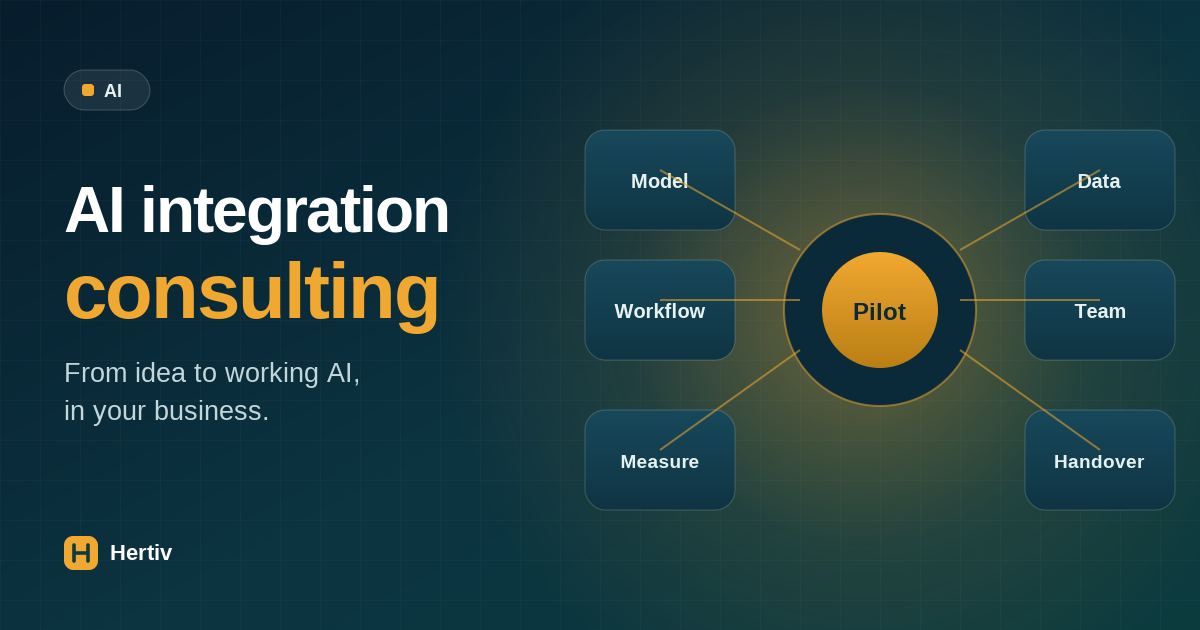
AI integration consulting connects your systems, data and people to working AI. Learn what it covers and how to brief it.
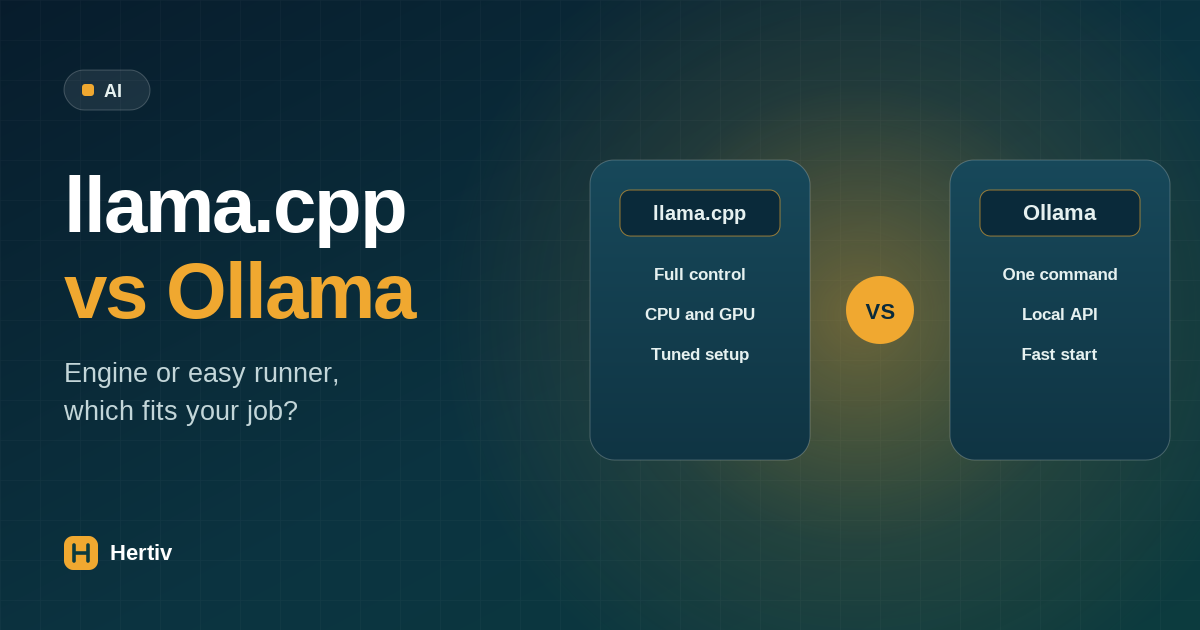
llama.cpp and Ollama both run open models on your own machine. Learn how they differ, when each one wins, and which one fits your project.
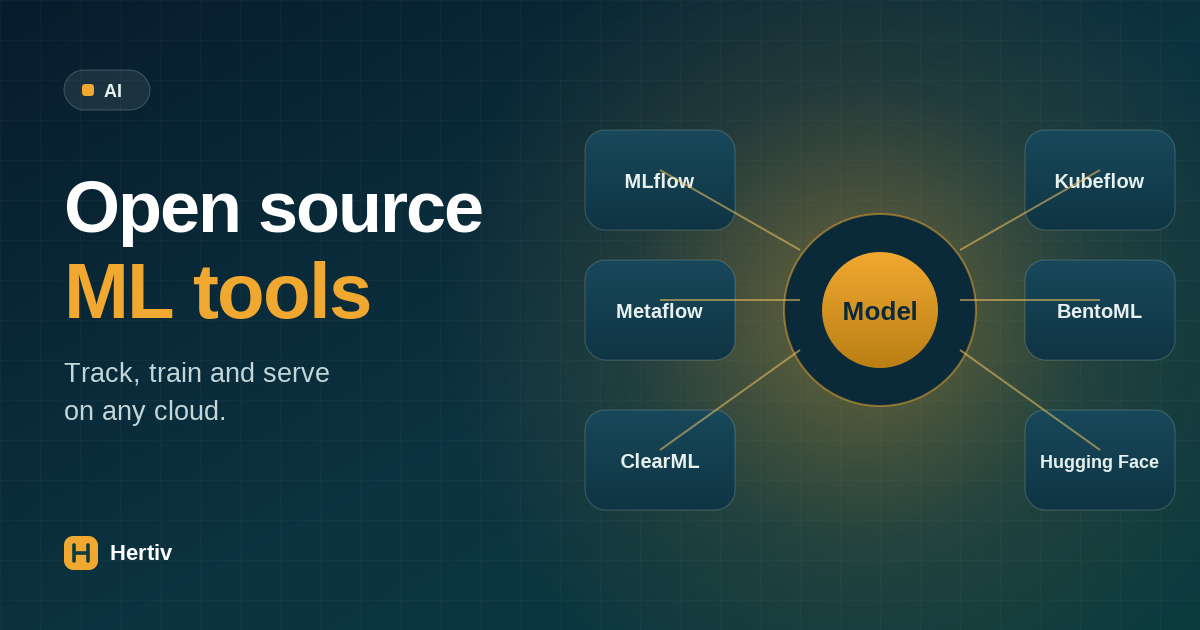
Amazon SageMaker is powerful but locked to AWS. These six open source tools cover training, tracking and serving, and they run on any cloud or your own hardware.
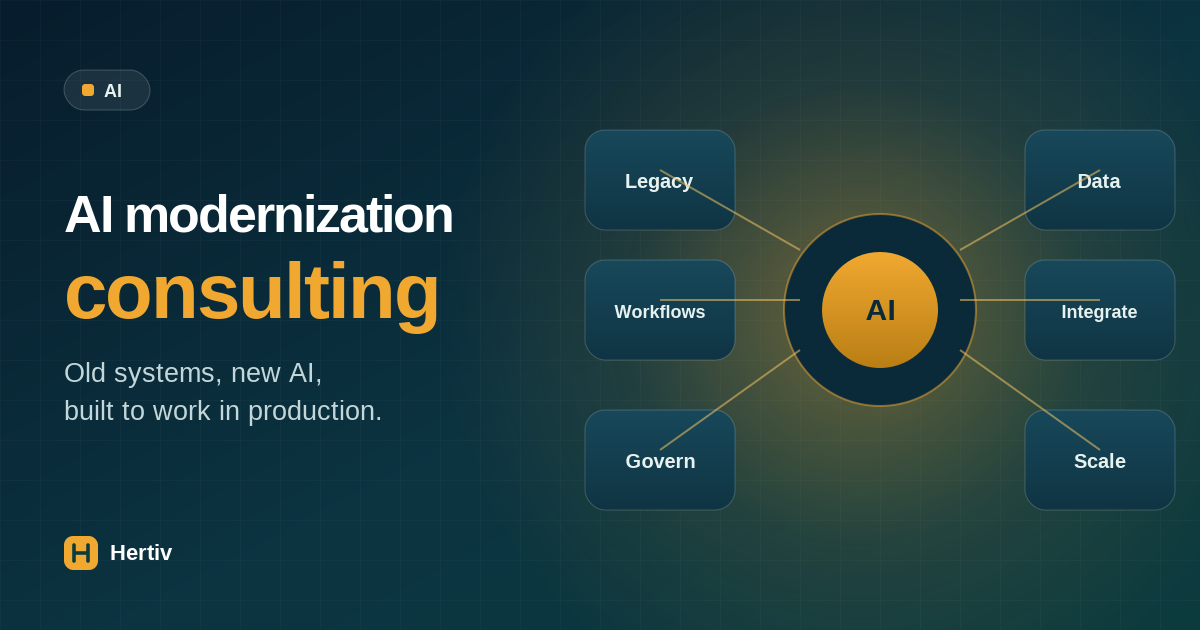
AI modernization consulting helps a large company rebuild old systems and workflows around AI. Learn what it covers, when it pays off, and how to choose a partner.
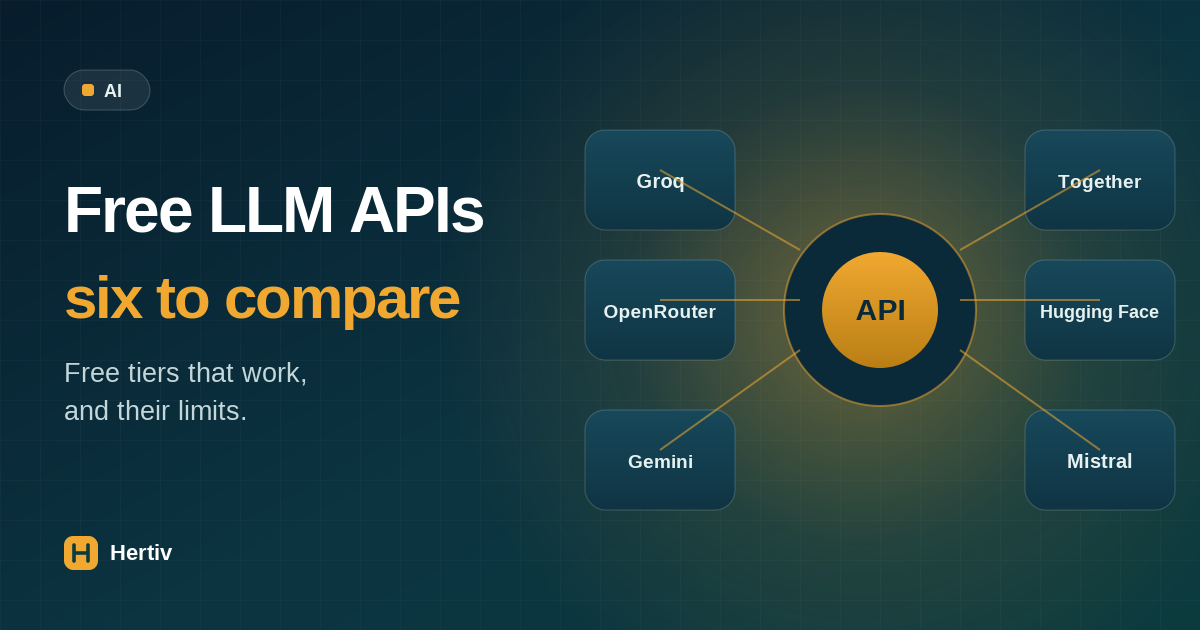
Several LLM providers offer a free tier or free credits for building. These six cover fast inference, open models and hosted APIs, with the limits to check first.
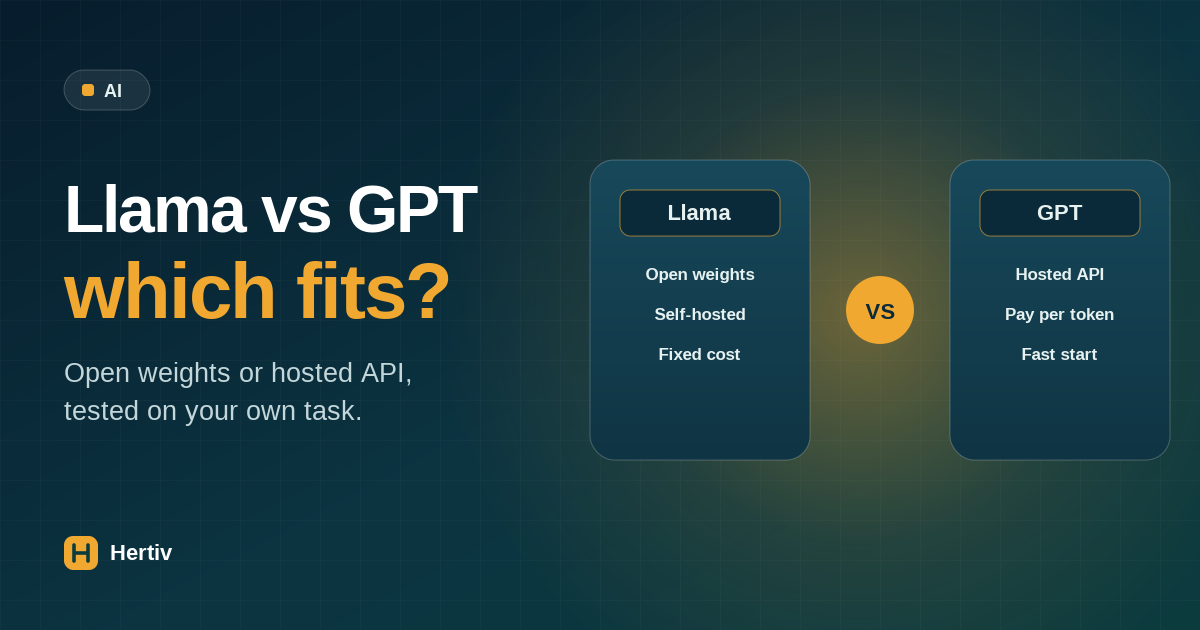
Llama is Meta's open-weight family you run yourself, while GPT is OpenAI's hosted family you call through an API. It depends on control, cost and setup effort.
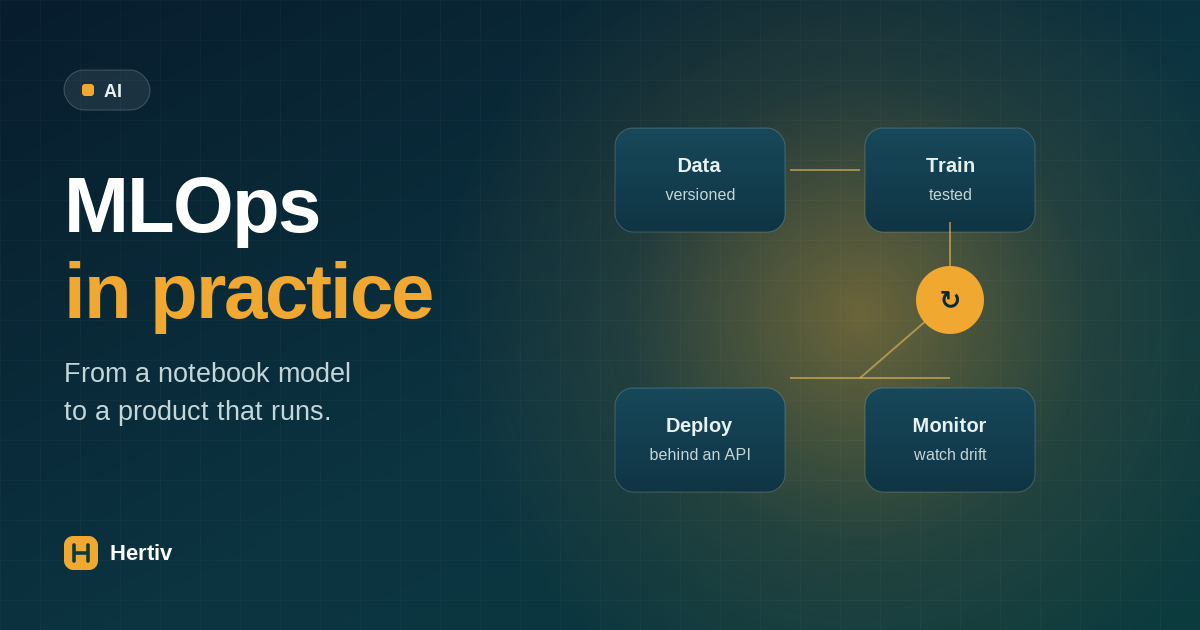
MLOps is the set of practices that takes a machine learning model from a notebook into a product that runs every day. It covers testing, deployment and retraining.
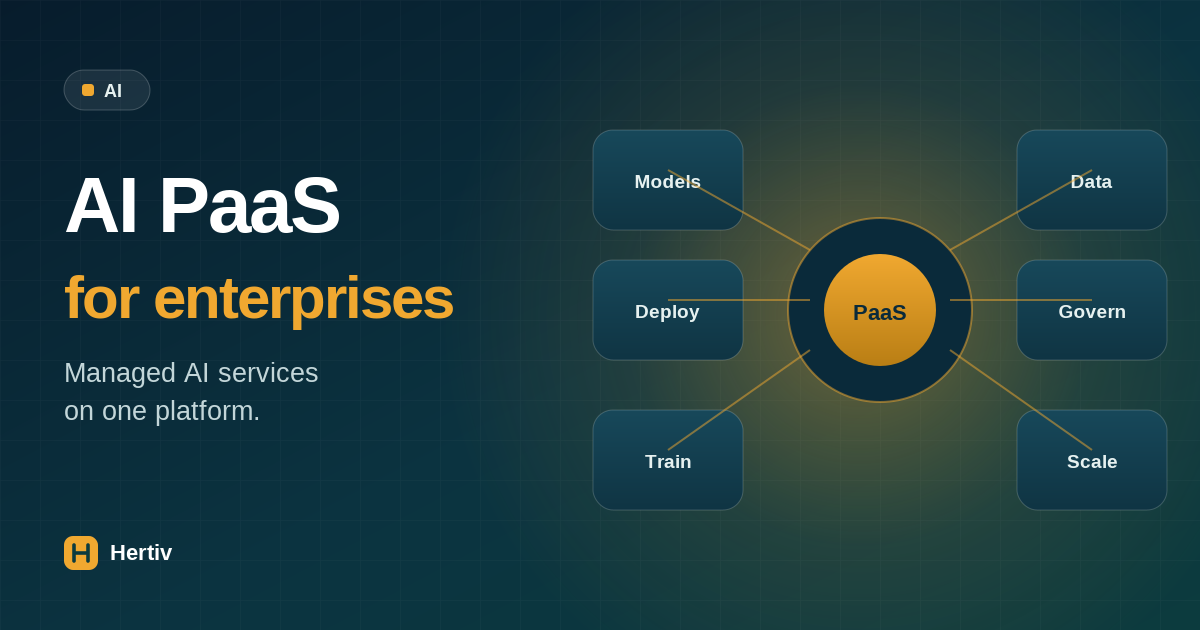
AI PaaS gives an enterprise managed AI services on a cloud platform: models, data tools and deployment, without running the infrastructure.
No posts on this page match. Use site search (Ctrl K) to search every post.
A senior engineer reads every request and replies within one business day with questions, a rough range, or a call link.