AI
What Is Named Entity Recognition, and How Does It Work?
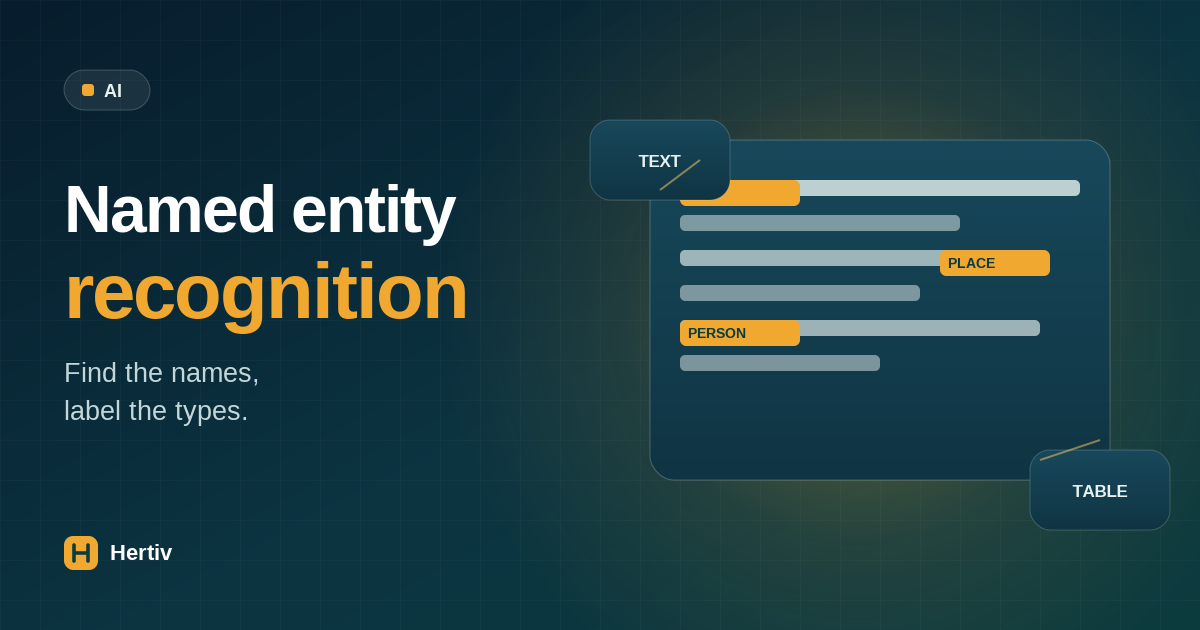
Named entity recognition finds names in text and sorts them into types, such as people, companies, places and dates. It turns raw text into structured data.
Guides on AI agents, LLM apps, RAG, evaluation and MCP, written by the engineers who build them.
1945 posts · page 67 of 82
Named entity recognition finds names in text and sorts them into types, such as people, companies, places and dates. It turns raw text into structured data.
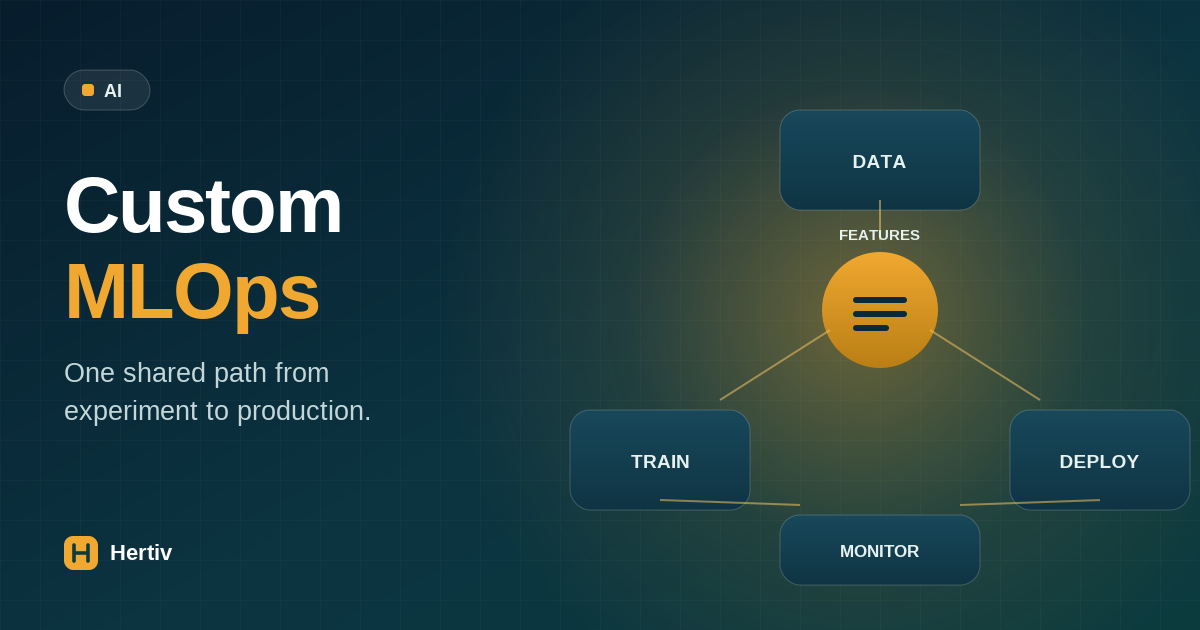
A custom MLOps platform is a set of tools a large company builds to train, deploy and watch its models under its own rules. Here is when it pays off.
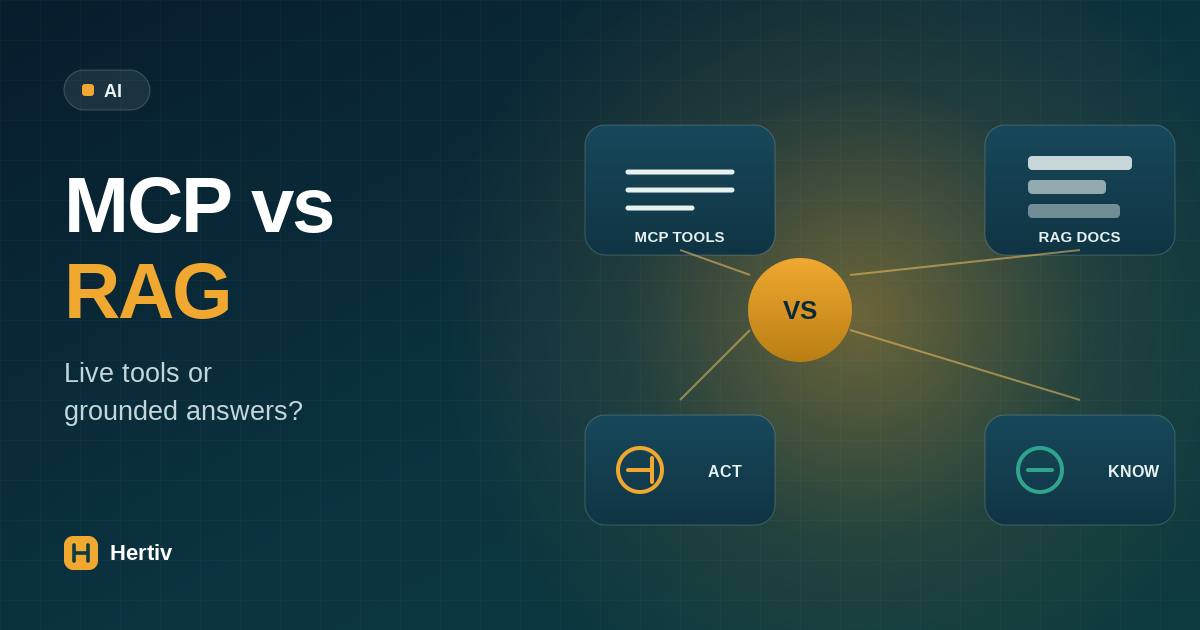
MCP gives an AI model live access to tools and data, while RAG grounds its answers in your documents. Compare the two approaches here.
An AI coding agent costs more than its model bill. Here is what drives the price, the build routes, and a worked pilot budget.
Natural language processing lets software read, sort and answer human language. Here is how it works, where it helps, and what it costs to build.
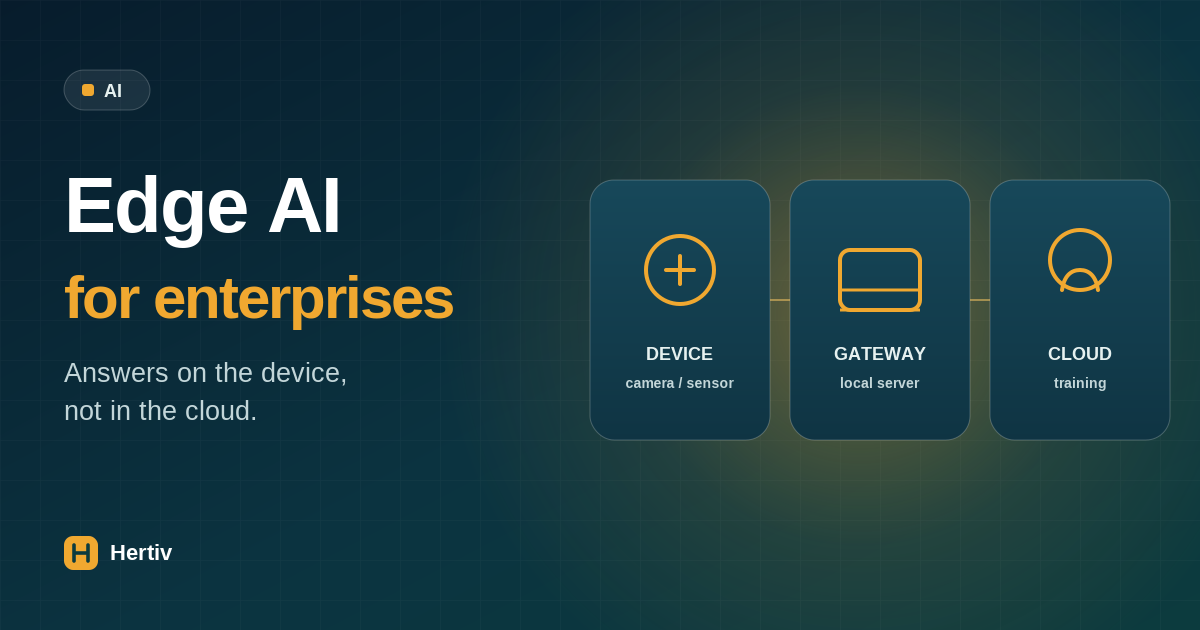
Edge AI runs models on devices and local servers instead of the cloud, so factories, shops and vehicles get answers in milliseconds without sending data away.
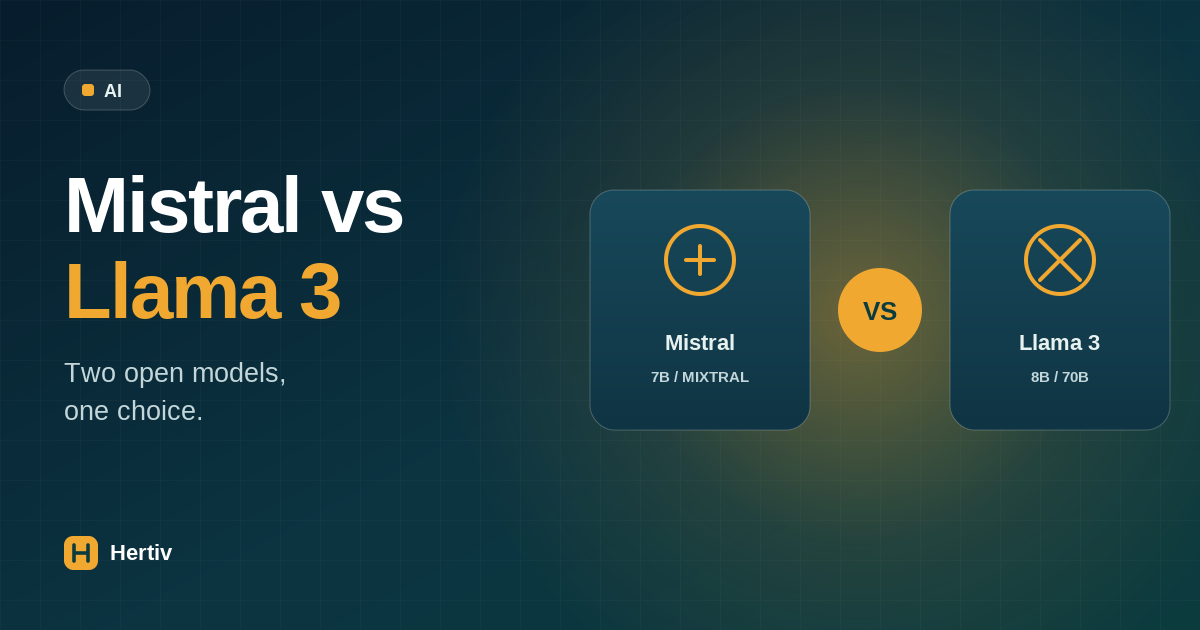
Mistral and Llama 3 are both open-weight model families, but they differ in size, licence terms and where they run best. Here is how to choose between them.
AI consulting usually costs from a few thousand dollars for a short assessment to six figures for a full build, depending on scope, seniority and length.
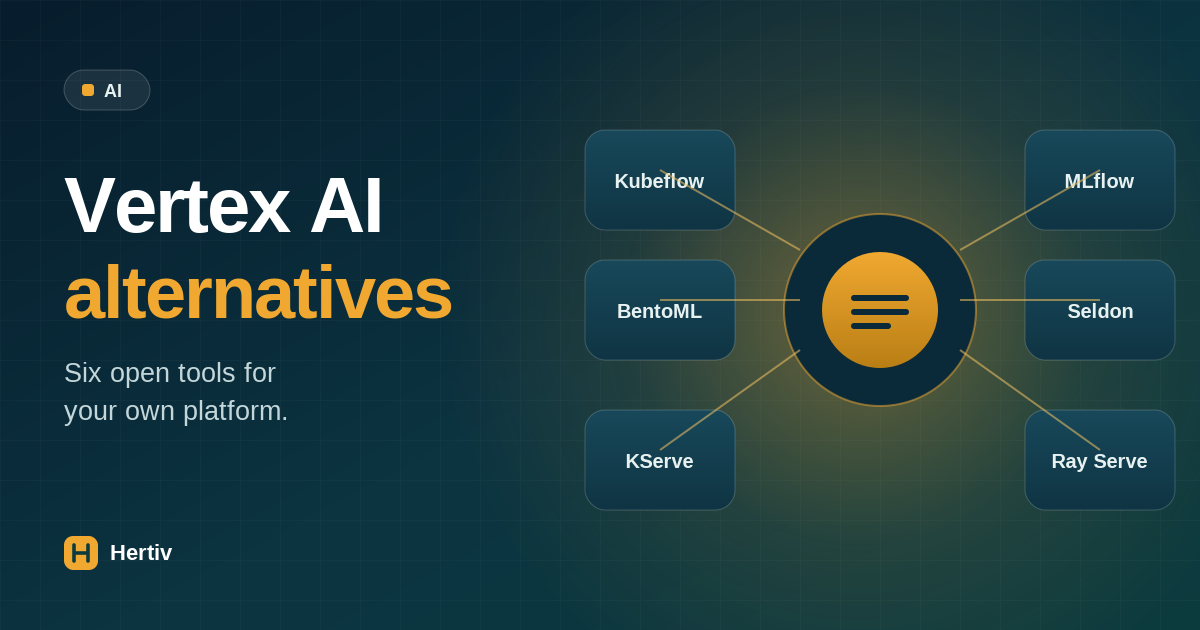
Open source Vertex AI alternatives for teams that run their own ML platform: Kubeflow, MLflow, BentoML, Seldon Core, KServe and Ray Serve, compared on hosting.
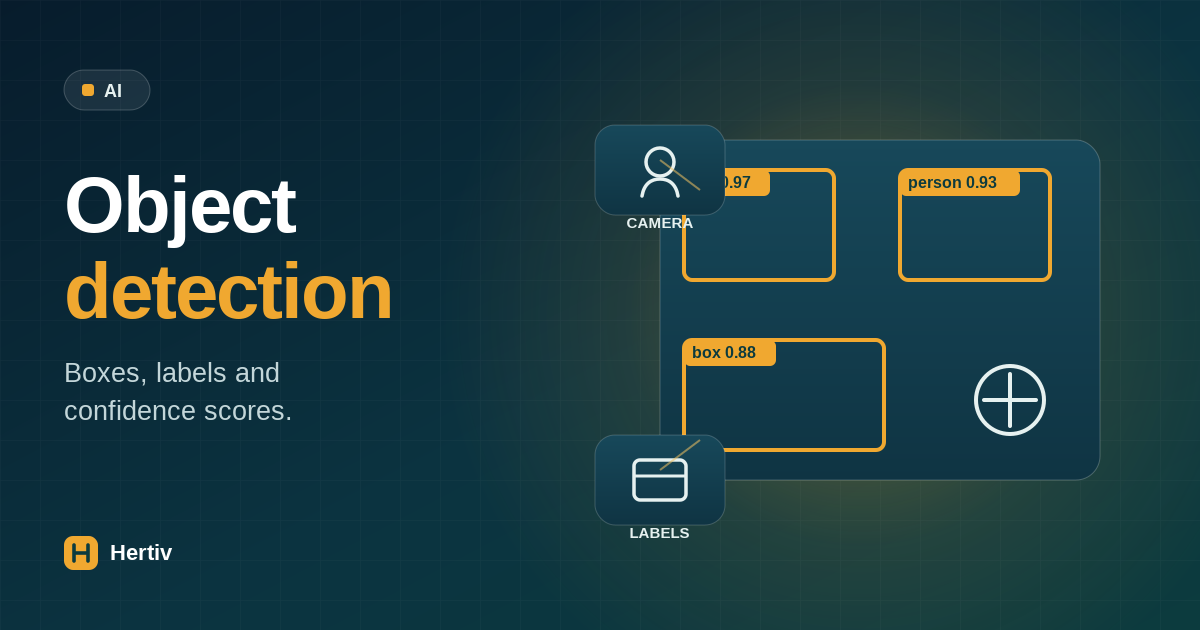
Object detection finds and locates things in an image, drawing a box around each object and naming it, from products on a shelf to faults on a line.
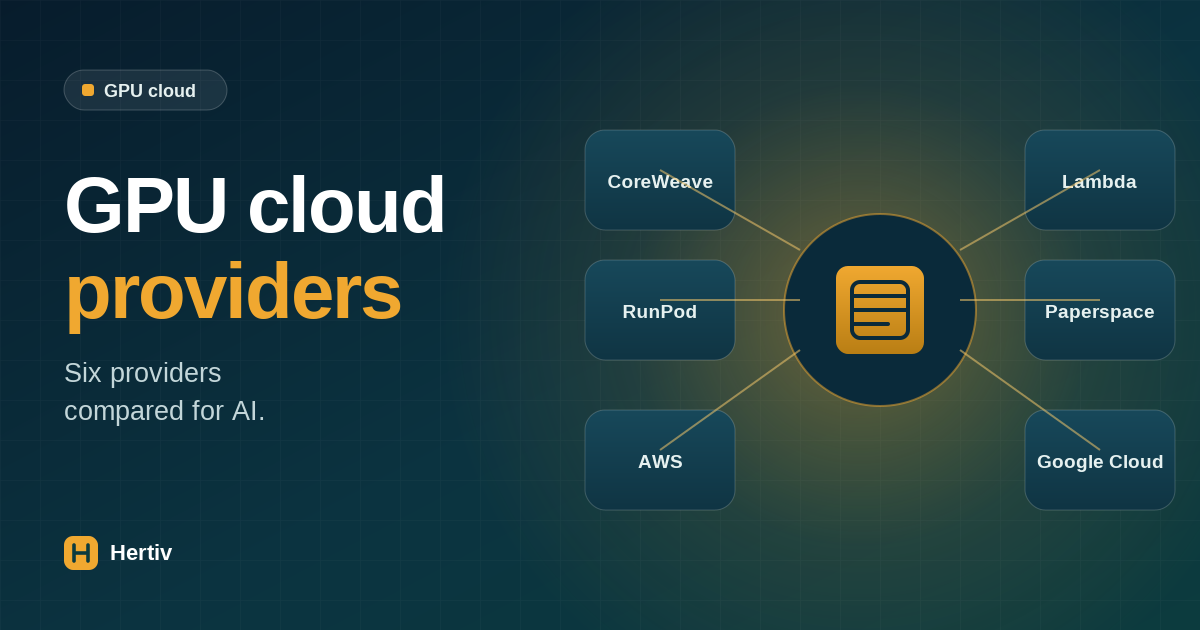
GPU cloud providers for AI work: CoreWeave, Lambda, RunPod, Paperspace, AWS and Google Cloud, compared on GPU access, billing and the workloads each suits.
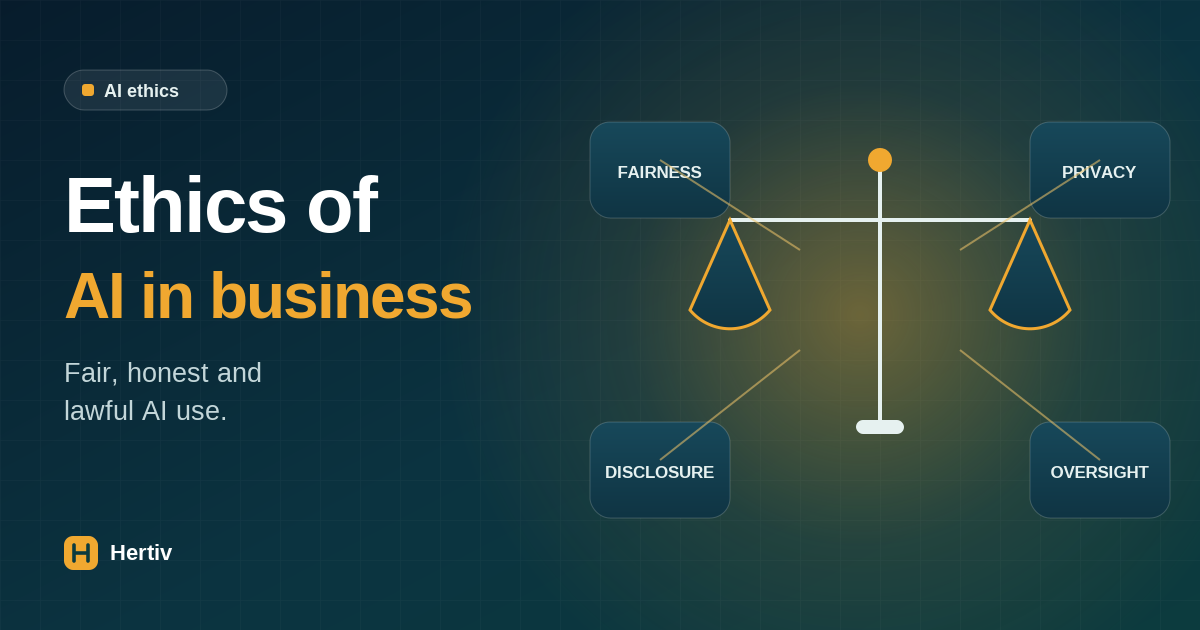
Ethics of AI in business means the rules a company sets for fair, honest and lawful AI use: who is accountable, what data is allowed, and how decisions are checked.
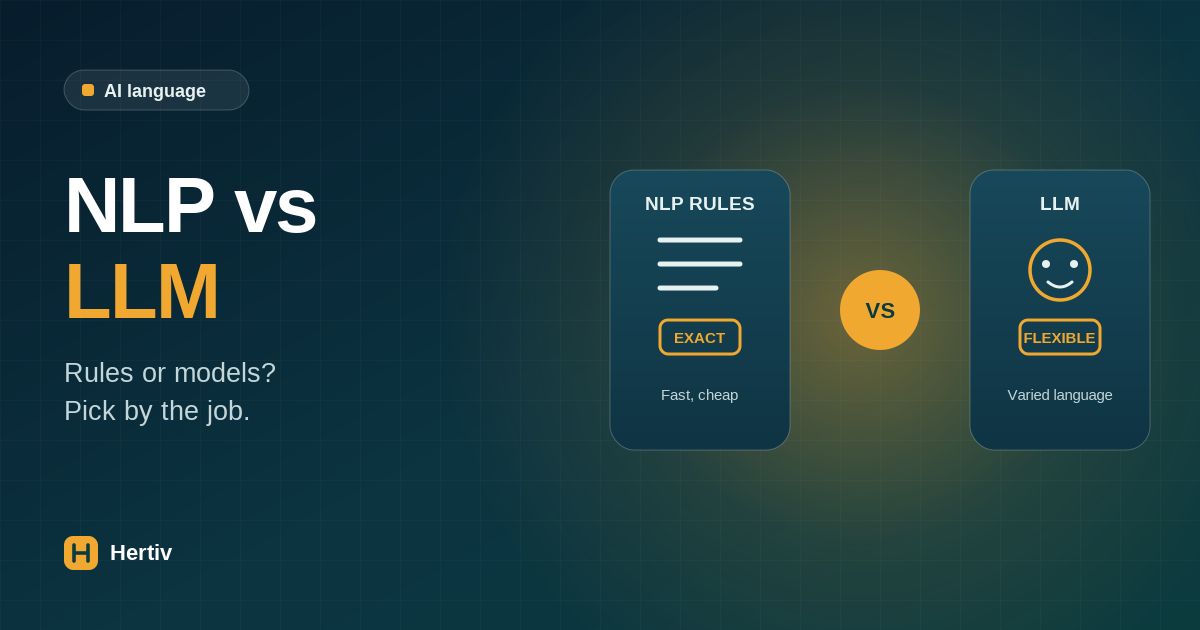
NLP is the field of teaching computers to work with language, and an LLM is one model inside it. Pick rules for fixed tasks and an LLM when language varies.
AI cost reduction means cutting what you spend on models, data and infrastructure without breaking the product: pick the right model and measure every dollar.
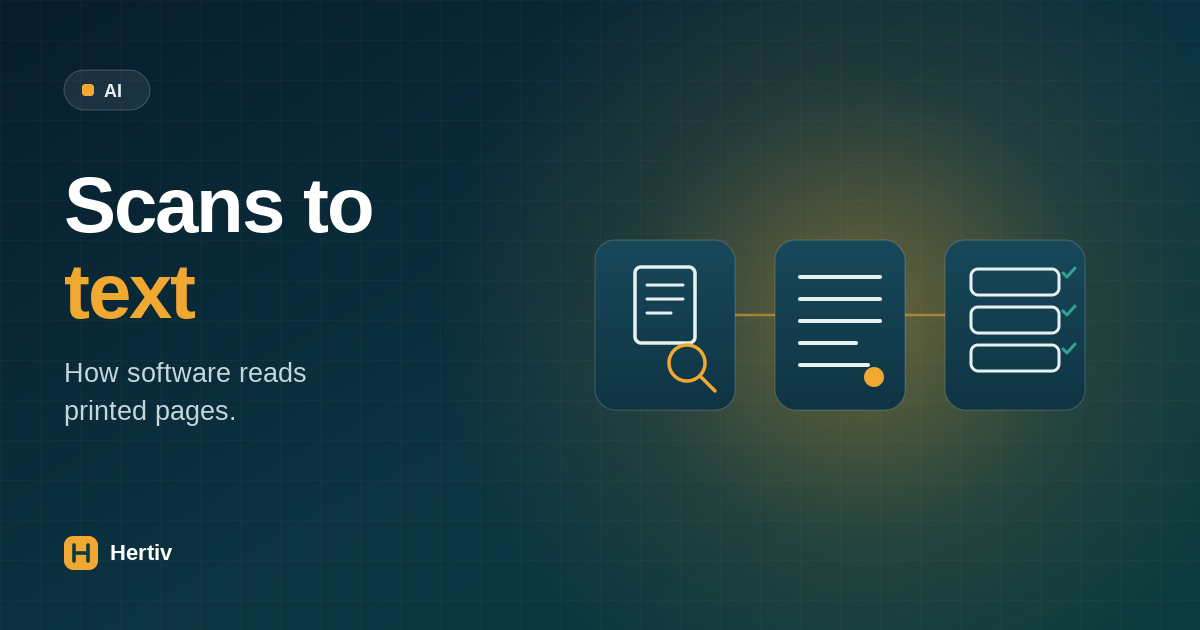
OCR reads text from scanned pages, photos and PDFs and turns it into searchable data. Here is how it works, where it helps, and where it still needs a human.
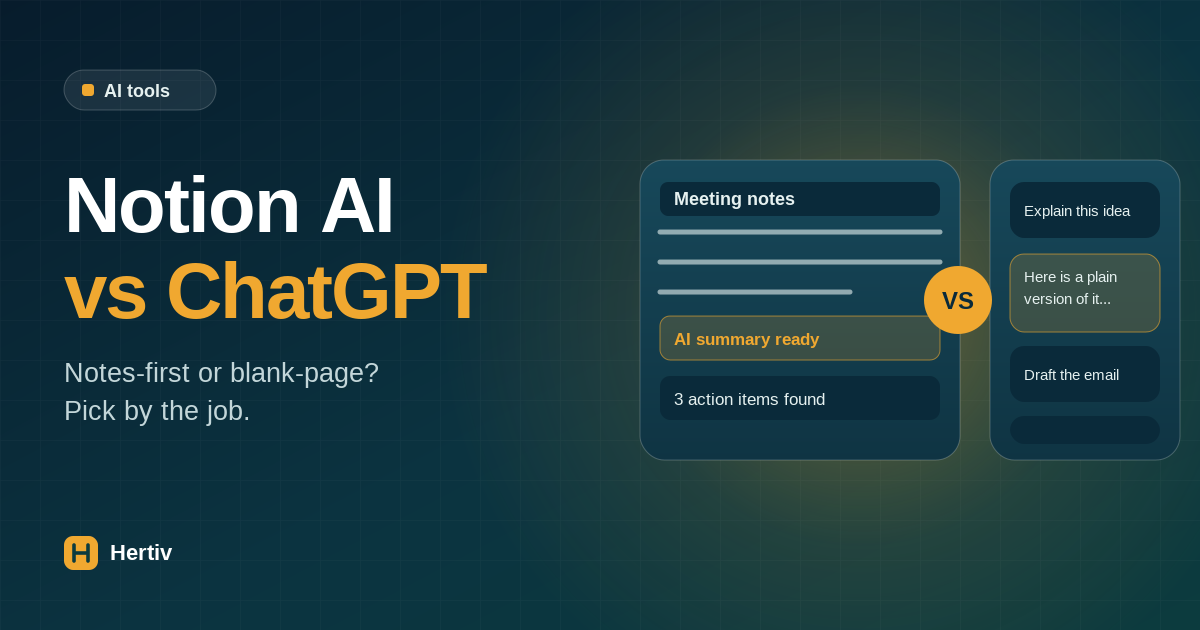
Notion AI vs ChatGPT: Notion AI works inside your notes and docs, while ChatGPT is a general chatbot. Compare what each does best before you pay for both.
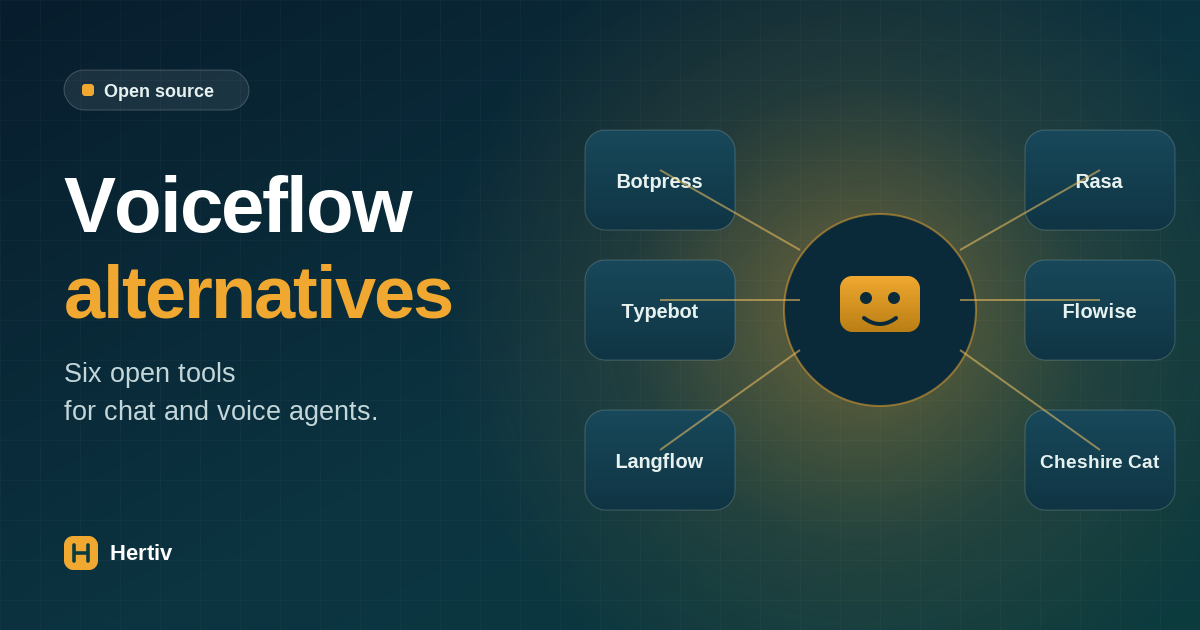
Open source Voiceflow alternatives for building chat and voice agents: Botpress, Rasa, Typebot, Flowise, Langflow and Cheshire Cat, with what each one is best for.
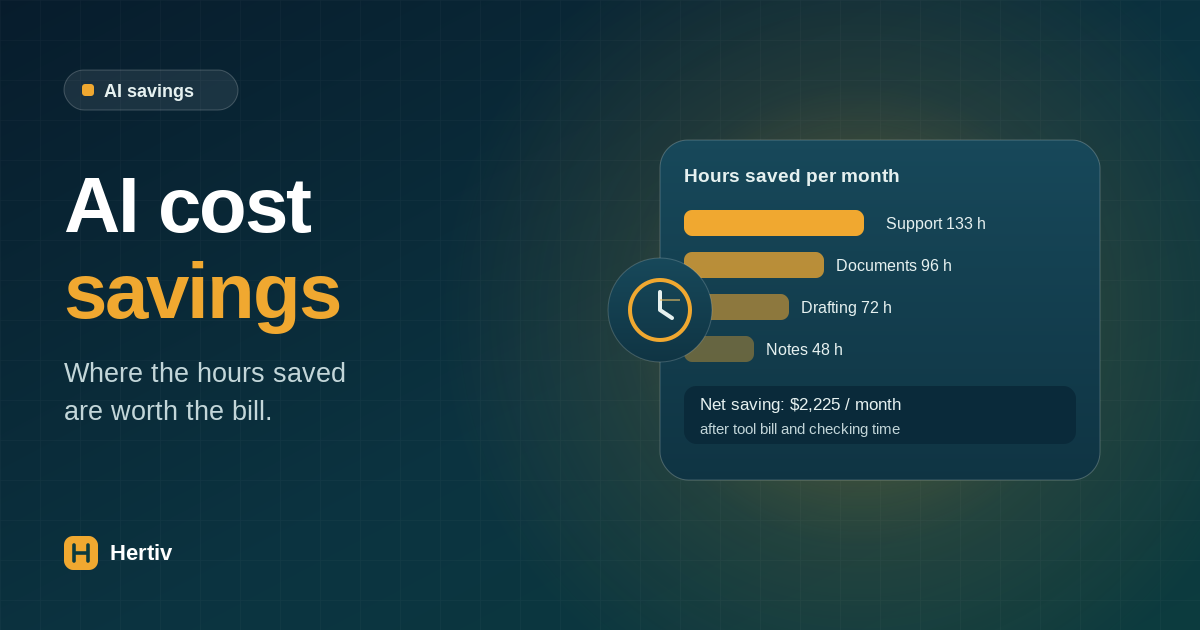
AI cost savings come from fewer hours on routine work and fewer errors, not from replacing staff. Here is where the savings show up and how to measure them.
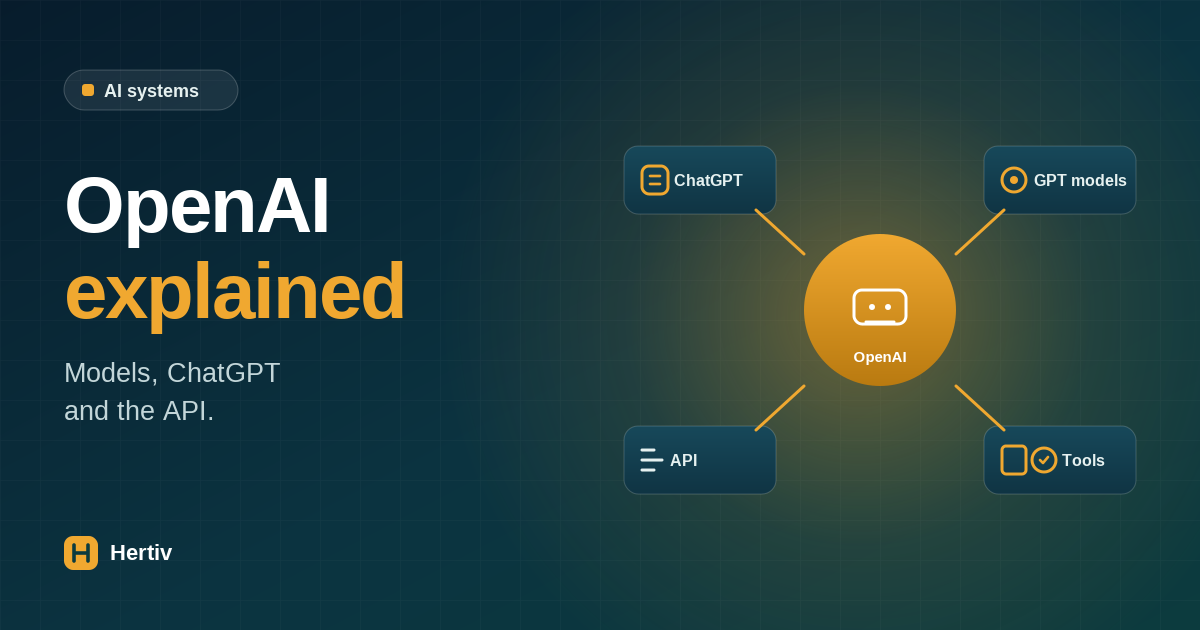
OpenAI is the AI company behind ChatGPT. It builds large language models, the tools around them, and APIs that let other teams put those models into their products.
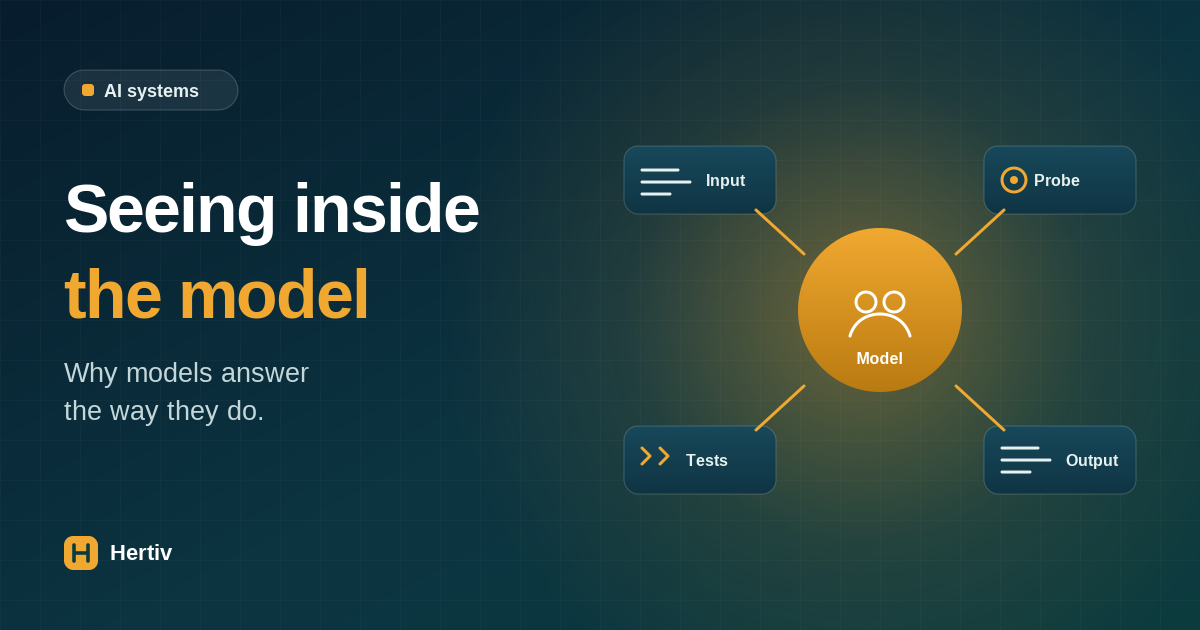
LLM interpretability shows why a language model gave a particular answer, so enterprise teams can check, explain and fix behaviour before it reaches customers.
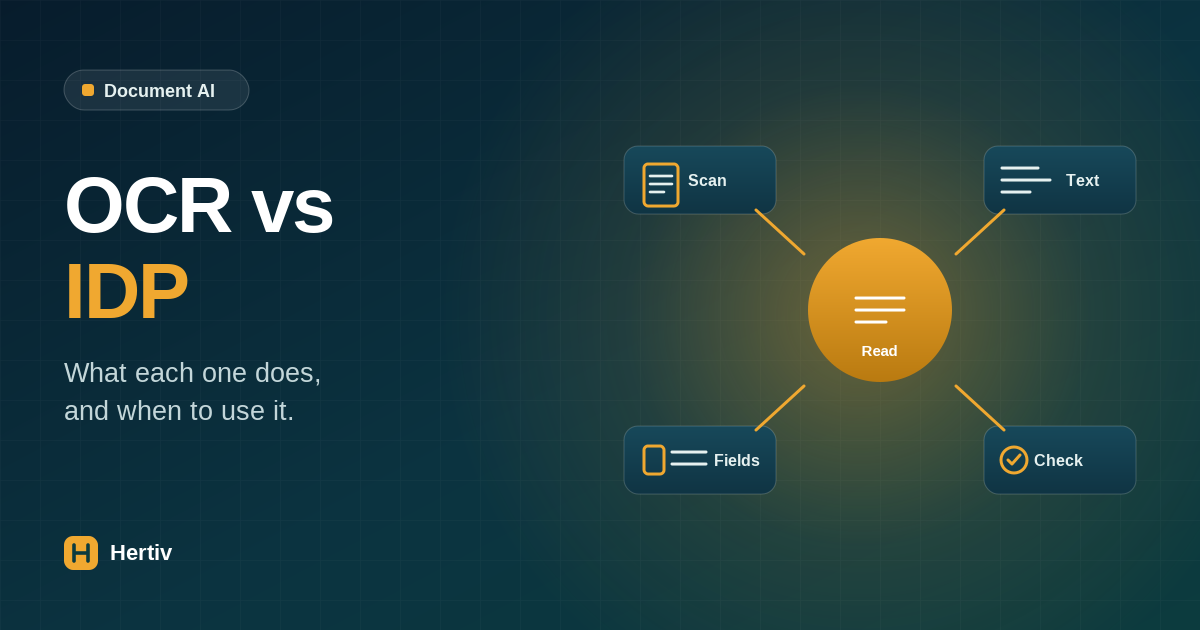
OCR reads the text in a document. Intelligent document processing goes further: it understands the fields, checks them and sends the data where it belongs.
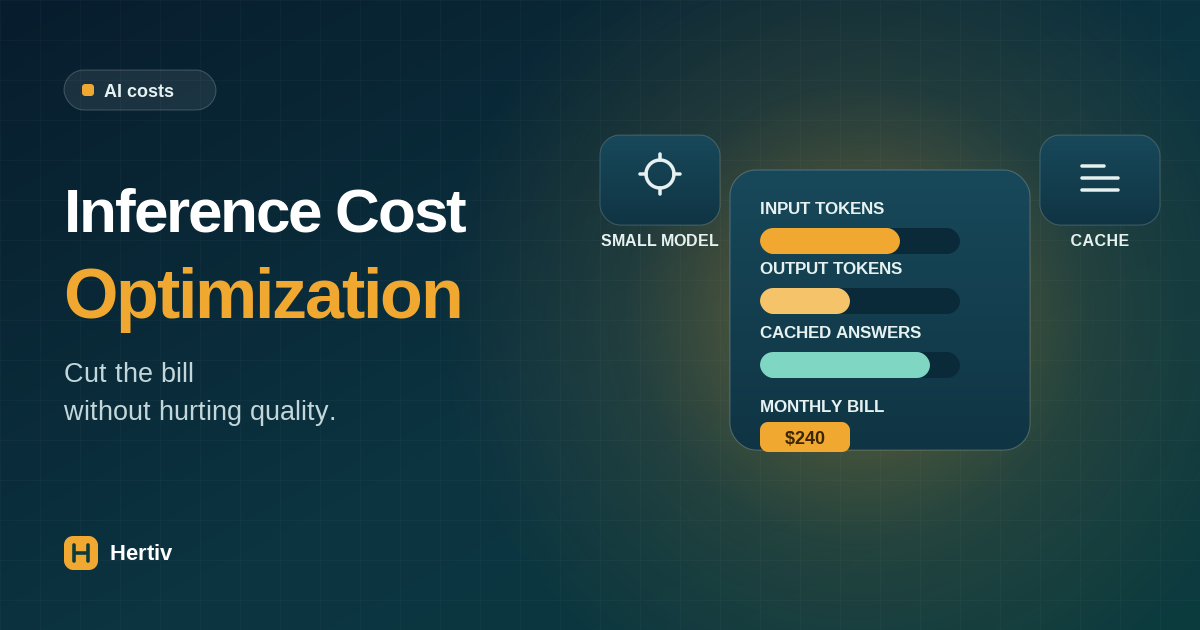
Inference is the running cost of every AI feature, and it grows with every request. Cut it with smaller models, caching, batching and smarter prompts.
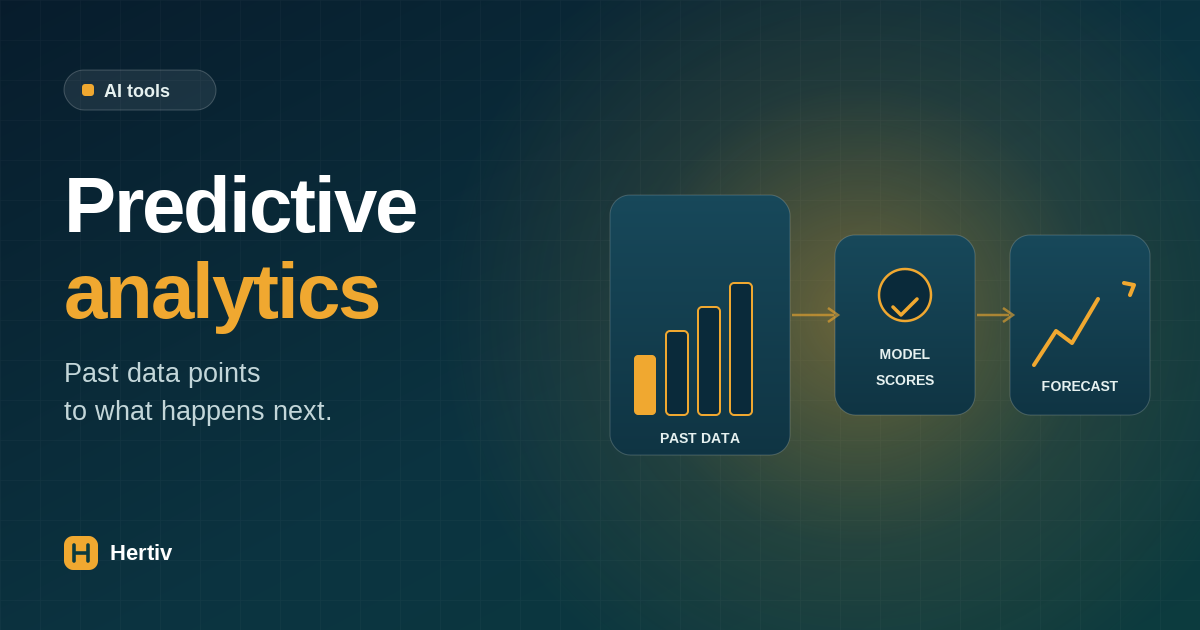
Predictive analytics uses past data to estimate what is likely to happen next, from churn to demand. Learn how it works, what data it needs, and when it pays off.
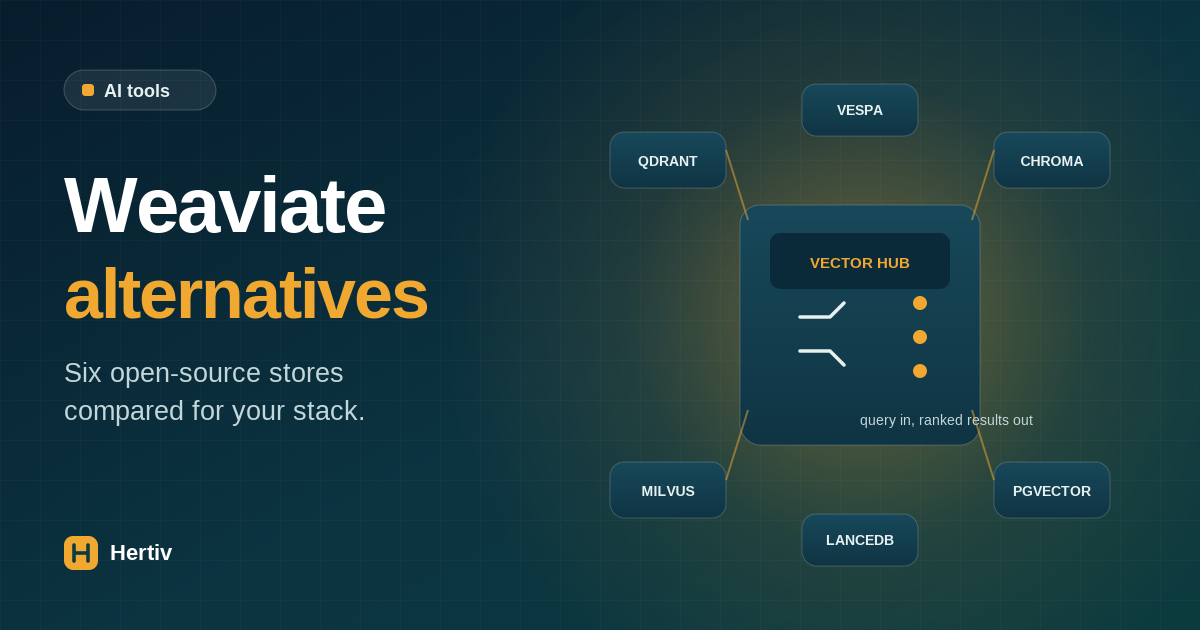
Weaviate is a strong vector database, but it is not the only open-source option. Compare six alternatives on hosting, scale, filtering and fit for your workload.
No posts on this page match. Use site search (Ctrl K) to search every post.
A senior engineer reads every request and replies within one business day with questions, a rough range, or a call link.