AI
Best LLM Frameworks for Startups: 6 Worth Comparing
LLM frameworks handle prompts, retrieval, tools and memory so your team builds the product, not the plumbing. Compare six frameworks startups use.
Guides on AI agents, LLM apps, RAG, evaluation and MCP, written by the engineers who build them.
1945 posts · page 69 of 82
LLM frameworks handle prompts, retrieval, tools and memory so your team builds the product, not the plumbing. Compare six frameworks startups use.
A ChatGPT app combines a chat interface with OpenAI models, prompts and your own data. Learn the cost drivers and what a realistic budget looks like.
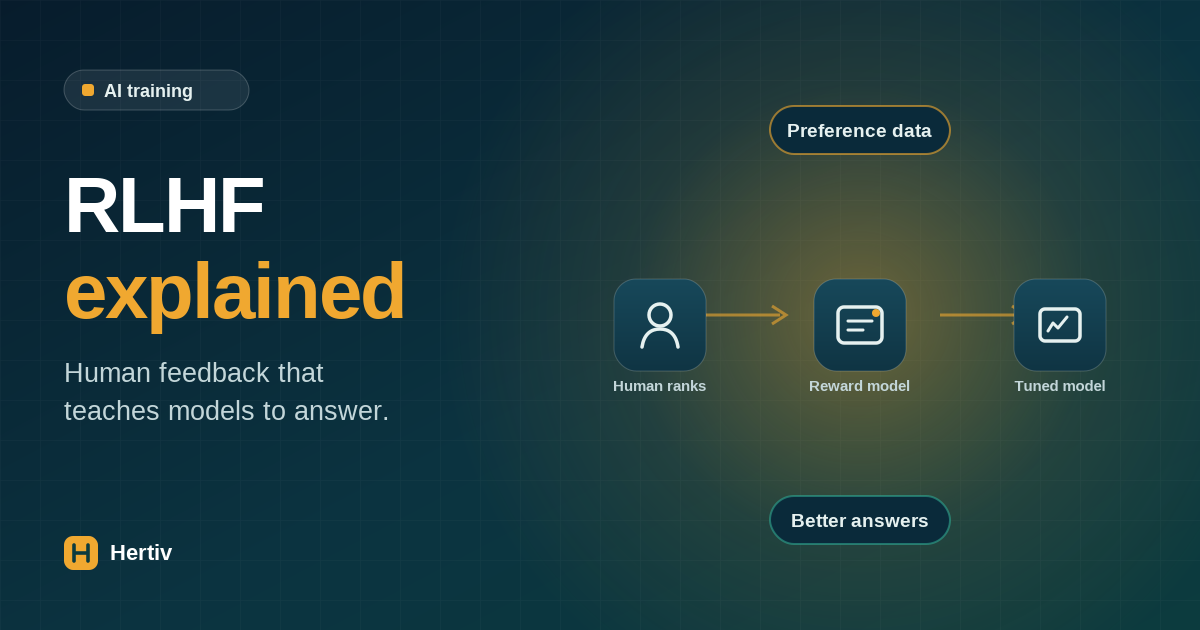
RLHF, or reinforcement learning from human feedback, is how teams teach a language model to give answers people actually prefer. Here is how the three stages work.
RPA follows fixed rules to repeat a task, while AI agents decide how to complete a goal. Learn how they differ, when each one fits, and when to combine them.
An AI budgeting app costs more than a plain one because of the AI layer. Learn the cost drivers, the team, the timeline and a realistic first-version budget.
Semantic search finds results by meaning, not exact words. Learn how embeddings work, how it compares with keyword search, and how to build and test it.
LLMOps tools keep your LLM product reliable after launch. Compare six tools for tracing, testing, cost control and prompt checks.
OpenAI models can draft, summarise, answer and code, but they fit some business tasks far better than others. See where they add value and where to be careful.
Keyword search matches exact words; semantic search matches meaning. Compare accuracy, cost and setup to see which fits your product's search box.
The cost of implementing AI depends on the use case, the data, the build route and the team. This guide breaks down the cost areas and the running costs.
Sentiment analysis reads text and classifies the attitude behind it as positive, negative or neutral. Learn how it works, where it helps and where it fails.
Serverless runs code on demand; containers run packaged apps on servers you manage. Compare costs, scaling and limits to pick the right fit.
A healthcare chatbot costs more than a general chatbot because of medical accuracy, privacy rules and clinical review. Learn what drives the cost.
A small language model is a compact AI model that runs on modest hardware and handles focused tasks. Learn how it differs from a large model and when to pick it.
MCP clients connect your AI tools to data and services. Compare six clients startups use, what each does well, and how to pick the right one.
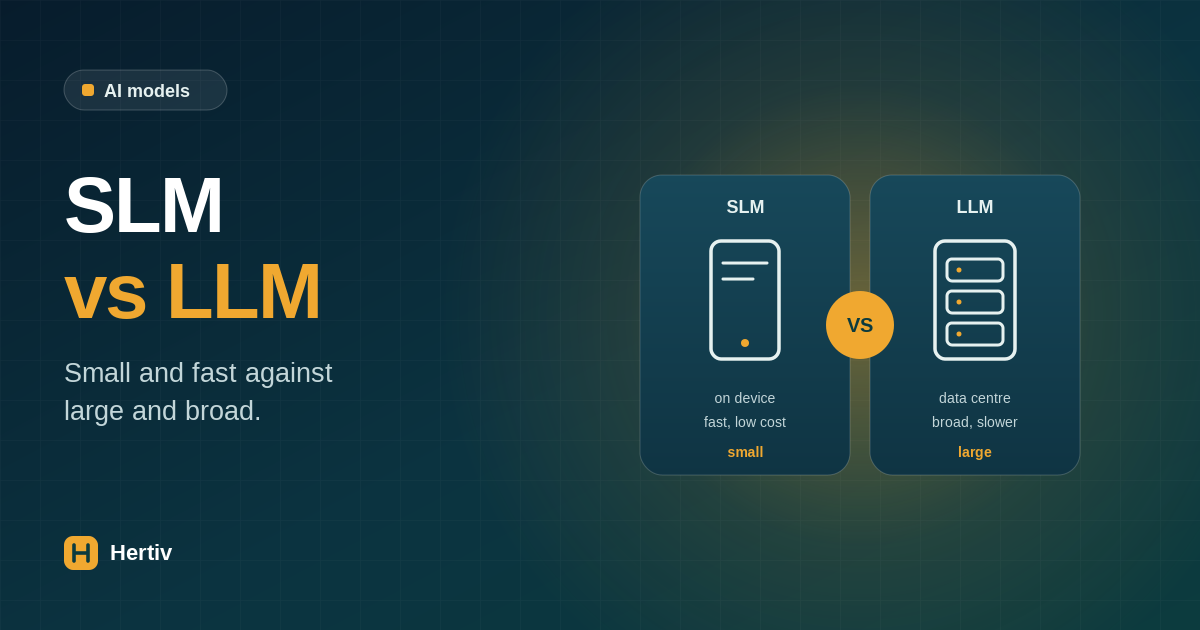
A small language model is far smaller and cheaper than a large one, but it handles a narrower range of tasks. Pick by what your product asks it to do.
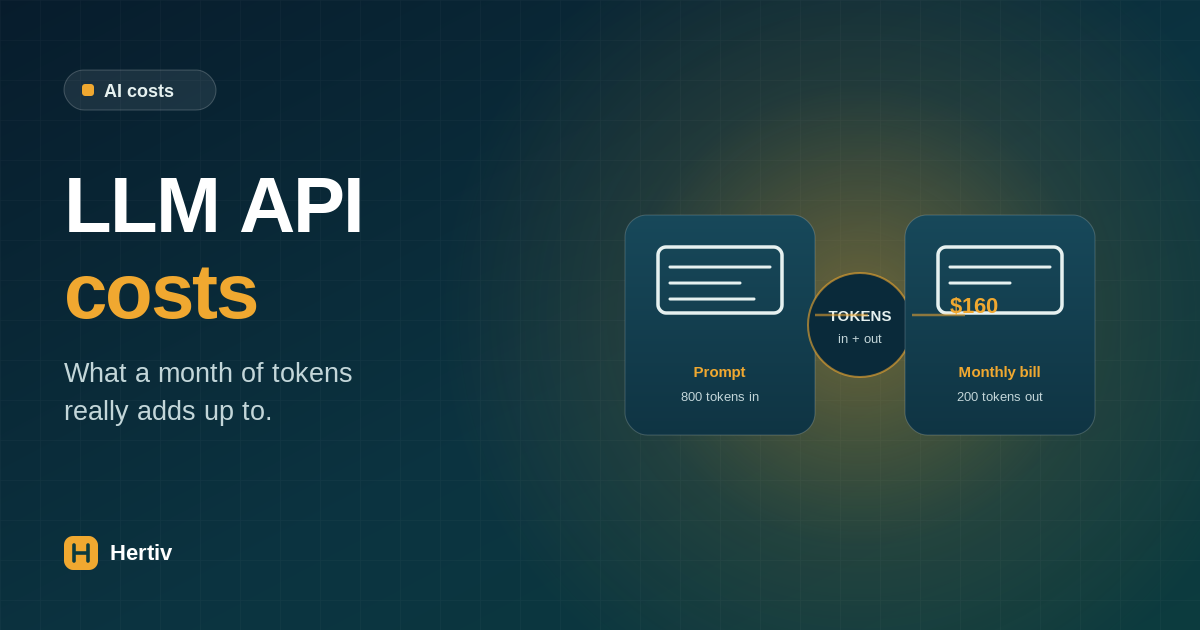
An LLM API bill is driven by tokens: how many requests you make, how long the prompts are and which model you call. Here is how to estimate it.
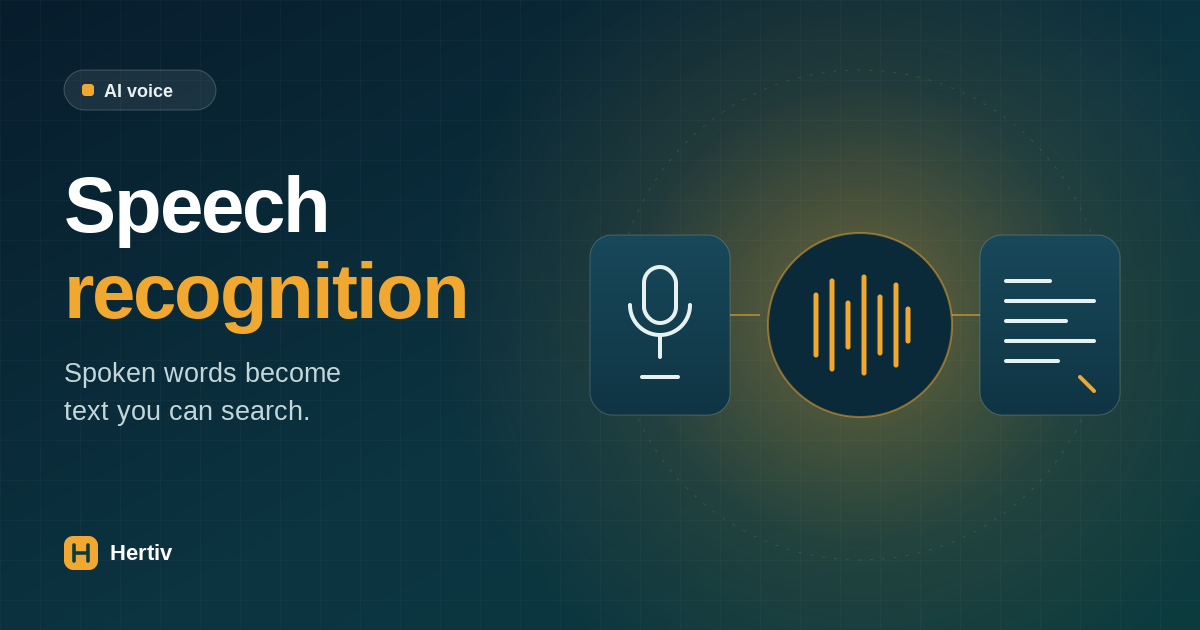
Speech recognition turns spoken words into written text. Learn the four stages, what affects accuracy, where it is used, and how to choose a system.
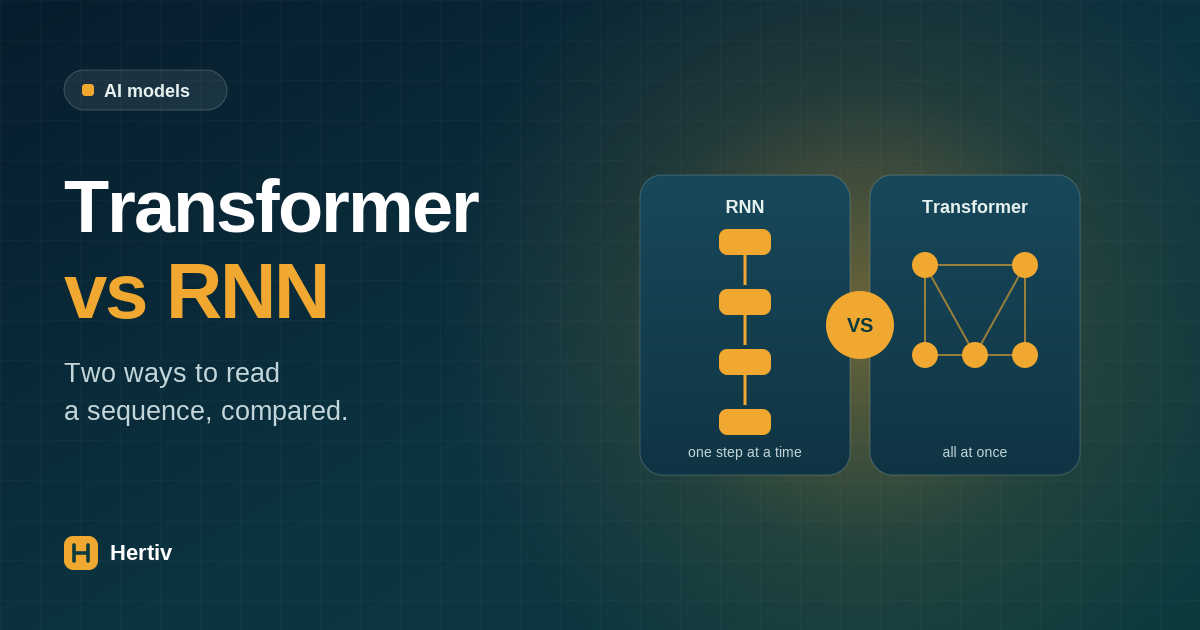
Transformers and recurrent neural networks both handle sequences, but they work in very different ways. Here is how each one reads text and which to pick.
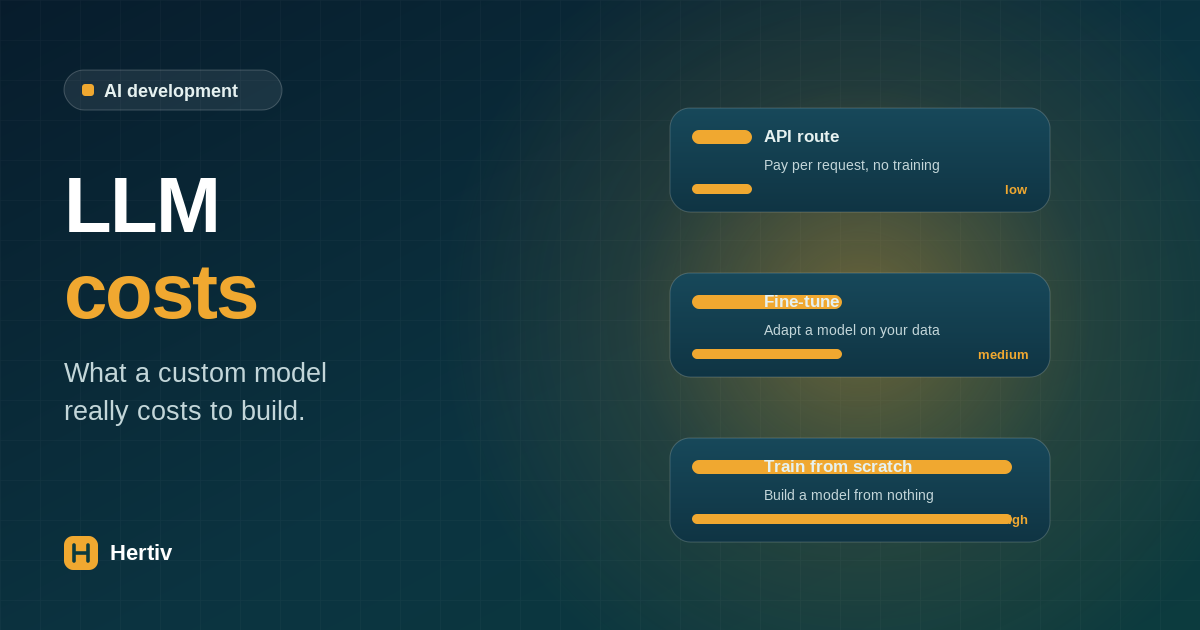
A custom language model can cost a few thousand dollars or several million, depending on the route. Here is what drives the bill, from data work to hosting.
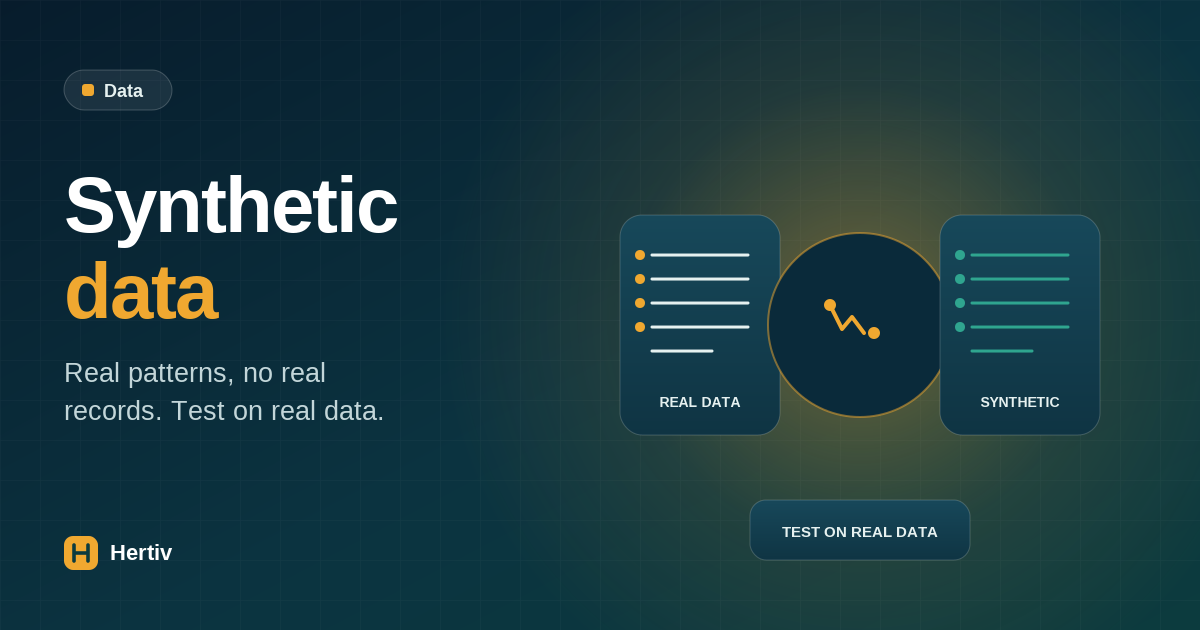
Synthetic data is artificially generated data that mimics real data without copying real people or records. Use it to train models and test systems safely.
Advanced AI in healthcare now reads scans, drafts notes and flags risk across whole patient records. Here is what the technology does today and what holds it back.
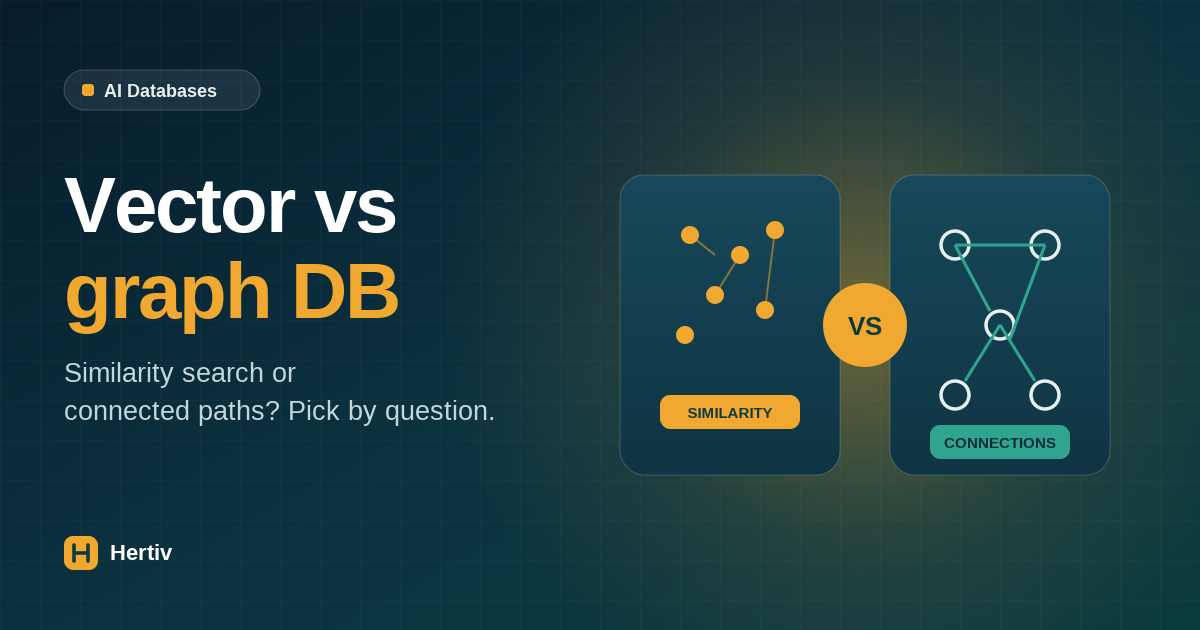
Vector databases search by meaning and similarity, while graph databases trace links between connected things. Pick by the question you ask.
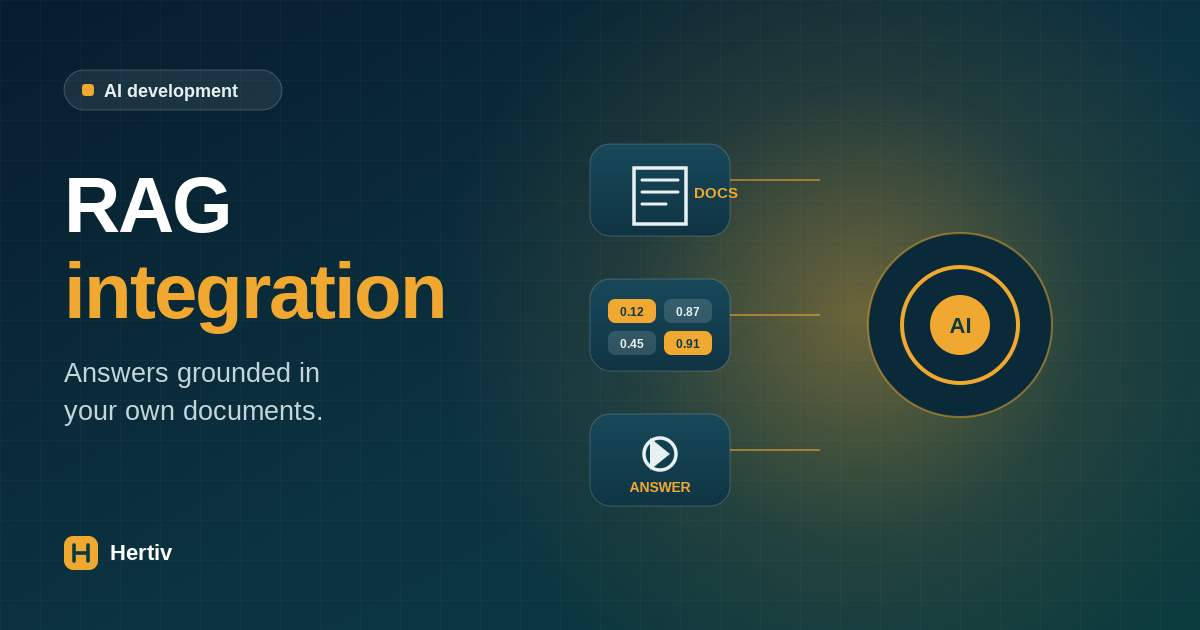
RAG integration connects a language model to your own documents so answers cite real sources. Here is the process, the cost drivers and how to judge if it works.
No posts on this page match. Use site search (Ctrl K) to search every post.
A senior engineer reads every request and replies within one business day with questions, a rough range, or a call link.