Blockchain
Pyth Network: How First-Party Prices Reach Smart Contracts
Pyth Network brings market prices on-chain from the firms that trade the asset. Its pull model means apps fetch a signed price only when they need one.
Practical guides on tokenization, stablecoin payments, wallets and smart contracts.
1653 posts · page 1 of 69
Pyth Network brings market prices on-chain from the firms that trade the asset. Its pull model means apps fetch a signed price only when they need one.
The Lightning Network moves Bitcoin payments into payment channels, so they settle in seconds for a tiny fee. Here is how channels, routing and invoices work.
Public, private, consortium and hybrid blockchain networks differ in who can join, write and read. Here is how each type works, what it costs and how to choose one.
A blockchain fits a new business only when several parties need one shared record. This guide covers the models, the costs and the first pilot.
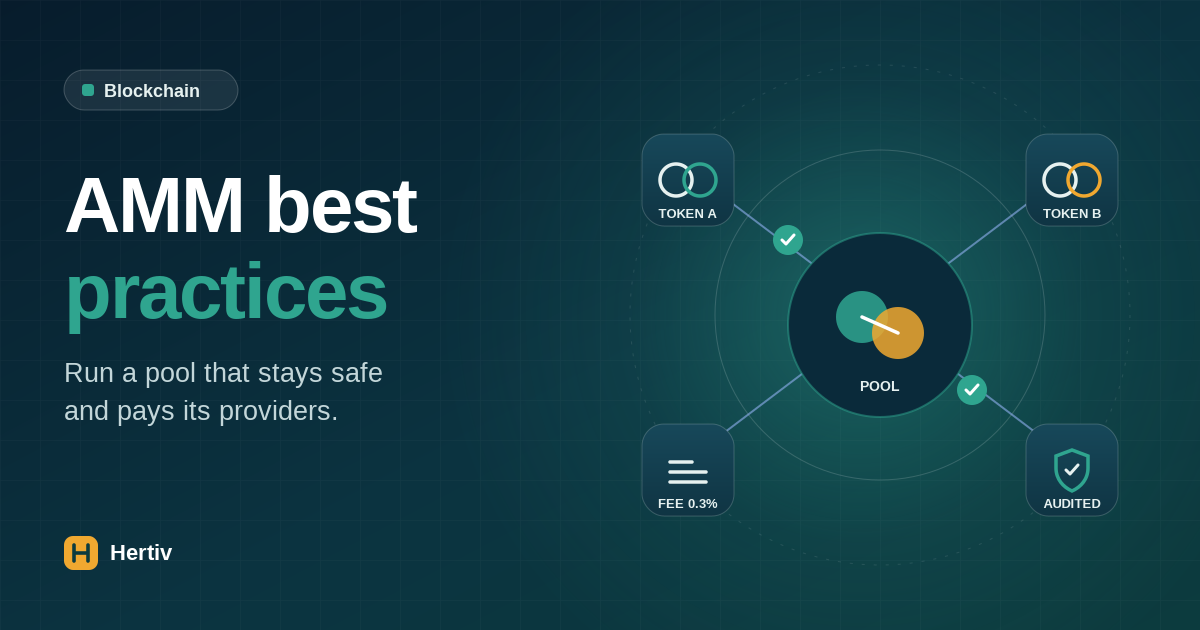
AMM best practices keep a liquidity pool safe, fairly priced and worth providing for. This guide covers pool design, fees, oracles, security and monitoring.
Tokenising an asset in Australia means dealing with ASIC, the Corporations Act and an AFSL. Here is when a token counts as a financial product and what to check.
Blockchain helps security where a shared, tamper-evident record matters: identity, audit trails and key handling. It does not replace encryption or secure code.
Blockchain infrastructure security protects the nodes, RPC endpoints, validators and networks a chain runs on. Here is what to harden first.
A blockchain oracle feeds off-chain prices into your contracts, so a bad feed can drain a protocol. These practices keep feeds honest, fresh and hard to break.
The UAE has no single crypto rulebook: VARA, the DFSA, the FSRA, the federal regulator and the Central Bank each cover a different area. Which one applies to you.
Blockchain security best practices that protect live protocols: audit before launch, guard keys with multisig, monitor transactions and rehearse incident response.
Cosmos SDK best practices keep a chain safe, upgradable and easy to run. Learn how to structure modules, protect keys and test upgrades before launch.
Tokenized assets that cross borders face securities rules, transfer limits and investor checks in every country they touch. Here is how issuers stay compliant.
A cross-chain bridge moves assets between blockchains, and a mistake can strand funds. Here are the practices that keep a bridge safe, liquid and honest.
Crypto custody best practices keep assets safe: key ceremonies, cold storage, dual approval, withdrawal limits and audit trails. Here is how each control works.
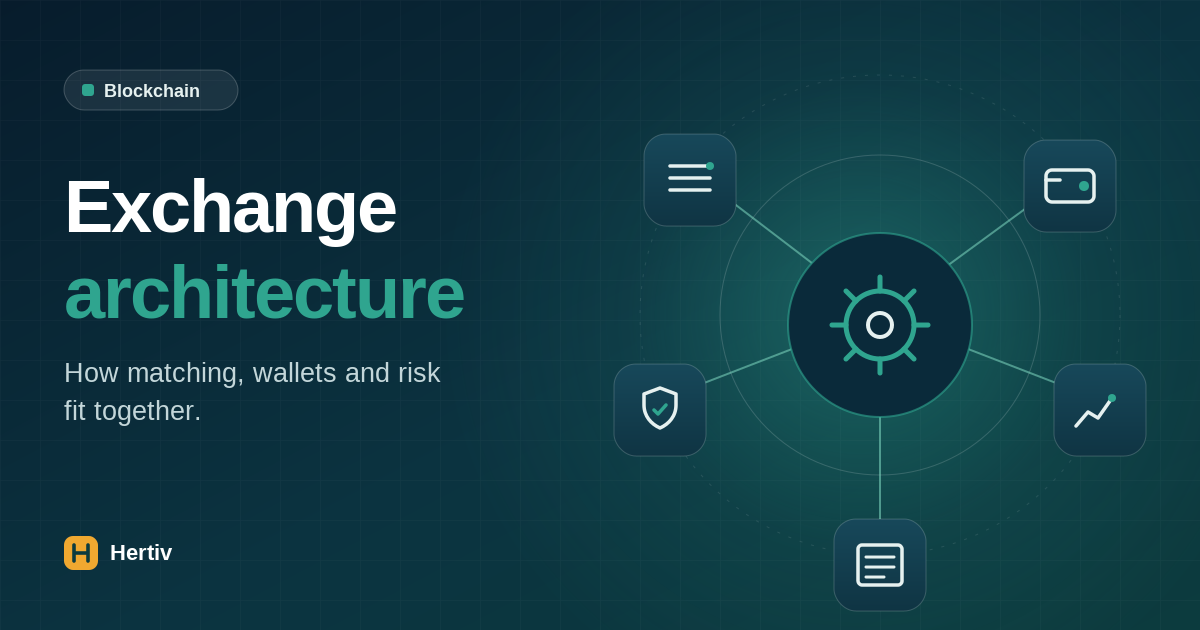
A crypto exchange is a matching engine, wallets, a risk engine and data feeds working as one system. Here is how each part fits and where the trade-offs sit.
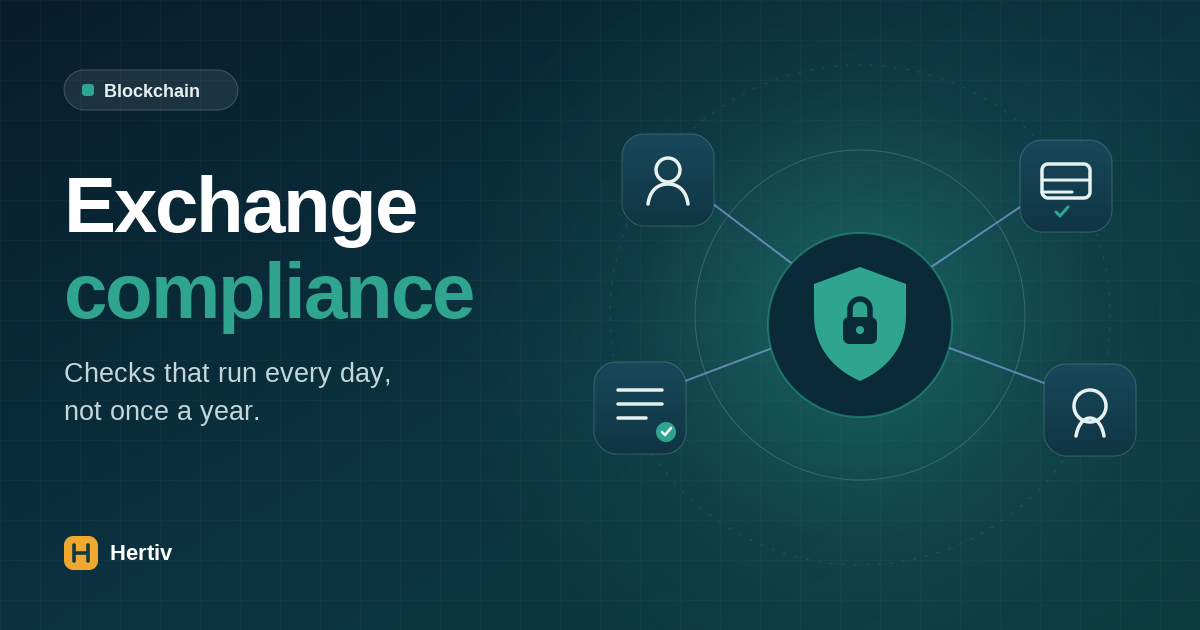
A crypto exchange compliance playbook turns licensing, KYC, AML, the travel rule and audits into daily routines. Learn what to run, when, and who owns it.
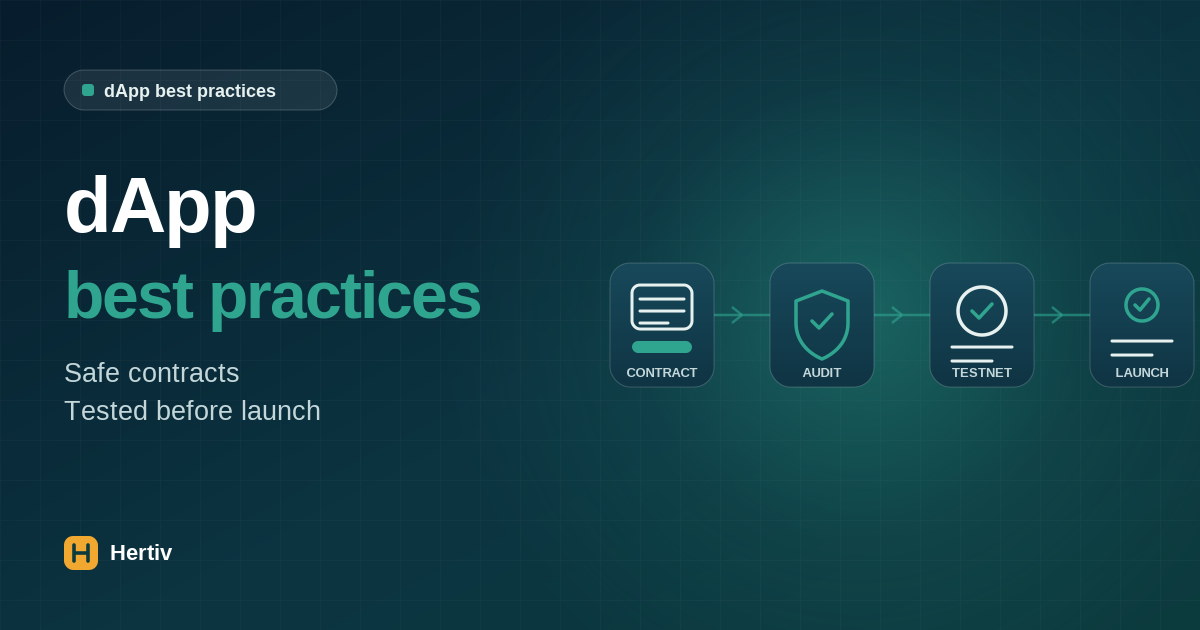
Good dApps fail less often because their teams plan the contract, the keys and the upgrade path before launch. These practices cover the decisions that matter most.
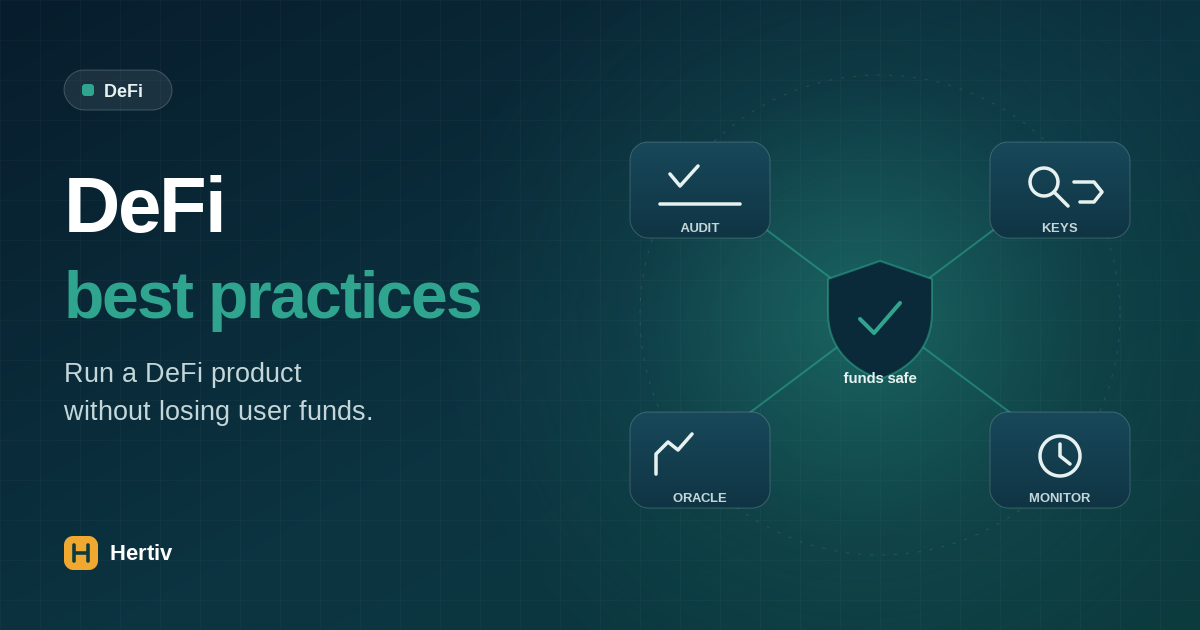
Running a DeFi product well means audited contracts, guarded keys, honest price feeds and limits that hold when the market moves.
A DEX holds user funds in code, so safe operation matters more than features. Learn the audit, key, liquidity, fee and incident practices that keep it running.
Running an enterprise blockchain well means keeping a shared network reliable, secure and fair for every member after launch. These practices keep it running.
ERC-721 best practices cover metadata, royalties, contract security and gas. Follow them and your collection stays tradable, honest, and cheaper to run.
Ethereum best practices cover keys, gas, testing, upgrades and monitoring. Follow them and your app stays safer, cheaper to run and easier to fix.
Six ways to build crypto exchange software compared on time, cost, control and compliance, from a custom build to a white-label platform.
No posts on this page match. Use site search (Ctrl K) to search every post.
A senior engineer reads every request and replies within one business day with questions, a rough range, or a call link.