DePIN Use Cases: Where Decentralised Infrastructure Actually Fits
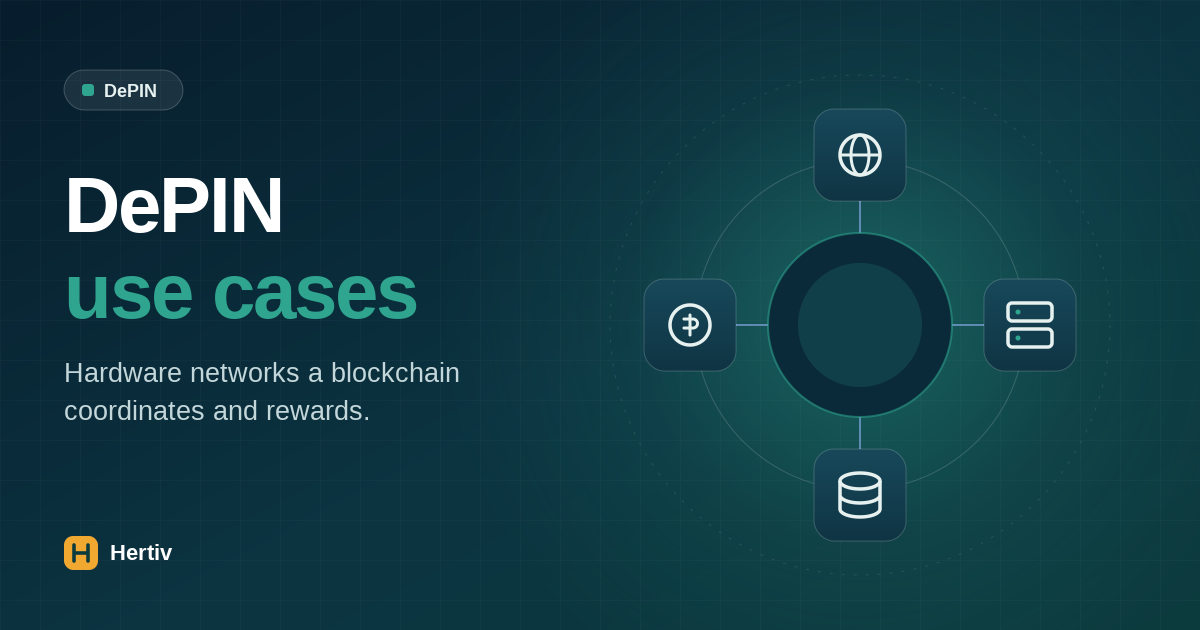
DePIN use cases explained: wireless coverage, storage, compute, sensor data, mapping, energy and charging networks, plus how to judge whether token incentives fit your project.
Practical guides on tokenization, stablecoin payments, wallets and smart contracts.
1654 posts · page 69 of 69
DePIN use cases explained: wireless coverage, storage, compute, sensor data, mapping, energy and charging networks, plus how to judge whether token incentives fit your project.
Gold-backed stablecoins suit cross-border settlement, treasury diversification, tokenized commodities and inflation hedging, but they are not a dollar substitute for daily payments.
Stablecoin retail use cases that hold up in production: cross-border supplier payments, loyalty wallets, checkout pilots, refunds and treasury. Plus how to choose one.
Hyperledger Fabric fits business problems that need shared, permissioned records between organisations with no central owner. Here are the use cases that work and the ones that don't.
Metaverse use cases that hold up commercially: digital twins, immersive training, virtual showrooms, events and tokenized assets, plus how to judge which fits your team.
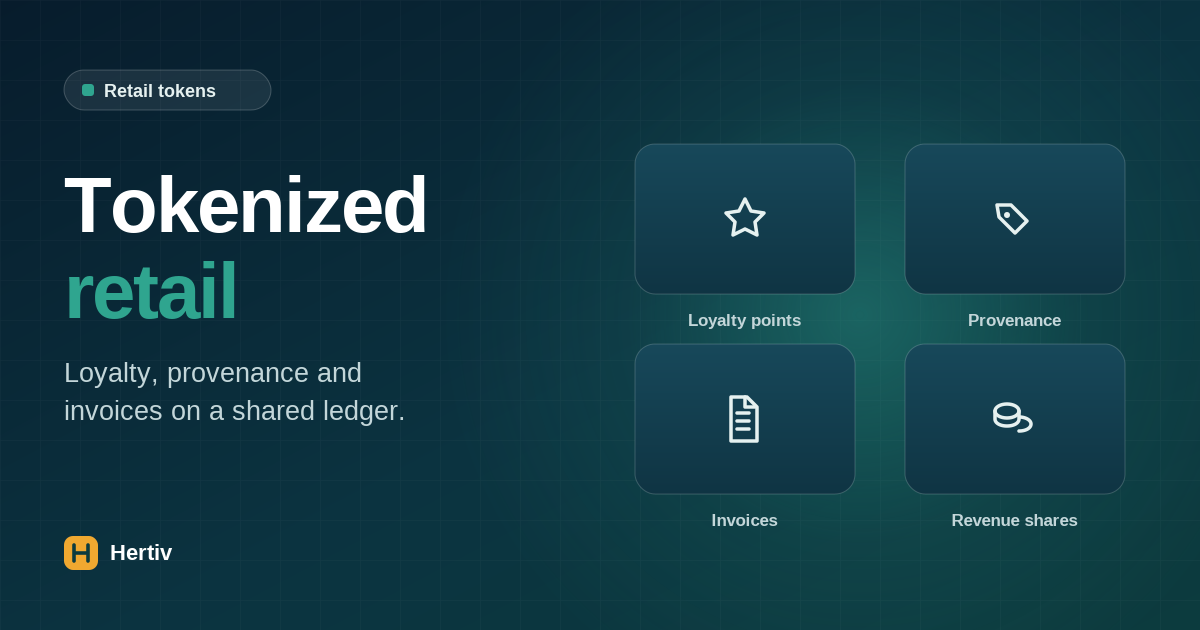
Tokenization in retail spans customer loyalty, gift cards, supplier settlement, provenance and financing. Here are the use cases worth building, and how to pick one.
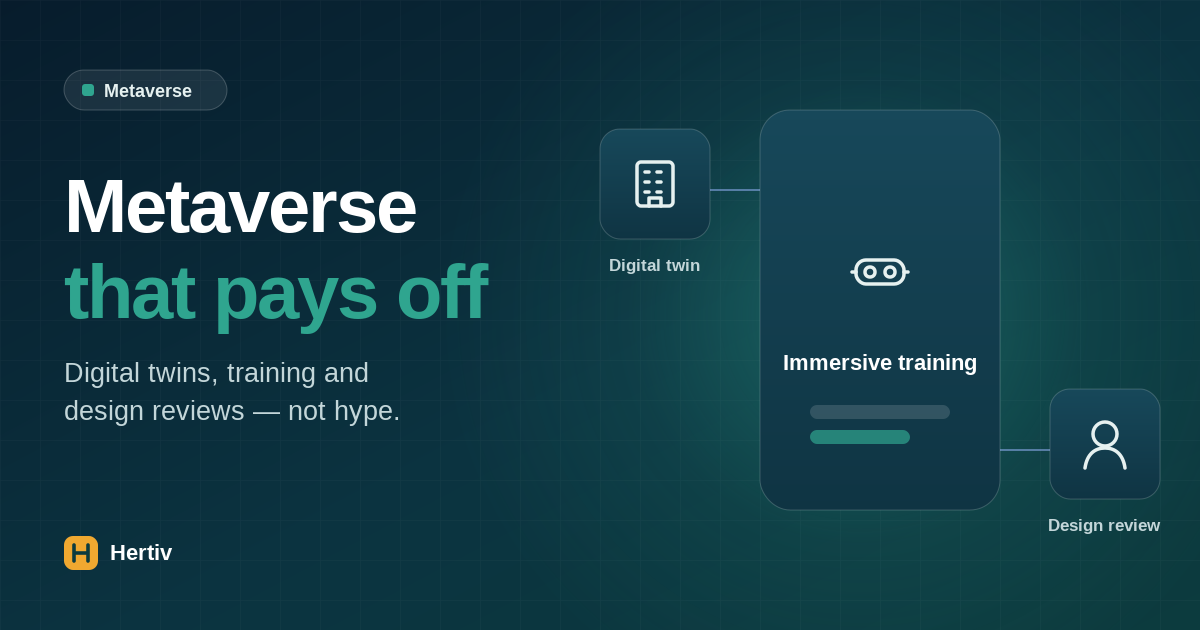
Real metaverse use cases today are industrial digital twins, immersive training, remote collaboration and virtual events, plus tokenised ownership. Benefits hinge on data and workflow fit.
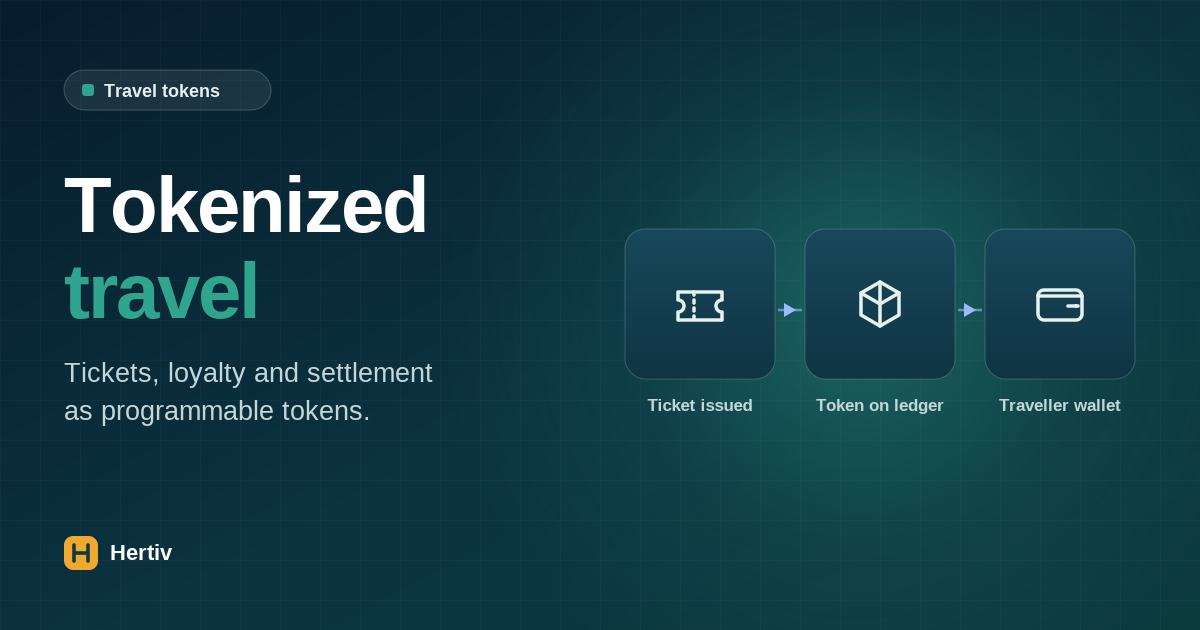
Tokenization in travel turns tickets, loyalty points and settlement into programmable digital assets. Here is where it pays off, where it does not, and how to scope a pilot.
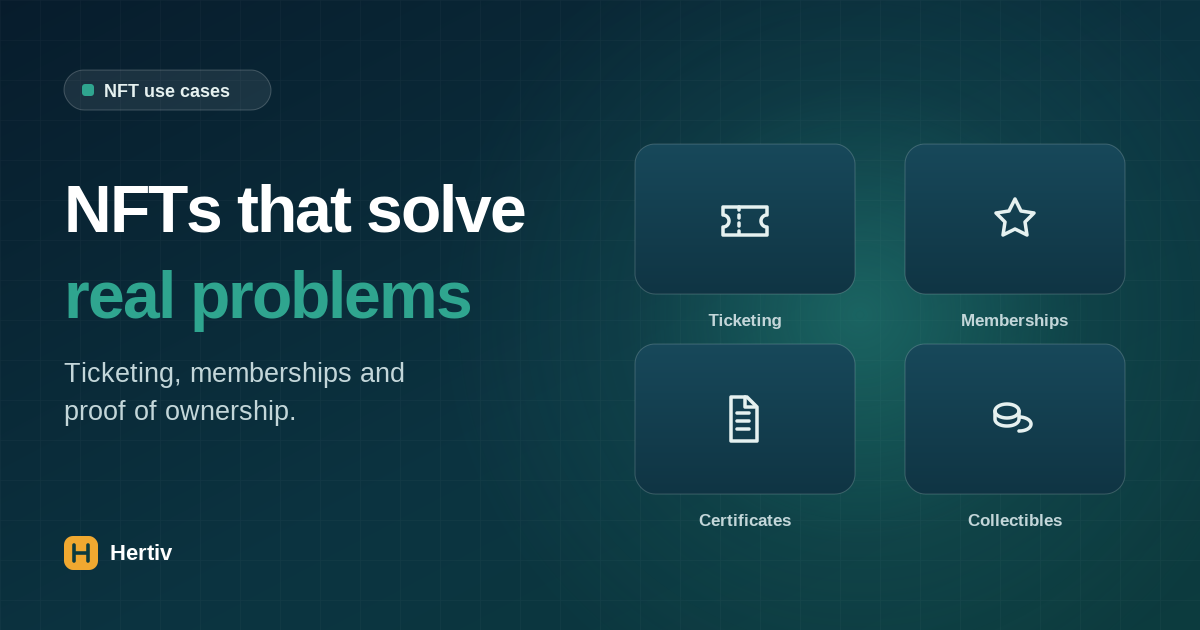
NFTs work best as verifiable tokens for ownership, access and records. Here are practical use cases, how to judge them, and common mistakes to avoid.
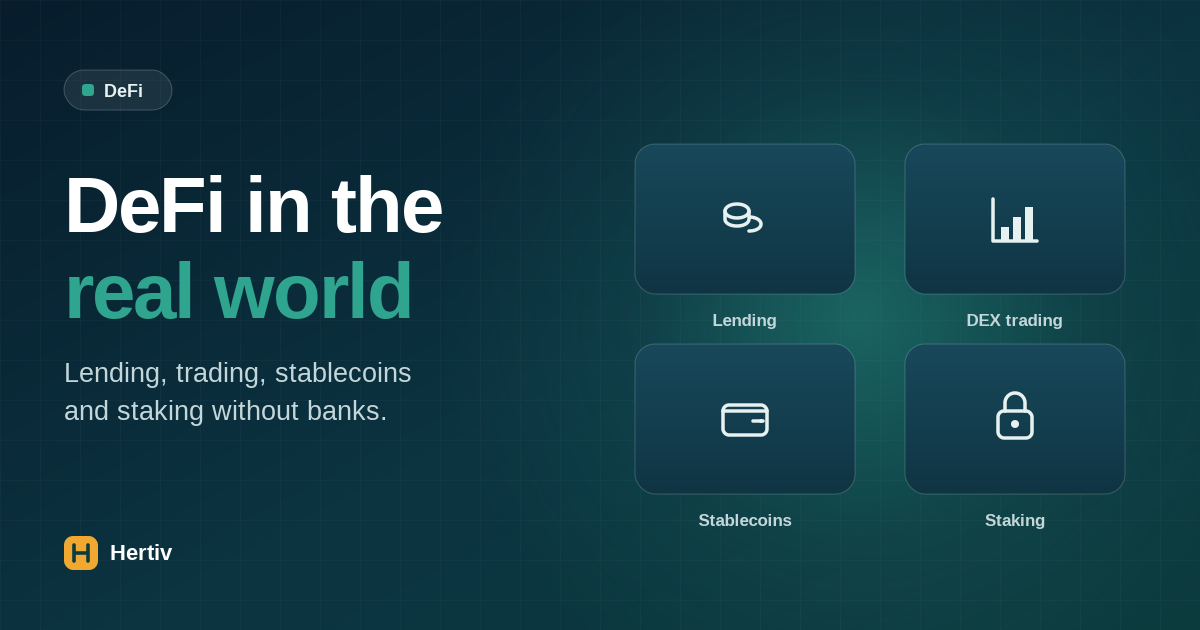
DeFi is used for lending, borrowing, trading, stablecoin payments, staking, tokenized assets and treasury management. See how each pattern works and what it requires.
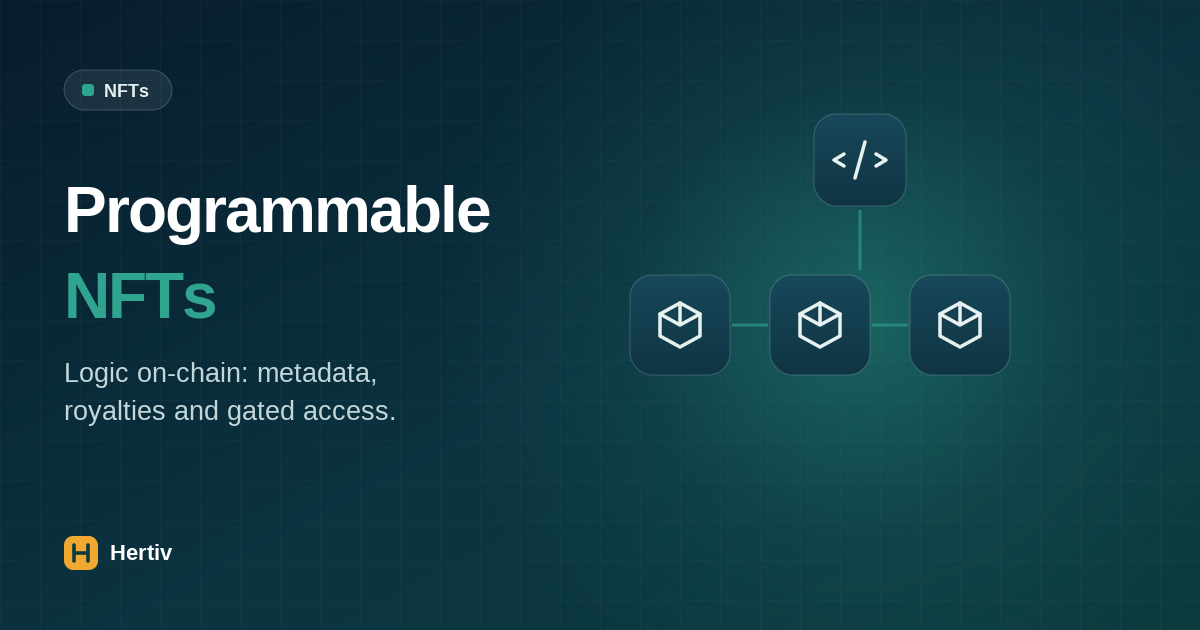
Programmable NFTs carry logic that changes metadata, enforces royalties or gates access on-chain. Learn the main benefits, real use cases and how to choose one.
A metaverse platform for sportswear is a 3D and wallet-connected environment where shoppers try, customize and buy digital and physical products; start with a narrow pilot.
Tokenization of real assets, stablecoin payments and regulated onchain infrastructure are the blockchain trends that matter in production today. Here's what's real.
Substrate fits custom L1 chains, app-chains and enterprise networks that need control over fees, governance and runtime logic. Here is when it beats a smart contract.
Ethereum leads on security and liquidity; alternatives like Solana and Polygon win on cost, speed or fit. Compare them by trust model, tooling and audit needs.
DeFi trends change what traders expect from an exchange: non-custodial access, on-chain liquidity, real-time settlement and transparent fees. Build for those expectations early.
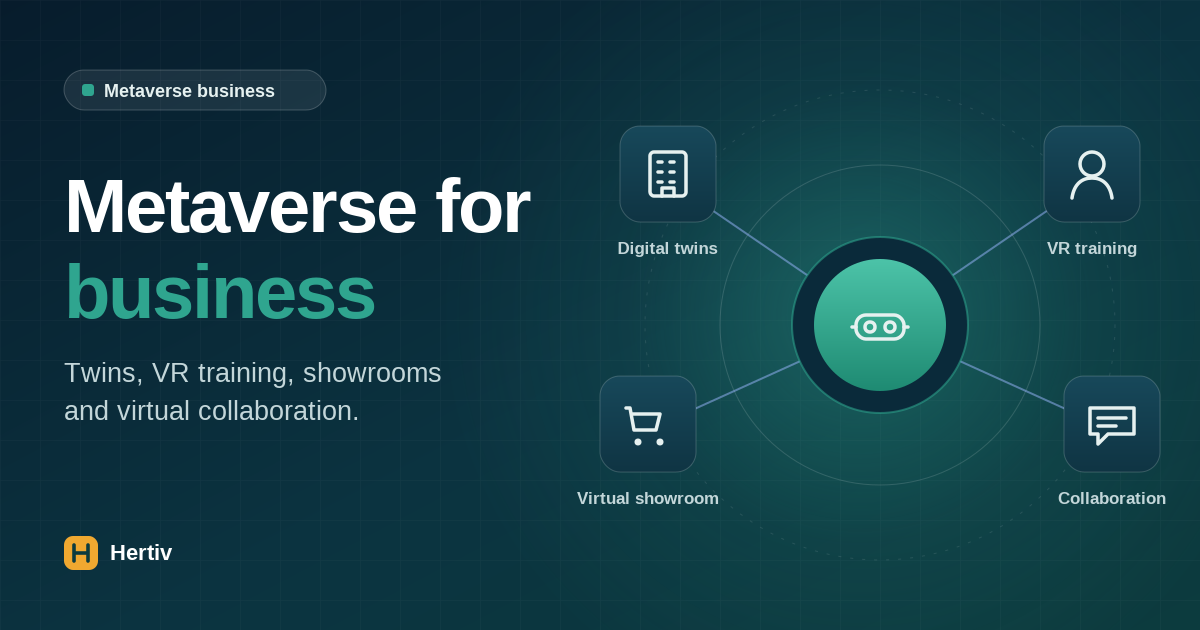
Metaverse development companies are reshaping enterprise software by building 3D, real-time, spatial environments that connect digital twins, training, commerce and collaboration.
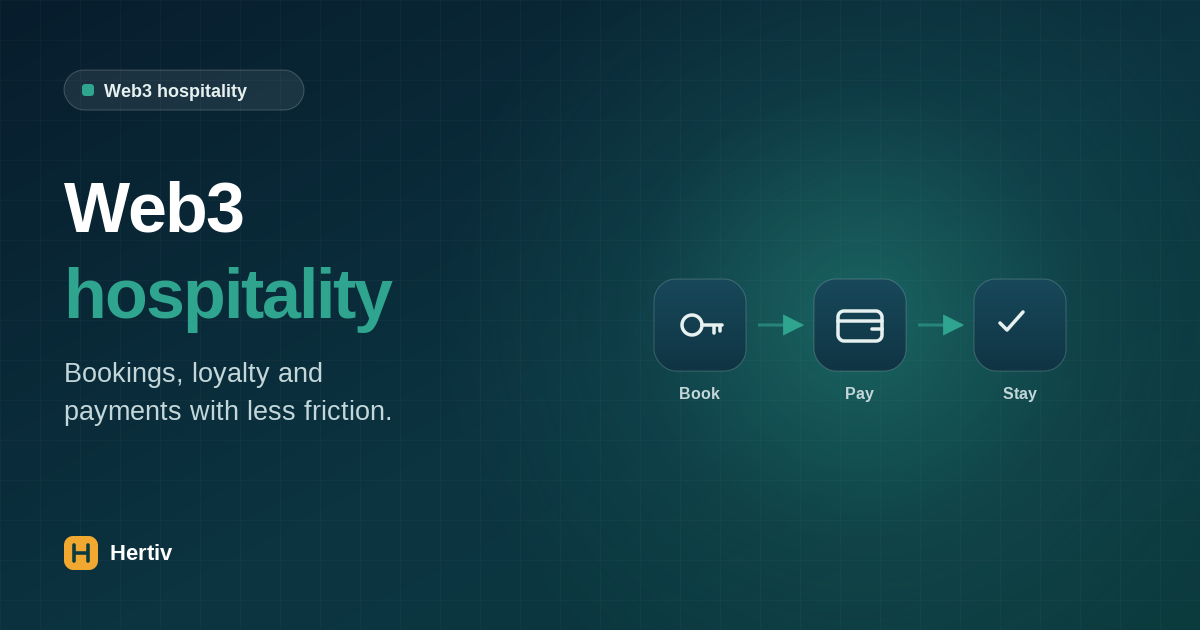
Web3 in hospitality means using blockchain wallets, tokens and on-chain identity to cut friction in bookings, loyalty and payments. It helps where trust and settlement cost real money.
Web3 in retail means tokenised loyalty points, crypto payments, product passports and resale tracking. Here are the use cases worth building and how to pick one.
How companies accept and send stablecoins, where they beat card and wire payments, and the compliance work you cannot skip.
How each approach protects company crypto, where each fails, and how to pick based on chains, approvals and operations.
How tokenizing real-world assets works in practice: legal structure, compliance, technology choices, timelines and cost.
No posts on this page match. Use site search (Ctrl K) to search every post.
A senior engineer reads every request and replies within one business day with questions, a rough range, or a call link.