Blockchain
What Is a Multisig Wallet, and When Should You Use One?
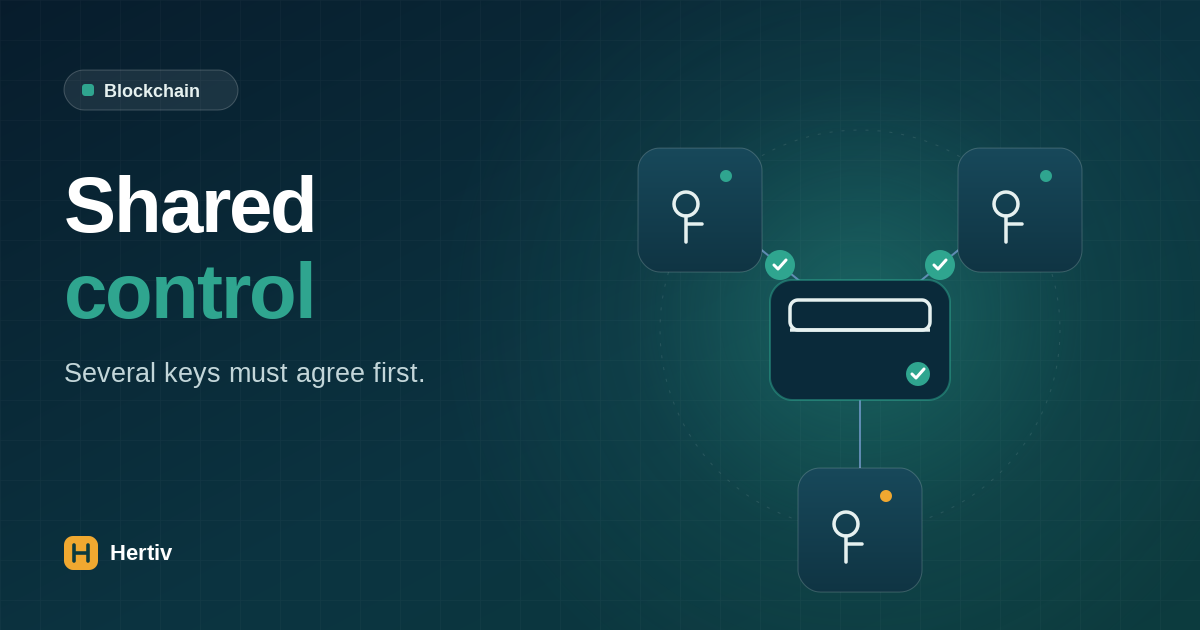
A multisig wallet needs several keys to approve a transaction, so no single person can move funds alone. Learn how it works and where it fits.
Practical guides on tokenization, stablecoin payments, wallets and smart contracts.
1654 posts · page 67 of 69
A multisig wallet needs several keys to approve a transaction, so no single person can move funds alone. Learn how it works and where it fits.
Blockchain's next phase will be decided by interoperability, clear rules, real-world use and usability, not by hype. Here are the forces that will shape it.
Smart contracts can automate refunds, payouts and loyalty in travel, but they fit only some jobs. Learn where they help and where a normal database is enough.
Stablecoins can settle property deals in minutes instead of days, but escrow, title and law still matter. Learn how a stablecoin deal works.
A DEX lets people swap tokens without a central company holding their funds. Learn the models, the build steps and the checks that keep a launch safe.
A smart contract development company writes, tests and deploys the code behind tokens, DeFi apps and marketplaces. Learn what to check before you hire one.
A crypto development company in the UAE should show real shipped products, licensed partners and a team that knows local rules. Judge it before you sign.
Polygon lets you build apps that settle on Ethereum with lower fees and faster confirmations. This guide covers the setup and the steps to ship a first contract.
Solana is a fast blockchain with low transaction costs, built for apps that need many small transactions. Here is how it works and how to ship your first app on it.
Creating a cryptocurrency means choosing between a new blockchain and a token on an existing one. Follow the steps before you spend anything.
Blockchain companies in real estate build tokenization platforms, title records and faster settlement. Here is what each type does and how to judge it.
To create a DeFi dApp, define the financial service, pick a chain, write and audit the smart contracts, build the wallet interface, and test on a testnet first.
An ICO development company drives business growth by building the token, the sale contracts, the website and the compliance steps a token sale needs.
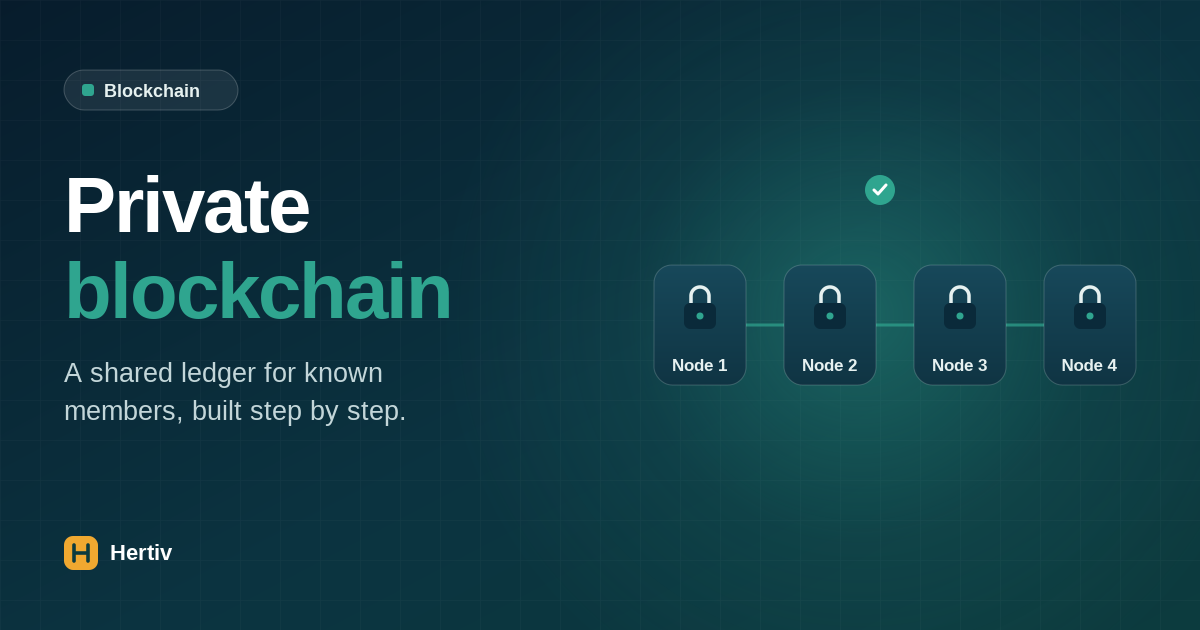
A private blockchain is a shared ledger run by a known group of organisations. Here is how to design the network, pick a platform and launch it safely.
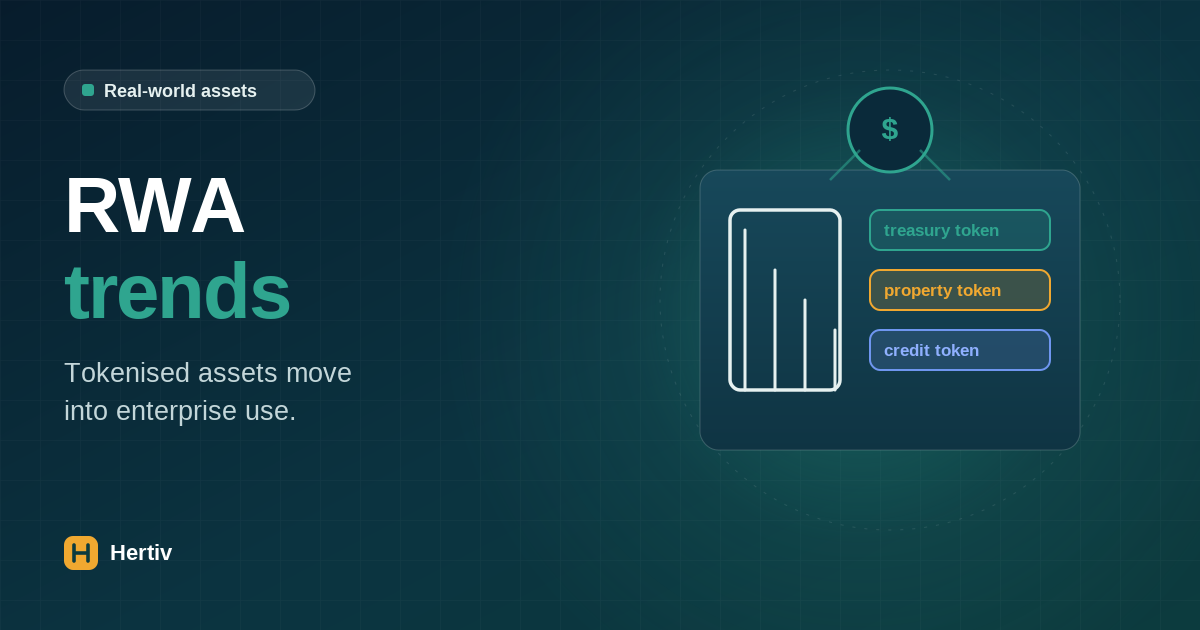
RWA trends for enterprises: tokenised treasuries, private credit, real estate, stablecoin settlement, compliance-first issuance and interoperability.
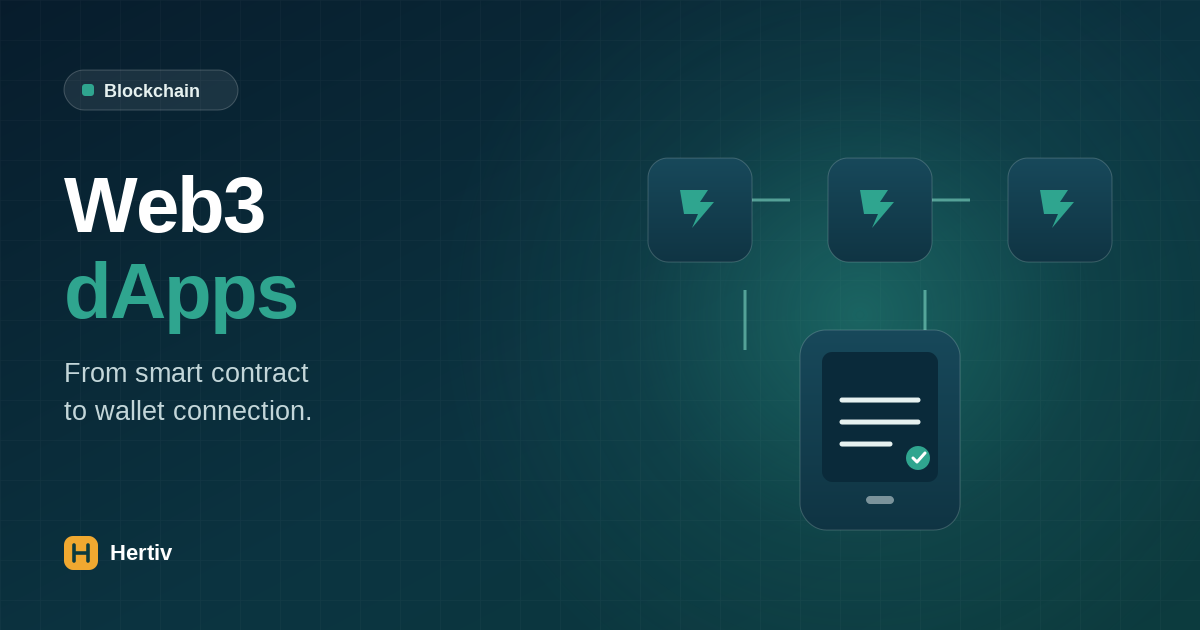
A Web3 dApp reads and writes to a blockchain instead of a company database. Here is how to build one, from the smart contract to the wallet connection.
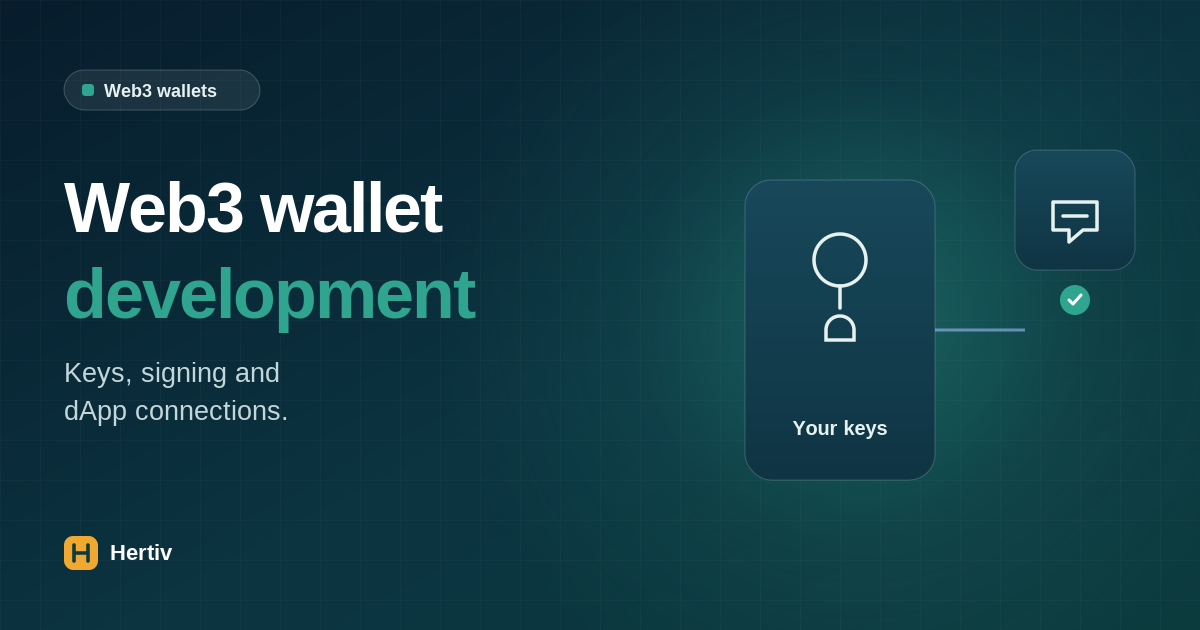
A Web3 wallet stores keys, signs transactions and connects to apps. This guide covers wallet types, build steps, security decisions and launch tests.
Large companies use blockchain for supply chain records, payments and tokenised assets. Here is how the work is organised, and when it is worth doing.
Stablecoins in travel are tokens designed to hold a stable value, used to pay suppliers, settle cross-border bookings, and let travellers pay without card networks.
Hiring blockchain developers works when you define the chain, the product and the security bar first, then test candidates with practical coding and security work.
A Web3 development company turns an idea into working blockchain software: chain choice, smart contracts, the app people use, and testing before launch.
An STO in real estate sells regulated security tokens backed by a property, letting investors buy small stakes. Learn how it works and the risks to check first.
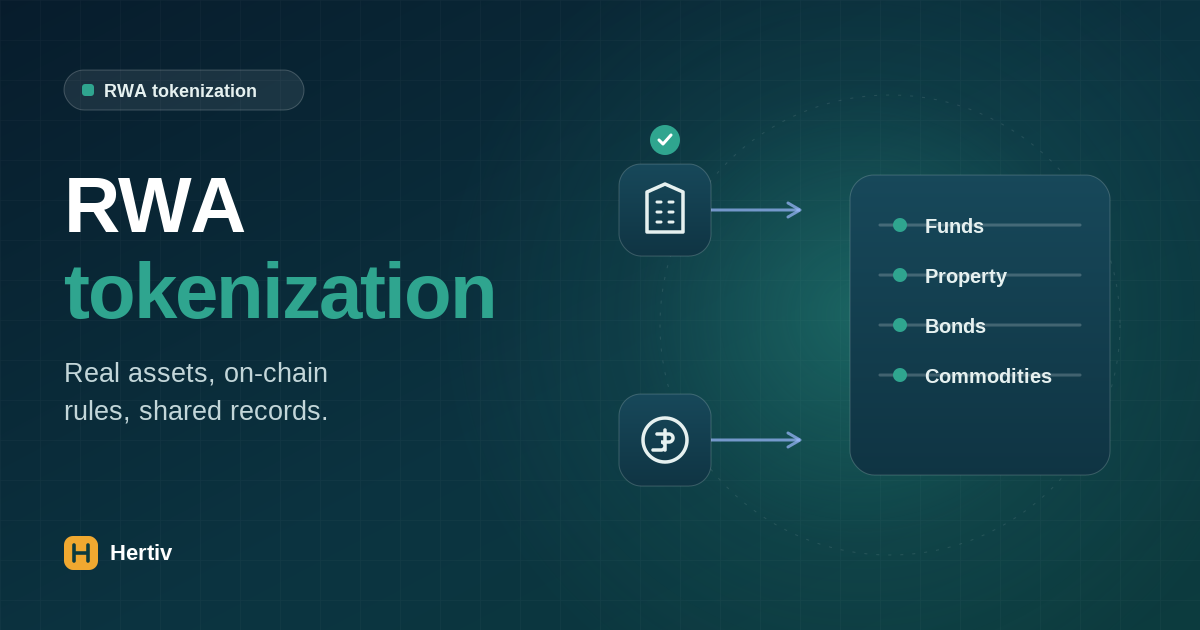
A practical look at real-world asset tokenization use cases: tokenized funds, private credit, gold, real estate, carbon credits and more, with data needs and effort.
Hiring NFT developers means matching a narrow skill set (smart contracts, minting, marketplaces, wallets) to your actual scope, then testing for security habits, not just code.
No posts on this page match. Use site search (Ctrl K) to search every post.
A senior engineer reads every request and replies within one business day with questions, a rough range, or a call link.