Blockchain
How Blockchain Will Transform Insurance Companies
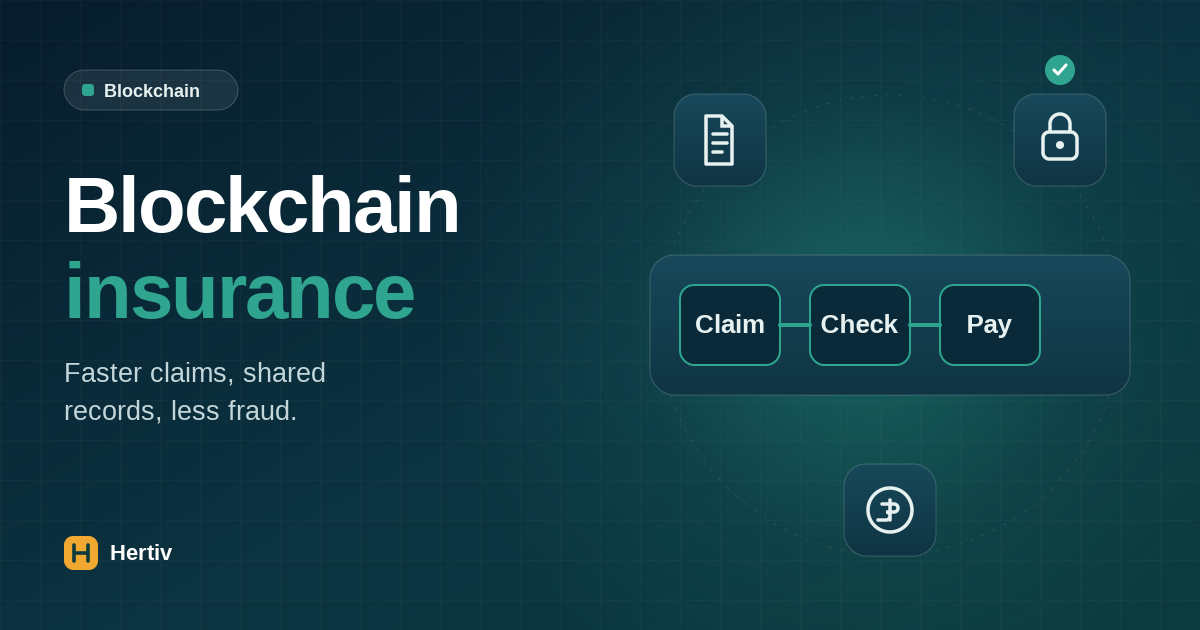
Blockchain changes insurance by making policies, claims and payments shared and verifiable across parties, cutting disputes and manual reconciliation in underwriting and claims.
Practical guides on tokenization, stablecoin payments, wallets and smart contracts.
1654 posts · page 68 of 69
Blockchain changes insurance by making policies, claims and payments shared and verifiable across parties, cutting disputes and manual reconciliation in underwriting and claims.
DePIN investing means buying tokens in networks where physical hardware earns rewards. Here is how to assess tokenomics, hardware economics and real demand.
Smart contracts pay off where multiple parties need one shared, tamper-evident record and rules that execute without a trusted middleman. Here are the patterns that work.
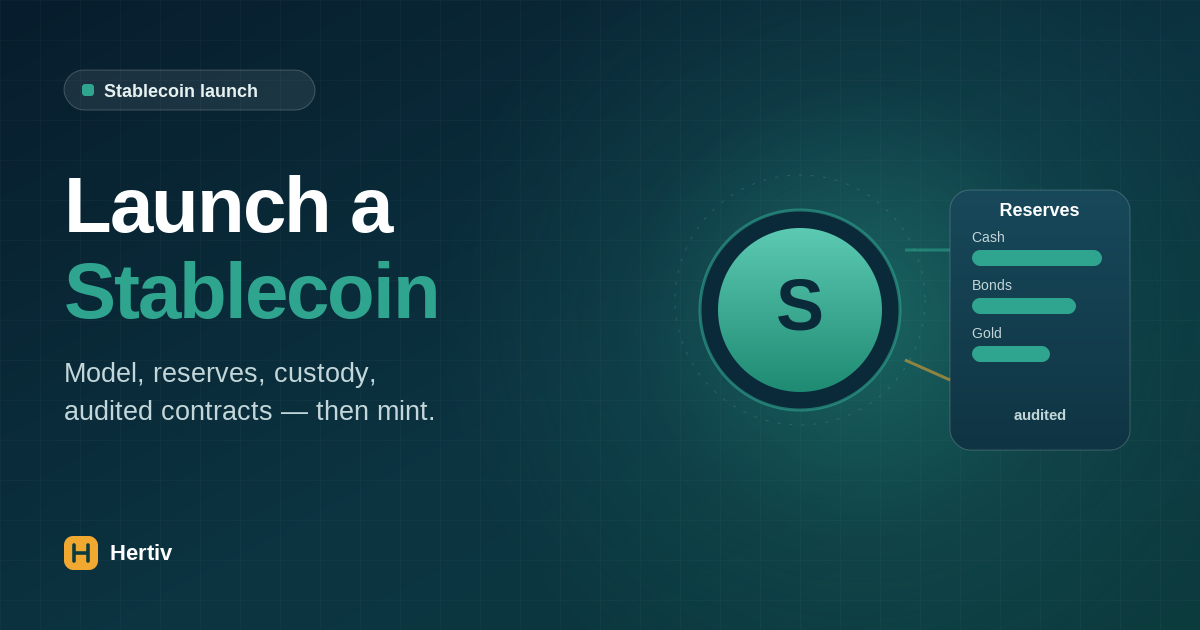
Launching a stablecoin means settling the model, legal treatment, reserves, chain, smart contracts, custody and redemption before you mint a single token.
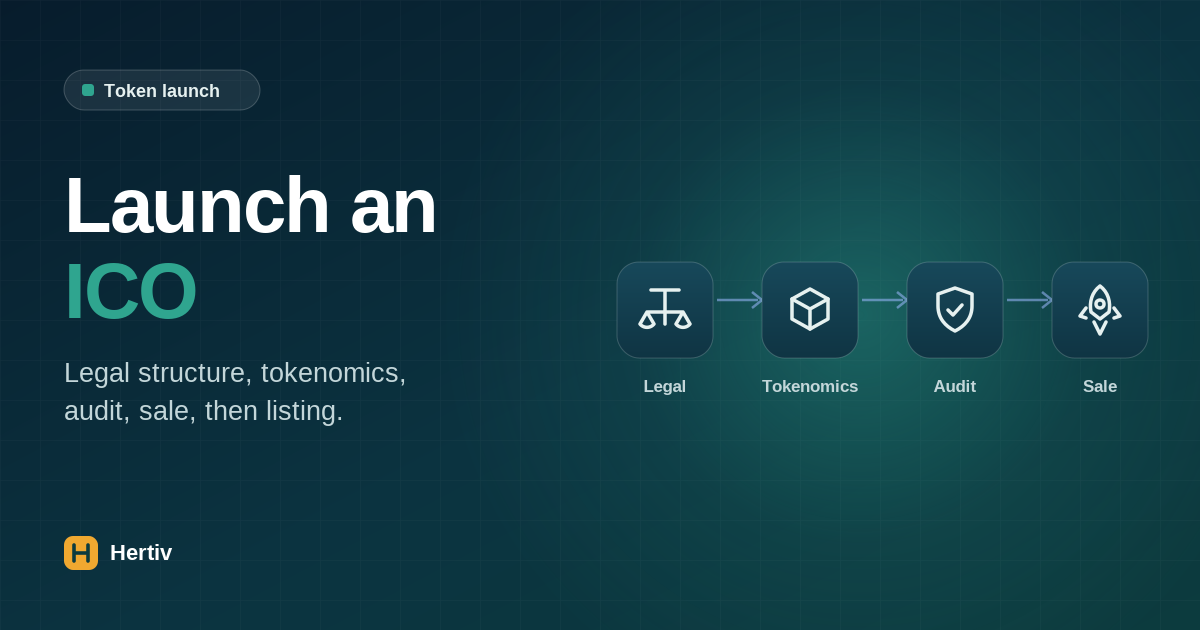
A practical roadmap for launching an ICO: legal structuring, tokenomics, smart contracts, security audits, investor onboarding, listing and post-launch compliance.
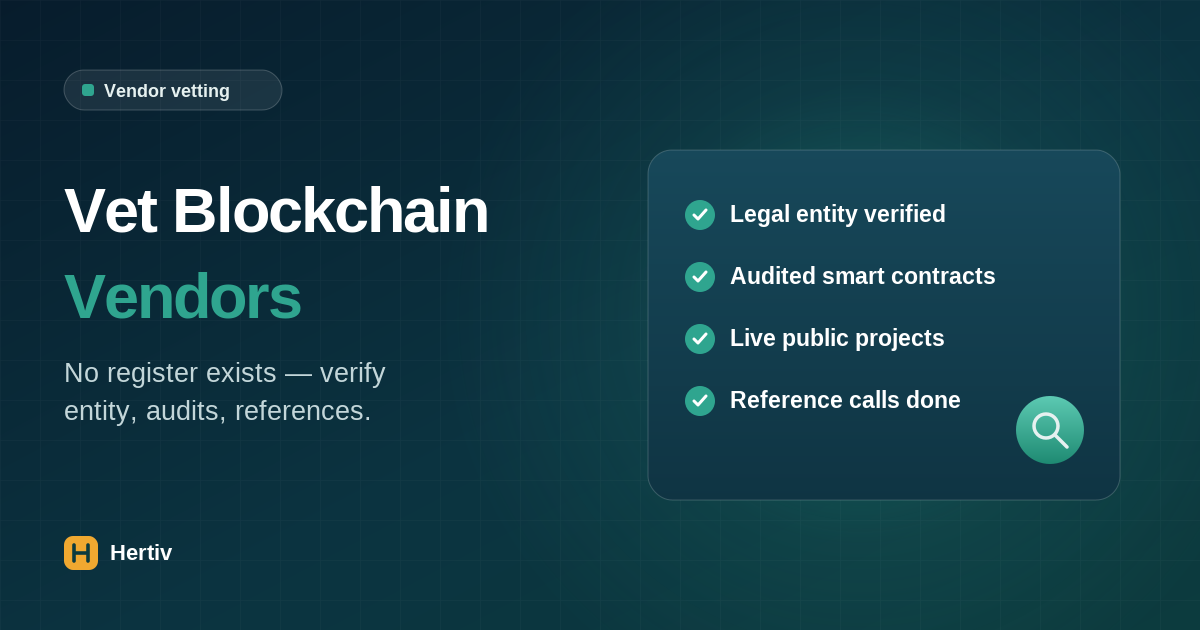
There is no official register of "trusted" blockchain firms in Ukraine. Vet vendors yourself: check legal entity, smart contract audit history, references and escrow terms.
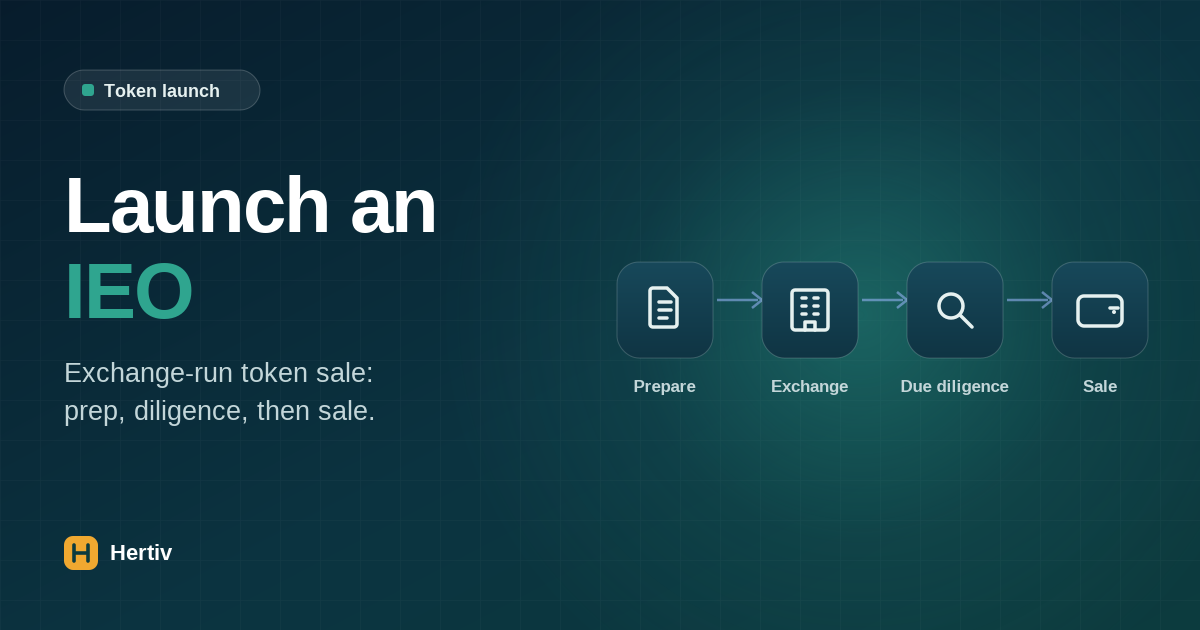
An IEO is a token sale run through an exchange that handles compliance and distribution. Learn the steps, costs, risks and how to choose a launch partner.
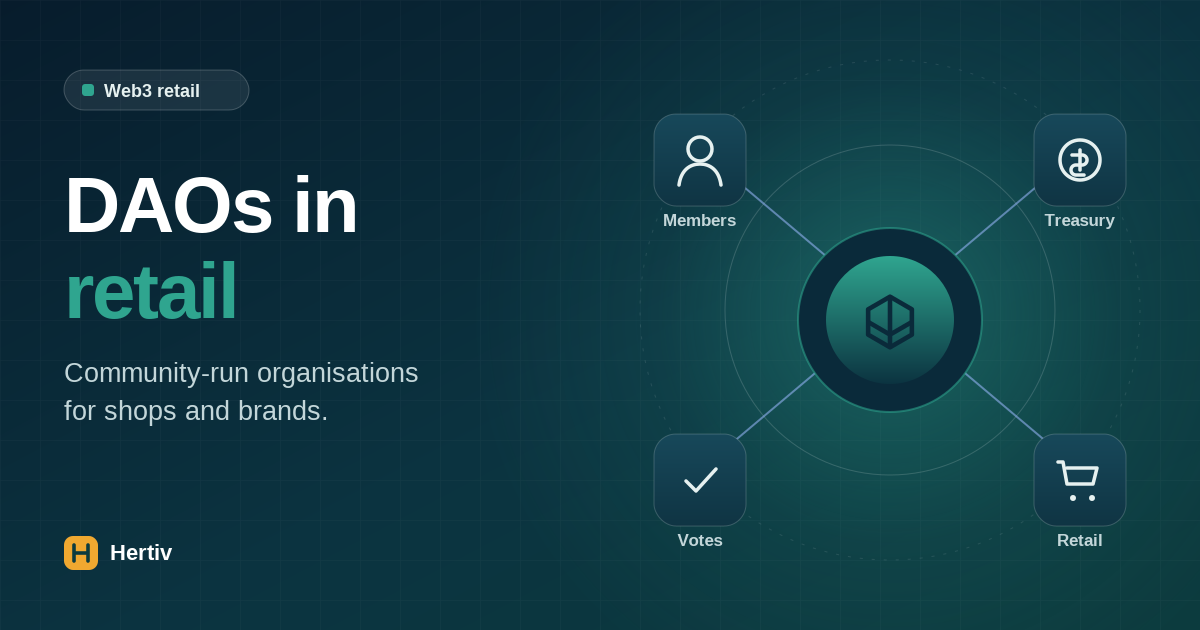
DAOs in retail work best for supplier cooperatives, customer loyalty and shared purchasing, not for running whole stores. Here are the patterns that hold up.
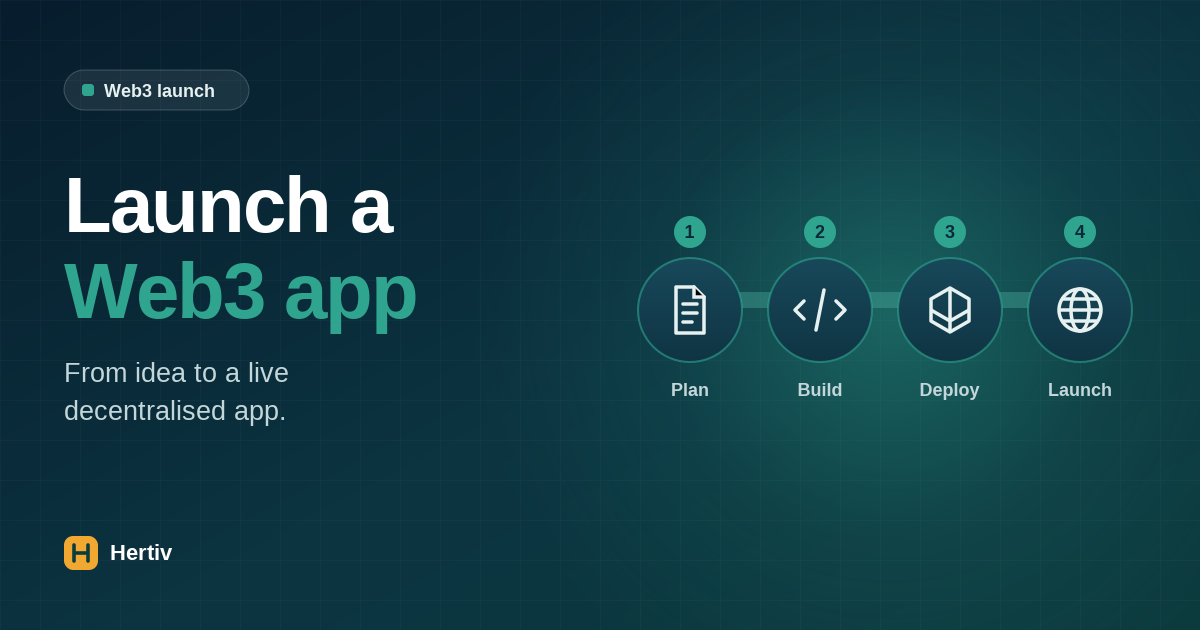
Launching a Web3 app means choosing a chain, writing and auditing contracts, building the client, and planning custody, security and go-to-market before users arrive.
Cryptocurrency volatility is handled with policy, not prediction: size exposure deliberately, hedge or stablecoin-settle, automate rebalancing, and stress-test before you launch.
Explore real dApp use cases in retail, from loyalty tokens and provenance to tokenised receipts and supply-chain payments. Learn what works and how to choose.
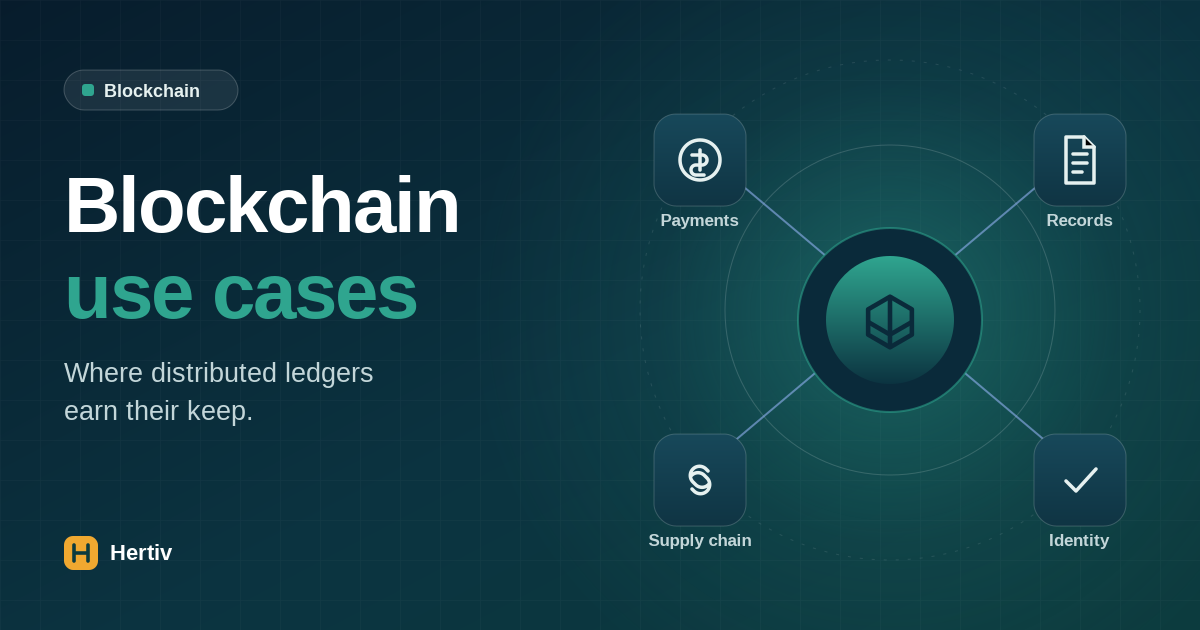
The blockchain use cases that survive real production: payments, tokenized assets, supply chain, identity, audits and cross-border settlement, plus what each one costs in effort.
Tokenizing a fund means issuing blockchain-based tokens for fund units or interests. Learn the legal, technical and operational steps to do it properly.
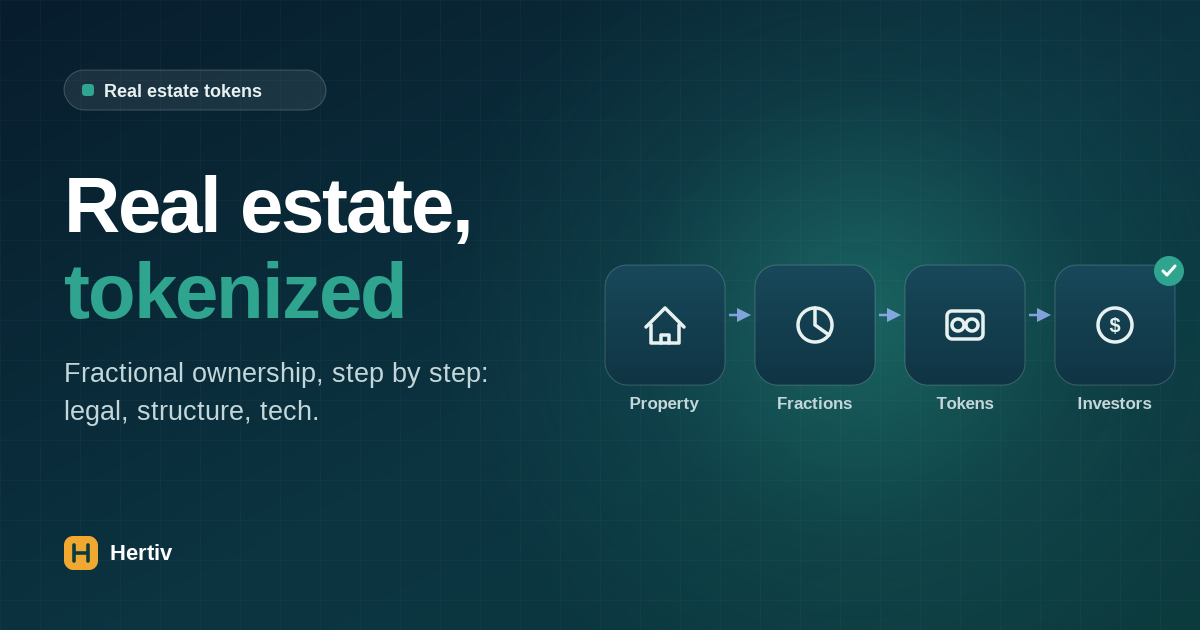
Tokenizing real estate means issuing blockchain tokens that represent fractional ownership or economic rights in a property. Learn the legal, structural and technical steps.
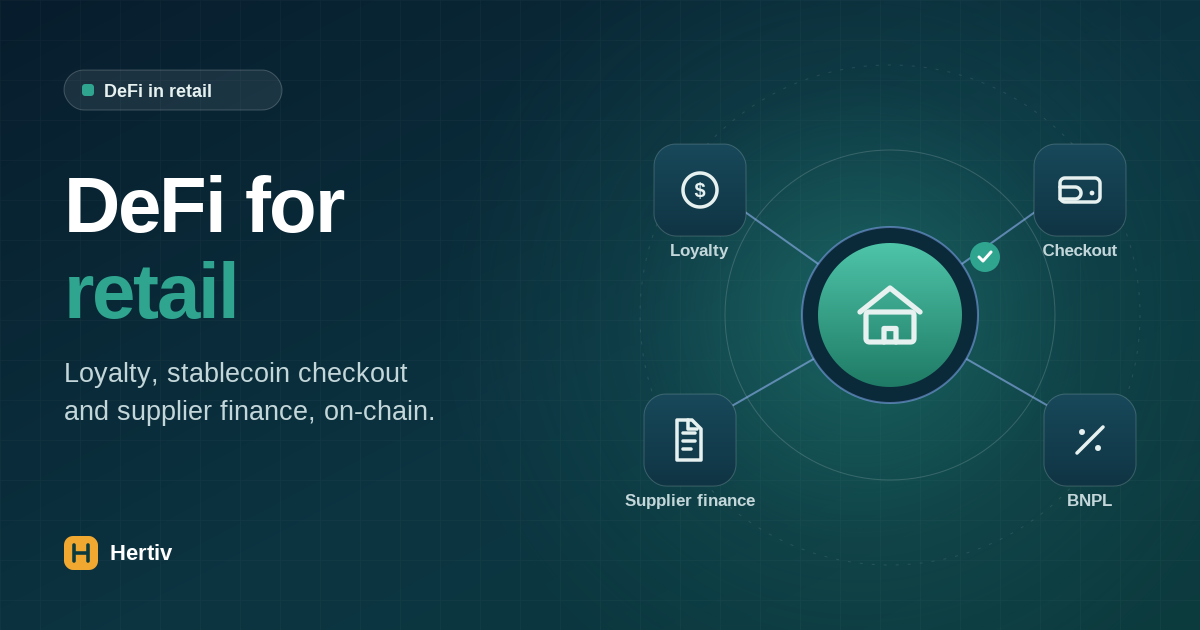
DeFi in retail means tokenised loyalty, stablecoin checkout, BNPL lending, supplier finance and more. Here are seven patterns, what data each needs, and how to choose.
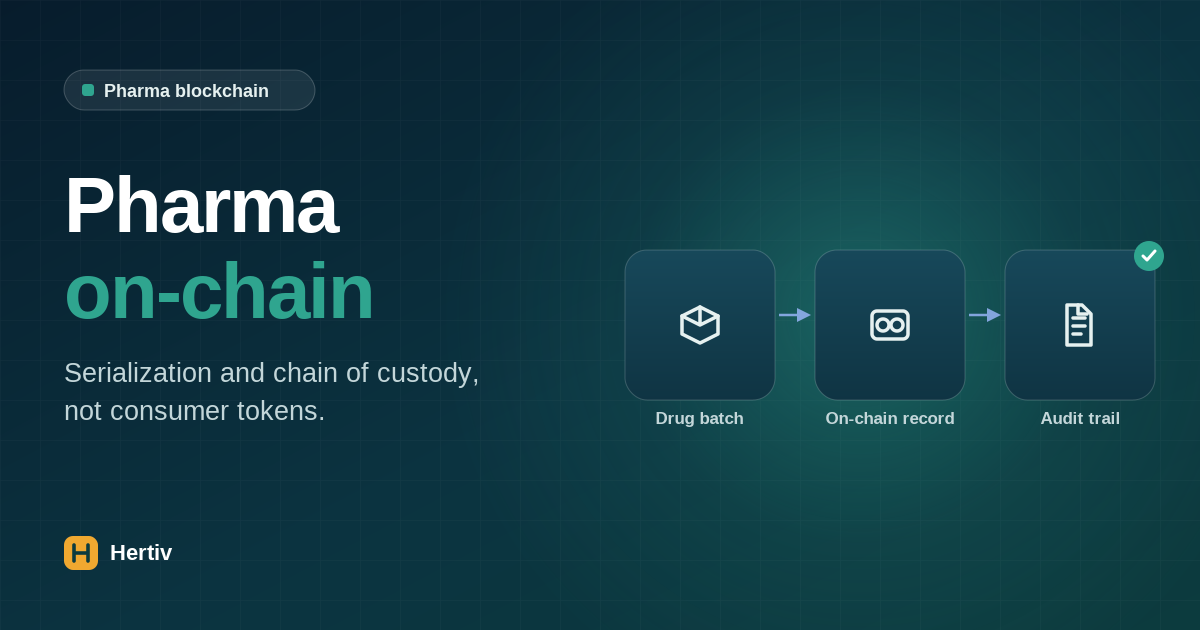
Blockchain in pharma is mostly about serialization, chain of custody and audit trails—not consumer tokens. Here is where it fits, what it costs and how to start.
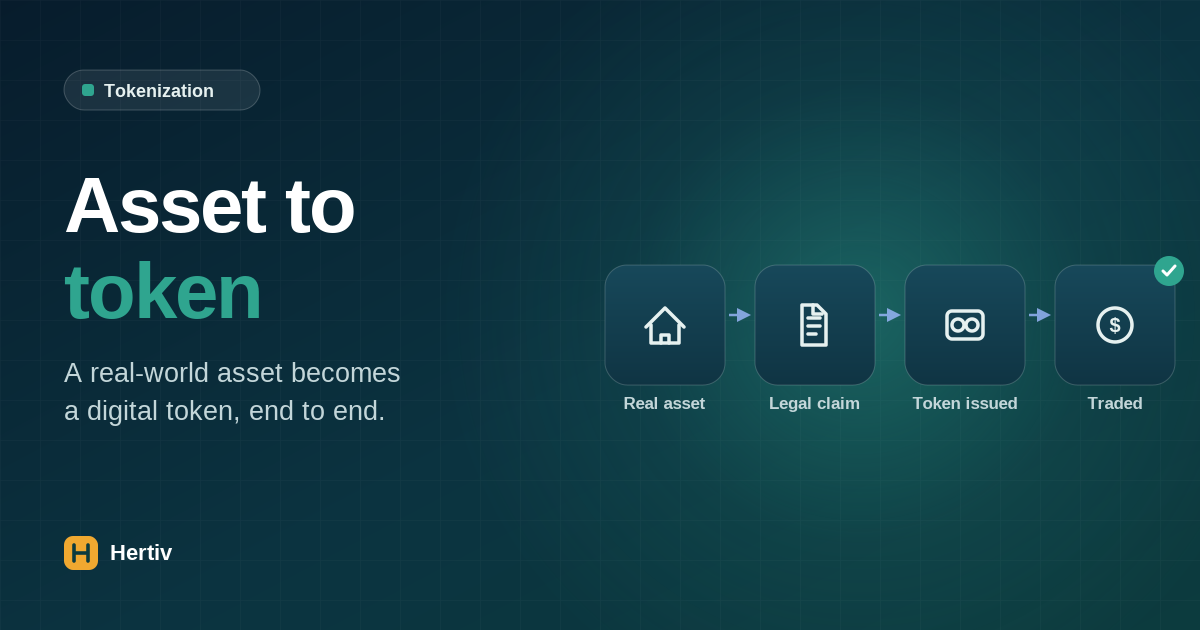
Tokenization turns a real-world asset into a digital token backed by a legal claim. Here is how the process works end to end, and where projects fail.
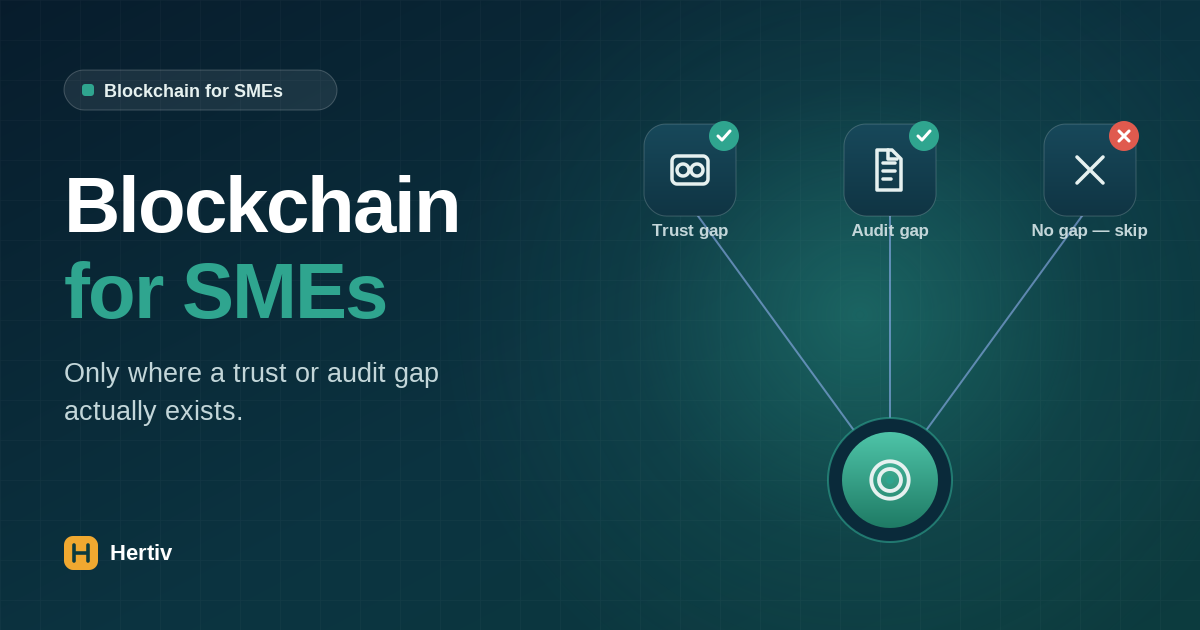
Most blockchain use cases suit SMEs only when a real trust, settlement or audit gap exists. Here are the ones that pay off, the ones to avoid, and how to choose.
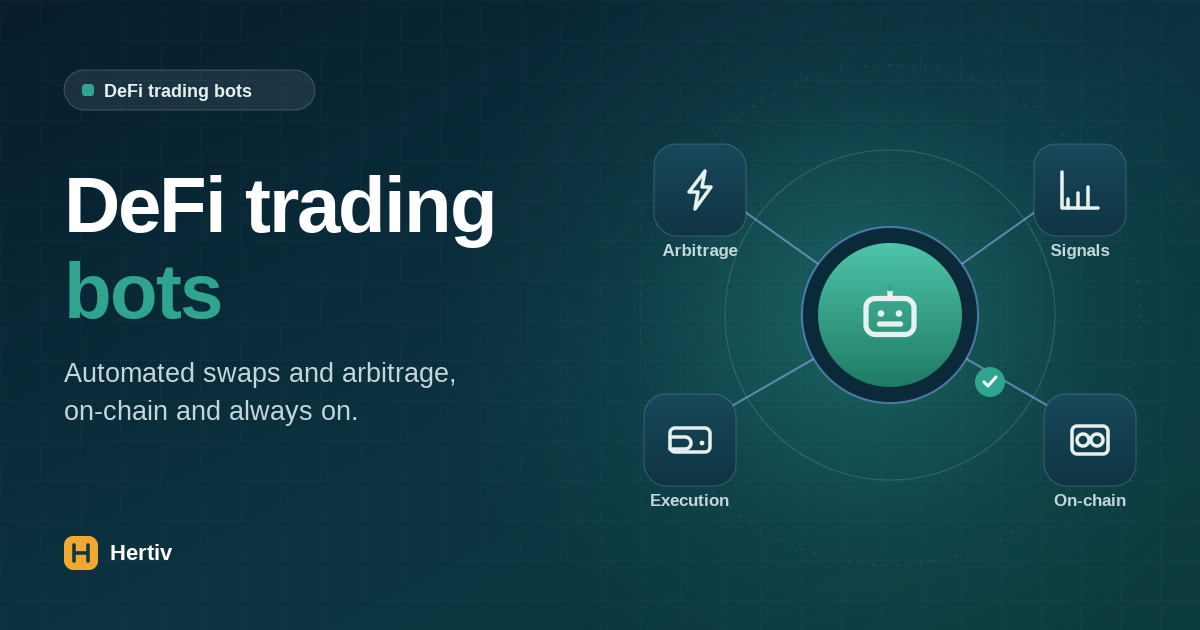
DeFi trading bots automate swaps, arbitrage and market making on-chain. Compare seven well-known options, their execution model and risks before you deploy.
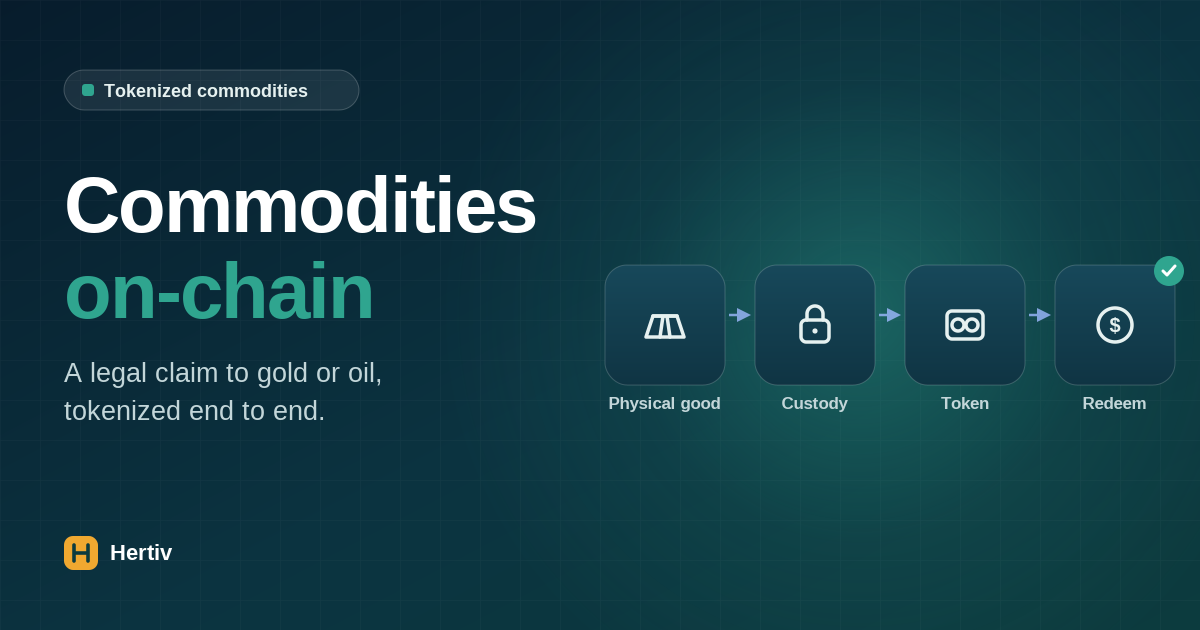
Tokenized commodities put a legal claim to physical goods like gold or oil on a blockchain. Learn the full lifecycle, from custody and proofs to redemption.
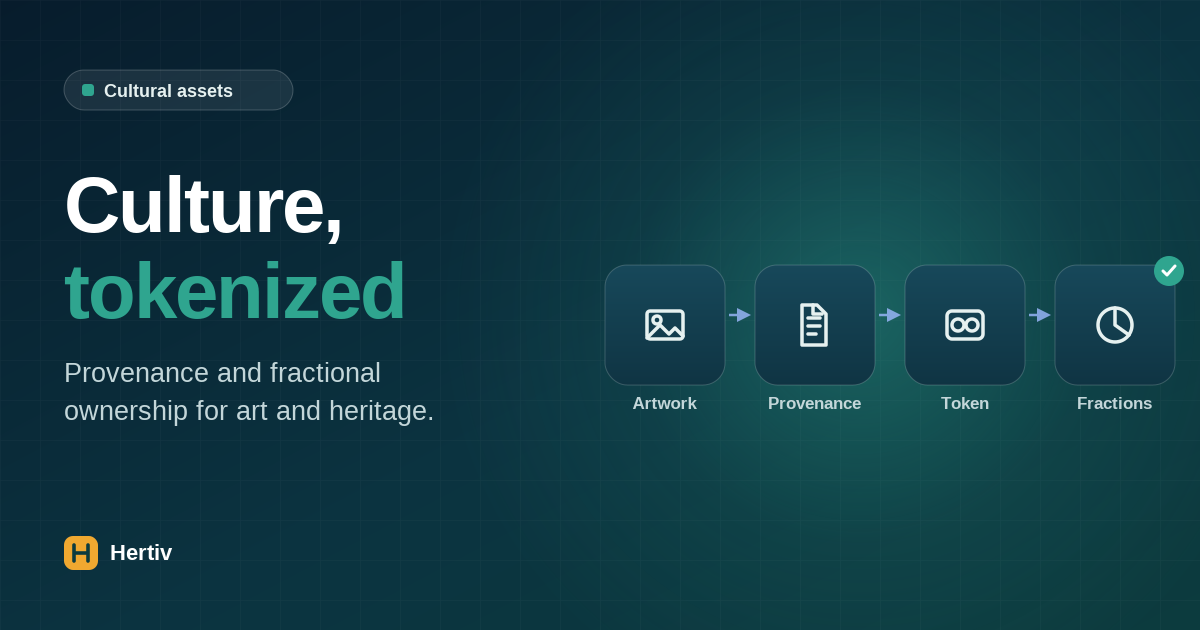
Cultural asset tokenization turns art, collectibles and heritage rights into digital tokens. The use cases that hold up are provenance, fractional ownership and licensing.
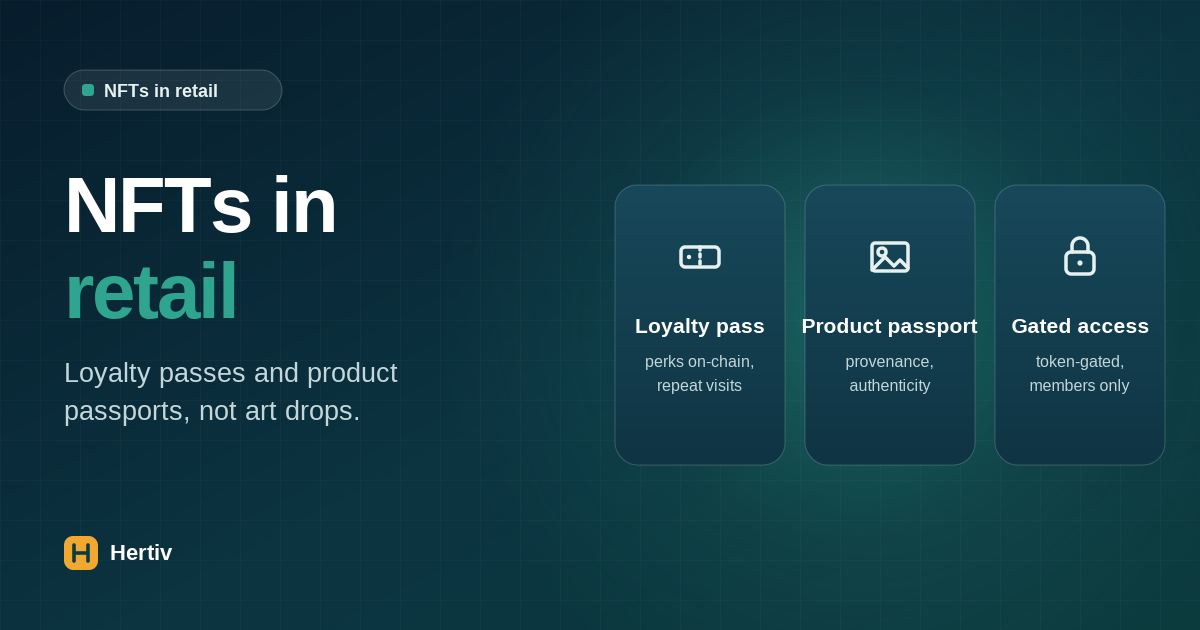
NFTs in retail work best as loyalty passes, product passports and token-gated access, not as speculative art drops. Here are the patterns that hold up.
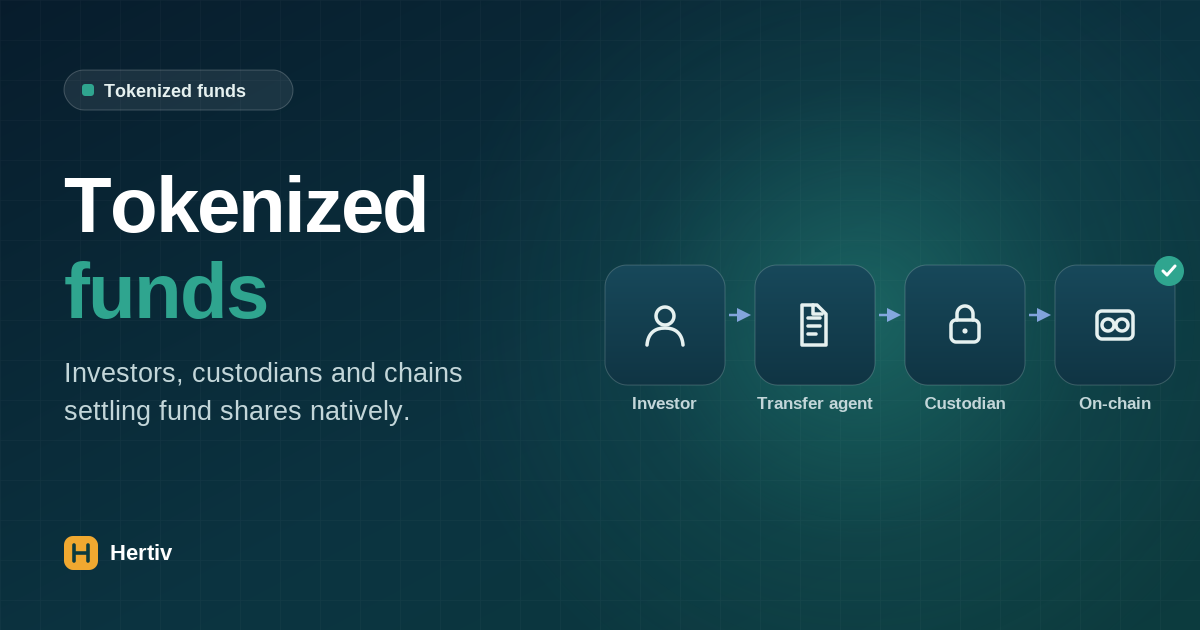
Tokenized fund ecosystems connect investors, transfer agents, custodians and blockchains so fund shares can be issued and settled natively. Here is how they work.
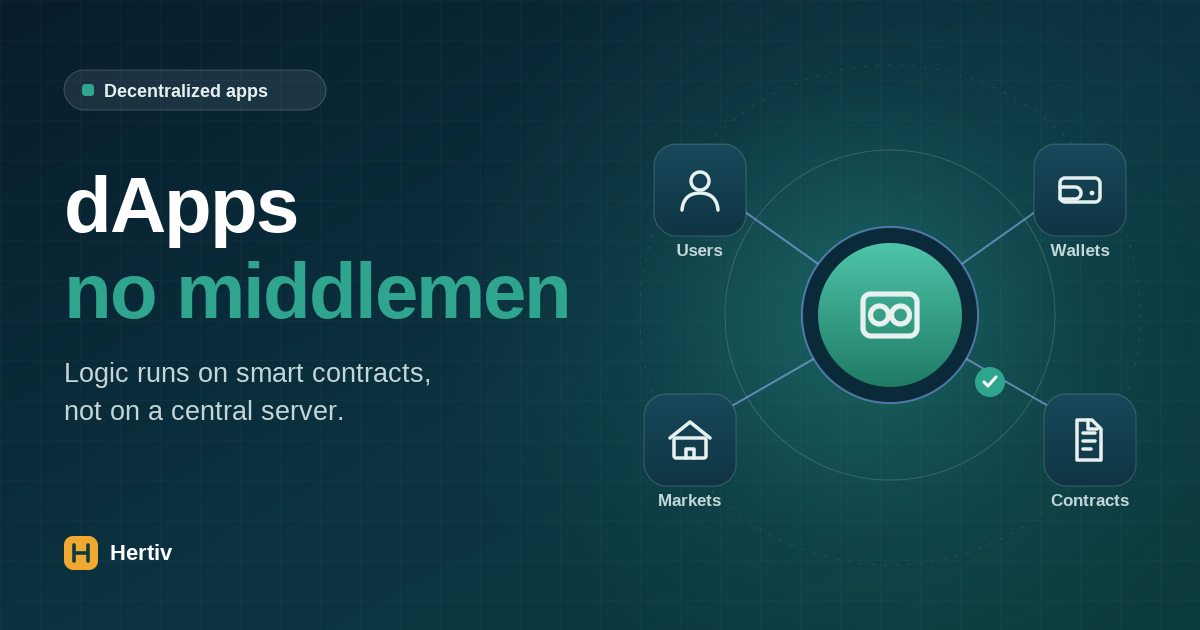
dApps remove the middleman by running logic on smart contracts. Here is what they are genuinely good for, where they fall short, and how to pick a use case.
No posts on this page match. Use site search (Ctrl K) to search every post.
A senior engineer reads every request and replies within one business day with questions, a rough range, or a call link.