Blockchain
Smart Contract Development Trends Worth Watching
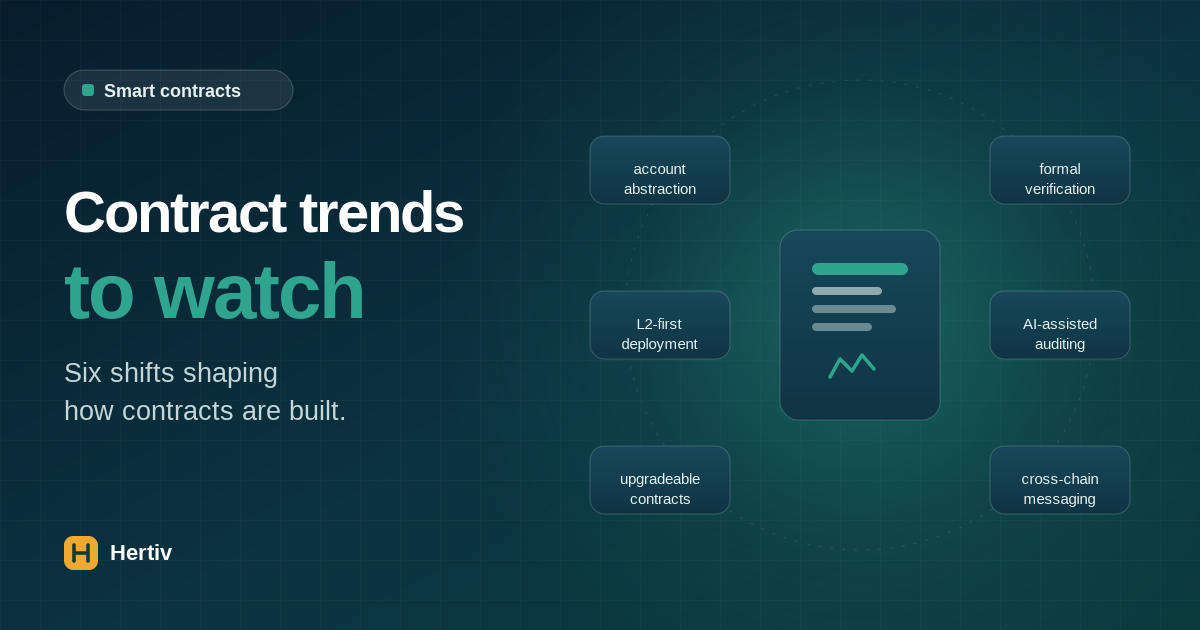
Smart contract work is shifting toward safer code, cheaper execution, and contracts that can be fixed after launch. These six trends change how teams build.
Practical guides on tokenization, stablecoin payments, wallets and smart contracts.
1656 posts · page 66 of 69
Smart contract work is shifting toward safer code, cheaper execution, and contracts that can be fixed after launch. These six trends change how teams build.
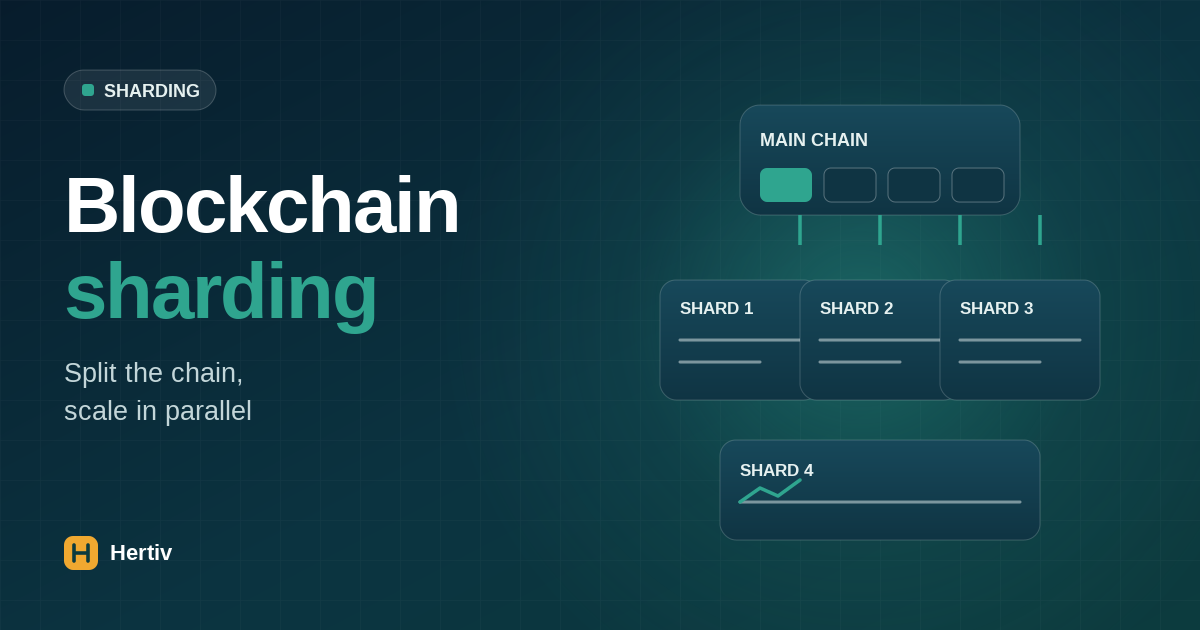
Sharding splits a blockchain into parts called shards, so each one handles a share of the work. Here is how it raises throughput, and the trade-offs it brings.
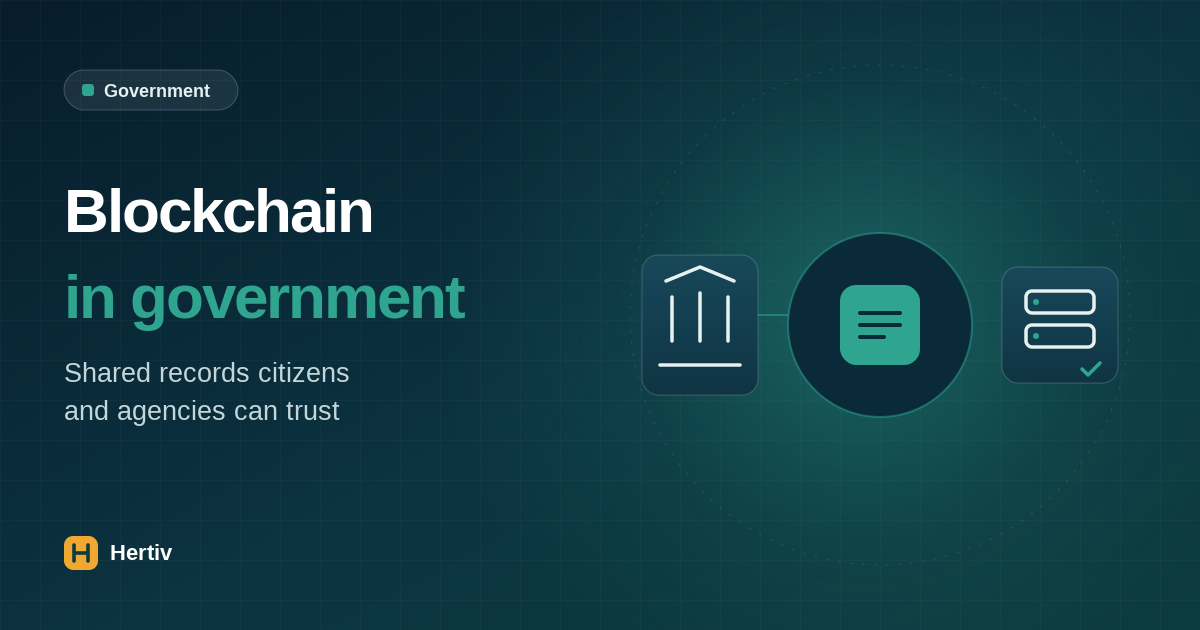
Governments use blockchain for land records, identity, procurement and aid. It fits where trust, audit trails and shared records matter most.
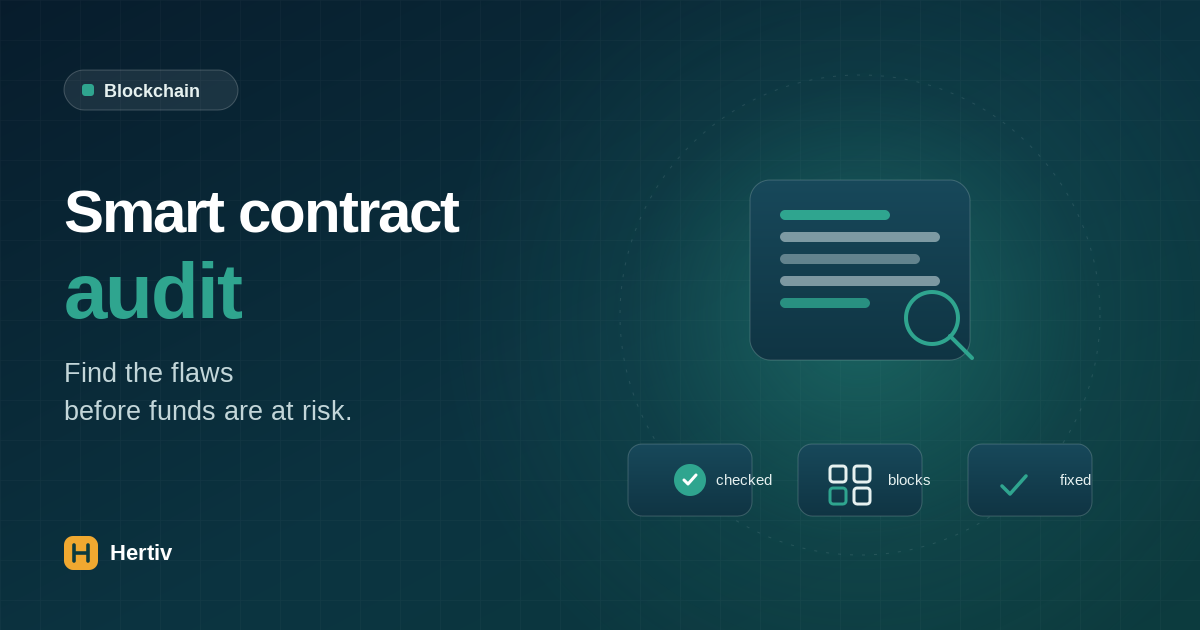
A smart contract audit is an independent review of blockchain code that finds bugs and security holes before the contract handles real money. Here is what it covers.
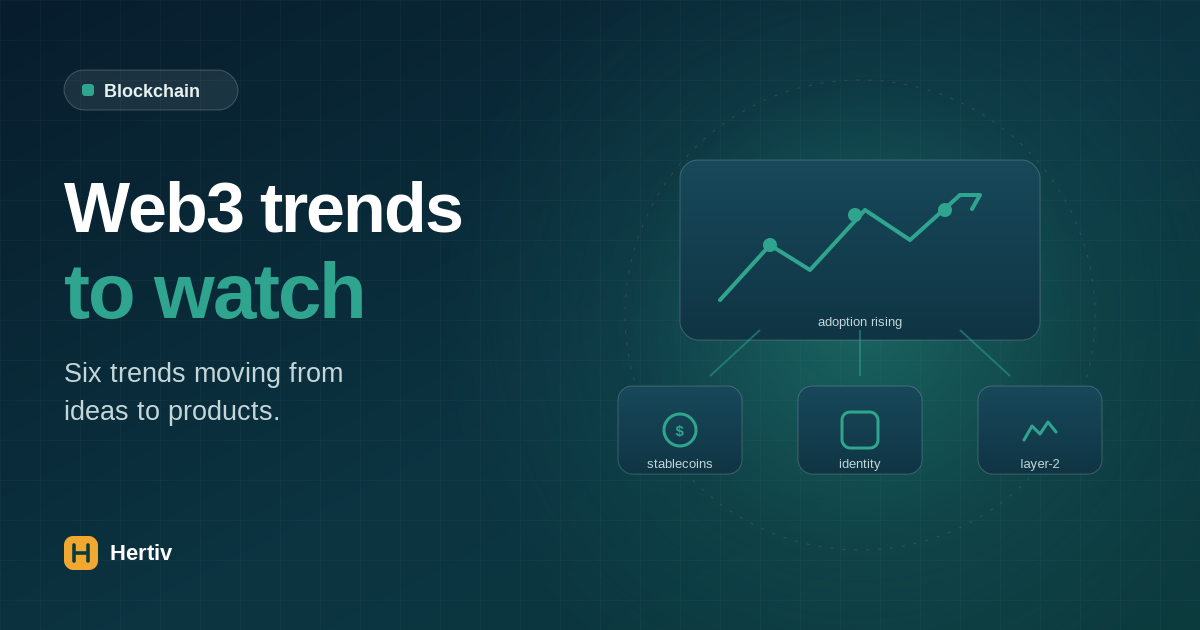
Web3 is moving from speculation toward real products: tokenized assets, stablecoin payments, and onchain identity. Here are six trends that matter now.
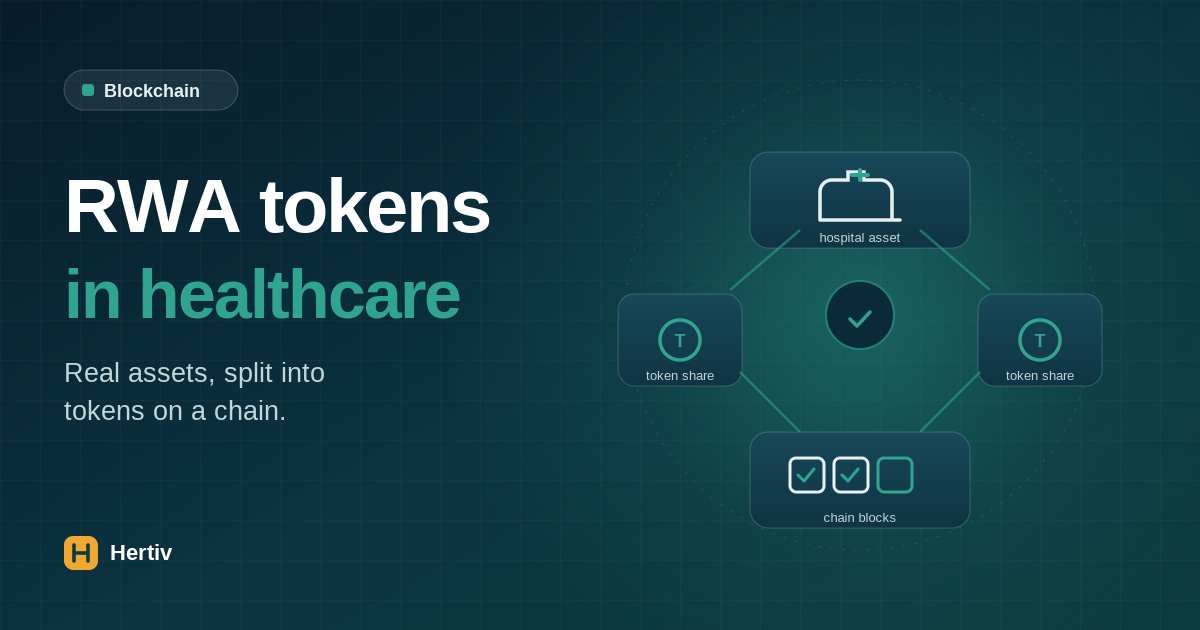
RWA tokenization turns real healthcare assets into digital tokens on a blockchain. This guide explains how it works, where it helps, and what to check first.
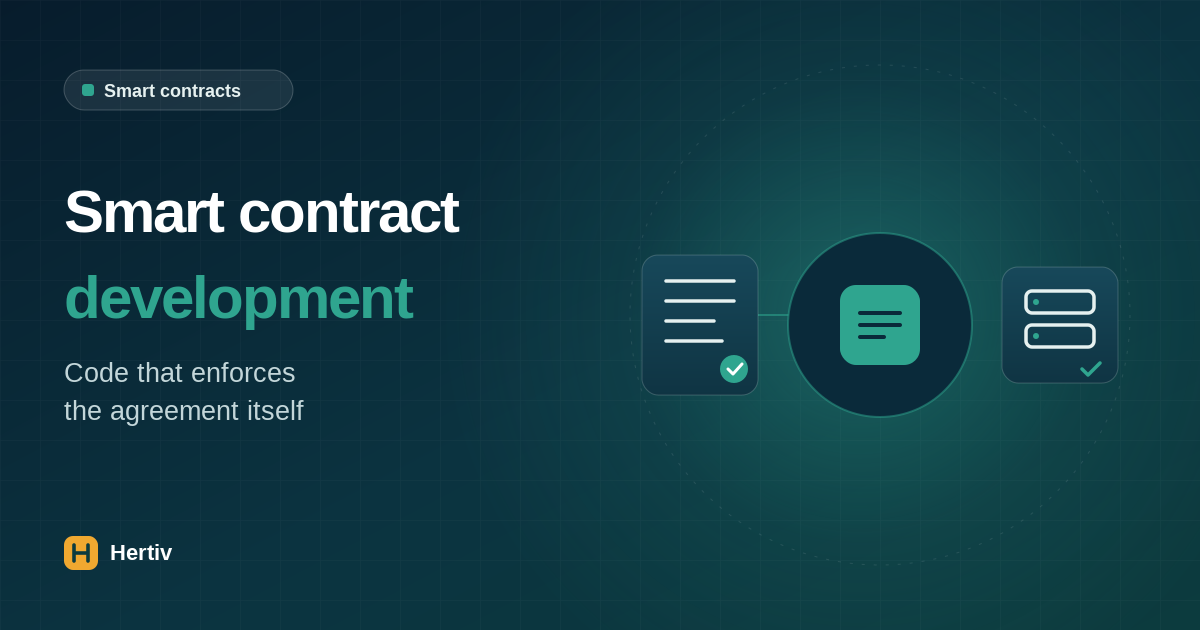
Smart contract development is writing, testing and deploying code that runs on a blockchain. The code cannot change after deployment, so audits matter.
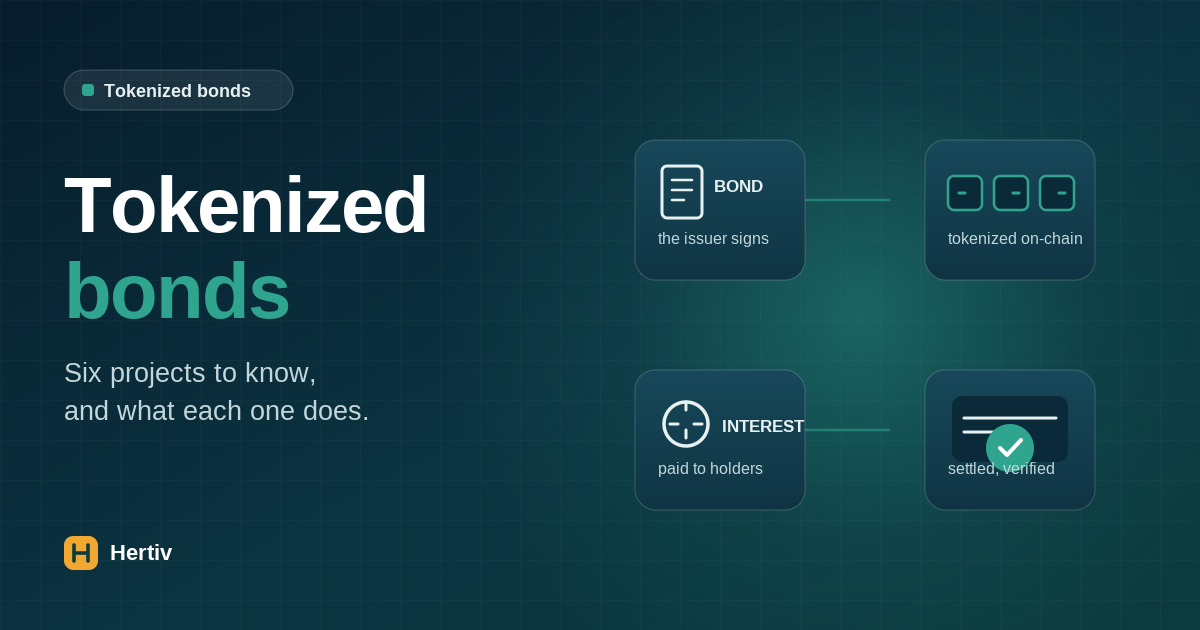
Tokenized bonds put a bond on a blockchain so it can be issued, traded and settled faster. These six projects show how it works in practice.
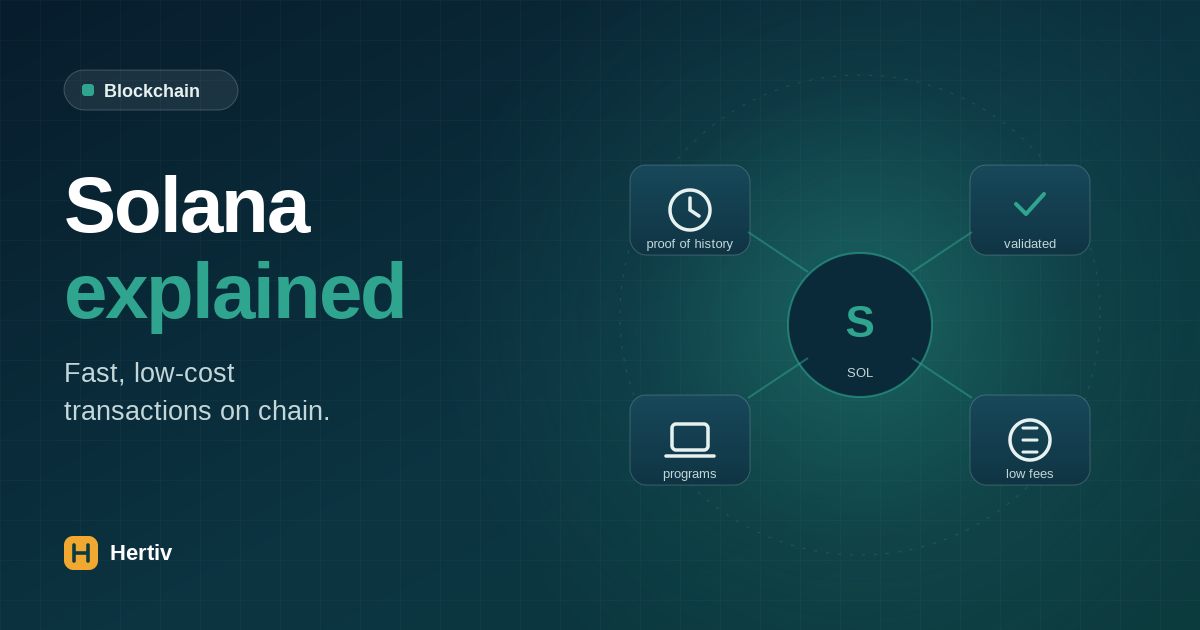
Solana is a public blockchain built for fast, low-cost transactions. This guide explains proof of history, SOL, and what you can build on it.
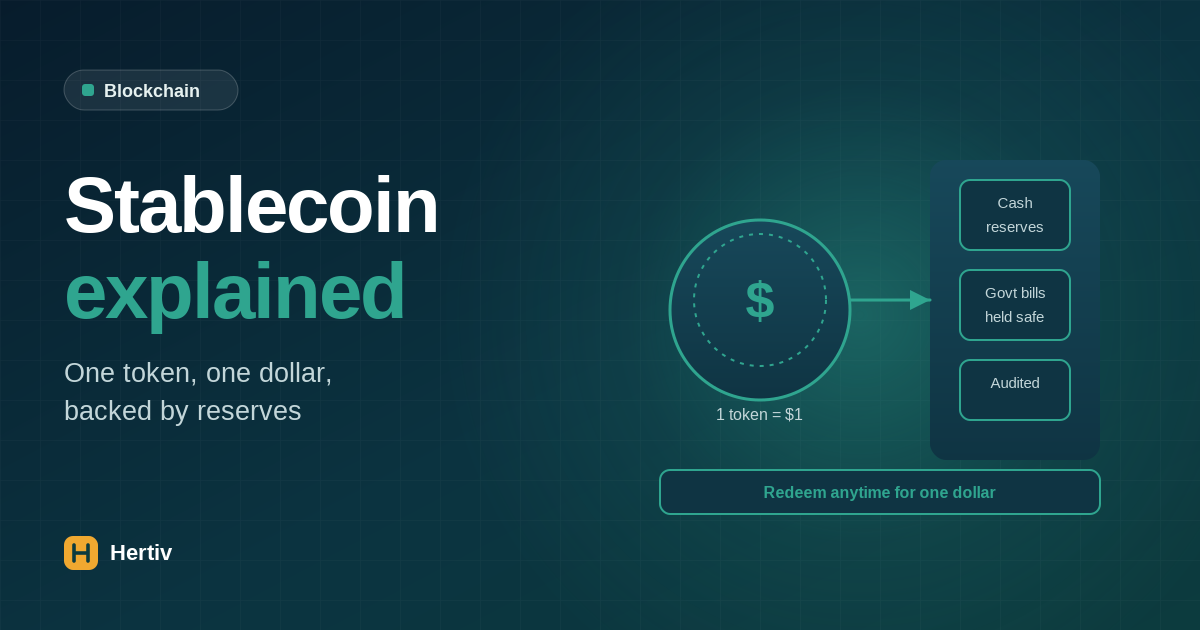
A stablecoin is a token designed to keep a steady value, usually one dollar, by holding reserves or using rules. Here is how the peg works and what can break it.
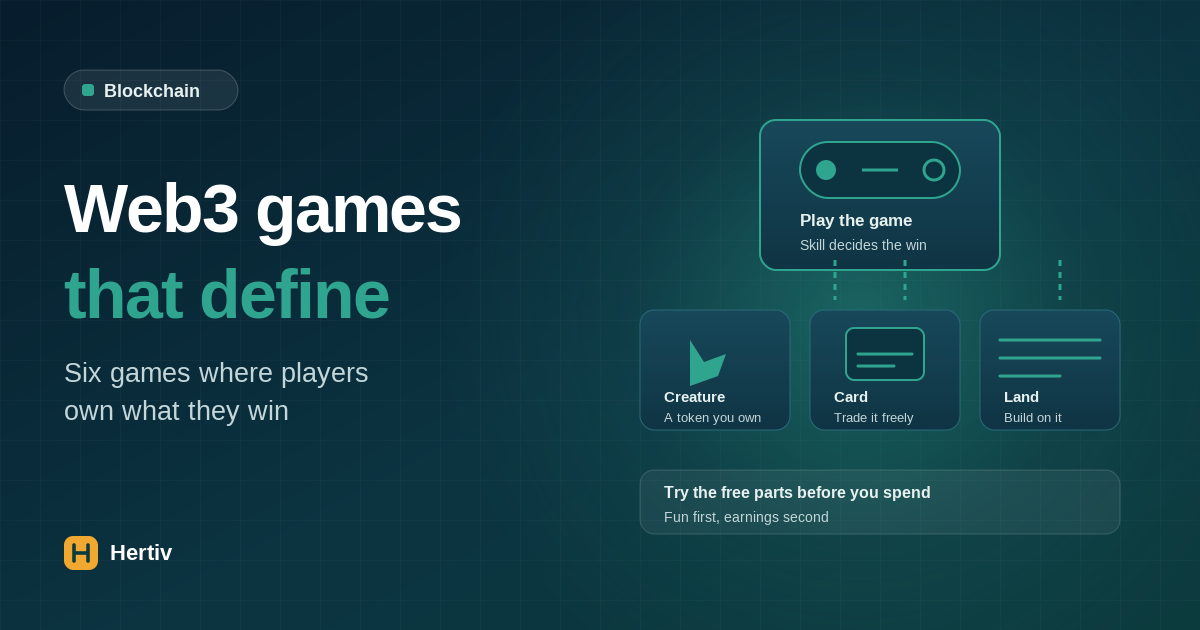
Web3 games let players own their items as tokens and trade them outside the game. Compare six games that show what the model does well, and what to check first.
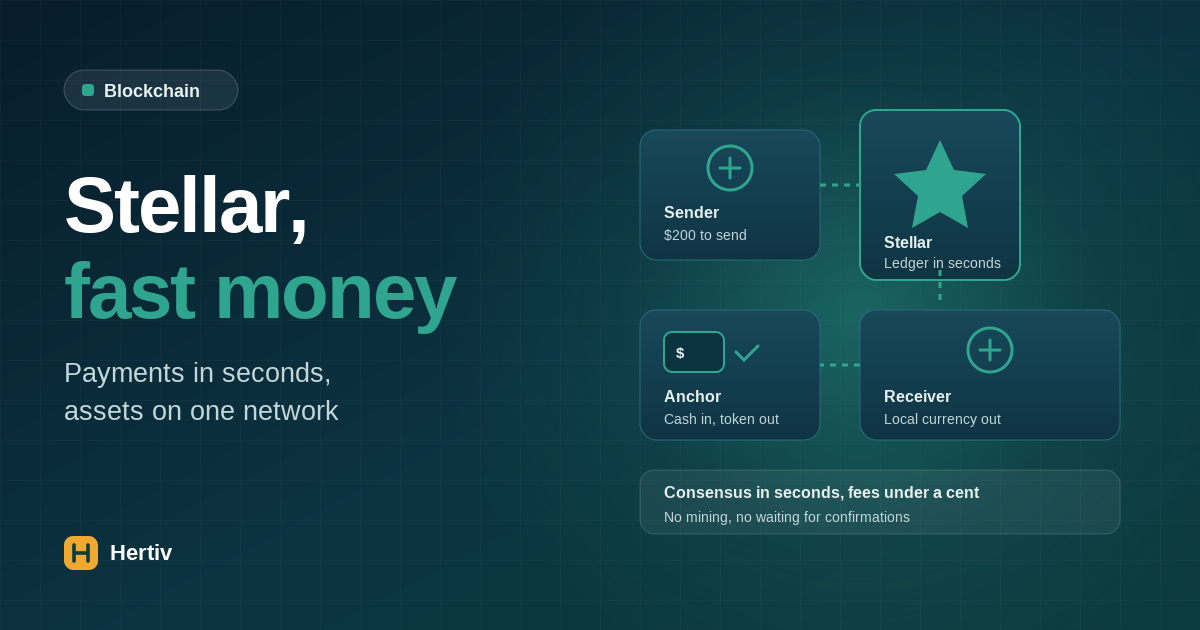
Stellar is a public blockchain built for fast, low-cost payments and asset transfers. Learn how its consensus works, what anchors do, and when it fits.
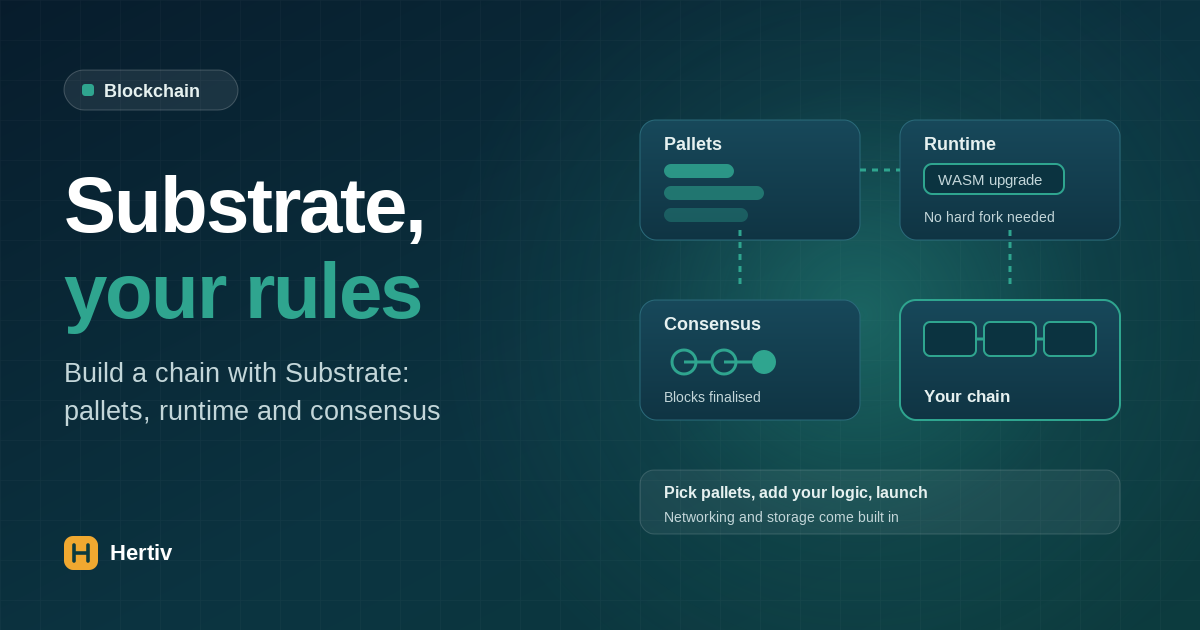
Substrate is a Rust framework for building custom blockchains. Learn how its pallets, runtime and consensus fit together, and when a custom chain is worth it.
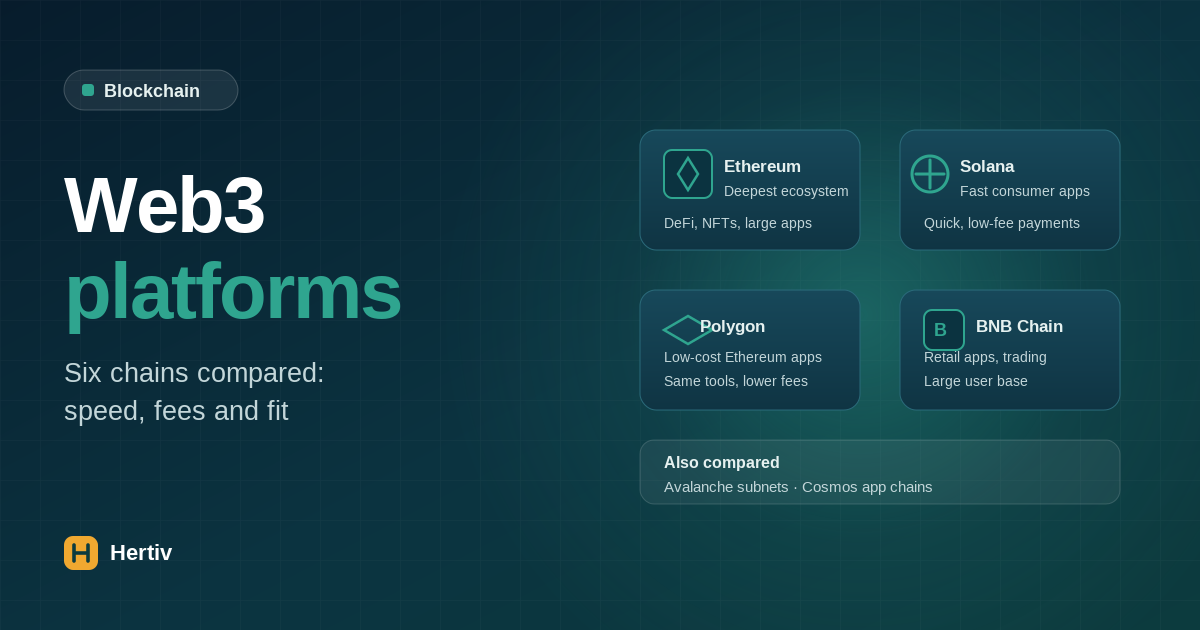
Ethereum, Solana, Polygon and others call themselves Web3 platforms, but they differ on speed, fees and tooling. Compare six and pick the one that fits your app.
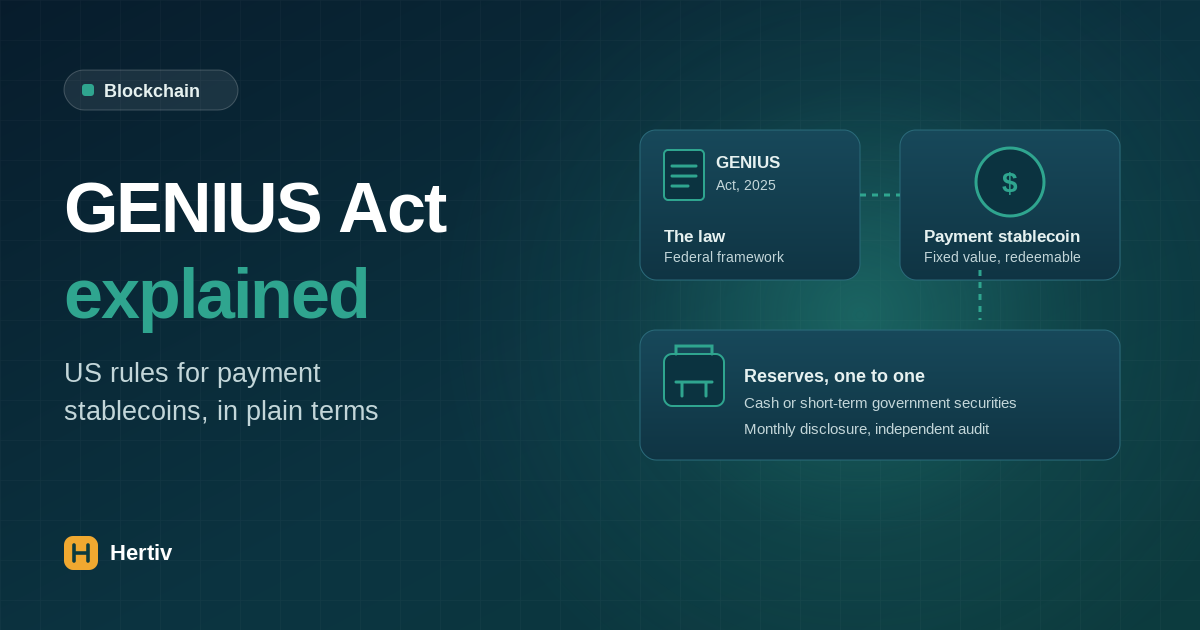
The GENIUS Act is the US law that sets federal rules for payment stablecoins, from reserve backing to who may issue them. Here is what it covers and who it affects.
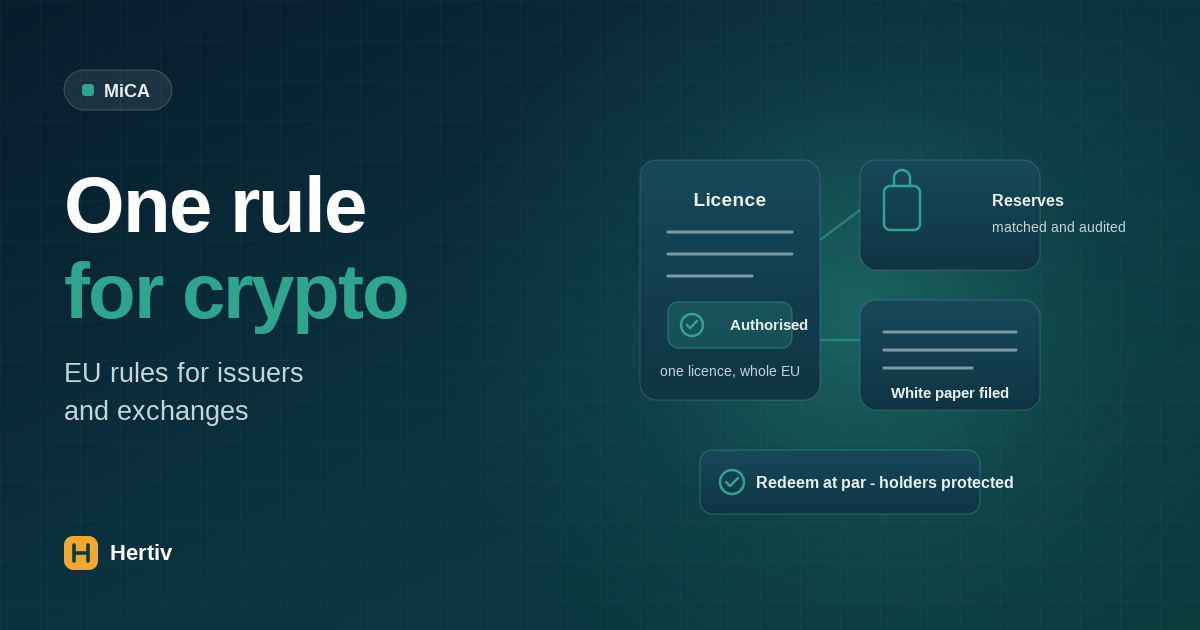
MiCA is the EU's single set of rules for crypto-assets, covering stablecoin issuers and crypto service providers. Here is who it covers and what each group must do.
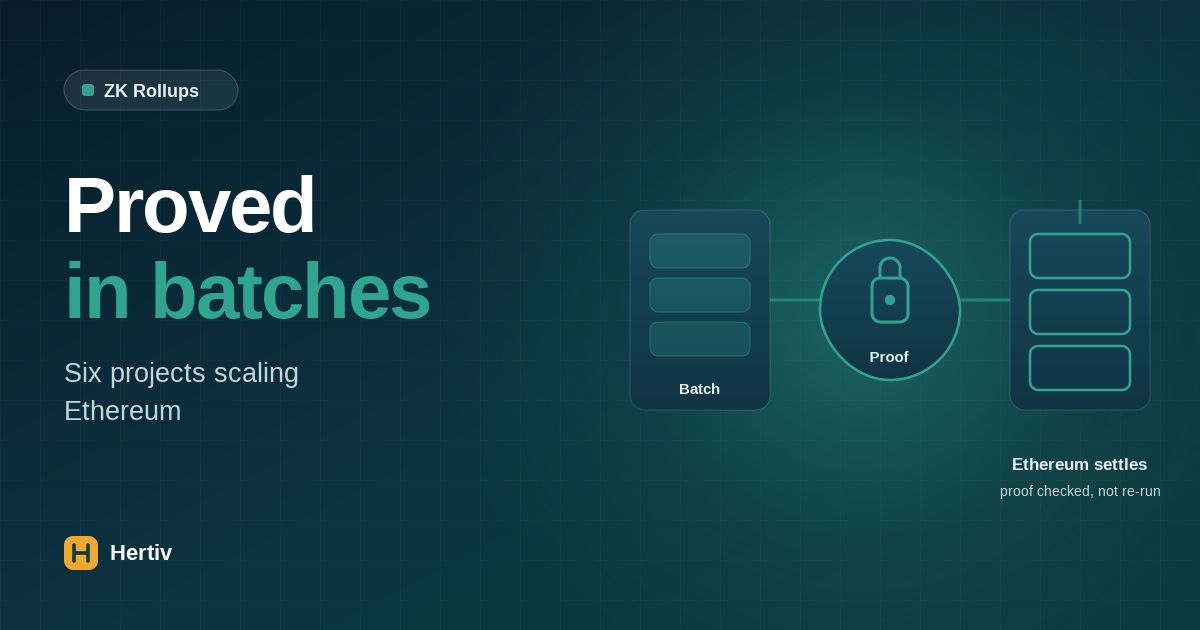
Six ZK rollup projects lead the field, each with a different trade between compatibility, speed and design. Compare them and pick by what your app already uses.
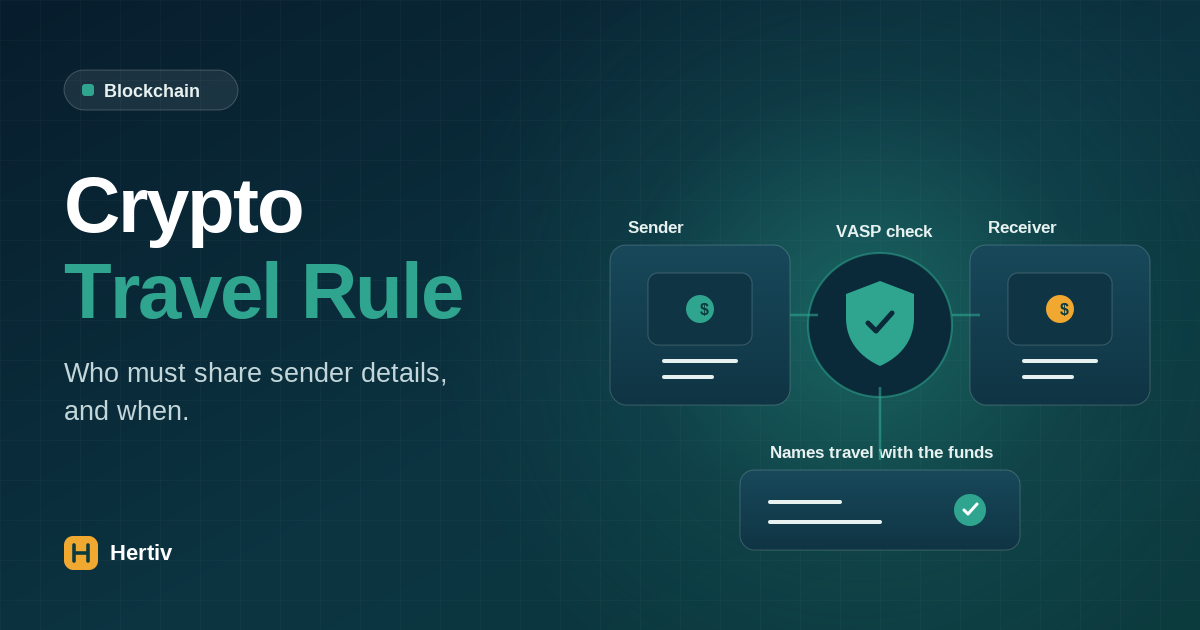
The Travel Rule requires crypto businesses to share sender and receiver details when they move digital assets. Here is who must follow it and what data travels.
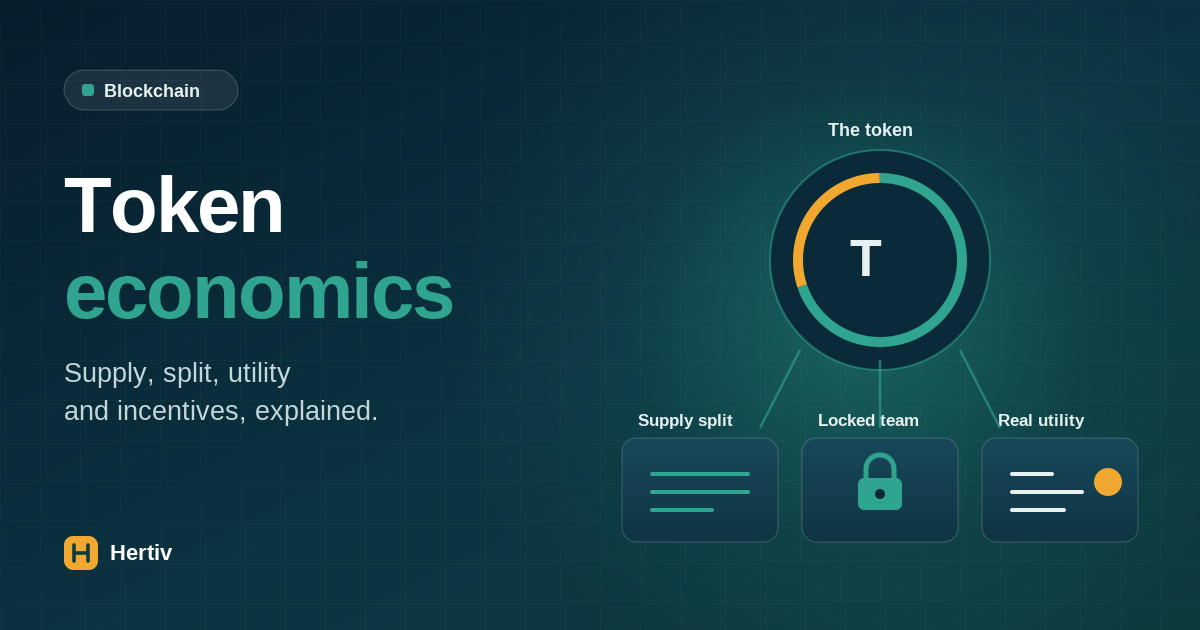
Tokenomics is the design of a token's supply, distribution, utility and incentives. It decides how many tokens exist, who gets them, and why anyone should hold them.
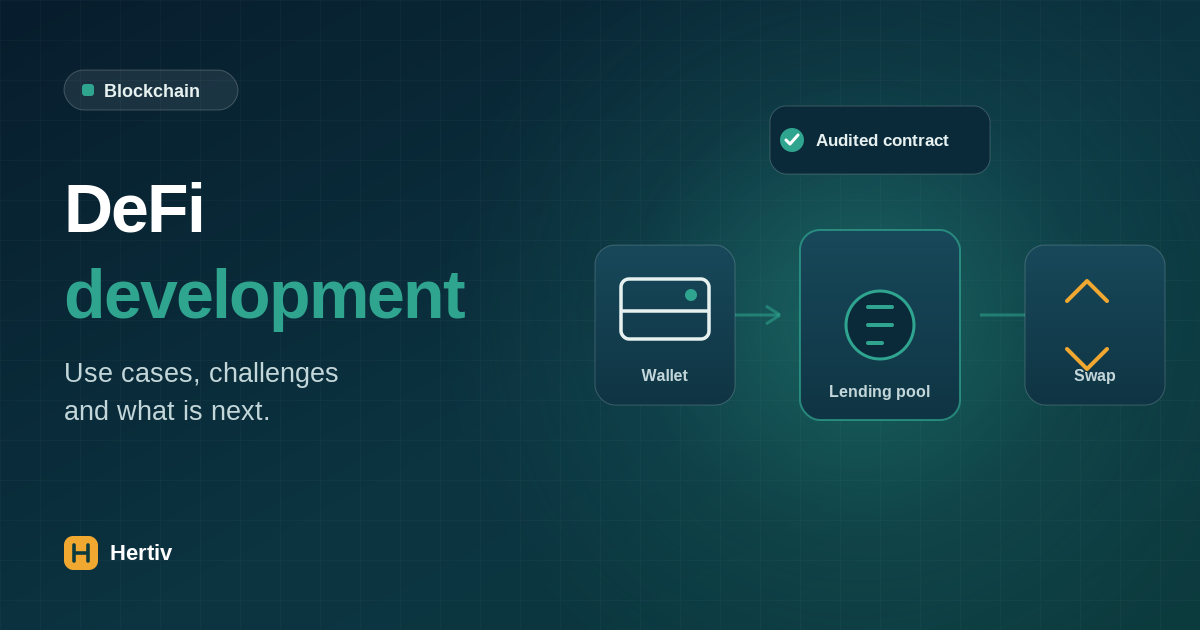
DeFi development means building lending, trading and payment products on blockchains, without banks. Here are the use cases, the hard parts and what comes next.
Web3 is the idea of a web where users own their identity, data and digital assets through blockchains and wallets, not accounts held by platforms.
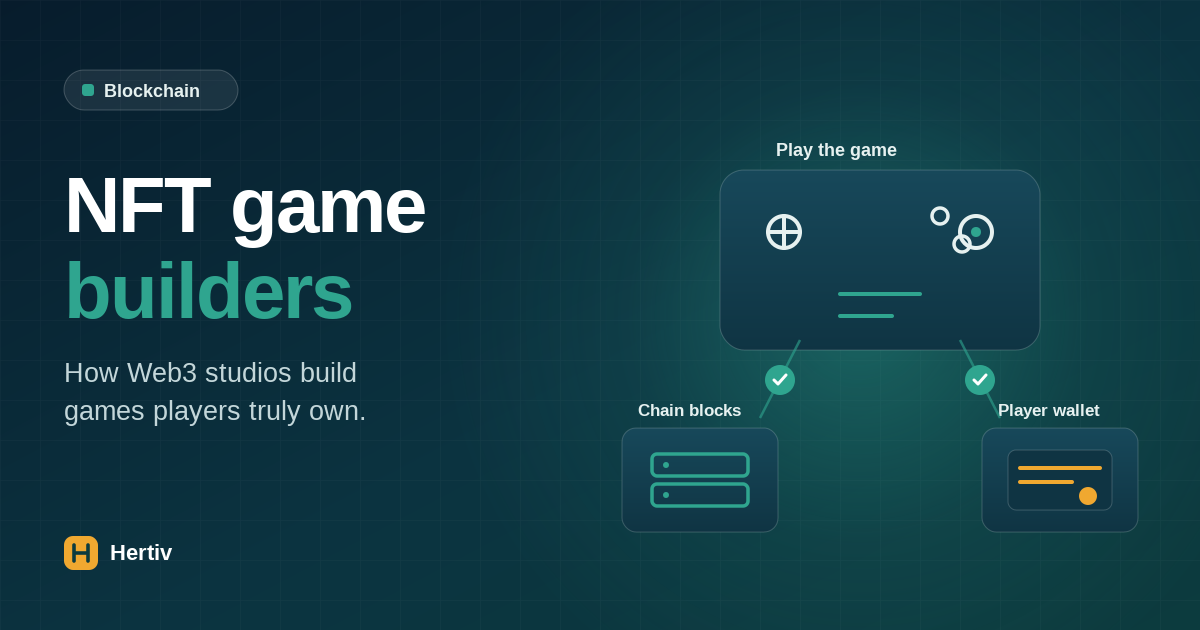
Web3 NFT game development companies build games where players own their items as tokens and can trade them outside the game. Here is how they work.
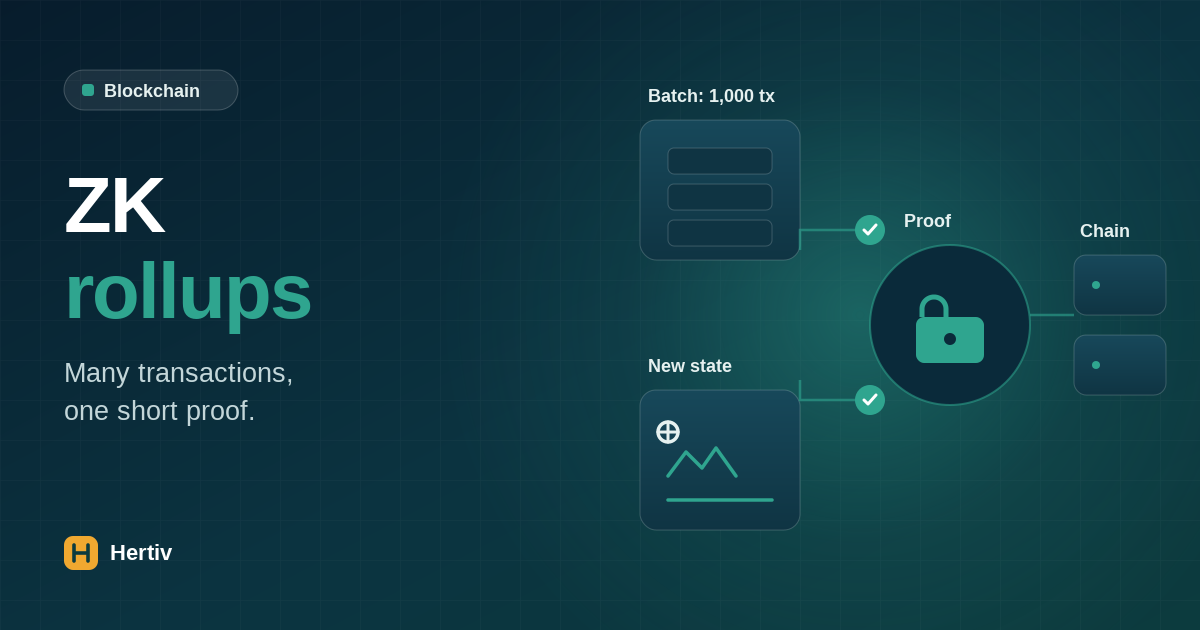
A ZK rollup bundles many transactions off chain, proves them with a short cryptographic proof, and posts that proof to Ethereum. Learn how it works and when it fits.
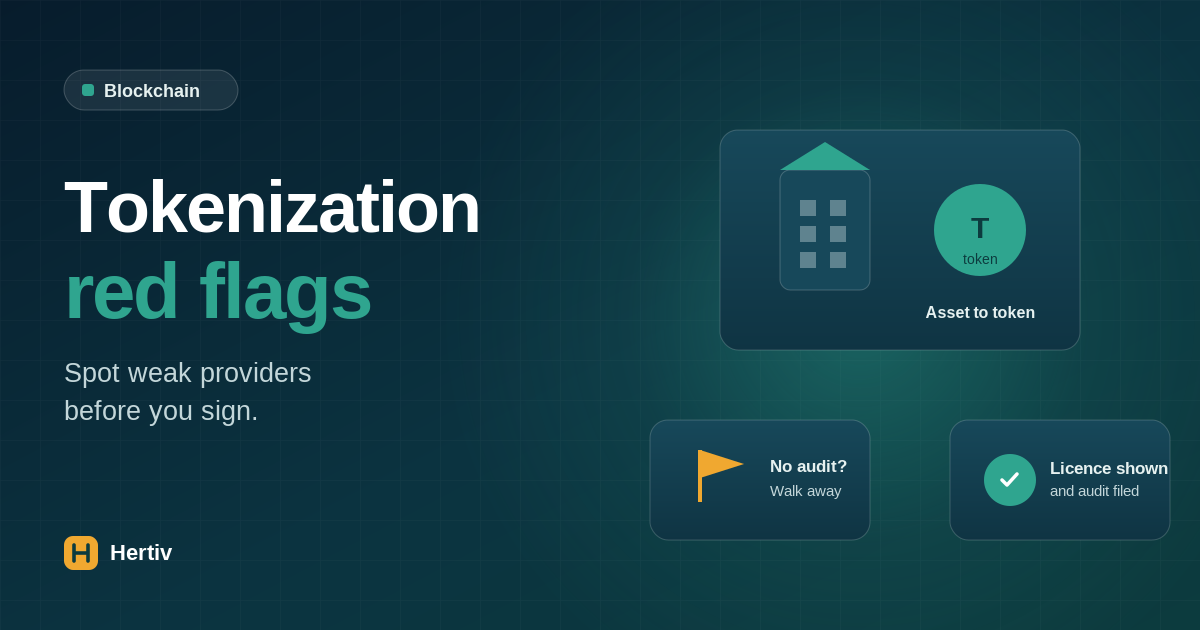
A tokenization company should show licences, audited code and clear fees. These red flags help you spot a weak or risky provider before you sign.
No posts on this page match. Use site search (Ctrl K) to search every post.
A senior engineer reads every request and replies within one business day with questions, a rough range, or a call link.