Blockchain
Web3 Development Use Cases and Opportunities for Builders
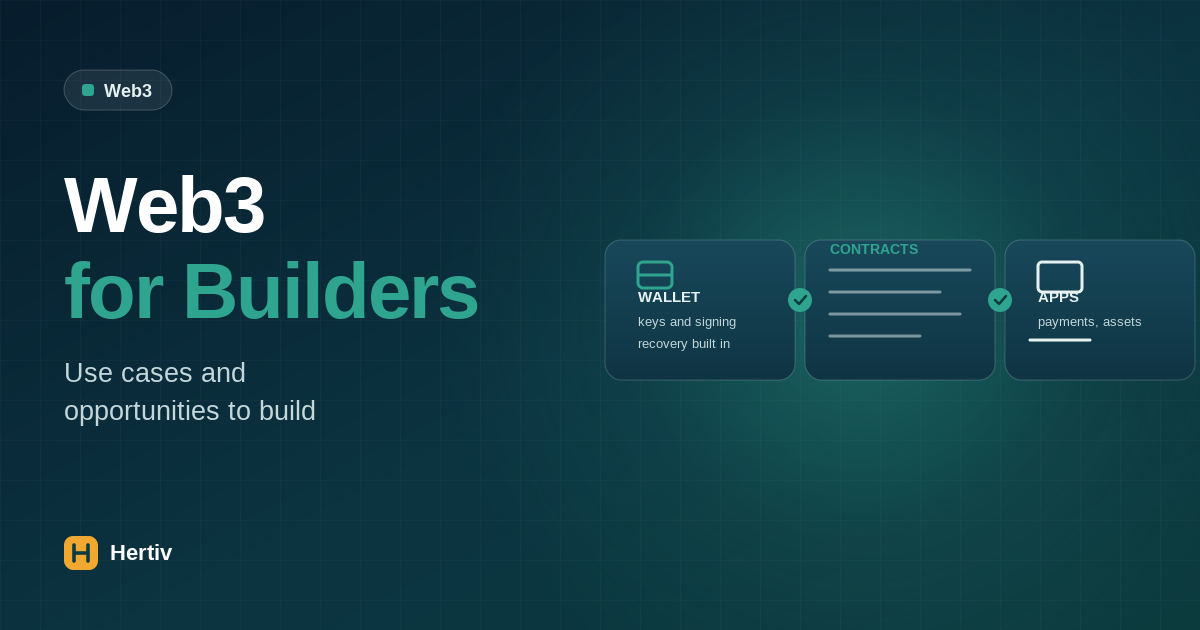
Web3 development use cases for builders: wallets, payments, tokenised assets, identity and social apps, with what each one needs to build and where the work is.
Practical guides on tokenization, stablecoin payments, wallets and smart contracts.
1656 posts · page 65 of 69
Web3 development use cases for builders: wallets, payments, tokenised assets, identity and social apps, with what each one needs to build and where the work is.
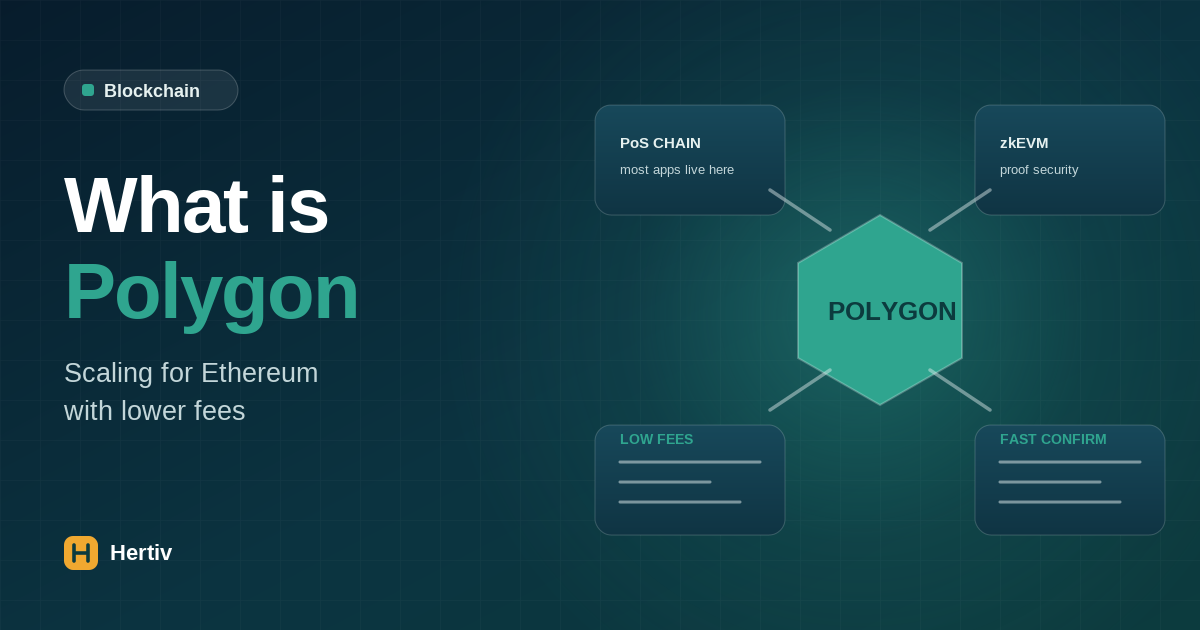
Polygon is a set of scaling tools for Ethereum, led by the Polygon PoS chain, that lets apps run with lower fees and faster confirmations than the main chain.
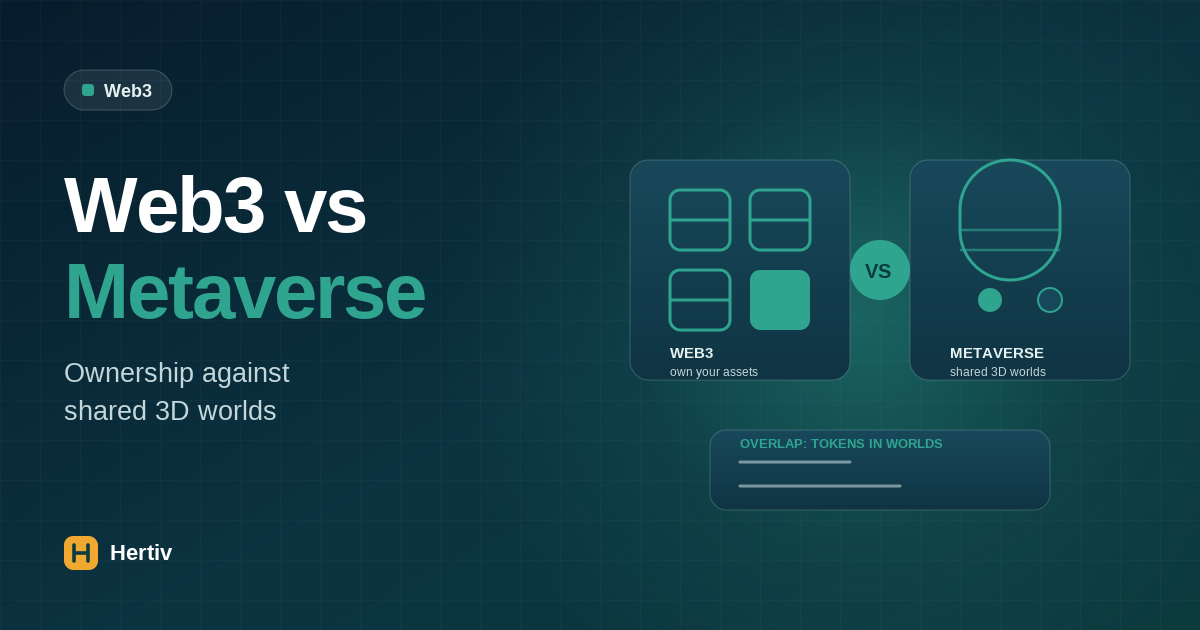
Web3 is about owning data and assets on a blockchain; the metaverse is about shared 3D worlds. They overlap, but they solve different problems.
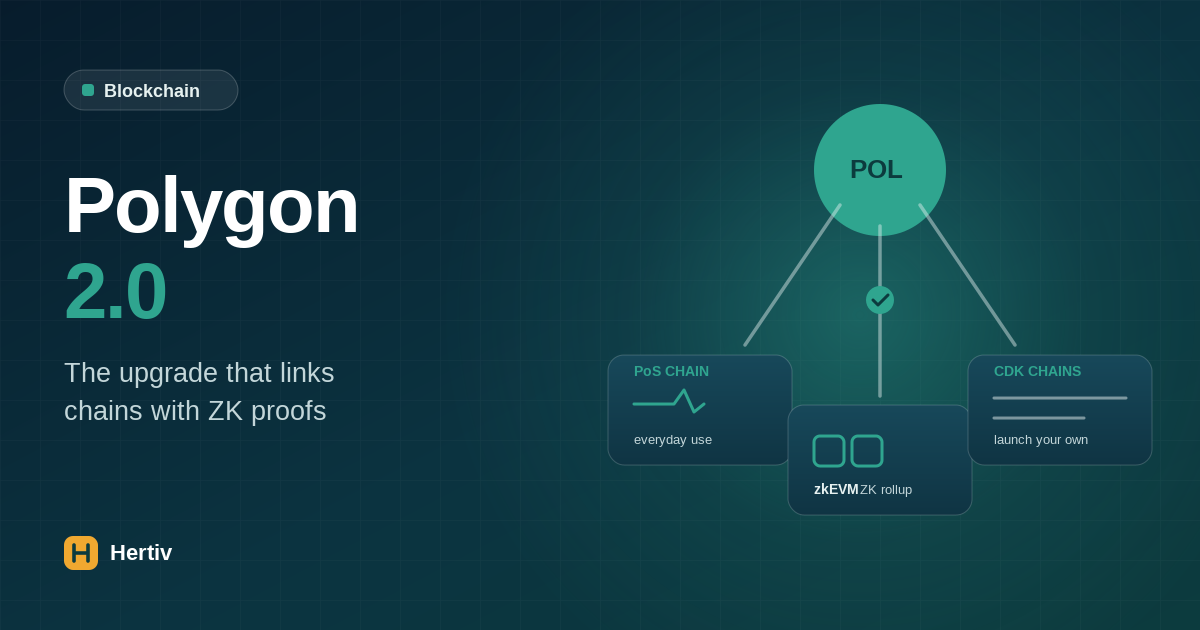
Polygon 2.0 turns Polygon from a single chain into a network of ZK-powered chains sharing liquidity. Its POL token replaces MATIC, and AggLayer links the chains.
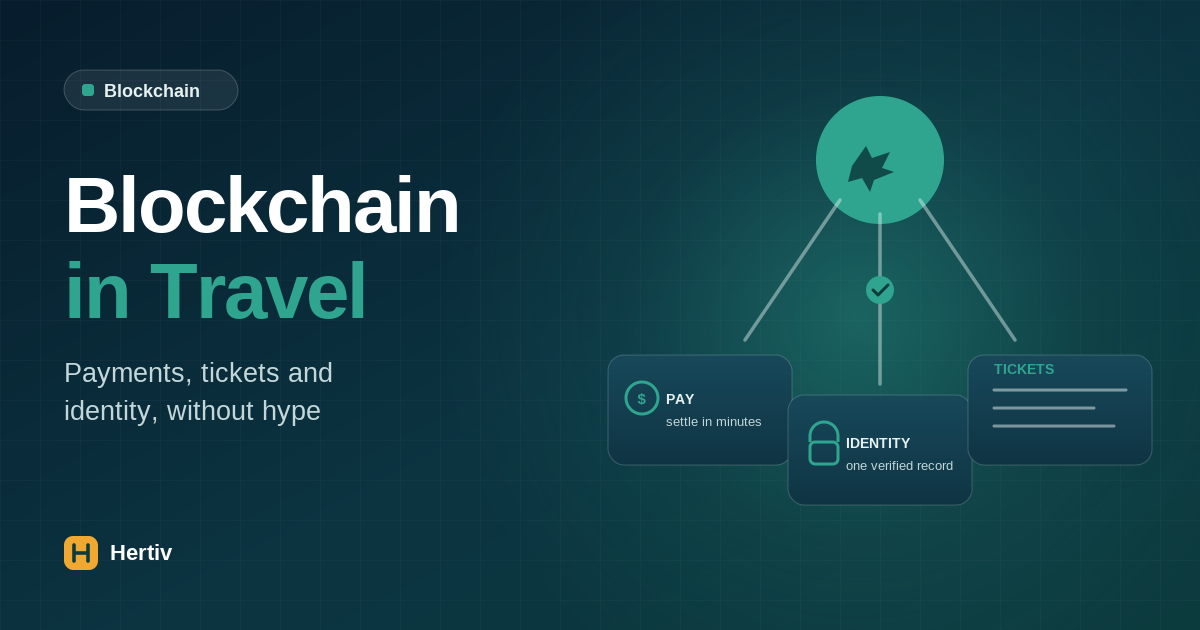
Blockchain in travel covers payments, identity, tickets, loyalty and shared records. It helps where firms must trust one record, not where one firm holds the data.
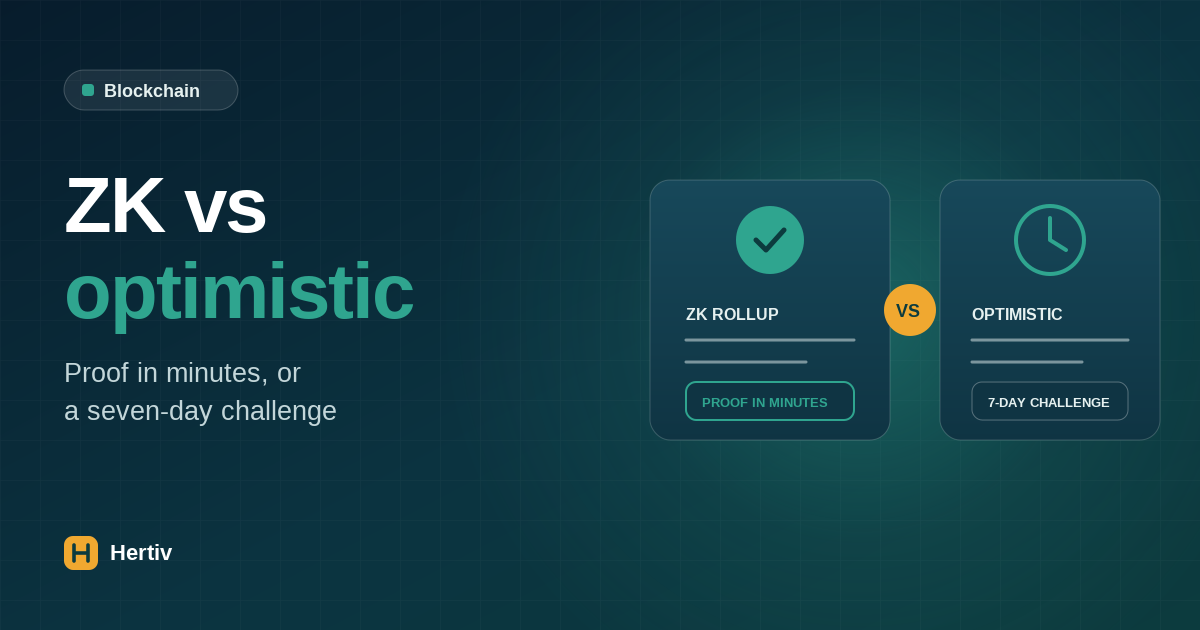
ZK rollups prove each batch correct, so settlement takes minutes. Optimistic rollups assume batches are correct and wait about seven days for challenges.
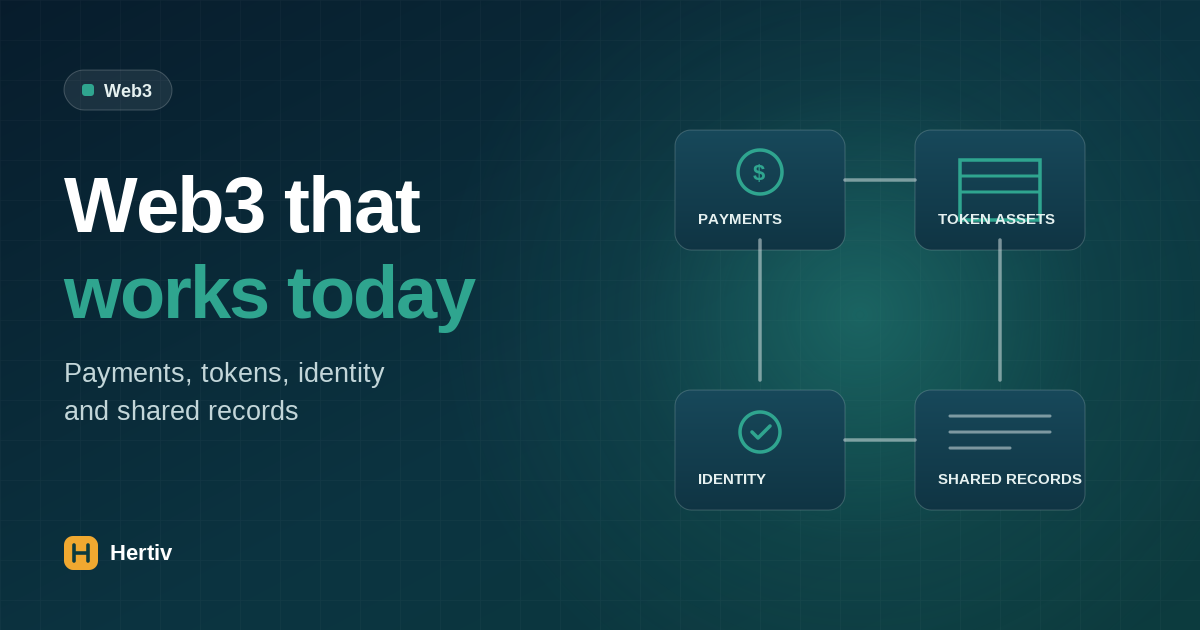
Web3 works in the real world where several parties need a shared record or cross-border value: payments, tokenized assets, identity and supply chains.
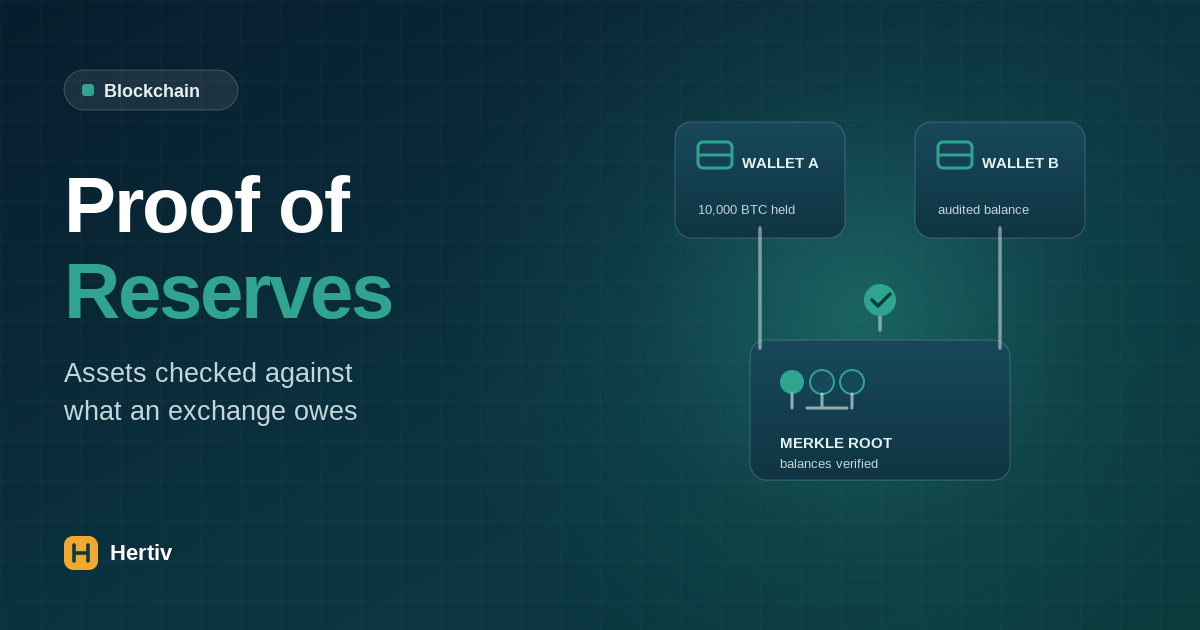
Proof of reserves shows an exchange holds enough assets to cover customer balances. Learn how Merkle-tree proofs work, what they prove, and how to check one.
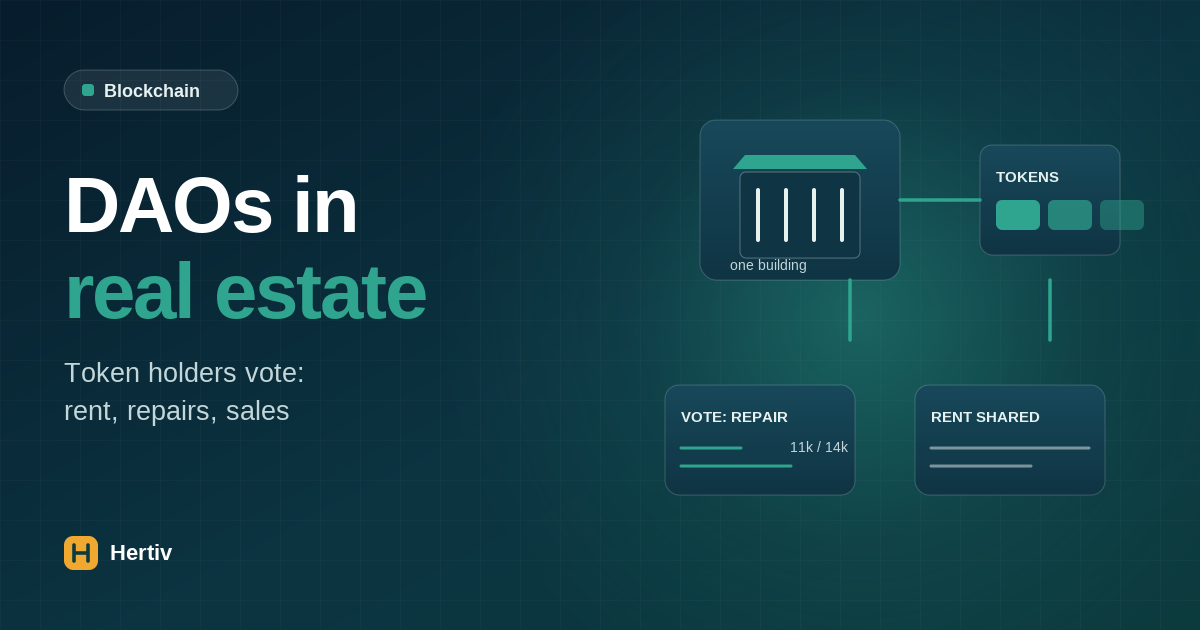
A DAO can govern a tokenized property by letting token holders vote on rent, repairs and sales. It adds control, but needs a legal wrapper and clear rules.
ZK-STARKs and ZK-SNARKs both prove a statement without revealing the data behind it, but they differ on setup, proof size and speed. Here is how to tell them apart.
XRPL smart contracts run on the EVM sidechain, not the main ledger. Learn how they work, what you can build, and how to deploy one safely.
Roblox, Epic Games, Decentraland, The Sandbox, Improbable and Niantic are building the metaverse in different ways. Here is what each one does and where it fits.
Proof of stake lets a blockchain agree on transactions by asking validators to lock tokens as security. Here is how it works and how staking works.
Zero-knowledge proofs, account abstraction, modular chains, DePIN, onchain AI agents and restaking are the trends that matter now. Here is what each one changes.
DePIN in telecom lets many small hosts run parts of a mobile or internet network and earn token rewards for it. Here is how it works and where it fits.
ZK rollups move most work off the main chain and post a short proof back, cutting fees and confirmation time. Here are the use cases where that trade-off pays off.
Real estate tokenization turns a building into digital tokens on a blockchain, so many investors can own small shares. How it works, what holders get, and the risks.
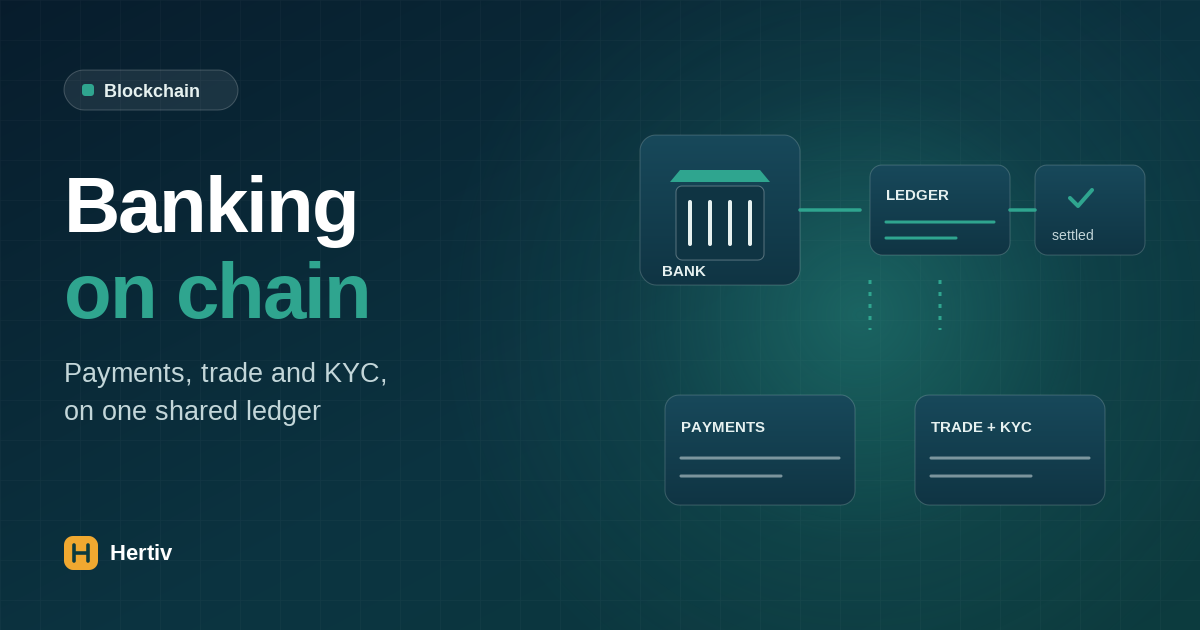
Banks use blockchain for payments, trade finance, shared KYC checks and tokenized assets. Here is where it helps, where it does not, and how to run a first pilot.
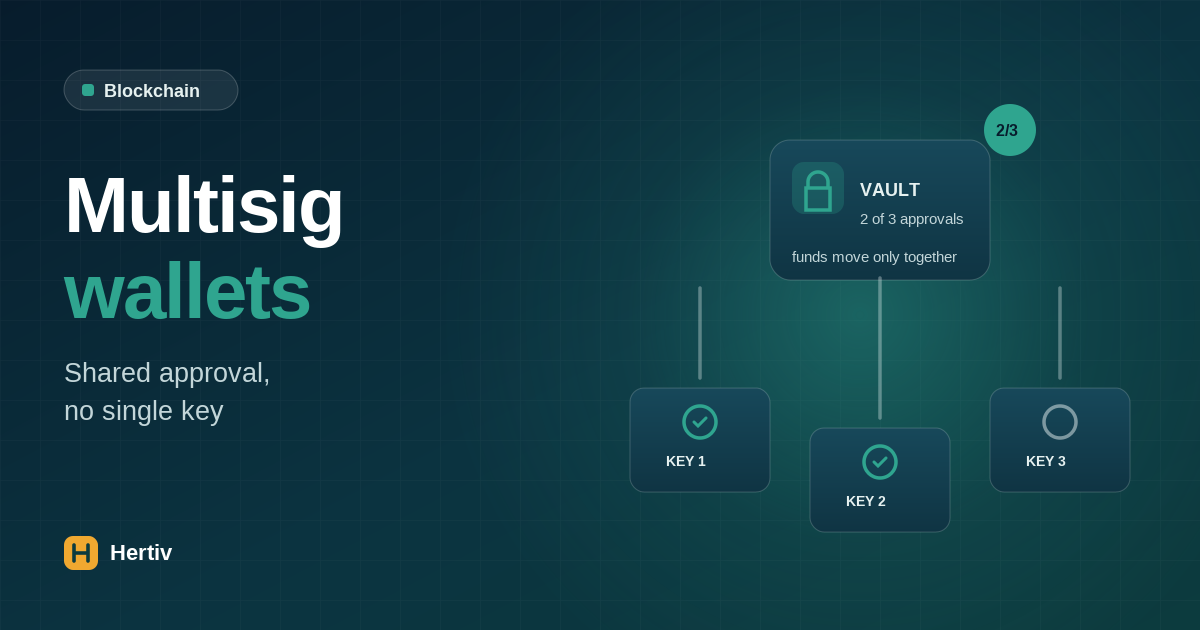
Safe, Fireblocks, BitGo, Copper, Casa and Liminal compared: which multisig wallet fits teams, institutions, trading desks and individual holders.
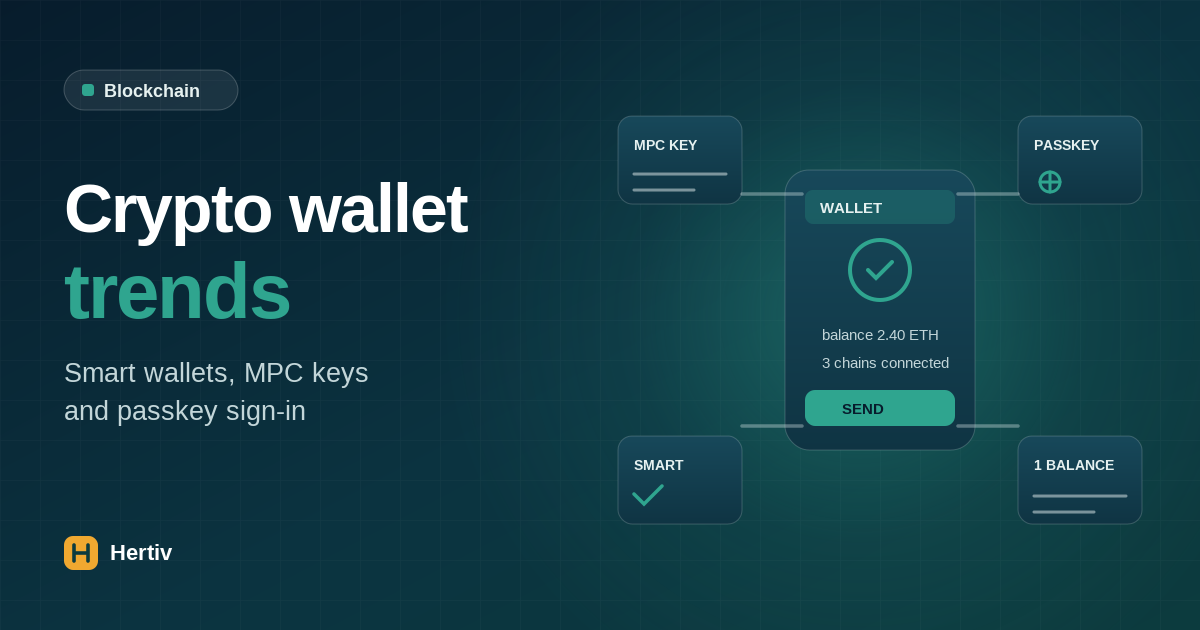
Smart wallets, MPC keys, passkeys, chain abstraction, embedded wallets and security checks: the six crypto wallet development trends shaping wallets now.
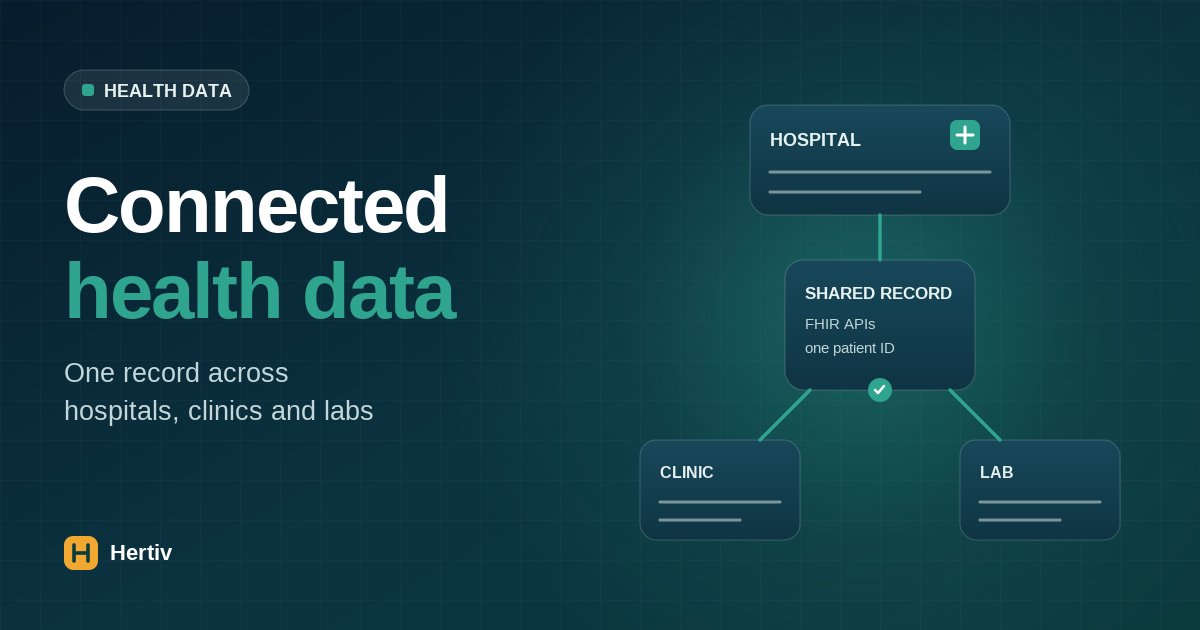
Interoperability lets health systems exchange patient data so clinicians see the full record. Here is how it works, which standards matter, and how teams build it.
A security token is a digital token on a blockchain that represents ownership in a regulated asset, such as a share, a bond or a fund.
The metaverse in travel lets people explore destinations, hotels and attractions in 3D before they book. Here is what it does, what it costs and where it helps.
Six NFT startups with live products and real users, from general marketplaces to gaming infrastructure. Each one fits a different job.
No posts on this page match. Use site search (Ctrl K) to search every post.
A senior engineer reads every request and replies within one business day with questions, a rough range, or a call link.