Blockchain
What Is a Hot Wallet, and How Does It Work?
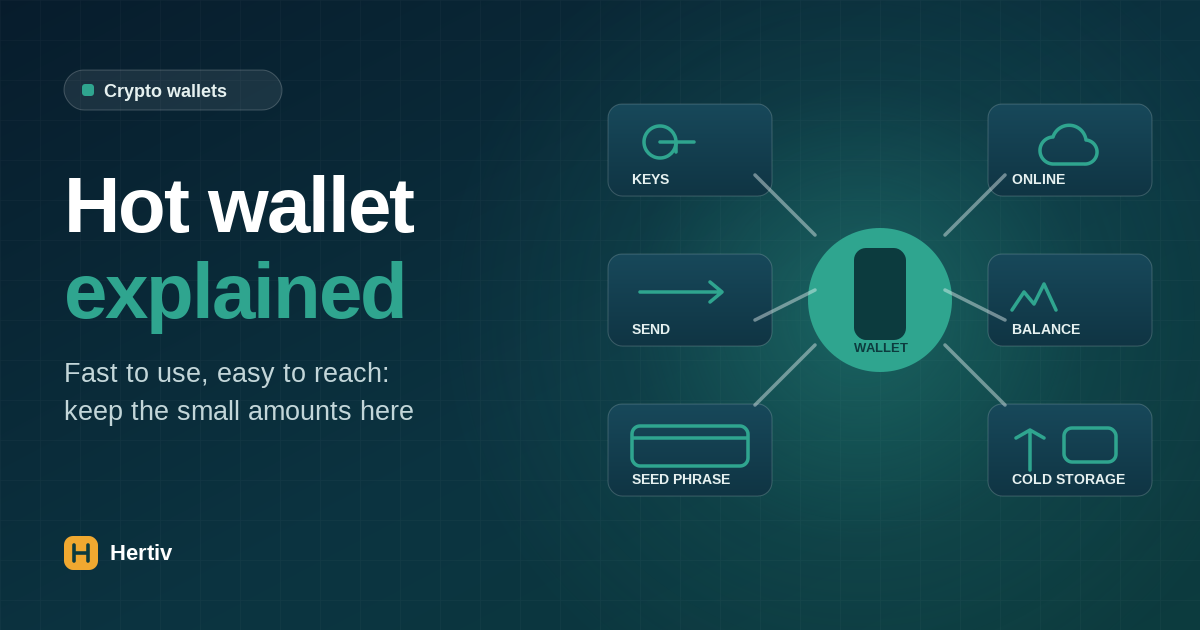
A hot wallet is a crypto wallet connected to the internet, so you can send and receive coins fast. It is easy to use, but it carries more risk than cold storage.
Practical guides on tokenization, stablecoin payments, wallets and smart contracts.
1656 posts · page 63 of 69
A hot wallet is a crypto wallet connected to the internet, so you can send and receive coins fast. It is easy to use, but it carries more risk than cold storage.
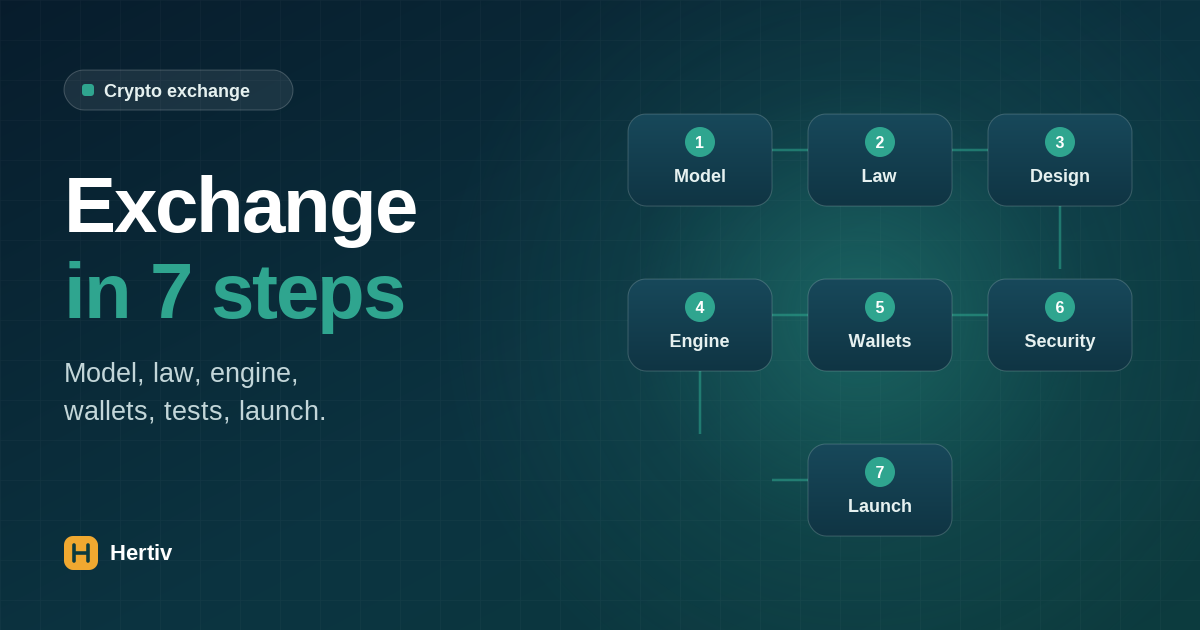
Building a crypto exchange takes seven steps, from the business model to launch and monitoring. Here is what each step covers, and what to get right.
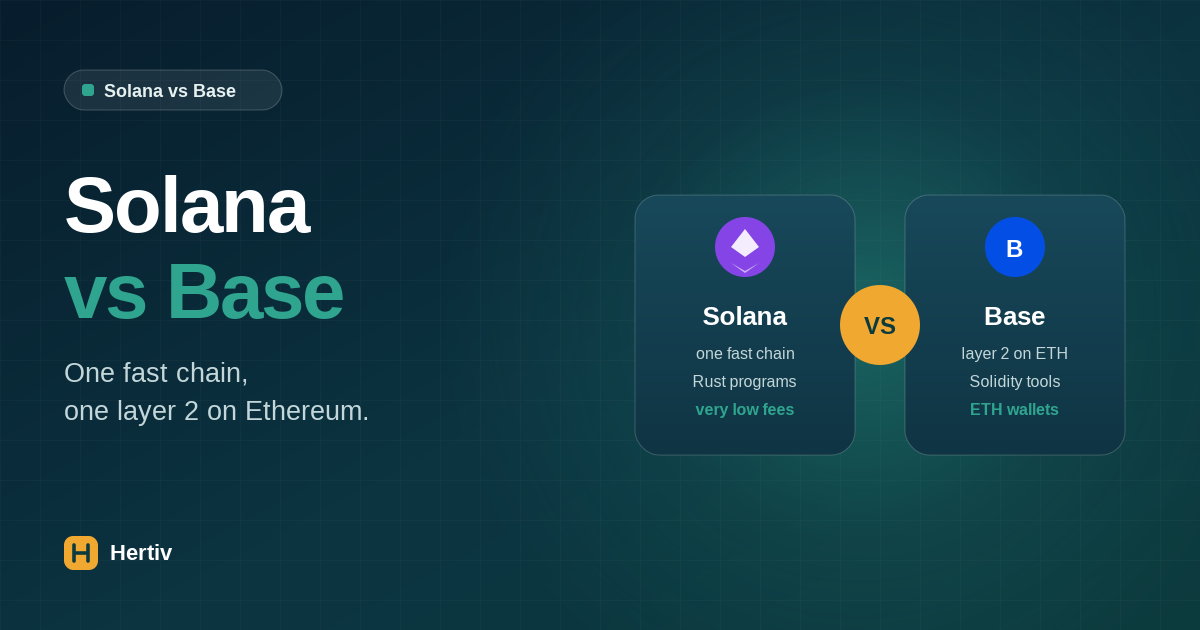
Solana is a fast single chain, while Base is a layer 2 on Ethereum. Compare speed, fees, tooling and ecosystem before you pick one.
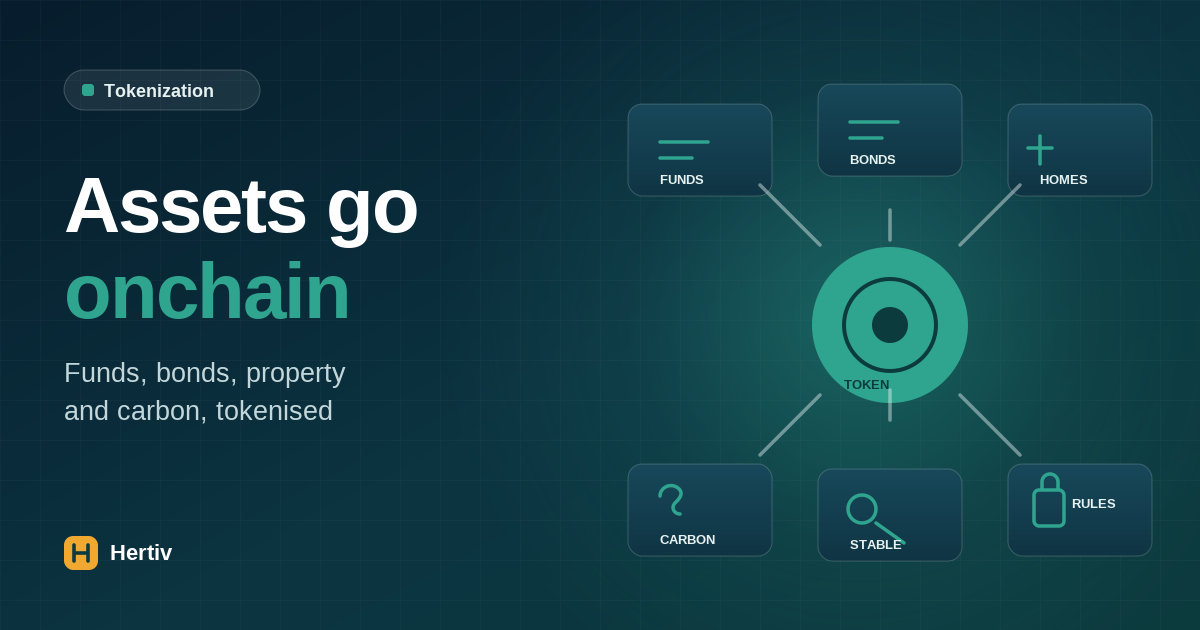
Asset tokenization is moving from pilots to live products. These six trends show where funds, bonds, property and carbon credits are heading.
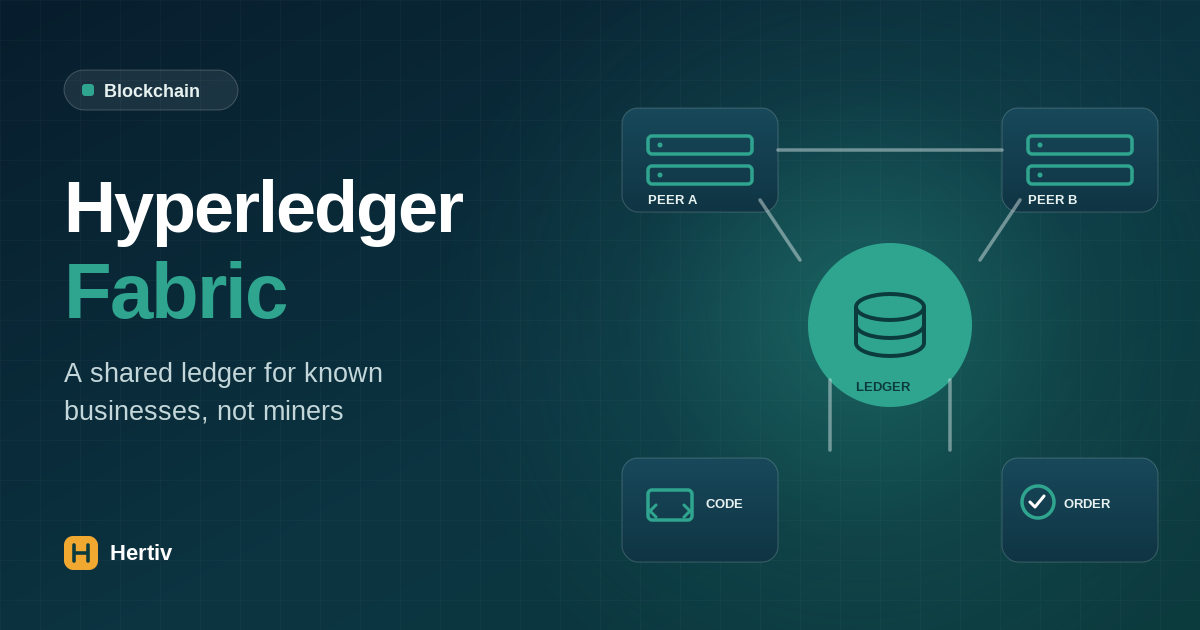
Hyperledger Fabric is a permissioned blockchain framework for business networks, where known organisations share a ledger instead of mining coins.
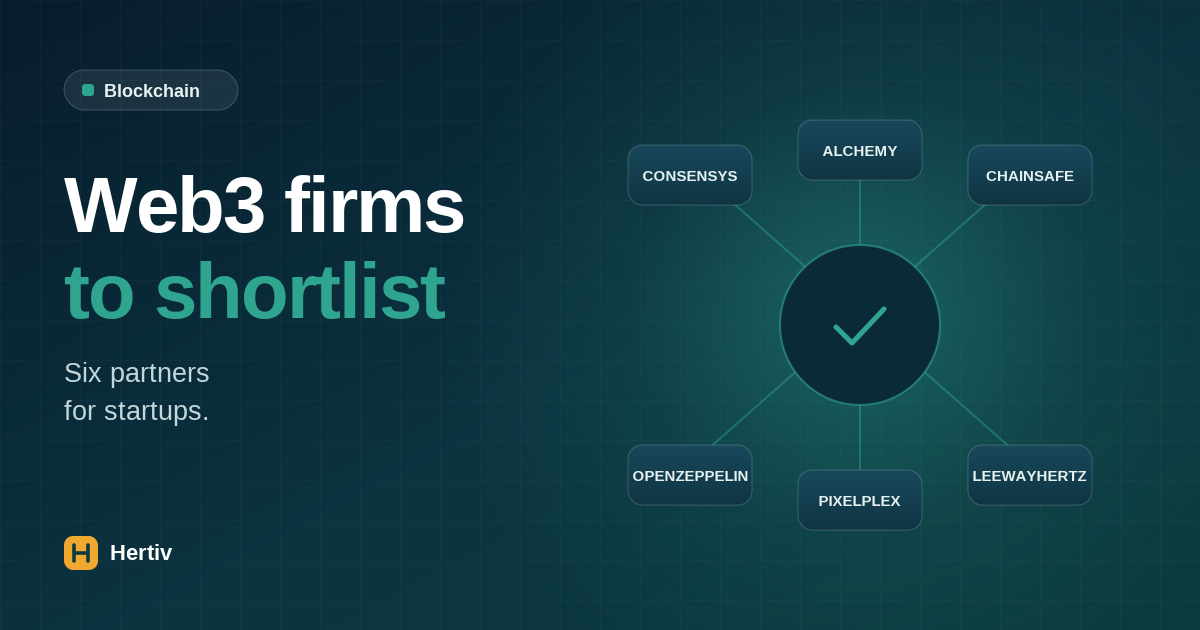
A good web3 partner for a startup ships small, audits its contracts and explains its fees in plain language. These six firms are a solid place to start a shortlist.
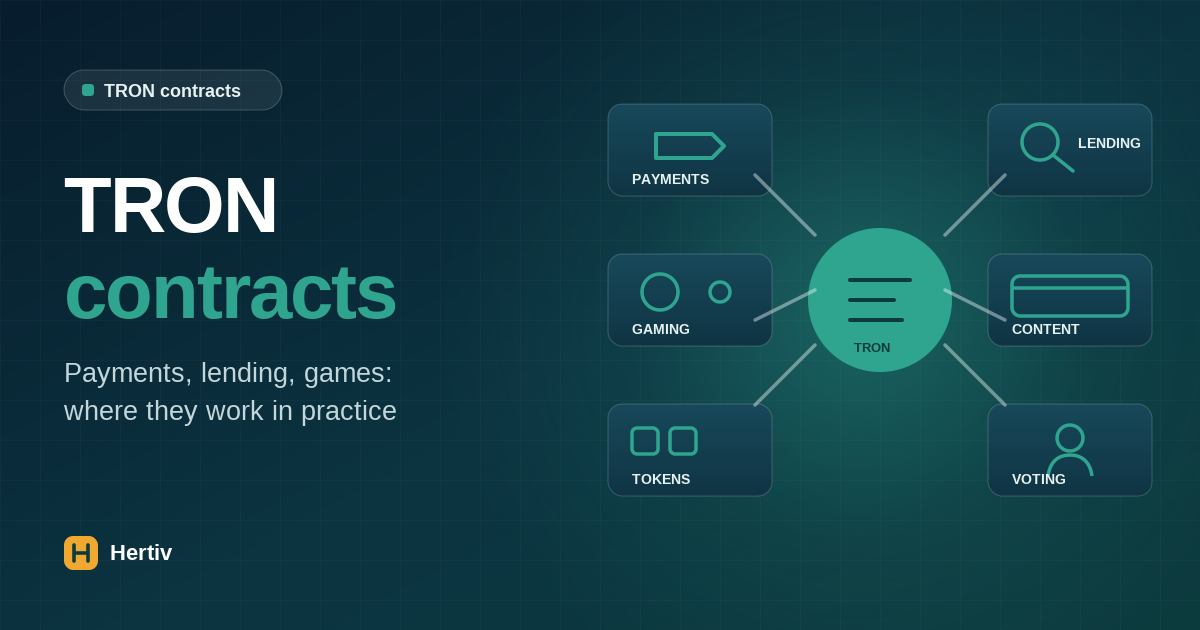
TRON smart contracts run payments, lending, games and content rewards on a fast, low-fee network. Here are the use cases that work, and the limits.
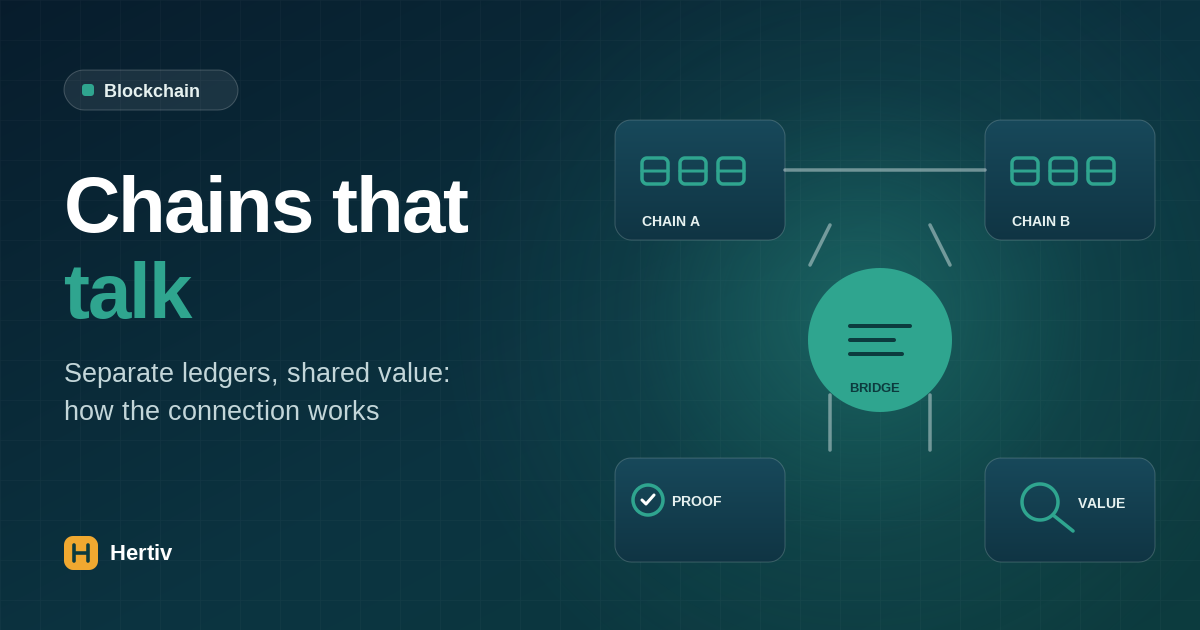
Blockchain interoperability lets separate blockchains share data and move assets between them. Here is how it works, and where it breaks.
Reentrancy, access control gaps and oracle manipulation are among the flaws that drain smart contracts. Here are the seven to check before launch.
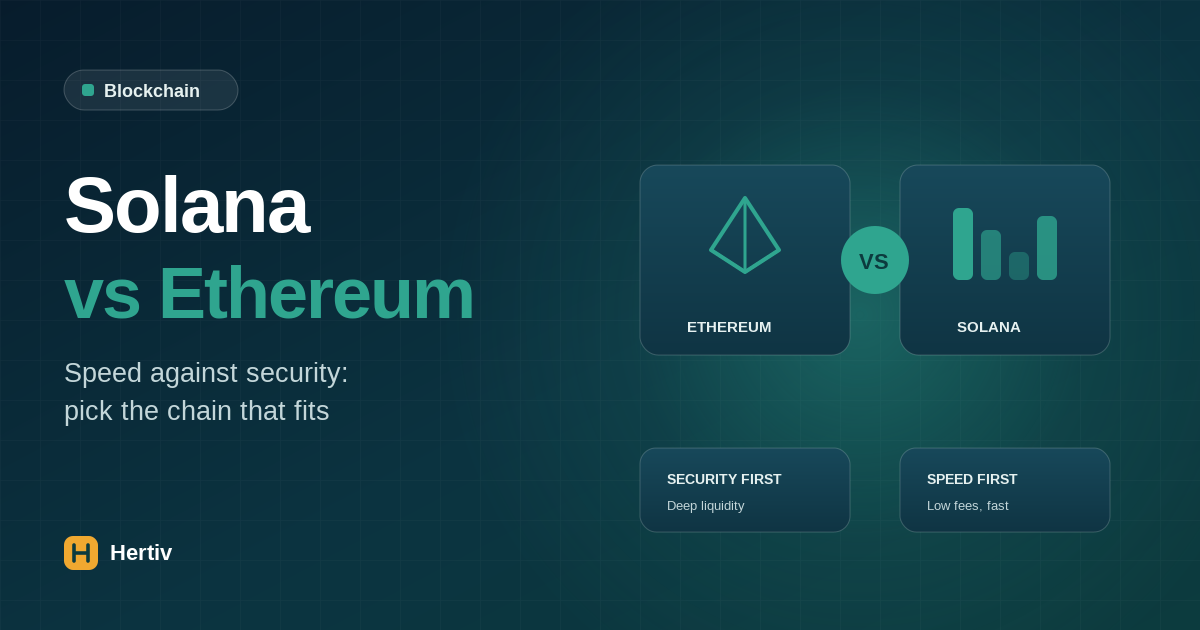
Solana is built for speed and low fees; Ethereum is built for security and deep liquidity. Compare consensus, throughput, costs and tooling to pick the right chain.
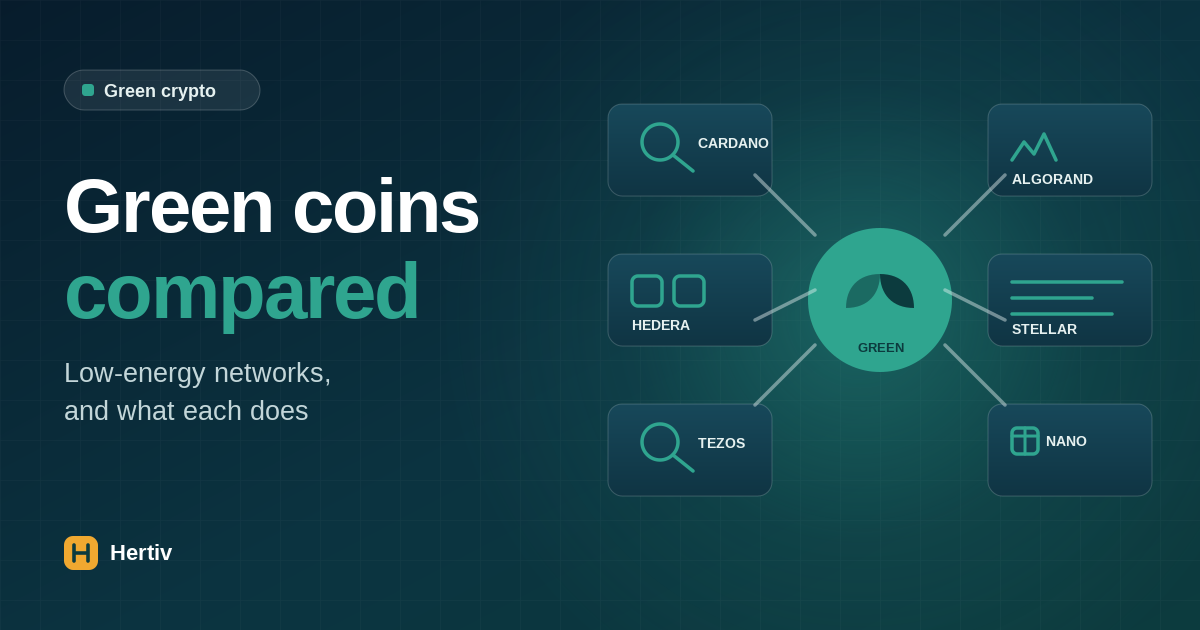
Green cryptocurrencies use far less energy than early mining coins, mostly by replacing mining with proof of stake. These six are the best-known examples.
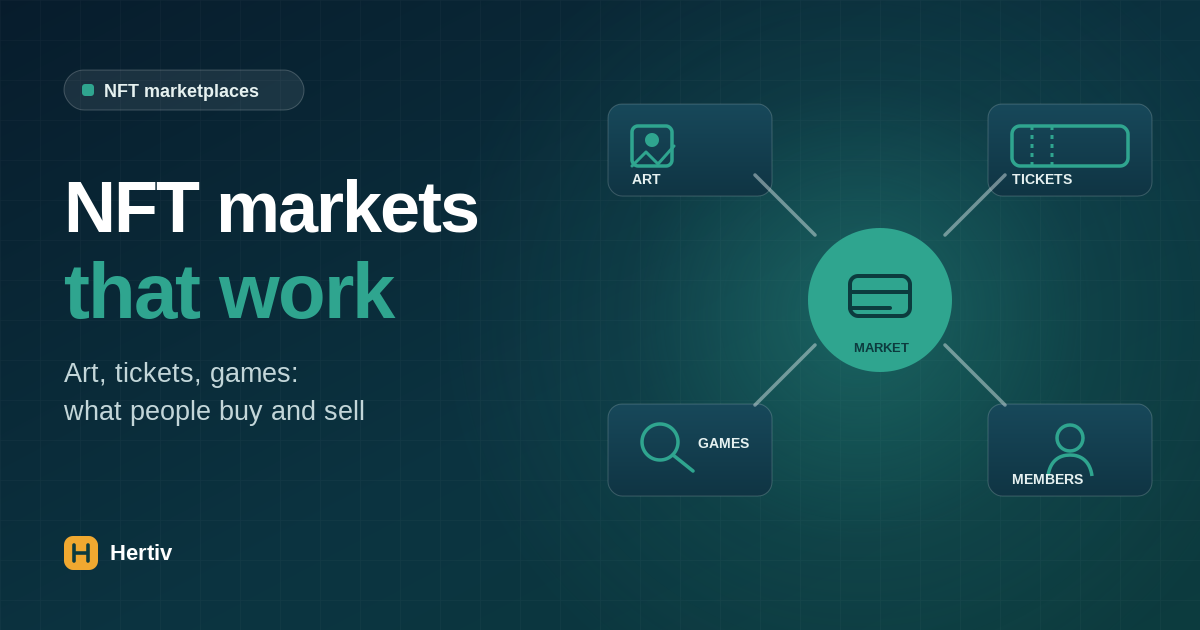
NFT marketplaces are where unique tokens change hands: art, music, tickets and game items. Here are the use cases that work in the real world.
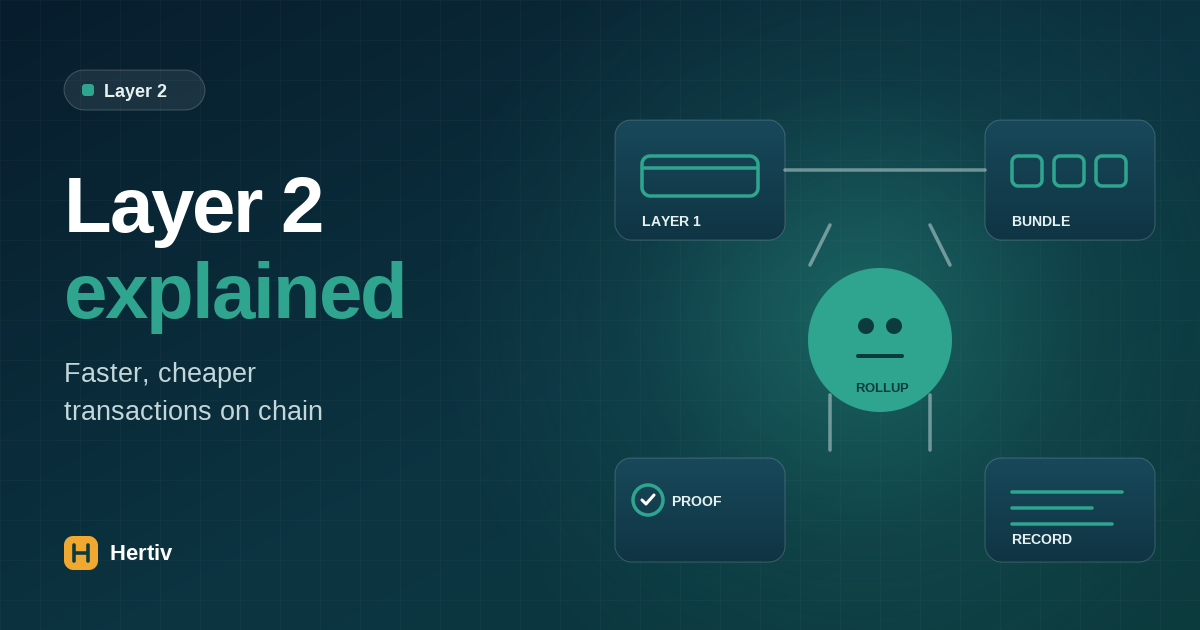
Layer 2 is a system that runs on top of a main blockchain to make transactions faster and cheaper. Here is how it works, the main types, and when to use one.
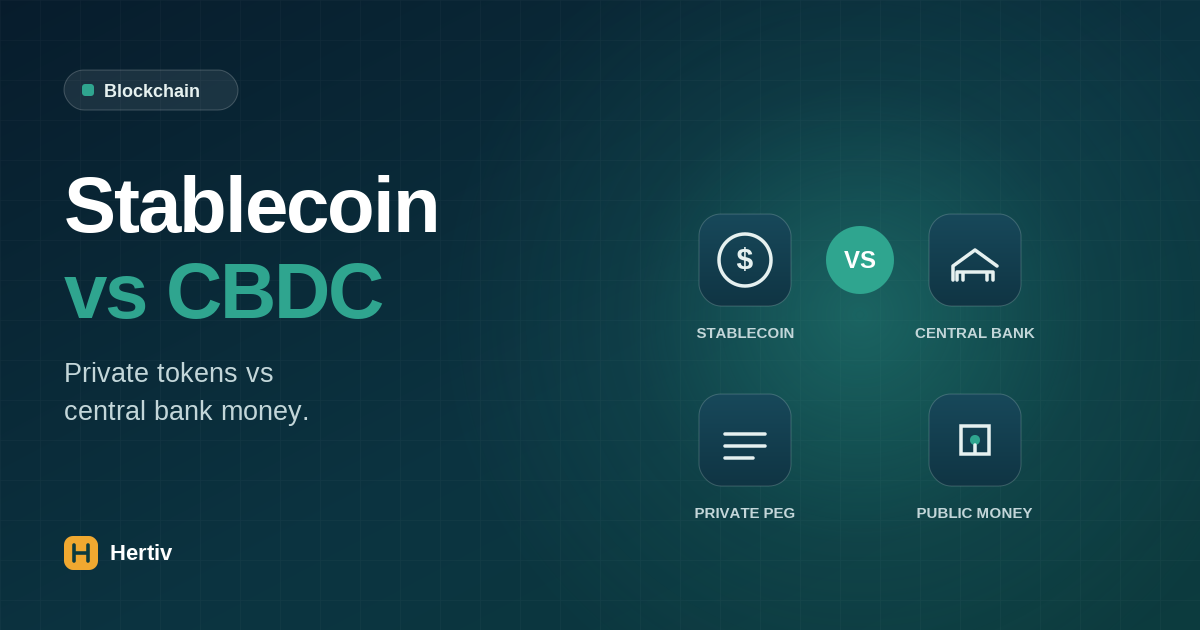
Stablecoins are private tokens pegged to a currency, while CBDCs are digital money from a central bank. The difference decides who controls the money.
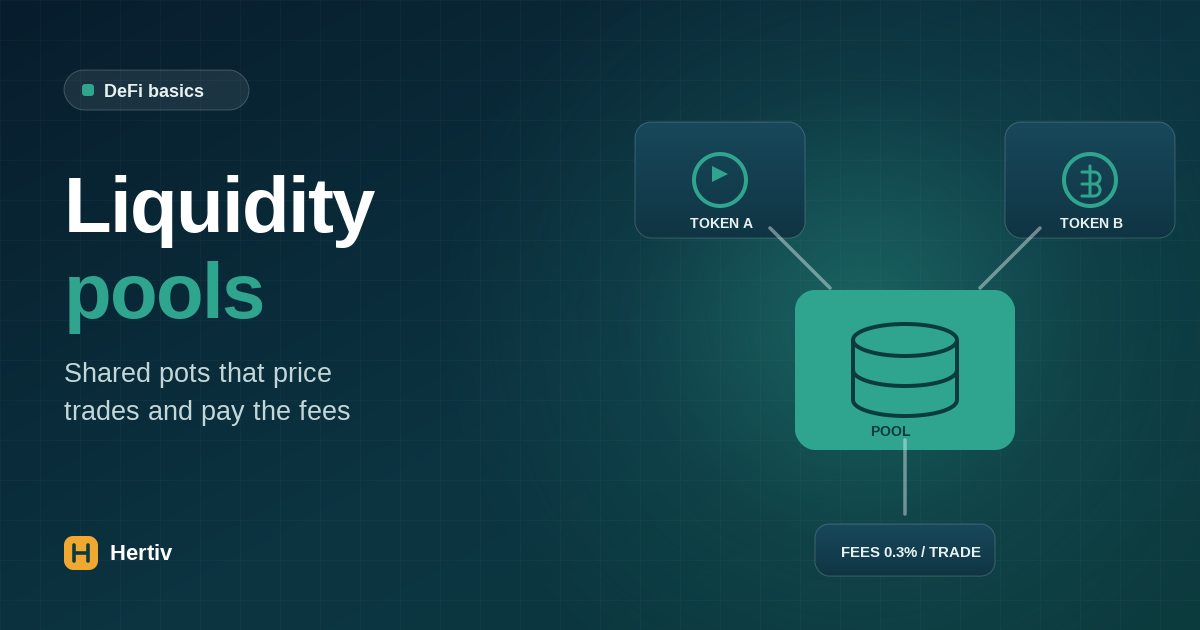
A liquidity pool is a shared pot of tokens locked in a smart contract that lets people trade without waiting for a buyer. This guide explains pricing, fees and risk.
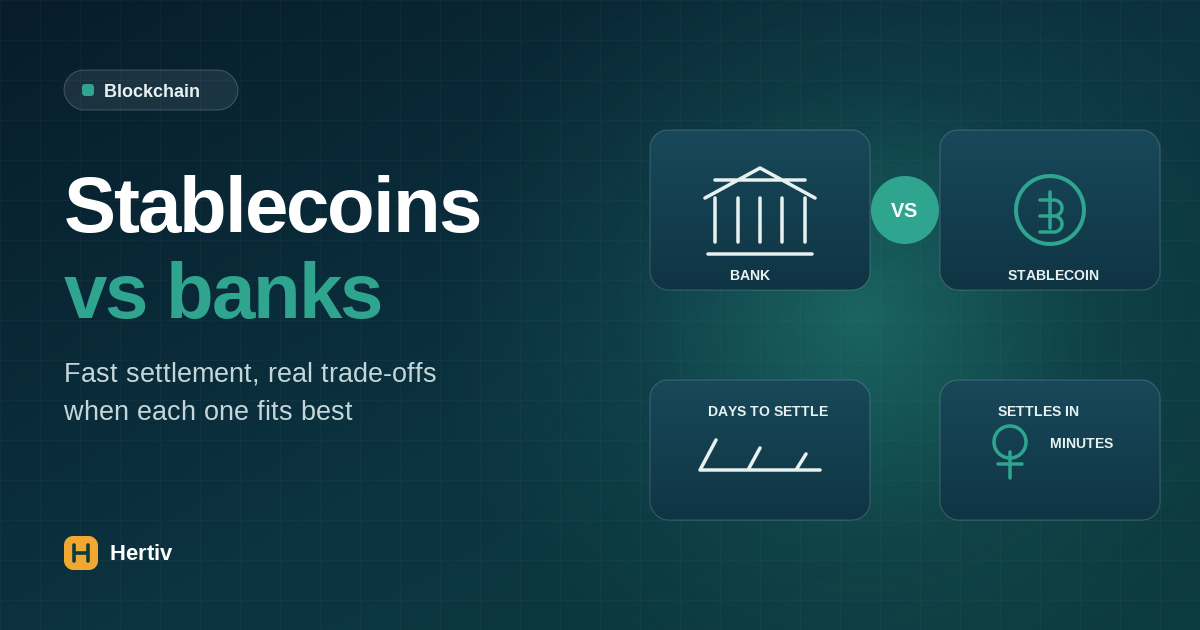
Stablecoins settle in minutes on shared ledgers, while banks move money through accounts and clearing windows. This guide compares speed, cost, access and risk.
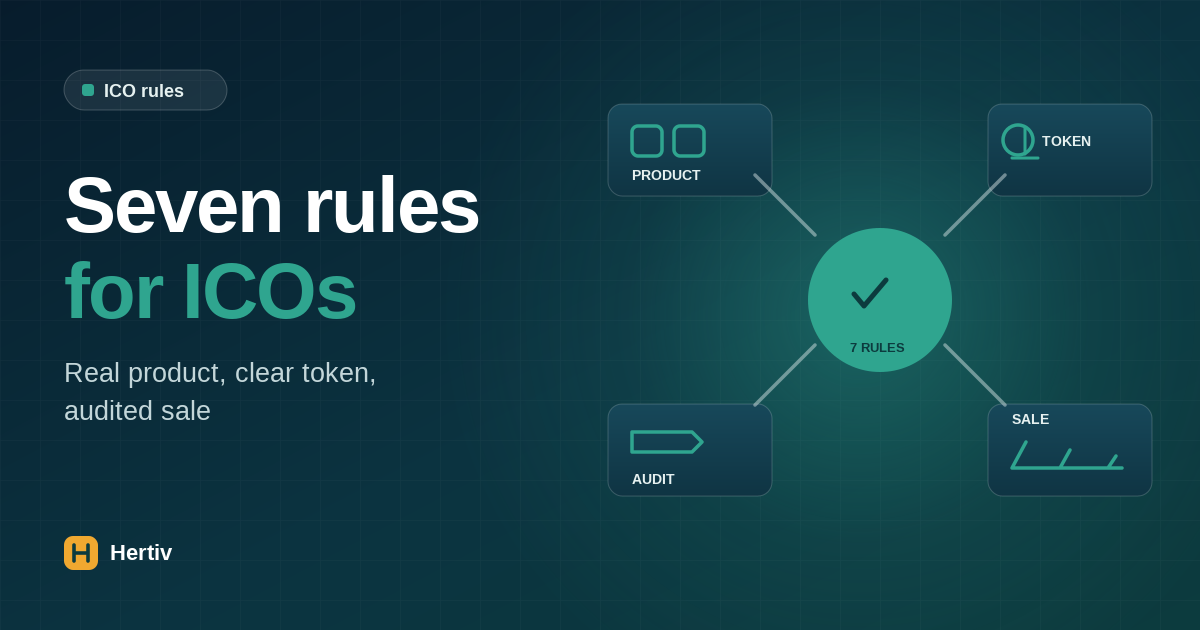
A successful ICO needs a real product, clear token rules, honest documents and a tested sale. These seven rules cover what teams get right and what sinks a launch.
The metaverse is a set of connected 3D virtual worlds where people work, learn and shop as avatars. Here is what it is, what it is not, and how it works.
Crypto is moving from trading screens into payments, lending and settlement. These six trends show where it is changing global finance, and where it is still early.
Tokenization replaces sensitive data with a random token, while encryption scrambles it with a key. Here is when to use each, and when to use both.
An MPC wallet splits a private key into shares held by different parties, so no single share can move funds alone. Here is how the shares work.
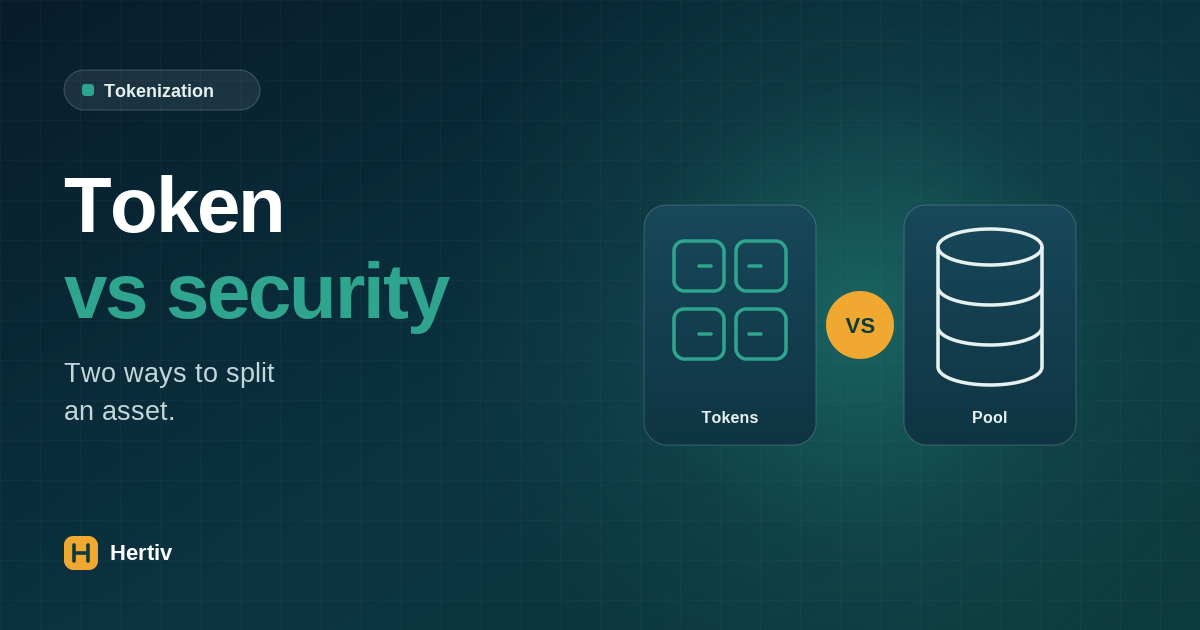
Tokenization and securitization both split assets into tradable pieces: one uses digital tokens on a shared ledger, the other bundles assets into a security.
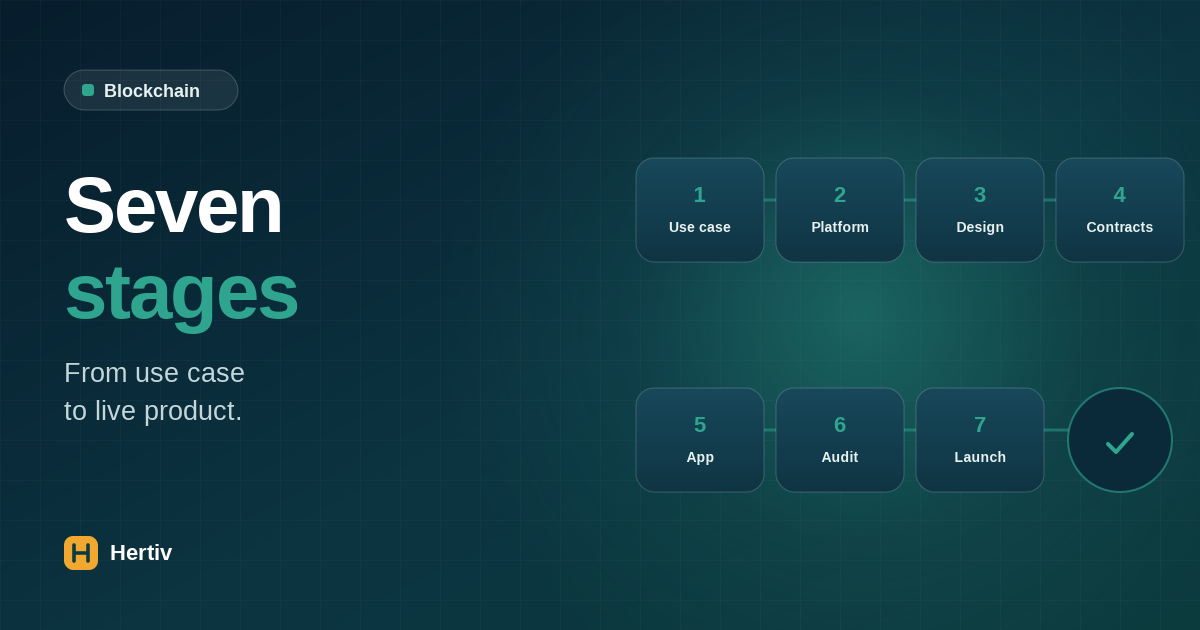
Building a blockchain product runs through seven stages, from proving the use case to running the live network. Skipping one is how most projects get into trouble.
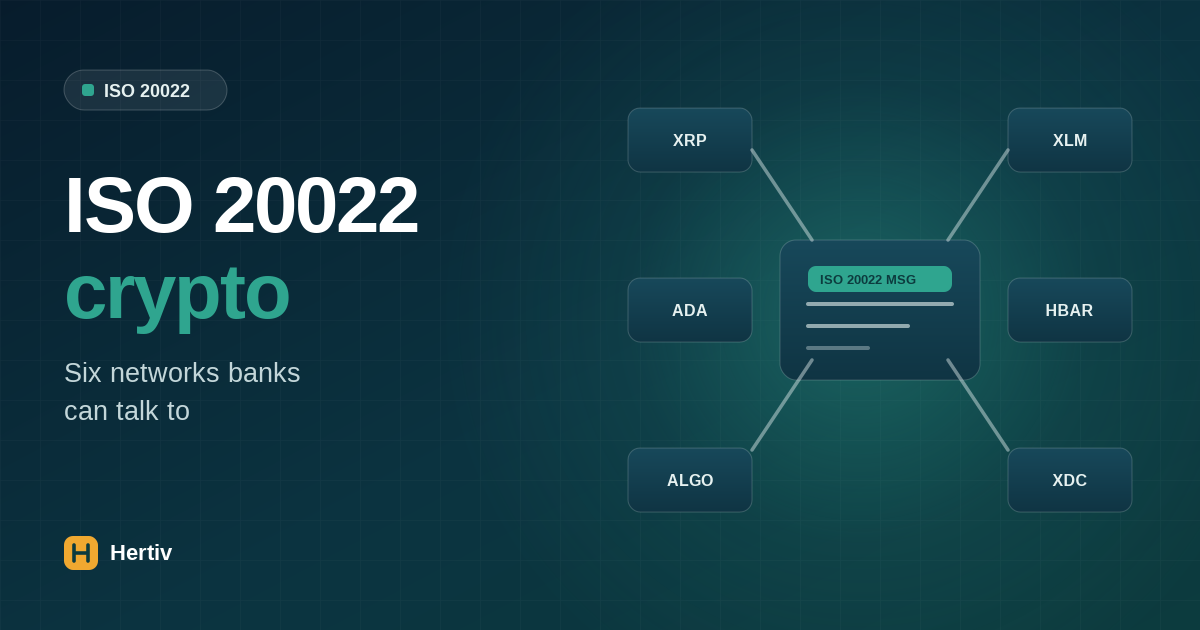
ISO 20022 is the messaging standard banks use for payments. These six cryptocurrencies are the ones most often described as compatible with it.
No posts on this page match. Use site search (Ctrl K) to search every post.
A senior engineer reads every request and replies within one business day with questions, a rough range, or a call link.