Blockchain
Top DeFi Protocols Worth Knowing and How They Work
The DeFi protocols worth knowing first have run for years and do one job well: lending, swapping, stablecoins, staking and price data. Here are six, compared.
Practical guides on tokenization, stablecoin payments, wallets and smart contracts.
1658 posts · page 61 of 70
The DeFi protocols worth knowing first have run for years and do one job well: lending, swapping, stablecoins, staking and price data. Here are six, compared.
A cross-chain bridge lets value move between blockchains that cannot talk to each other directly. Here is how the main designs work and where the risks sit.
These six Ethereum development companies help startups ship smart contracts, dApps and token products, with different strengths on audits, DeFi and enterprise work.
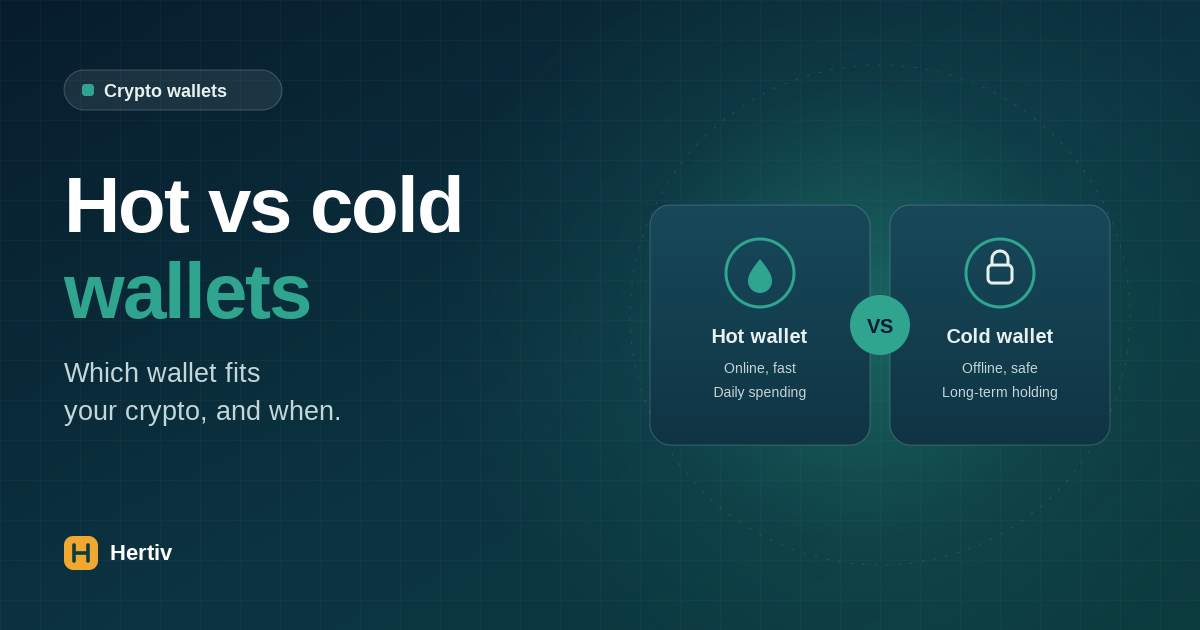
A hot wallet stays connected to the internet and suits daily spending, while a cold wallet stays offline and suits long-term storage. Most people use both.
Crypto is usually taxed as property, so a sale, swap or spend can be a taxable event. Five points on what counts, what records to keep and where people go wrong.
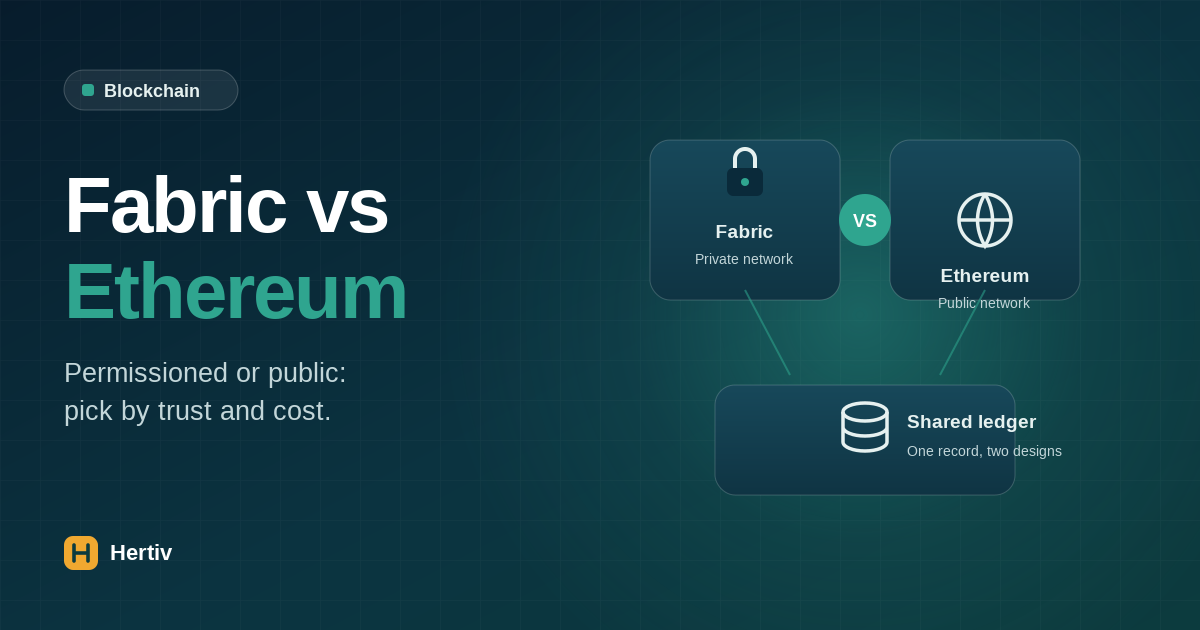
Hyperledger Fabric is a permissioned ledger for known partners; Ethereum is a public network anyone can join. Pick by who sees the data and who pays the fees.
Non-custodial crypto neobanks let people hold their own keys while banking on crypto rails. Here are the six trends shaping them, and what each means for users.
Crypto custody is the safe storage of the private keys that control digital assets. Learn how the main custody models work and how to pick a setup.
An ICO sells tokens and a crowdfunding campaign sells a product or a share. The choice depends on what you offer, who can buy it, and the rules you must follow.
A crypto payment gateway lets a business accept cryptocurrency and receive crypto or fiat. It handles payment, exchange rates and settlement for the merchant.
Blockchain design means choosing a network model, consensus method, data layout, contract setup and upgrade path. Each one shapes cost, speed and security.
An ICO sells utility tokens with light paperwork, while an STO sells regulated security tokens. The right choice depends on what you sell and who buys it.
A DeFi savings account lets you deposit crypto and earn a return from lending or liquidity. Here are six established options, and how to compare them safely.
Six Hyperledger development companies worth shortlisting, from large consultancies to startup-friendly studios, with what each one is best for and how to choose.
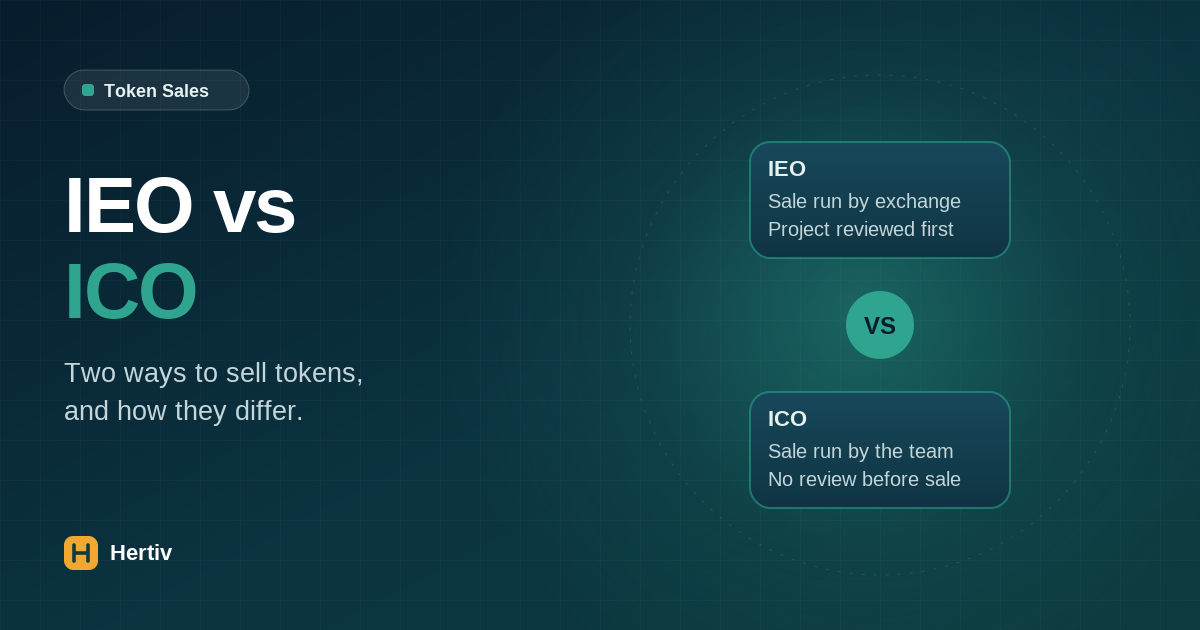
An ICO sells tokens directly to the public, while an IEO sells them through an exchange that reviews the project first. How they compare on cost and risk.
A dApp is an application that runs on a blockchain instead of a company server, with its rules in smart contracts. Here is how it works and when to use one.
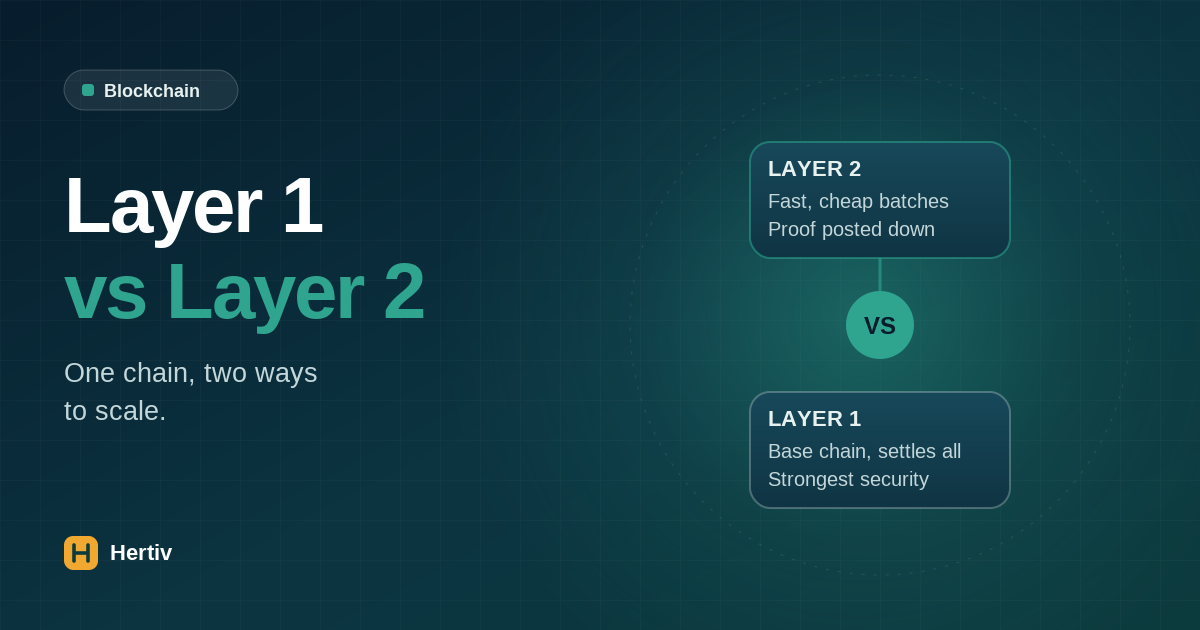
Layer 1 is the base chain; layer 2 does the work off-chain and posts a proof back. Learn how each works, when to build on which, and the mistakes to avoid.
Gamification gives a virtual world a reason to return: quests, leaderboards, rewards and avatar progress. Learn the six patterns and how to pick the right mix.
The metaverse is a shared, persistent set of virtual spaces, while virtual reality is a technology that puts a person inside a computer-generated scene.
A DAO is an organisation run by code and member votes instead of a board. Learn how proposals, tokens and treasuries work, and where DAOs fit.
DeFi is finance run by smart contracts instead of banks: lending, trading and interest with no company in the middle. Learn how it works and the risks.
MiCA gives the EU one crypto rulebook, while the US, UK, Singapore and UAE each run their own. See where the rules agree and clash, and what a global launch needs.
Yield farming platforms let you earn rewards by supplying crypto to lending pools and liquidity pools. These six are the ones most people start with.
DeFi lending lets you borrow crypto from a pool by locking up collateral, with a smart contract setting the rate. Learn how it works and the risks.
No posts on this page match. Use site search (Ctrl K) to search every post.
A senior engineer reads every request and replies within one business day with questions, a rough range, or a call link.