Blockchain
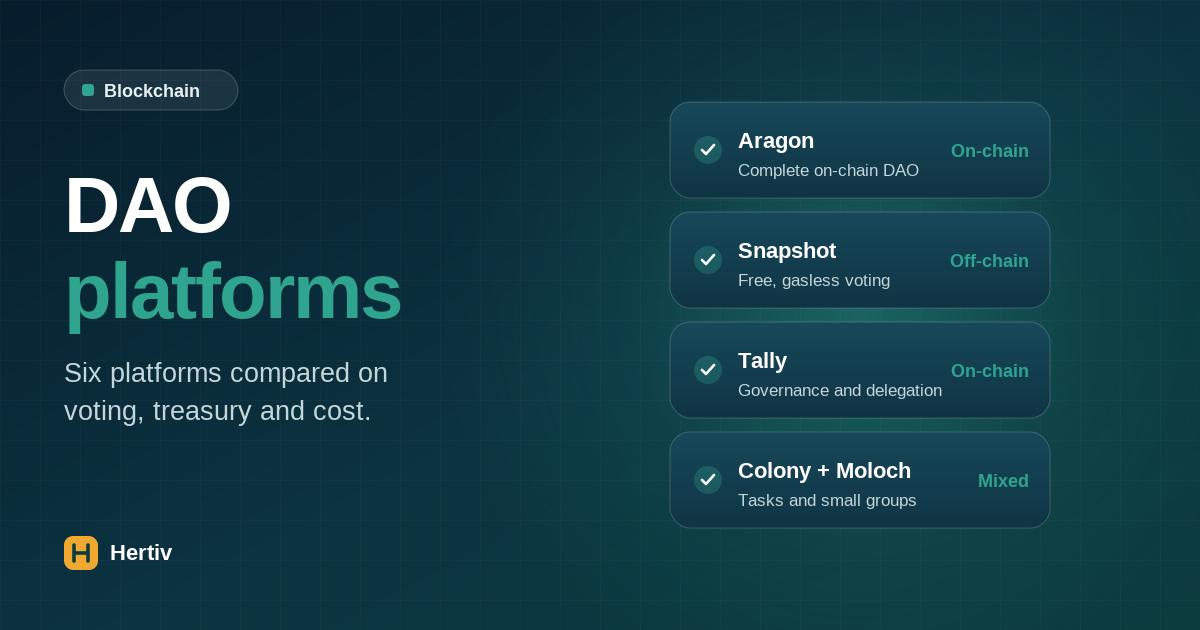
Top DAO Platforms Worth Comparing
Compare six DAO platforms on voting style, execution and cost. Find the right fit for your community, fund or contributor team.
Practical guides on tokenization, stablecoin payments, wallets and smart contracts.
1659 posts · page 59 of 70
Compare six DAO platforms on voting style, execution and cost. Find the right fit for your community, fund or contributor team.
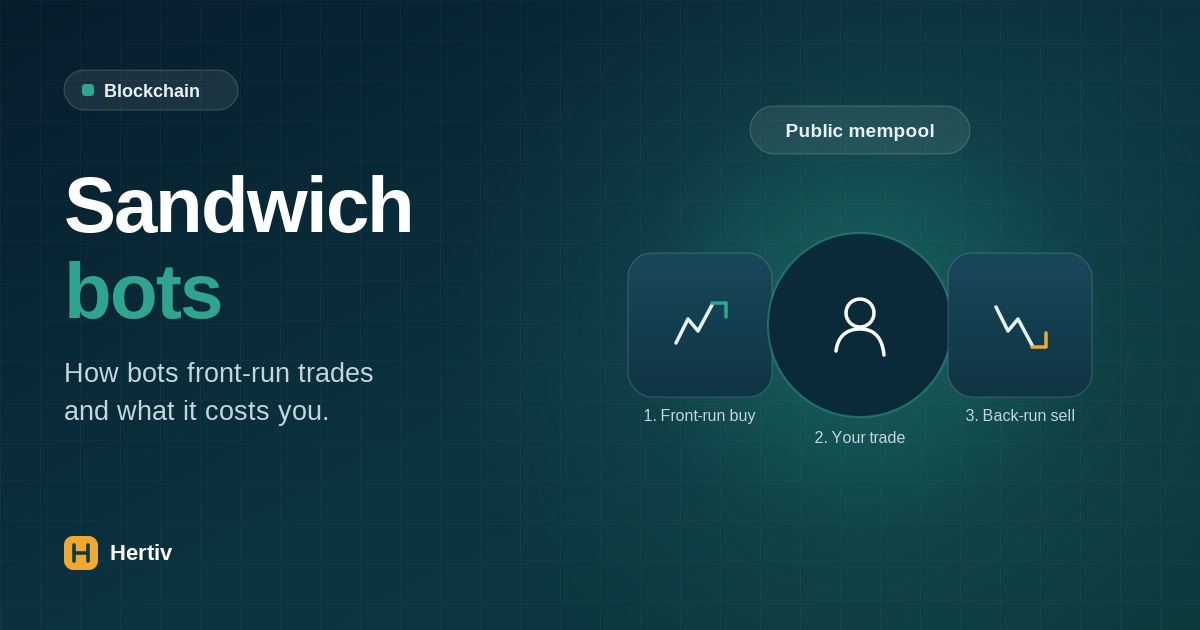
A sandwich bot places trades around your trade to profit from the price move it causes. Learn how it works, why it targets some trades, and how to stop it.
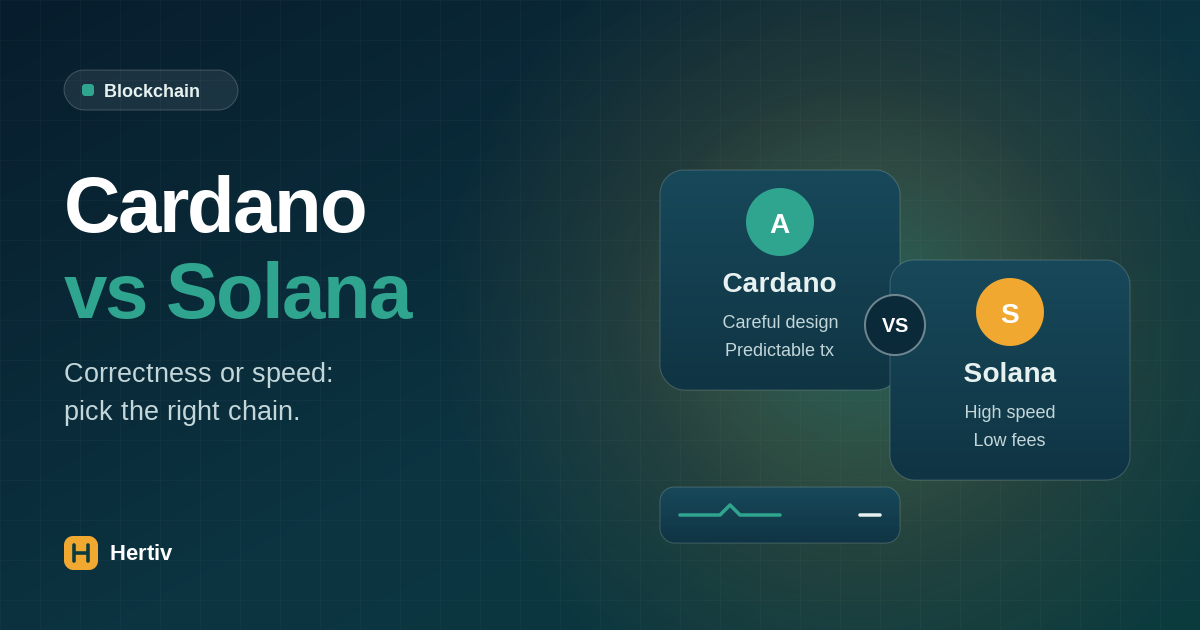
Cardano favours careful design and predictable transactions, while Solana favours speed and low fees. Compare the two chains before you build.
Building a crypto exchange costs far more than the code alone: licences, audits, banking and support all add up. See what a first version should include.
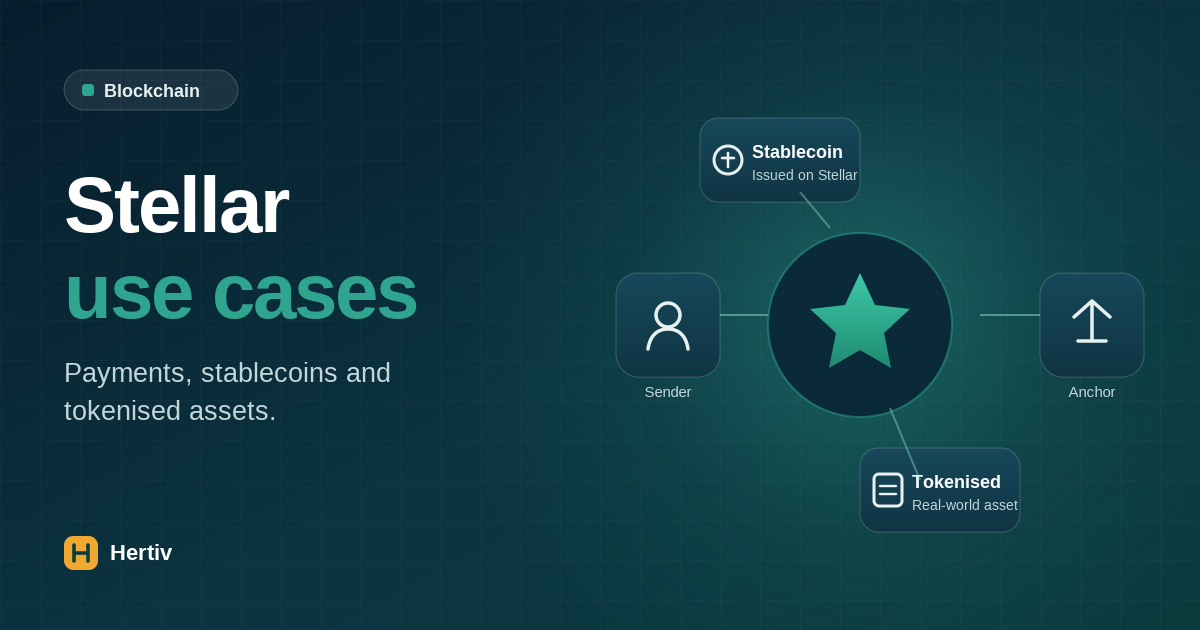
Stellar is built for fast, low-cost value transfer. These six use cases — payments, stablecoins, tokenised assets and more — show where the network fits best.
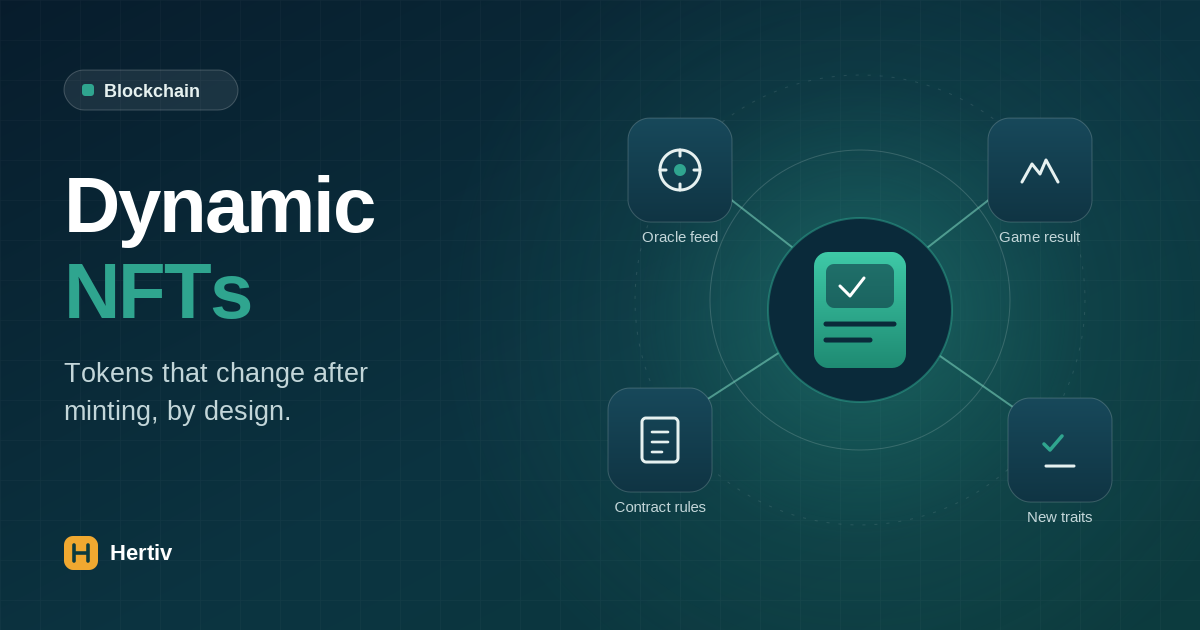
A dynamic NFT is a token whose metadata can change after minting, driven by smart contract rules and outside data. Here is how dNFTs work and where they are used.
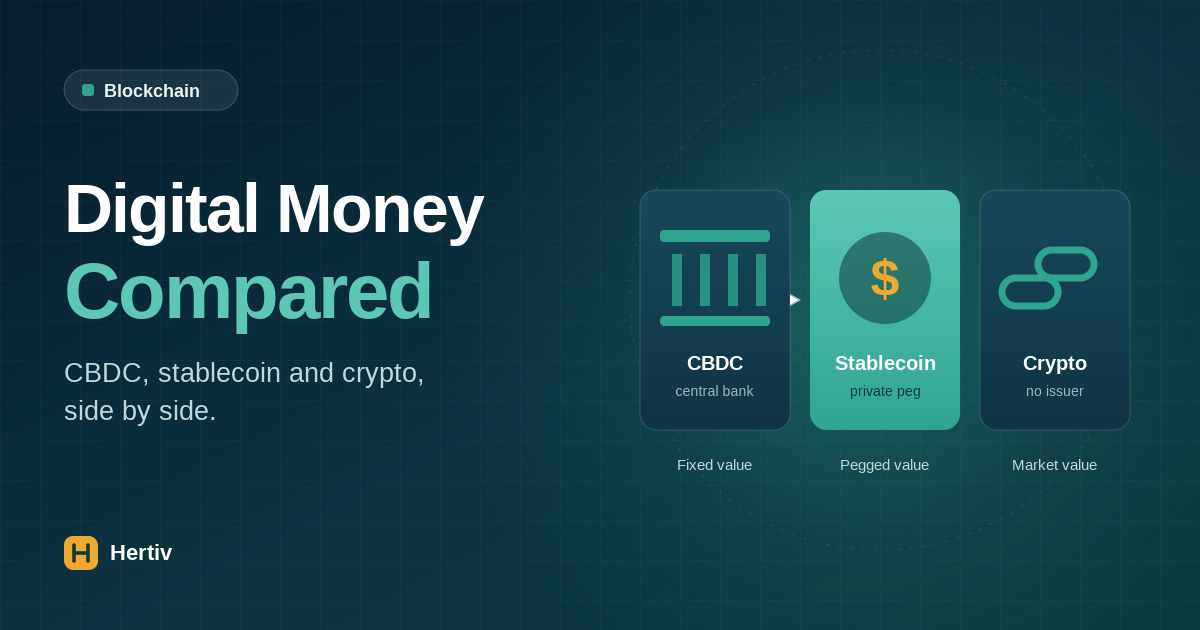
A CBDC is central bank money, a stablecoin is a private pegged token, and a cryptocurrency is a decentralised asset. Here is how the three compare.
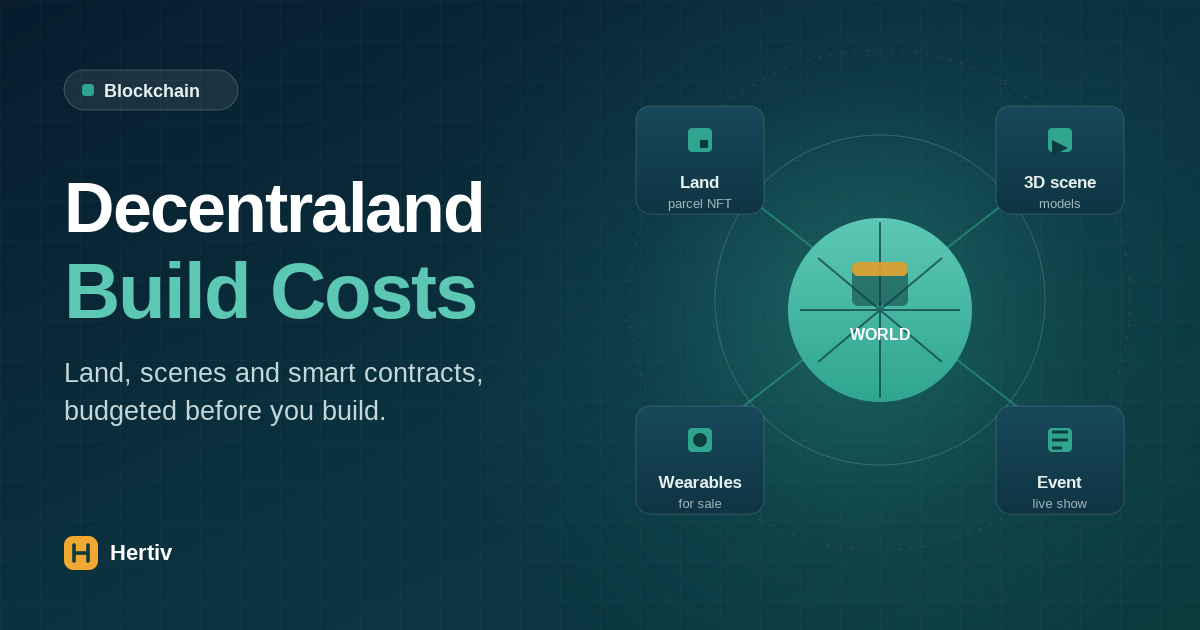
Building on Decentraland means paying for land, 3D scenes, smart contracts and upkeep. Here is what each part costs and how to budget for a build.
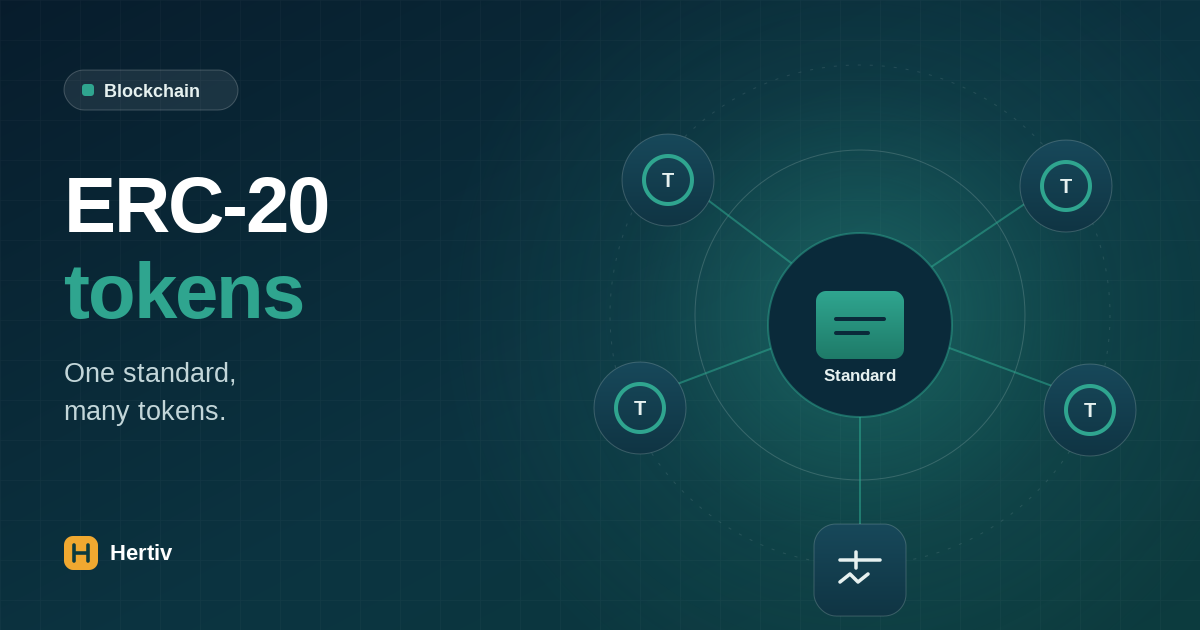
ERC-20 tokens are fungible assets on Ethereum that follow one shared standard, so wallets, exchanges and apps handle them the same way. Here is how they work.
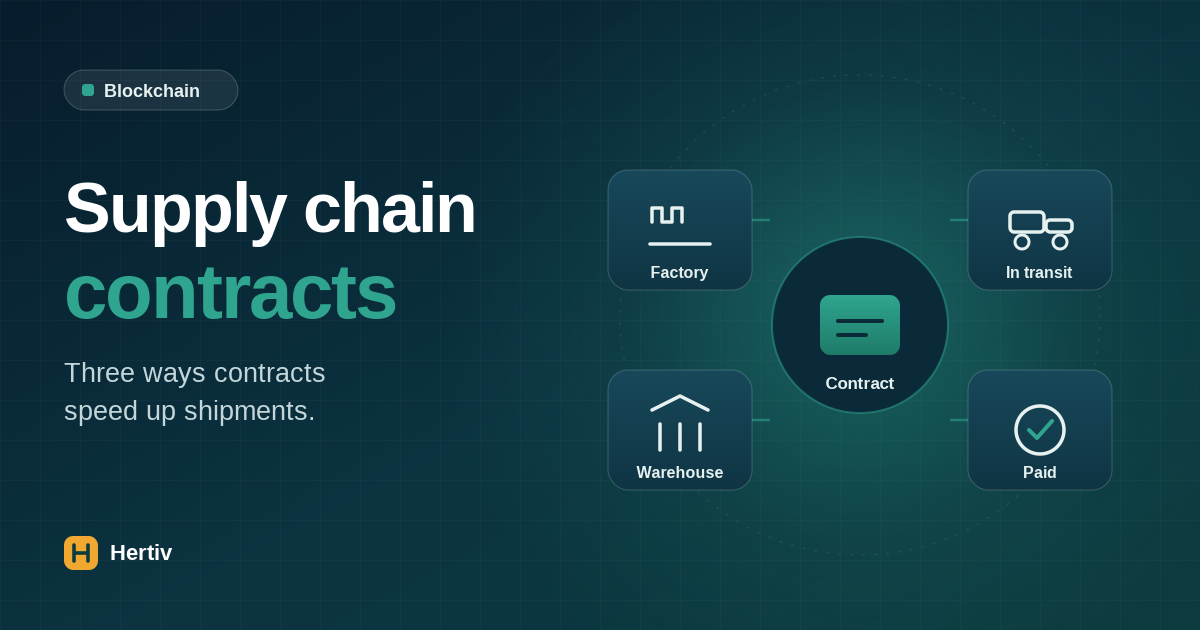
Smart contracts streamline supply chains by releasing payment on delivery proof, keeping one tamper-evident record of goods, and checking compliance automatically.
The top dApps on Polygon span prediction markets, lending, trading and NFT marketplaces, all with low fees and fast confirmations. Here are six worth knowing.
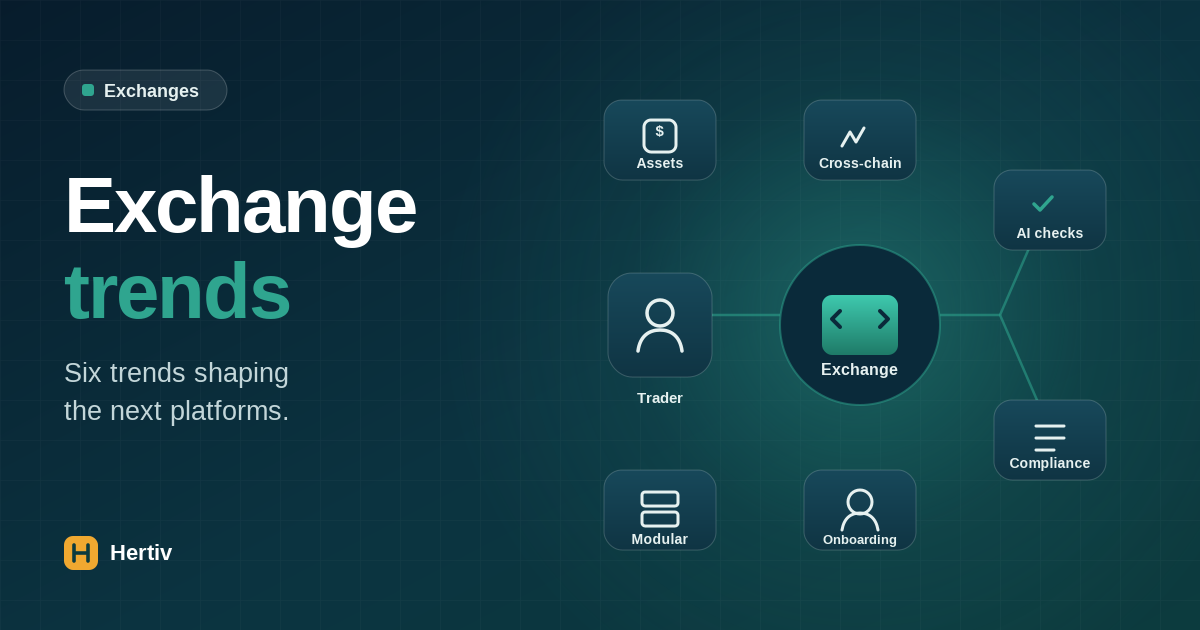
Crypto exchange platforms are adding AI risk checks, tokenized assets, cross-chain liquidity and simpler onboarding. These are the trends shaping the next builds.
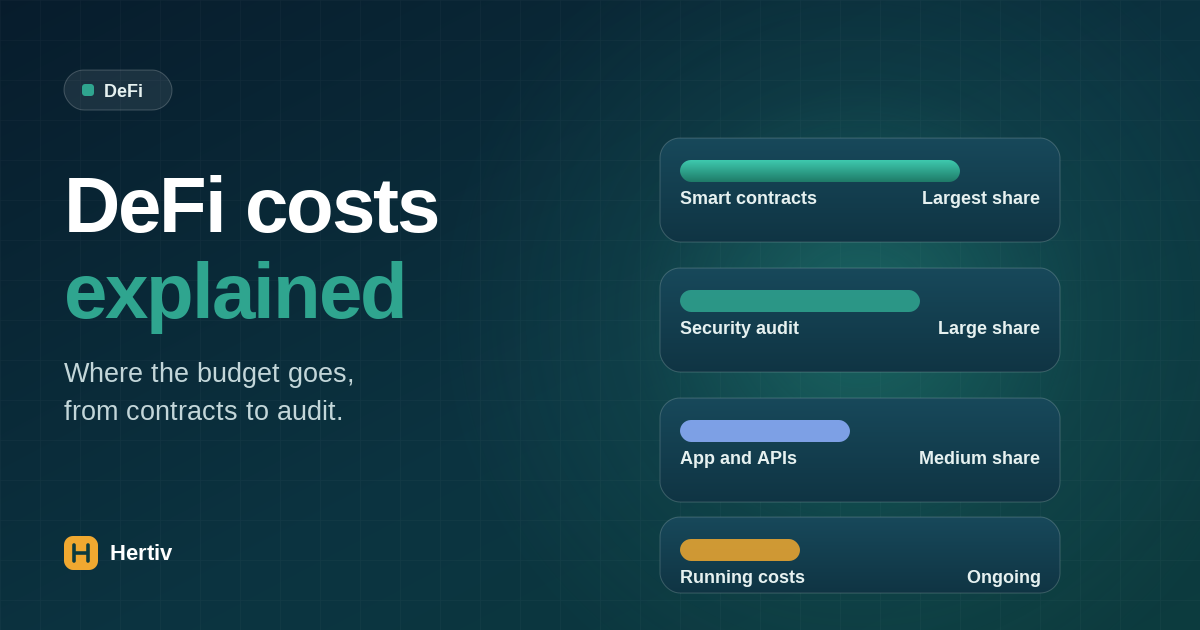
DeFi development costs come from scope, smart contract work, security audits and running the product after launch. Here is how each part of the budget works.
The best RPC providers for startups balance reliable node access, clear pricing and tools your team can use from day one. Compare six providers before you pick one.
An NFT ETF is a fund that gives exposure to NFTs or NFT-related companies through ordinary shares. Learn how it works, what it holds and the risks to check.
A custodial wallet means a company holds your keys; a non-custodial wallet means you hold them. Ease or control: the choice changes what happens if things go wrong.
A derivatives exchange runs on four parts: a matching engine, a margin and risk system, safe custody and settlement, and deep liquidity. Here is what each part does.
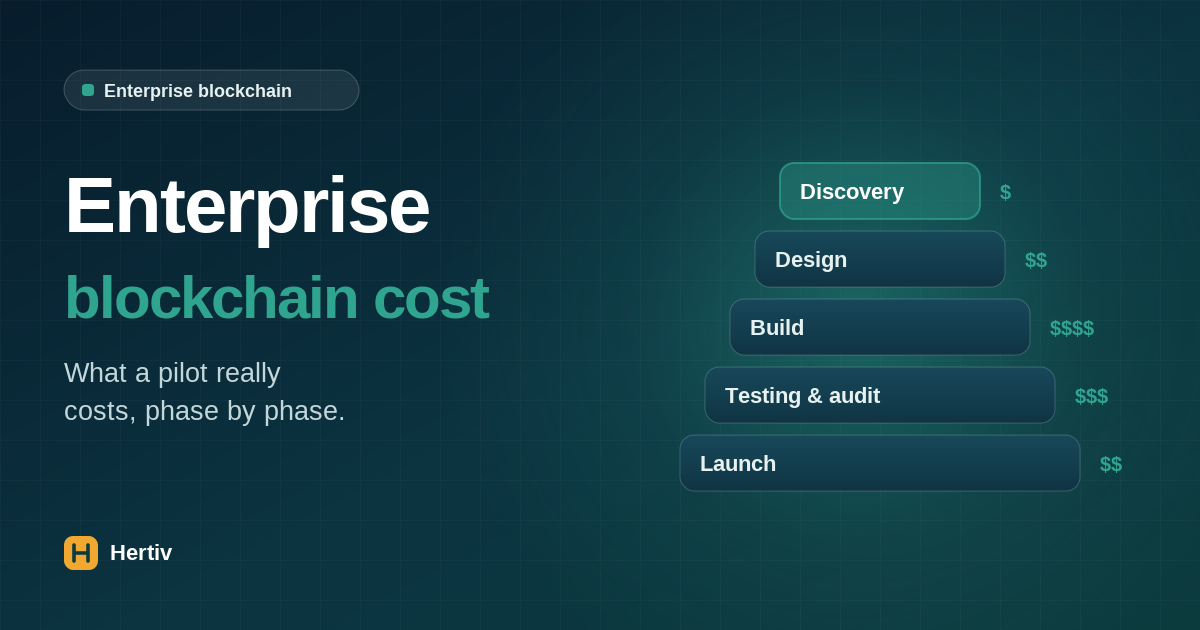
Enterprise blockchain costs depend on the use case, the network model and how much existing systems must change. This guide breaks down each phase and its costs.
Cryptocurrency is digital money secured by cryptography and recorded on a blockchain ledger. No bank issues it, and you hold it in a wallet you control.
A DEX lets you trade crypto from your own wallet, with no company holding your funds. These six exchanges cover swaps, derivatives and multi-chain trading.
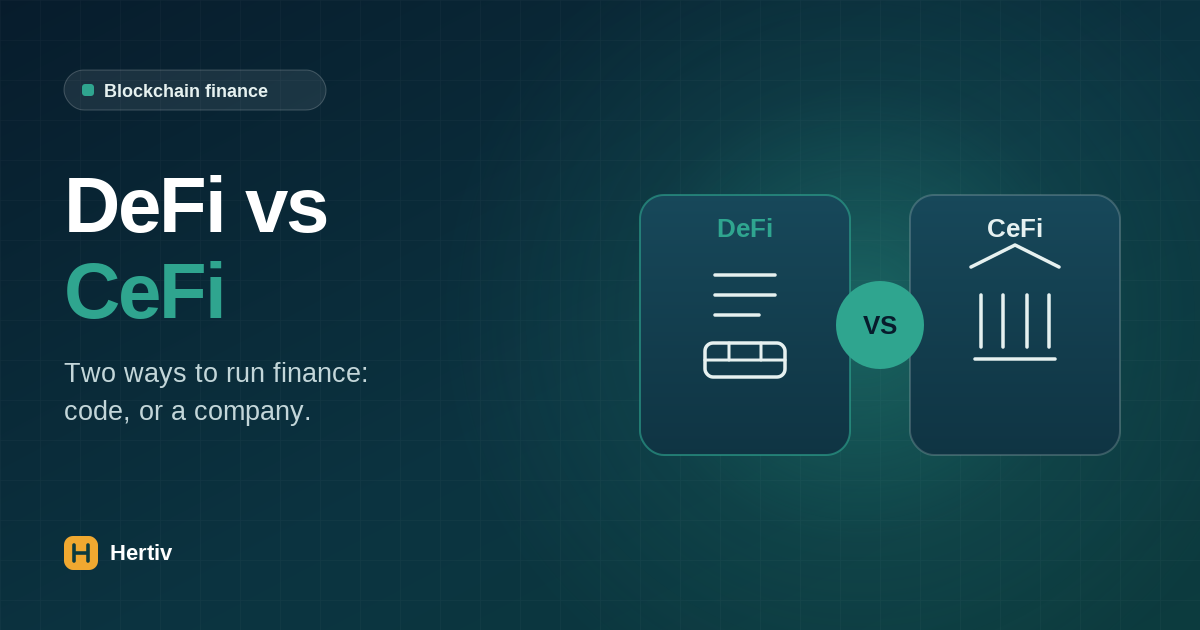
DeFi runs on smart contracts with no central company, while CeFi runs through companies that hold your funds. Here is how custody, risk and access differ.
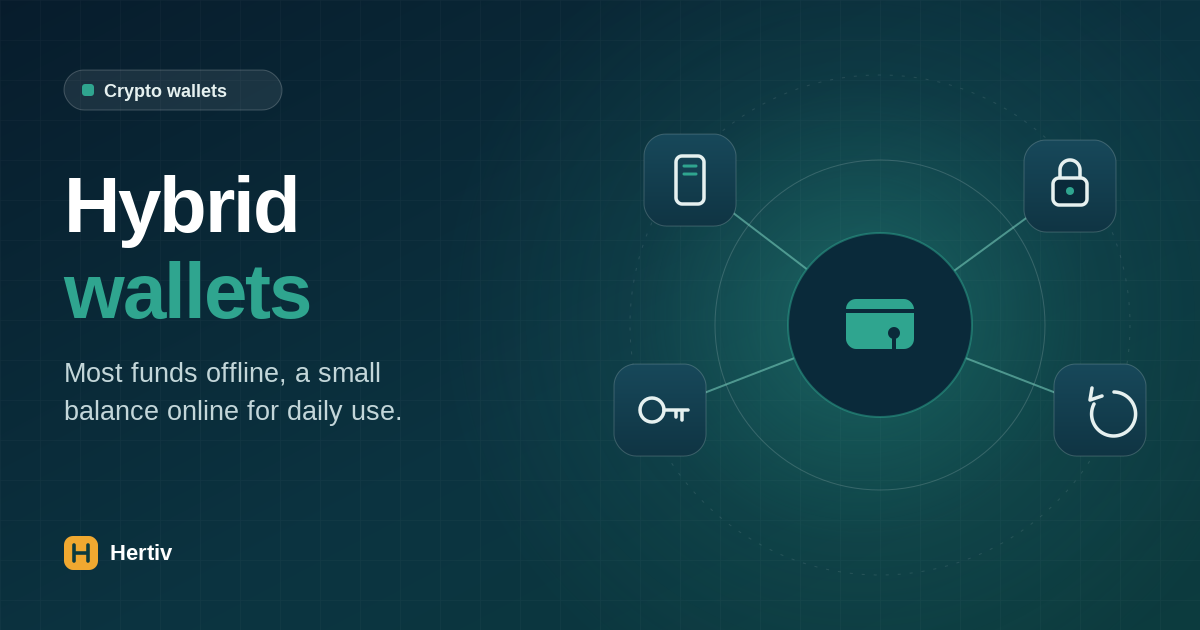
A hybrid wallet keeps most funds offline and a small balance online for daily use. Here is what shapes the build cost and how to budget for a first version.
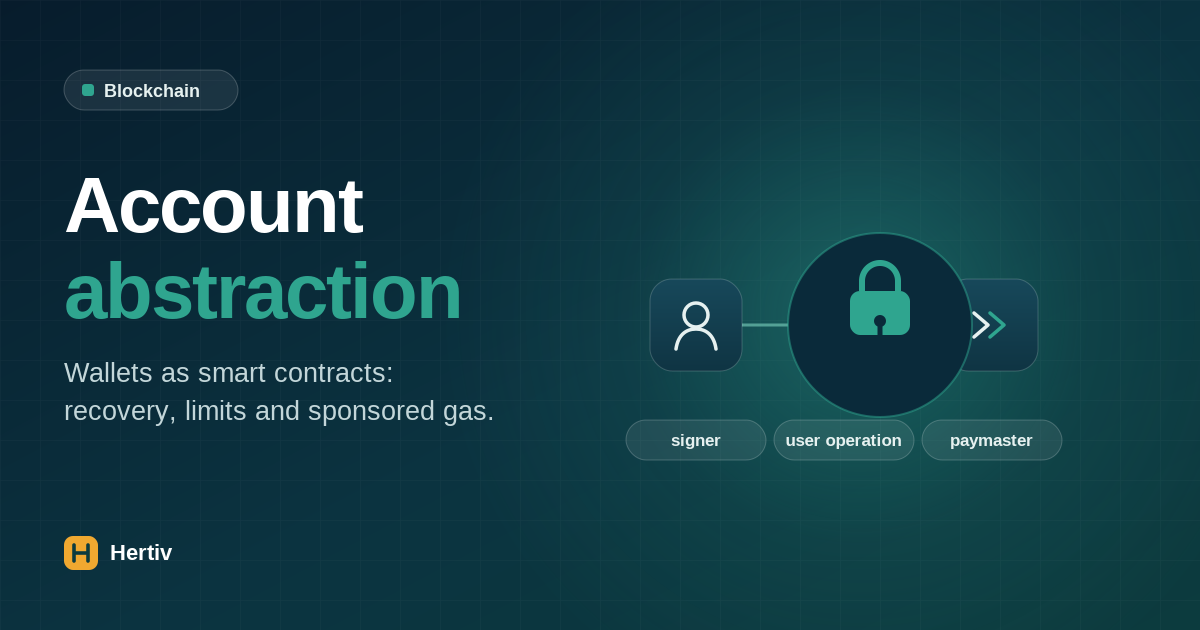
Account abstraction turns a crypto wallet into a programmable smart contract, with social recovery, batched transactions and gas paid in tokens.
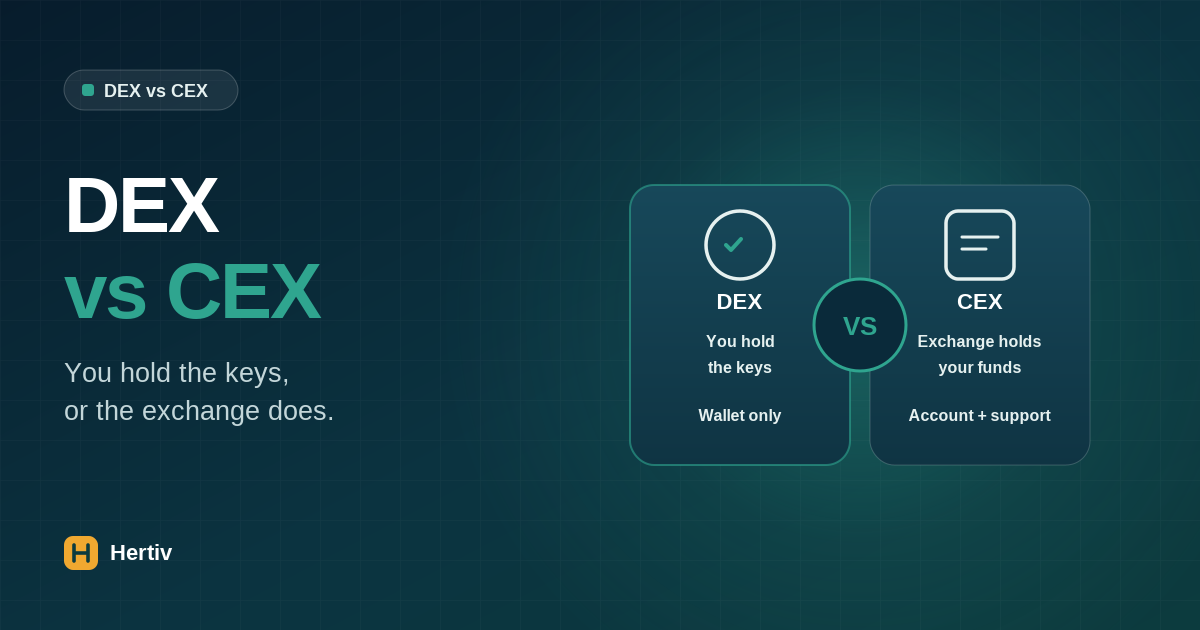
A DEX lets you trade from your own wallet, while a CEX holds your funds and matches trades for you. The difference is custody, and it shapes fees, speed and risk.
No posts on this page match. Use site search (Ctrl K) to search every post.
A senior engineer reads every request and replies within one business day with questions, a rough range, or a call link.