Blockchain
Crypto-Friendly Countries: 6 Places Worth Comparing
Crypto-friendly means clear rules, working licences and fair tax treatment. Compare countries: Switzerland, Singapore, the UAE, Portugal, El Salvador and Malta.
Practical guides on tokenization, stablecoin payments, wallets and smart contracts.
1660 posts · page 58 of 70
Crypto-friendly means clear rules, working licences and fair tax treatment. Compare countries: Switzerland, Singapore, the UAE, Portugal, El Salvador and Malta.
Crypto payment gateways are changing fast, from stablecoin settlement to AI fraud checks. Here are eleven trends shaping how businesses accept crypto payments.
DeFi development builds lending, trading and yield products on smart contracts. Six building blocks decide if the product is safe, usable and worth launching.
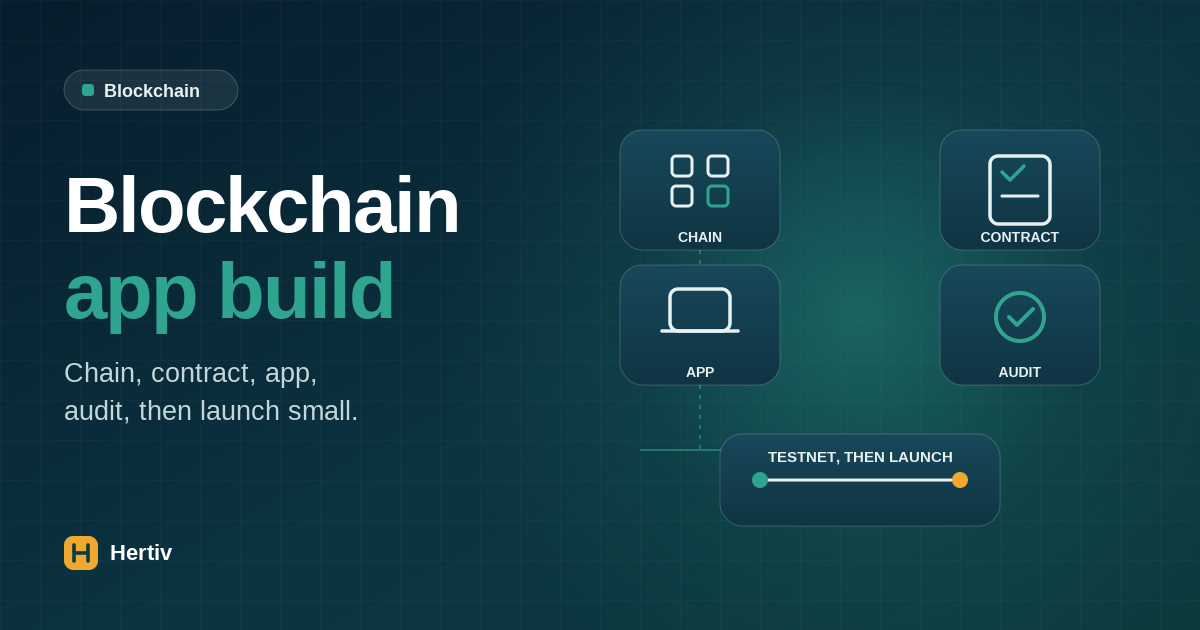
Developing a blockchain application means choosing a chain, writing smart contracts and building the app around them. Follow these steps to ship safely.
Stablecoin startups win where customers already pay fees and wait days: payroll, invoicing, remittances, treasury, ramps and loyalty. Here are six to build.
NFT ticketing turns each ticket into a token with rules for transfer, resale and check-in. Follow these six steps to launch without fraud or chaos.
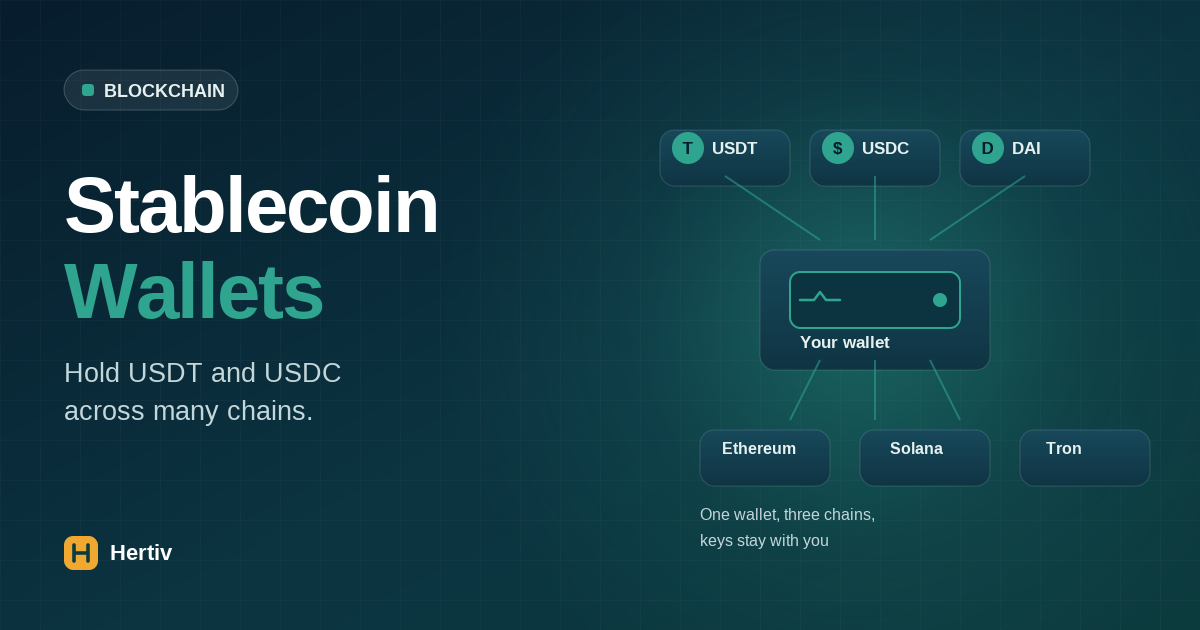
The best stablecoin wallets hold USDT and USDC across several chains, keep keys under your control and make sending simple. Compare six options before you pick one.
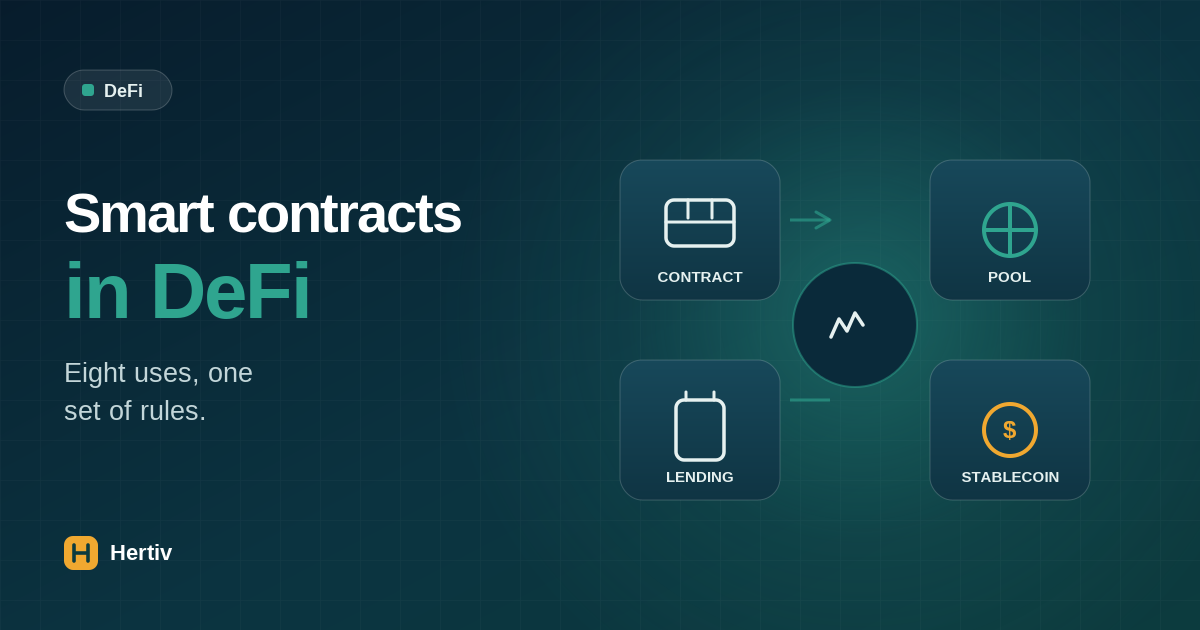
Smart contracts power DeFi lending, exchanges, stablecoins, yield farming, staking and more. See what each use case does and where it breaks.
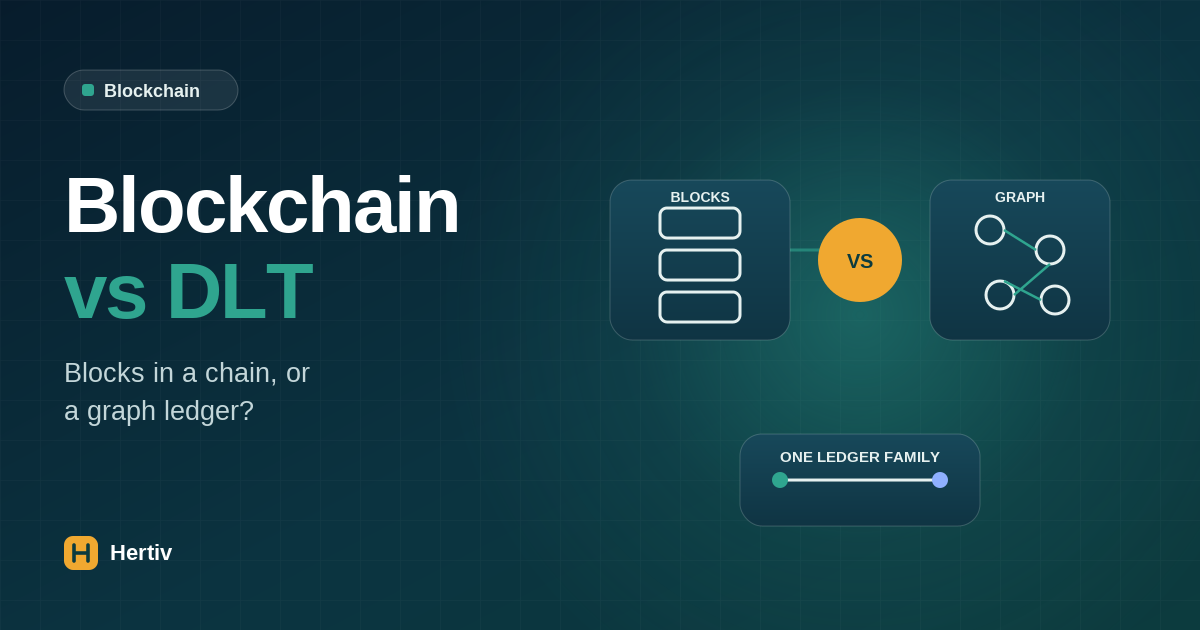
Blockchain is one type of distributed ledger technology. Learn how blocks differ from graph and private ledgers, compare them, and pick the right design.
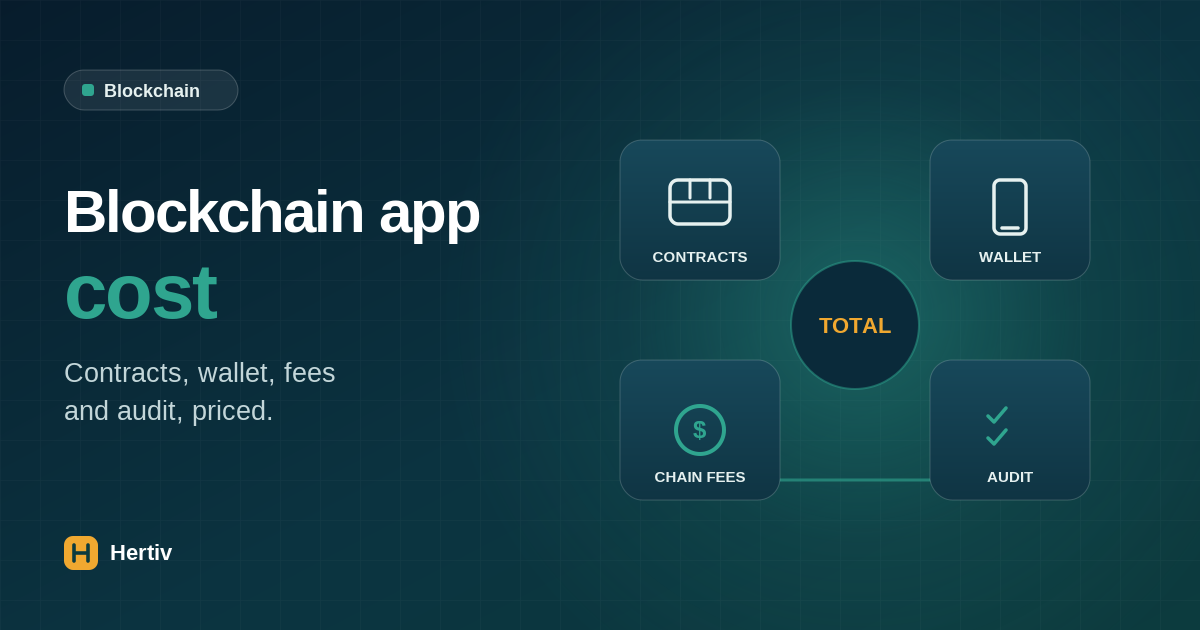
A blockchain app's cost depends on the smart contracts, the wallet flow, the chain and the audit. Learn the main drivers and rough ranges by app type.
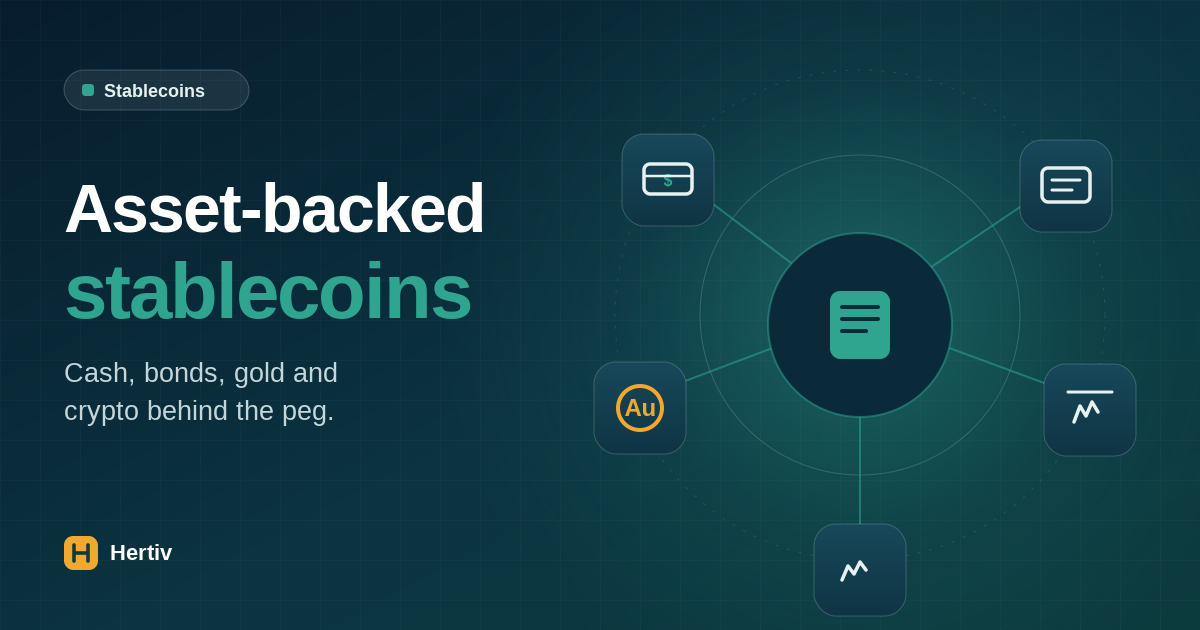
Asset-backed stablecoins hold cash, bonds, gold or crypto reserves to keep their peg. Learn the three types, how reserves work, and how to check a coin.
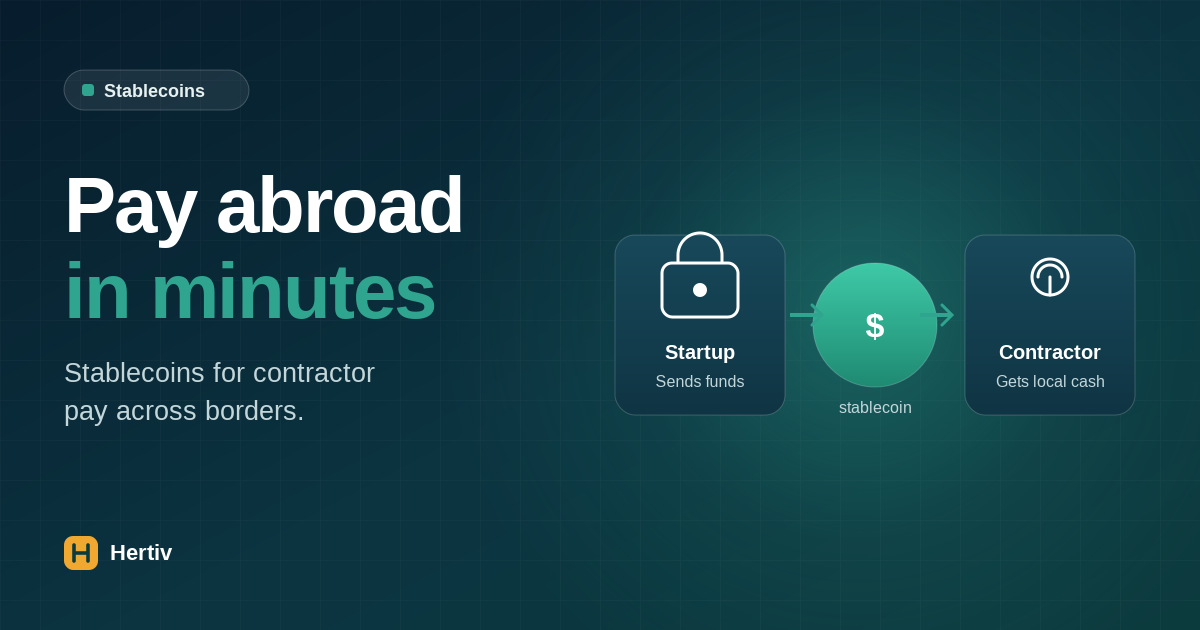
Stablecoin remittances let startups pay contractors abroad in minutes instead of days. Learn how the payment moves, what it costs, and what compliance requires.
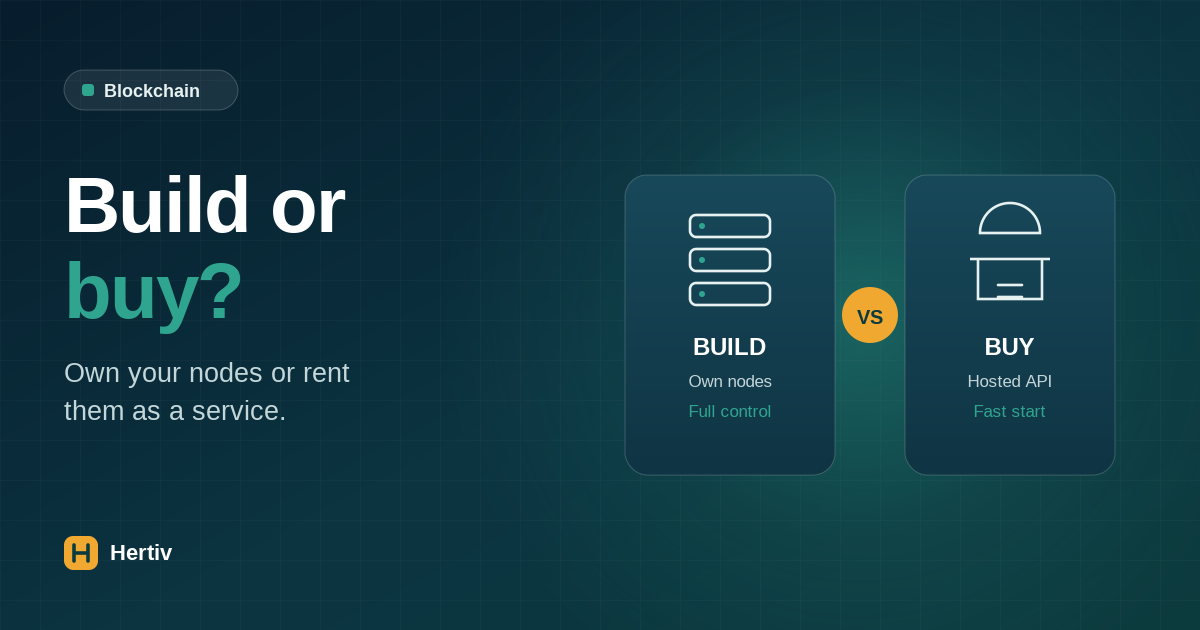
Should you run your own blockchain nodes or buy node access as a service? Compare control, cost, speed and reliability, then decide with a simple five-step test.
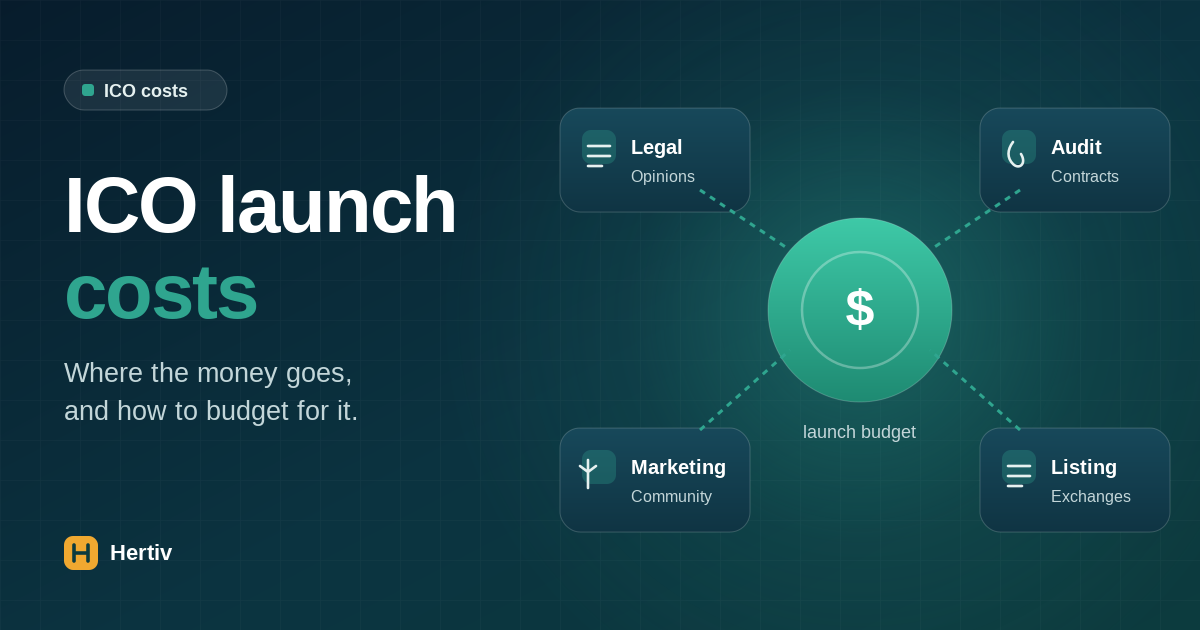
Launching an ICO usually costs a five- or six-figure sum once legal work, audits, marketing and listings are added up. Here is where the money goes.
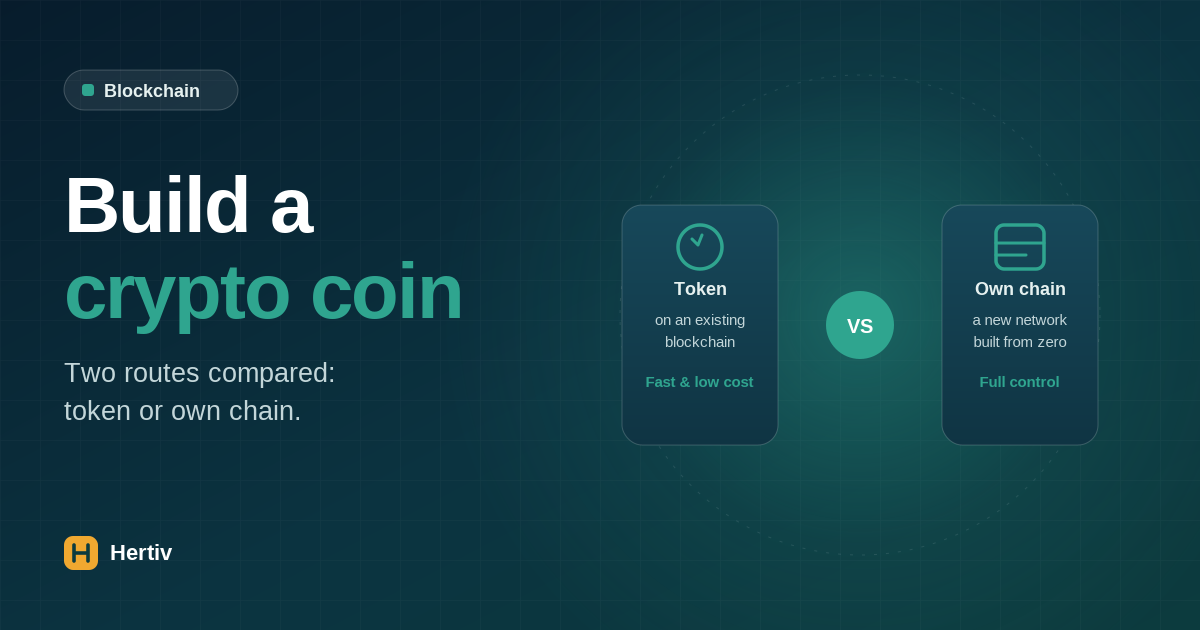
Businesses can build a crypto coin as a token on an existing blockchain or as a new blockchain of their own. Here is how the two ways compare on cost and time.
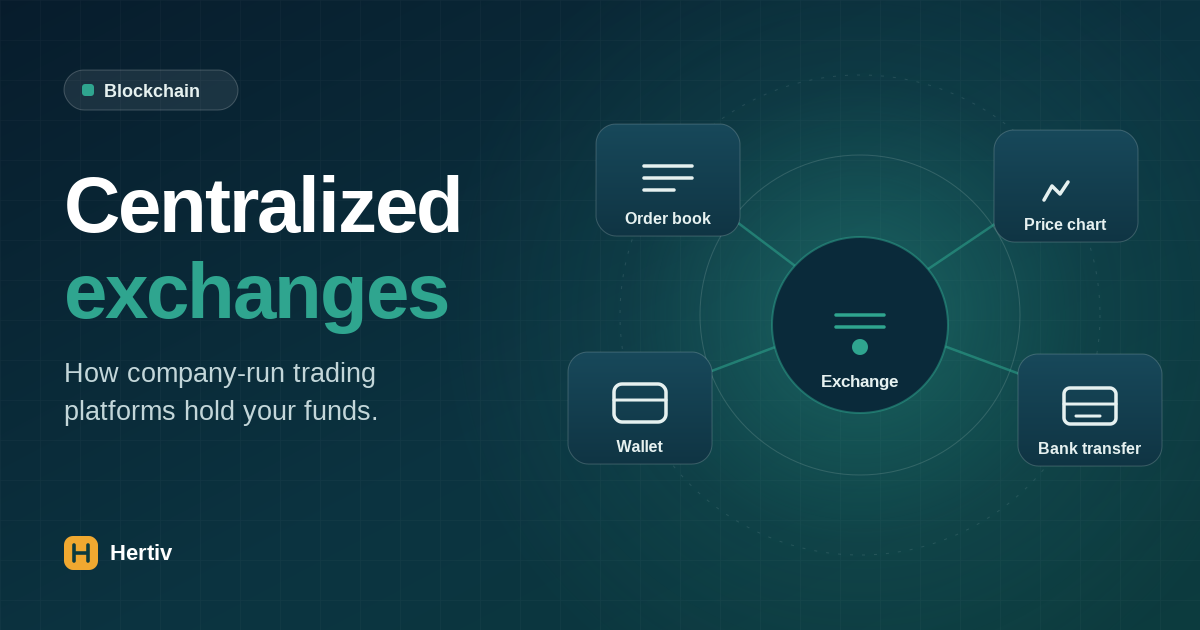
A centralized crypto exchange is a company-run platform that holds customer funds and matches trades in its own order book. Here is how it works.
Eight trends shaping centralized crypto exchanges, from proof of reserves and hybrid custody to AI risk monitoring, with the trade-offs of each.
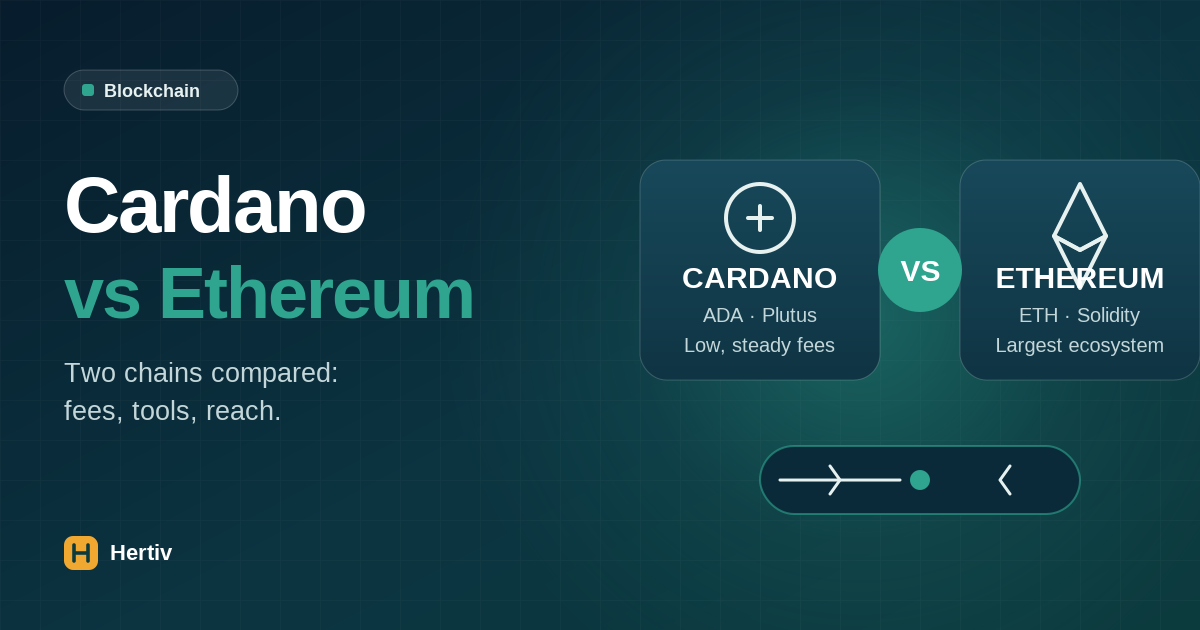
Cardano and Ethereum differ in design, fees, languages and ecosystem size. Compare consensus, costs and reach to pick the right chain for your project.
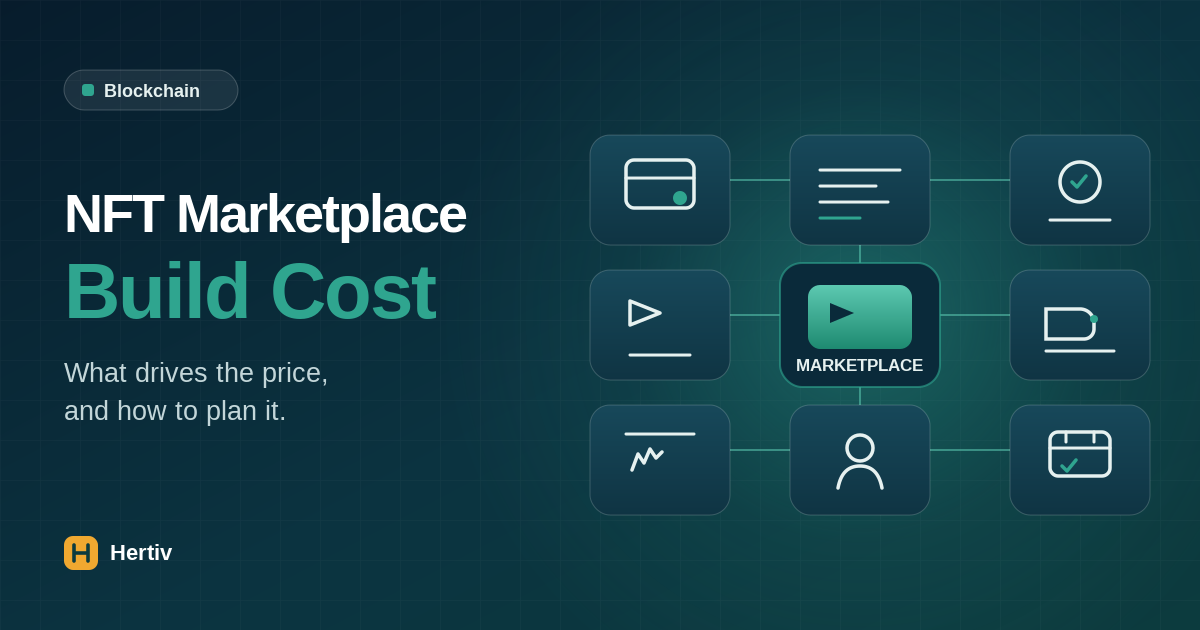
What drives an NFT marketplace build cost, what a first version includes, and how to plan a realistic budget around scope, chain, team and audit.
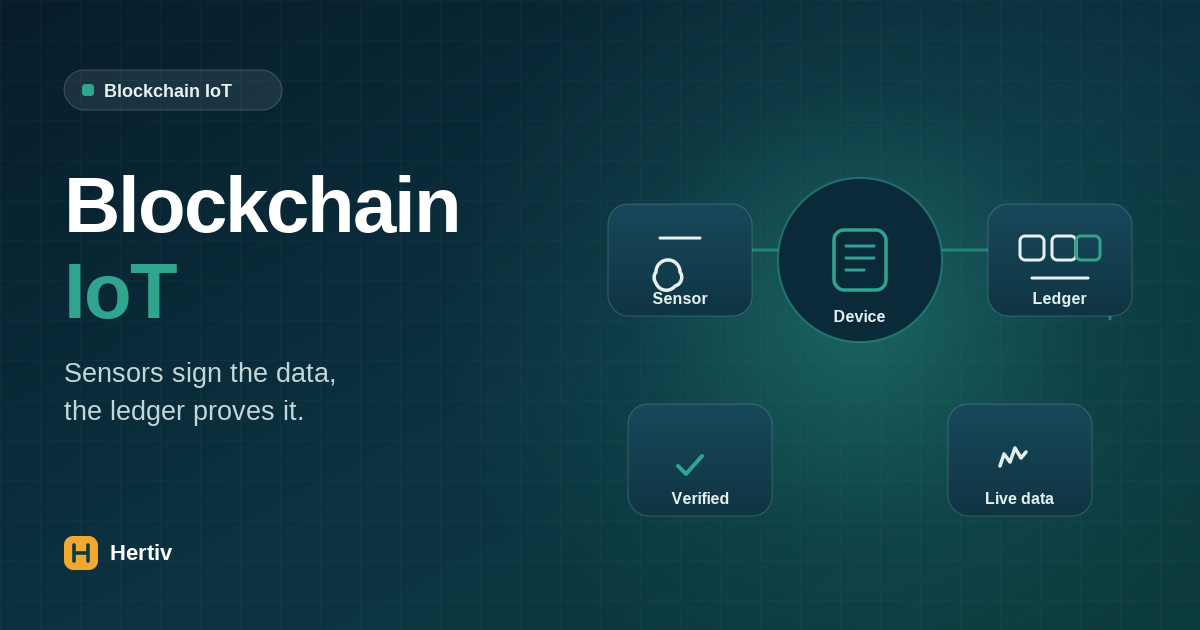
Blockchain gives IoT data a shared record no single party controls. Six use cases, from supply chains to smart grids, show where the combination earns its keep.
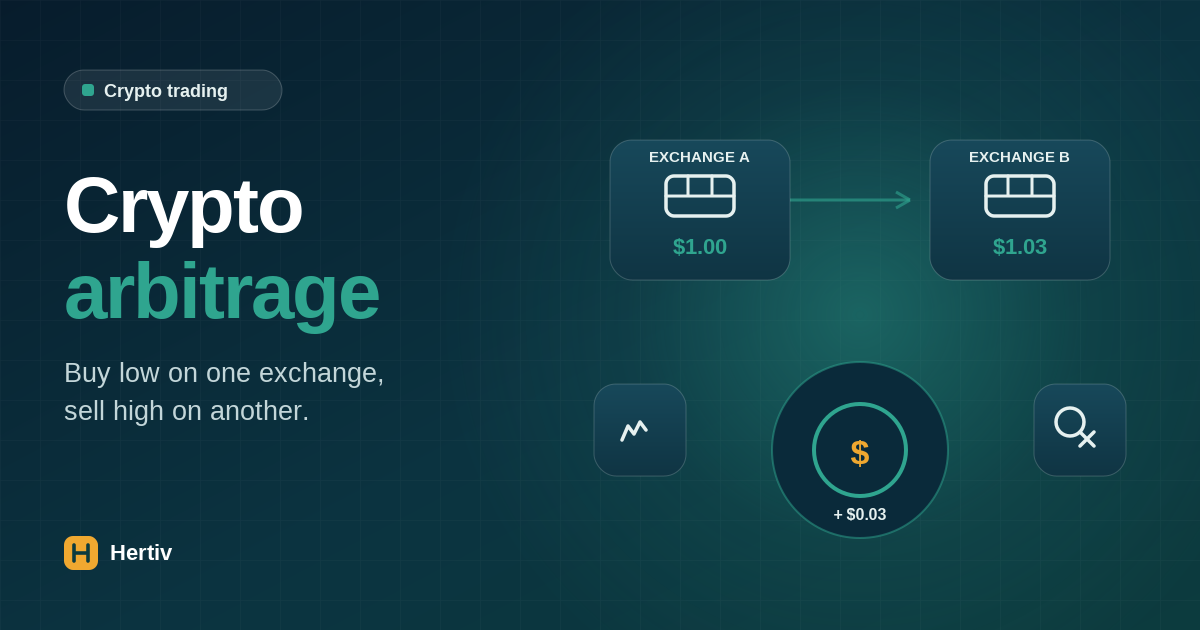
Crypto arbitrage buys a coin where it is cheaper and sells it where it costs more, keeping the gap. Learn how it works, what it costs, and where traders go wrong.
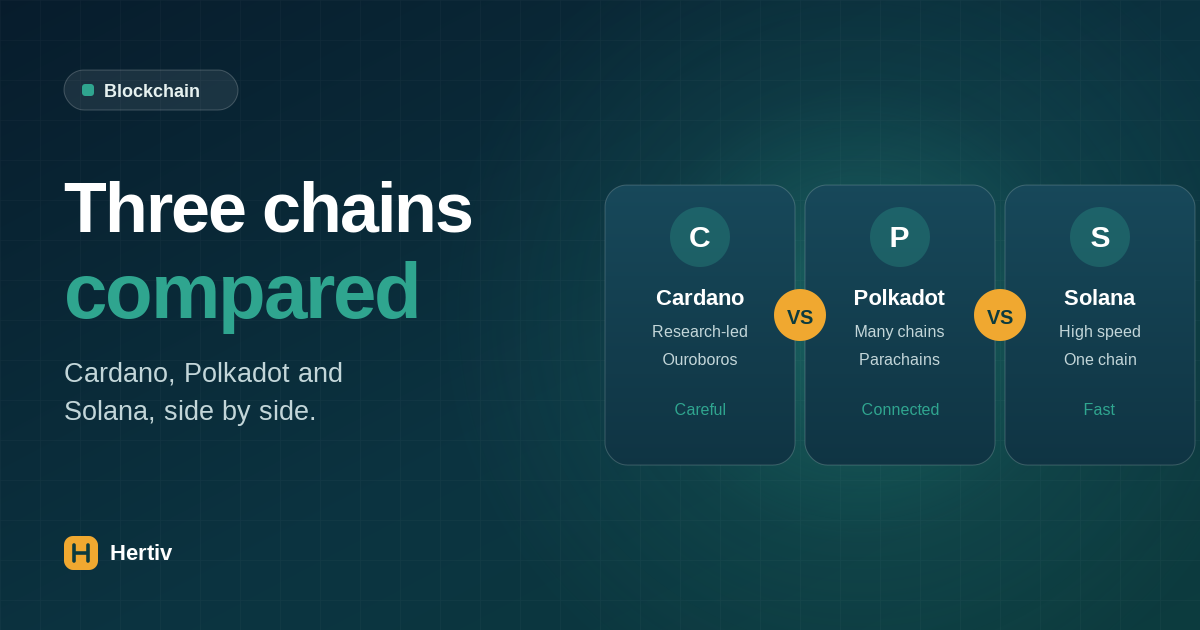
Cardano, Polkadot and Solana take three different approaches to speed, security and connecting chains. Compare their design, consensus and best uses.
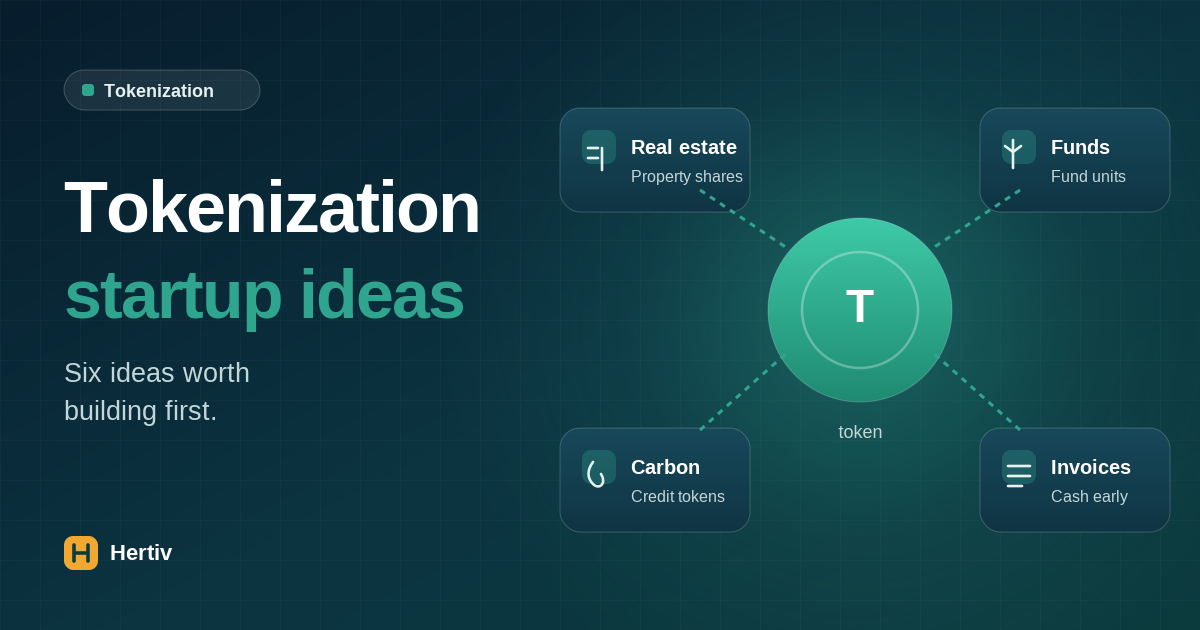
Six tokenization startup ideas, from real estate and funds to carbon credits and invoices. Compare the asset, the buyer and the hardest part of each one.
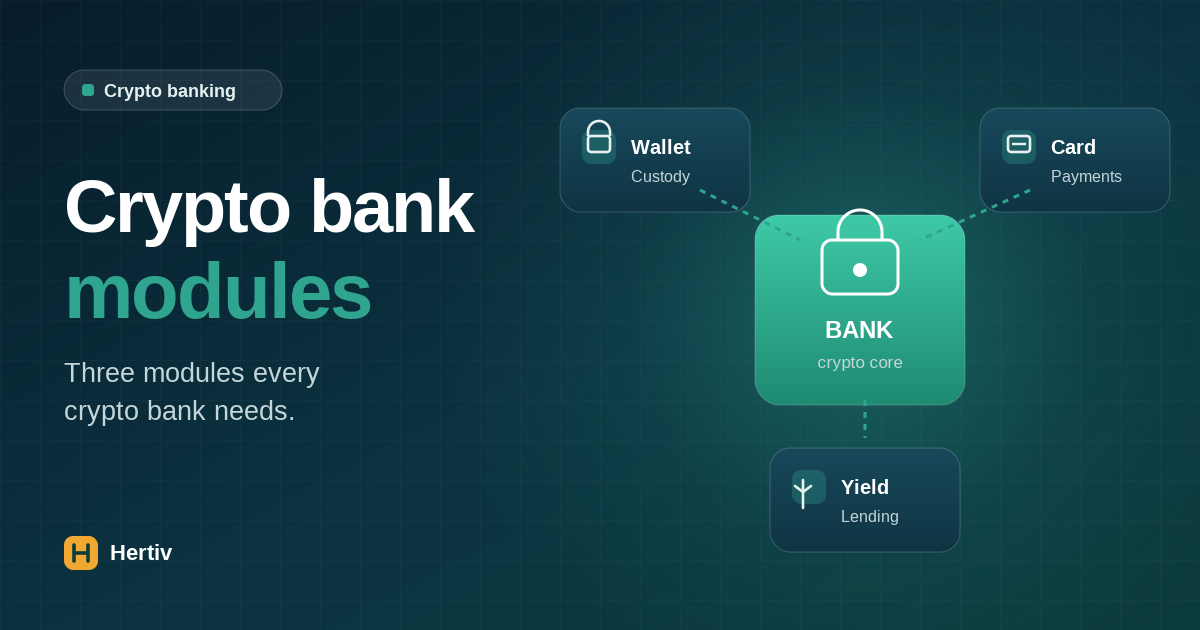
Crypto bank software usually ships as three modules: custody, payments and cards, and lending and yield. Compare each one and which to build first.
No posts on this page match. Use site search (Ctrl K) to search every post.
A senior engineer reads every request and replies within one business day with questions, a rough range, or a call link.