Blockchain
Polygon Development Companies for Startups: 6 to Shortlist
These six Polygon development companies build DApps, tokens and wallets for startups. Compare what each one is best for before you shortlist.
Practical guides on tokenization, stablecoin payments, wallets and smart contracts.
1658 posts · page 62 of 70
These six Polygon development companies build DApps, tokens and wallets for startups. Compare what each one is best for before you shortlist.
A DEX is a crypto exchange that runs on smart contracts, so you trade from your own wallet. Learn how pools set prices, what it costs, and the risks.
Multi-chain means an app runs on several chains at once; cross-chain means value or data moves between them. Here is how they differ and when to use each.
A crypto exchange holds other people's money, so its security features are the product. These six are the ones to check before you trust an exchange or build one.
The RWA tokenization companies worth shortlisting for a startup are the ones with live products, clear compliance support and pricing a small team can plan around.
Enterprise blockchain is a private ledger shared by known companies to record transactions, track assets and settle payments from one agreed record.
Next.js is a framework built on Node.js, not a rival to it. Learn what each one does, when to use each, and how to pick the right stack.
ERC-721 is the Ethereum standard for unique tokens: one token, one owner, one identity. Learn how it works, what it powers, and where it falls short.
An IDO launchpad lets new token projects raise funds from the public while giving buyers early access. Here are six advantages of building one.
DePIN networks pay people in tokens for sharing wireless coverage, storage and computing power. Here are six projects worth watching.
Node.js runs JavaScript on a server, while Angular builds web apps in the browser. This guide compares them so you can pick the right tool for your project.
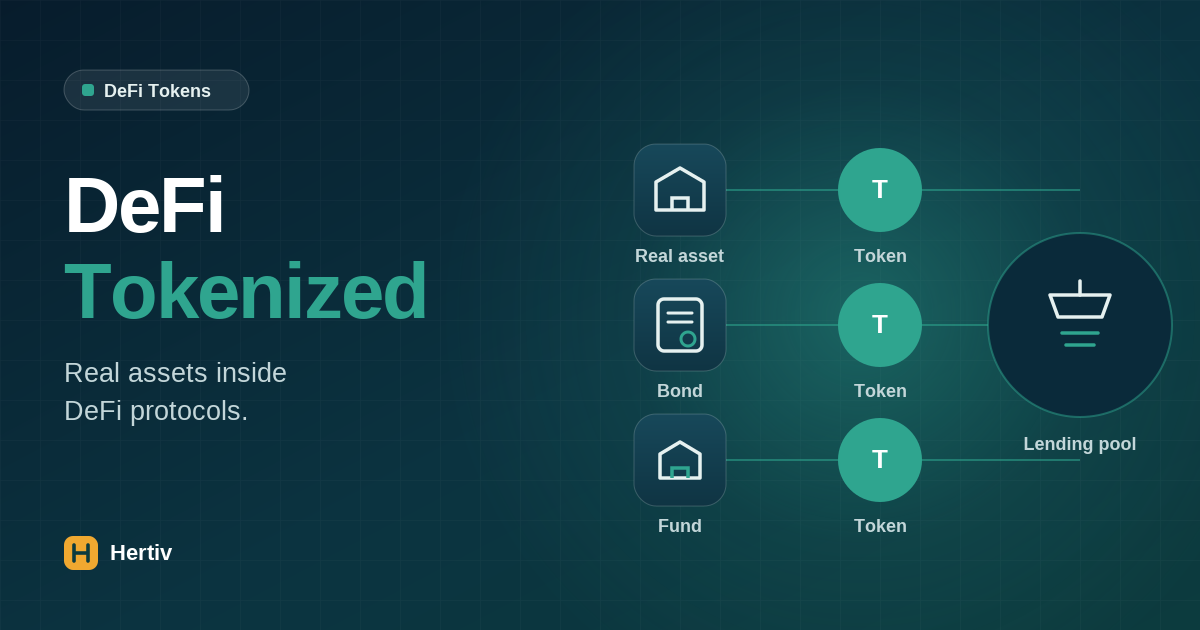
Tokenized assets can be lent, traded and used as collateral inside DeFi protocols. Here is how that works, where it helps, and what can go wrong.
Ethereum is a public blockchain that runs programs called smart contracts. Learn how it works, what ether is for, and where it fits next to Bitcoin.
Node.js and PHP both power real production apps, but they suit different teams and workloads. Compare speed, hiring, tooling and cost to pick the right one.
Six tips for creating NFT collectibles people want: a clear theme, consistent art, a small first supply, real utility, fair pricing and a launch plan that lasts.
Fund tokenization records shares in an investment fund as digital tokens on a blockchain, so transfers settle in minutes and the register stays current.
Polygon and Arbitrum both cut Ethereum costs, but differ in security, fees and withdrawals. Compare the trade-offs and pick the chain that fits what your app holds.
Six Solana development companies worth shortlisting, with what each one is good for, the questions to ask, and how to check live Solana work before you sign.
Gas fees are the cost of running a transaction on a blockchain. Learn what sets the price, why it changes through the day, and how to keep it low.
Tokenized property lets you buy a slice of one building; traditional investment means the whole property, a fund or shares. How they differ on cost and control.
Cryptocurrency development covers coins, tokens, smart contracts, wallets, exchanges, DeFi and NFT platforms. Here is what each type builds and when to use it.
DeSci tokens fund open science through DAOs and tokenised research. These six platforms show how funding, peer review and IP ownership work onchain.
Hedge fund tokenization puts fund shares on a blockchain as tokens, so investors can buy, hold and transfer them onchain while the fund keeps working as before.
Six asset tokenization trends shaping banks, financial services and insurers: tokenised deposits, funds, bonds, insurance and the settlement rails behind them.
No posts on this page match. Use site search (Ctrl K) to search every post.
A senior engineer reads every request and replies within one business day with questions, a rough range, or a call link.