Blockchain
What Is a Multisig Wallet, and How Does It Work?
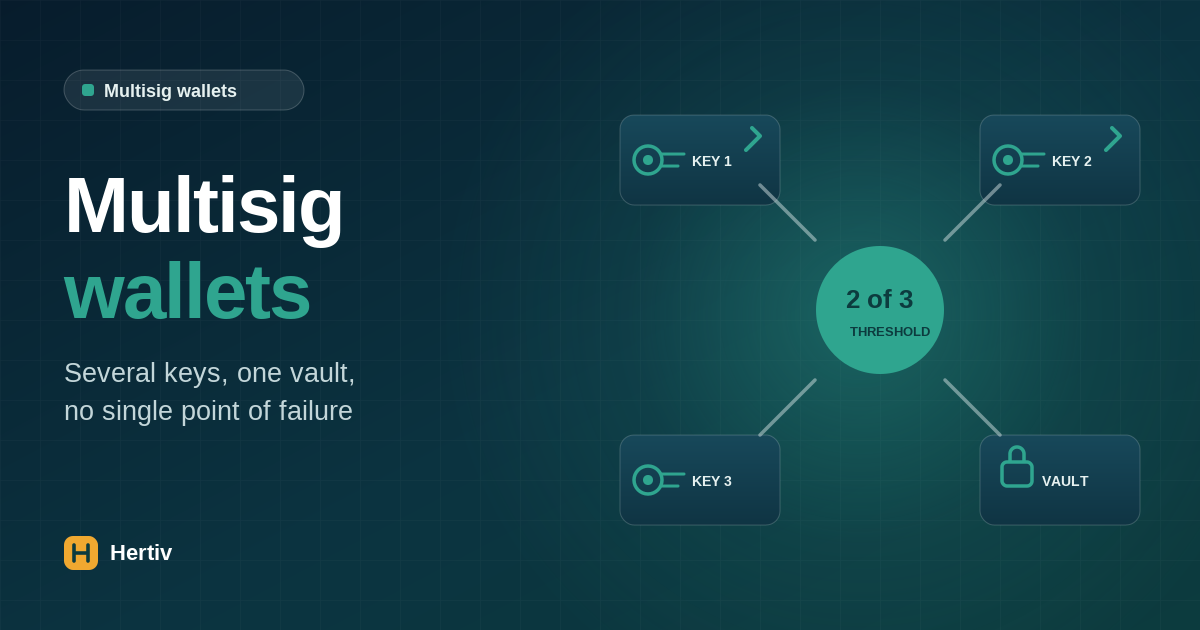
A multisig wallet needs more than one key to approve a transaction, so no single person or device can move the funds alone. Here is how the signing rules work.
Practical guides on tokenization, stablecoin payments, wallets and smart contracts.
1656 posts · page 64 of 69
A multisig wallet needs more than one key to approve a transaction, so no single person or device can move the funds alone. Here is how the signing rules work.
DApp development builds apps that run on a blockchain instead of one company's servers. Here is what it is, why teams build them, and six trends to watch.
Tokenization lets many small investors buy into an asset, while traditional fundraising relies on banks and funds. Here is how the two compare.
NFT minting turns a digital file into a unique token on a blockchain, with a public record of who made it and who owns it. Here is how it works and what it costs.
Tokenised real estate gives you tokens in one building; a REIT gives you shares in a company with many. This guide compares ownership, income, costs and control.
Starting a cryptocurrency bank takes a licence, banking partners, custody and compliance. Here are the eight steps in order, and the mistakes that stop most teams.
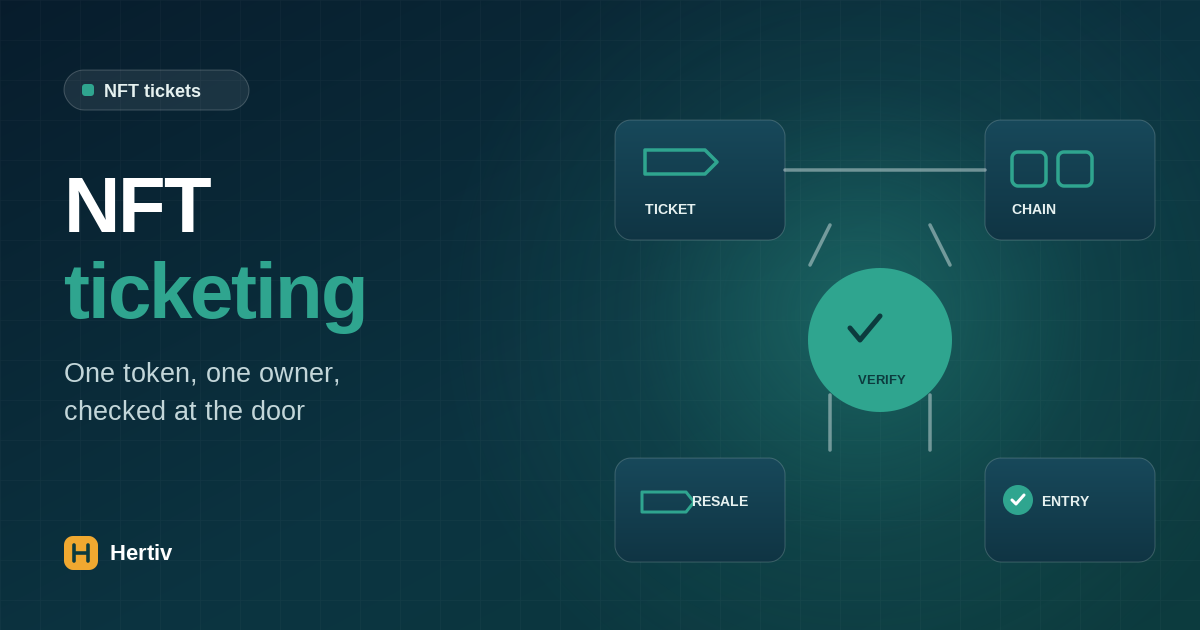
NFT ticketing turns an event ticket into a token on a blockchain, so the organiser can prove it is real and control how it is resold.
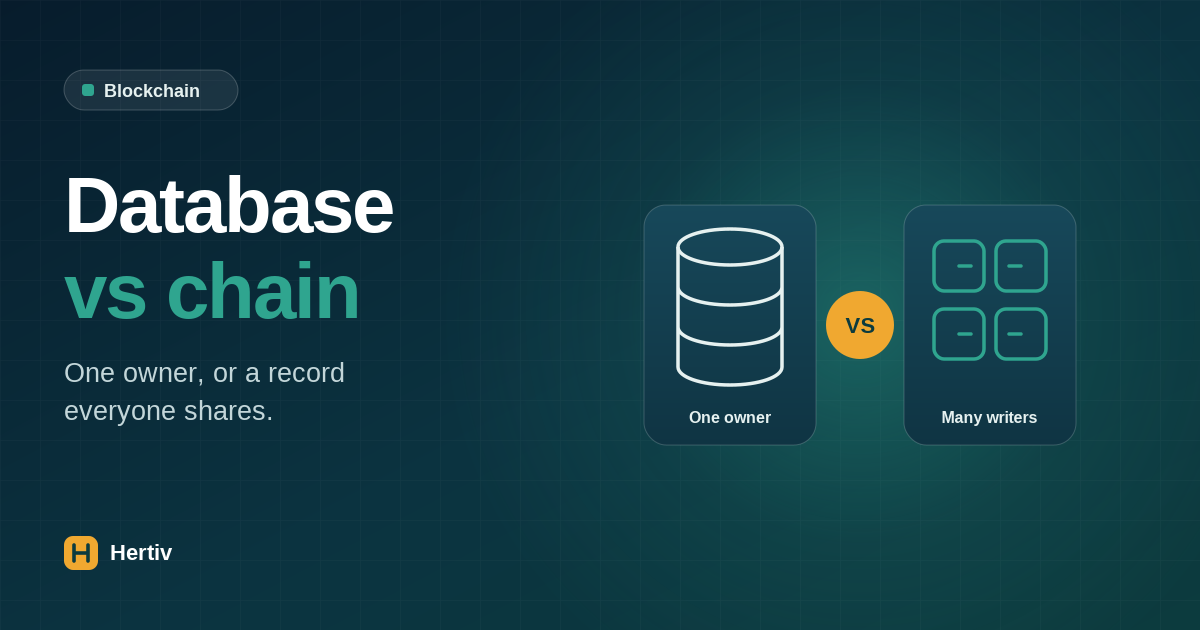
Use a database when one owner controls the data; use a blockchain when several parties must share one record without a middleman. It comes down to trust.
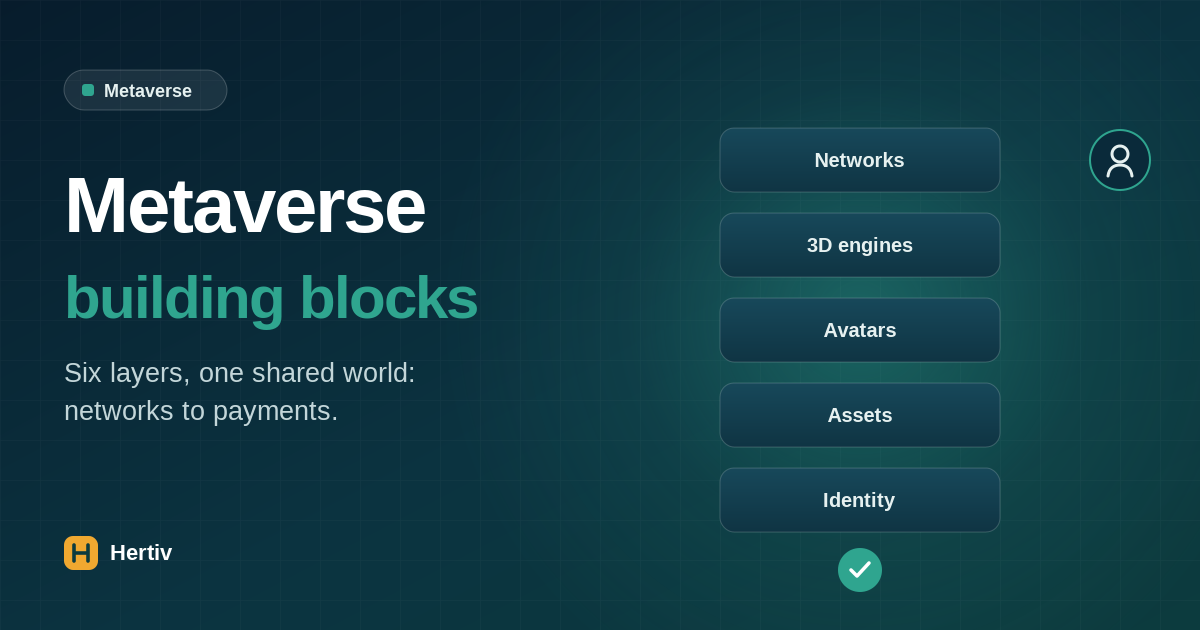
The metaverse rests on six building blocks: networks, 3D engines, avatars, digital assets, identity and payments. Each one must work before the world feels real.
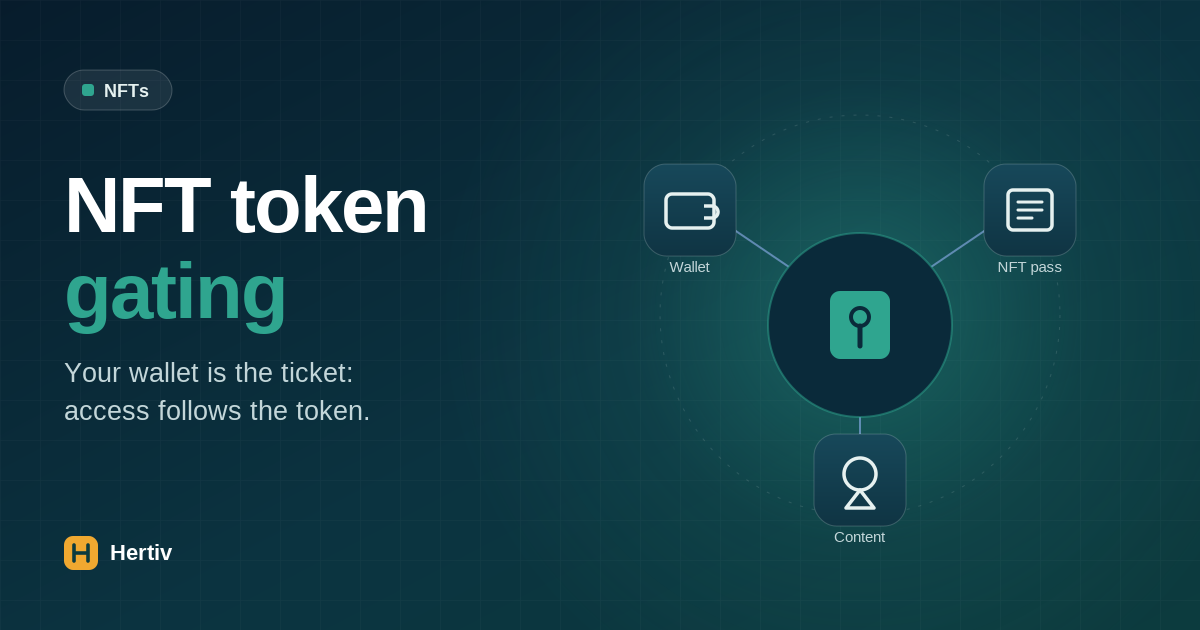
NFT token gating gives holders of an NFT access to content, events or products. The app checks the wallet, not a password, and access ends when the token is sold.
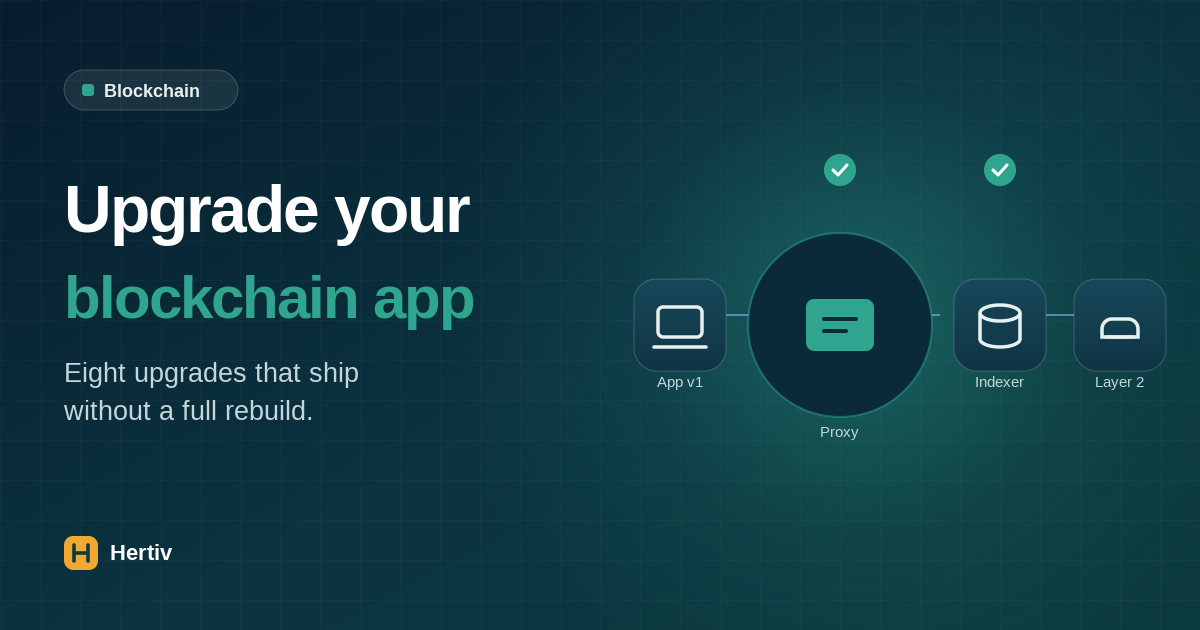
Eight practical upgrades for a live blockchain app: proxy contracts, indexers, gasless transactions, layer-2 support and better monitoring, without a full rebuild.
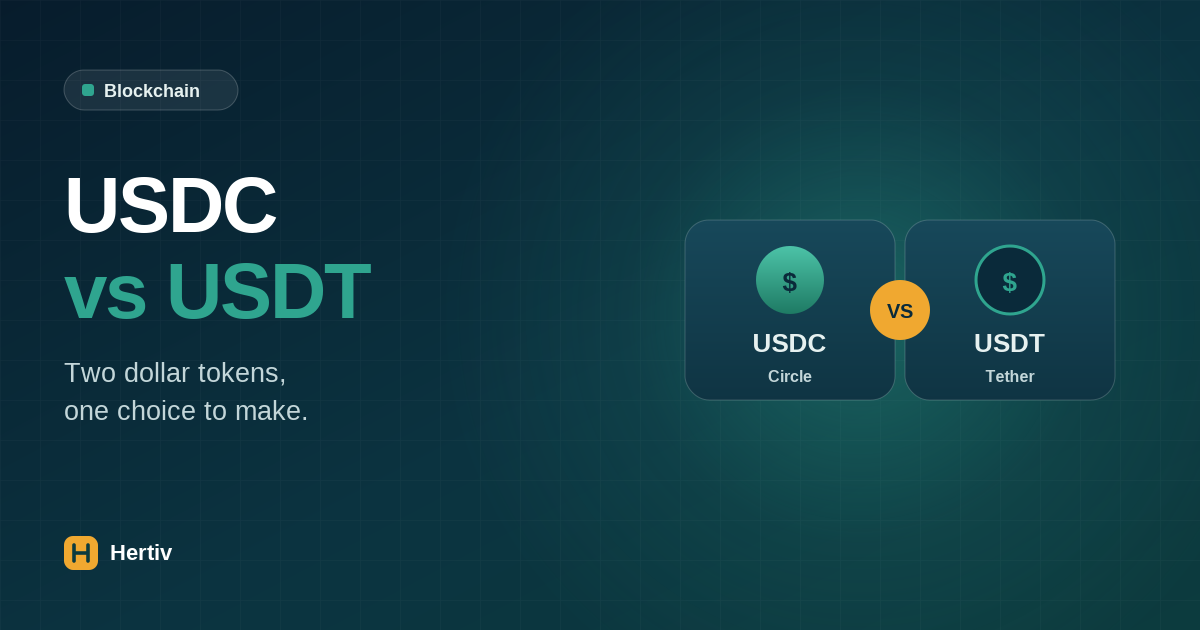
USDC, issued by Circle, is the more transparent stablecoin; USDT, issued by Tether, is the most widely traded. Which fits depends on your use.
AI discovery, cross-chain trading, fractional ownership, dynamic NFTs, gasless minting and phygital previews: the six NFT trends that change what to build.
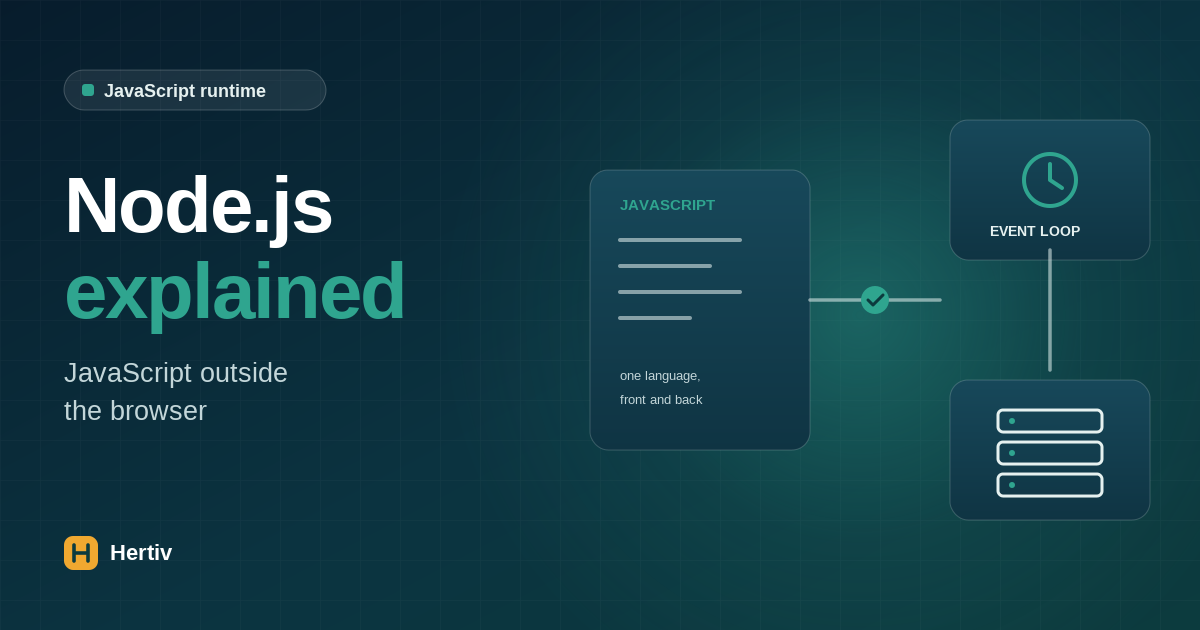
Node.js runs JavaScript outside the browser, so one language can power the server and the app. Here is how it works and when it fits.
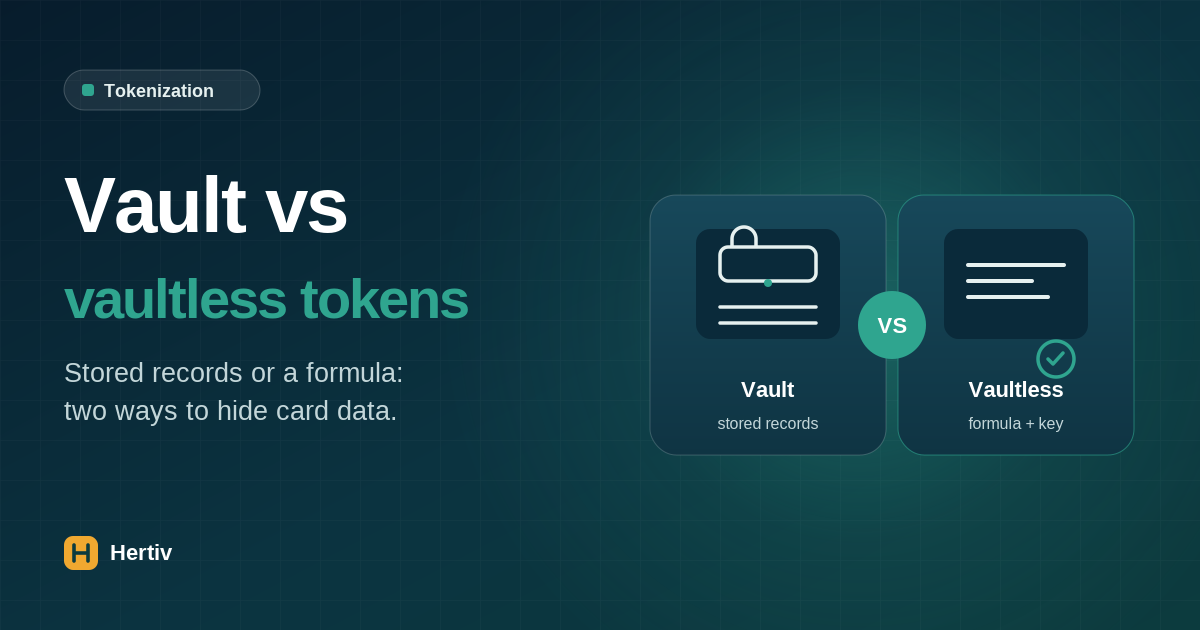
Vault tokenization stores card data in a secure vault; vaultless tokenization replaces it with a mathematical token. Here is how each works and when to use it.
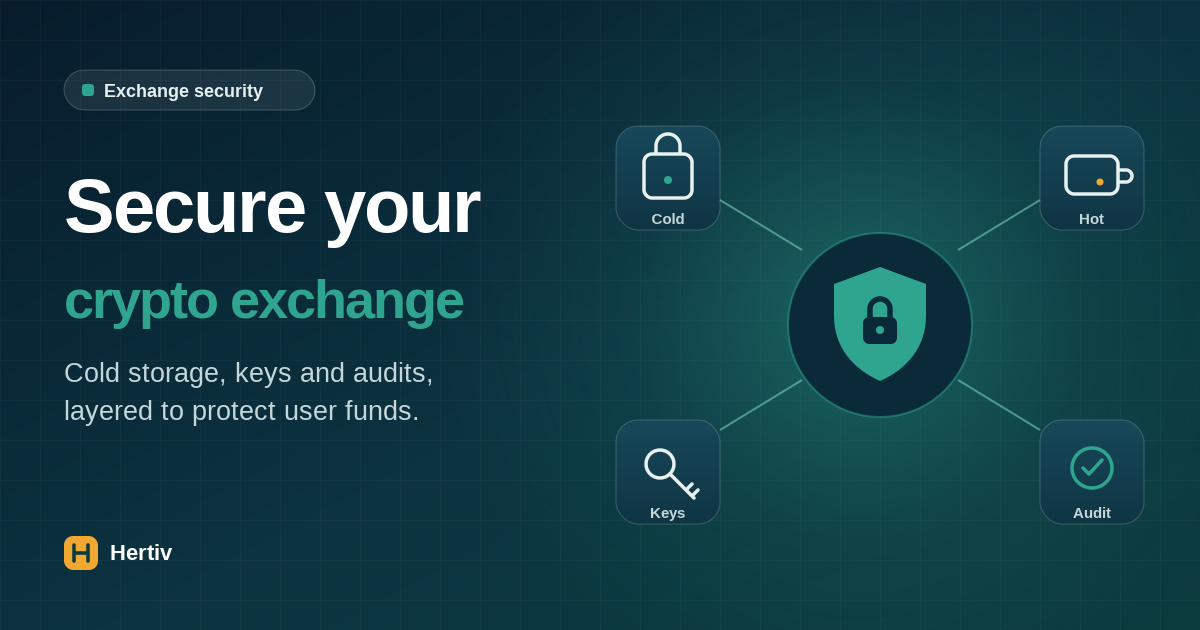
A cryptocurrency exchange holds people's money, so security is the product. These eight measures cover cold storage, keys, access controls and incident response.
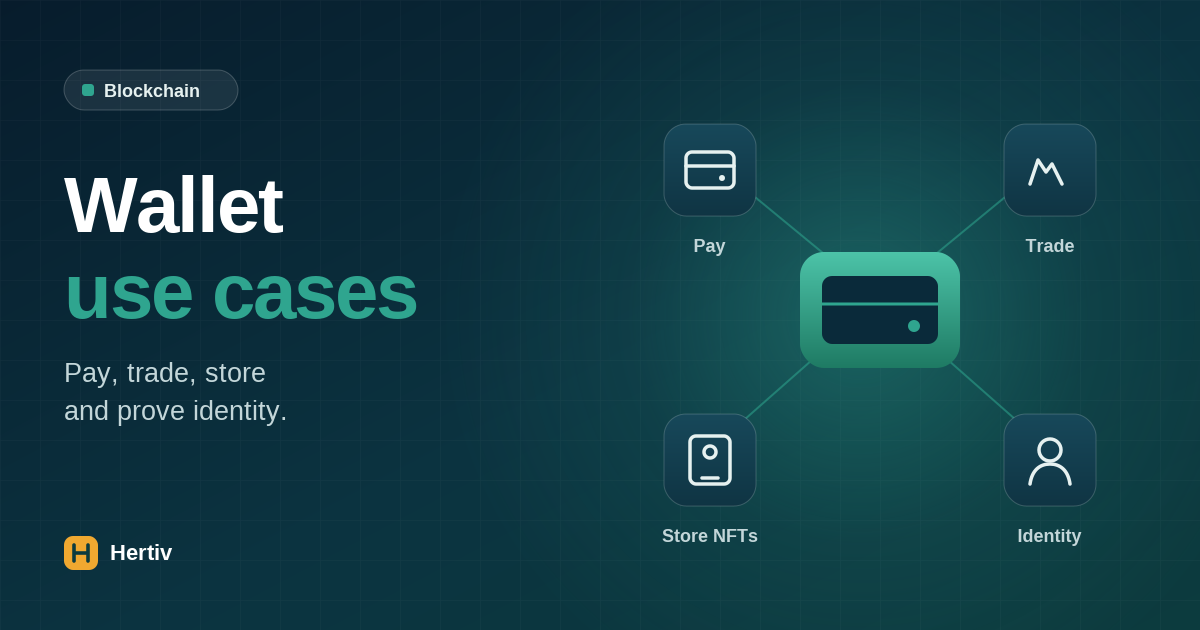
Crypto wallets do more than hold coins: they pay merchants, connect users to DeFi, store NFTs, sign in without passwords and manage company treasuries.
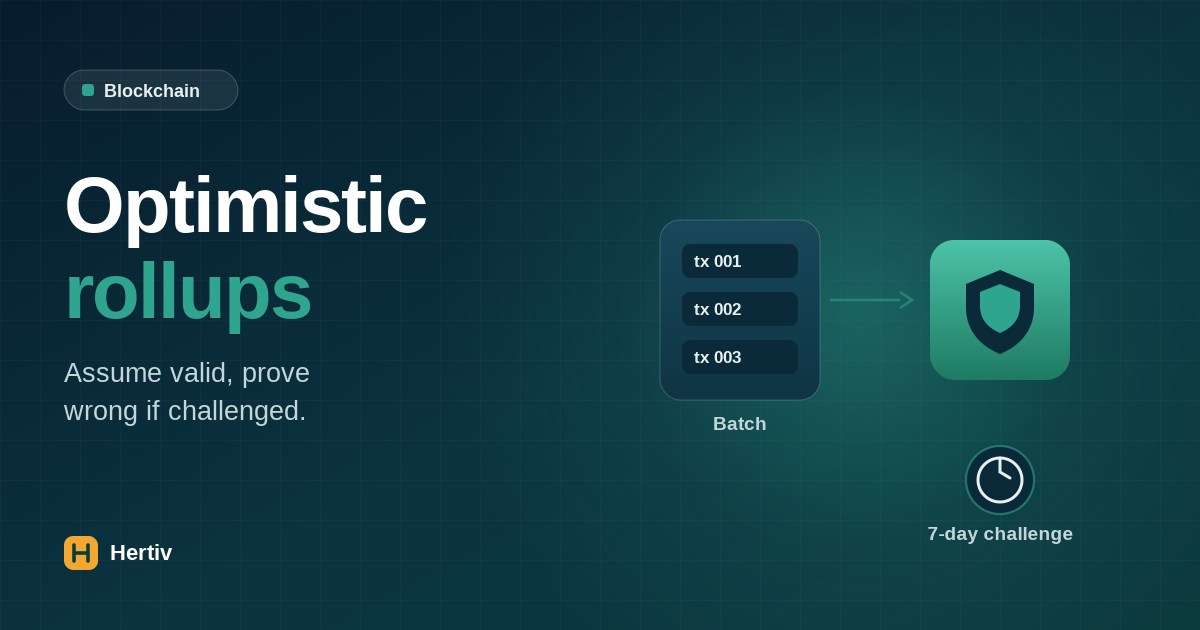
An optimistic rollup bundles transactions off-chain and assumes they are valid unless challenged. Fees fall sharply, but withdrawals wait out a challenge period.
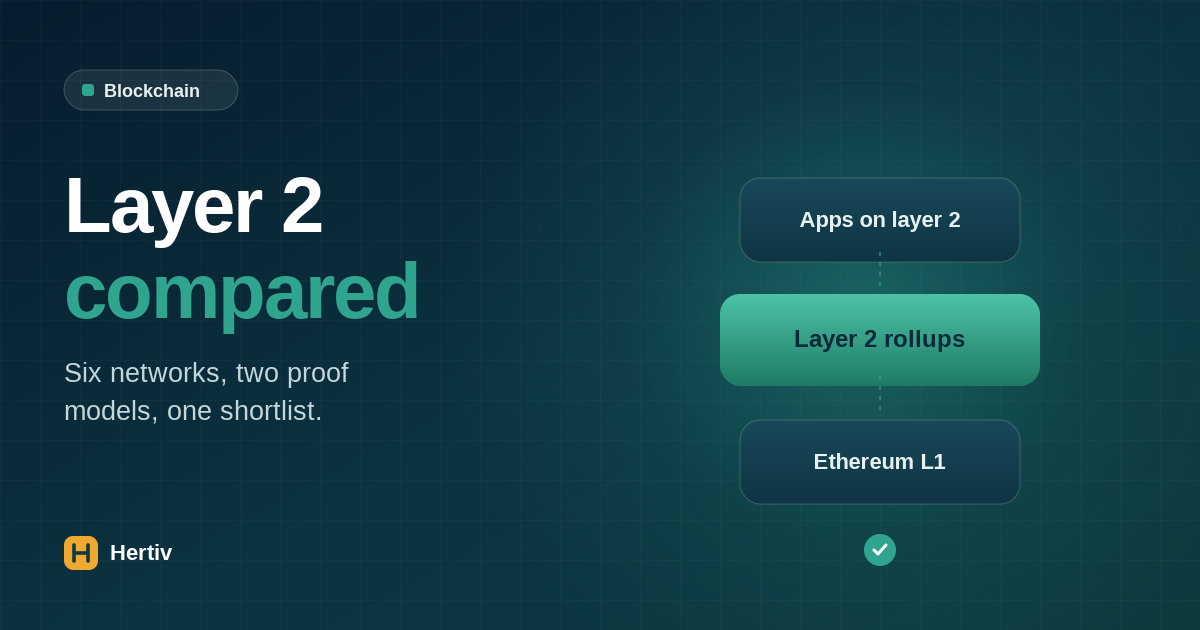
Arbitrum One, Optimism, Base, Polygon zkEVM, zkSync Era and Starknet compared: rollup type, EVM support and which kind of app each one fits best.
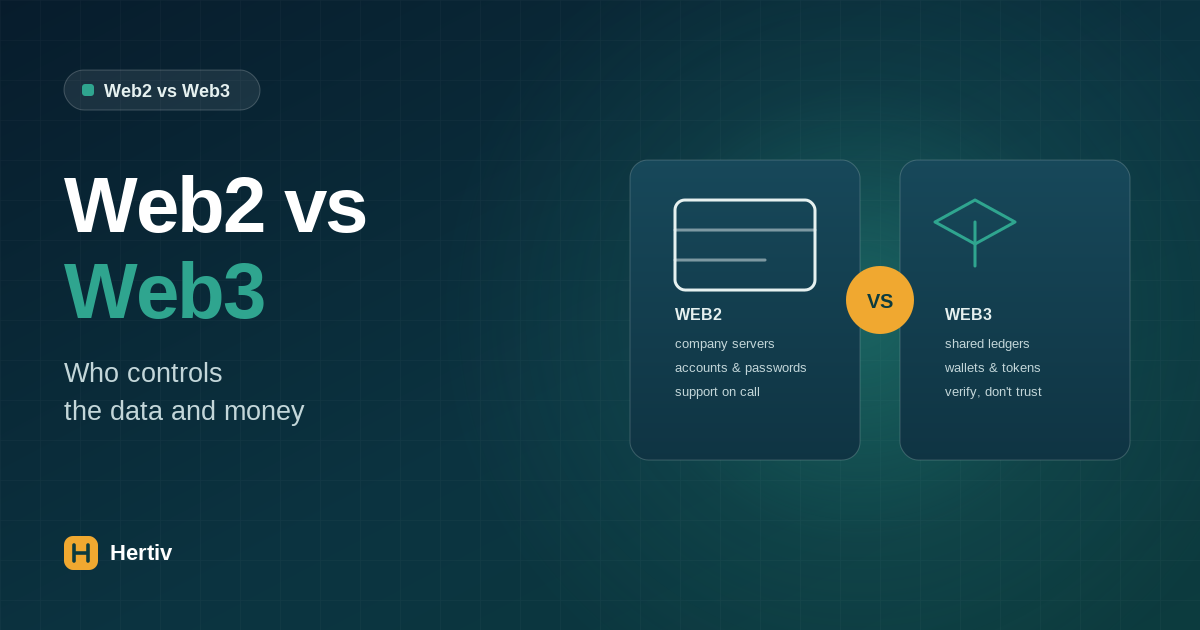
Web2 runs on company servers and accounts; Web3 runs on shared ledgers and wallets. The difference that matters is who controls the data, the identity and the money.
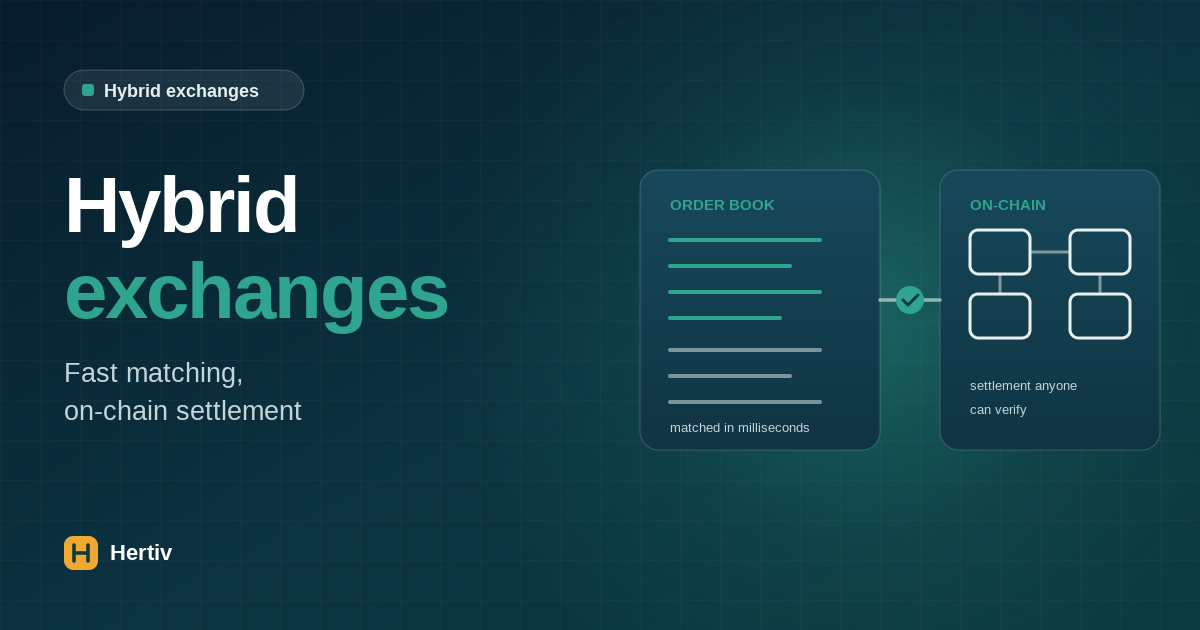
Hybrid exchanges combine centralised order books with on-chain settlement. Six trends, from MPC custody to cross-chain routing, shape the next builds.
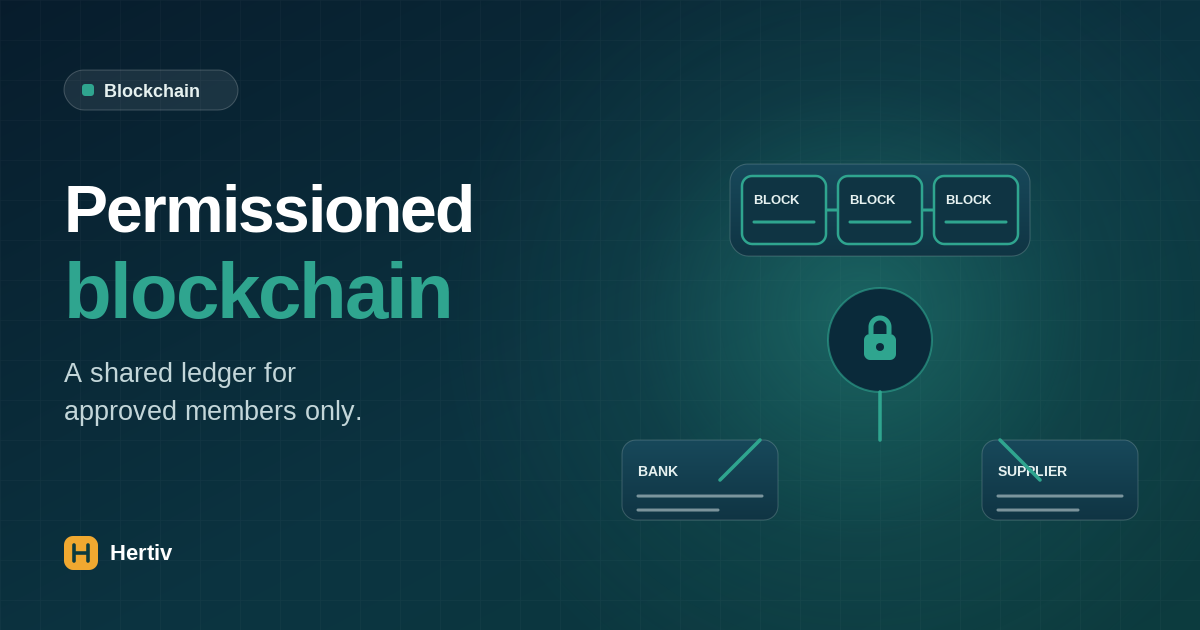
A permissioned blockchain is a ledger where only approved organisations can read, write or validate. Learn how it differs from public chains and when one fits.
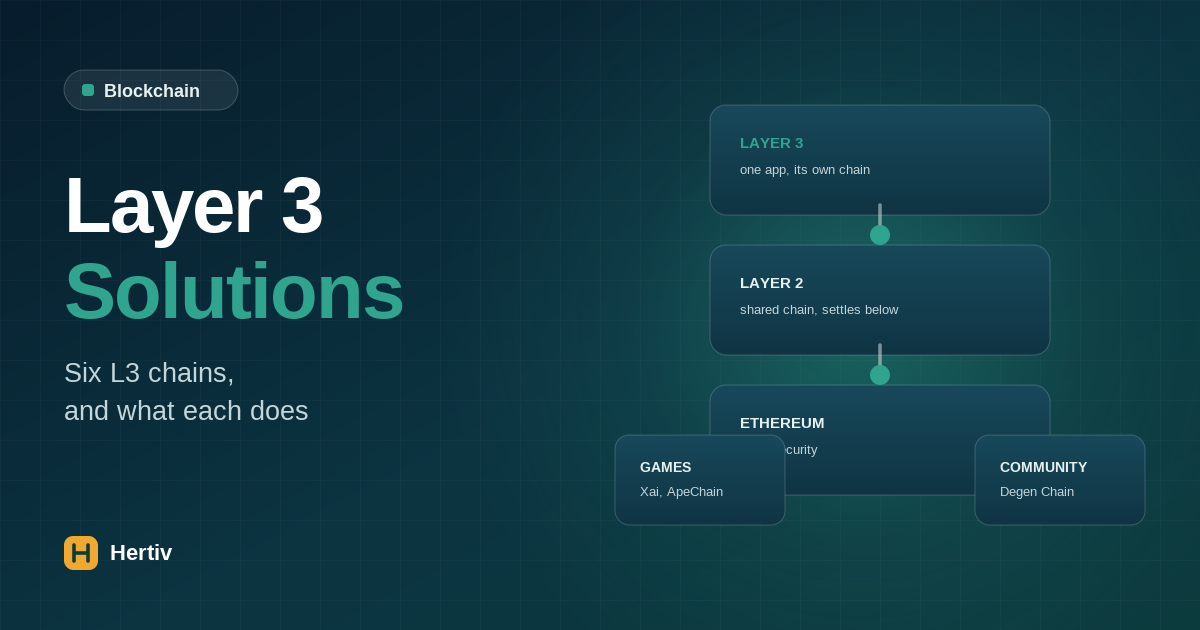
Layer 3 chains give one app its own block space on top of a layer 2. Compare six live solutions, from game chains to app-specific ZK chains, and pick the right one.
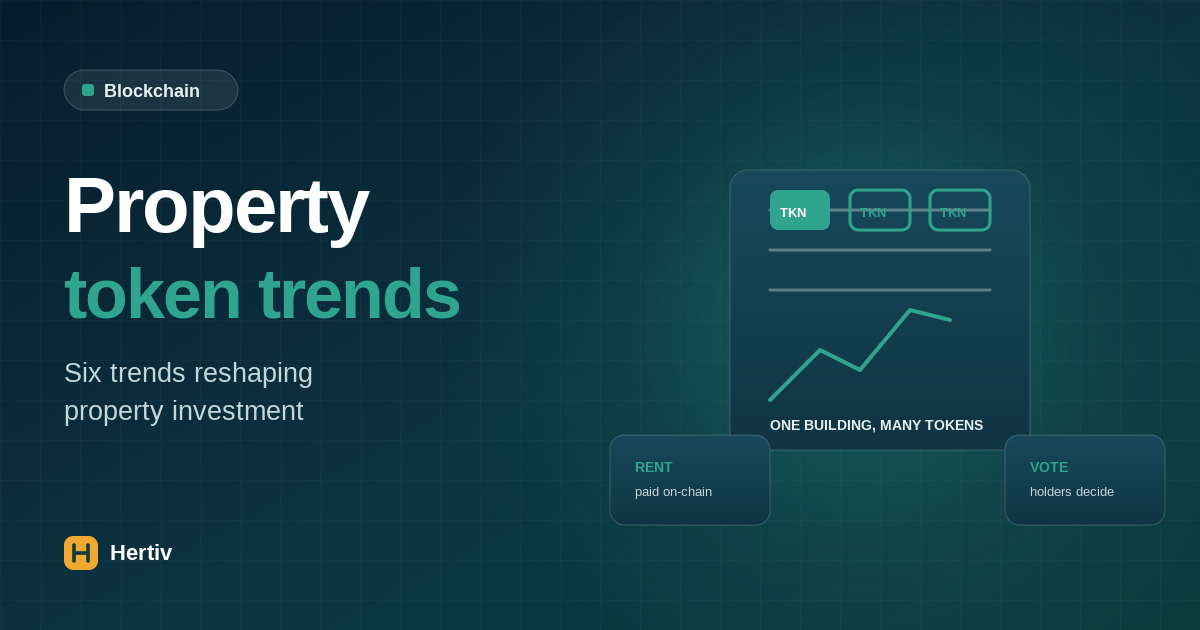
Real estate tokenization is moving from pilots to live deals. These six trends show where the market is heading and what builders and investors should watch next.
No posts on this page match. Use site search (Ctrl K) to search every post.
A senior engineer reads every request and replies within one business day with questions, a rough range, or a call link.