Blockchain
Best Ways to Build Your Own Crypto Exchange Software
Six ways to build crypto exchange software compared on time, cost, control and compliance, from a custom build to a white-label platform.
Practical guides on tokenization, stablecoin payments, wallets and smart contracts.
1654 posts · page 2 of 69
Six ways to build crypto exchange software compared on time, cost, control and compliance, from a custom build to a white-label platform.
Gas fees are lowest when you read the fee estimate first, time the transaction for a quiet hour and use a layer 2 chain. Here is how to do each one.
Eight DeFi platforms compared on what they do best: swapping, lending, stablecoin savings and staking, with the risks to check before you put funds in.
Stablecoin rules now differ by country: the US GENIUS Act, EU MiCA, Singapore, Hong Kong and the UAE each set their own licensing, reserve and disclosure duties.
Hong Kong now licences issuers of fiat-referenced stablecoins under its Stablecoins Ordinance. Learn who needs a licence, what it requires and who can offer coins.
Open source blockchain analytics tools cover tracing, indexing, explorers and dashboards without a licence fee. Here are eight that work, and where each one fits.
Hyperledger Fabric best practices cover endorsement policy, channel design, identity hygiene and upgrades. They keep a permissioned network running after launch.
Open source crypto compliance tools cover screening, tracing and Travel Rule messaging without a licence fee. Here are eight that work, and where each one fits.
A security token offering turns a regulated asset into tradable tokens. Here is the launch sequence — and the mistakes to avoid.
Layer 2 best practices cover design choice, bridge safety, upgrade keys, fees and monitoring. Here is how teams run a layer 2 well without losing funds or users.
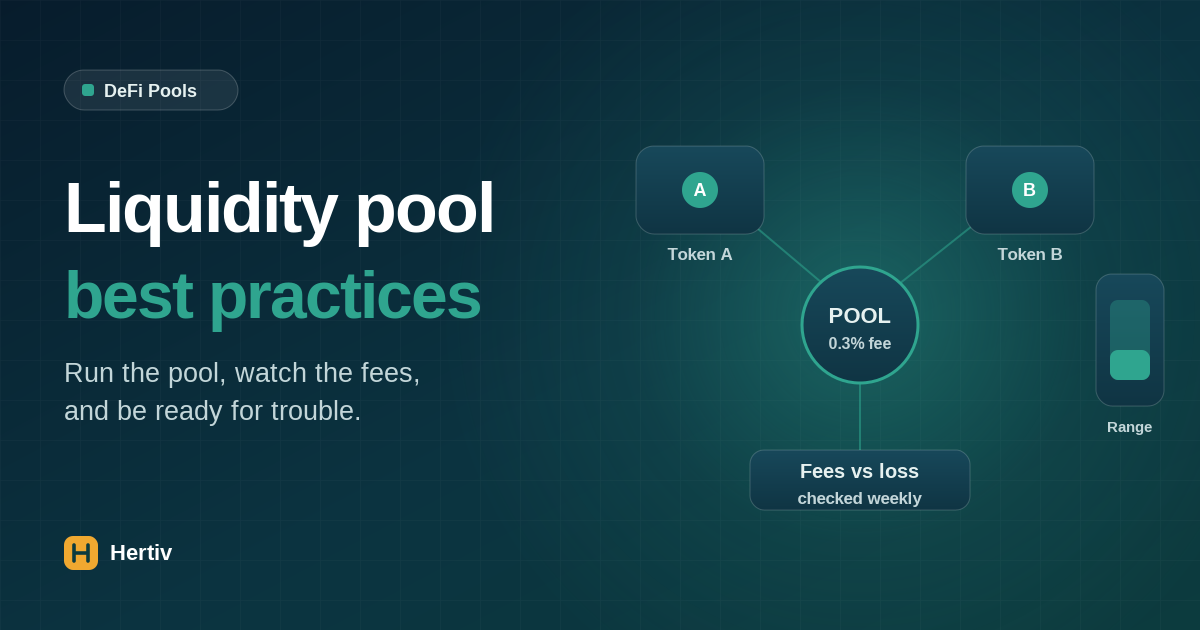
Running a liquidity pool well means choosing the right design, watching fees against losses, and having a plan for emergencies.
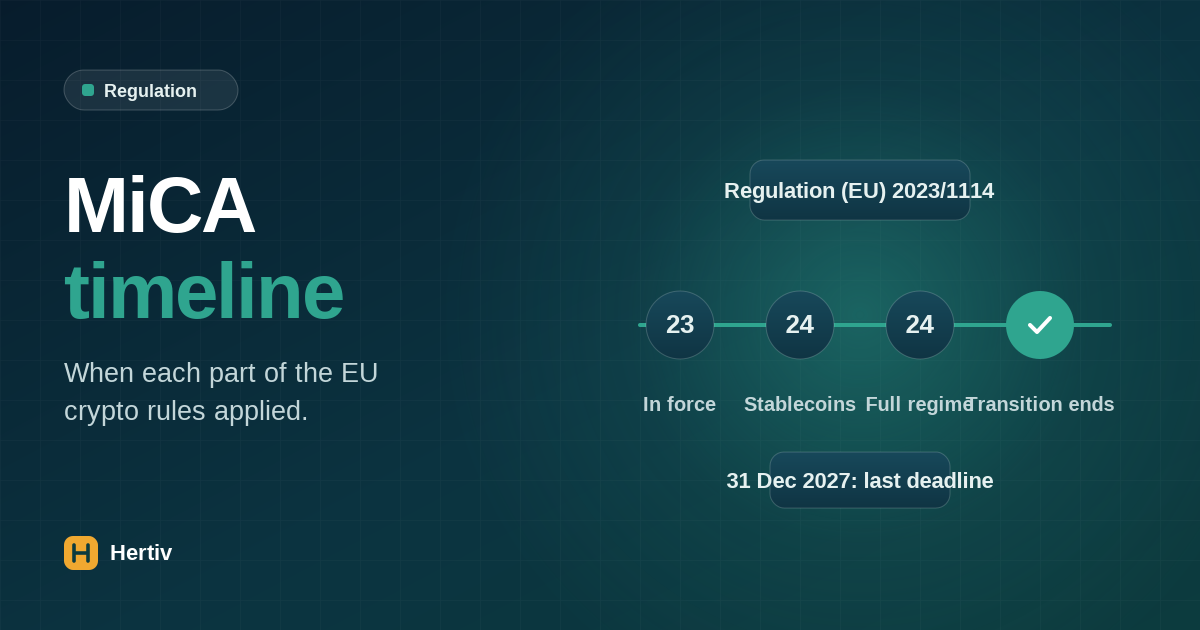
MiCA applied in stages: stablecoin rules from 30 June 2024, the full regime from 30 December 2024, and the last transitions ending 1 July 2026.
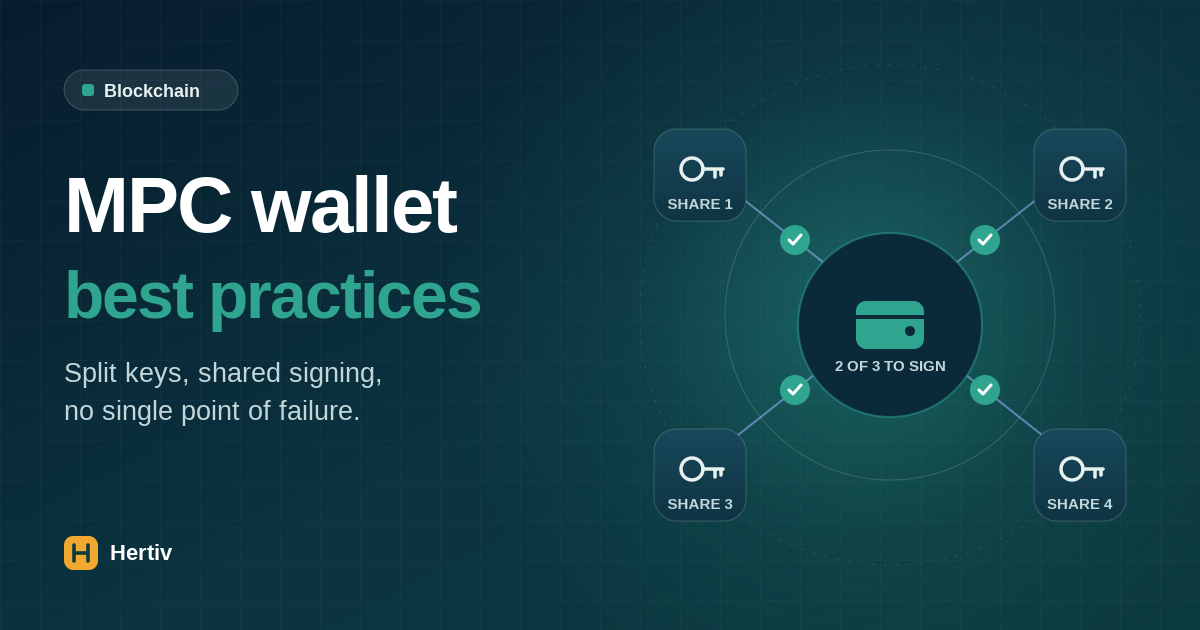
MPC wallet best practices cover threshold choice, key-share custody, signing rules, recovery tests and audits. Follow them to keep shared signing safe.
These eight open source platforms cover the full tokenization stack, from compliant token standards to the chain itself. Compare them before you build.
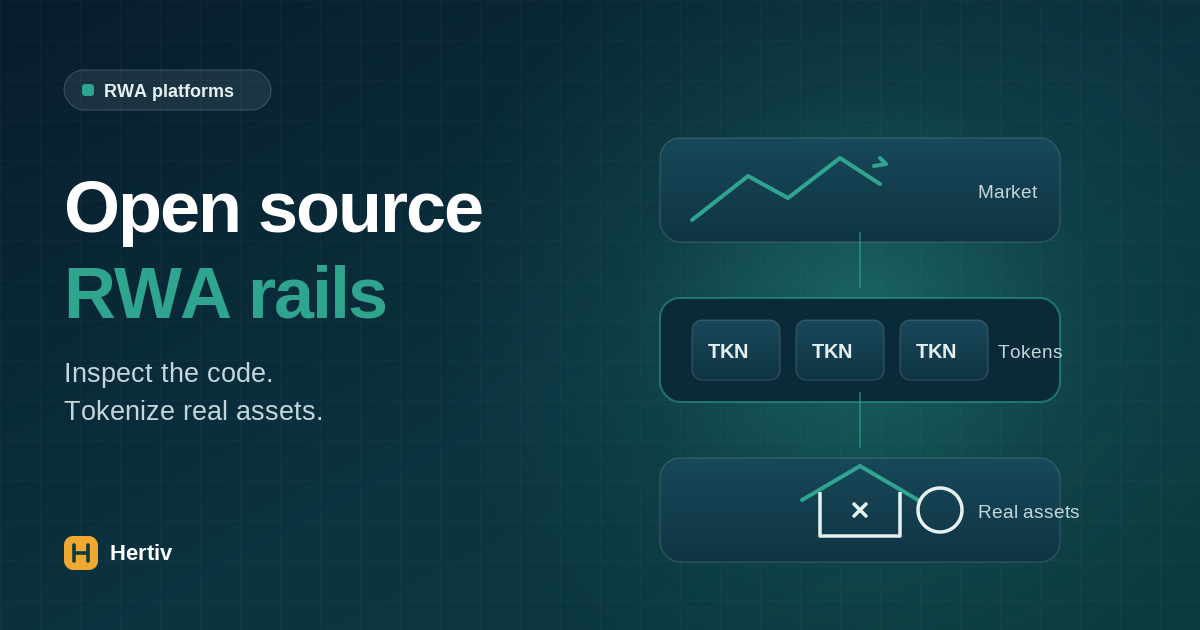
Open source RWA platforms let teams inspect the code that moves real-world assets on-chain, from fund shares to private credit, without paying for a closed stack.
Web3 gives real estate shared records, token shares and contract-driven settlement, so deals that once took weeks of paper checks can move in days.
Open source security token platforms give teams the code, the standards and the control to issue regulated tokens without a closed stack. Here are eight to compare.
DeFi brings lending, fractional ownership and faster settlement to property deals, but only some use cases are ready for real money. Here are eight that work.
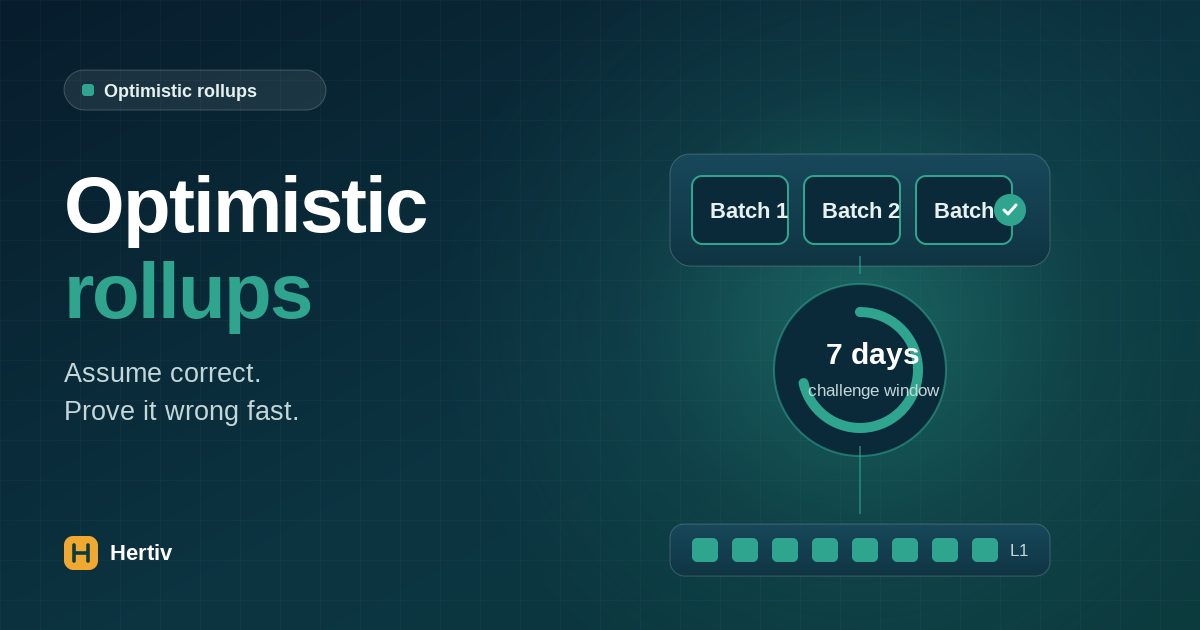
Running an optimistic rollup well means watching the sequencer, keeping fraud proofs ready and planning upgrades in advance. Here is how each part works.
The best open source smart contract development tools are free, maintained and runnable on your own machine: frameworks, analysers, a linter and audited code.
Proof of stake best practices protect your stake from slashing, downtime and key theft. This guide covers validator setup, key safety and monitoring.
Eight open source web3 development tools worth learning, from Hardhat and Foundry for contracts to Ethers.js and The Graph for apps and data.
NFTs can stand for a deed, a property share or a rental contract that is easy to verify and transfer. Here are eight uses where that helps.
Tokenizing a real-world asset means selling an investment, so issuers must check investors and restrict transfers. This guide covers the compliance and KYC work.
No posts on this page match. Use site search (Ctrl K) to search every post.
A senior engineer reads every request and replies within one business day with questions, a rough range, or a call link.