Blockchain
NFT Use Cases in Supply Chain: 8 That Work in Practice
NFTs in supply chain act as unique digital records for products, parts and documents. Here are eight use cases that work, and how to judge if one fits you.
Practical guides on tokenization, stablecoin payments, wallets and smart contracts.
1654 posts · page 4 of 69
NFTs in supply chain act as unique digital records for products, parts and documents. Here are eight use cases that work, and how to judge if one fits you.
Agritech startups use blockchain to record farm data, prove where food comes from and pay farmers faster. Here is what they build, what works and what to check.
Algorithmic stablecoins hold a dollar peg with code instead of reserves. Learn the three main designs, where DeFi uses them, and why the largest ones collapsed.
Eight ways real-world asset tokenization is used in ecommerce, from tokenized loyalty points to fractional ownership, with what each one needs to work.
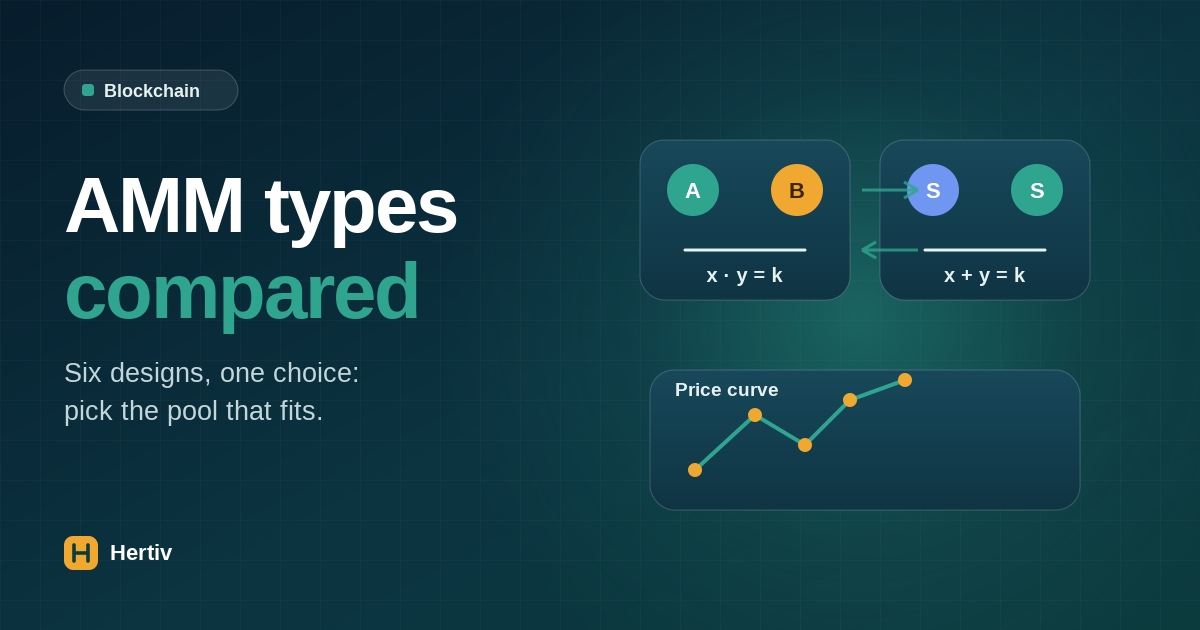
AMMs come in several designs, from constant product to concentrated liquidity. This guide compares each type, its pricing, and which one fits your exchange.
An STO exchange platform is a regulated venue for trading security tokens, with identity checks built into every trade. Here is how it works.
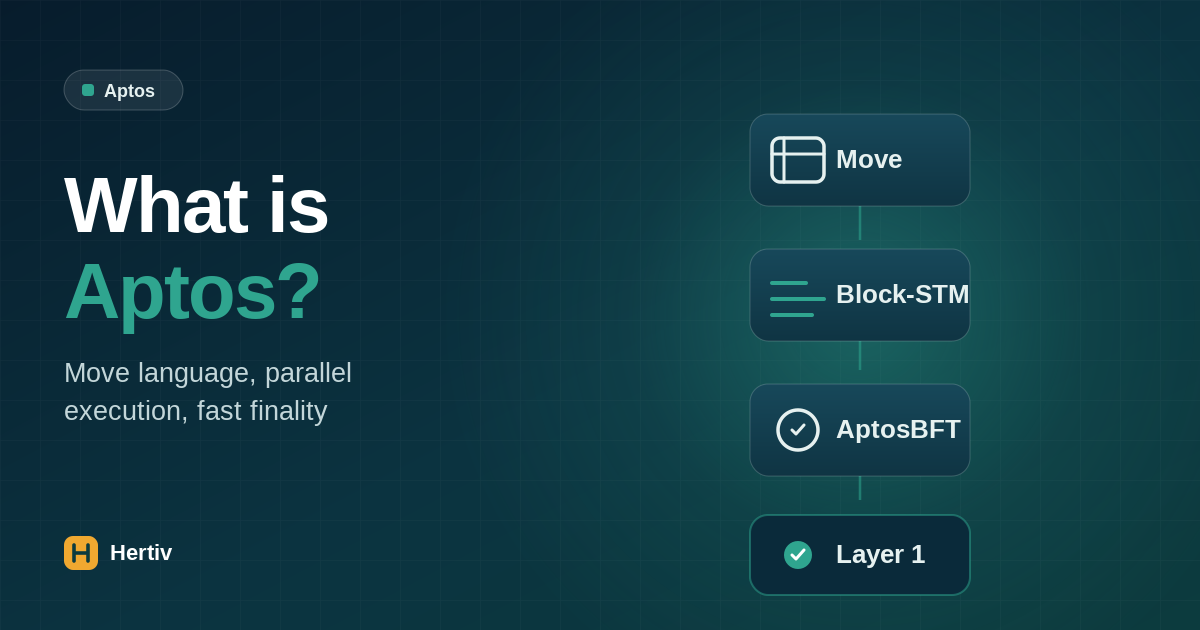
Aptos is a Layer 1 blockchain built by former Meta engineers around the Move language and parallel execution. Here is how it works and who it fits.
Banks entering DeFi need custody, settlement, tokenisation and compliance in one stack. Compare eight vendors on what they actually run for institutions.
Mobile web3 apps create data that must outlive the phone. Here is where archived data goes, how it stays verifiable, and what archiving costs.
Asset-backed cryptocurrencies are tokens whose value is tied to something real, such as cash, gold or bonds. Learn the kinds, how backing works, and the risks.
Asset management in DeFi uses smart contracts to run portfolios on chain. Learn how vaults work, what strategies they run, and the risks to check first.
Smart contracts in banking automate the steps that still run on paper and phone calls: trade finance, payments, KYC checks and loan servicing.
Fund tokenization companies in the USA range from regulated issuance platforms to asset managers with their own tokenized funds.
Asset tokenization turns ownership of a real-world asset into digital tokens on a blockchain, so shares of it can be held and transferred in smaller pieces.
Tokenizing assets on Polygon means recording ownership of a real-world asset as tokens on a low-fee, Ethereum-compatible network. Here is how the process works.
Amazon Managed Blockchain gives you managed nodes, data APIs and private Fabric networks on AWS. Here is how to implement it, and what the 2027 end of support means.
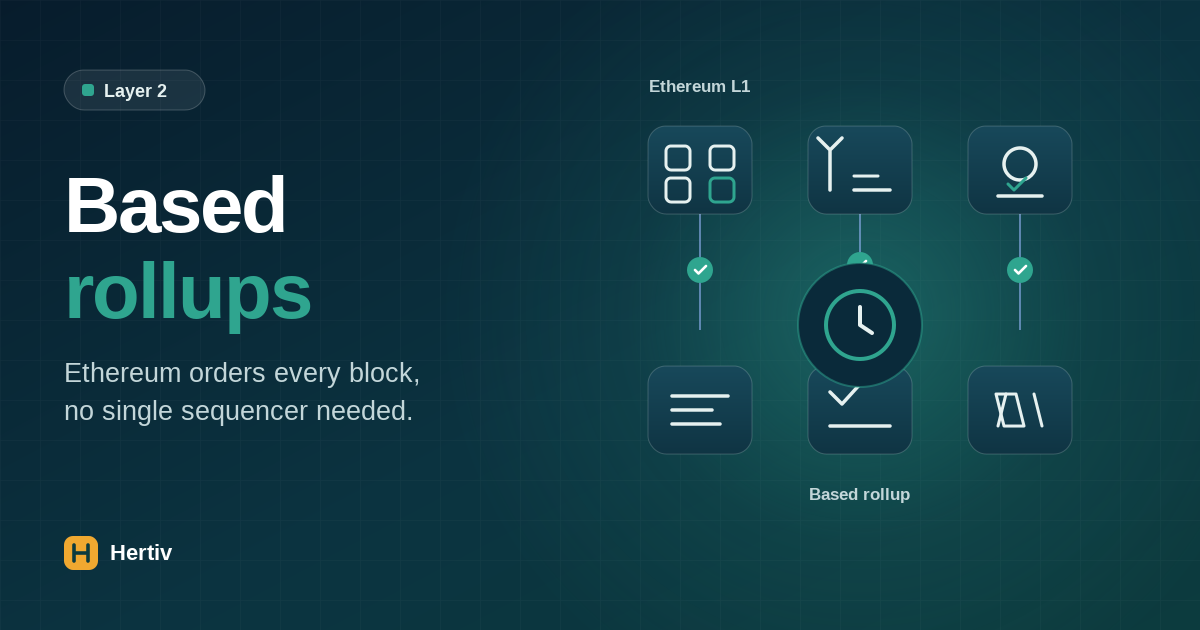
A based rollup lets Ethereum validators order its transactions instead of a single sequencer. Here is how that works, what it gains, and where it still falls short.
A dApp developer builds apps that run on a blockchain. Here is the skill set, the learning path and the portfolio that gets you hired.
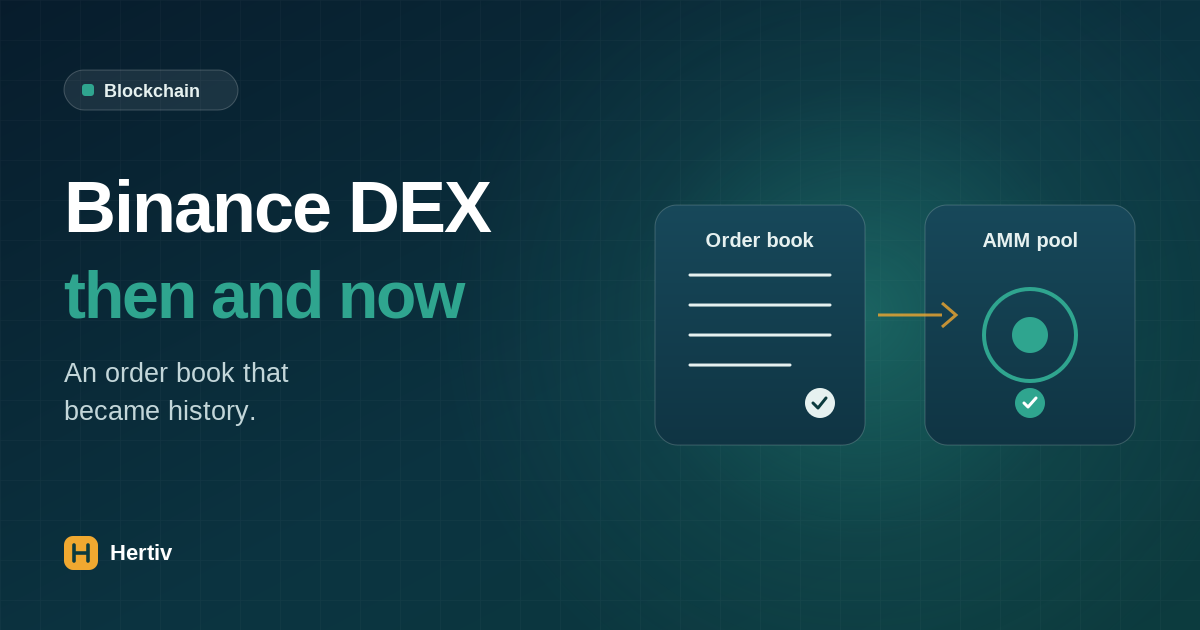
Binance DEX was an order-book exchange built into Binance Chain in 2019. Its order book closed in 2022 and its chain shut down in 2024. Here is what happened next.
Stablecoins are used in real estate for cross-border purchases, rent collection, escrow and fractional payouts. Here are eight use cases that work today.
Binance Smart Chain is an EVM-compatible blockchain that runs smart contracts with low fees and fast blocks. Learn how it works and how to start.
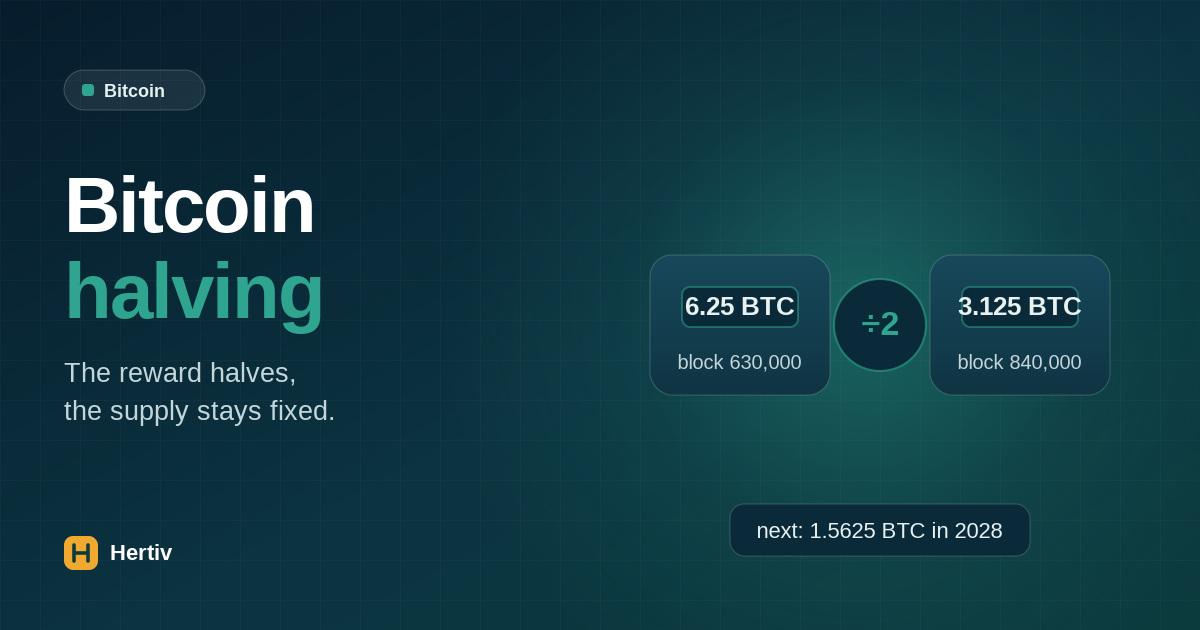
The Bitcoin halving cuts the new bitcoin paid to miners in half every 210,000 blocks, about every four years, and the next one is expected around April 2028.
A Bitcoin Lightning wallet holds your channels and keys so you can send near-instant payments for tiny fees. Learn the types, what to check and how to set one up.
Bitcoin restaking lets you lock BTC to help secure proof-of-stake chains without wrapping it or giving up custody. Learn how it works, what it earns and the risks.
No posts on this page match. Use site search (Ctrl K) to search every post.
A senior engineer reads every request and replies within one business day with questions, a rough range, or a call link.