Blockchain
RWA Tokenization in Education: 8 Use Cases That Work
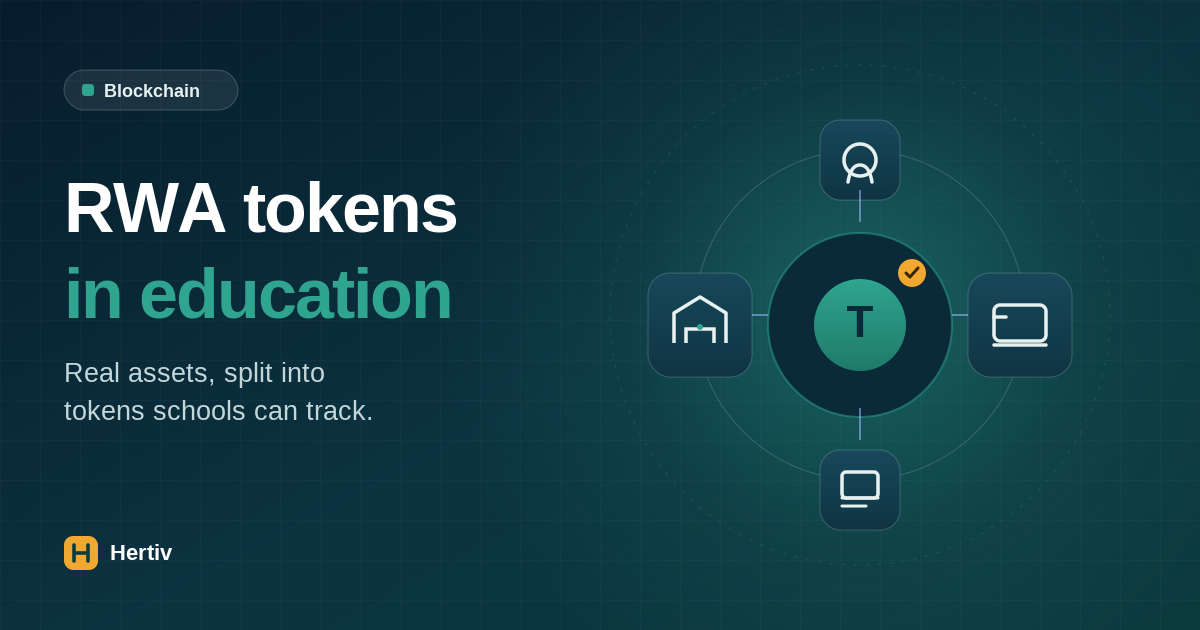
Tokenizing real-world assets can help schools fund buildings, verify credentials and share research income. These eight education use cases show where it works.
Practical guides on tokenization, stablecoin payments, wallets and smart contracts.
1656 posts · page 6 of 69
Tokenizing real-world assets can help schools fund buildings, verify credentials and share research income. These eight education use cases show where it works.
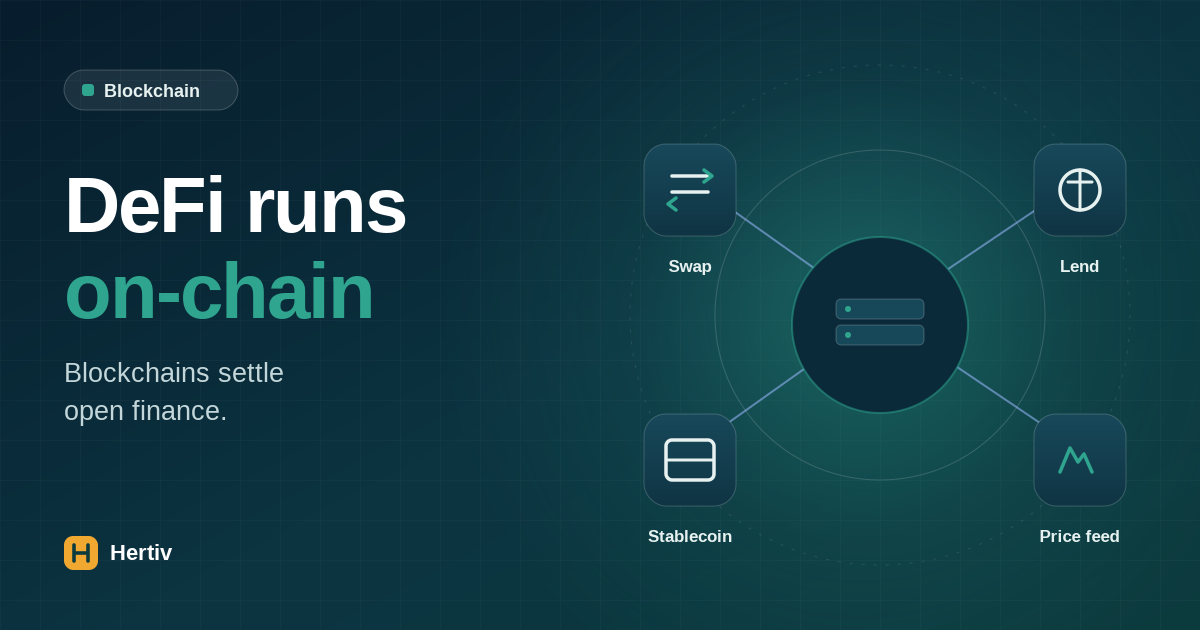
Blockchain gives DeFi its shared ledger, settlement and rules: smart contracts hold the logic, tokens move value, and anyone can check the state.
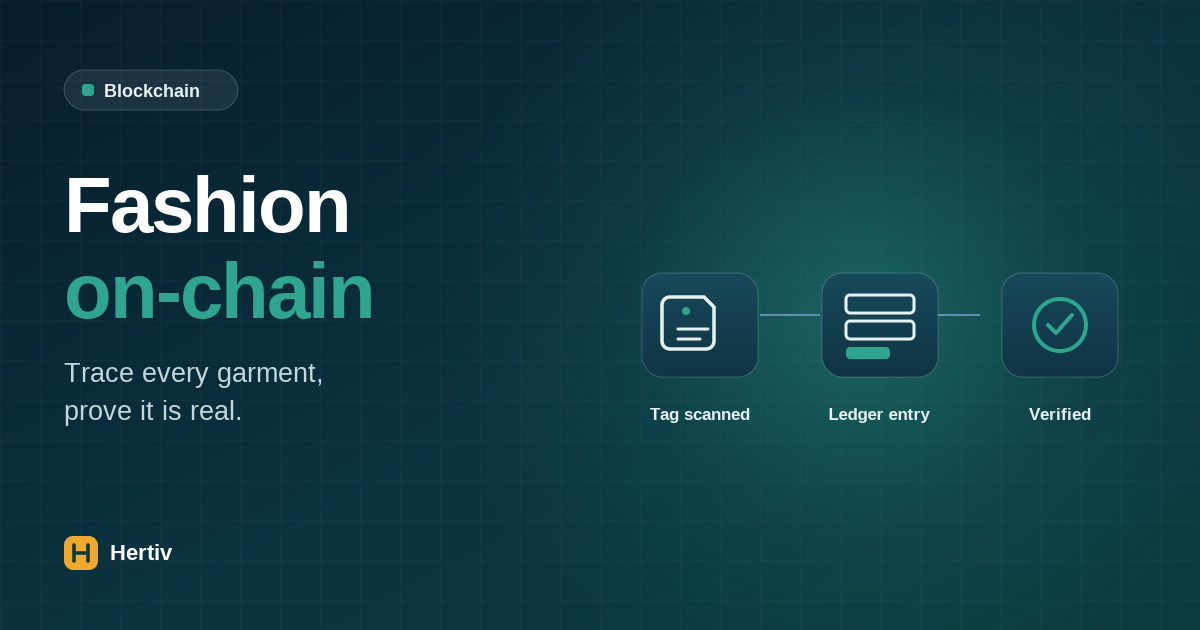
Blockchain gives each garment a checkable record from factory to resale, so brands can prove where clothes came from and buyers can spot fakes.
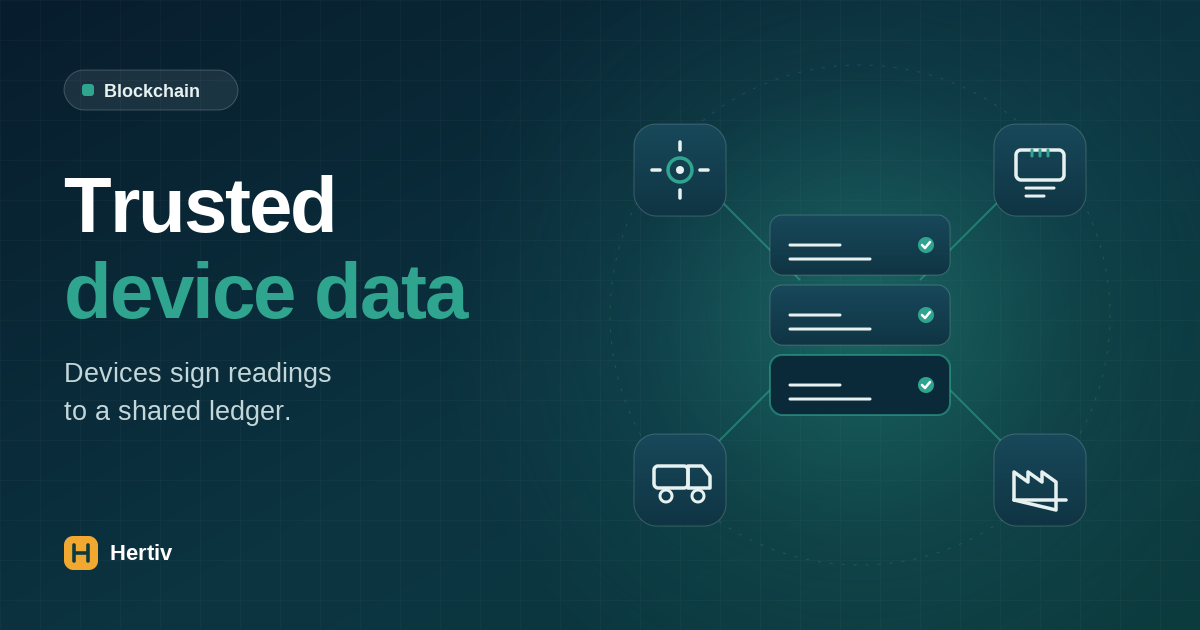
Blockchain gives IoT devices a shared, tamper-resistant record, so sensor data can be trusted without a central database. Here is how it works and where it fits.
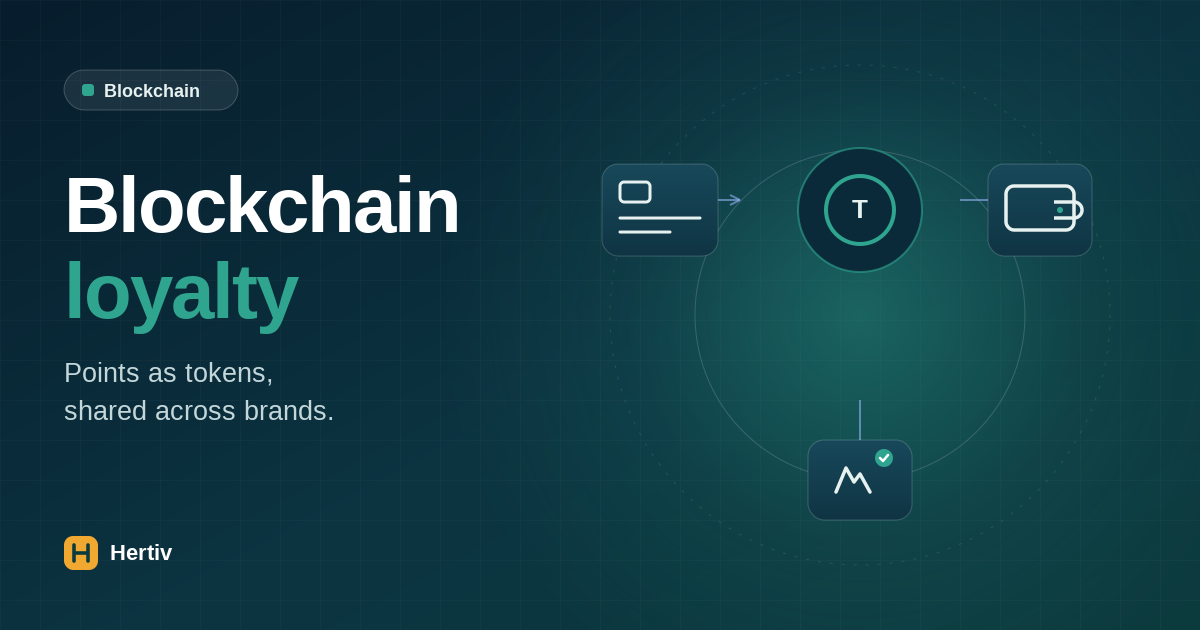
Blockchain turns loyalty points into tokens on a shared ledger, so customers can earn, trade and redeem rewards across brands. Here is how it works.
Blockchain in oil and gas helps where many parties share one cargo: trading, shipping, joint billing and emissions records, with one shared trail.
Smart contracts in ecommerce automate escrow, refunds, royalties, loyalty and provenance. Here are eight use cases, with what each needs to work.
Blockchain in trade finance puts letters of credit, invoices and bills of lading on one shared ledger, so documents move in days instead of weeks.
Blockchain in water management gives utilities a shared, tamper-resistant record of water use, quality and trades. Here is how it works and where it falls short.
Blockchain integration in Dubai connects a ledger to the systems a business already uses. Here is how companies choose a path, meet the rules and run a first pilot.
Stablecoins cut supply-chain settlement from days to minutes for supplier payments, trade finance and freight. Here are eight use cases, with where each one fits.
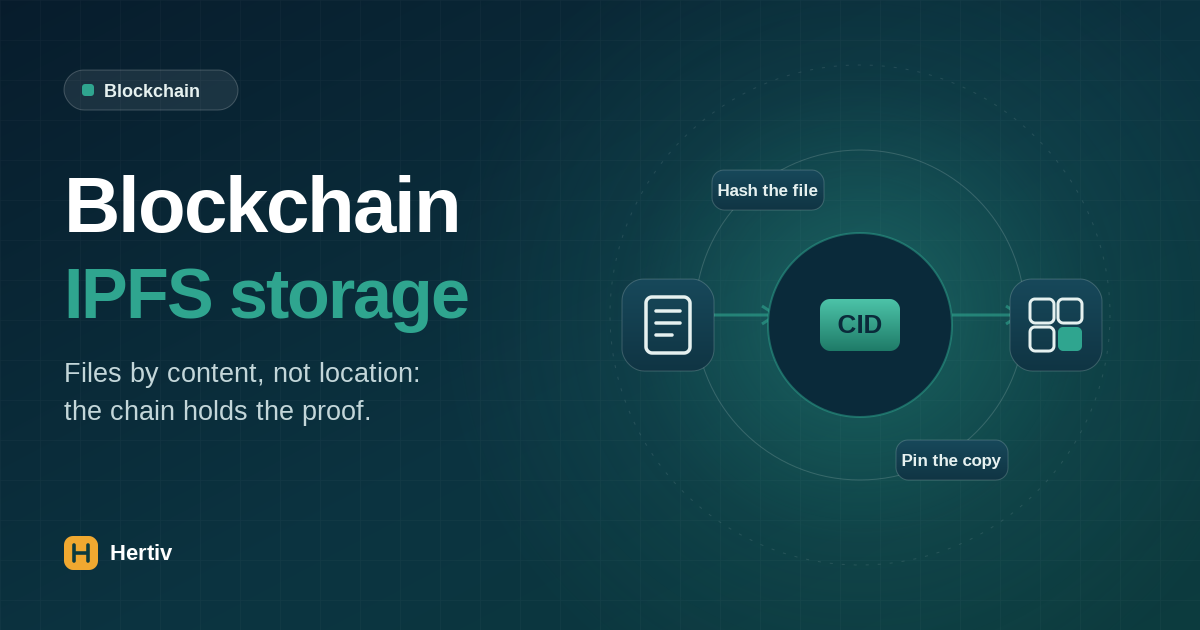
IPFS stores files by content, not location, and a blockchain can record each file's fingerprint. Together they give apps storage no single server controls.
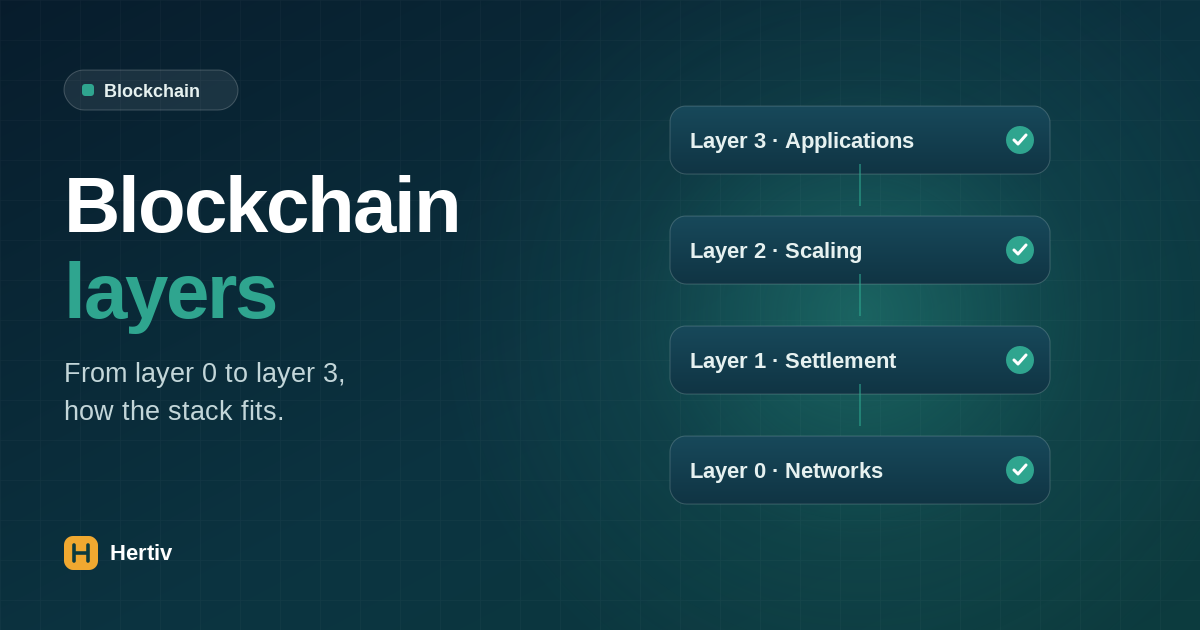
Blockchains are built in layers, from the networks that connect chains to the apps people use. Here is what each layer does, and how the layers fit together.
Blockchain lending covers DeFi pools, peer-to-peer loans, NFT-backed credit and tokenized loans. This guide maps each model, how a loan works and the risks to watch.
Blockchain hotel tokenization turns a hotel into tradable digital tokens: how ownership, revenue and bookings are tokenized, and what investors should check.
Blockchain land records put title history on a shared ledger that no single office can rewrite. Learn how they work, what changes and where pilots stand.
Blockchain property management software records rent, deposits and repairs on a shared ledger tenants and owners can check. What it changes and what it does not.
Blockchain recycling tokenization turns verified recycling into digital tokens: how it works, what can be tokenized, and where the value comes from.
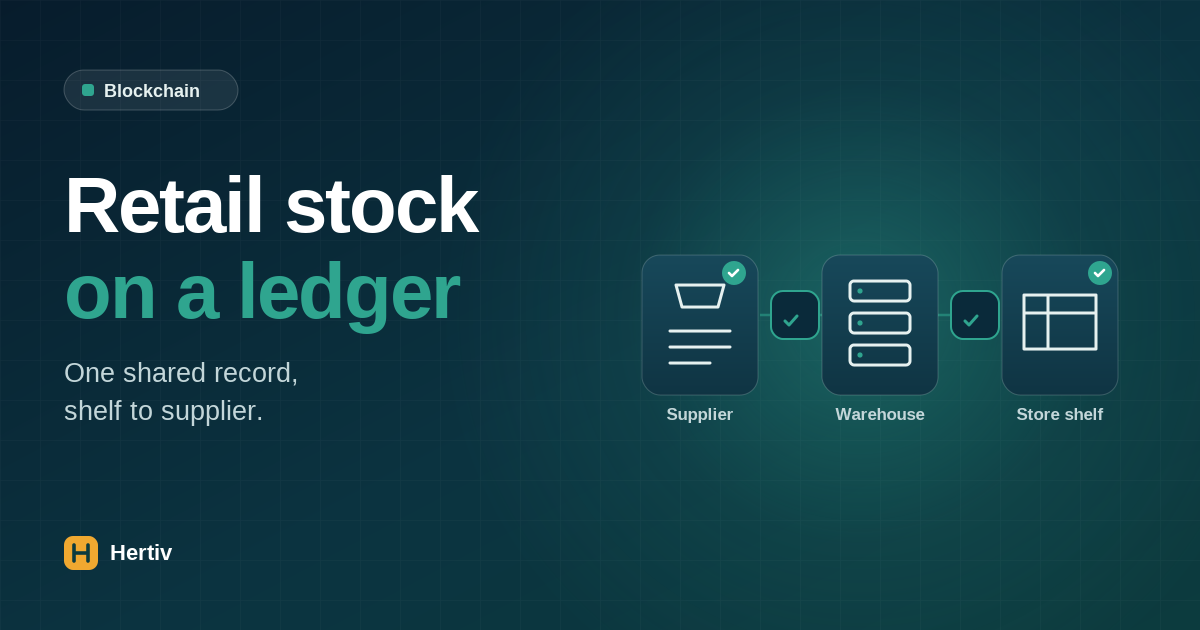
Blockchain gives every item a shared, tamper-evident record from supplier to shelf, so stock counts, deliveries and returns stop disagreeing across systems.
Blockchain helps IP owners prove creation dates, license work through smart contracts and track royalties. Each solution, its limits and how to start.
Blockchain records stock ownership on a shared ledger, making settlement faster and shares fractional. The openings, and the risks that come with them.
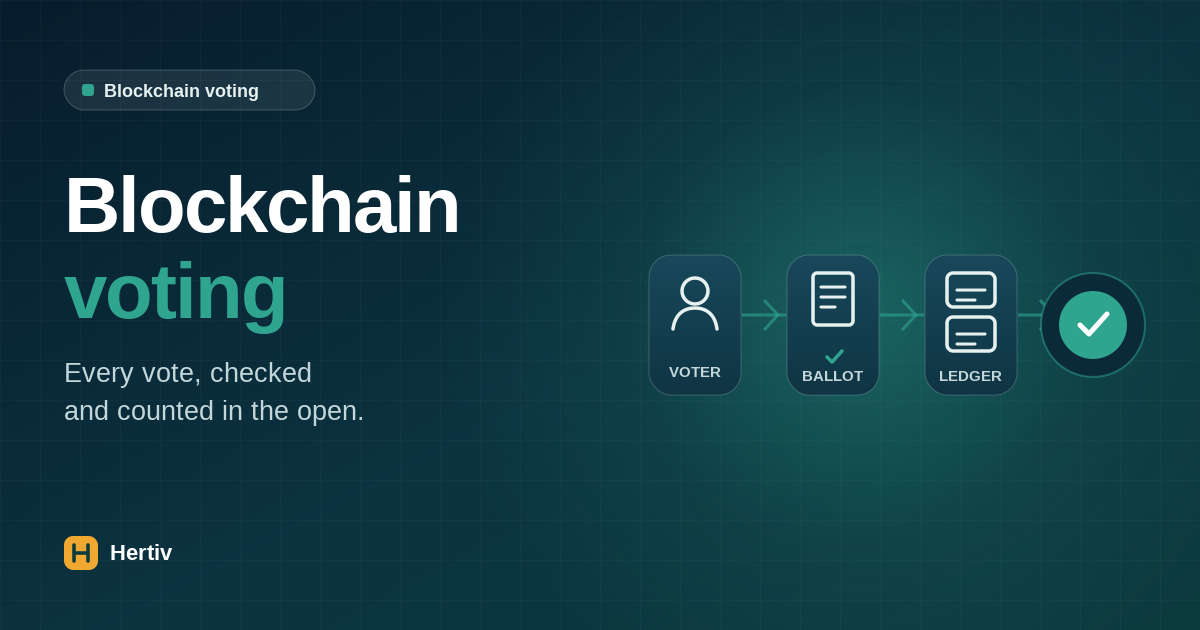
A blockchain voting system records each vote as a signed entry on a shared ledger, so anyone can check the count while no one can change a vote after it is cast.
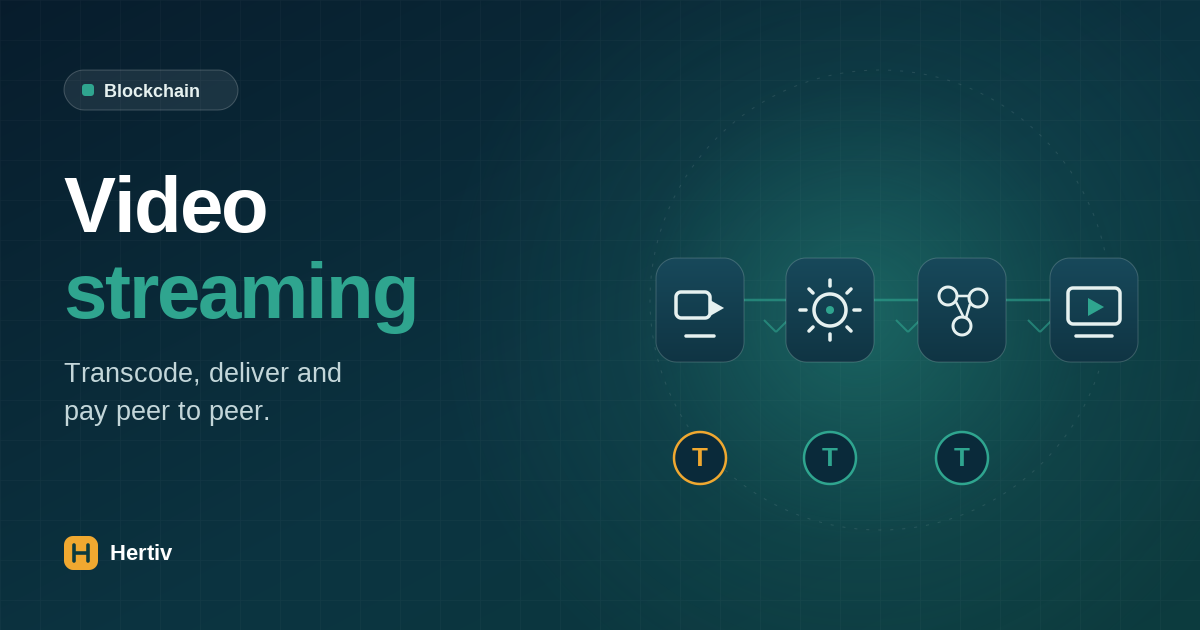
A blockchain video streaming platform spreads transcoding and delivery across participants paid in tokens. Learn how it works and how to build one.
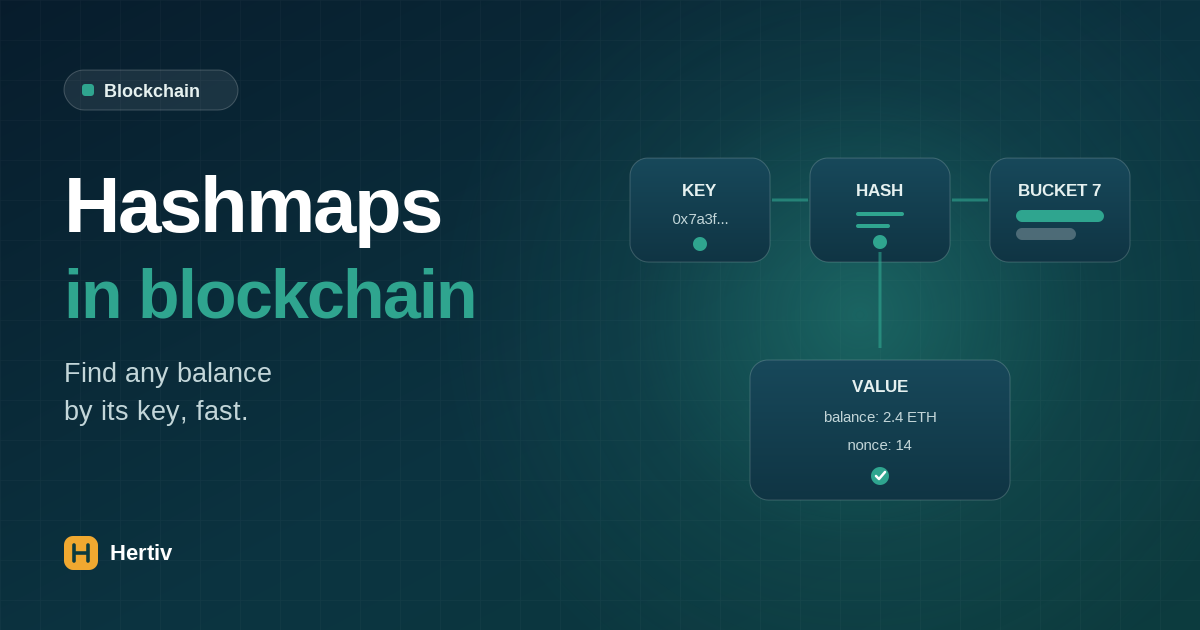
Hashmaps let a blockchain find any account balance or contract value by its key quickly. Here is where they sit in a node and why they matter for speed.
No posts on this page match. Use site search (Ctrl K) to search every post.
A senior engineer reads every request and replies within one business day with questions, a rough range, or a call link.