Blockchain
Bond Tokenization on Blockchain: How It Works
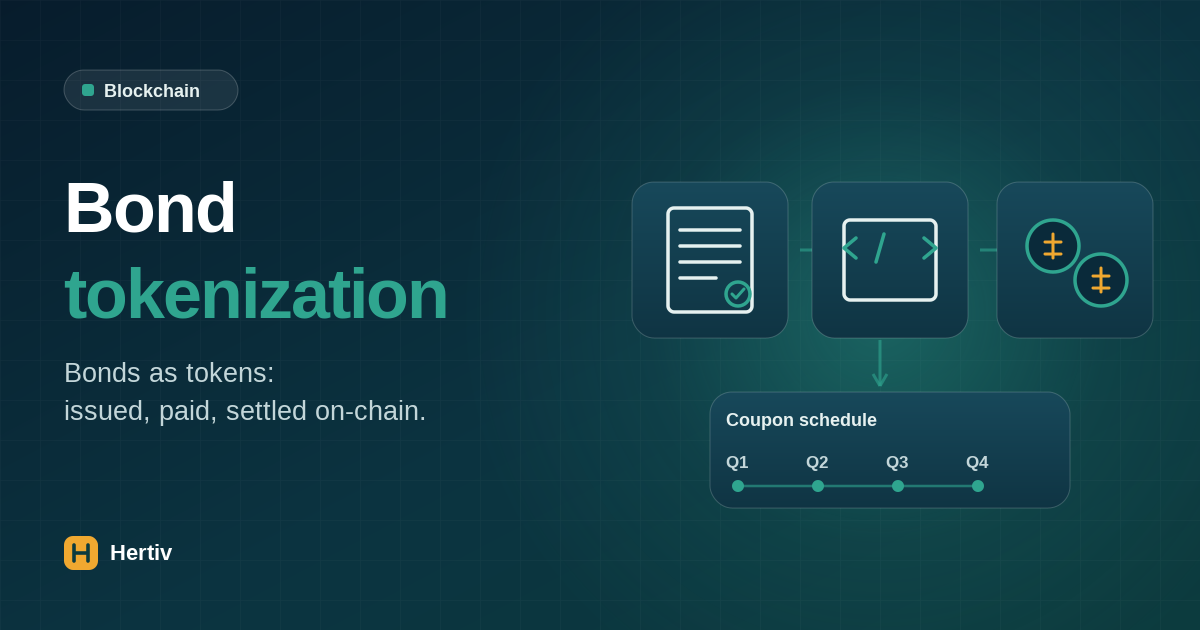
A tokenized bond is a bond issued and settled as a token on a blockchain. Learn how issuance, coupon payments and trading work, and what still needs a bank.
Practical guides on tokenization, stablecoin payments, wallets and smart contracts.
1656 posts · page 7 of 69
A tokenized bond is a bond issued and settled as a token on a blockchain. Learn how issuance, coupon payments and trading work, and what still needs a bank.
Banks run permissioned blockchains together to settle faster, share KYC and move collateral. Here are the eight finance use cases that hold up in practice.
RWA tokenization in finance turns treasuries, bonds, funds, loans and collateral into tokens that settle faster and trade in smaller pieces.
A CFTC-compliant Web3 wallet keeps spot holdings separate from derivatives, proves actual delivery of the assets it moves and keeps clean custody records.
Building a DeFi app means choosing the app type and chain, writing audited smart contracts, and shipping a frontend that signs safely. Here is the build in order.
An energy-backed stablecoin is a token tied to stored energy or fuel reserves. This guide covers the backing model, the platform parts and the build steps.
Smart contracts in education automate certificates, scholarships, admissions and records. These eight use cases show where they save schools real time.
A metaverse virtual world is a shared 3D space people enter as avatars to meet, learn, shop or play. Build it in phases: platform, rooms, identity, then open it.
A MiCA-compliant OTC exchange needs CASP authorisation, segregated client assets and a full audit trail. Here is how the build works, step by step.
A Binance-style NFT marketplace lists and trades NFTs on BNB Chain with a simple storefront, wallet login and low fees. Here is what to build and how to launch it.
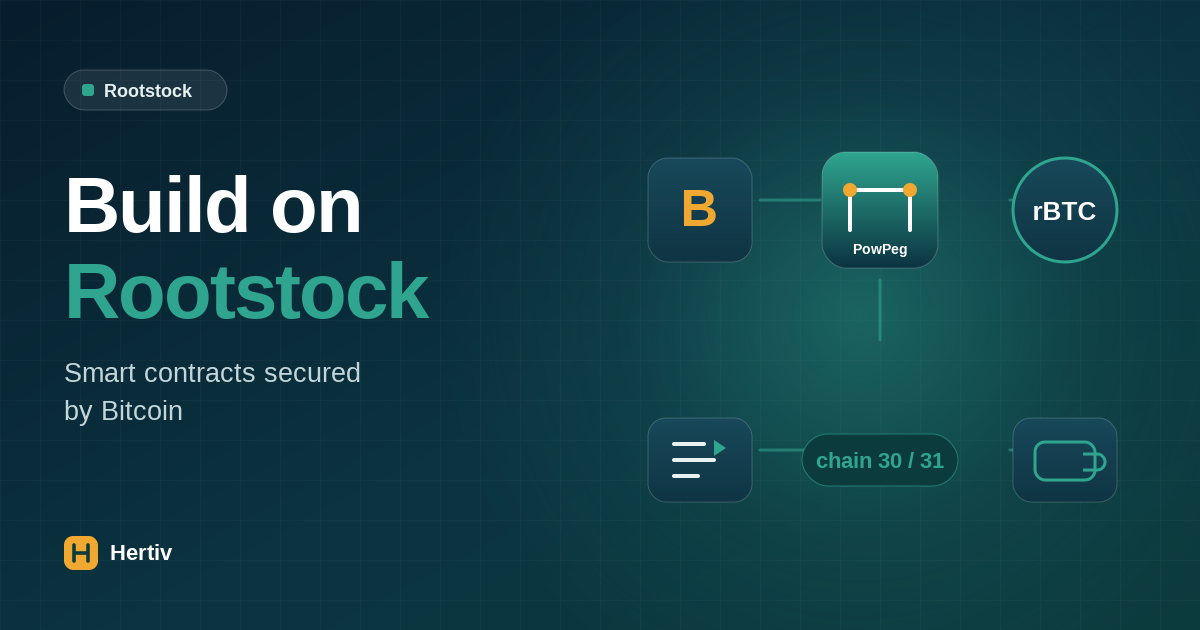
Building a dApp on Rootstock means writing Solidity contracts for an EVM-compatible Bitcoin sidechain, testing on chain 31 with tRBTC, then deploying to mainnet.
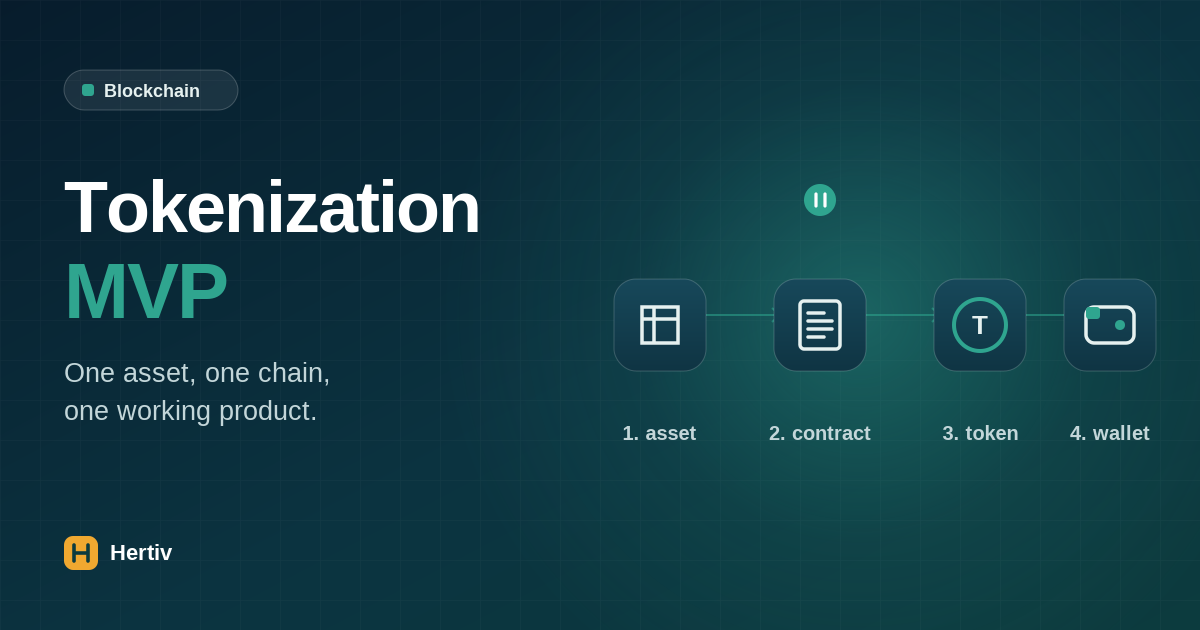
A tokenization MVP proves one asset can be issued, held and traded on-chain before you build the platform. Keep it small: one asset, one chain, one investor type.
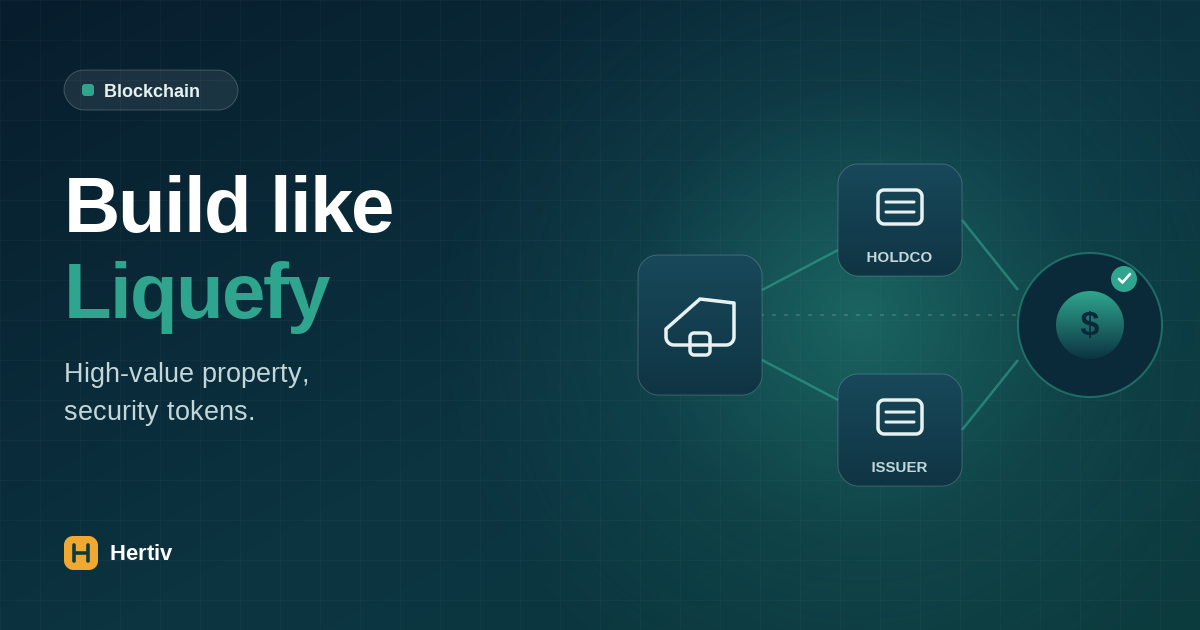
A Liquefy-style platform issues security tokens for high-value property. Learn the dual-company structure, the compliance checks and the build steps.
A RealT-style platform turns one rental house into tradable tokens. Learn the legal wrapper, the token design, the rent flow and the build steps.
Building a VARA-compliant crypto wallet means deciding custody first, then licensing, key management, KYC, the Travel Rule and an audit trail before launch.
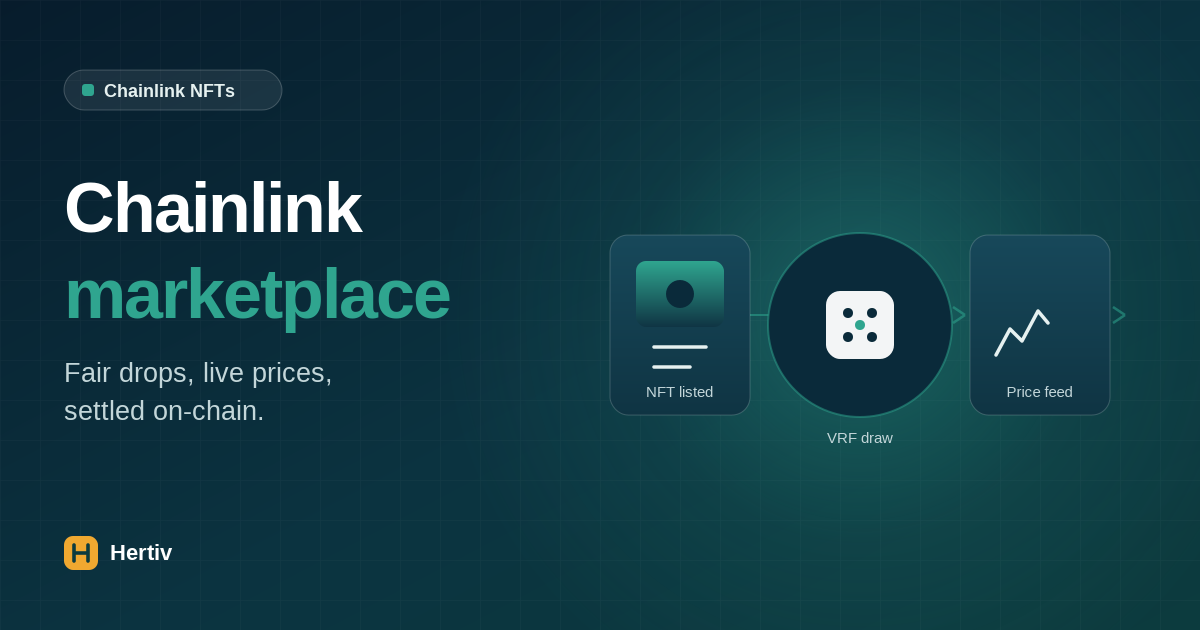
A Chainlink NFT marketplace uses VRF for fair drops, price feeds for pricing and CCIP for cross-chain sales. Here is the architecture and the build plan.
A super crypto app combines a wallet, trading, payments and staking with one shared balance, built wallet-first and opened in one country before it grows.
Building dApps with Starknet and React pairs Cairo smart contracts on a ZK-rollup with a React front end, using starknet.js and starknet-react hooks.
A Bybit crypto exchange script is ready-made software that copies the core features of the Bybit exchange. This guide explains what it includes and what to check.
Enterprise blockchain gives hospitals one shared, tamper-evident record for patient identity, drug tracking, trials, claims and consent. Eight use cases to pilot.
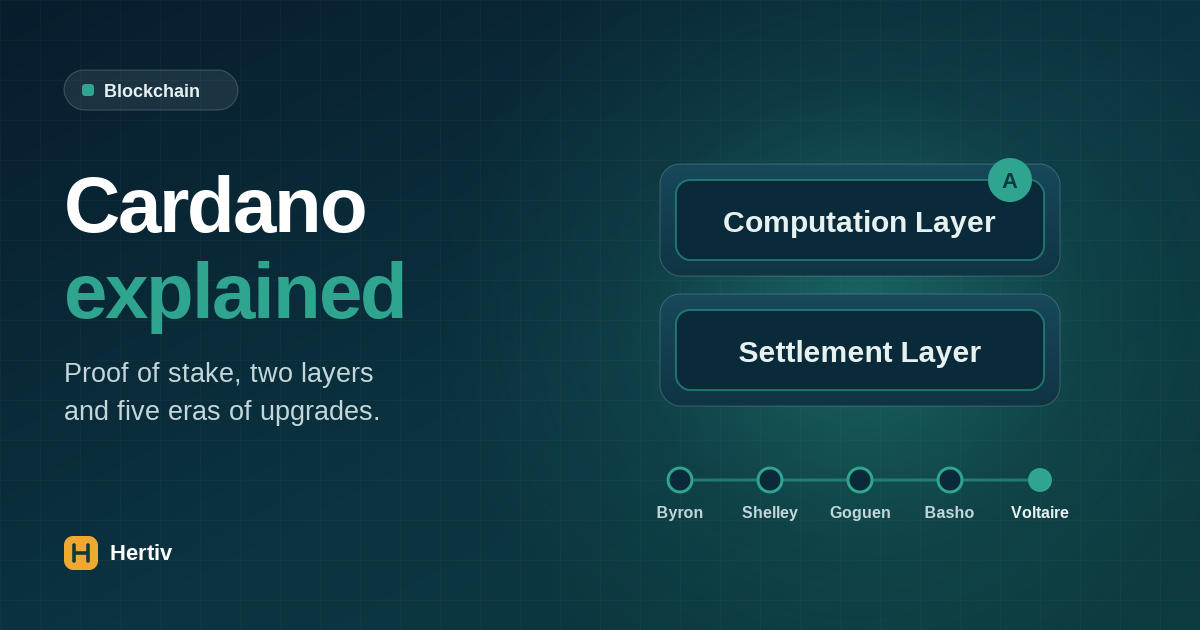
Cardano is a proof-of-stake blockchain built to fix the scaling and sustainability limits of Bitcoin and Ethereum. This guide explains how it works.
Commodity tokenization turns gold, oil, grain and carbon credits into blockchain tokens backed by the real goods. Here is how custody, pricing and redemption work.
RWA tokenization in healthcare turns equipment, invoices and research rights into tradable tokens. Here are eight use cases and where the value sits.
Consumer token offerings sell usable tokens directly to customers, not investors. Learn how CTOs differ from ICOs and STOs, and what to check first.
No posts on this page match. Use site search (Ctrl K) to search every post.
A senior engineer reads every request and replies within one business day with questions, a rough range, or a call link.