Blockchain
Crypto Wallet Problems Beginners Face (and How to Fix Them)
New crypto wallet users hit the same few problems: lost seed phrases, wrong addresses, surprise fees and fake apps. Here is what each one means and how to avoid it.
Practical guides on tokenization, stablecoin payments, wallets and smart contracts.
1656 posts · page 9 of 69
New crypto wallet users hit the same few problems: lost seed phrases, wrong addresses, surprise fees and fake apps. Here is what each one means and how to avoid it.
A DAML smart contract audit reviews DAML contracts for authorisation, privacy and logic flaws, checking the code matches the agreed rules before real value moves.
A DAO-enabled NFT platform lets token holders vote on listings, fees and treasury spending instead of leaving decisions to the company. Here is how it works.
How DAOs run social media networks: token voting, community moderation and creator rewards, with real examples and the limits that still hold them back.
dApps on Hedera Hashgraph run their trusted logic on the network instead of a company server, using its contract, token and consensus services.
Decentralized exchanges are DeFi's trading layer: they hold liquidity, set prices and settle swaps without a middleman. Here is how that role works.
A decentralized P2P exchange lets two people trade crypto directly, with a smart contract holding funds until both sides deliver. Here is how a trade settles.
Decentralized stablecoins hold their dollar peg with crypto collateral or code rules instead of bank reserves. Learn the types, how each works and risks to check.
DeFi fees come from swaps, gas, liquidity pools and protocol charges. This guide explains each fee, who sets it and how to keep your costs down.
Enterprise blockchain in legal work runs from smart contracts to shared property registers. Here are eight use cases that fit a law firm, and what each needs.
DeFi insurance is cover bought and paid on a blockchain, where a pool of stakers funds claims and a vote or contract decides payouts, with no insurer in the middle.
Smart contracts pay claims, issue policies and settle reinsurance without the paperwork queue. Here are eight insurance uses that work today.
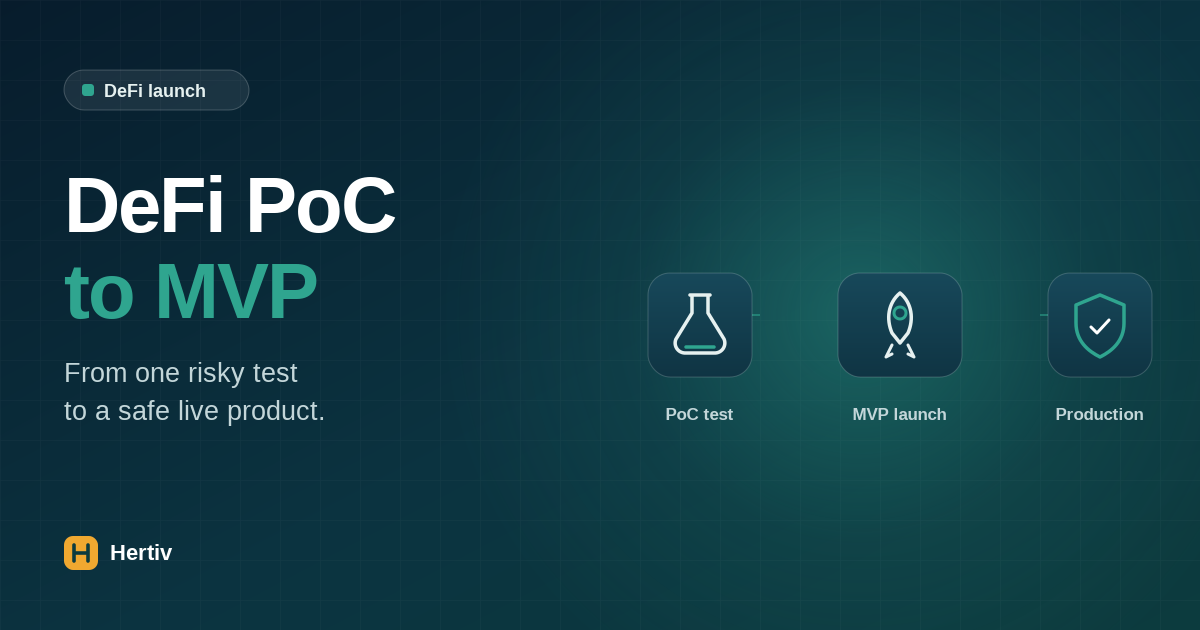
A DeFi proof of concept tests one risky idea; a production MVP is a small live product with real users and real money. Here is the path between them.
These USA firms build MPC wallets for exchanges, funds and fintech apps. Compare eight development companies on services, security practice and fit.
Yield farming pays you for putting crypto into a DeFi protocol as trading liquidity or a loan. Learn where the yield comes from, the main strategies and the risks.
DAOs can give banks shared voting, joint treasuries and member-run lending pools. Here are eight banking use cases where that model fits, and where it does not.
Banks use dApps to move money, check identity and settle trades without a central middleman. These eight use cases show where the gains are real.
A successful DeFi app starts with a real market need, then earns trust with safe contracts, deep liquidity and a clear reason to return.
Blockchain gives property developers one shared record for ownership, payments and documents. Here are the problems it solves, and the ones it does not.
Banks can use DeFi for faster payments, trade finance, tokenised assets and lending. Here are eight banking use cases that work in practice.
Banks use NFTs to move deposits, trade documents and collateral as unique tokens. Here are eight banking use cases, what each one needs, and where the risks sit.
Developing digital real estate in the metaverse means buying virtual land and building a space on it. Here is how to choose a platform and build.
Real blockchain projects in media and entertainment: music streaming, song royalties, sports collectibles, fan tokens and film NFTs. Here is what each one does.
An NFT marketplace on Flow is built in Cadence with the NonFungibleToken standard and the Flow CLI. This guide covers the stack, the steps and the mistakes to avoid.
No posts on this page match. Use site search (Ctrl K) to search every post.
A senior engineer reads every request and replies within one business day with questions, a rough range, or a call link.