AI
How to Implement an AI Recommendation System
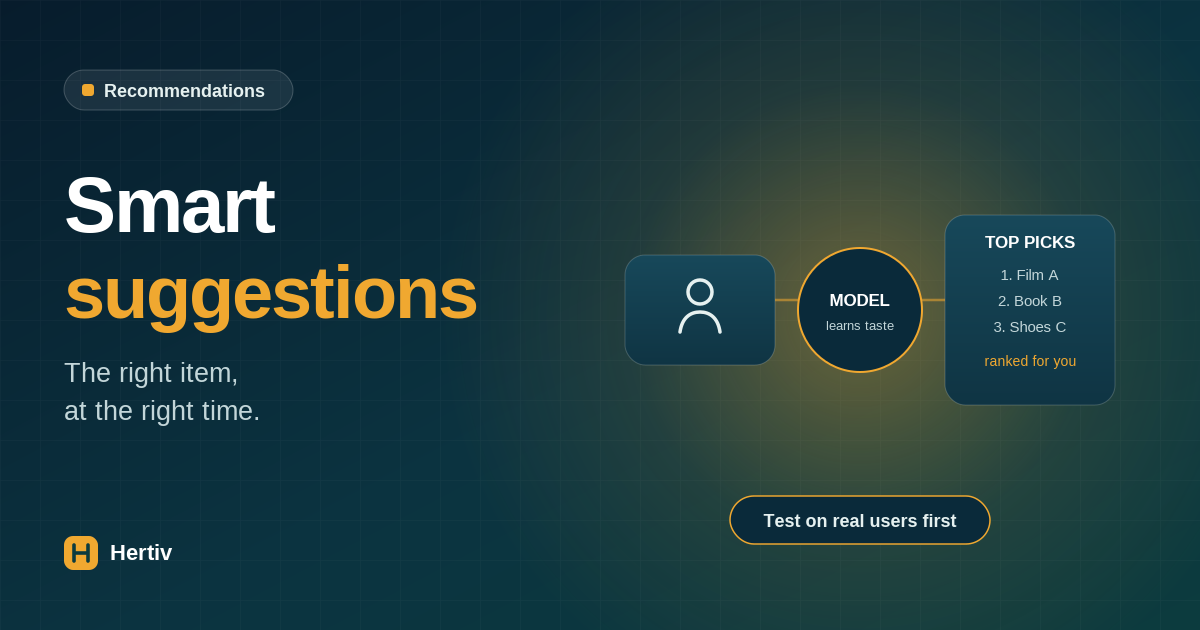
An AI recommendation system suggests items a person is likely to want. Learn how to plan, build and test one in your product.
Guides on AI agents, LLM apps, RAG, evaluation and MCP, written by the engineers who build them.
1953 posts · page 62 of 82
An AI recommendation system suggests items a person is likely to want. Learn how to plan, build and test one in your product.
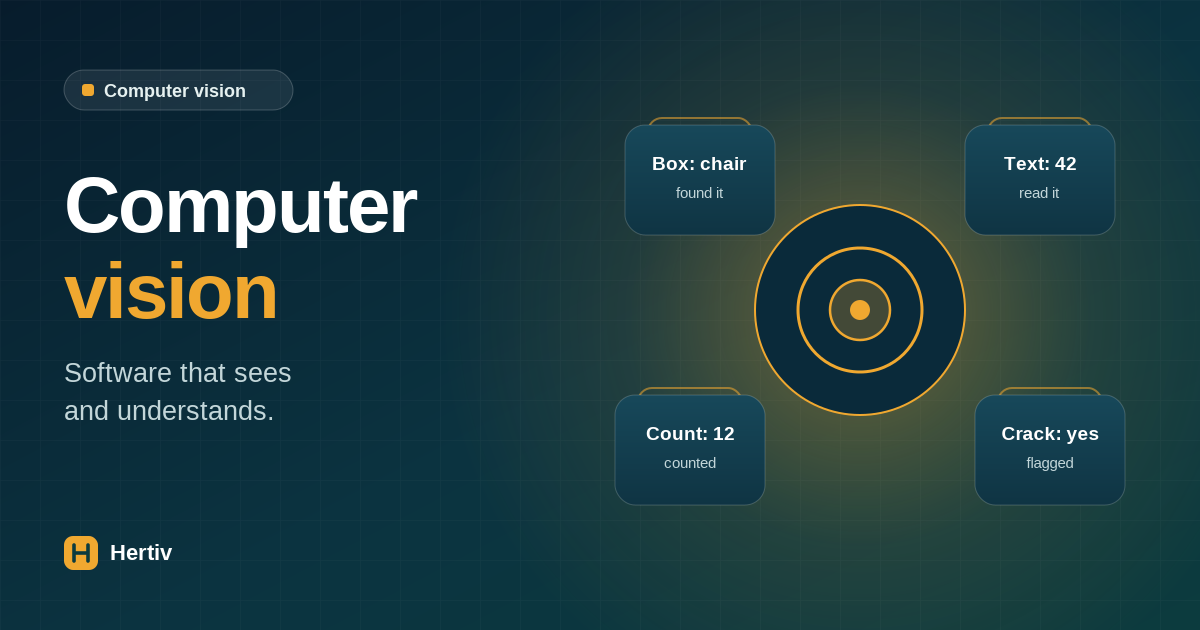
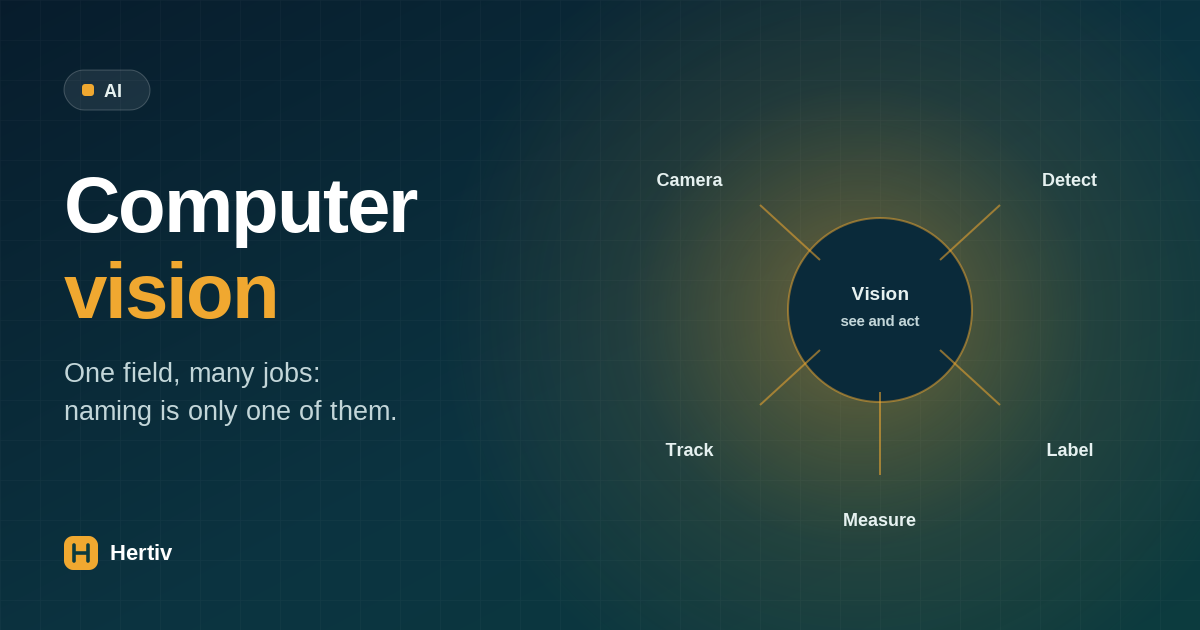
Computer vision lets software read images and video, spot objects and make decisions from what it sees. Learn how it works and where it is used.
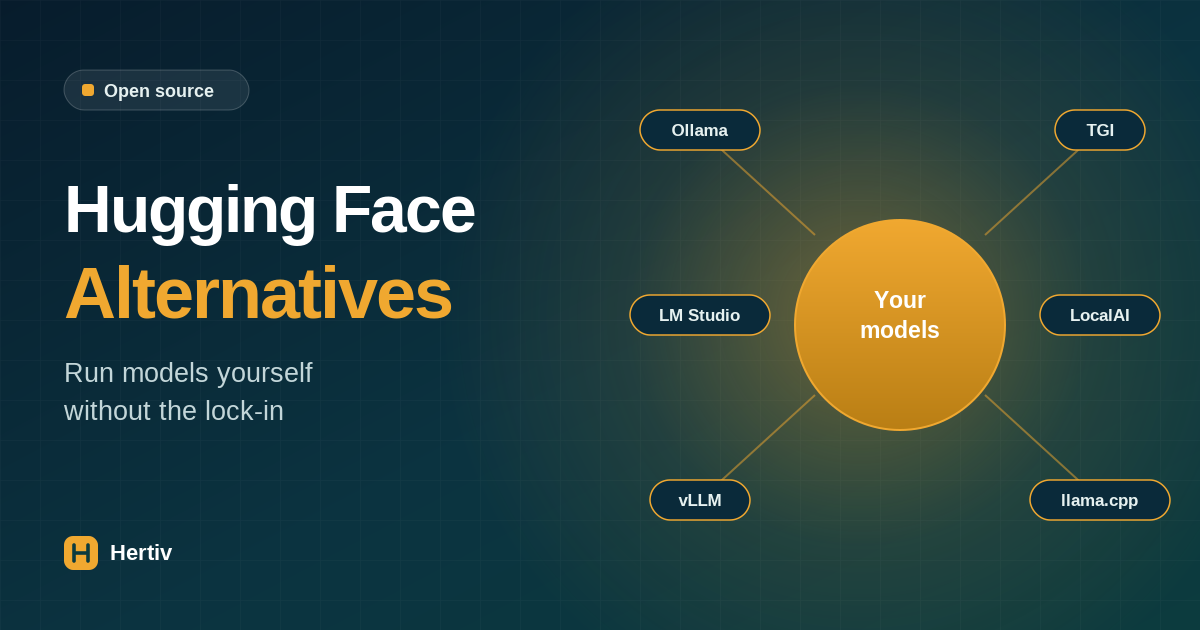
These six open source tools run and serve models without Hugging Face's hosted platform. Compare what each one does best before you switch.
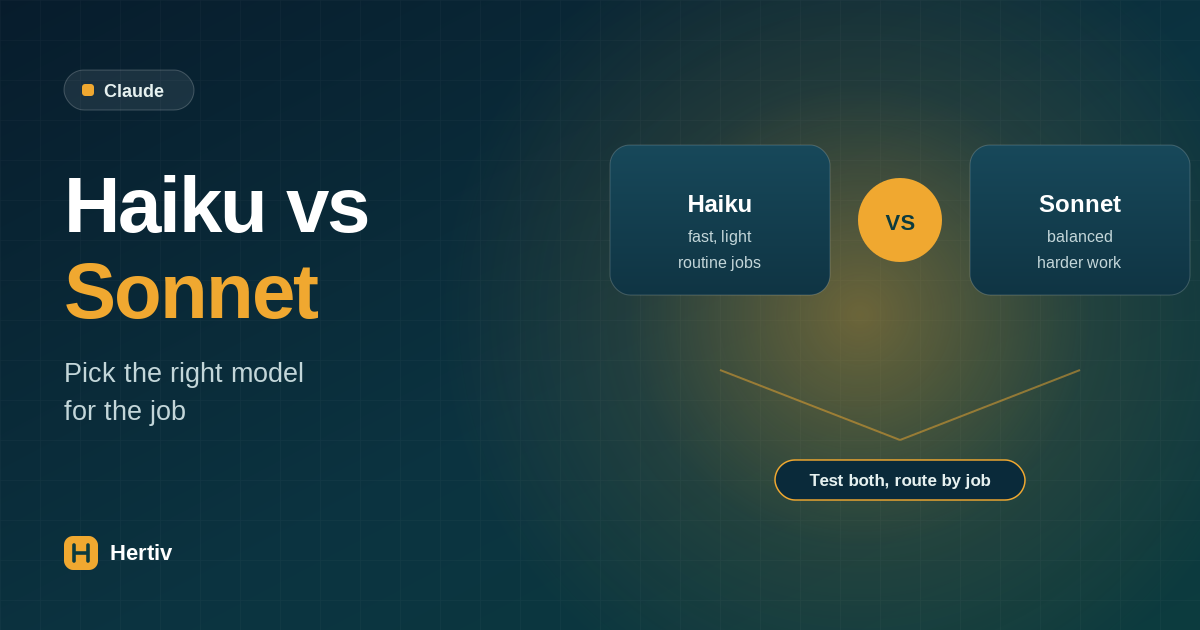
Haiku is Claude's fast, light model and Sonnet is the balanced one. Compare speed, depth and cost, then pick by the job, not by the name.
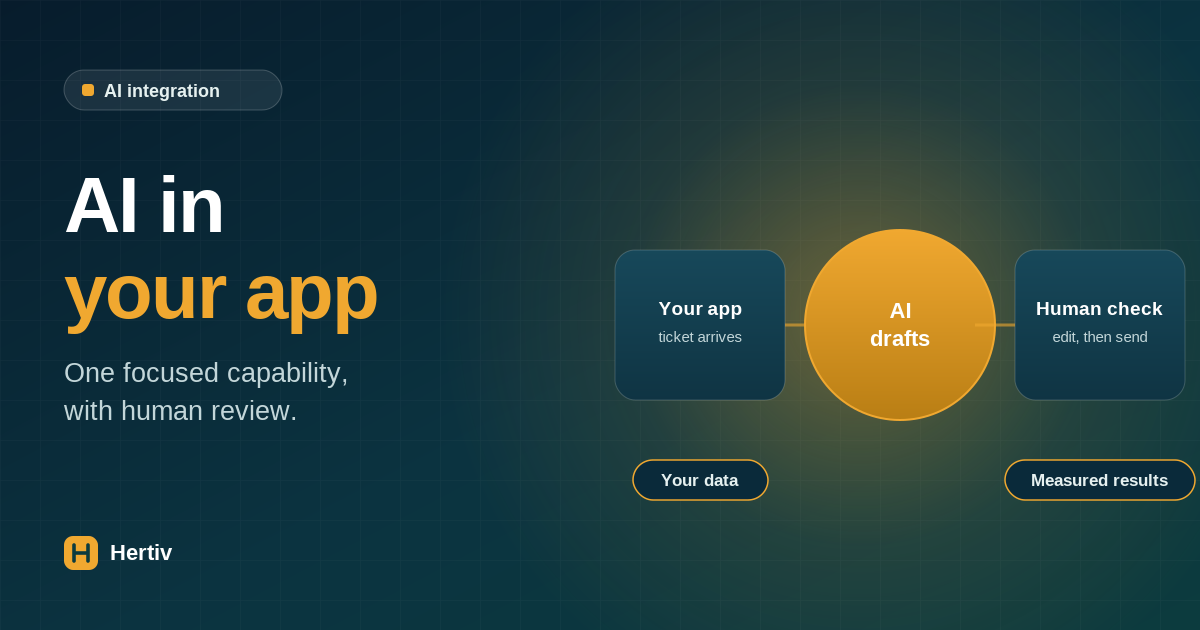
Integrating AI into your app means adding one focused capability, such as drafting, search or triage, with human review and measured results.
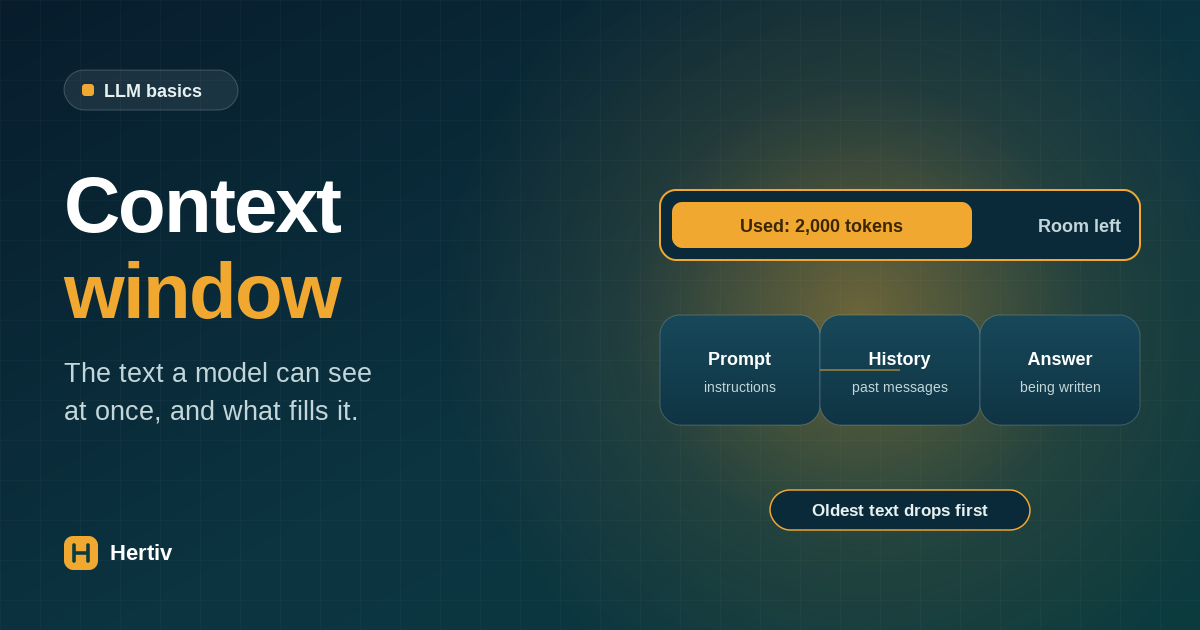
A context window is the amount of text a language model can consider at once when it produces an answer. It sets how much the model can actually see.
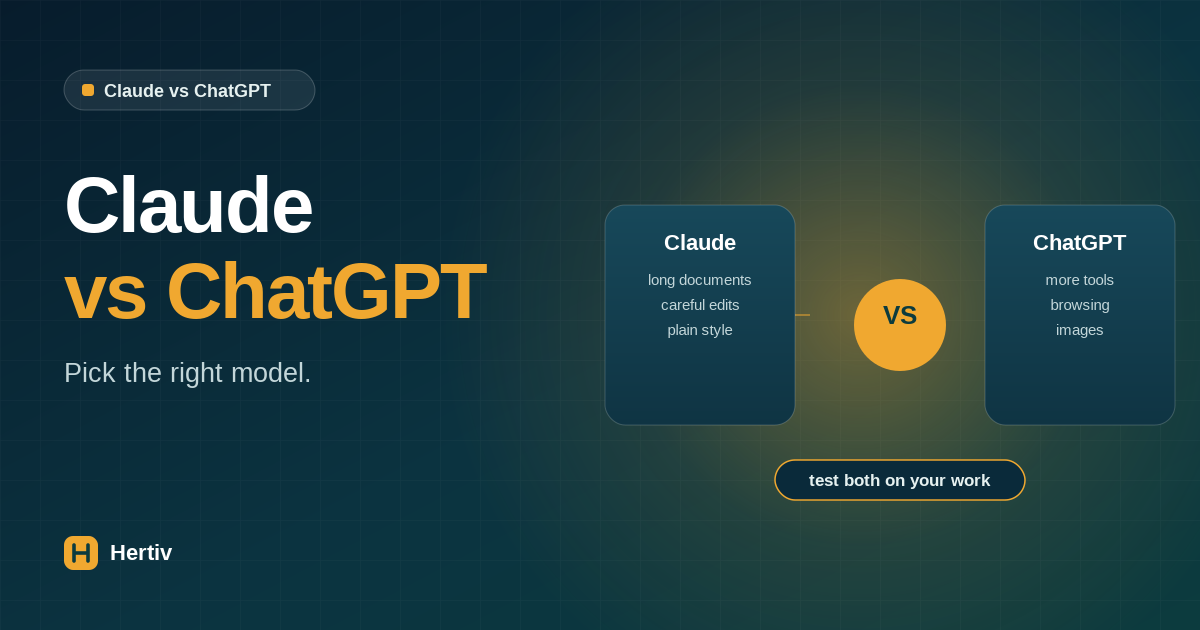
Claude and ChatGPT are both strong chat models, but they differ on long documents, coding and everyday tasks. Test both and pick the one that fits your team.
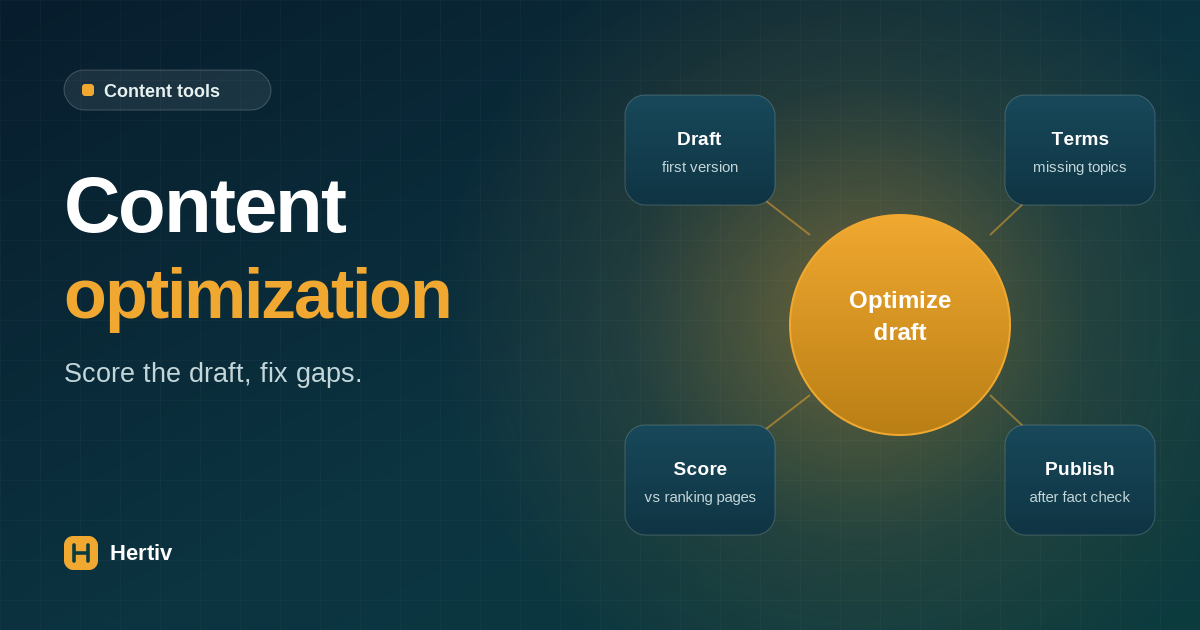
AI content optimization tools check a draft against ranking pages and suggest what to add, cut or rephrase. Compare eight tools and pick the one that fits your team.
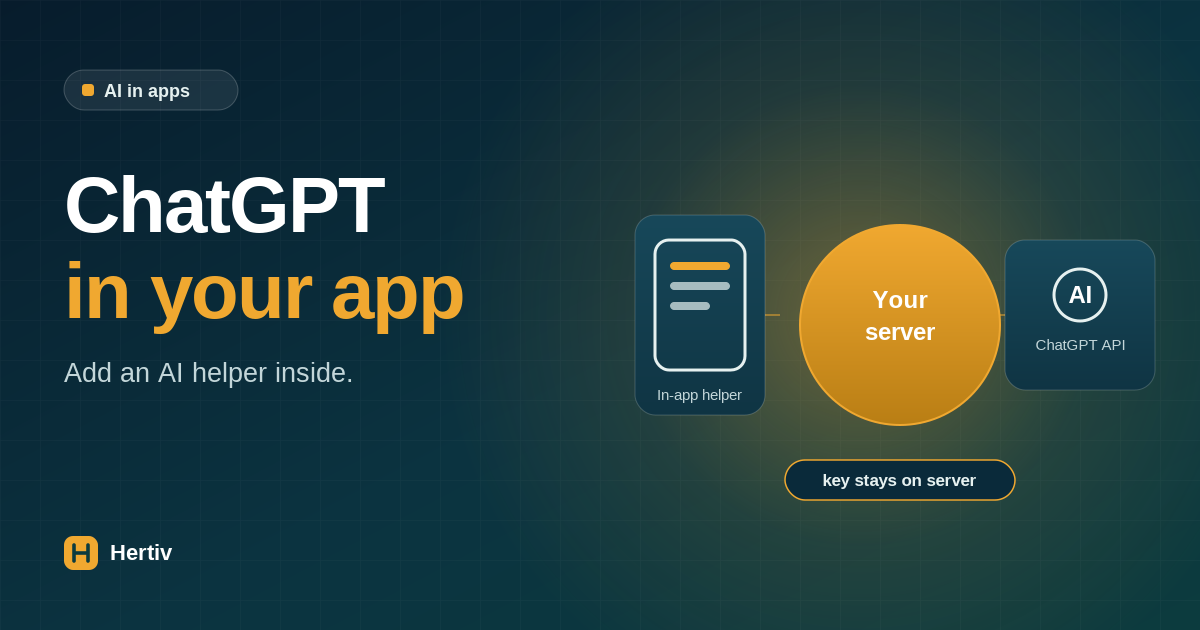
Add ChatGPT to your app by sending user messages to the OpenAI API from your server. Learn the setup, how to keep the key safe, and how to test it.
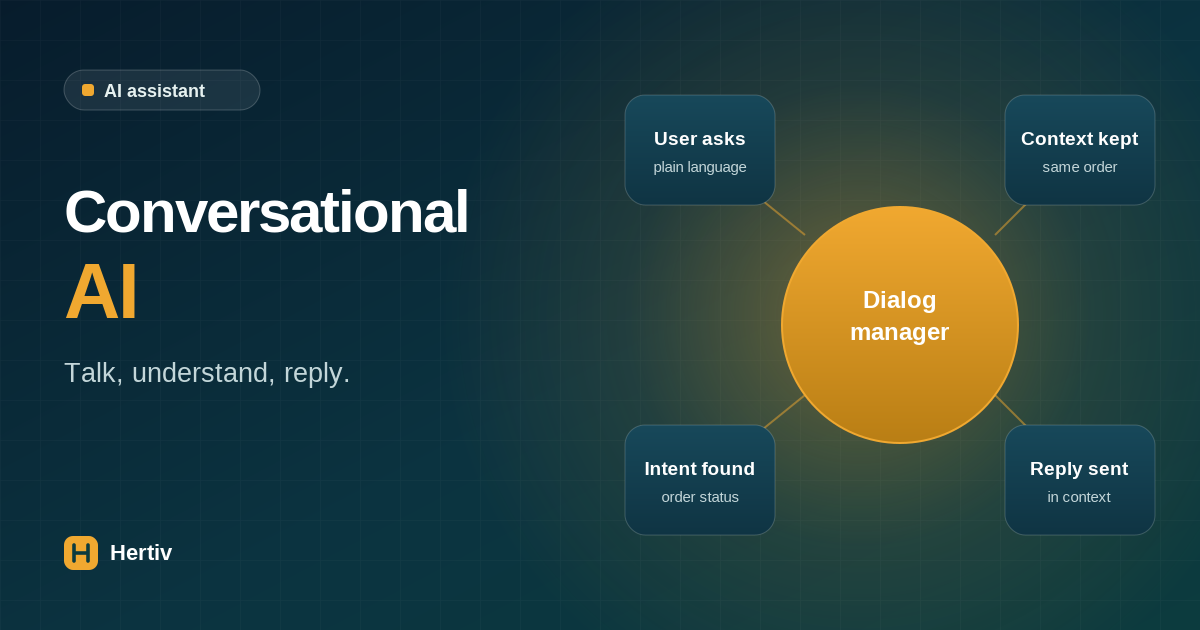
Conversational AI is software that holds a back-and-forth conversation in plain language. Learn how it understands you, where it works well, and how to start.
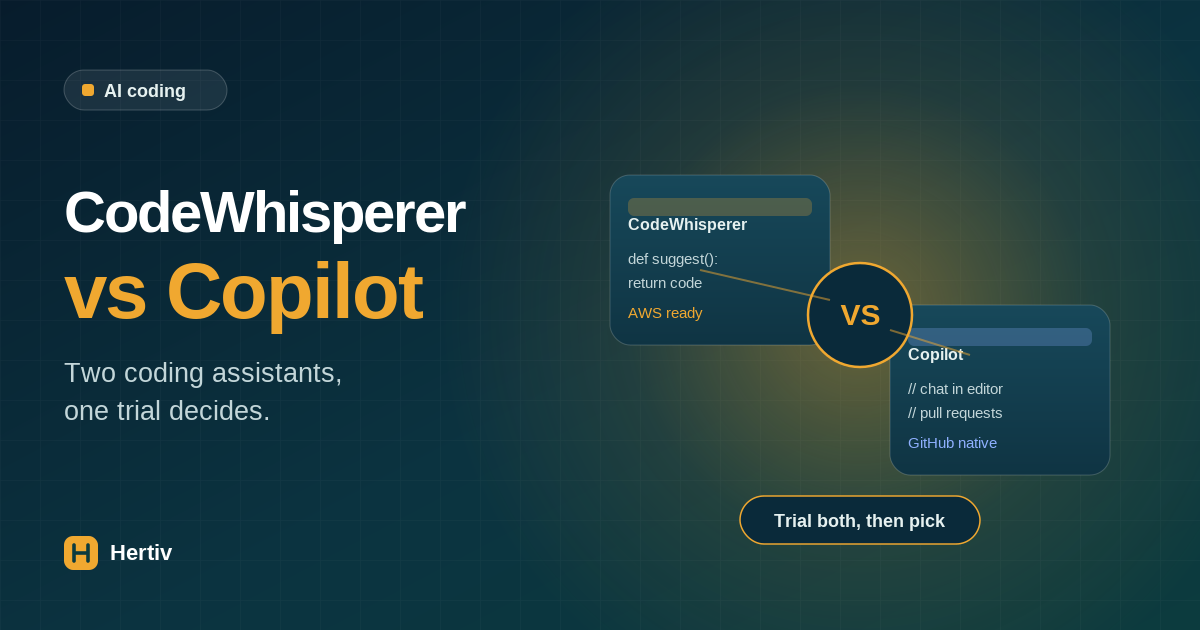
CodeWhisperer and Copilot both suggest code in your editor, but differ in pricing, models and cloud ties. Compare the points that matter before you pick one.
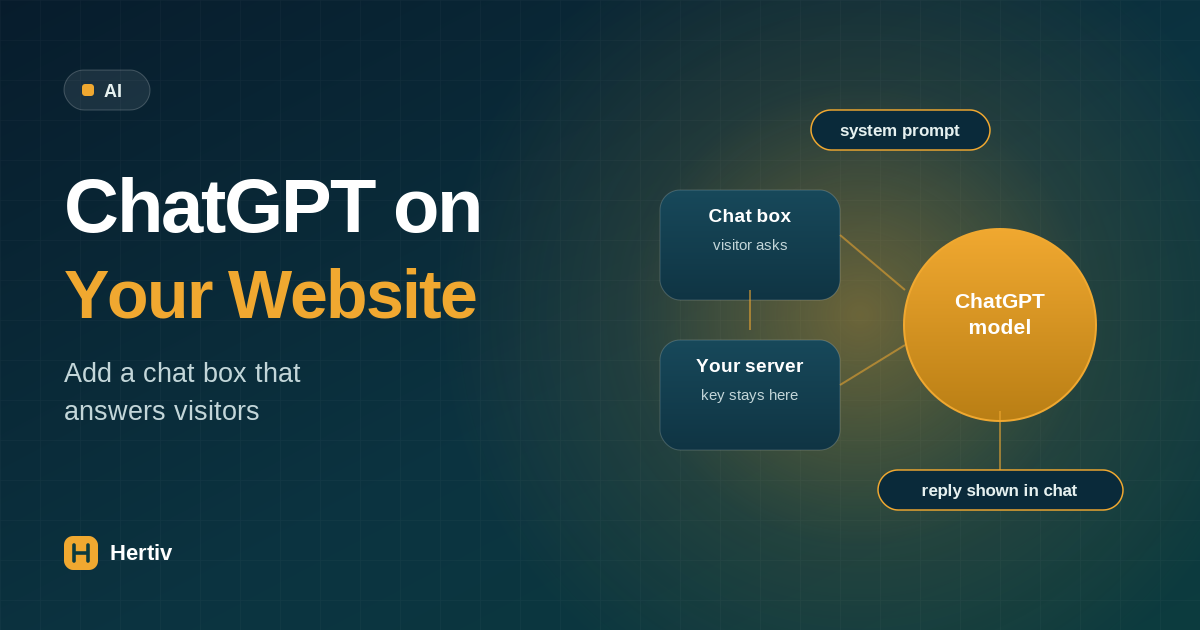
Adding ChatGPT to a website means connecting a chat box to the OpenAI API, with limits on cost, data and answers. Learn the six steps and the safety checks.
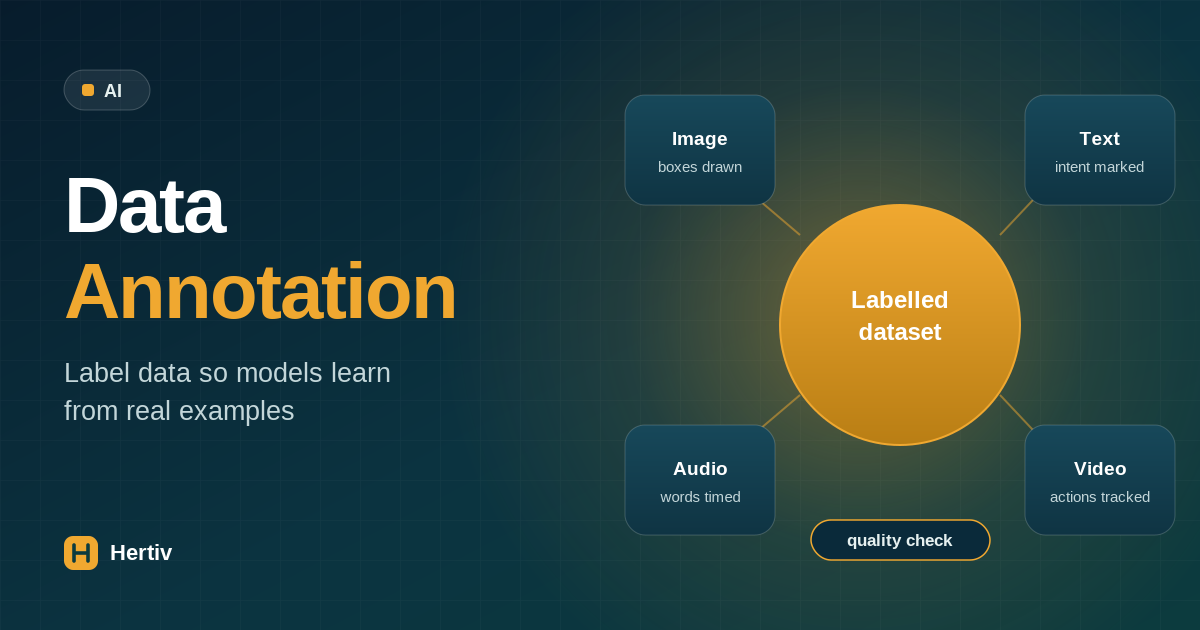
Data annotation means labelling raw text, images, audio and video so a model can learn from it. Learn the main types, the quality checks, and how to start.
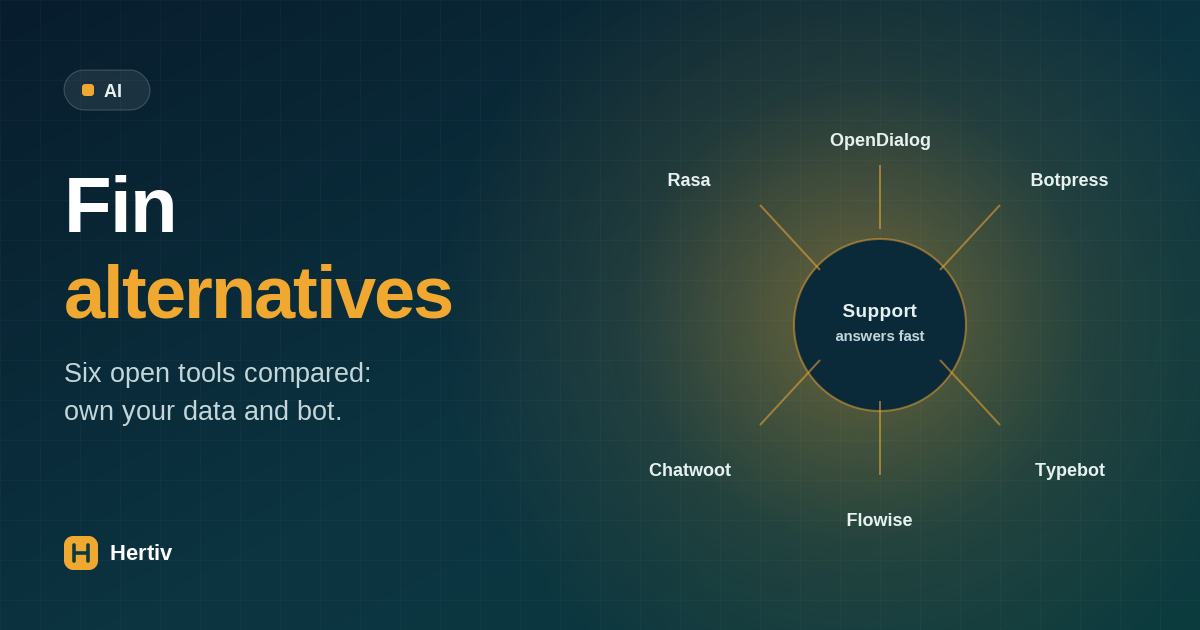
Rasa, Botpress and Chatwoot lead the open source alternatives to Intercom Fin, each giving teams full control of their data and how the bot answers.
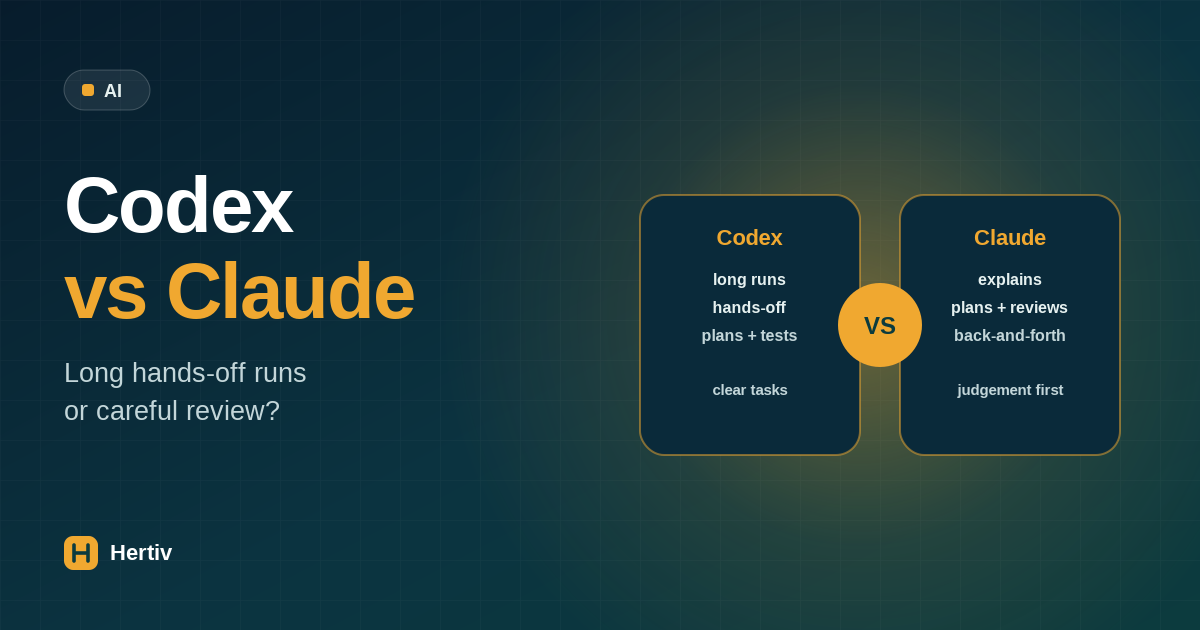
Codex is built for long, hands-off coding runs inside a repo, while Claude is the stronger all-round coding partner for explaining, planning and reviewing code.
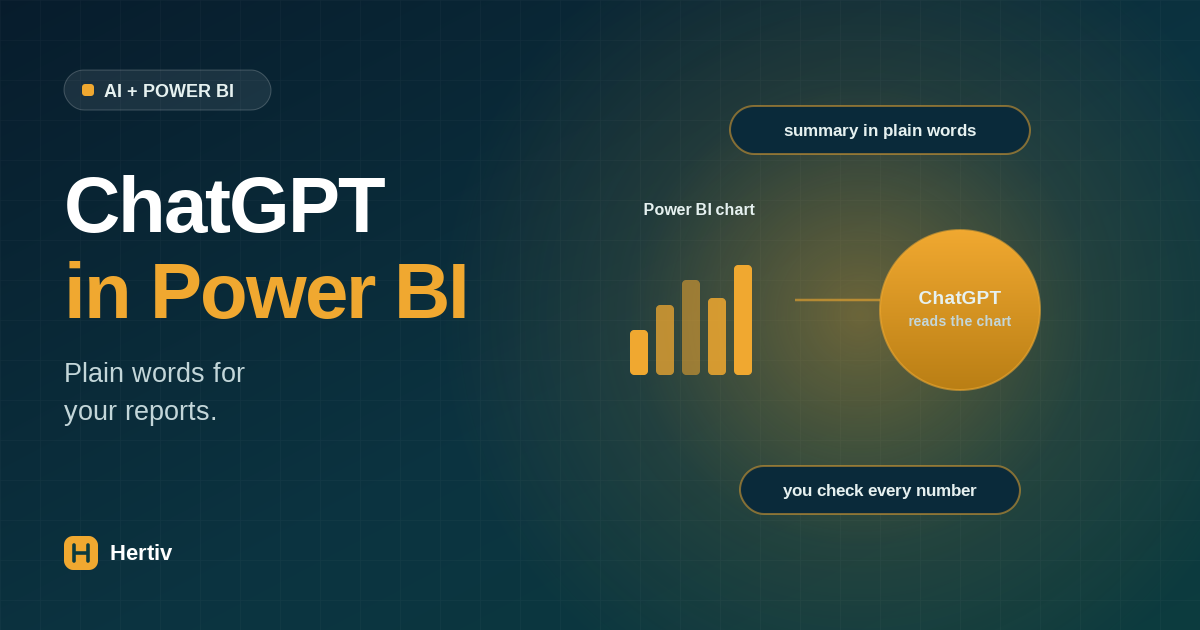
ChatGPT can explain Power BI reports in plain words and help you build DAX and visuals faster. Learn the safe ways to connect them and what to watch for.
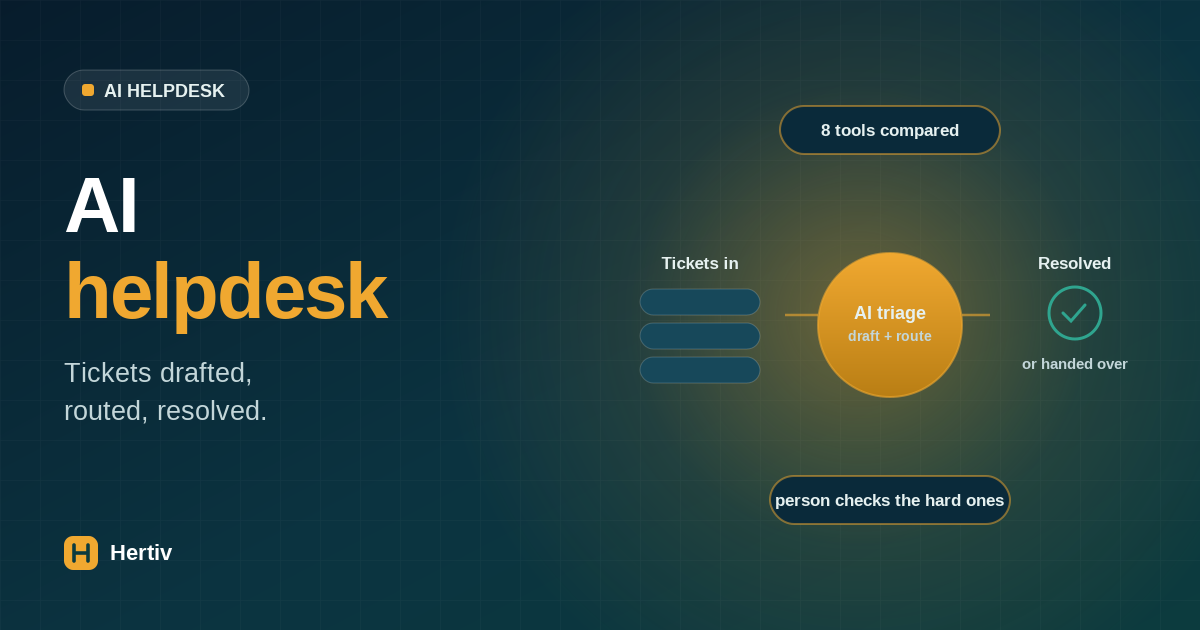
AI helpdesk software drafts replies, routes tickets and answers common questions for you. Compare 8 well-known tools by features, fit and cost.
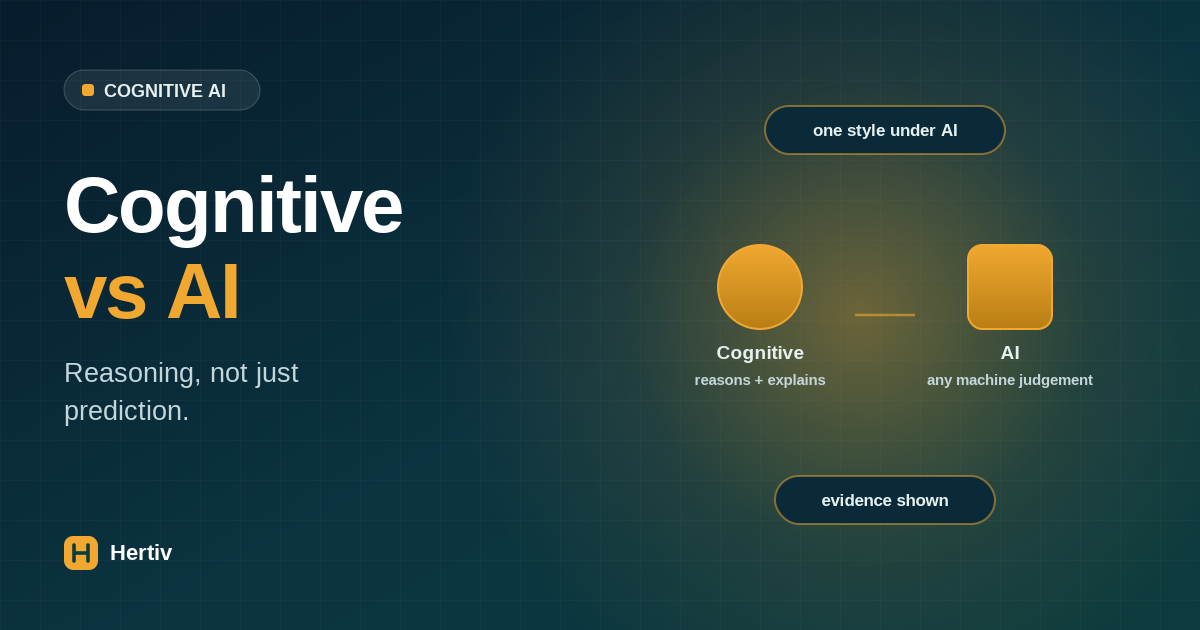
Cognitive computing is a style of AI that mimics how people reason, learn and decide. Learn how it differs from AI in general and when each label fits.
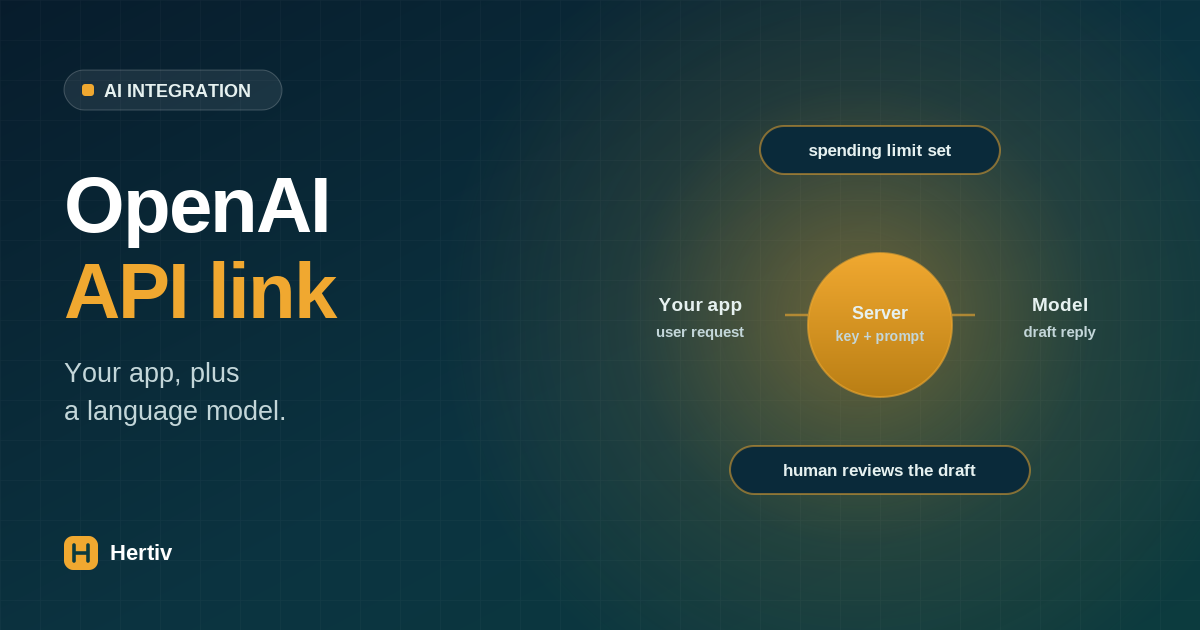
Integrating the OpenAI API means your app sends prompts to OpenAI's models and shows the answers to users. This guide covers keys, prompts, cost and safety.
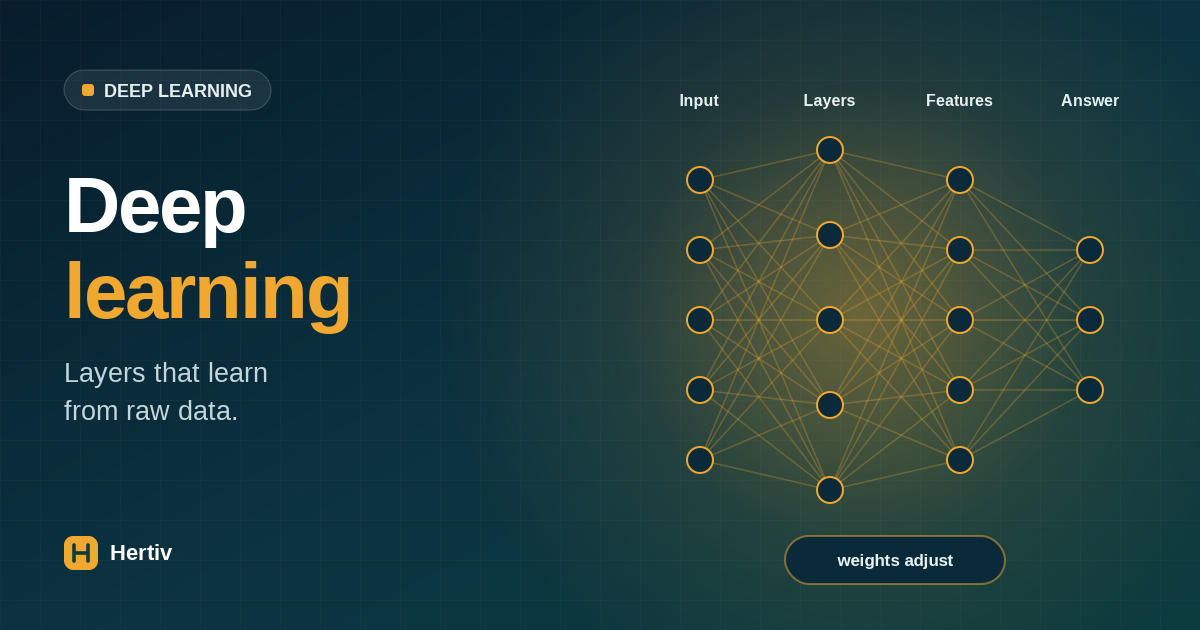
Deep learning uses layered neural networks to find patterns in images, text and sound. Learn how it works, where it fits and what it needs to run well.
AI in real estate helps with pricing, search, viewings, paperwork and upkeep, but it does not replace agents. Here is where it works and where it falls short.
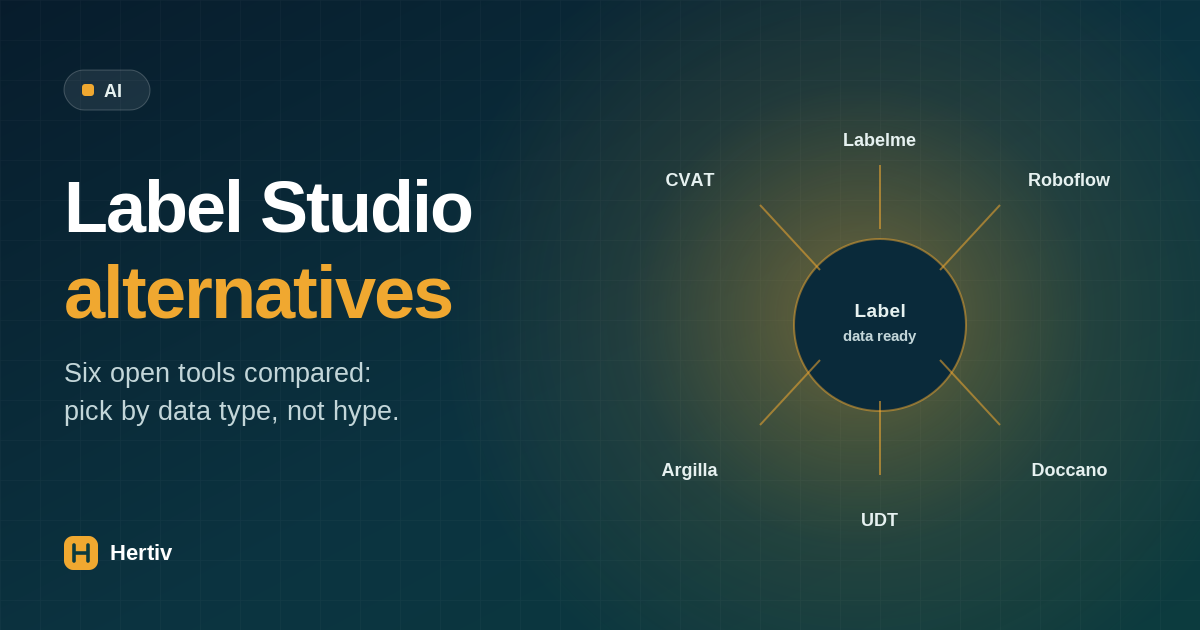
Label Studio is a popular open source tool for labelling data, but it is not the only one. These six open source alternatives cover images, text, audio and video.
Computer vision is the wider field: it covers spotting objects, tracking movement and measuring scenes, while image recognition only names what is in a picture.
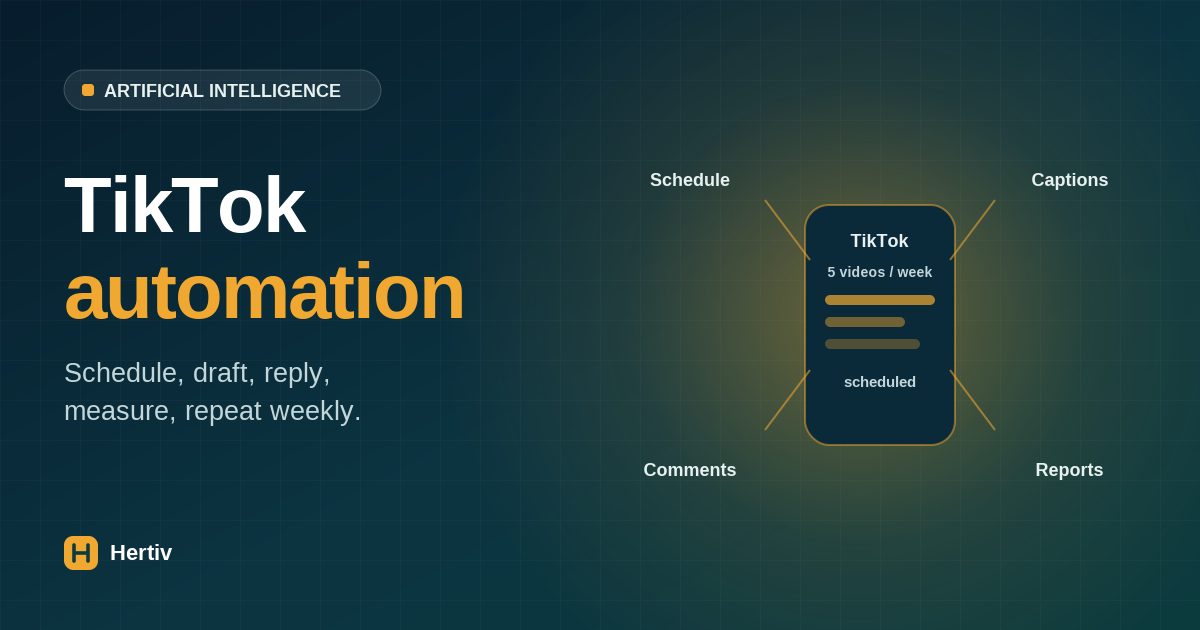
These TikTok automation ideas cut repetitive posting work: scheduling, captions, comments, trend checks and reports, so creators spend more time making videos.
No posts on this page match. Use site search (Ctrl K) to search every post.
A senior engineer reads every request and replies within one business day with questions, a rough range, or a call link.