Engineering
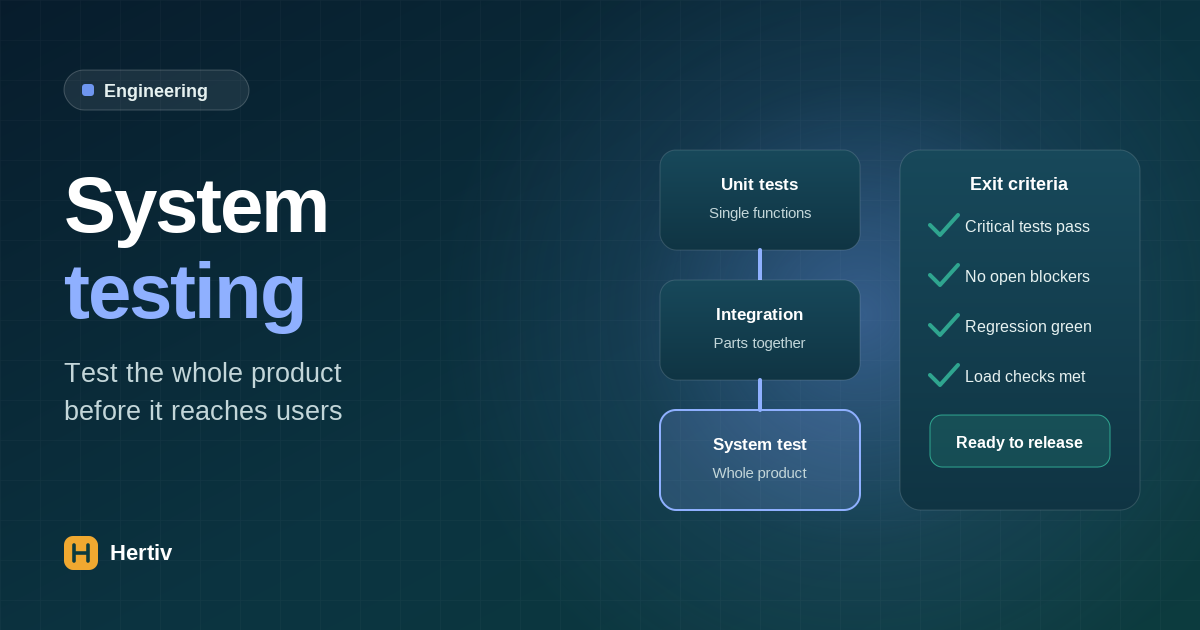
What Is System Testing, and How Do You Do It?
System testing checks a complete, integrated application as a whole before release. Learn how it differs from unit and integration testing and how to run it.
Page 200 of 223.
5352 posts · page 200 of 223
System testing checks a complete, integrated application as a whole before release. Learn how it differs from unit and integration testing and how to run it.
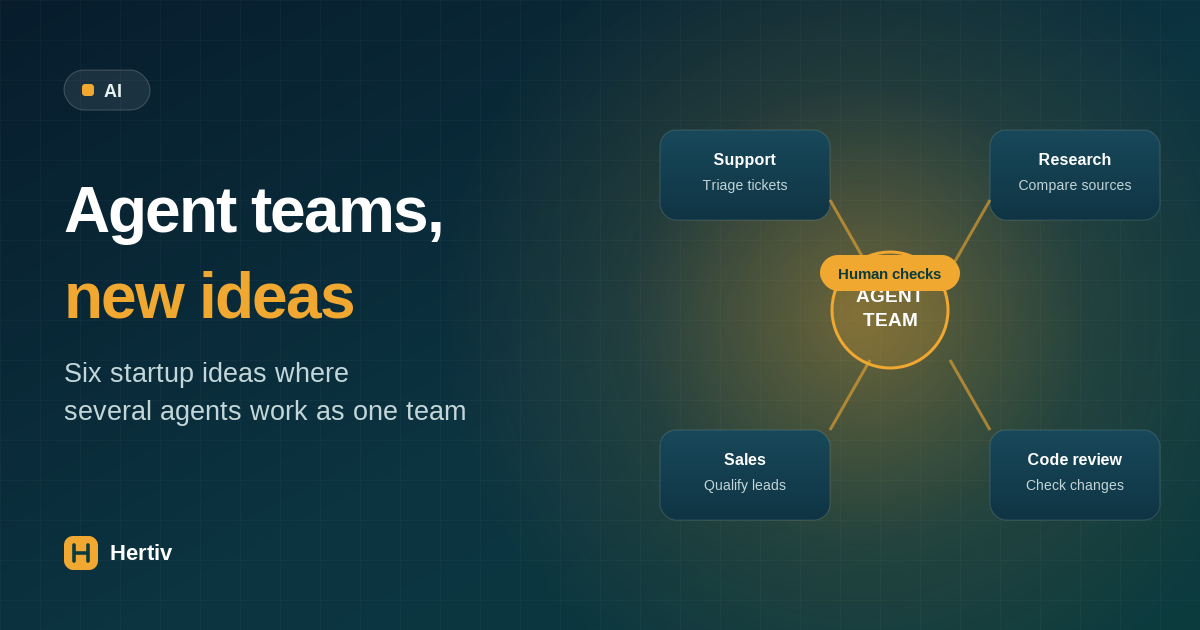
Multi-agent systems let several AI agents work together on one job. Here are six startup ideas where that teamwork pays off, and how to pick the one to build.
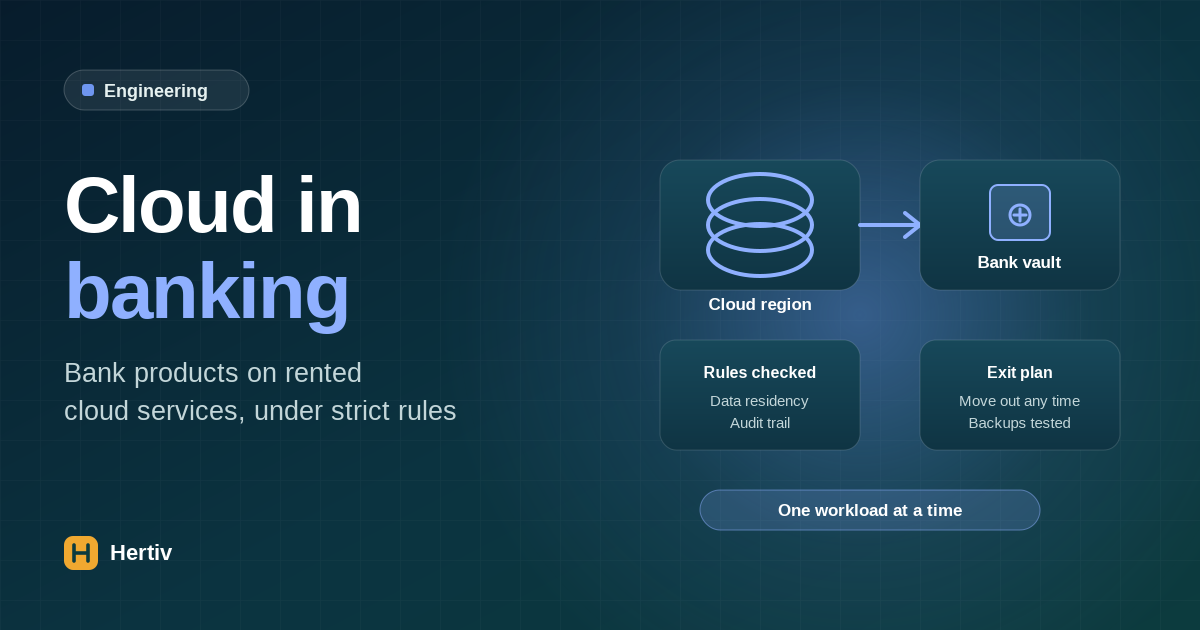
Cloud computing in banking means running bank products on rented cloud services instead of the bank's own machines. Learn why banks move and how to do it safely.
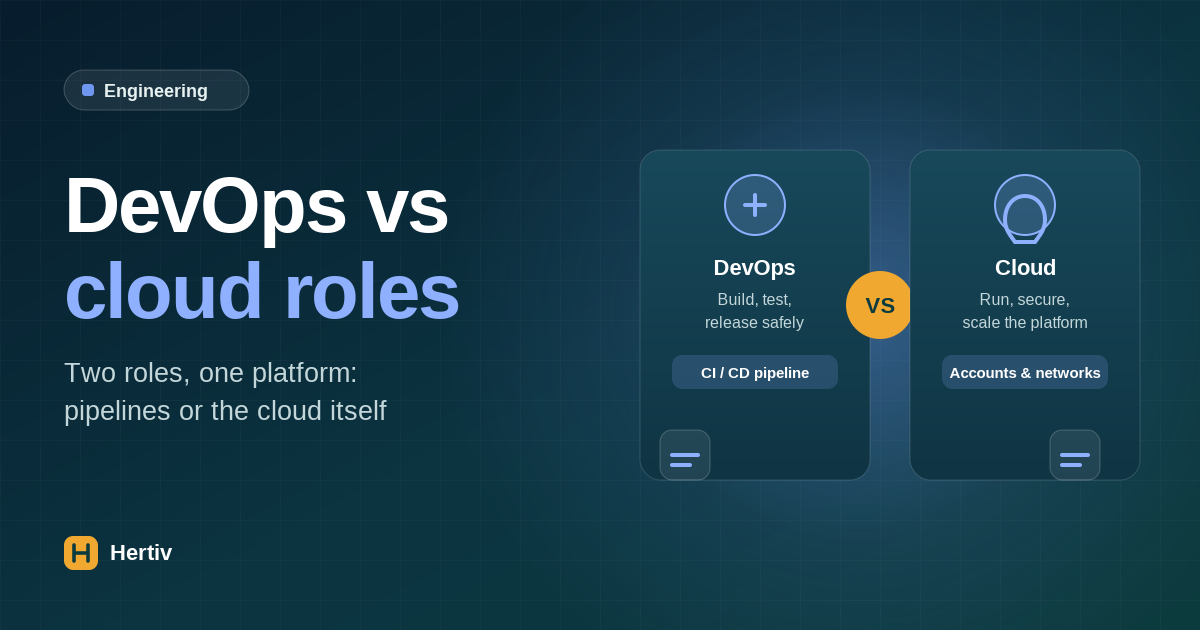
A DevOps engineer focuses on how software is built, tested and released, while a cloud engineer focuses on the platform it runs on. Here is how the two roles differ.
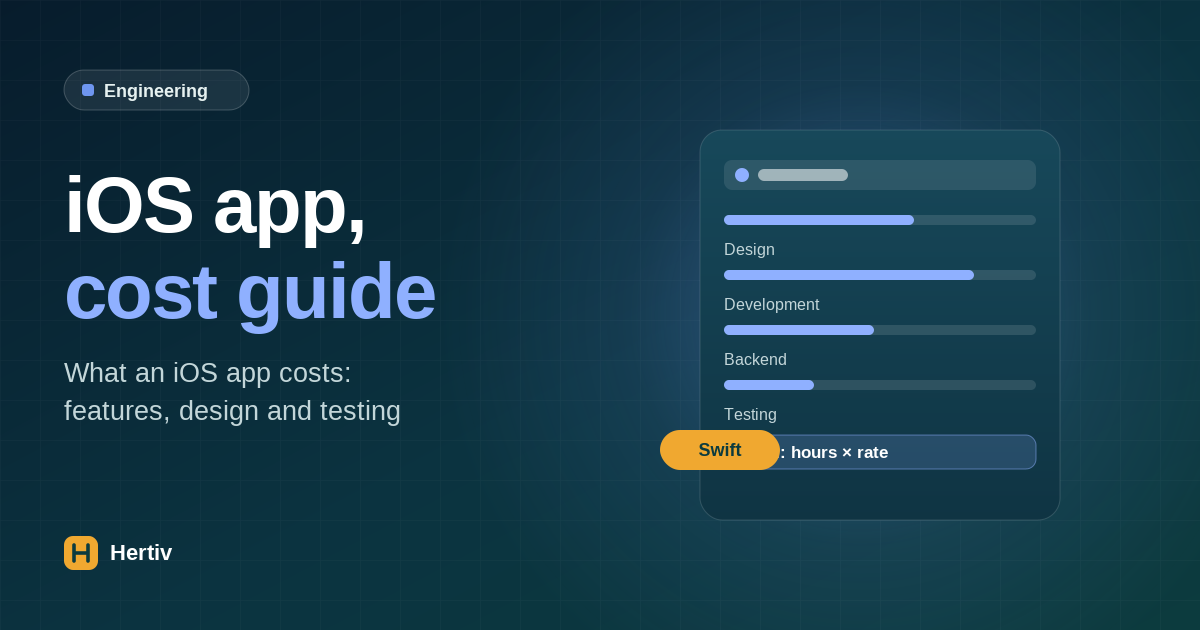
An iOS app costs what its scope costs: features, design, backend and testing set the price. Learn the drivers, the usual breakdown and how to budget in stages.
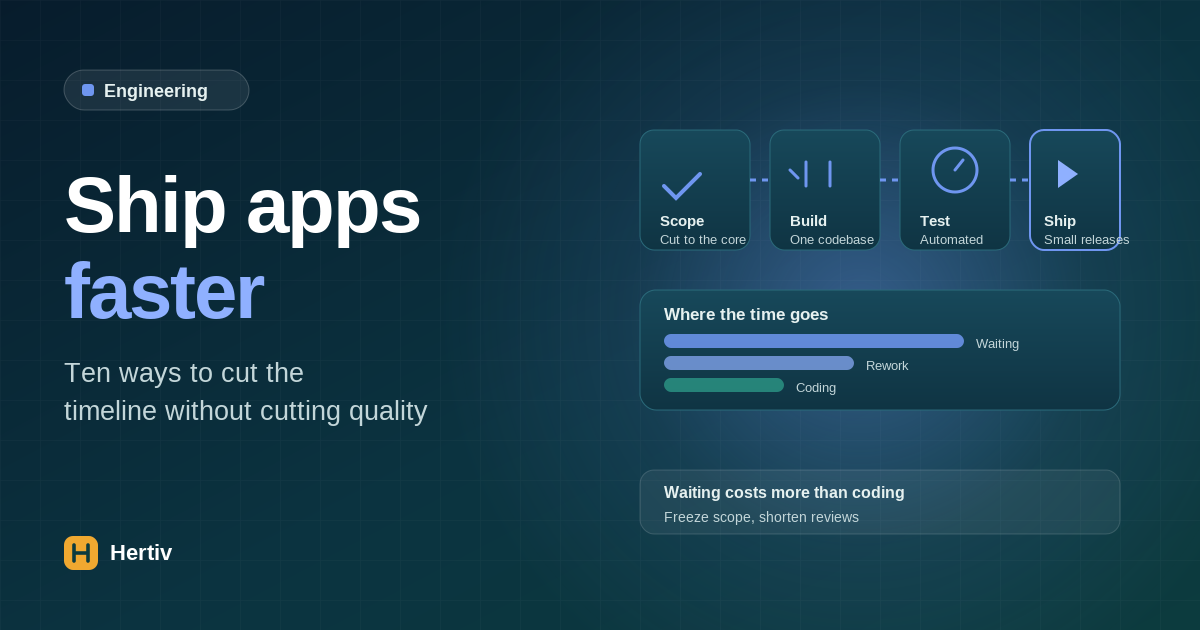
Slow app development usually comes from unclear scope, rework and slow feedback, not from slow coding. These ten ways cut the timeline without cutting quality.
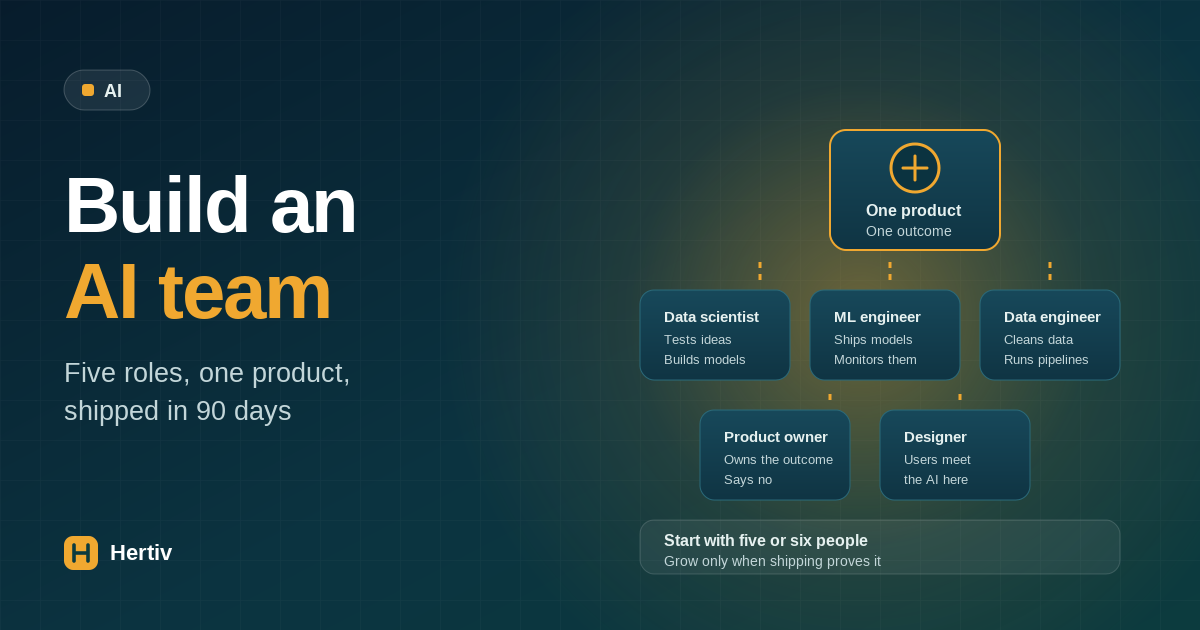
An AI team needs more than data scientists: product sense, engineering, data and design. Here is how to hire, structure and run a team that ships working AI.
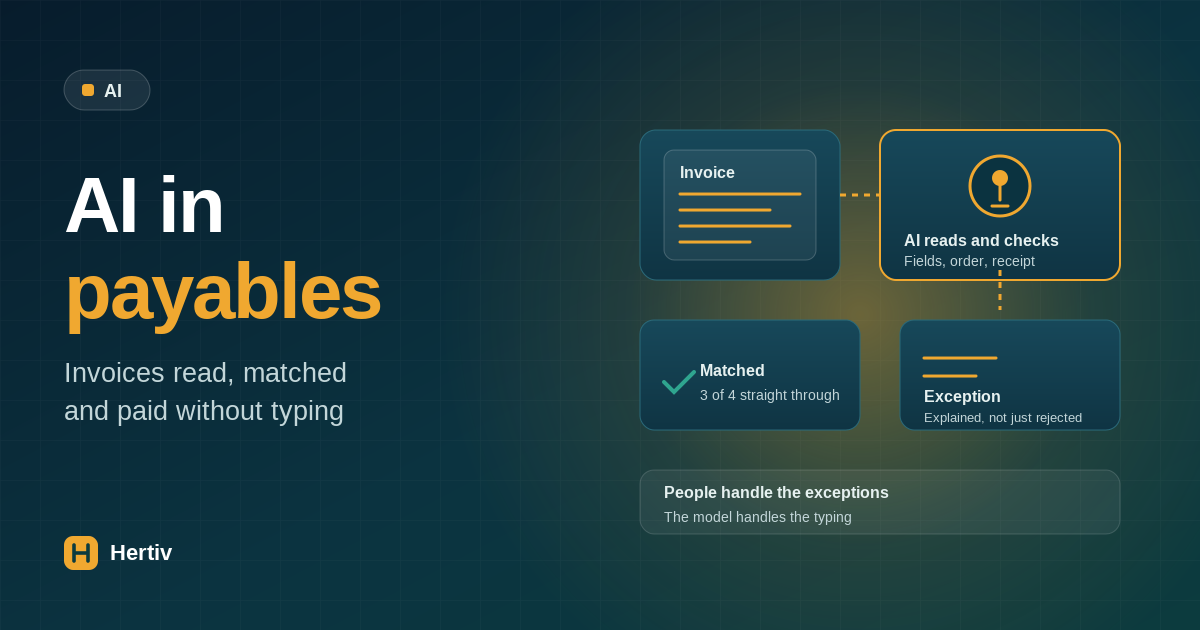
AI in accounts payable reads invoices, matches them to orders and flags problems before payment. These are the use cases that save the most time for finance teams.
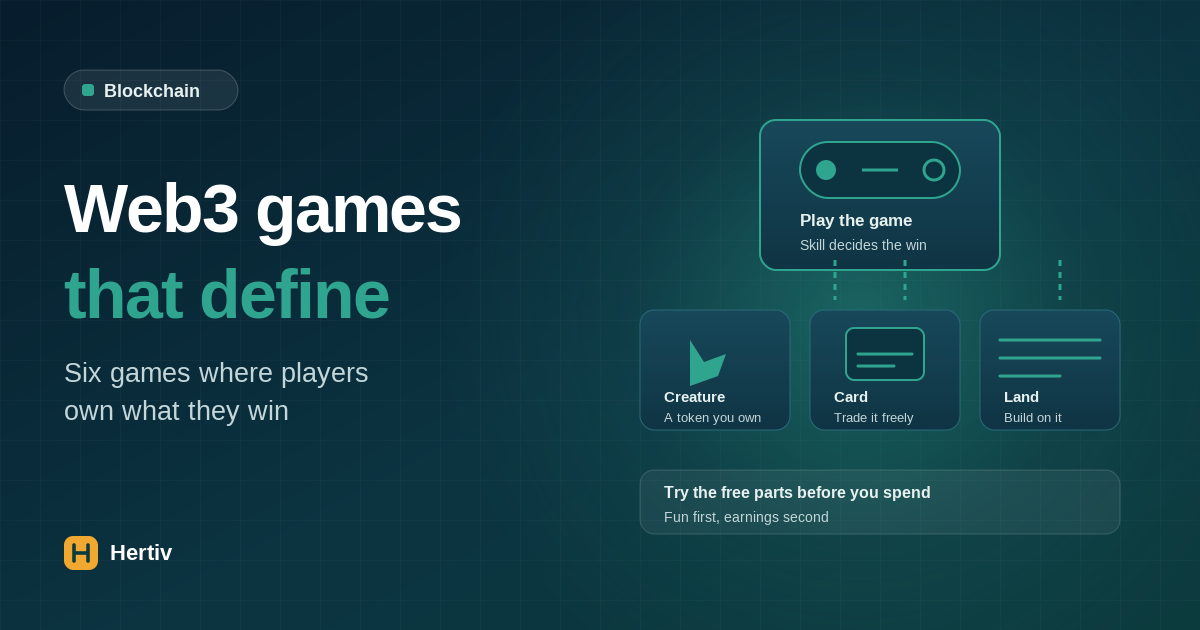
Web3 games let players own their items as tokens and trade them outside the game. Compare six games that show what the model does well, and what to check first.
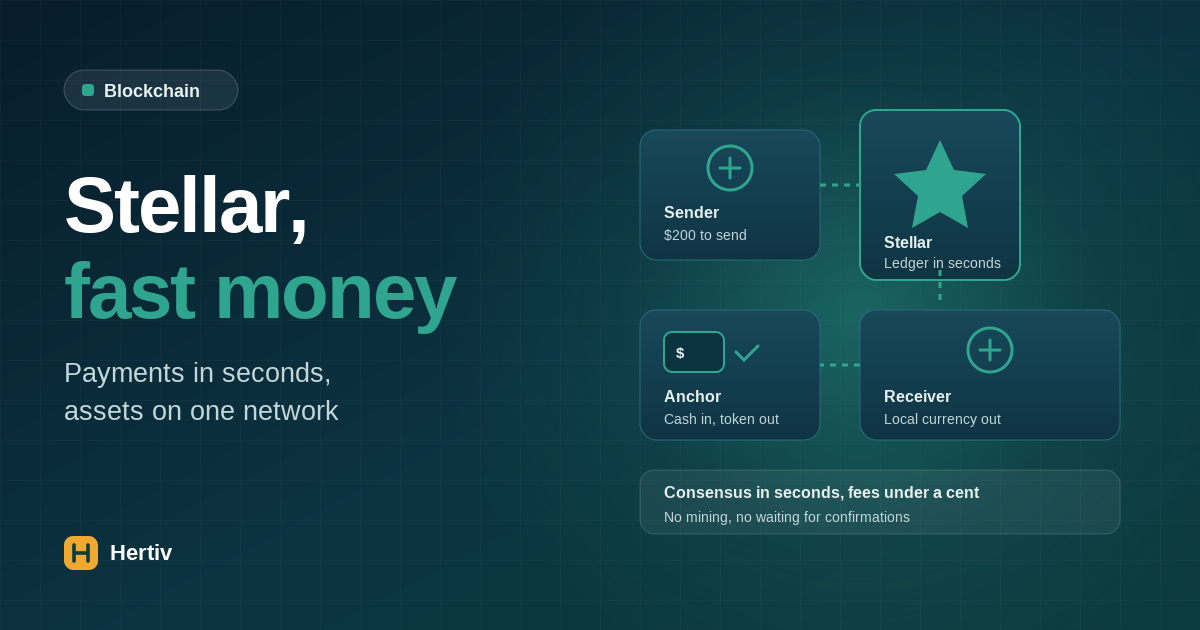
Stellar is a public blockchain built for fast, low-cost payments and asset transfers. Learn how its consensus works, what anchors do, and when it fits.
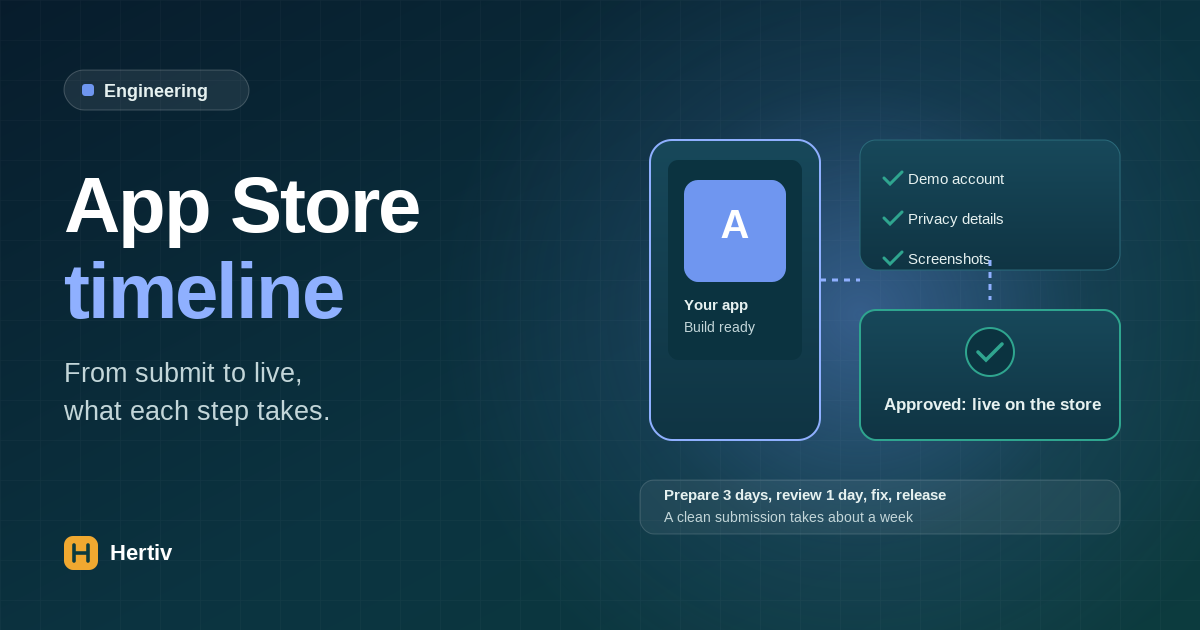
Apple states that most app reviews finish within 24 hours, but preparing the listing and fixing rejections take longer. Here is the full timeline.
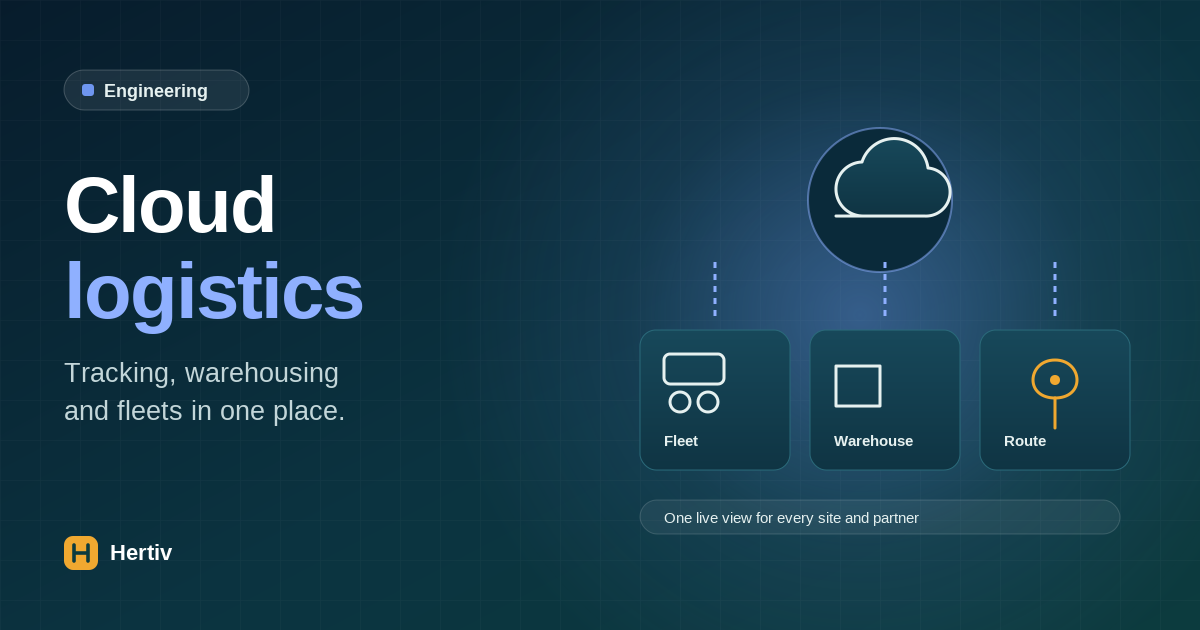
Cloud tools give logistics teams live tracking, shared warehouse data and routes that update as conditions change. Here is what they cover and how to choose one.
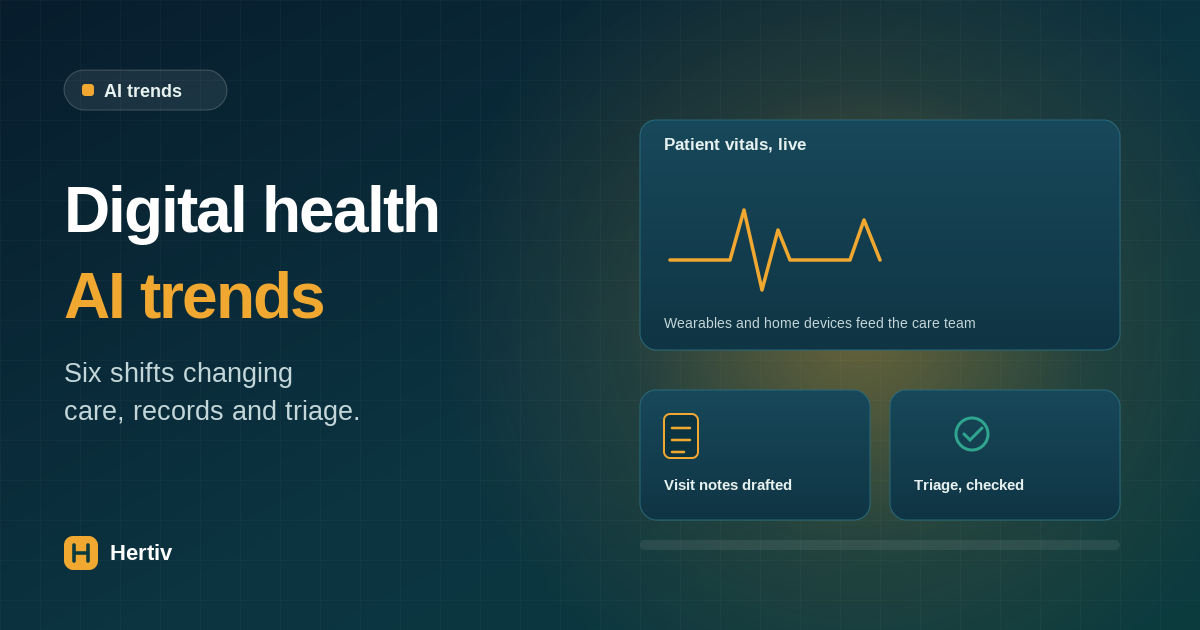
AI is changing digital health in clear ways: notes that write themselves, imaging support and care at home. Here are six trends and what each one means for teams.
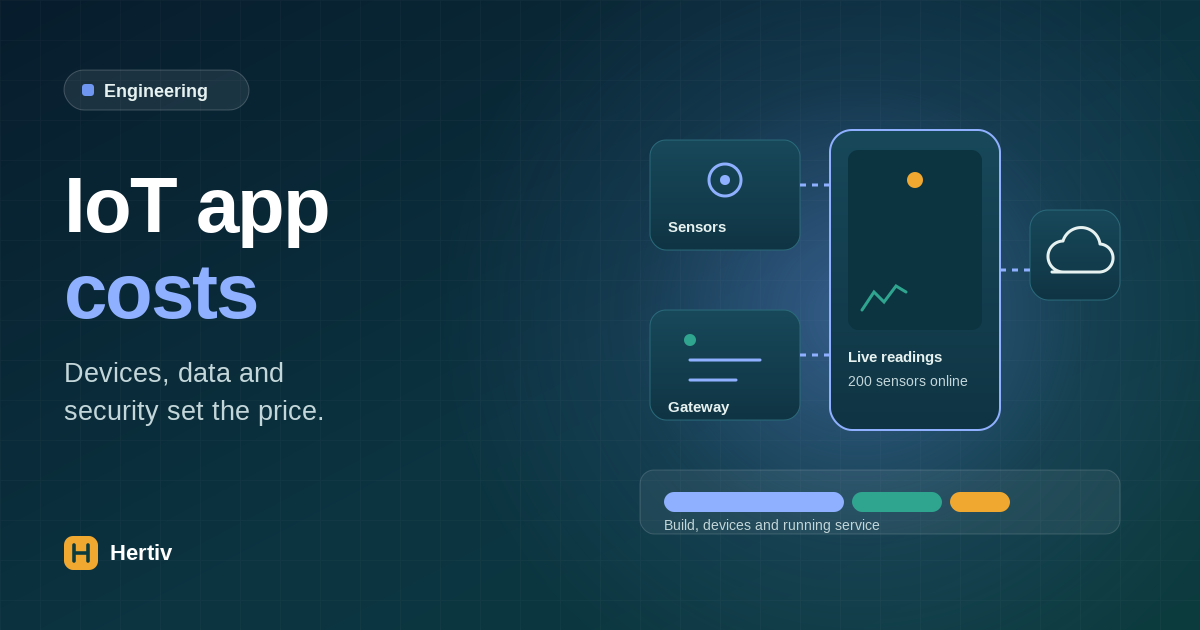
An IoT app costs what its scope costs: devices, connectivity, data handling and security set the price. Here are the drivers and how teams budget a first version.
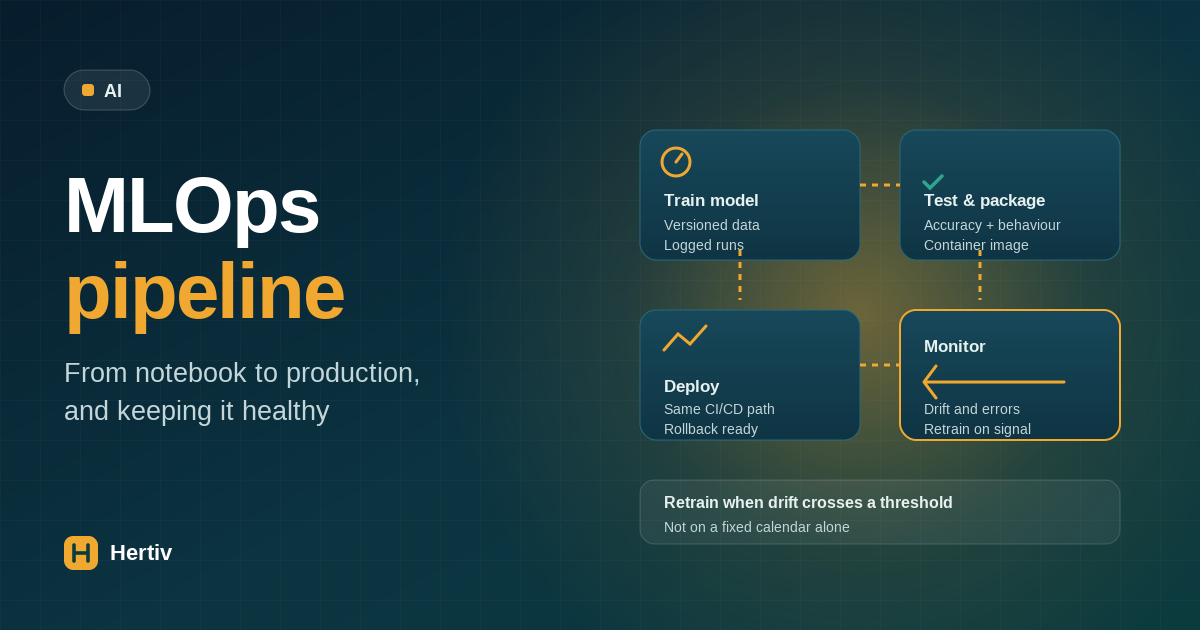
An MLOps pipeline takes a model from training to production and keeps it working: versioned data, tested models, automated deploys and monitoring.
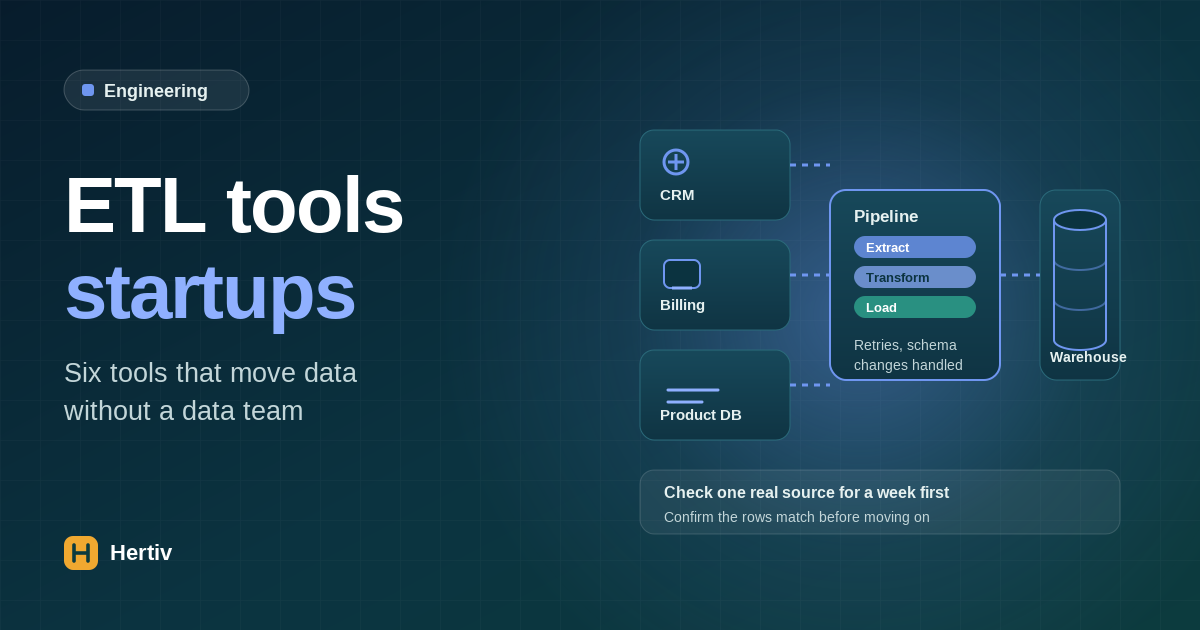
Startups need ETL tools that connect fast, need little maintenance and grow with data volume. Compare six tools for small teams and pick by fit.
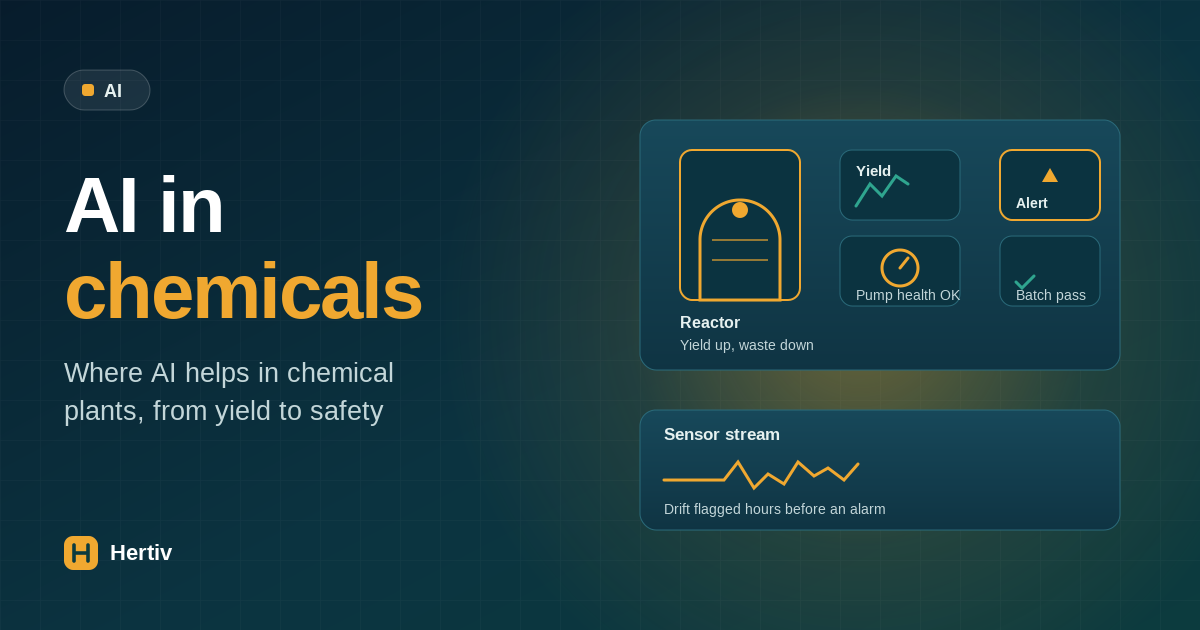
AI helps chemical plants run steadier, safer and with less waste: process control, predictive maintenance, quality checks and faster R&D.
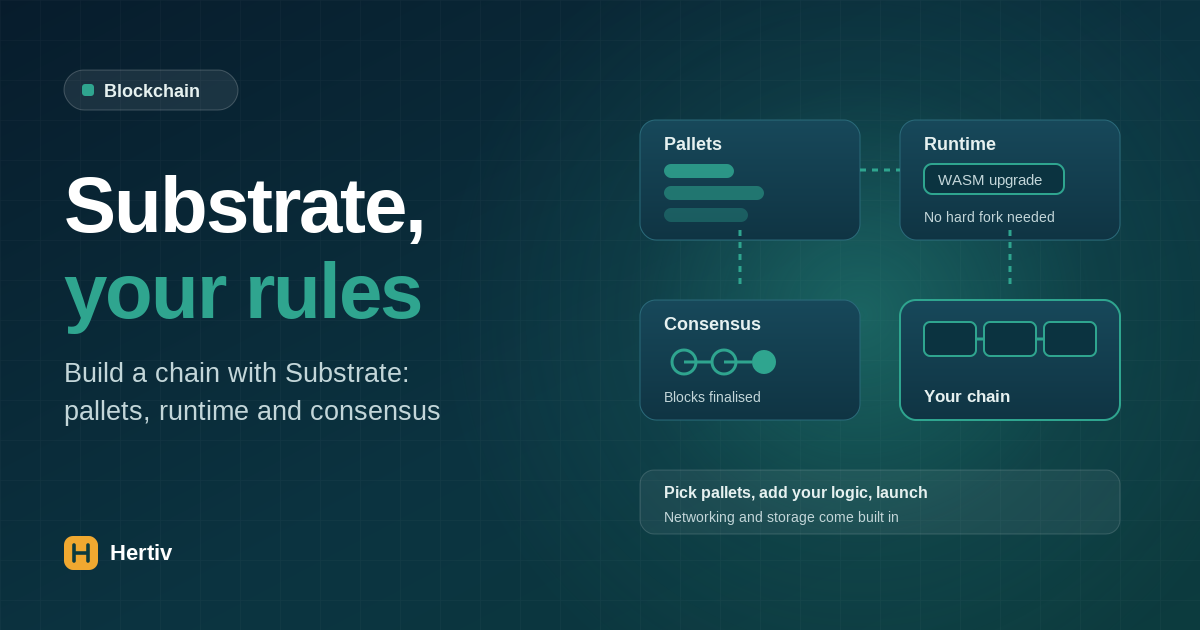
Substrate is a Rust framework for building custom blockchains. Learn how its pallets, runtime and consensus fit together, and when a custom chain is worth it.
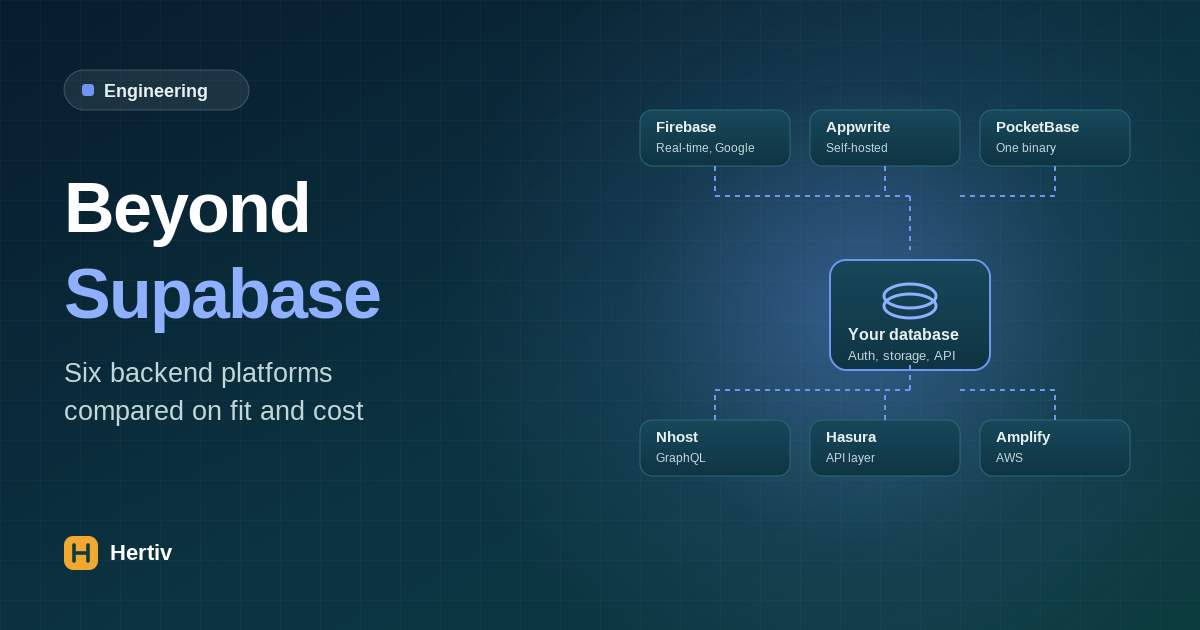
Supabase gives you a database, auth and storage in one place, but Firebase, Appwrite and others suit different teams. Compare six competitors and pick by fit.
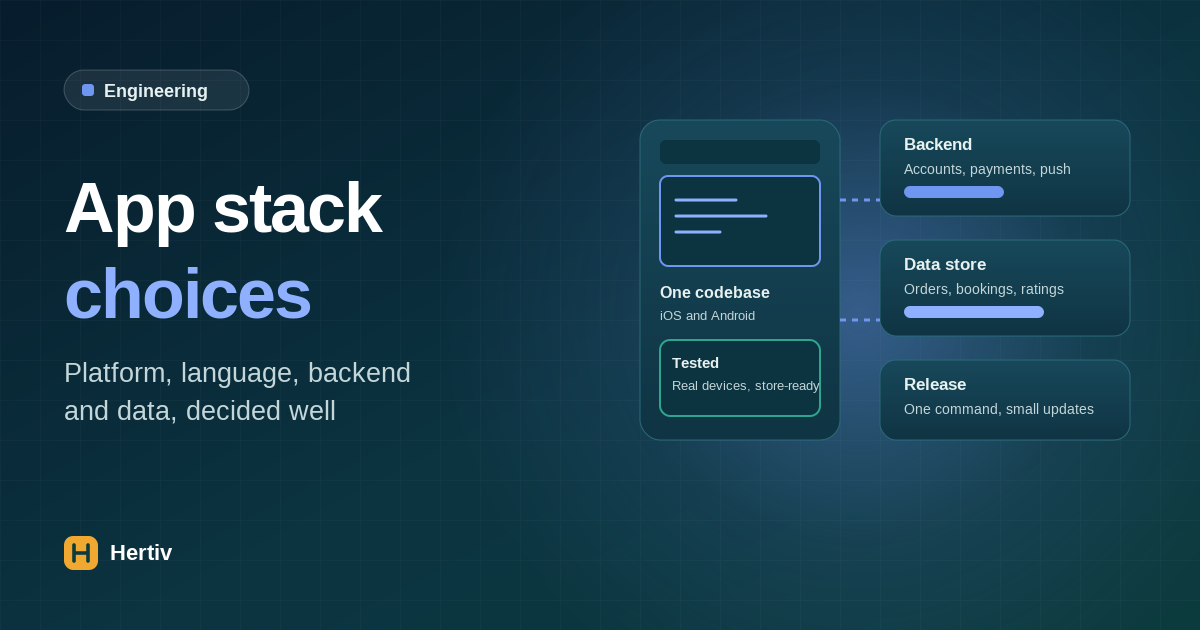
App technologies decide what your app costs, how fast it ships and what it can do later. Compare the platform, language, backend and data choices that matter most.
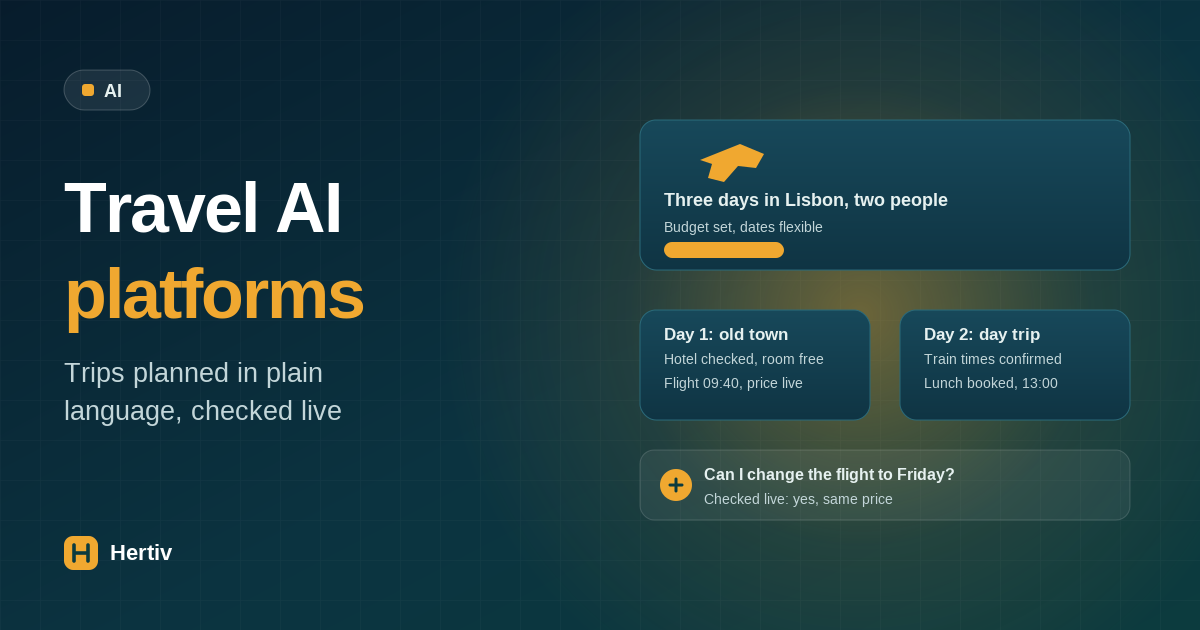
A generative AI platform for travel plans trips, answers booking questions and writes travel content from live prices. Learn what it does and how to choose one.
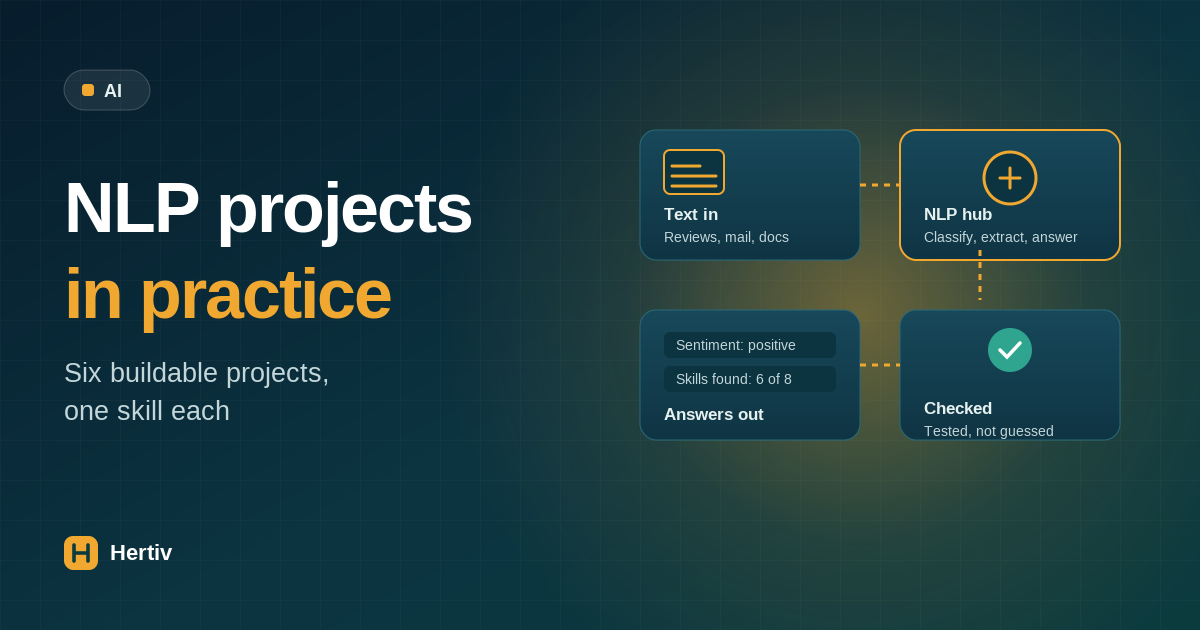
NLP projects teach the skills employers look for: cleaning text, training a model and shipping it in a product. Here are six buildable projects, and how to pick one.
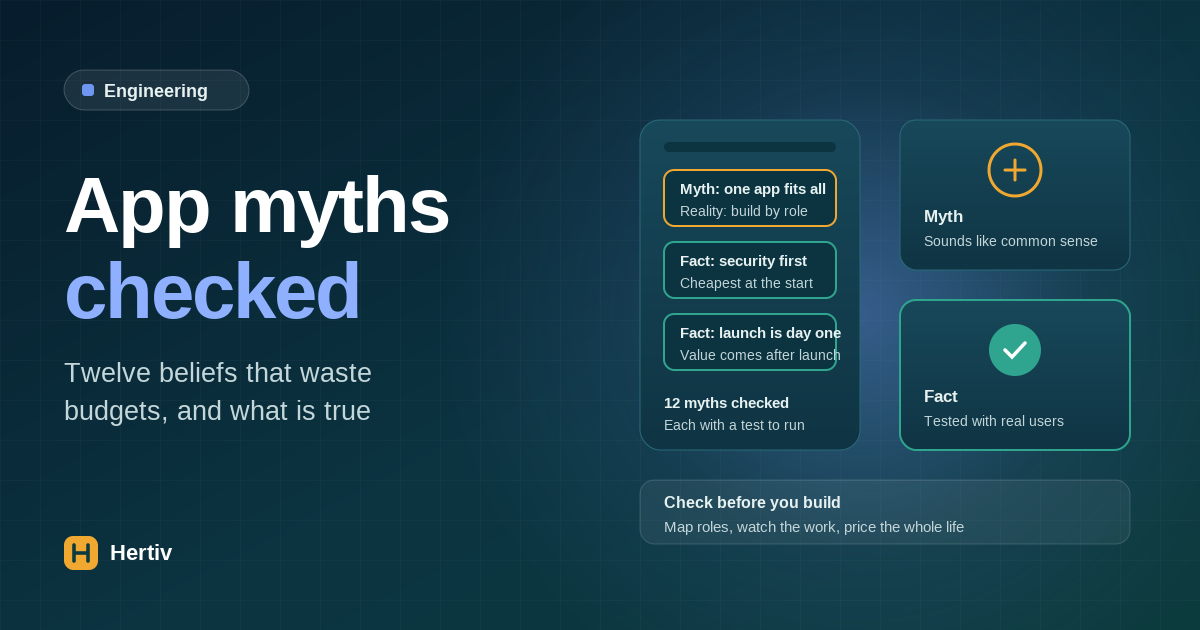
Enterprise mobile apps fail more often from wrong beliefs than from wrong technology. Twelve common myths, what is true instead, and how to check the facts.
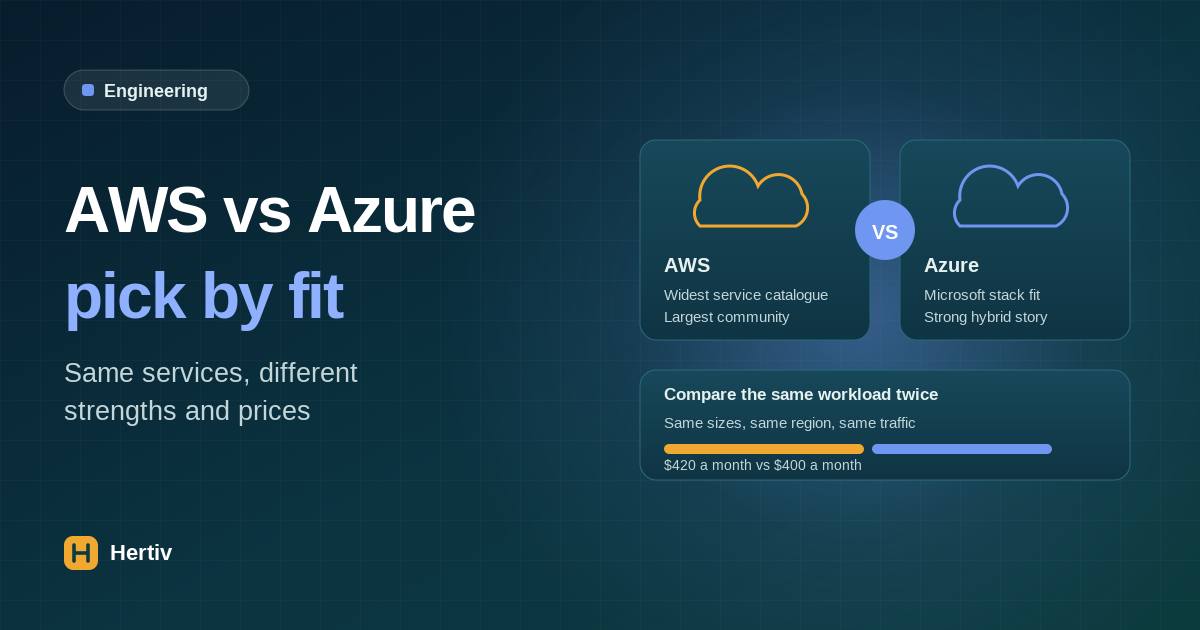
AWS and Azure offer the same kinds of cloud services, but they differ on breadth, Microsoft integration and pricing. Compare the two before you commit a workload.
No posts on this page match. Use site search (Ctrl K) to search every post.
A senior engineer reads every request and replies within one business day with questions, a rough range, or a call link.