Engineering
IoT Product Development: Use Cases and Process
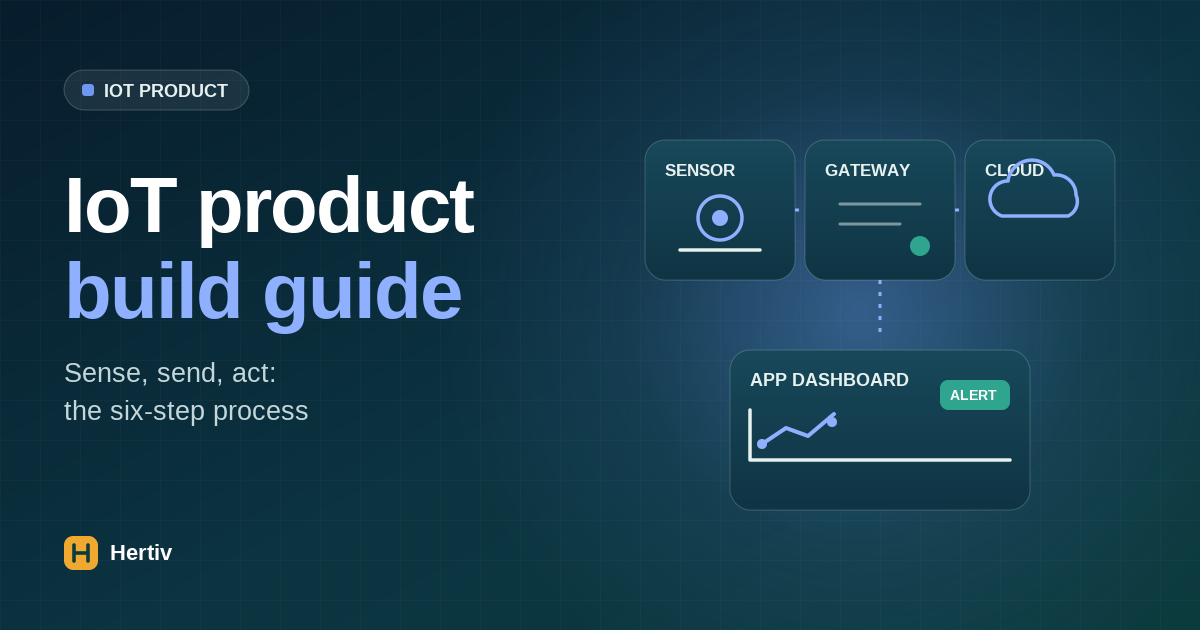
An IoT product joins hardware, firmware and cloud software into one working device. Here are the main use cases and the six-step process teams follow to build one.
Page 198 of 224.
5362 posts · page 198 of 224
An IoT product joins hardware, firmware and cloud software into one working device. Here are the main use cases and the six-step process teams follow to build one.
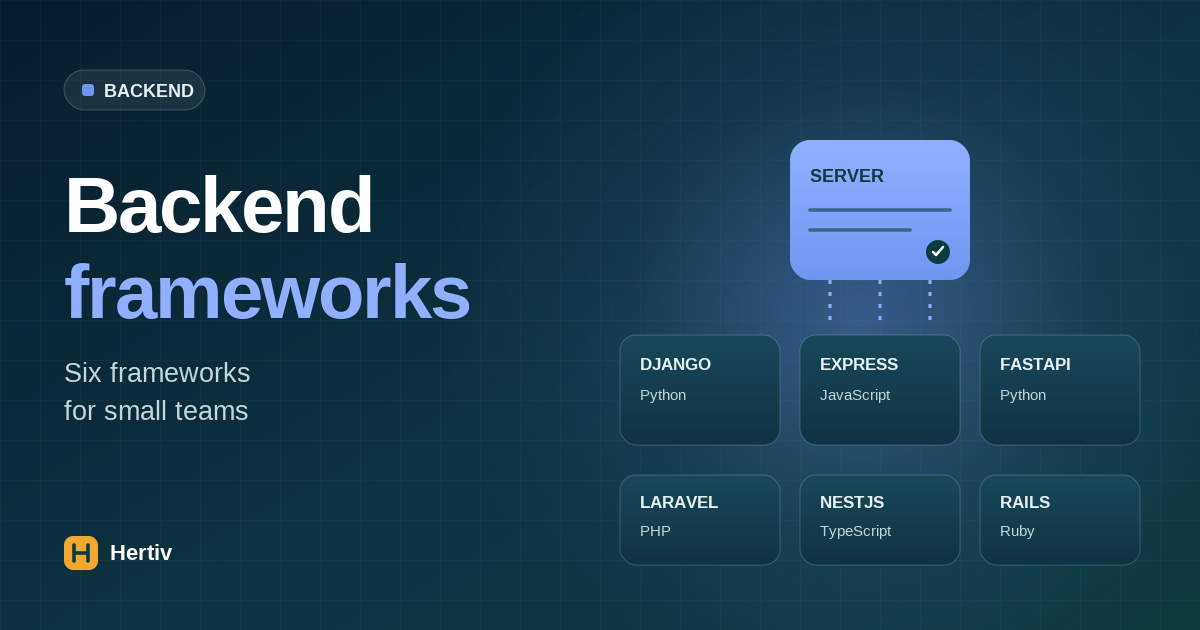
Django, Express.js, FastAPI, Laravel, NestJS and Rails each suit a different kind of startup. Here is what each one is best for, and how to choose between them.
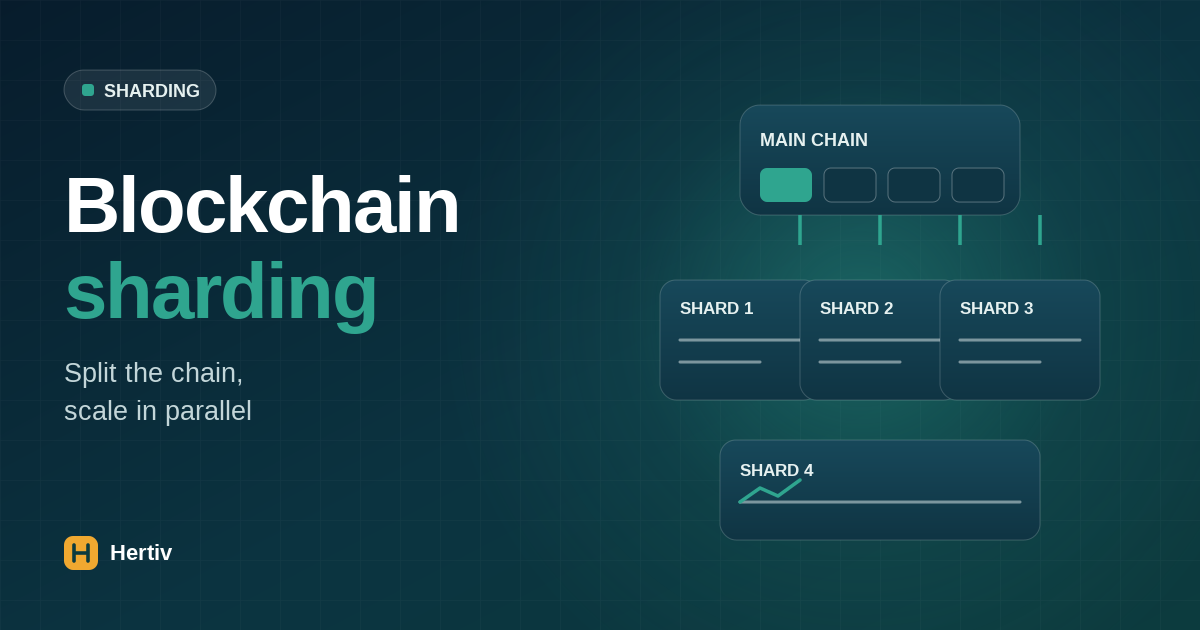
Sharding splits a blockchain into parts called shards, so each one handles a share of the work. Here is how it raises throughput, and the trade-offs it brings.
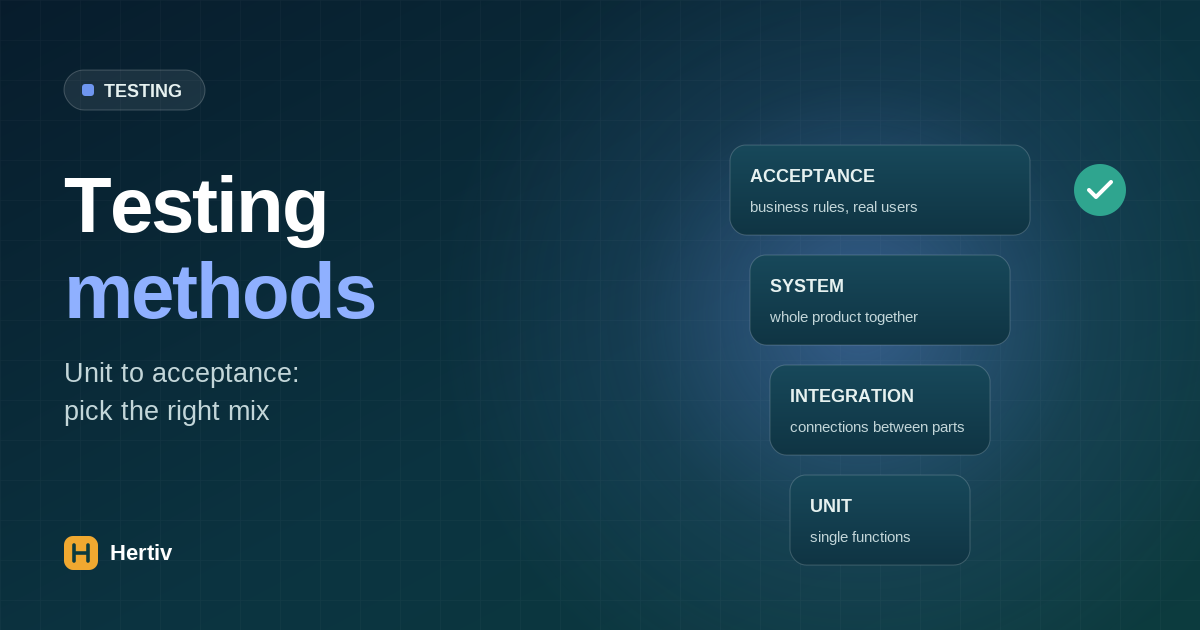
Unit, integration, system and acceptance tests each check a different part of a product. Here is how the testing methodologies differ, and how teams pick the mix.
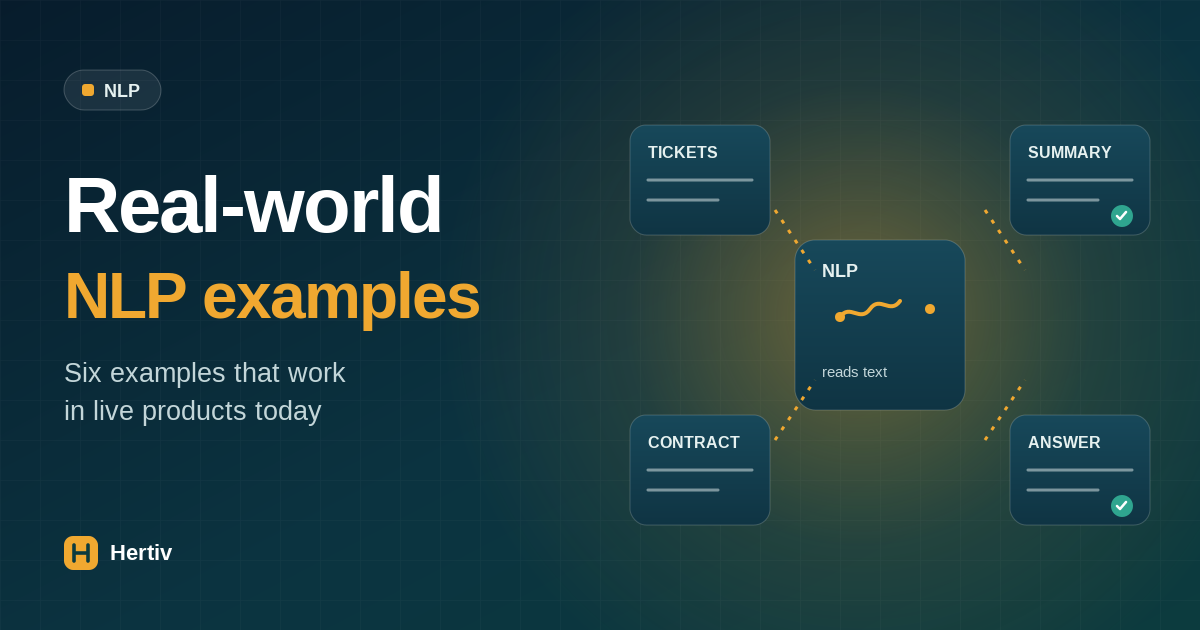
NLP handles support tickets, contracts and clinical notes in live products. Here are six examples that work in production, and what each one needs to run well.
Mendix is one low-code platform among many. Here are six competitors, what each does well, and how to pick the right one for your team.
Governments use blockchain for land records, identity, procurement and aid. It fits where trust, audit trails and shared records matter most.
Azure DevOps bundles planning, code and pipelines in one place, while Jira focuses on tracking work. The right choice depends on your stack and how your team works.
A dedicated development team agency gives you a full team that works only on your product. Here are six well-known agencies and how to pick the right one.
A healthcare app can cost as little as a simple first version or far more as a regulated product. Cost depends on features and the rules it must follow.
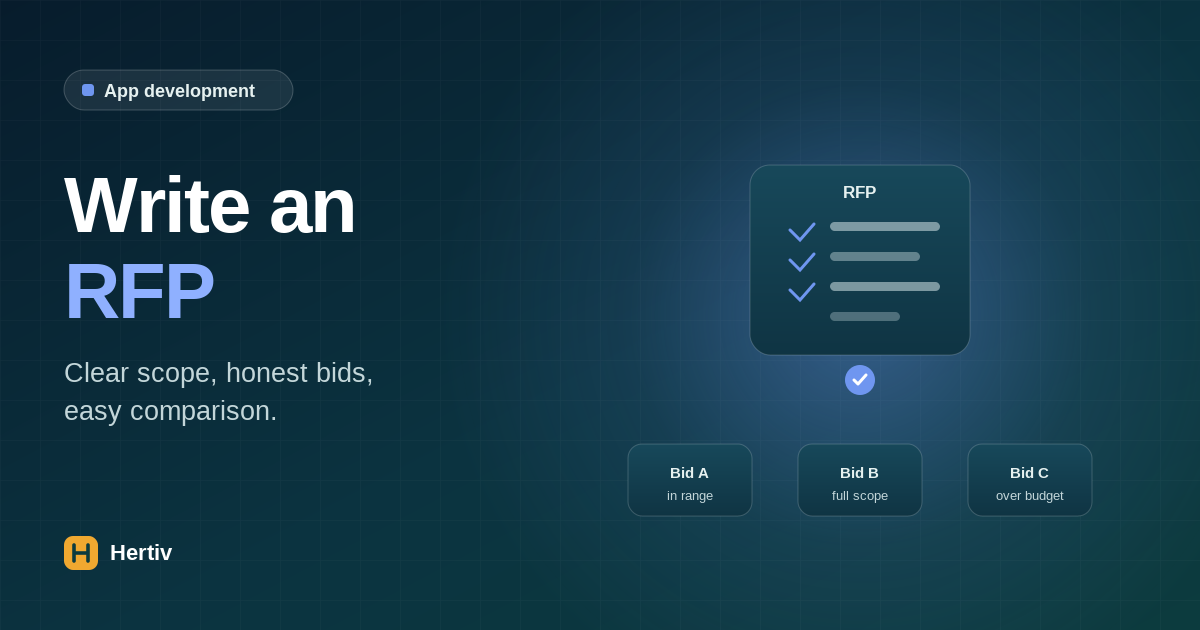
A mobile app RFP describes the app, the users, the features and the budget so every vendor quotes on the same scope. Here is what to include.
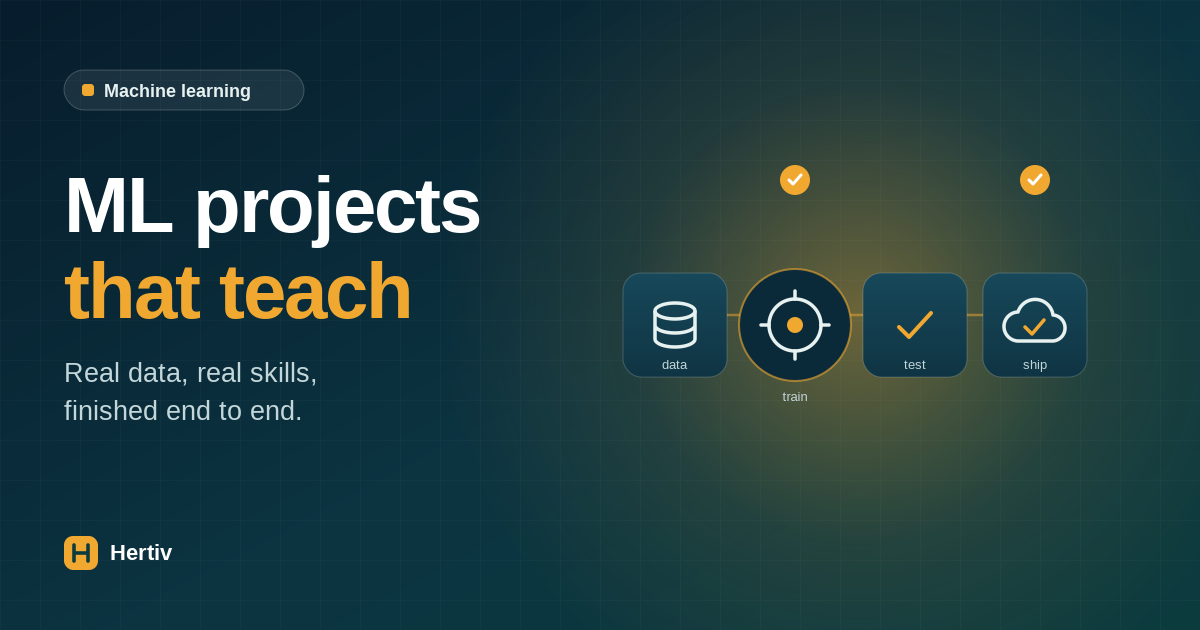
Six machine learning projects with real data, a clear question and a way to check the answer. Pick one that matches your data and finish it end to end.
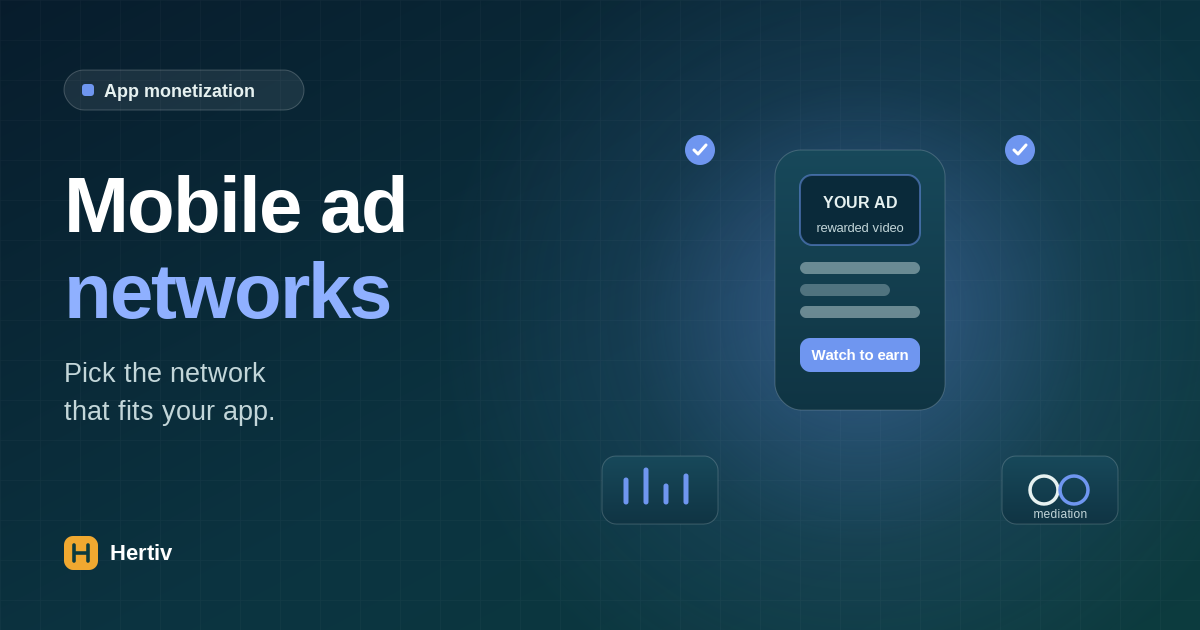
Ten mobile ad networks covering banners, rewarded video, interstitials and mediation. Compare formats and fill, then pick the one that fits your app and your users.
A smart contract audit is an independent review of blockchain code that finds bugs and security holes before the contract handles real money. Here is what it covers.
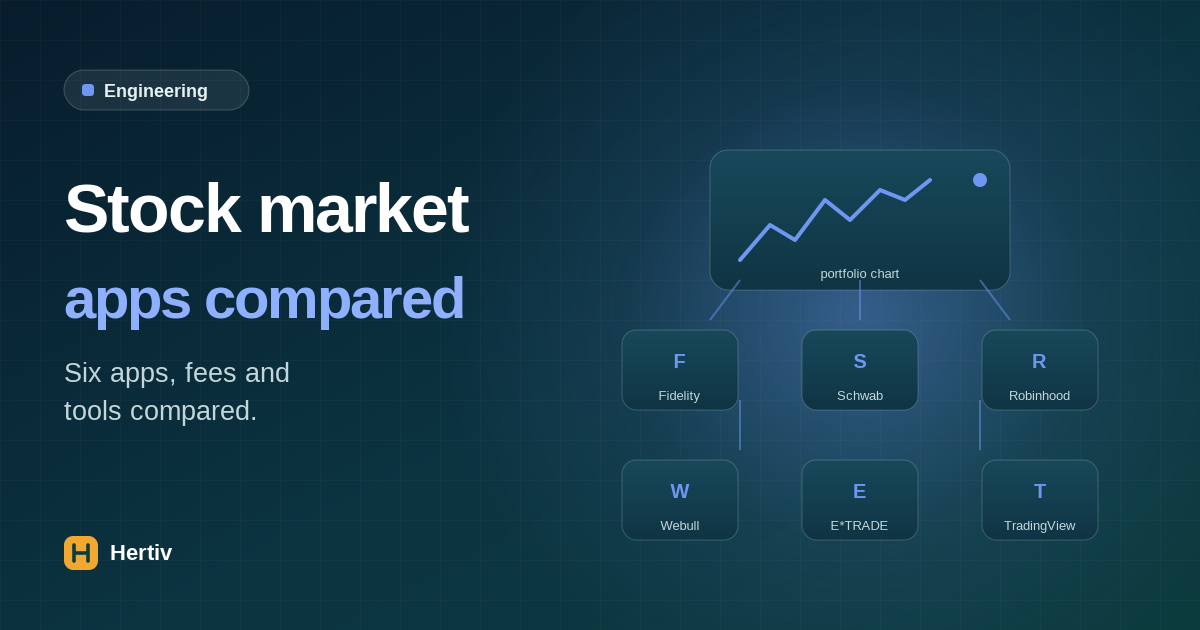
A good stock market app should be easy to use, clear about fees, and safe to hold your money in. Here are six well-known apps and how they differ.
Spotify Lite is a smaller, lighter version of the Spotify app for Android. It uses less storage and less data while keeping the core music features.
Web3 is moving from speculation toward real products: tokenized assets, stablecoin payments, and onchain identity. Here are six trends that matter now.
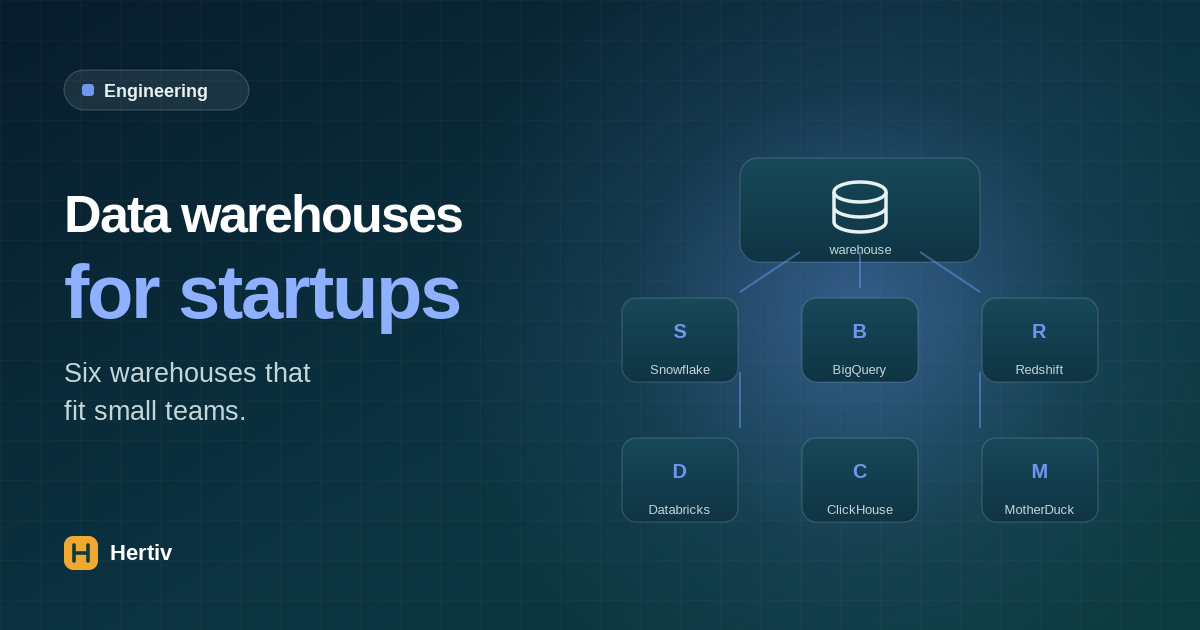
A startup warehouse should be quick to set up, cheap at low volume, and easy to grow. Here are six warehouses that fit small teams, with their trade-offs.
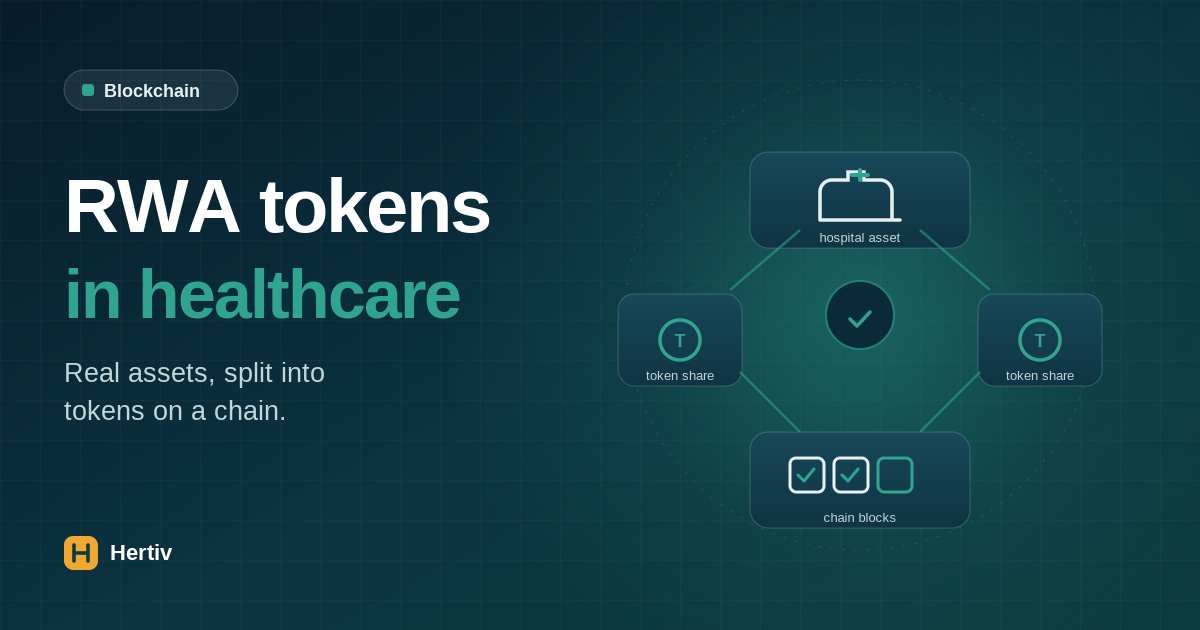
RWA tokenization turns real healthcare assets into digital tokens on a blockchain. This guide explains how it works, where it helps, and what to check first.
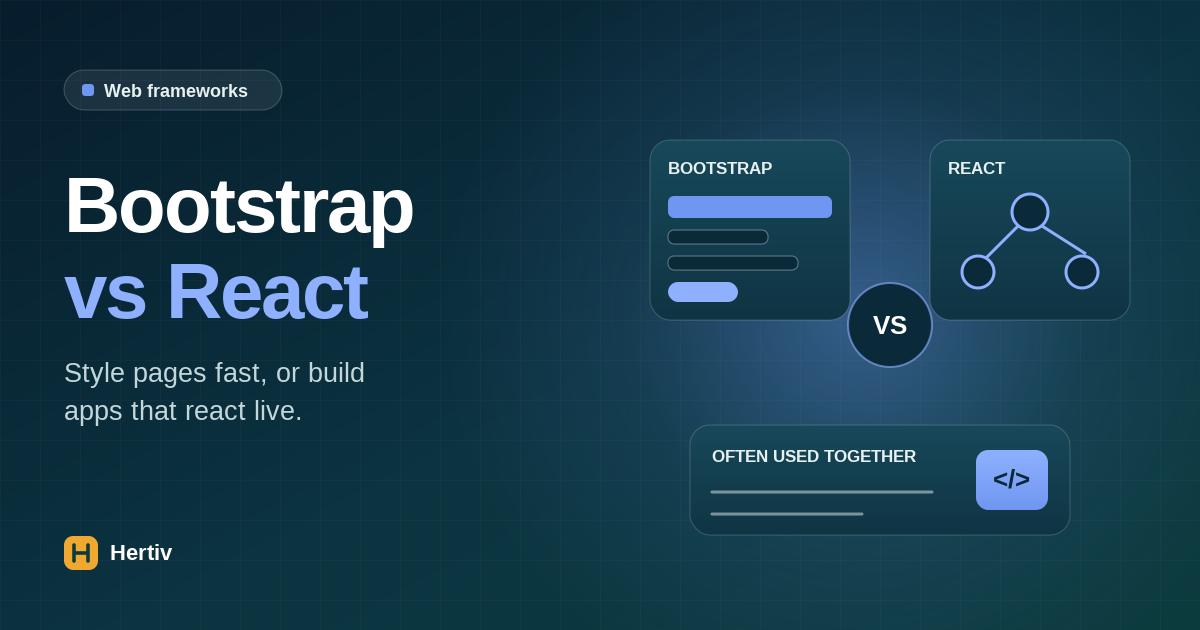
Bootstrap styles web pages with ready-made CSS, while React builds interactive interfaces from components. They solve different problems and are often used together.
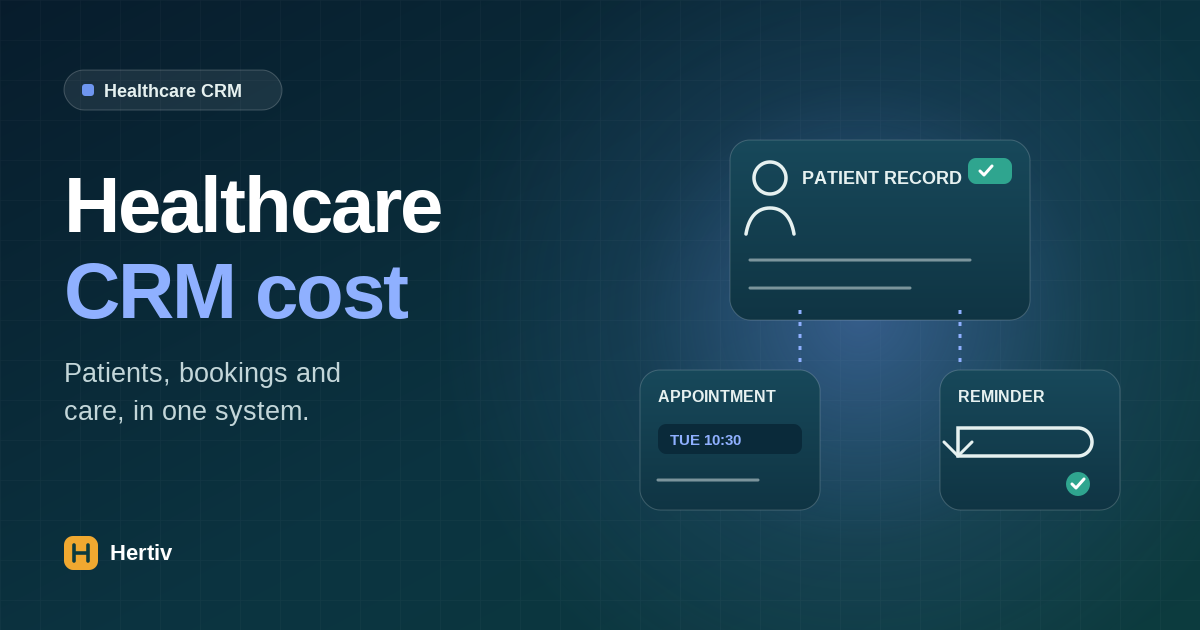
Healthcare CRM cost depends on patient features, compliance work and integrations with clinical systems. This guide breaks down the drivers and a staged budget.
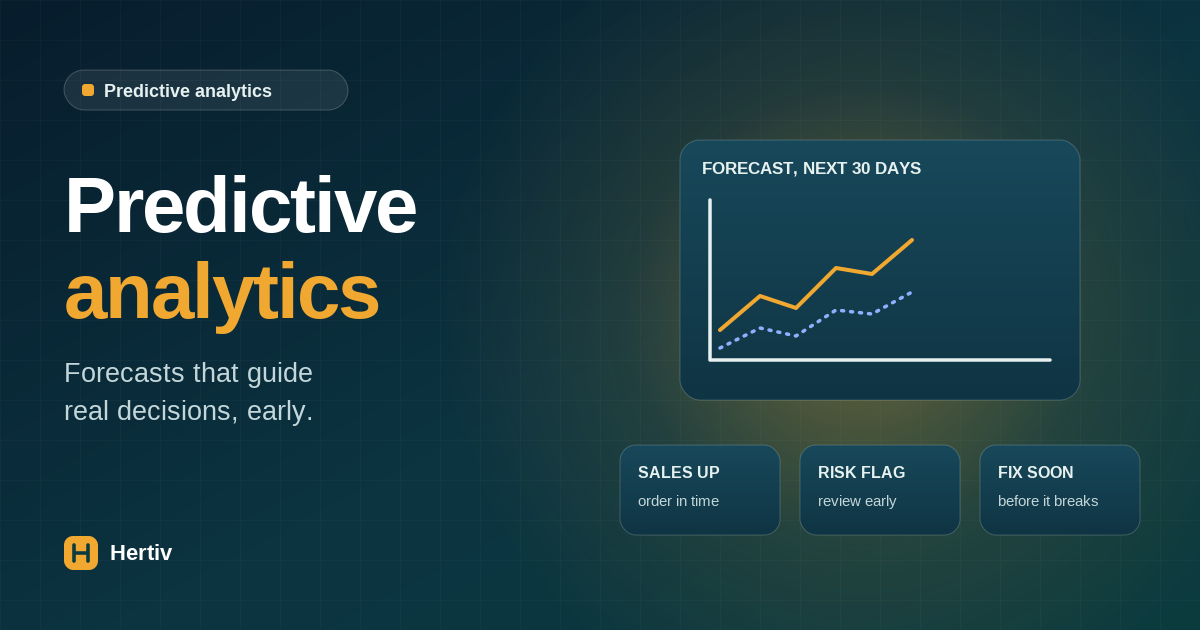
Predictive analytics already guides orders, loans, repairs, care and energy use. These six real-world examples show what the models do and where they pay off.
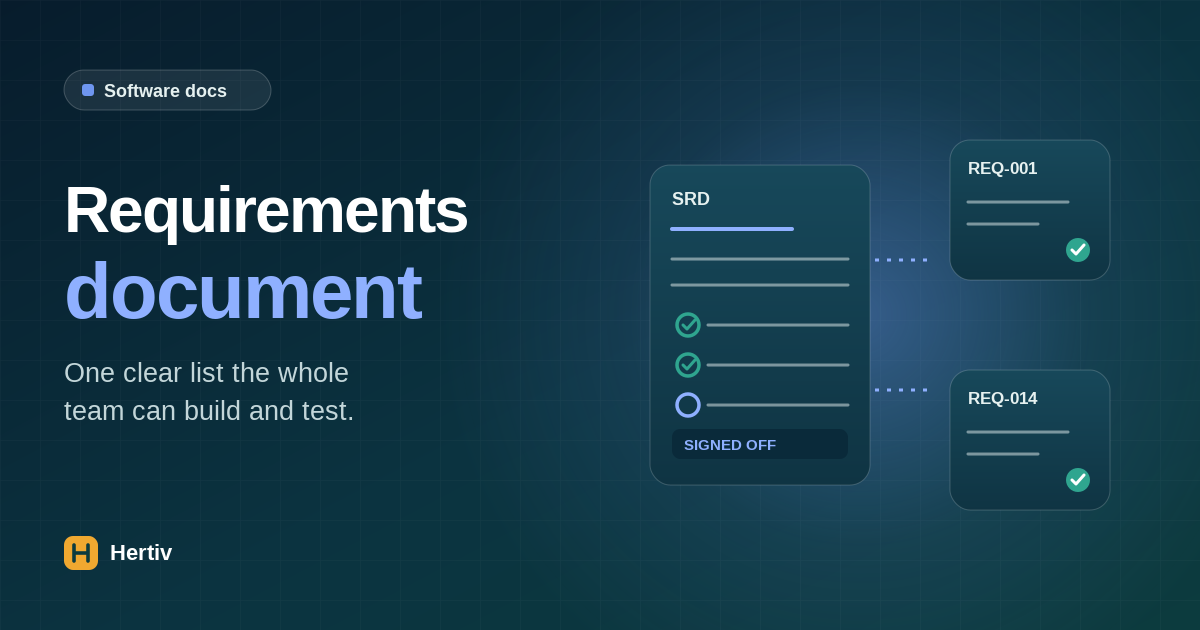
A software requirements document states what a system must do, who uses it and how success is judged. Write it in plain language, one testable point at a time.
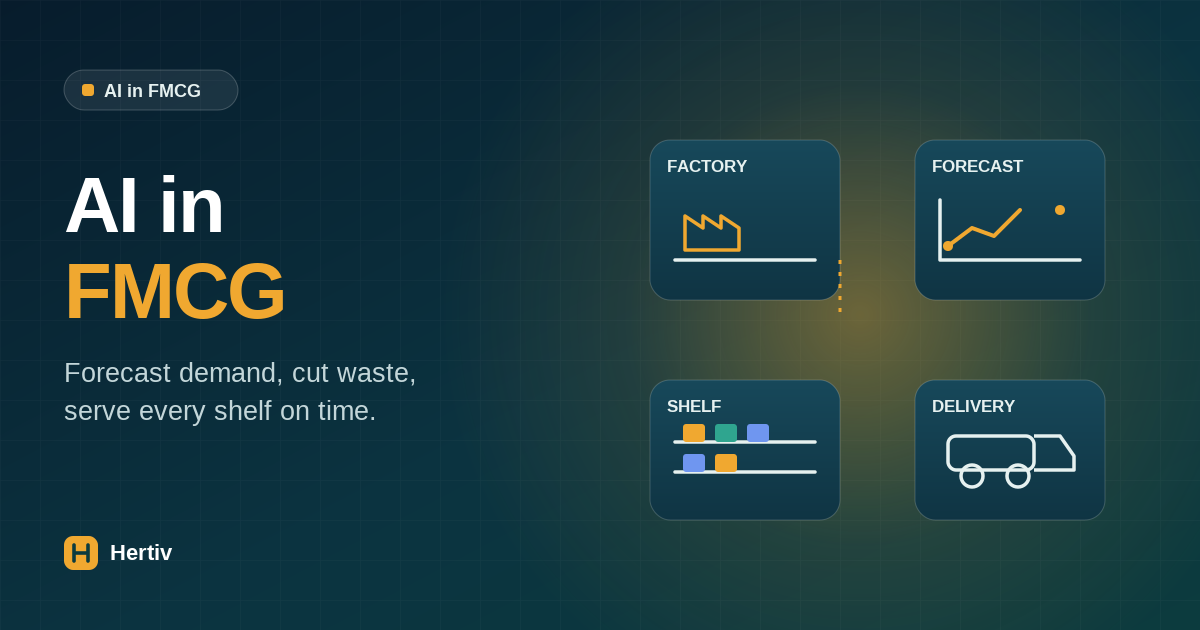
AI helps FMCG brands forecast demand, cut waste, check quality and plan promotions with real sales data. These are the use cases that pay off first.
No posts on this page match. Use site search (Ctrl K) to search every post.
A senior engineer reads every request and replies within one business day with questions, a rough range, or a call link.