Engineering
How to Trust an App on iPhone: A Step-by-Step Guide
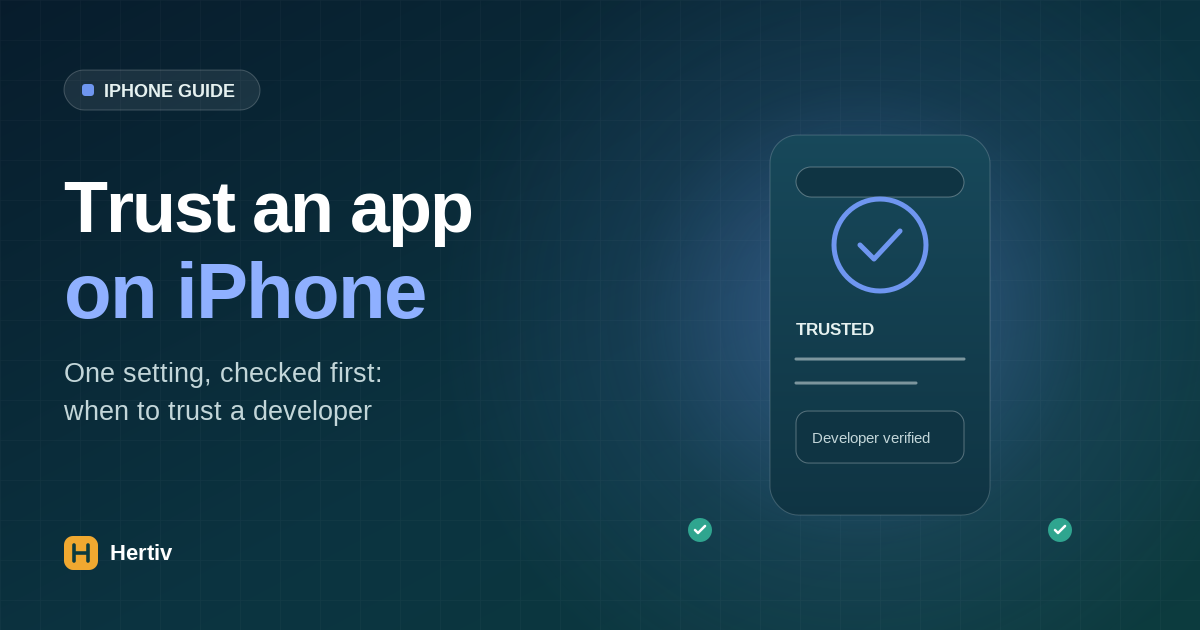
Trusting an app on iPhone means allowing an app installed outside the App Store to run. Here is how to do it safely, and when you should not.
Page 197 of 224.
5371 posts · page 197 of 224
Trusting an app on iPhone means allowing an app installed outside the App Store to run. Here is how to do it safely, and when you should not.
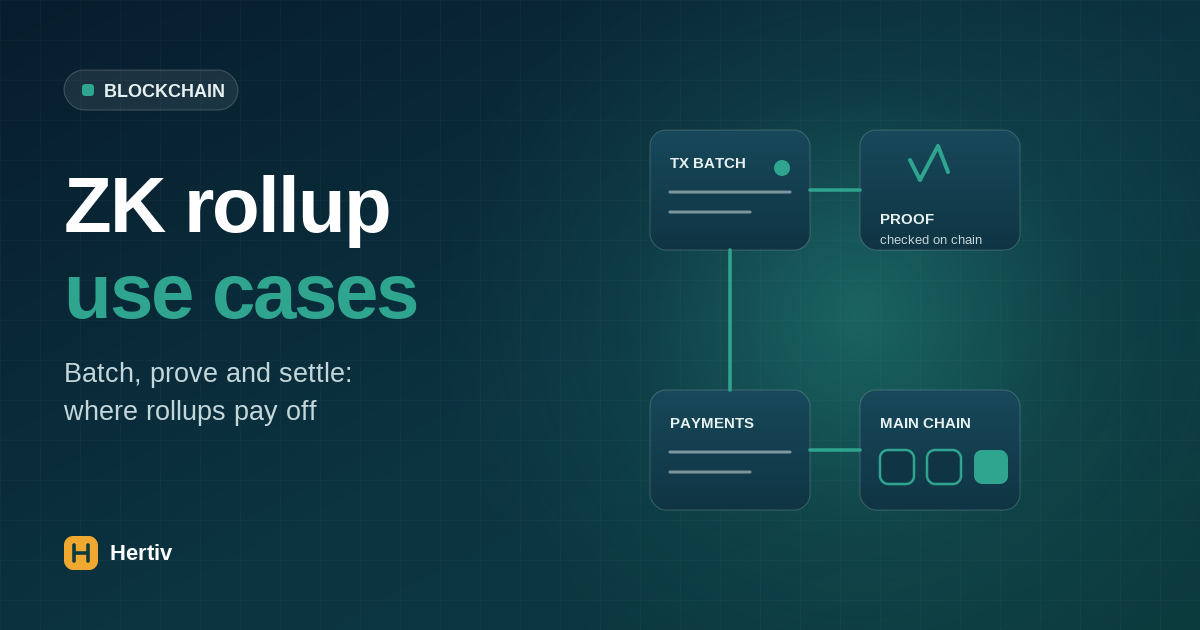
ZK rollups move most work off the main chain and post a short proof back, cutting fees and confirmation time. Here are the use cases where that trade-off pays off.
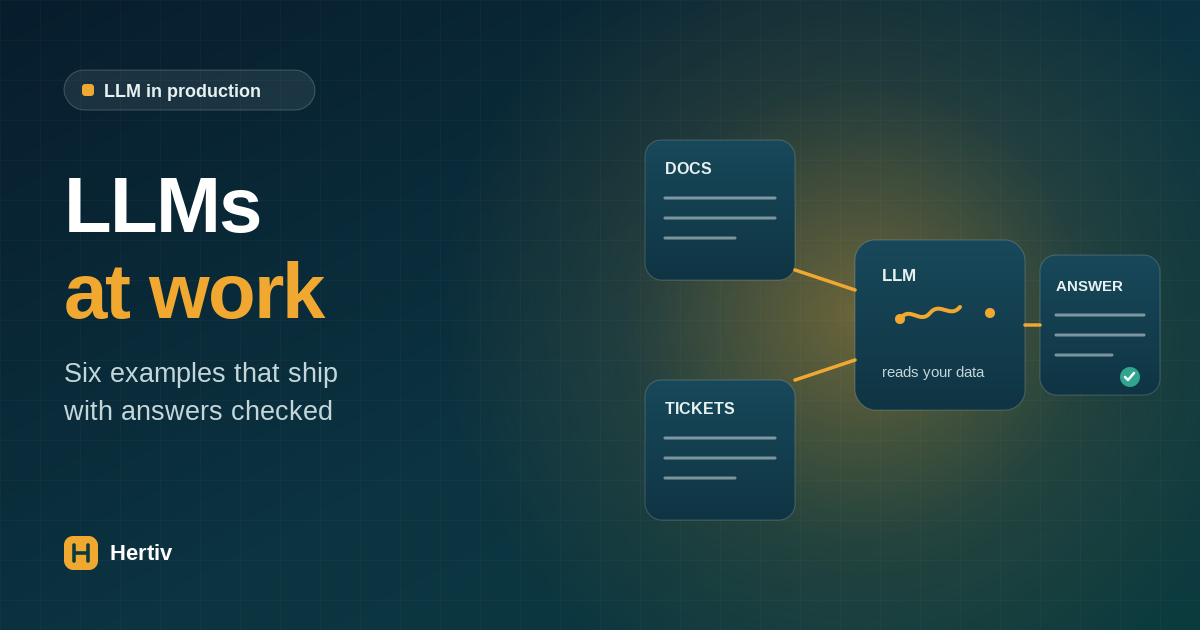
LLMs already answer support tickets, review contracts and summarise meetings in production. These six examples show where they work and what to check first.
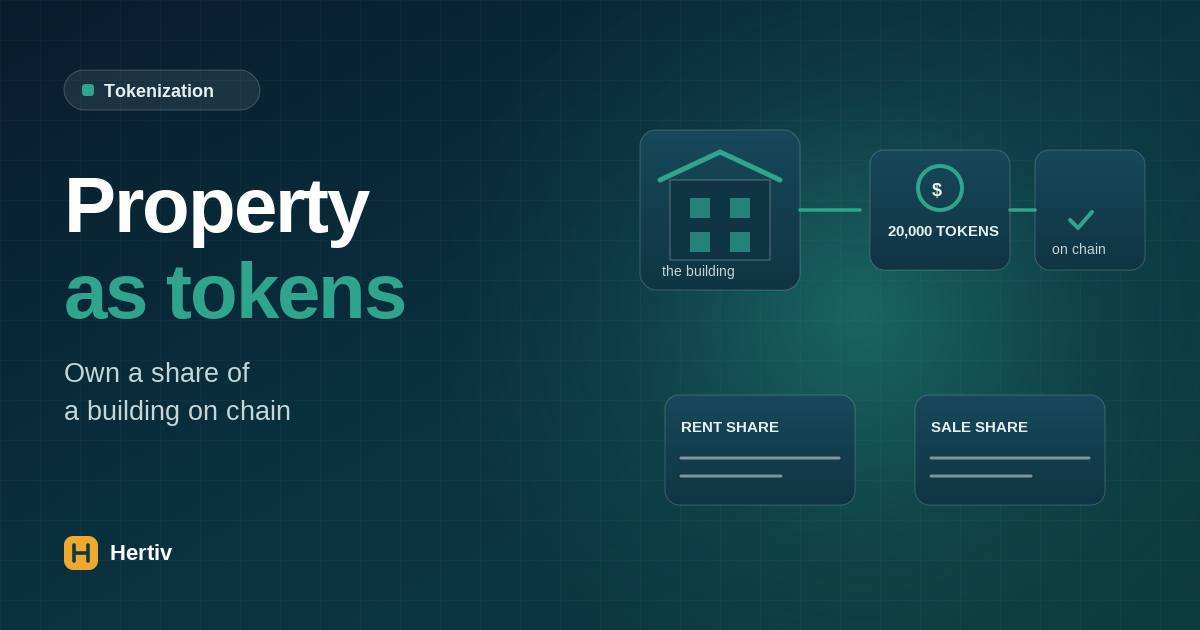
Real estate tokenization turns a building into digital tokens on a blockchain, so many investors can own small shares. How it works, what holders get, and the risks.
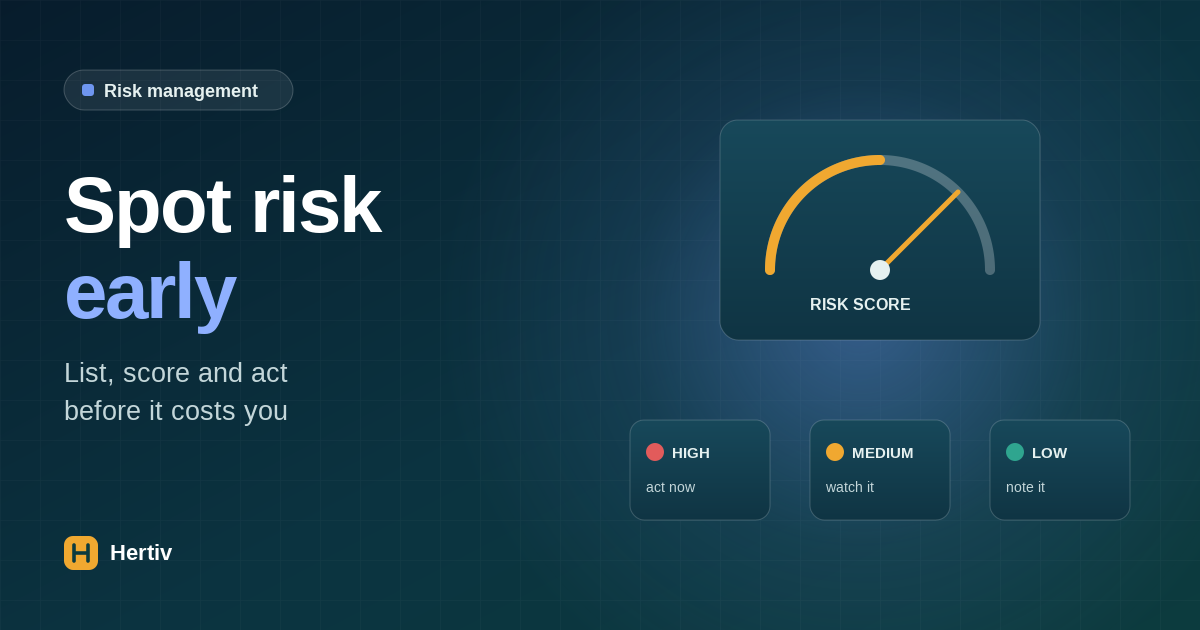
Software risk management lists what could go wrong, scores each risk, and acts before it becomes a delay or an outage. A weekly process any small team can run.
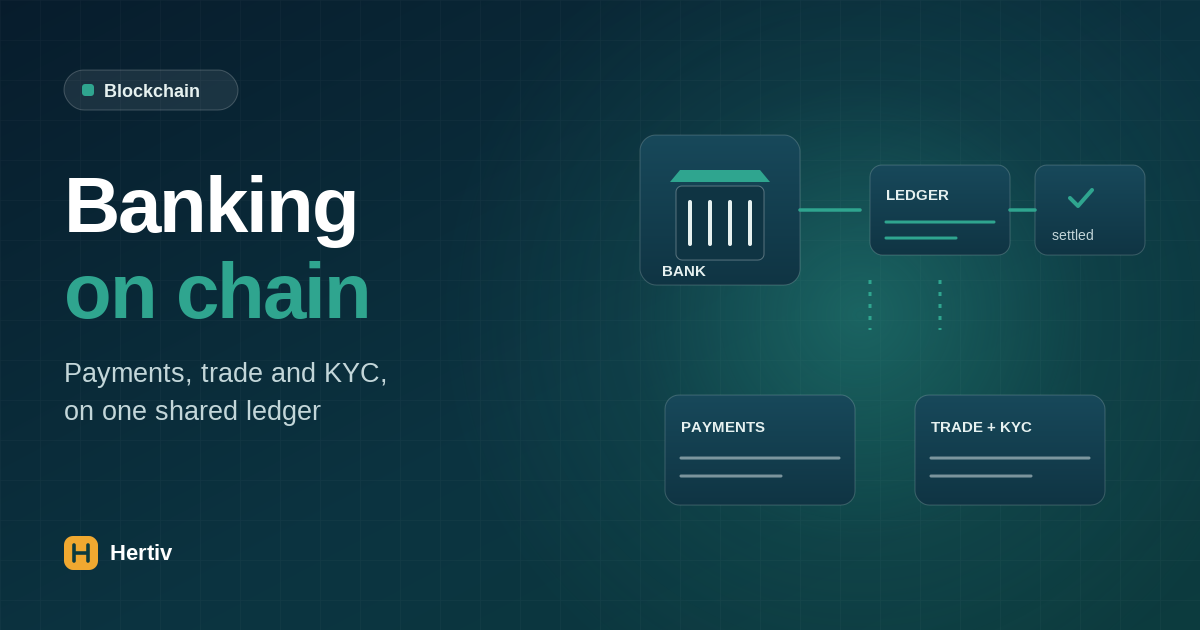
Banks use blockchain for payments, trade finance, shared KYC checks and tokenized assets. Here is where it helps, where it does not, and how to run a first pilot.
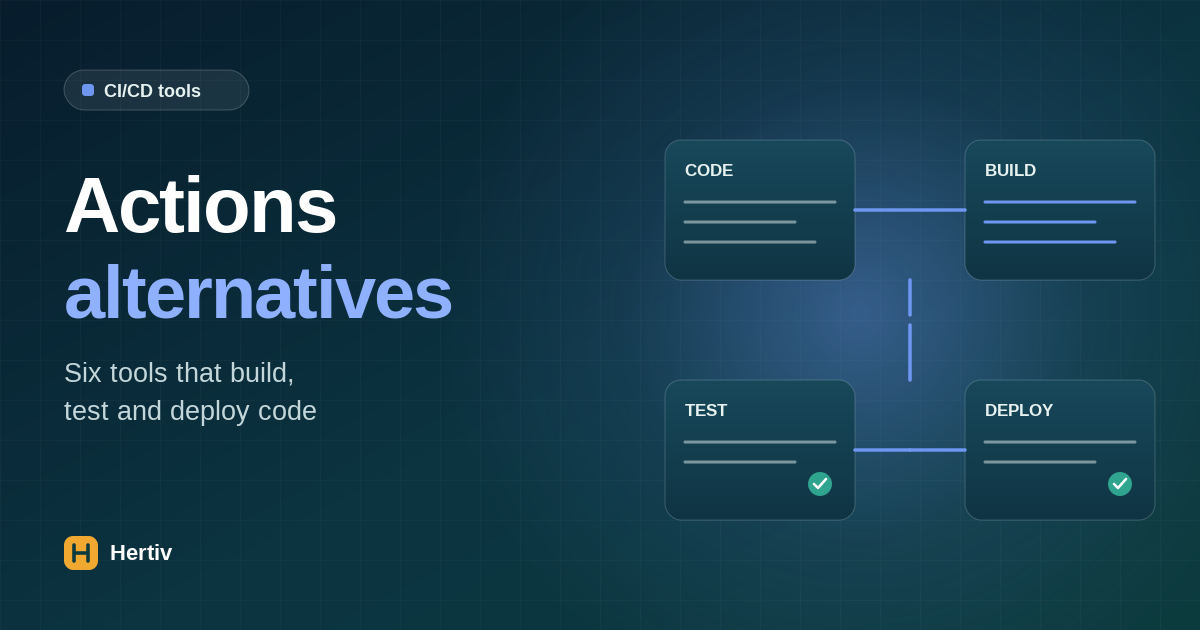
GitHub Actions fits many teams, but runner costs and vendor lock-in push others to look elsewhere. These six CI/CD tools are the strongest alternatives.
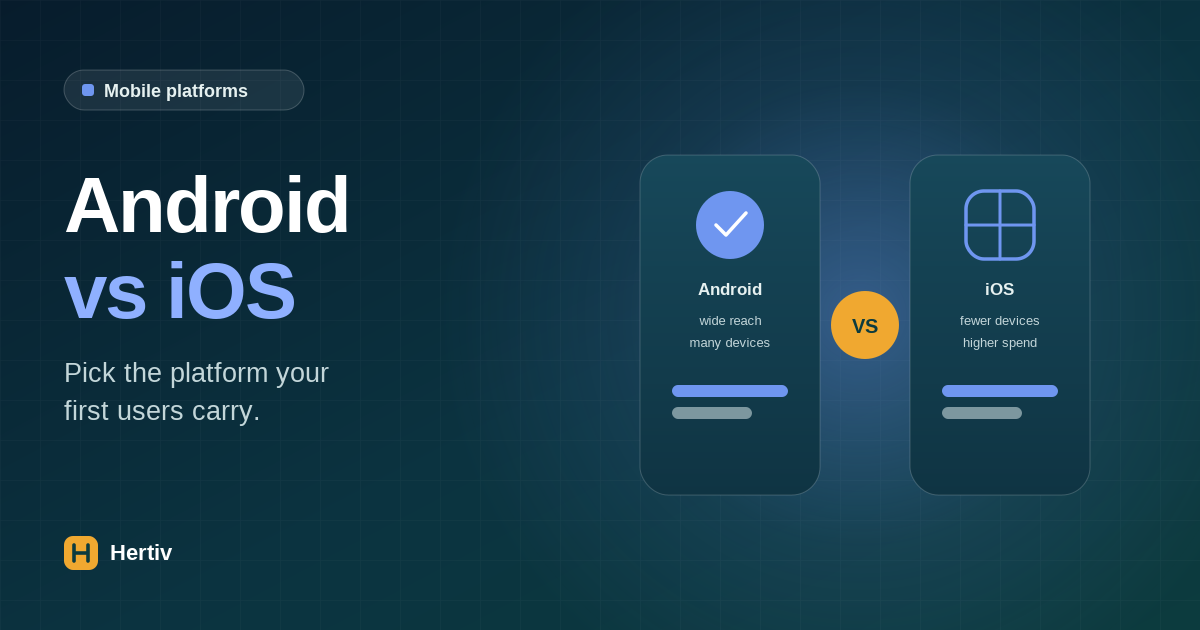
Android vs iOS for startups is a choice of audience, cost and speed, not of which platform is better. Here is how the two compare and how to pick one to build first.
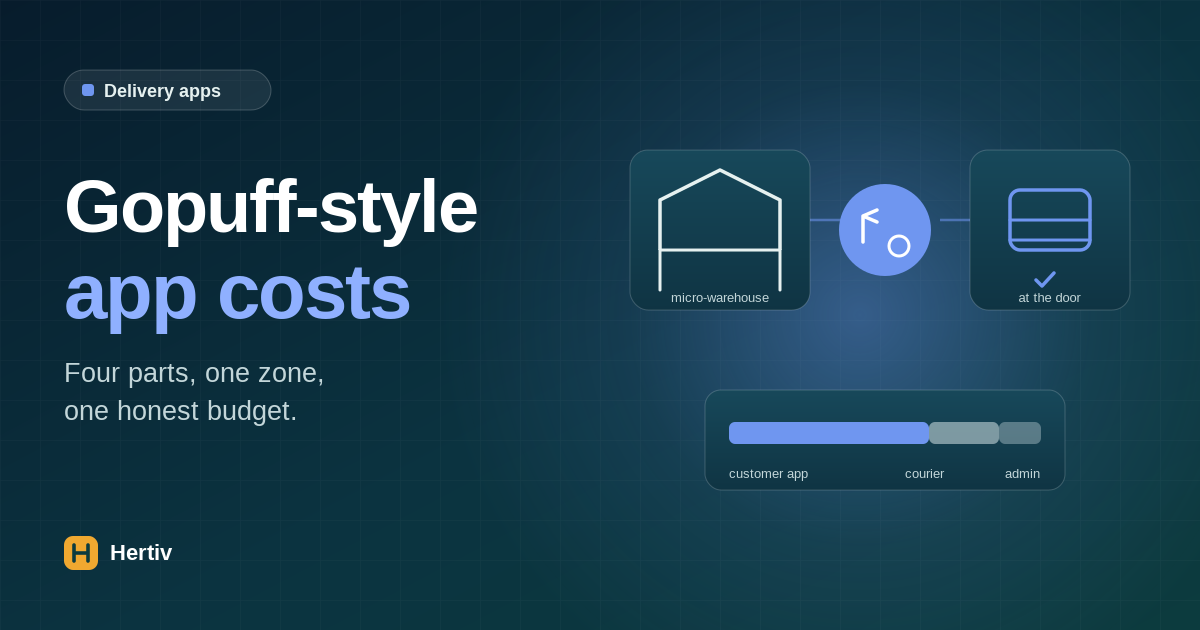
A Gopuff-style app needs four parts: a customer app, a courier app, a warehouse picking tool and an admin dashboard. Here is what drives the cost.
Six LLM projects that teach real skills: contract Q&A, support search, invoice answers, meeting summaries, document classification and a policy assistant.
Turning a website into an app takes three routes: a progressive web app, a wrapper, or a rebuild. Here is how to pick one and the steps to ship it.
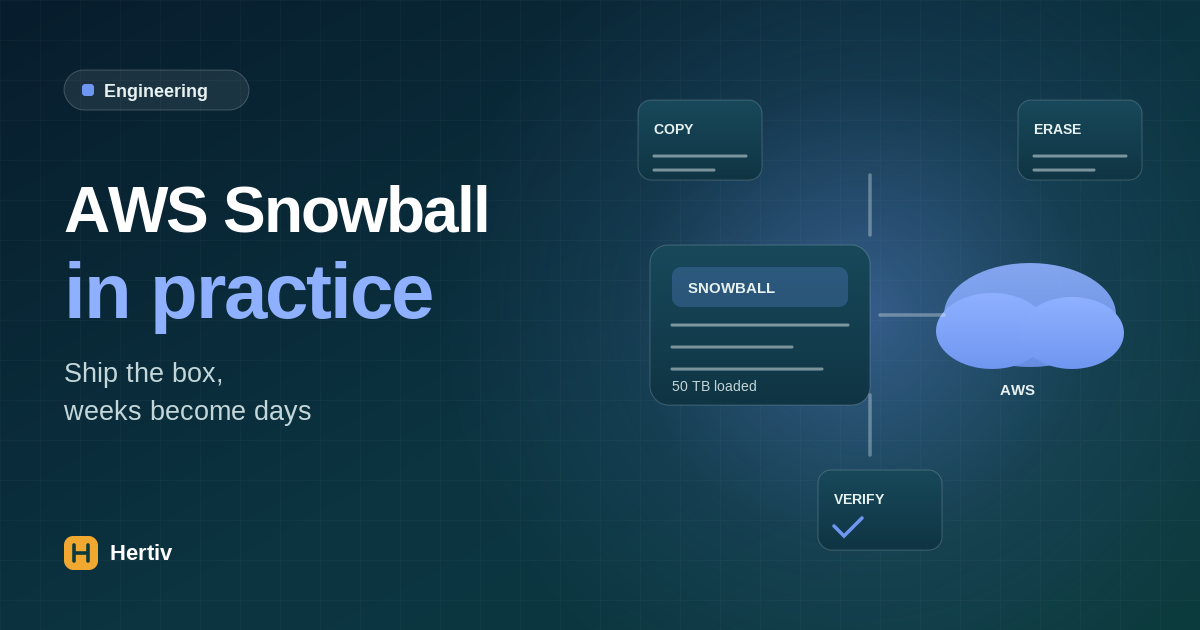
AWS Snowball ships rugged storage devices to move large data into AWS. Learn the benefits, how it works, real-world use cases and the mistakes to avoid.
The 10 most common mobile app development mistakes, from skipping validation and building too much to ignoring performance, testing and updates.
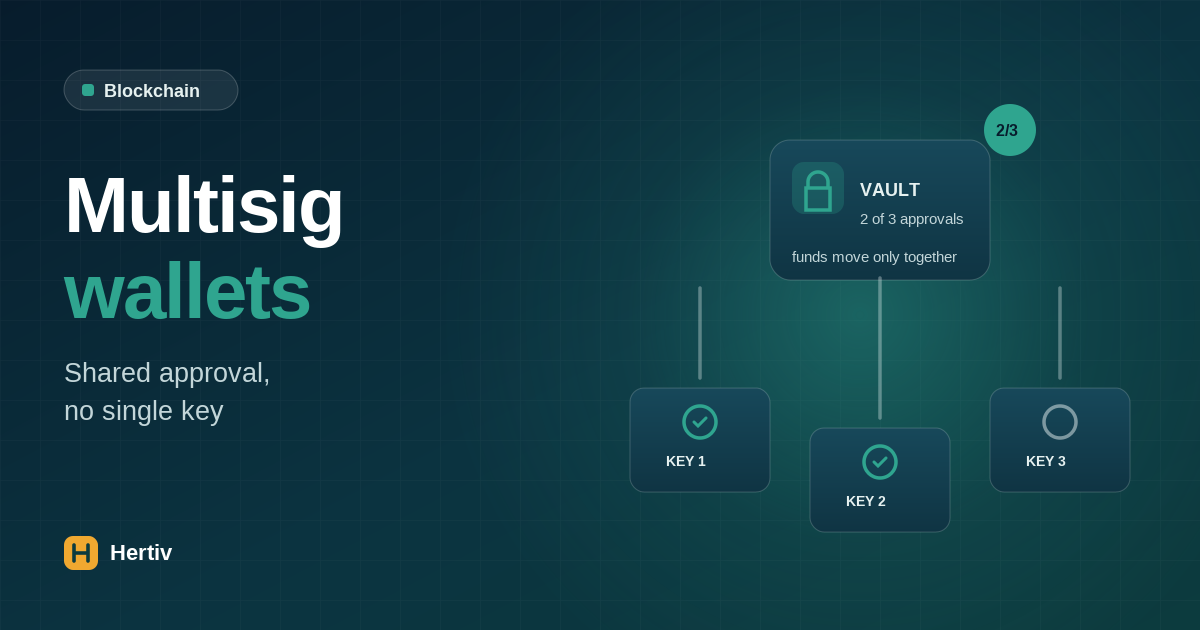
Safe, Fireblocks, BitGo, Copper, Casa and Liminal compared: which multisig wallet fits teams, institutions, trading desks and individual holders.
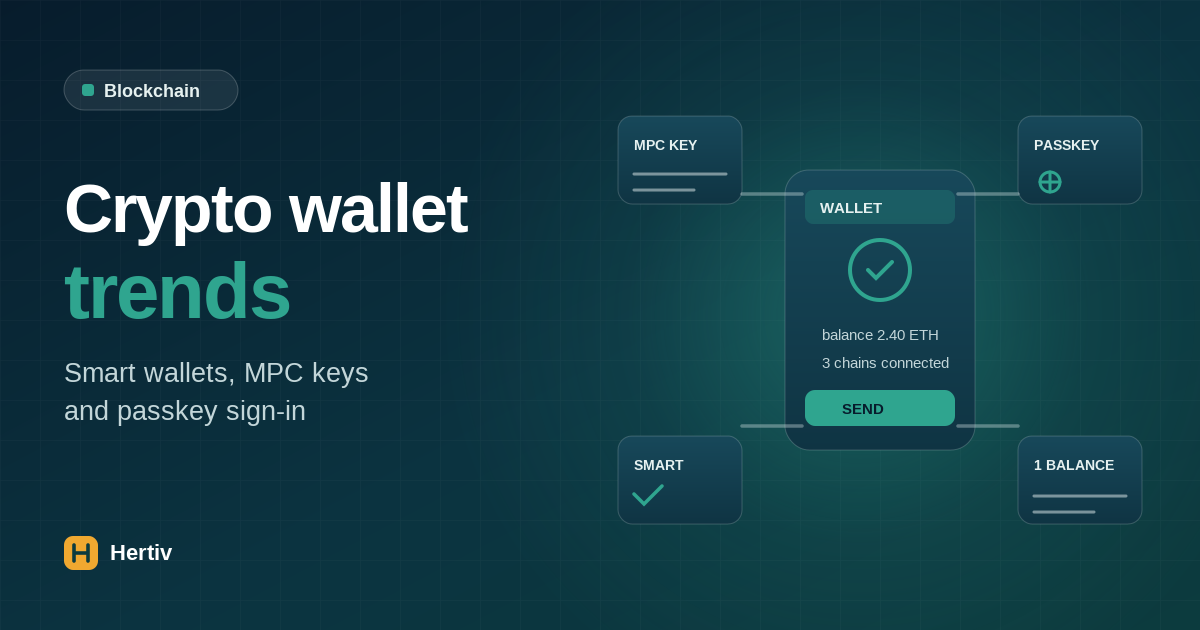
Smart wallets, MPC keys, passkeys, chain abstraction, embedded wallets and security checks: the six crypto wallet development trends shaping wallets now.
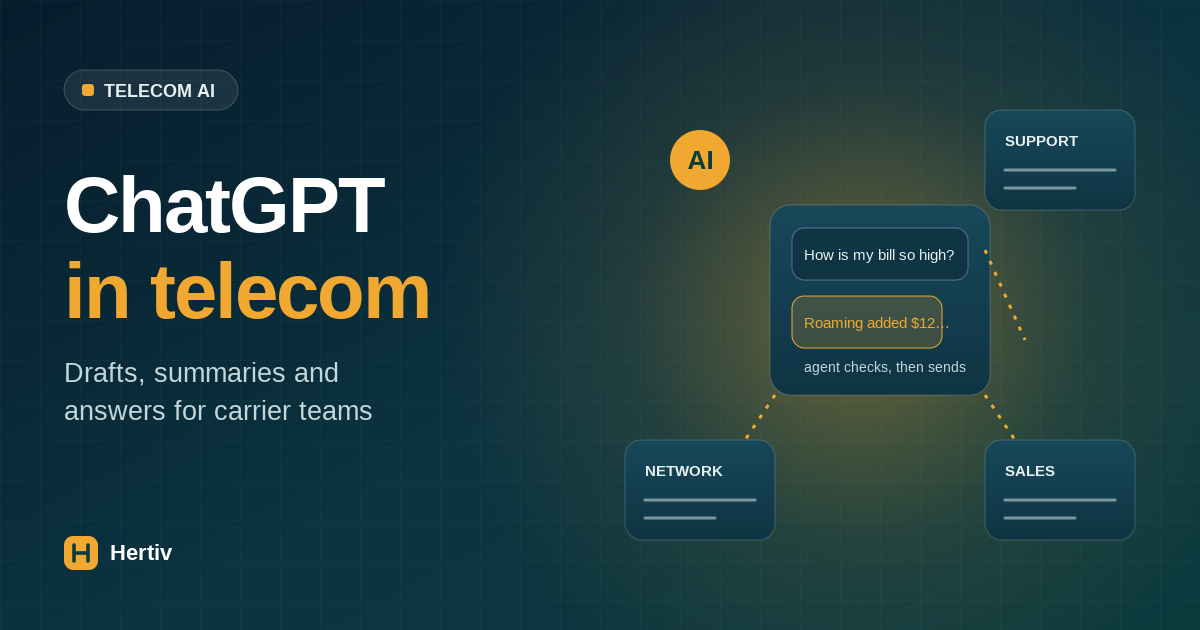
Carriers use ChatGPT to draft support replies, summarise network incidents and search knowledge. Here is where it helps, and the guardrails that keep it safe.
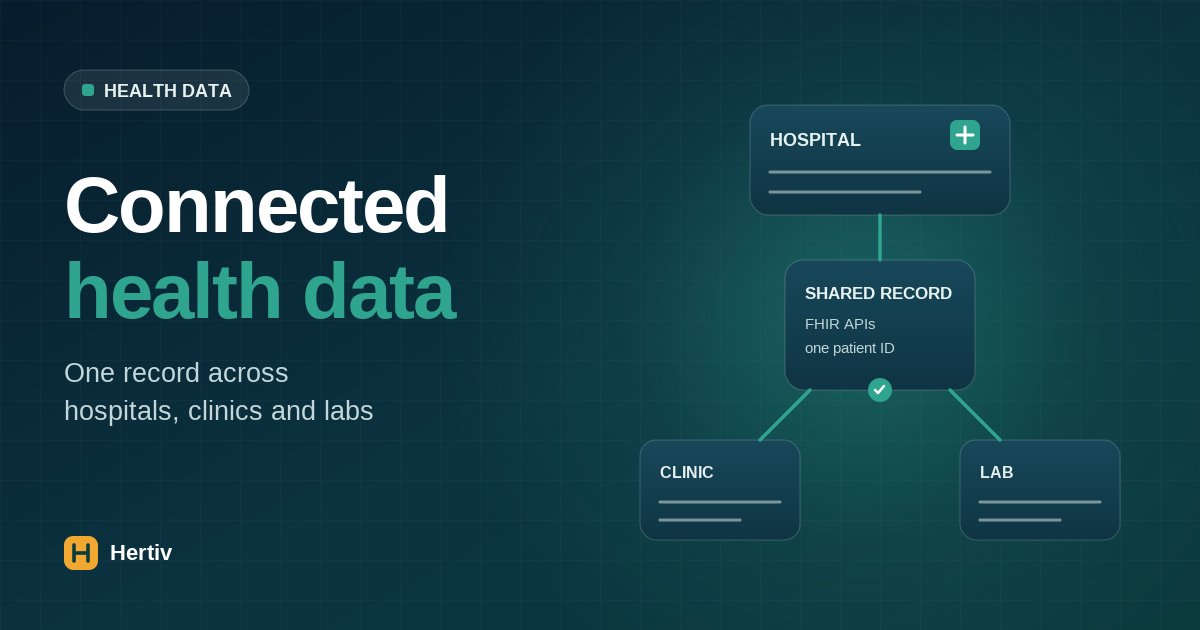
Interoperability lets health systems exchange patient data so clinicians see the full record. Here is how it works, which standards matter, and how teams build it.
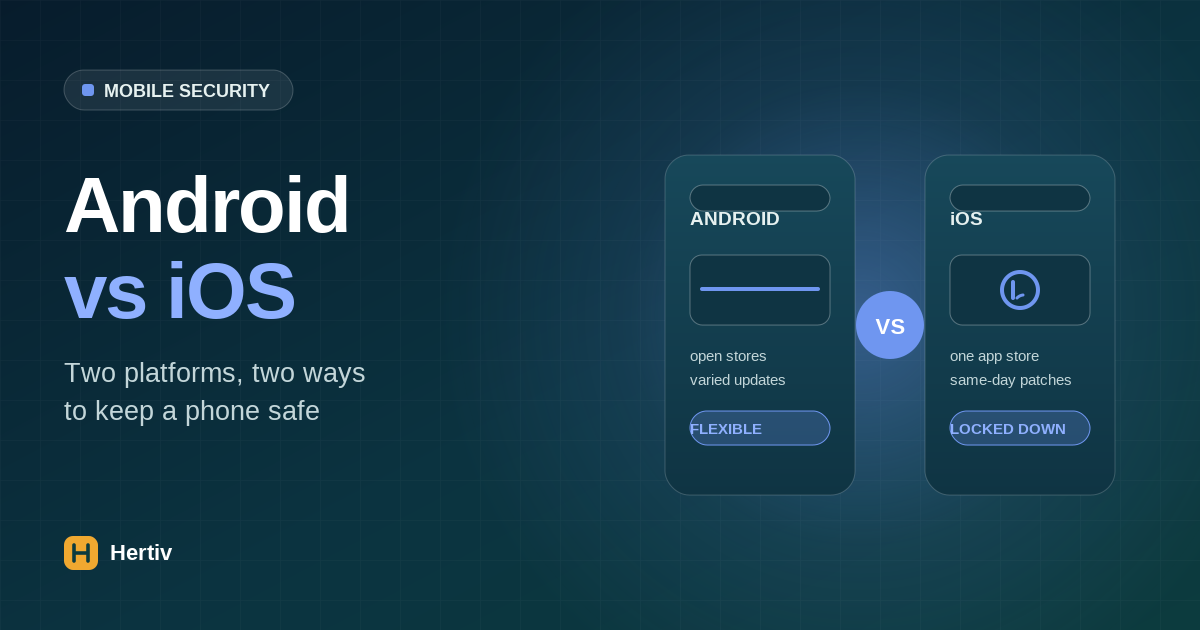
Android and iOS both sandbox apps and encrypt data, but they differ on app stores, updates and control. Here is how each one protects you, and which fits your use.
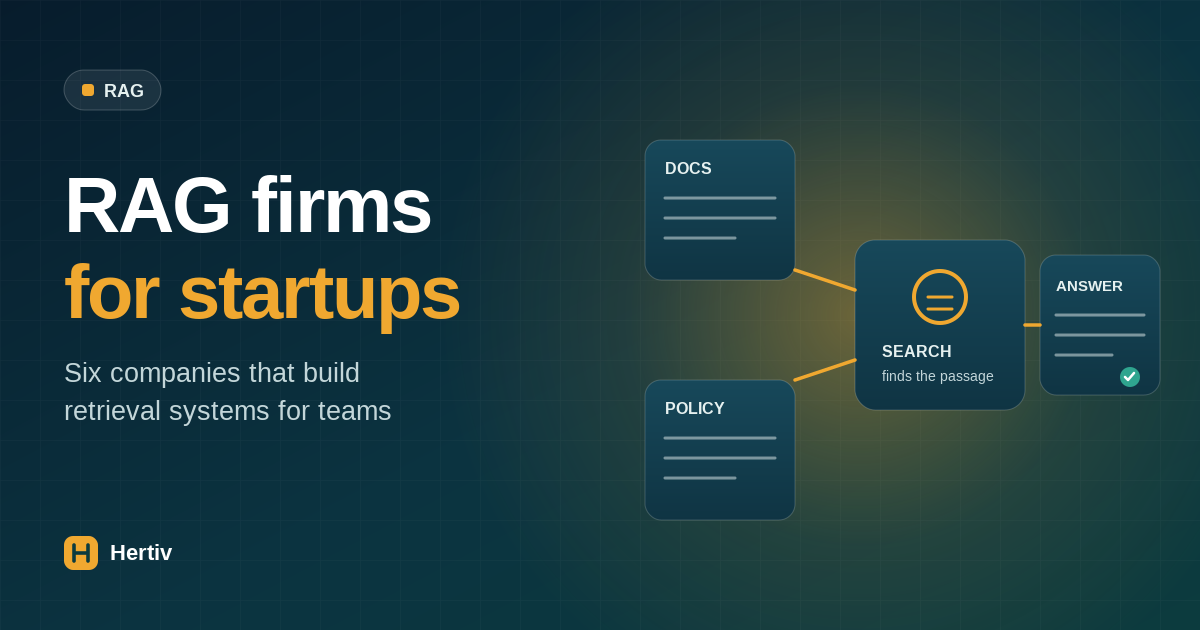
RAG lets a language model answer from your own documents instead of guessing. Here are six firms that build RAG systems for startups, and how to pick one.
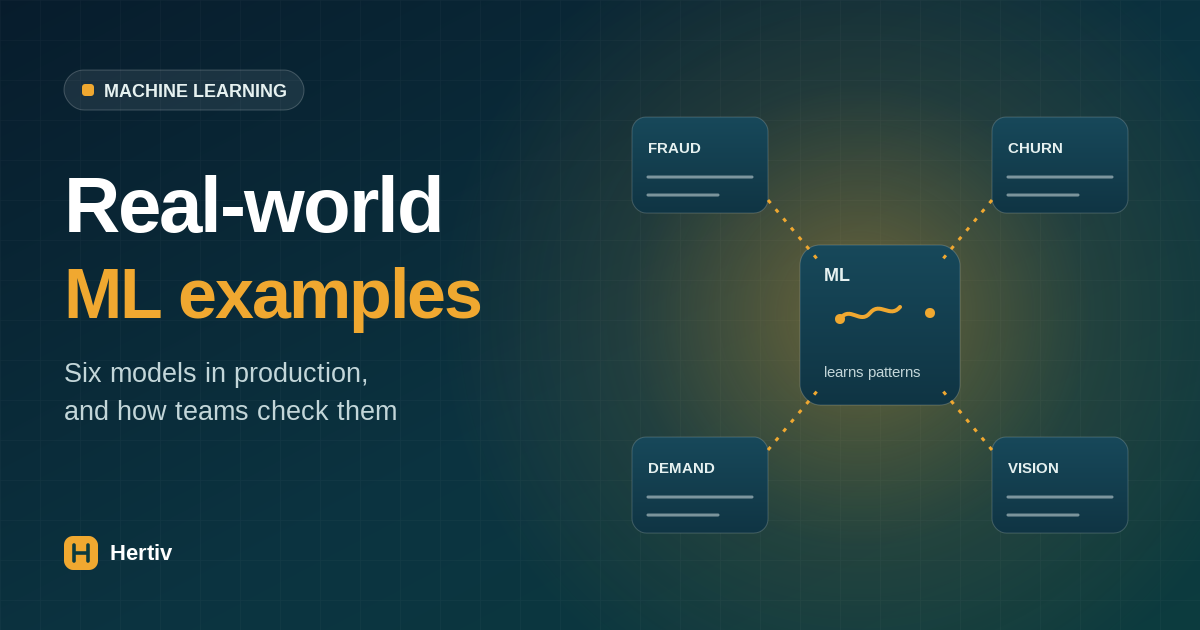
Machine learning runs inside everyday products, from fraud checks to demand forecasts. Here are six examples in production, and how teams keep them honest.
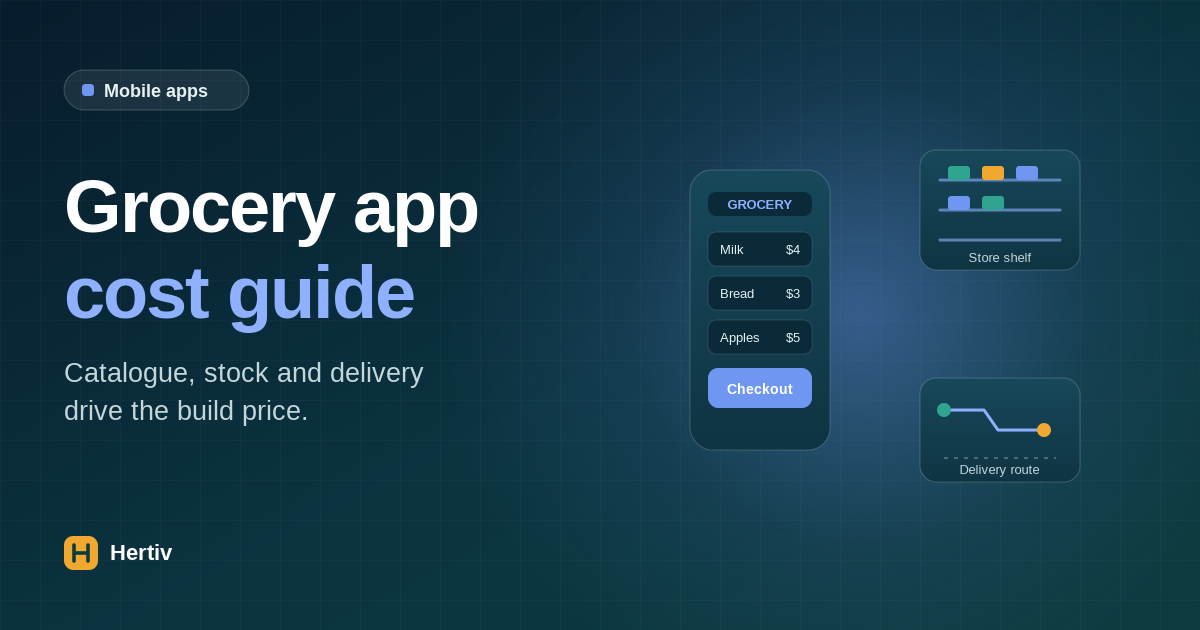
A grocery app costs about what a delivery app with a large catalogue and live stock costs to build. The price depends on features, platforms and the store side.
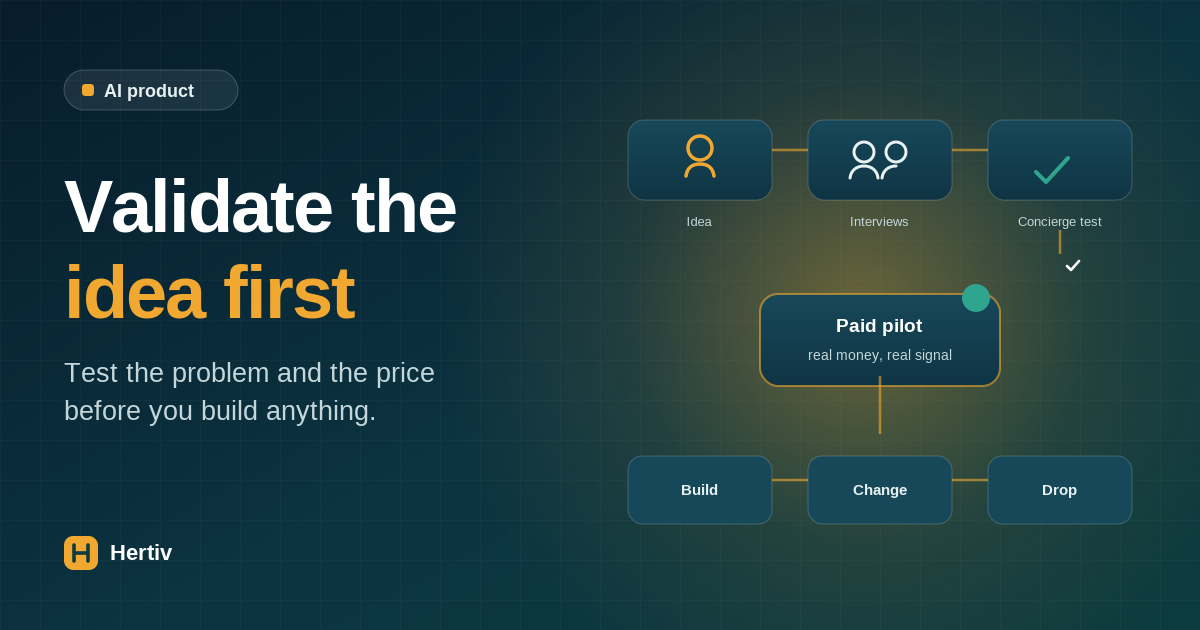
Validating a startup idea means testing whether real people will pay for it before you build. Interviews, landing pages and small paid tests give the answer.
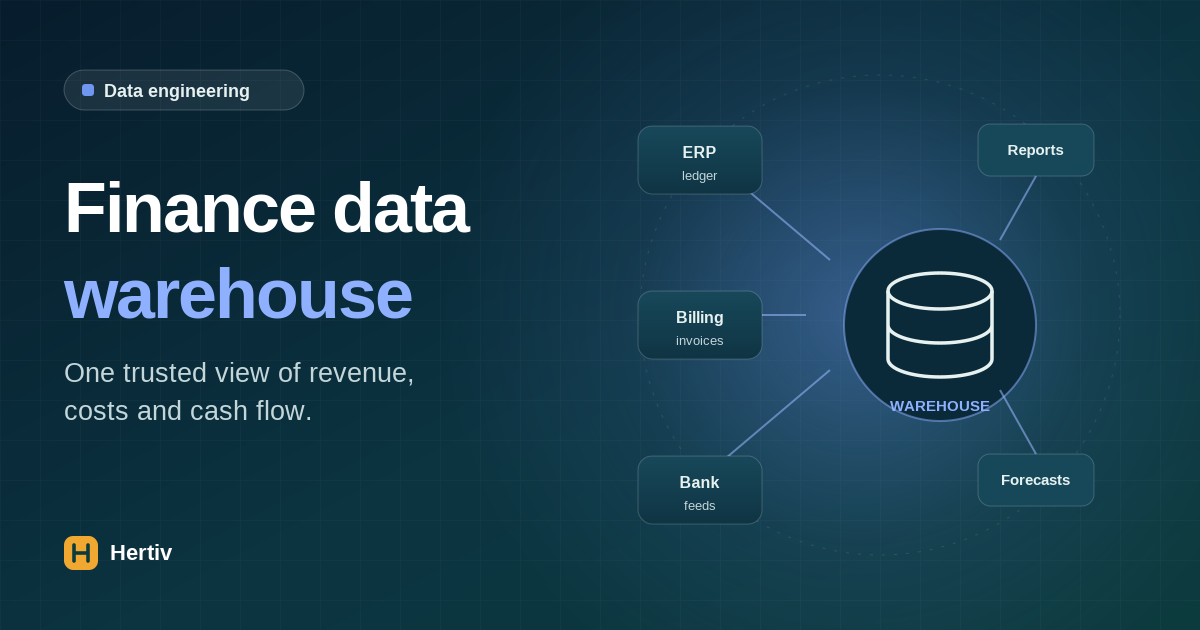
A finance data warehouse gathers data from finance systems into one place built for reporting. It gives finance teams one trusted view of revenue, costs and cash.
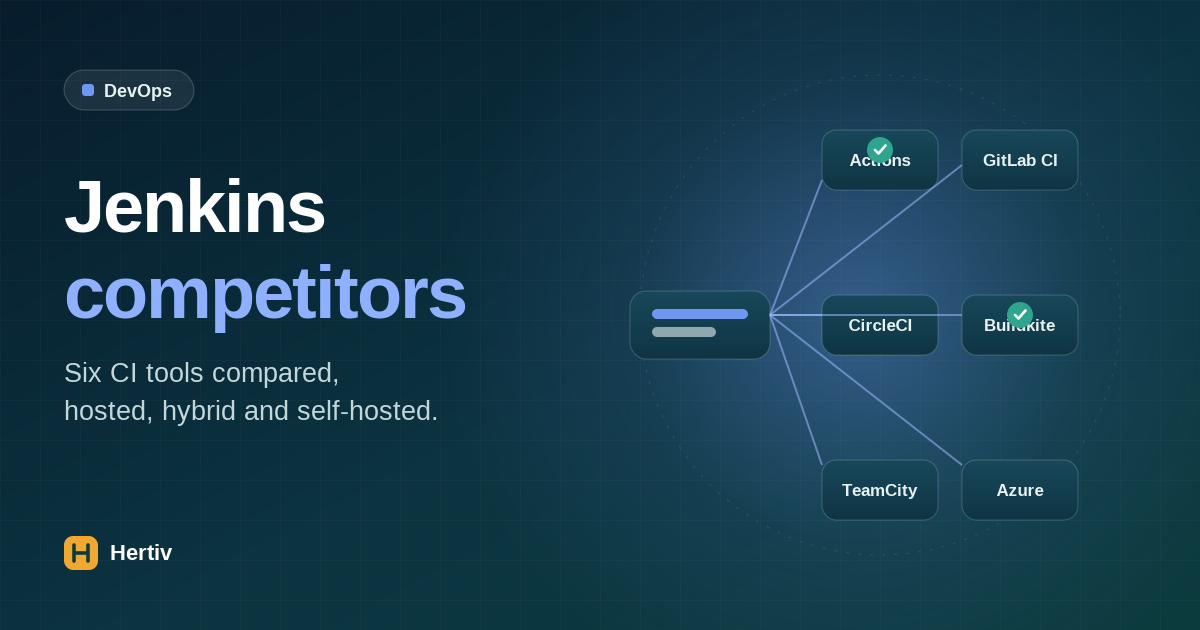
Jenkins is capable, but plugin upkeep and manual setup push many teams to look elsewhere. These six alternatives cover hosted, self-hosted and hybrid pipelines.
No posts on this page match. Use site search (Ctrl K) to search every post.
A senior engineer reads every request and replies within one business day with questions, a rough range, or a call link.