AI
How to Create Custom LLMs for Your Enterprise
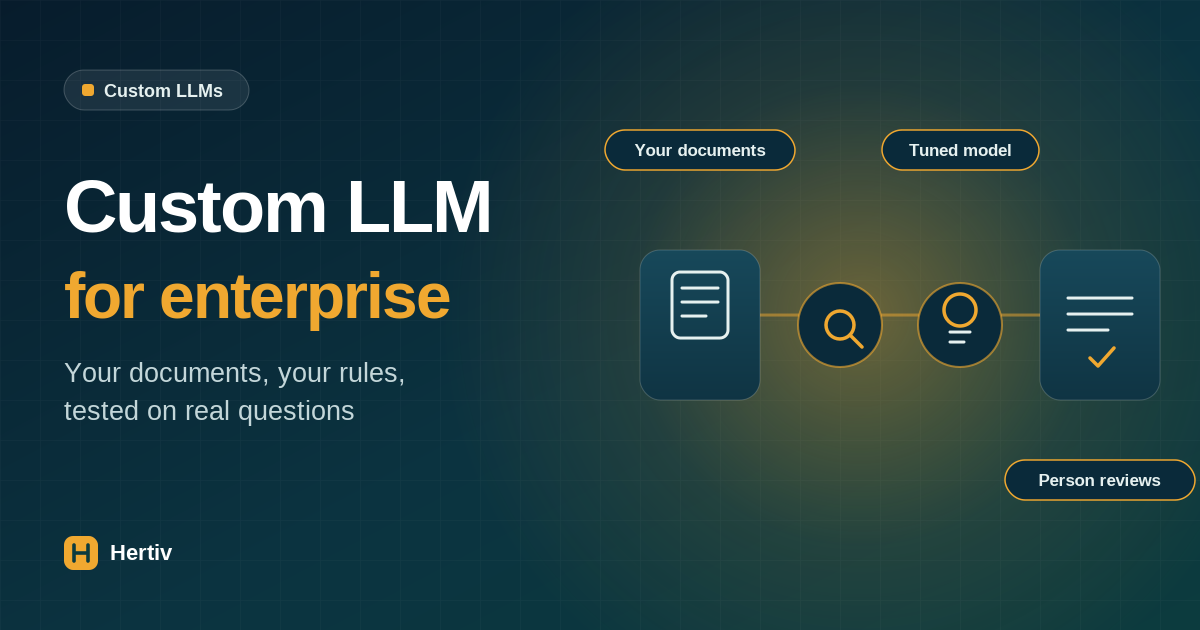
A custom LLM for your enterprise starts with your own documents and one clear job. This guide covers the options, the data work, and the build steps.
Guides on AI agents, LLM apps, RAG, evaluation and MCP, written by the engineers who build them.
1961 posts · page 59 of 82
A custom LLM for your enterprise starts with your own documents and one clear job. This guide covers the options, the data work, and the build steps.
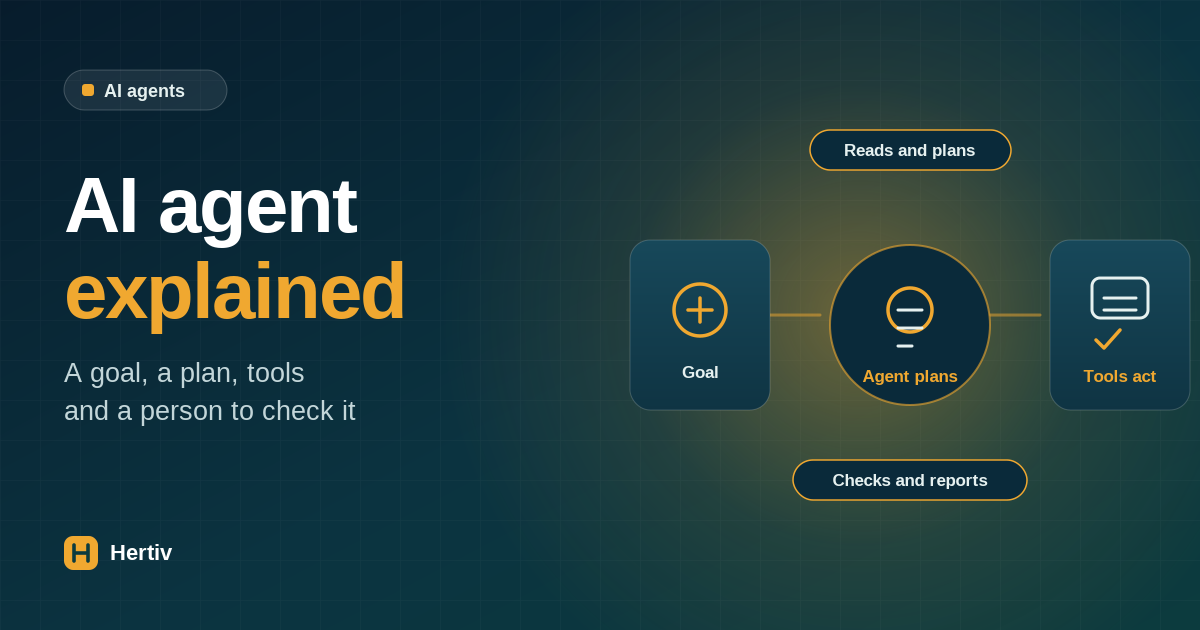
An AI agent is software that takes a goal, works out the steps, and uses tools to finish the job. It reads input, plans, acts, and checks its own result.
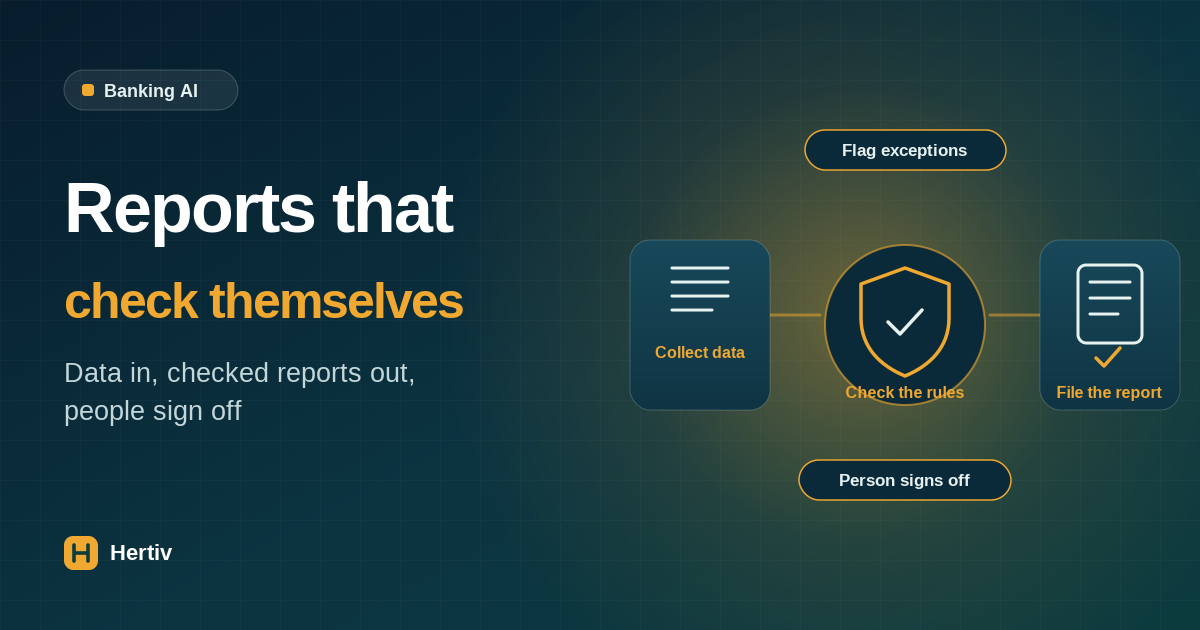
AI automation reads bank transactions, checks them against the rules and drafts the compliance reports regulators require. People review the exceptions and sign off.
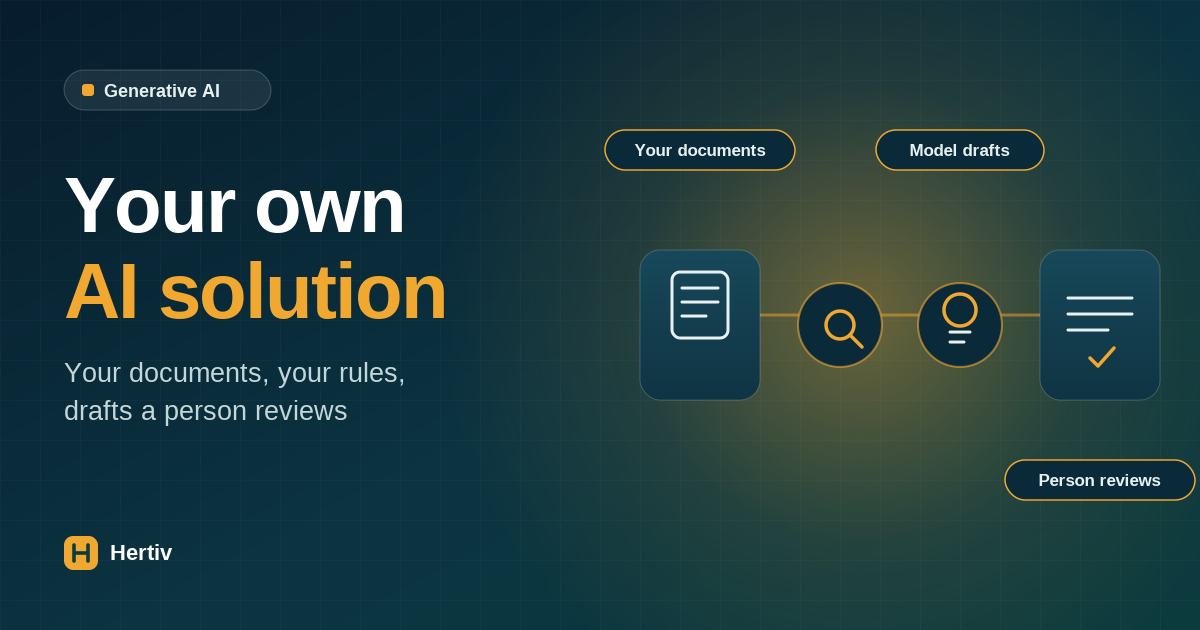
Your own generative AI solution starts with one job, your own documents and a small pilot. This guide covers the parts, the build steps and the checks.
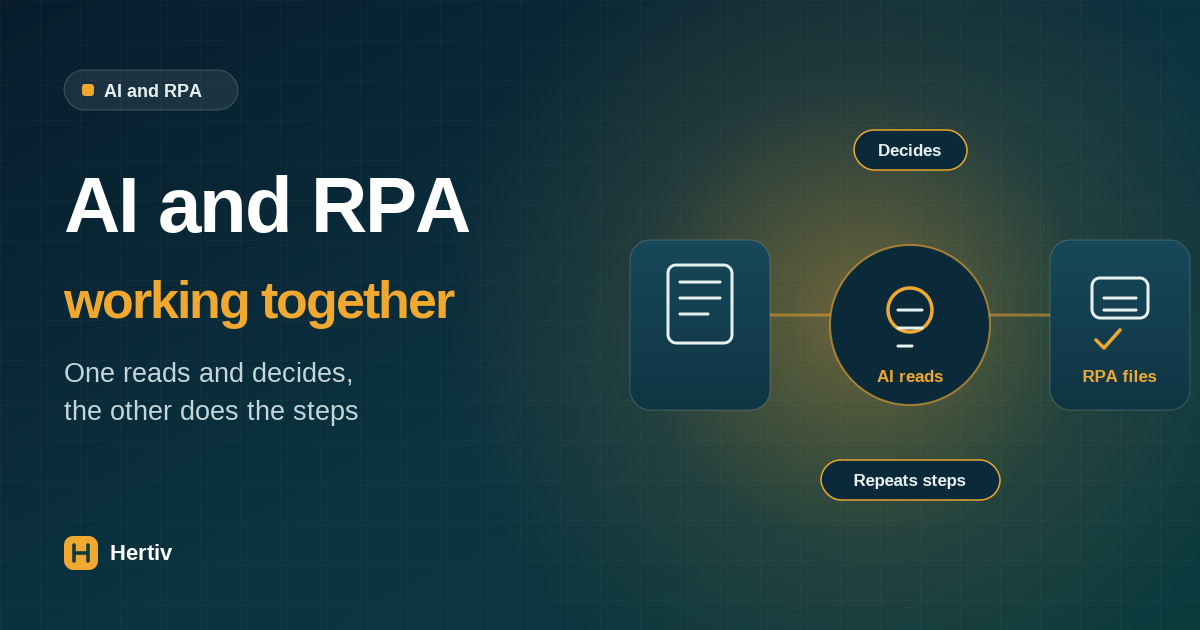
AI reads and decides, while RPA follows fixed steps on a screen. Together they let software handle whole tasks, from reading a document to filing the result.
Open source Claude alternatives let you run a capable AI chat on your own machine, with your data staying put. Here are 8 worth comparing.
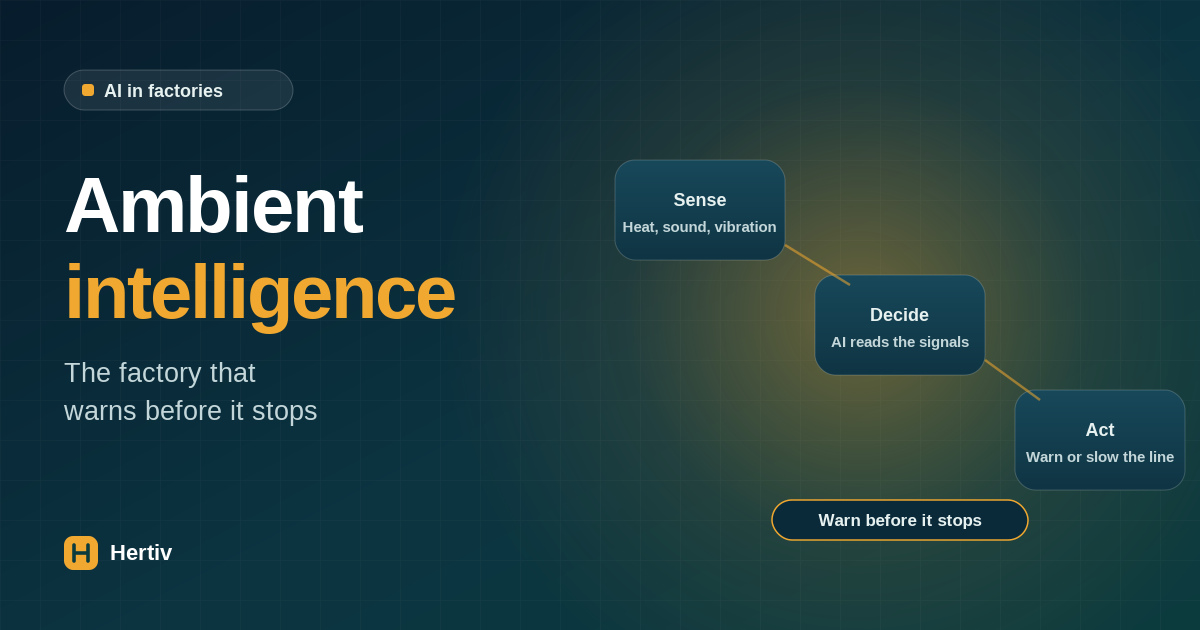
Ambient intelligence means the factory senses what is happening, understands it and acts, so machines warn before they fail and workers get help without asking.
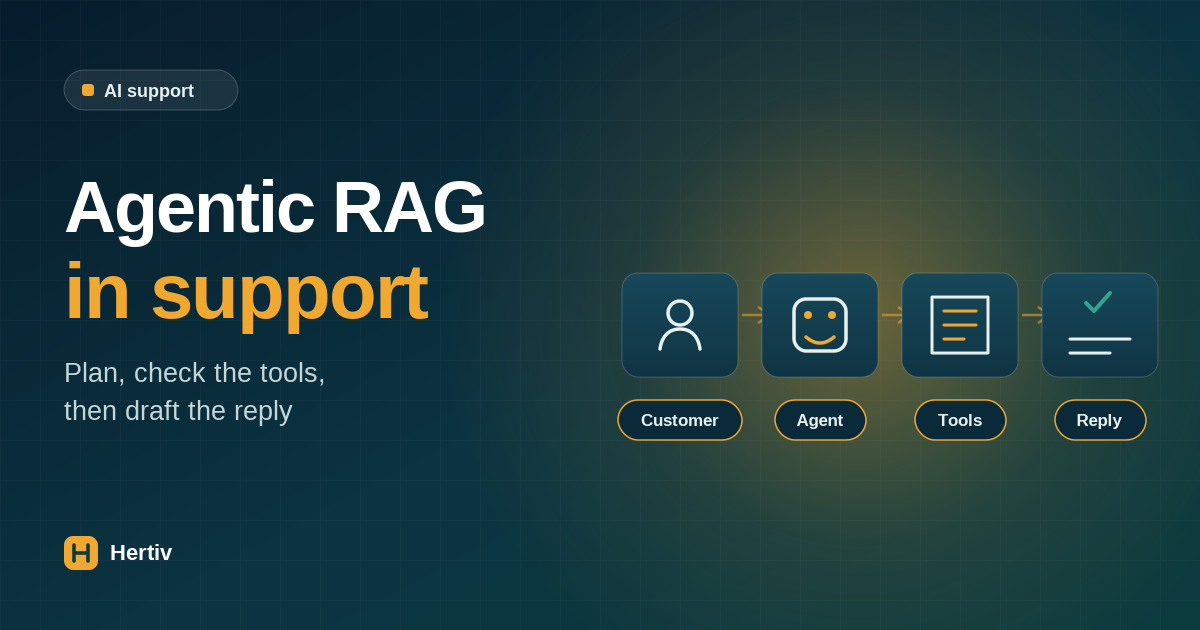
Agentic RAG gives a support system tools and a plan, so it can look up answers, check order records and draft replies. Deploy it in small steps with human review.
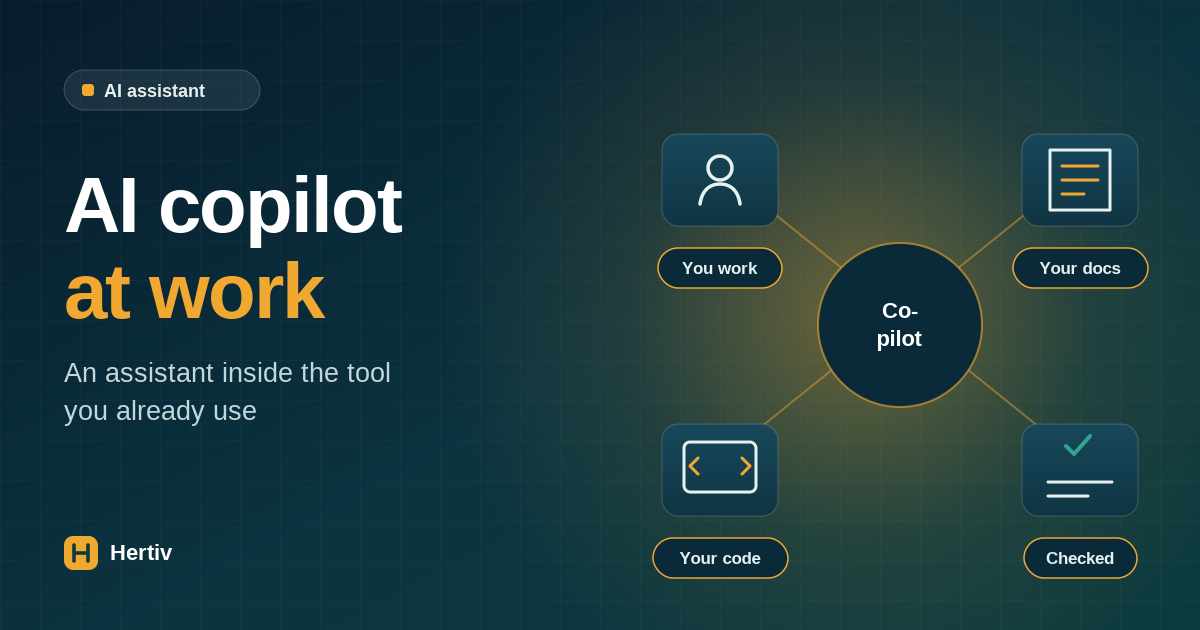
An AI copilot is an assistant that works beside you inside the tool you already use, drafting, suggesting and checking while you stay in charge of the final call.
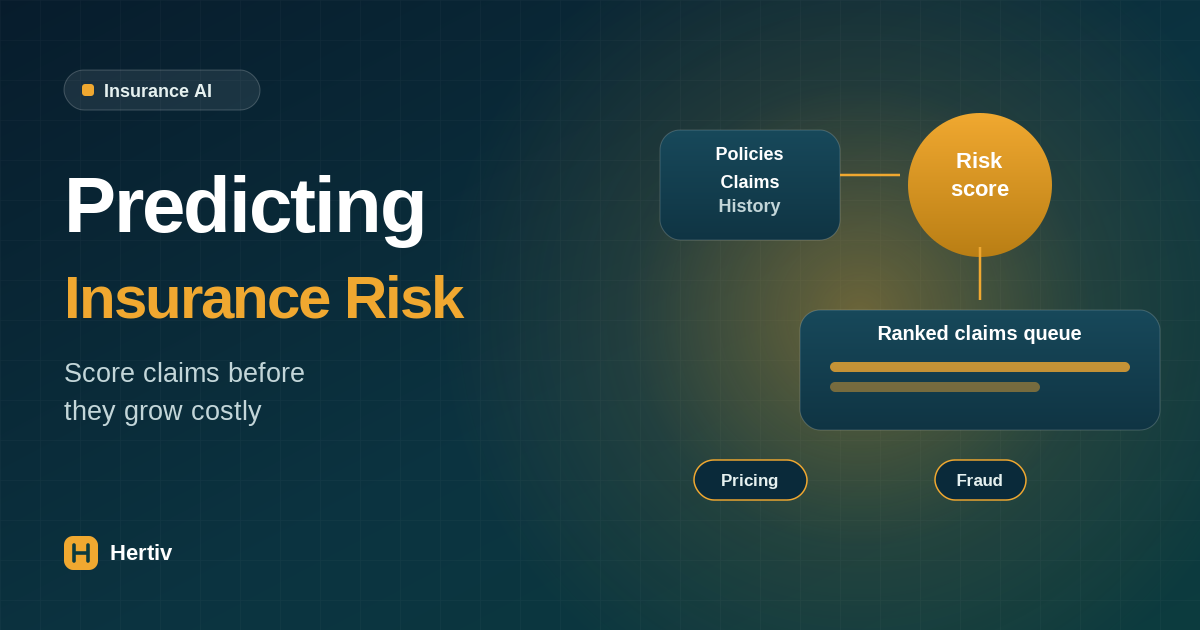
Insurers use AI predictive analytics to price risk, spot fraud and triage claims early. Here is how the models work, what data they need and where the limits are.
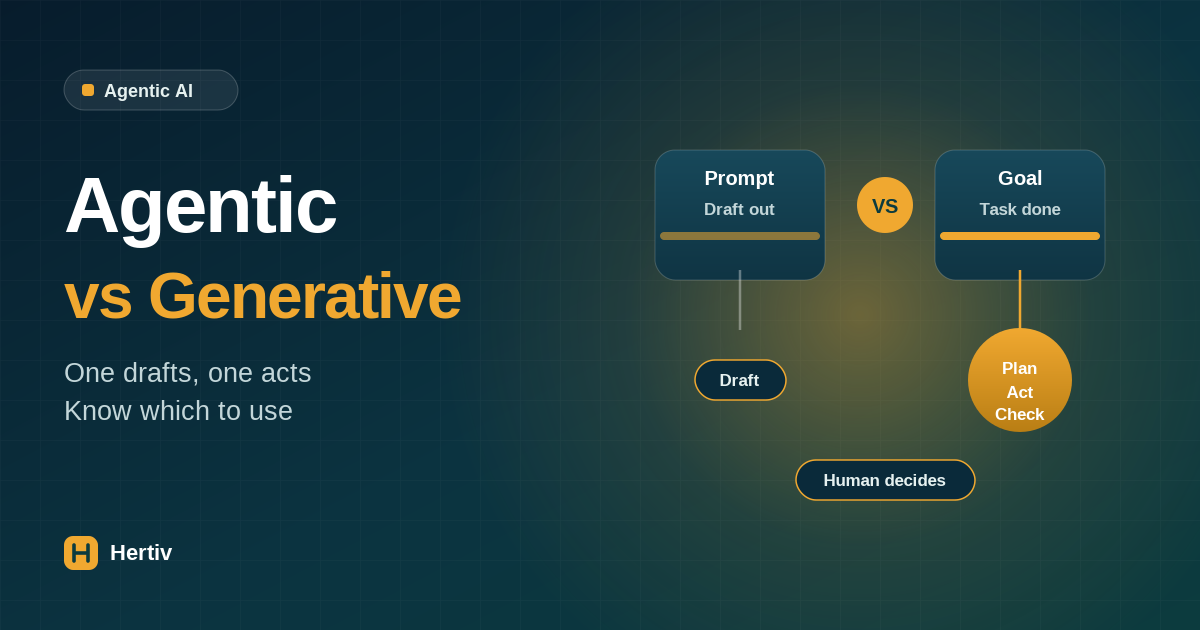
Generative AI creates text, images and code from a prompt. Agentic AI plans multi-step work, calls tools and acts for you, with human checks along the way.
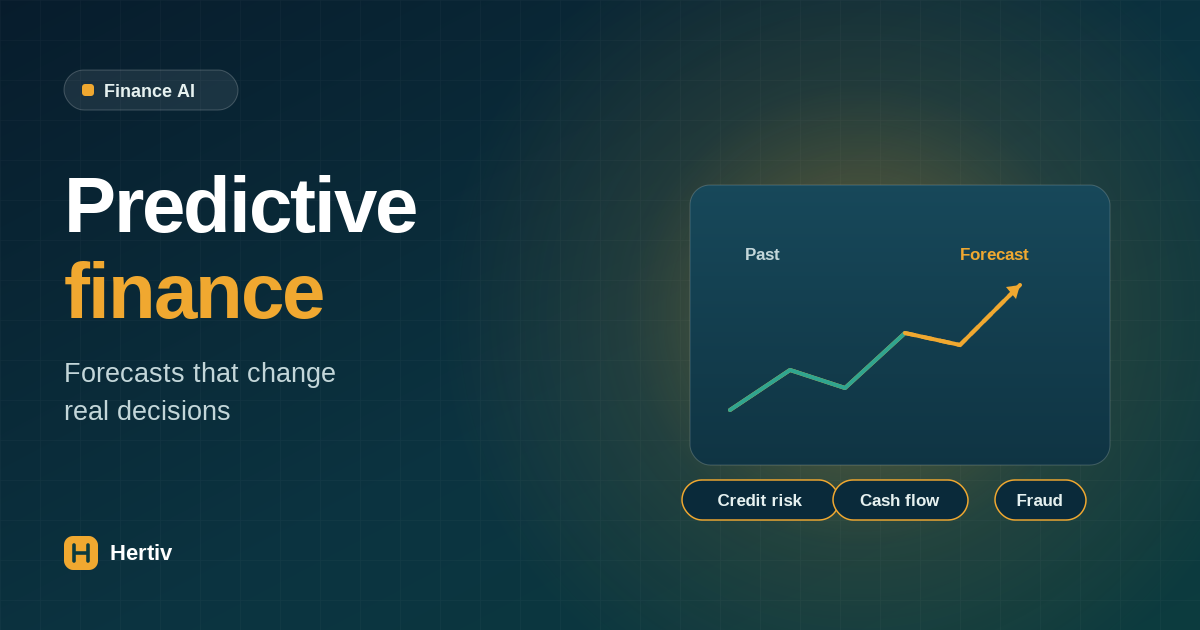
Predictive analytics helps finance teams spot risk, plan cash and read market shifts before they happen. Here are eight uses that matter most.
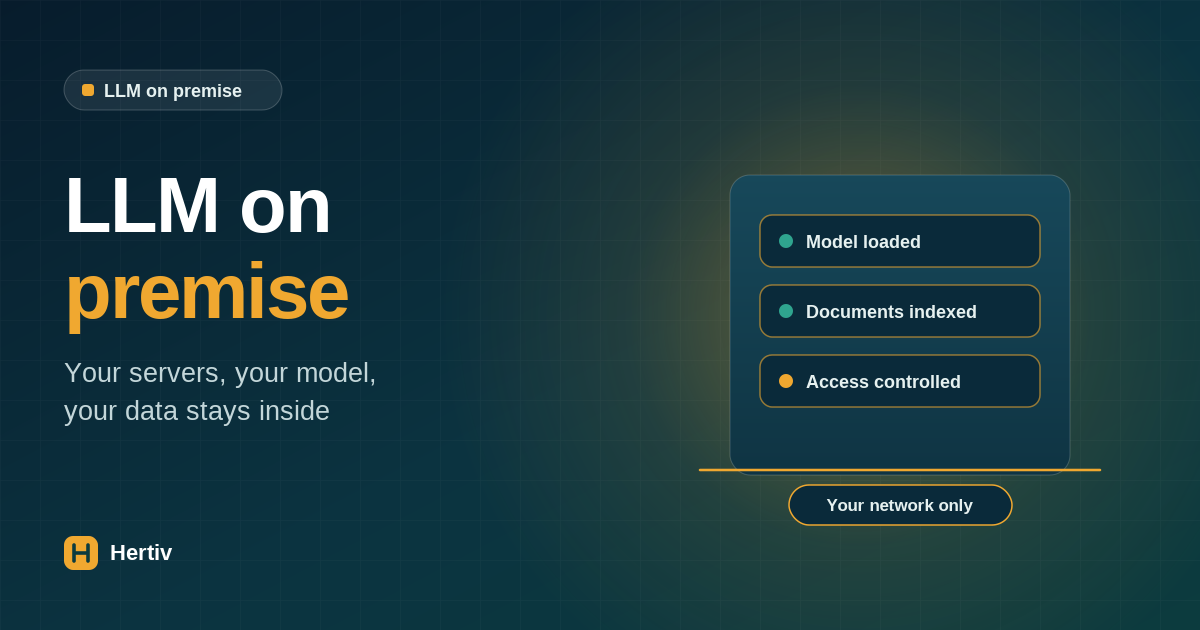
Deploying an LLM on premise means running the model on your own servers, inside your own network. Here is how to plan it, set it up and keep it running.
AI governance is the set of rules, roles and checks that keeps a company's AI safe, lawful and honest. It decides who may build and use AI, and how.
AI voice agents answer calls, book appointments and solve routine problems by talking with customers. Here are eight examples that work in real businesses.
Open source Copilot alternatives let you keep your code on your own machines while still getting AI help in the editor. Here are 8 worth comparing.
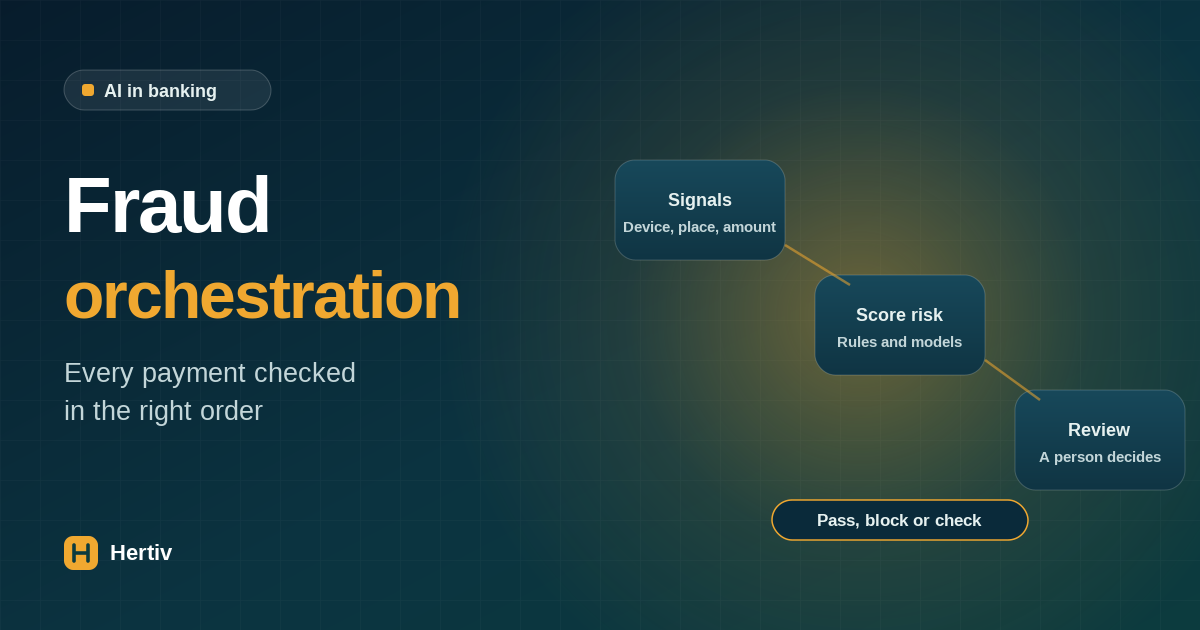
AI orchestration routes each payment through rules, models and human review in the right order, so fraud is caught fast and honest payments are not blocked.
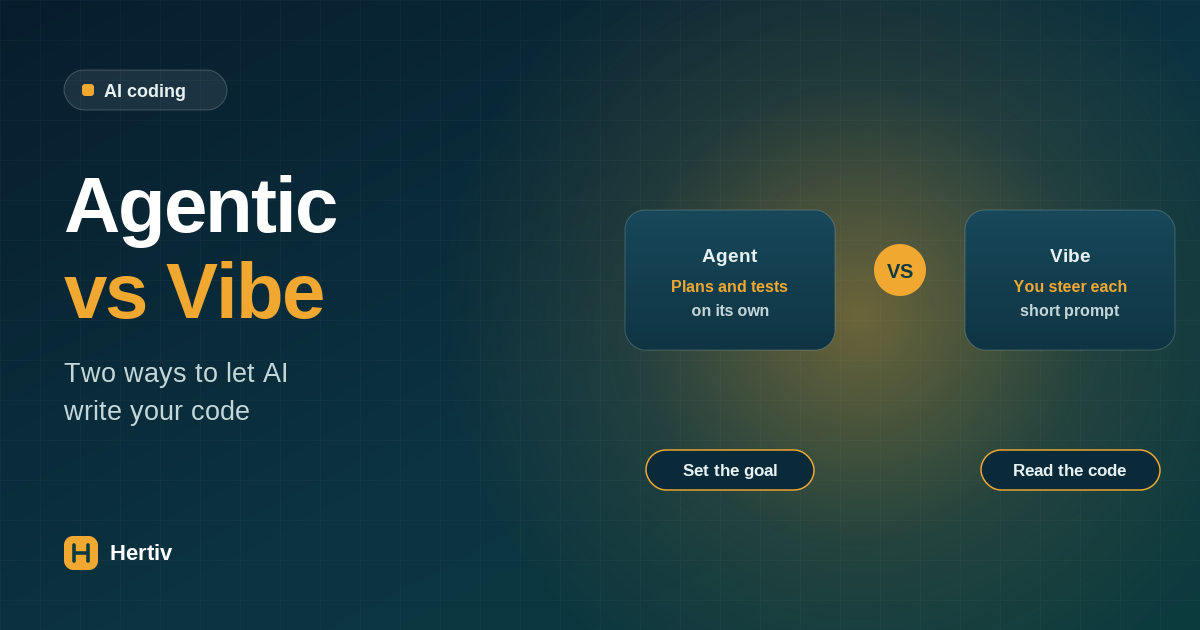
Agentic coding lets an AI agent plan, write and test code on its own, while vibe coding keeps the developer driving with short prompts.
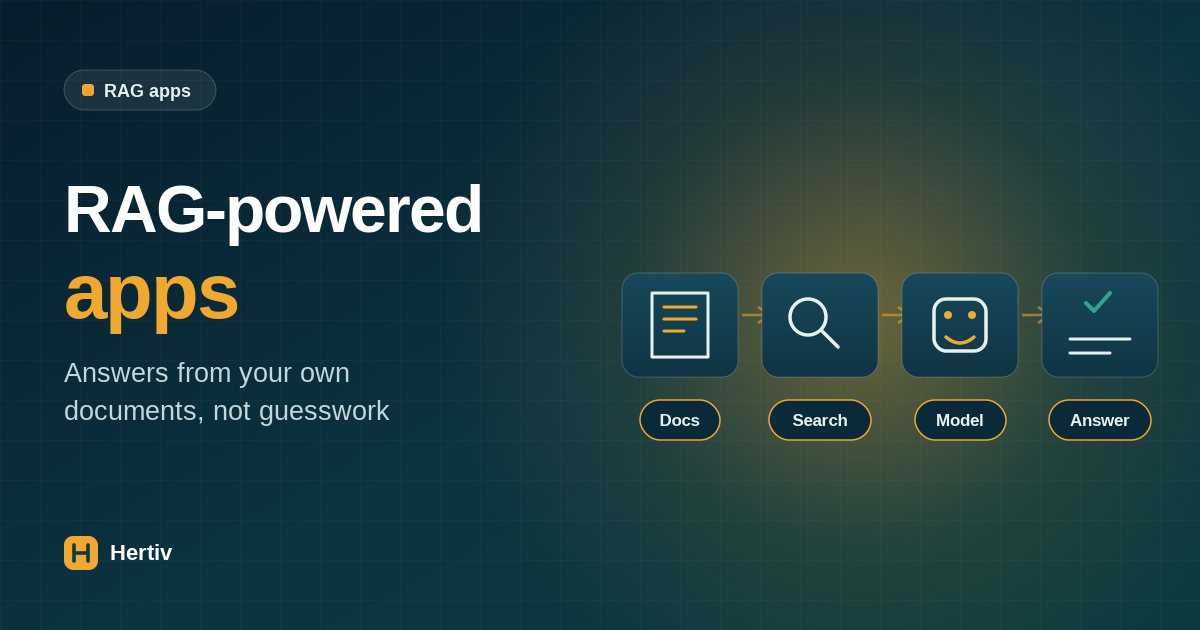
To develop a RAG-powered application, load your documents, split them into chunks, search them for each question and let the model answer from what it finds.
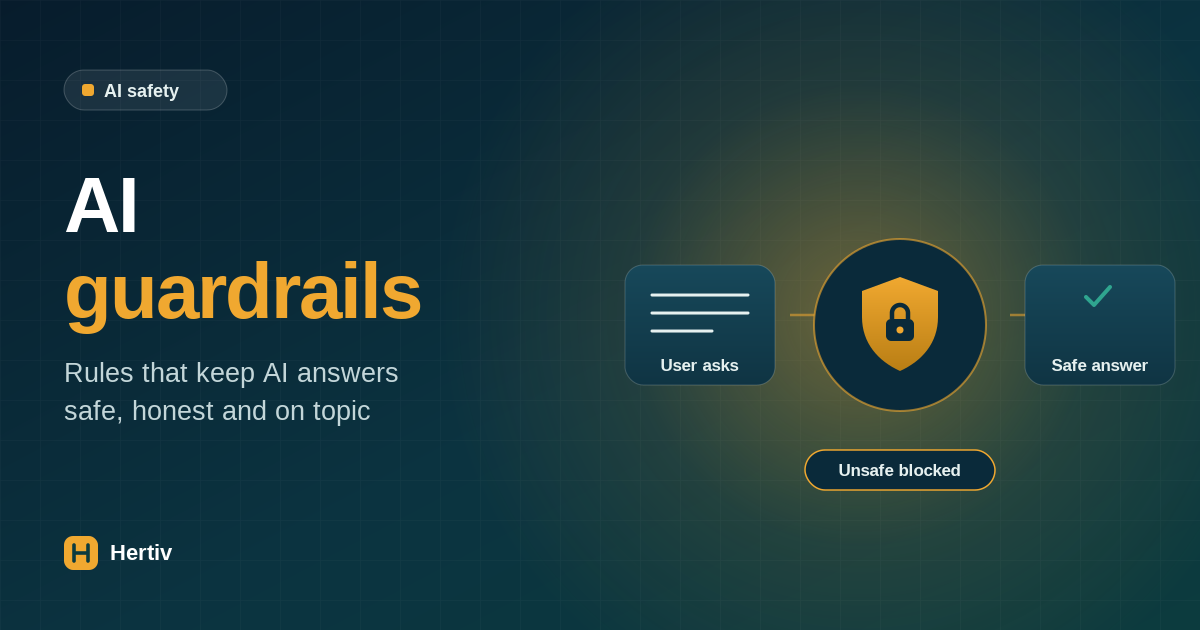
AI guardrails are rules that check what goes into an AI system and what comes out, so the system stays safe, honest and inside the limits you set.
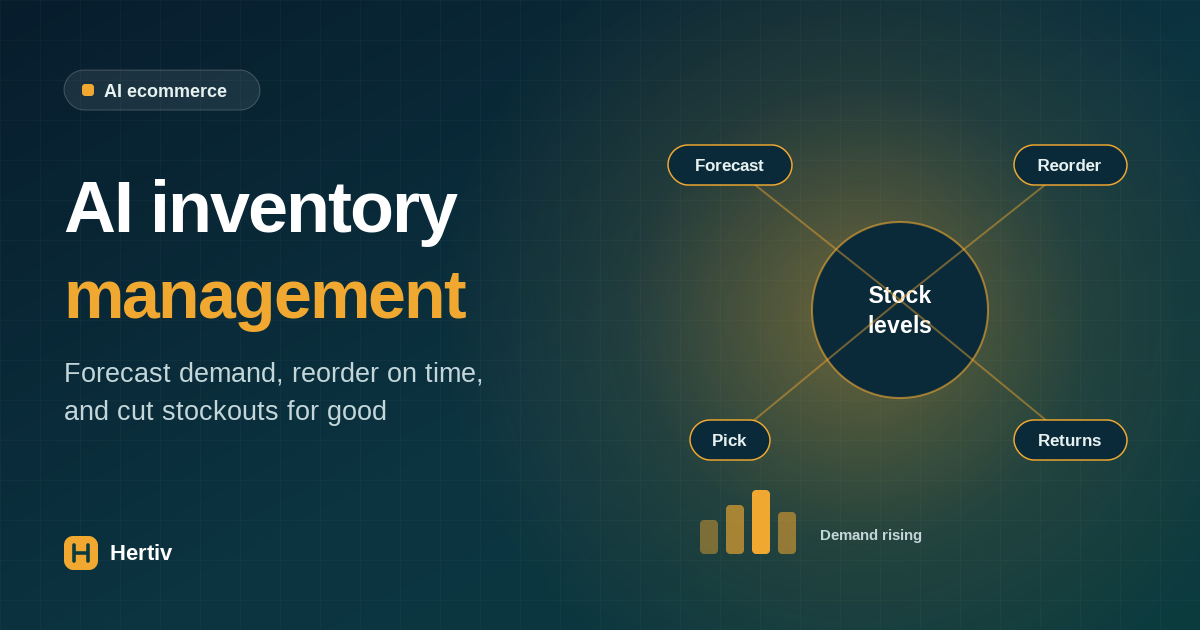
AI-powered inventory management predicts what an online store will sell, keeps the right stock on hand and cuts stockouts. Here is how it works and how to start.
An advanced LLM chatbot answers from your own documents, remembers the conversation and hands off to a person when needed. Here is how to build one step by step.
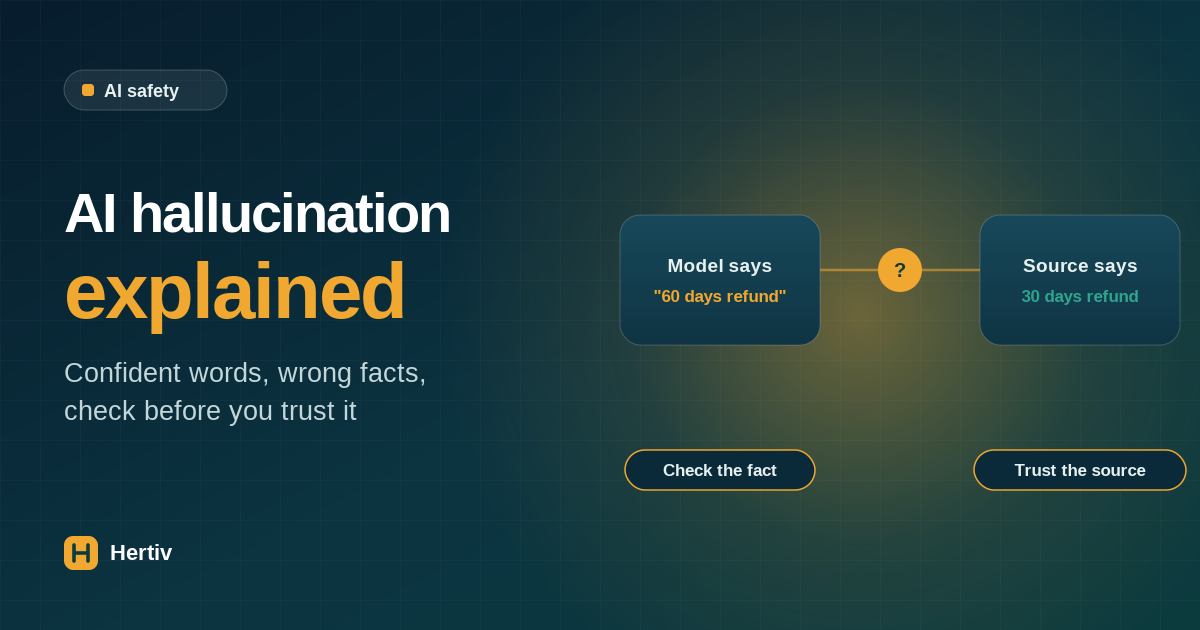
An AI hallucination is a confident answer that sounds right but is wrong. Models predict likely words, not facts, so they can invent details.
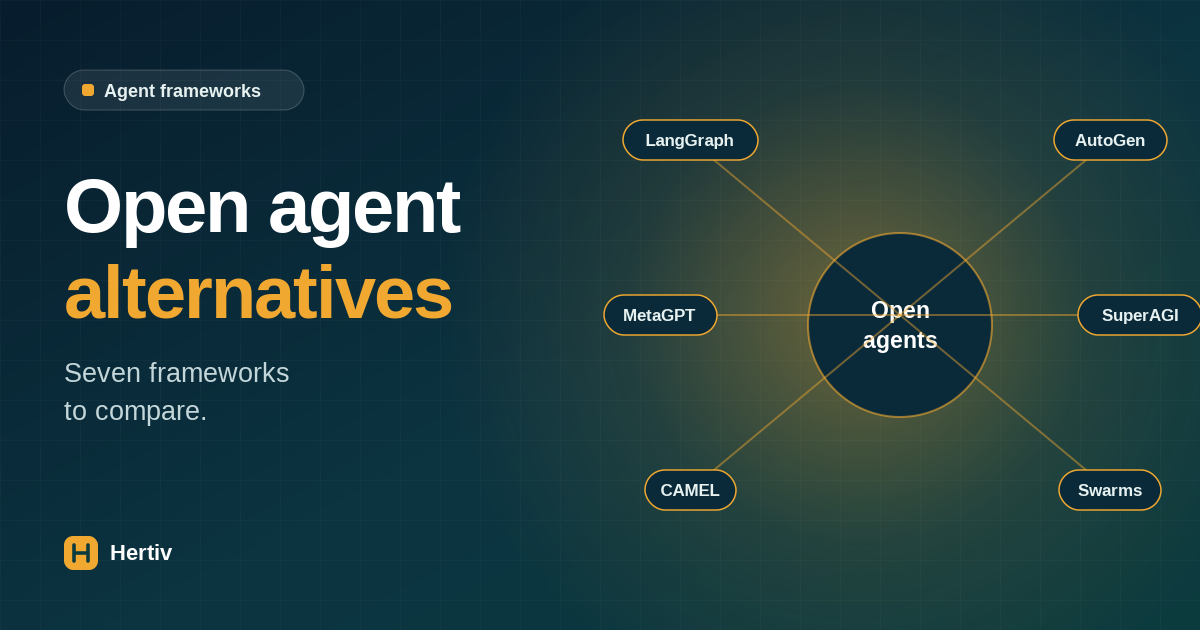
CrewAI builds teams of AI agents, but other open frameworks do the same job. These seven cover the same ground, from simple agent teams to full research crews.
No posts on this page match. Use site search (Ctrl K) to search every post.
A senior engineer reads every request and replies within one business day with questions, a rough range, or a call link.