Blockchain
White Label Crypto Wallet App: What It Is and How to Choose
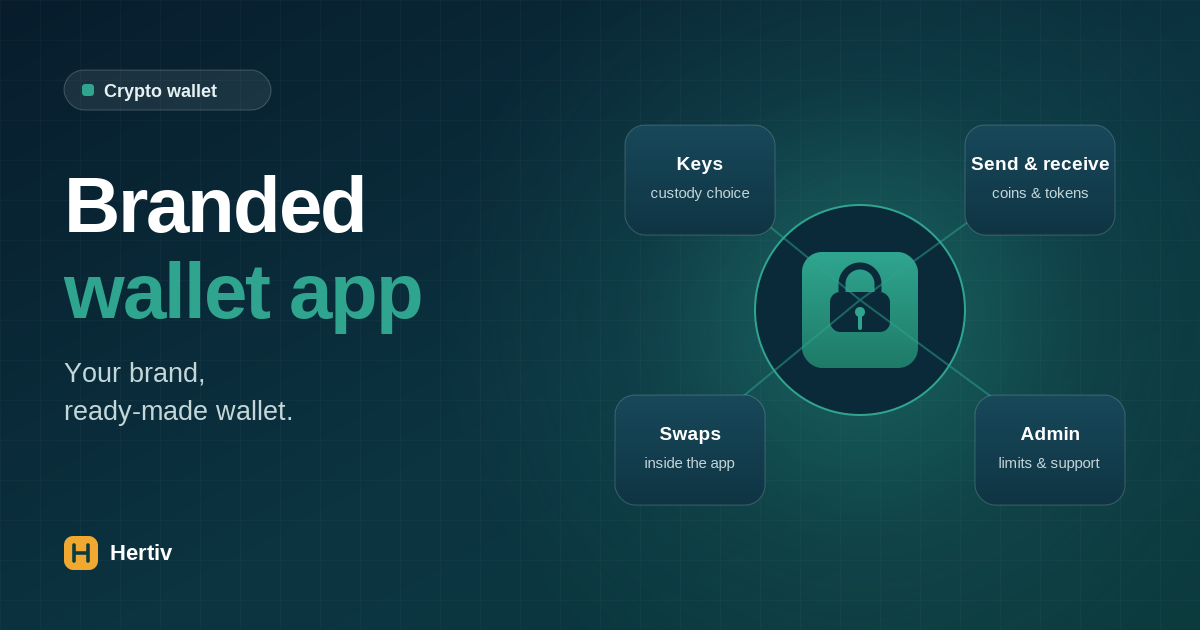
A white label crypto wallet app is a wallet your brand launches under its own name. Learn what comes inside, the custody choices, and the checks to run first.
Practical guides on tokenization, stablecoin payments, wallets and smart contracts.
1660 posts · page 54 of 70
A white label crypto wallet app is a wallet your brand launches under its own name. Learn what comes inside, the custody choices, and the checks to run first.
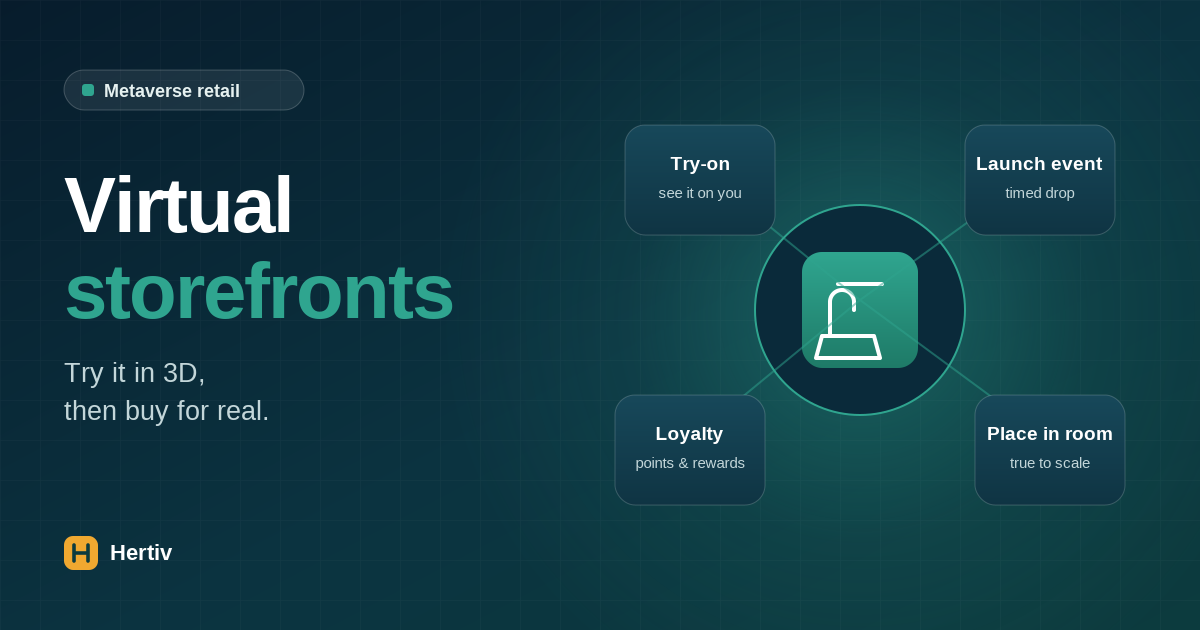
Retail brands use the metaverse for virtual stores, 3D try-on and loyalty, but most pilots fail on unclear goals. Here is what works and how to run a first test.
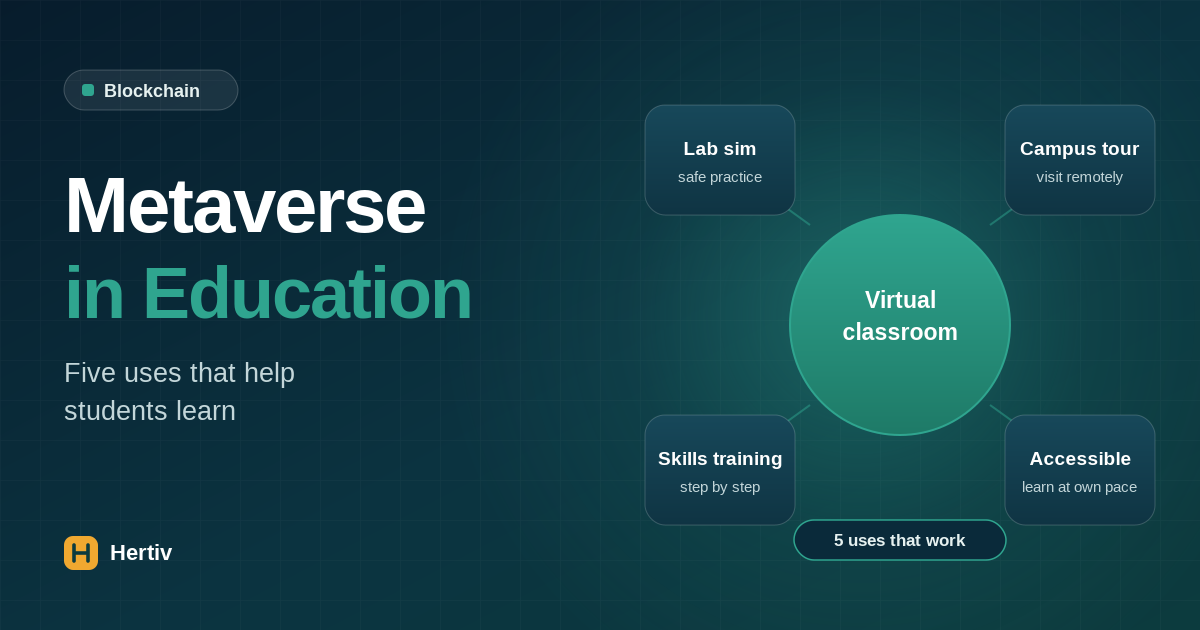
Metaverse spaces give students shared 3D rooms for classes, labs and campus visits. See five education use cases and what to check first.
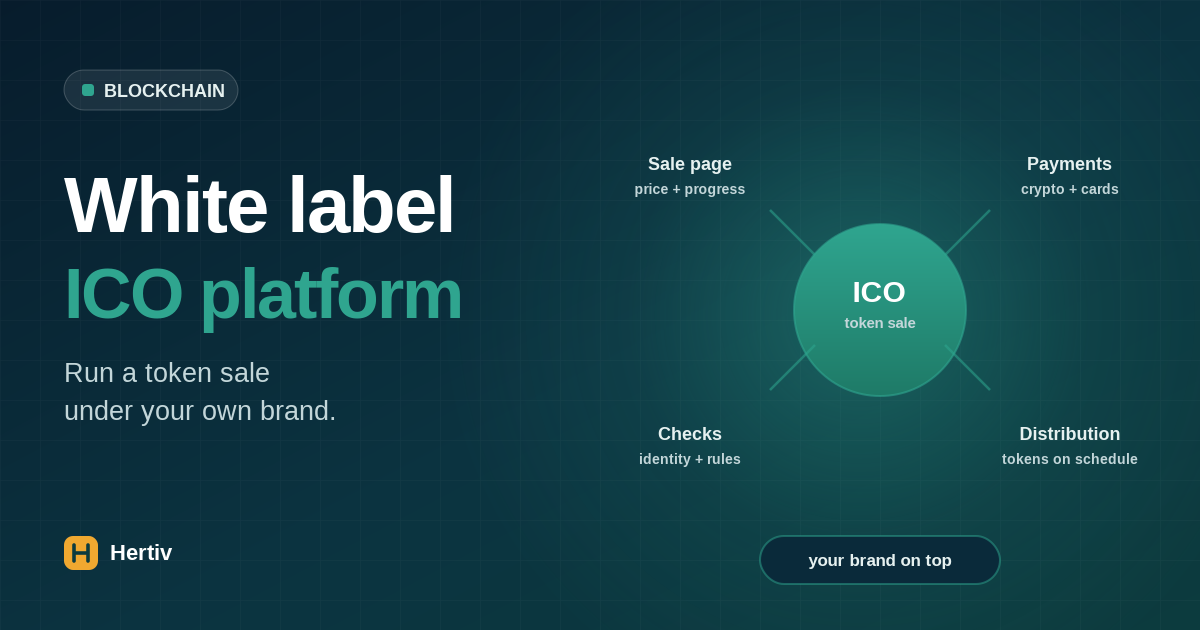
An ICO platform lets you run a token sale without building the sale software from scratch. Learn what it includes, how it works and what to check first.
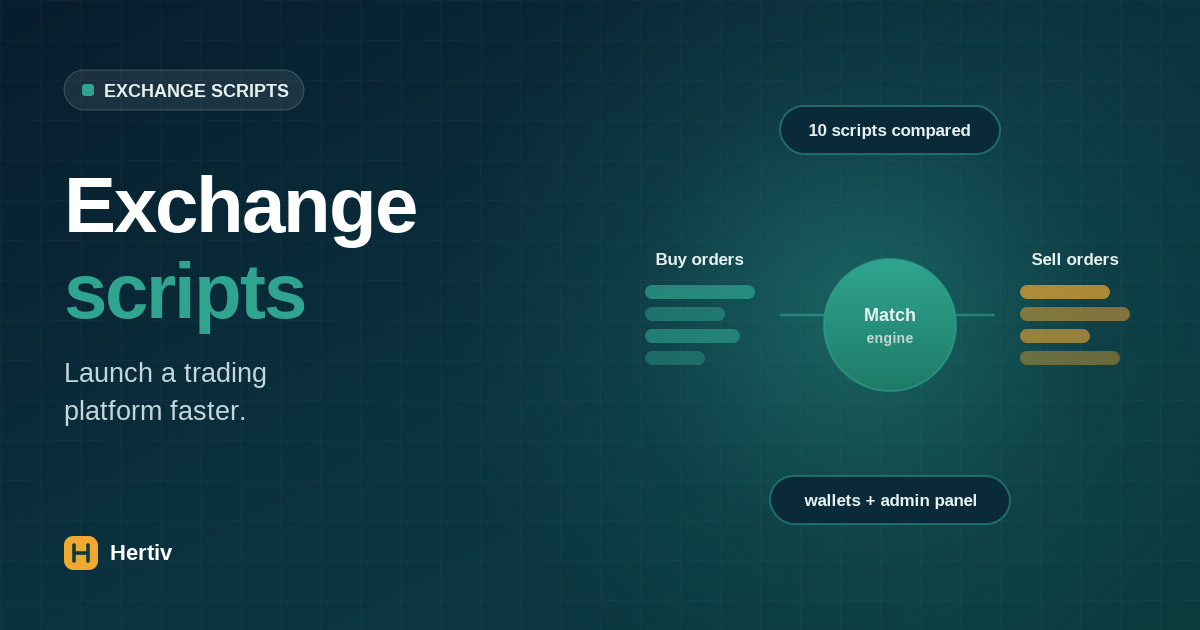
Exchange scripts let you launch a crypto trading platform without building it from scratch. Compare 10 well-known options by features, fit and cost.
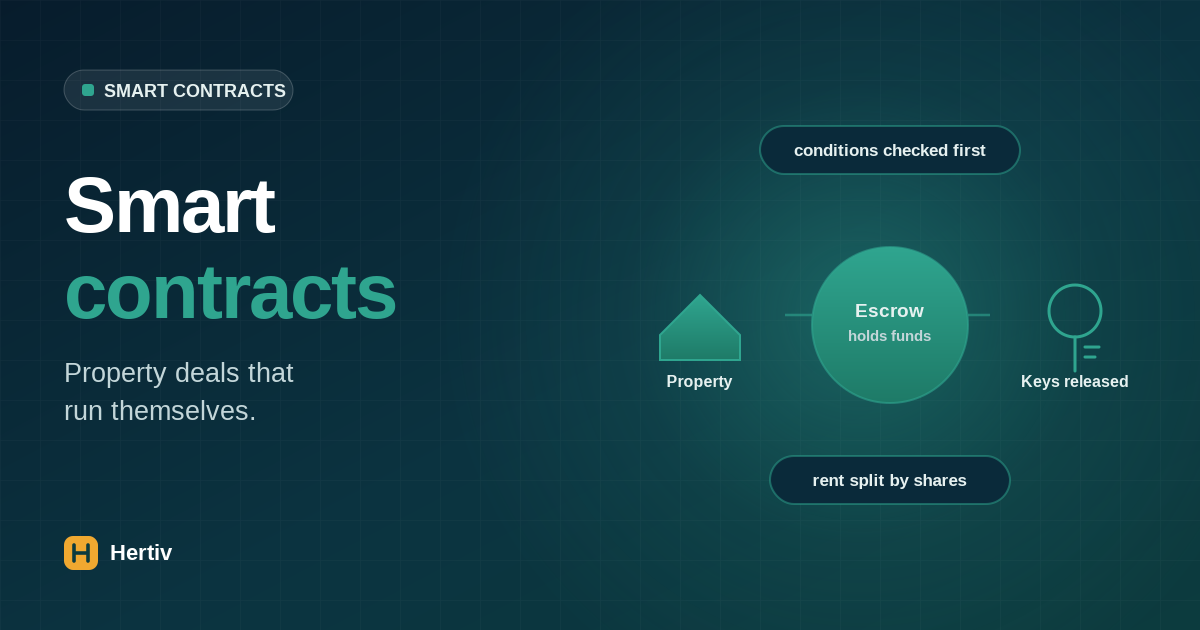
Smart contracts in real estate automate parts of a property deal, such as escrow, rent splits and ownership records. Learn what they can and cannot do.
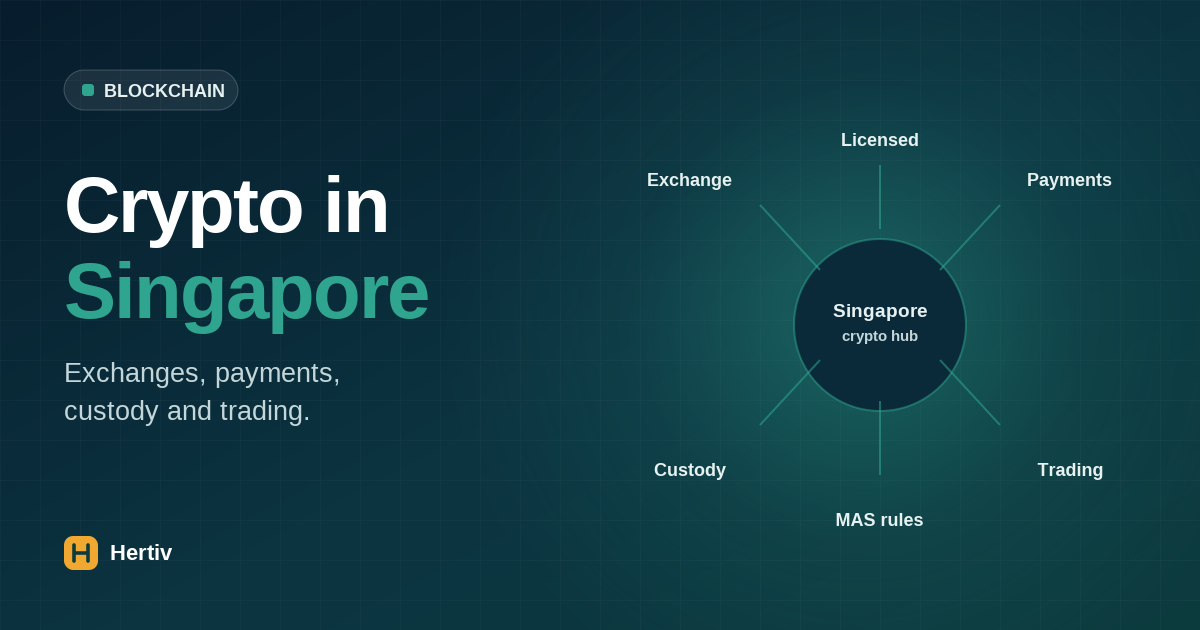
Singapore's best-known crypto companies cover exchanges, payments, custody and trading infrastructure, and this list explains what each one does and who it suits.
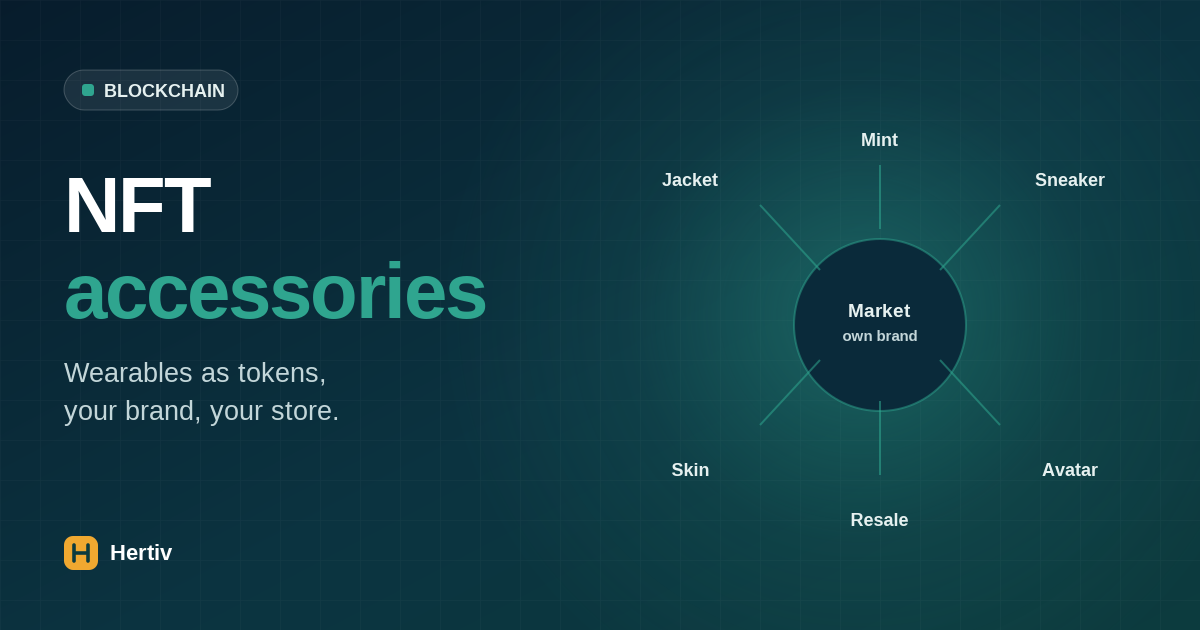
A white label NFT accessories marketplace is a ready-made platform your brand runs under its own name, selling avatar wearables and in-game items as NFTs.
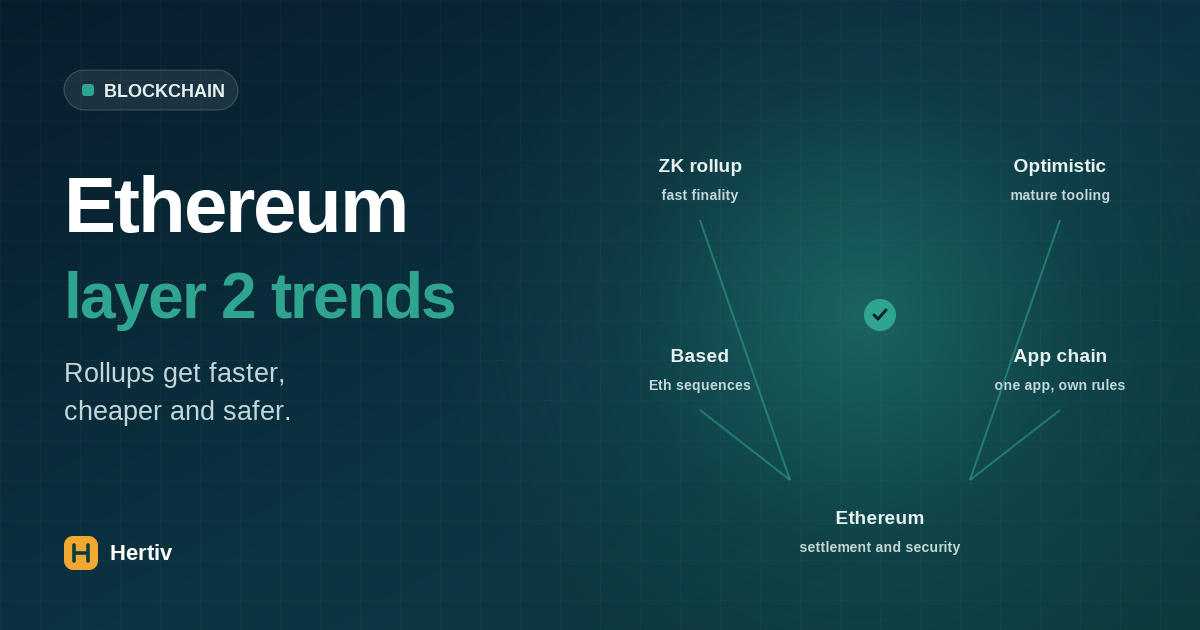
Ethereum layer 2 trends to watch: ZK rollups, based rollups, shared sequencing, cheaper data and safer bridges, plus the fragmentation and sequencer risks to check.
A white label NFT games marketplace is a ready-made platform a studio brands as its own, where players buy, sell and trade in-game items as NFTs.
Stablecoin-linked cards let users spend USDC or USDT at any merchant, converting to fiat at checkout. How they work, and what a fintech needs to offer one.
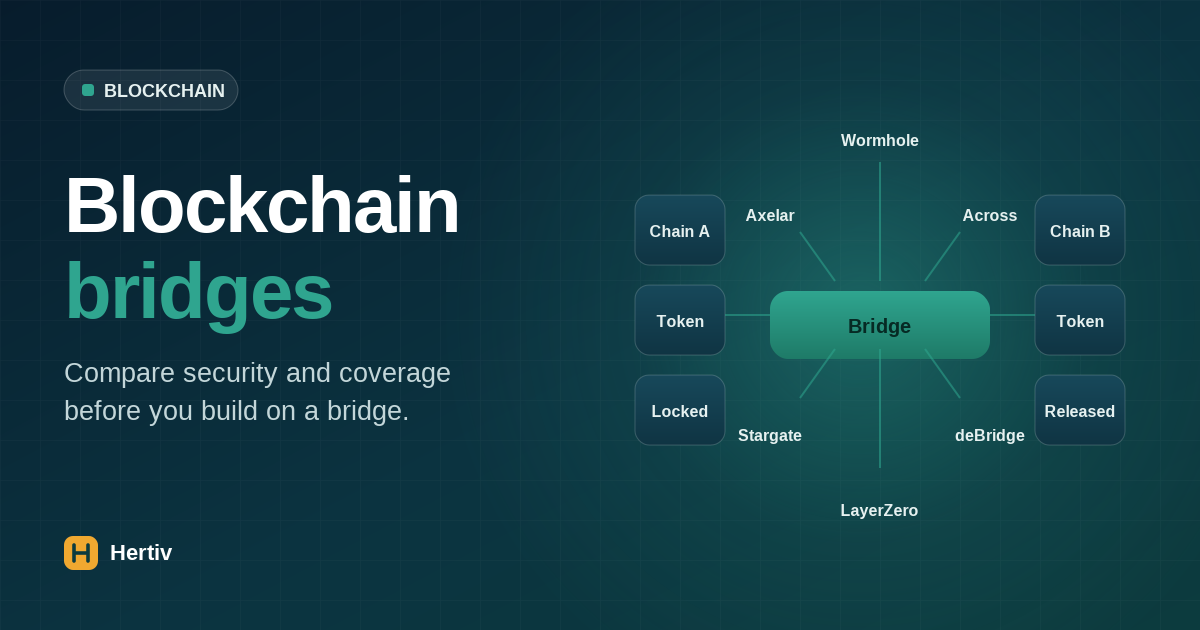
Six bridges startups use to move tokens between chains, compared on design, coverage and security: Wormhole, LayerZero, Axelar, Across, Stargate and deBridge.
Smart contracts power decentralised finance: lending, exchanges, stablecoins and more. Here are ten use cases, what each contract does, and the risk to manage.
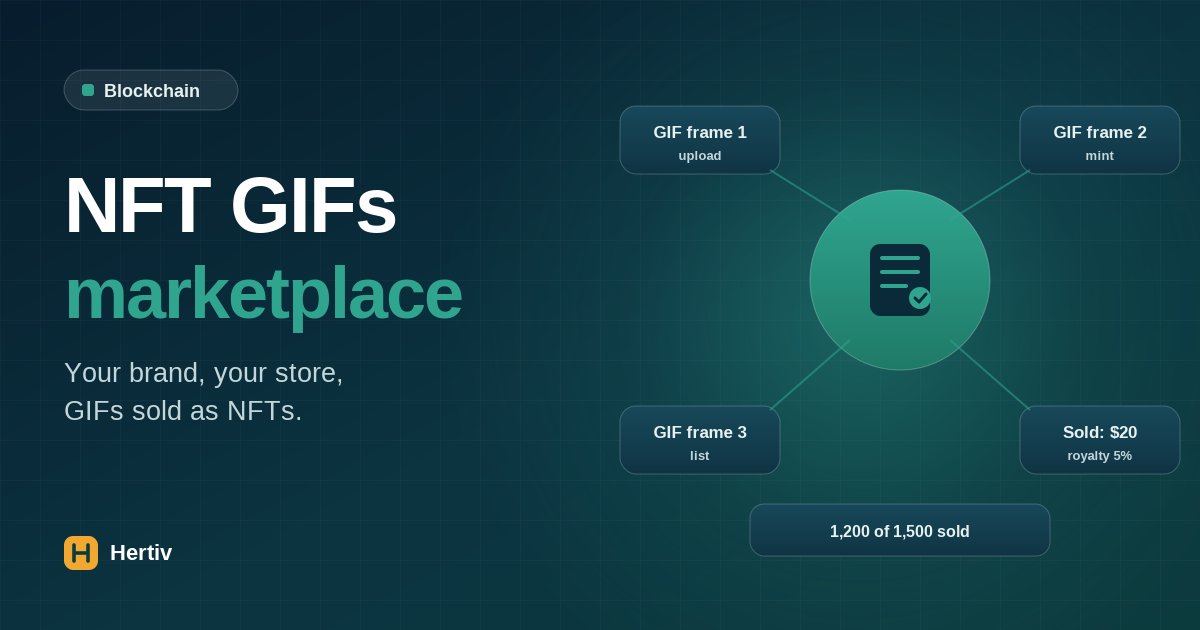
A white label NFT GIFs marketplace lets a brand sell looping animations as NFTs under its own name, without building minting, payments and wallets from scratch.
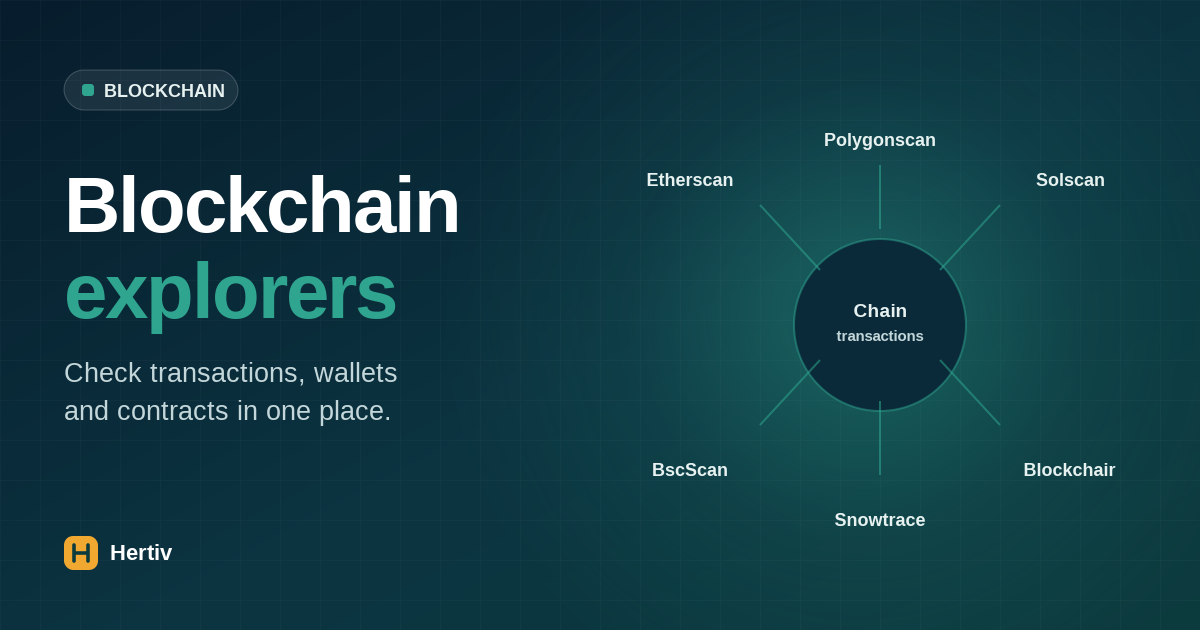
Blockchain explorers let a startup check transactions, wallets and contracts without running a node. Here are six worth comparing for your stack.
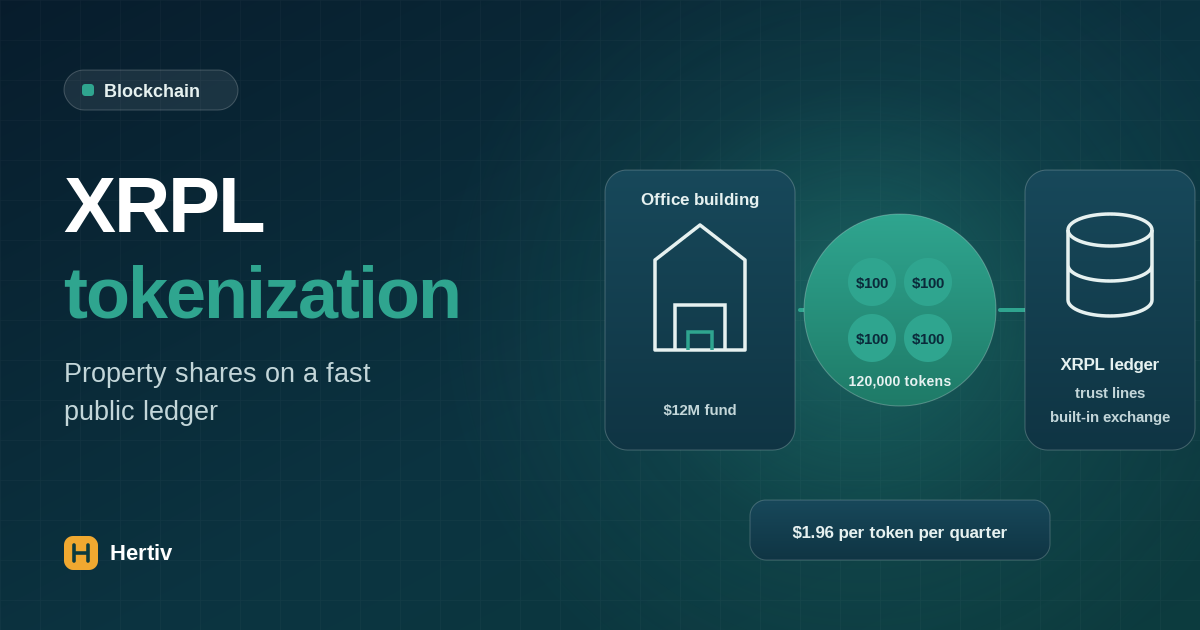
XRPL can issue, trade and settle property tokens using trust lines, its built-in exchange and escrow. Learn how tokenized property works and what to check first.
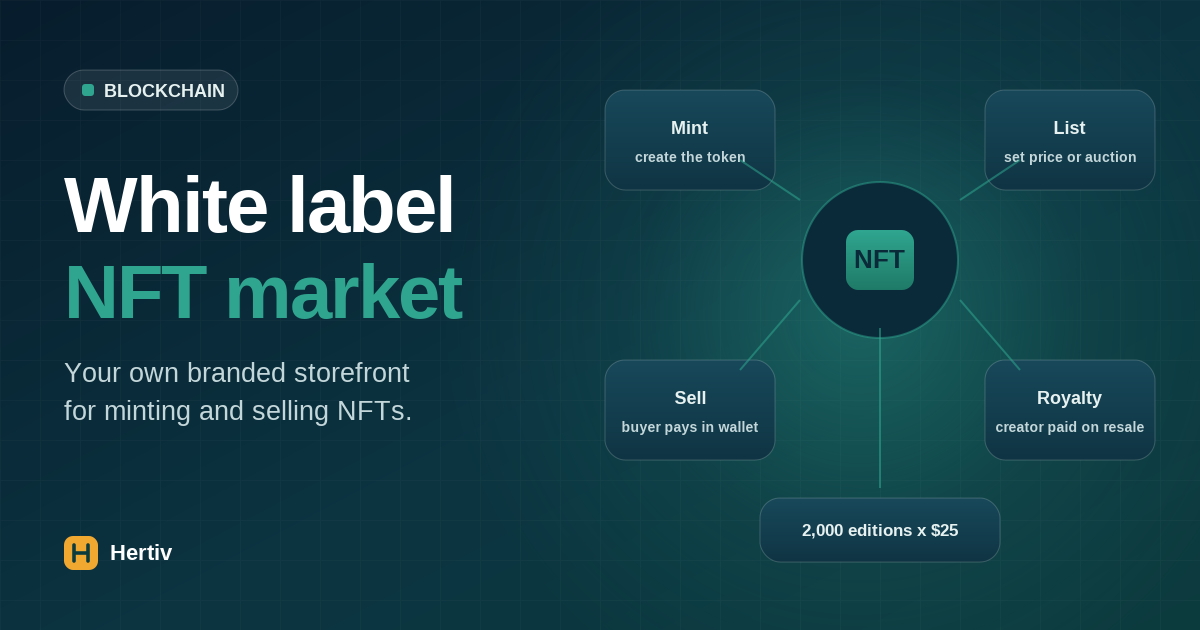
White label NFT marketplaces let a business launch its own branded place to mint, list and sell NFTs. Here is what one includes and how it works.
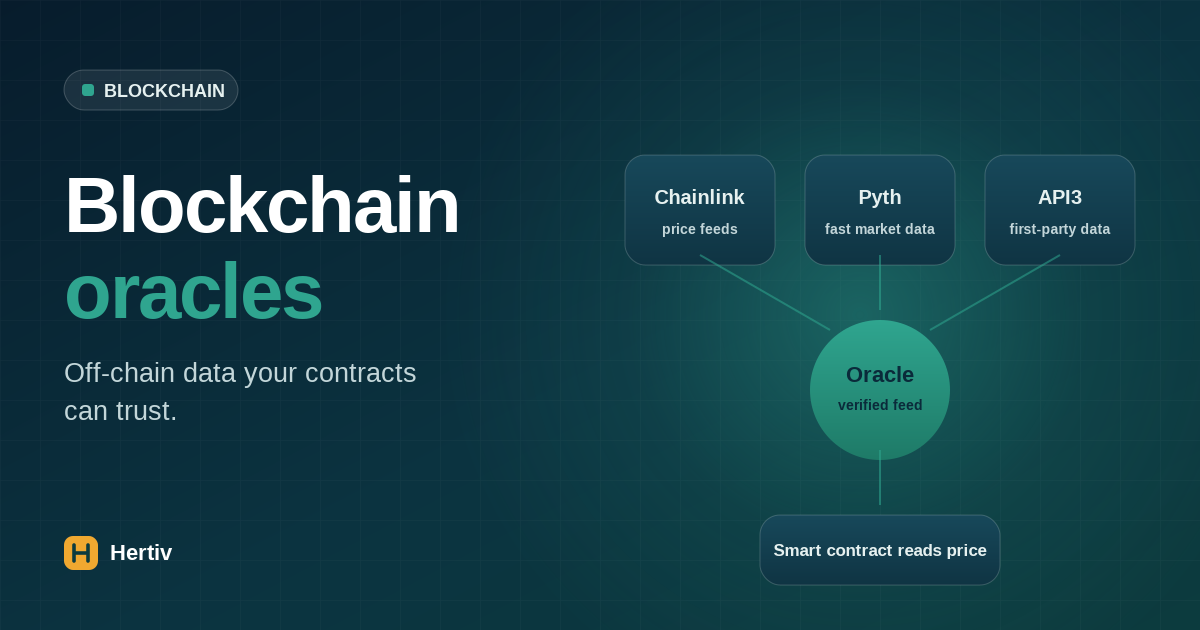
An oracle feeds off-chain data into smart contracts. Compare six oracle networks on data types, chains, cost and setup effort before you pick one.
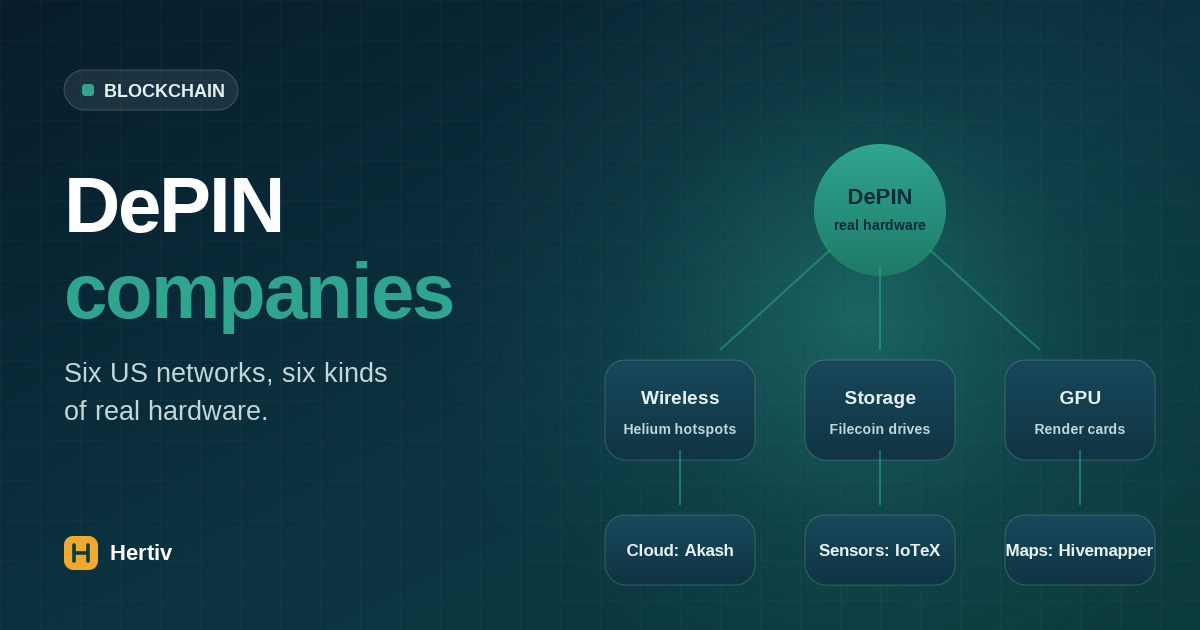
These six US companies build the networks behind DePIN, from wireless hotspots to GPU compute. Compare what each one builds and who it suits best.
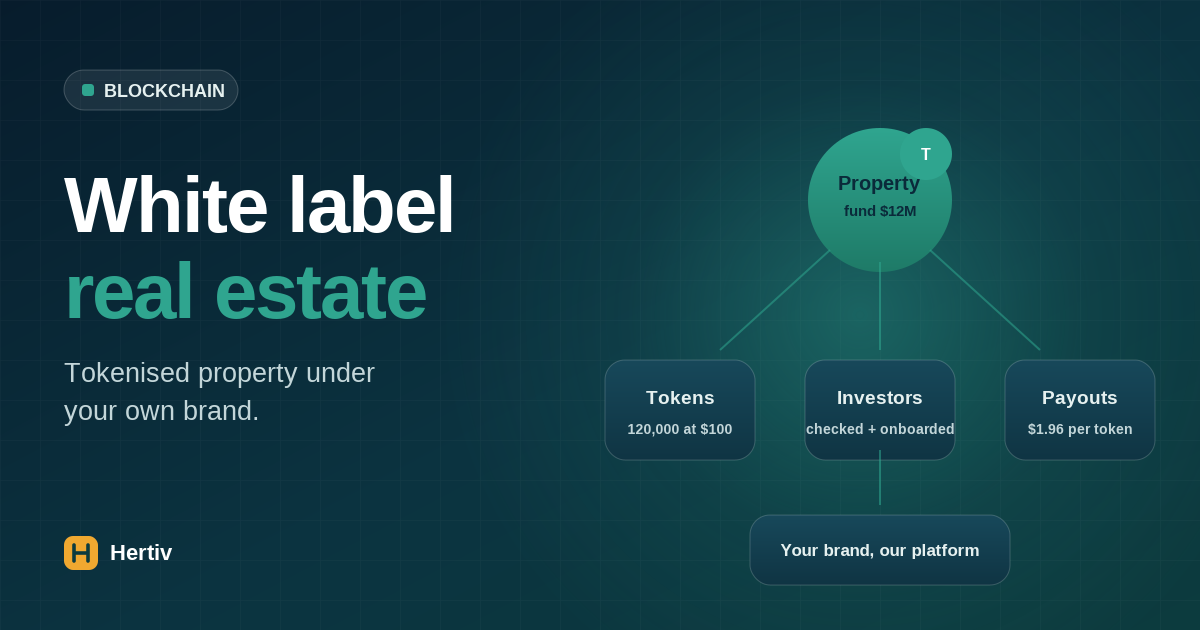
White label real estate tokenization lets a firm offer tokenised property under its own brand, without building the platform. Here is what it includes.
Ten metaverse healthcare solutions worth comparing, from virtual consultations and surgical training to therapy spaces and hospital digital twins.
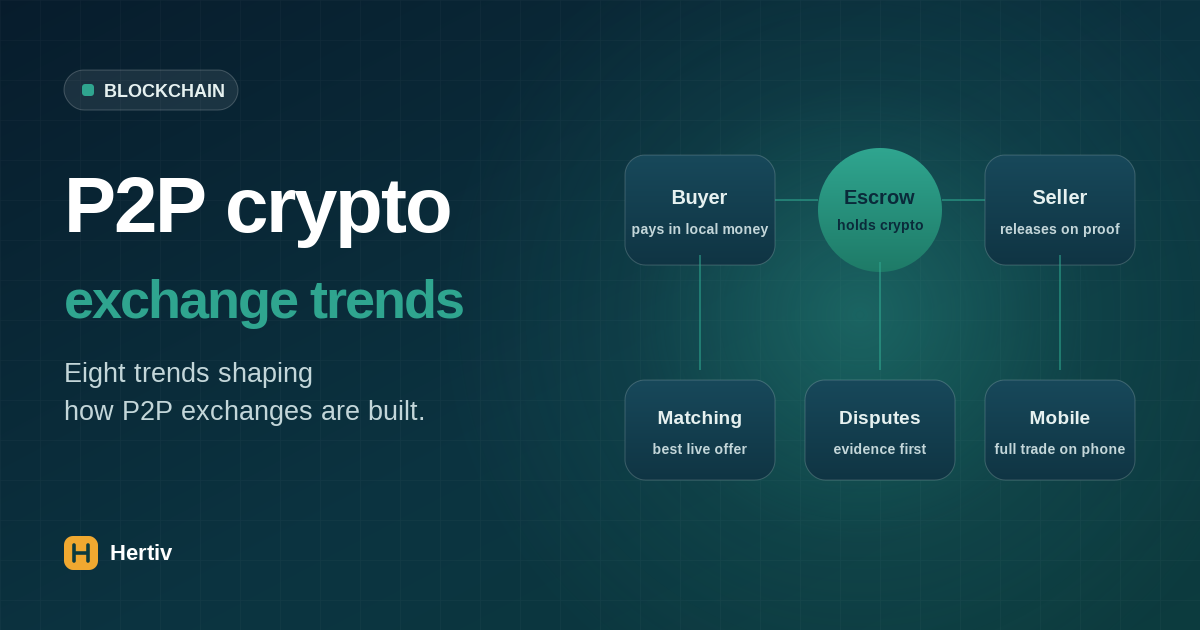
P2P crypto exchanges are adding safer escrow, smarter matching and wider payment options. Here are eight trends shaping how they are built.
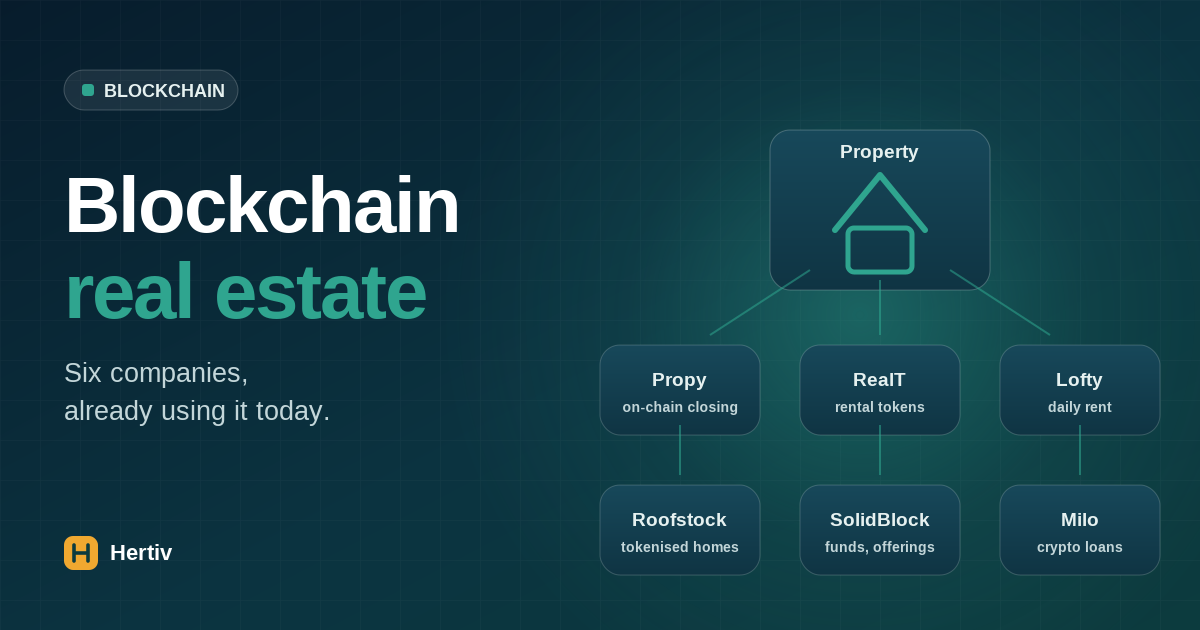
Blockchain is already used to buy, sell and finance property, from tokenised rentals to on-chain closings. Here are six companies doing it in the real world.
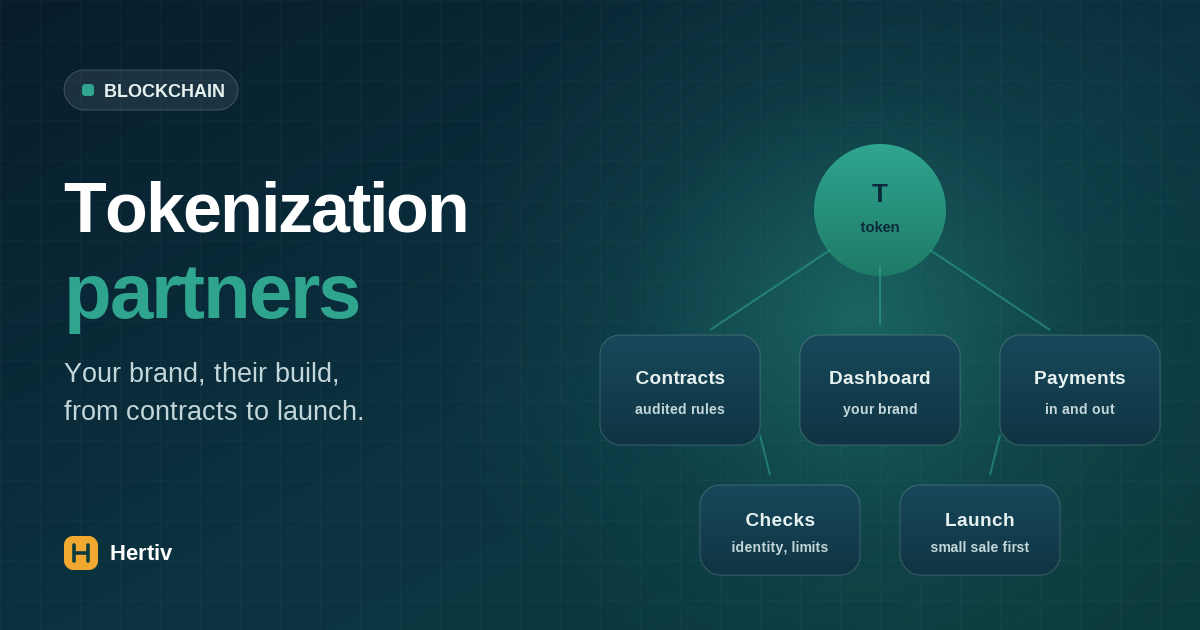
A white label tokenization partner builds a token platform under your brand, from smart contracts to the investor dashboard. Here is how to pick one.
No posts on this page match. Use site search (Ctrl K) to search every post.
A senior engineer reads every request and replies within one business day with questions, a rough range, or a call link.