Blockchain
What Is Unichain? A DeFi Layer 2 Explained
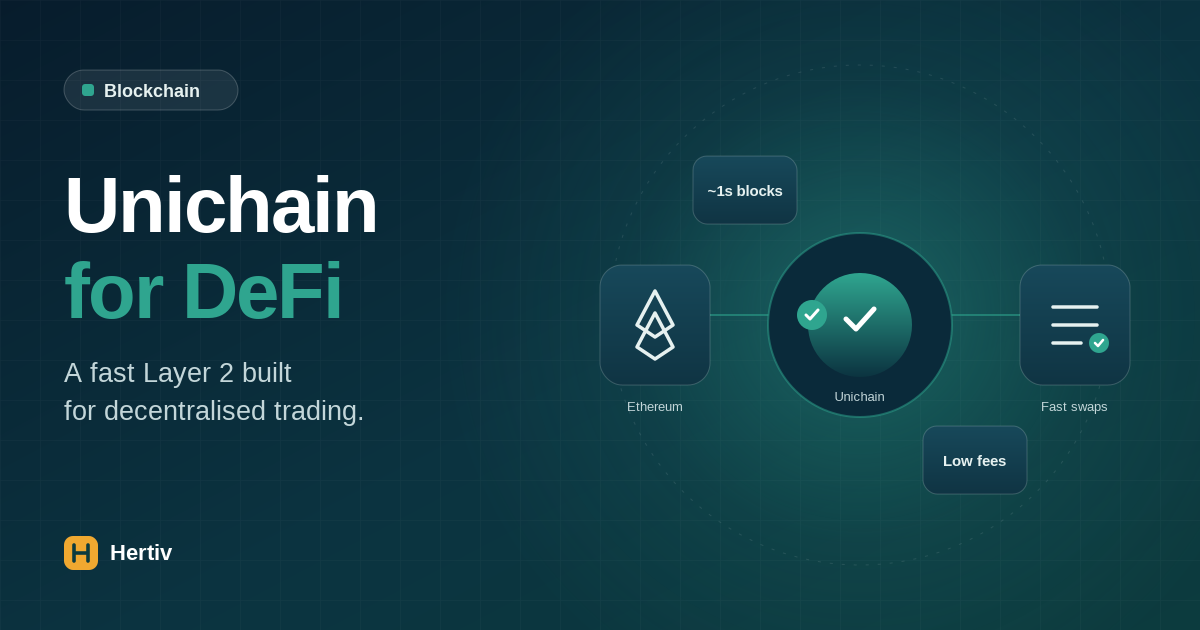
Unichain is a Layer 2 network built by Uniswap Labs for decentralised finance. It runs on the OP Stack, settles on Ethereum and aims for fast, low-cost swaps.
Practical guides on tokenization, stablecoin payments, wallets and smart contracts.
1662 posts · page 52 of 70
Unichain is a Layer 2 network built by Uniswap Labs for decentralised finance. It runs on the OP Stack, settles on Ethereum and aims for fast, low-cost swaps.
Stablecoins now power cross-border payments, remittances, trading settlement and payroll. Compare eight use cases and what each one needs to work.
Blockchain technology can make KYC faster by letting customers prove identity once and share a verified credential. Learn how it works and what to build first.
Eight blockchain audit firms to shortlist, what each one is known for, what an audit covers, and how to pick a firm that matches your code and launch date.
A VARA-compliant blockchain solution is a crypto or token product built to meet Dubai's virtual assets regulator rules on licensing, custody and reporting.
Wallet whitelisting limits tokenized securities to approved addresses, so only investors who passed identity and eligibility checks can hold or receive them.
Eight IDO development companies compared on focus, delivery model and fit, so you can shortlist a partner that builds token, contracts and launchpad as one package.
NFT gaming is moving from token payouts to games that are fun first, with wallets hidden and items players actually want. Here are 8 trends shaping it.
Web 3.0 gives users control of their data and identity, and DeFi is the financial layer built on top of it. Here is how the two fit together and where to start.
An enterprise RWA tokenization platform must handle issuance, compliance, custody and investor access in one place. Ask these questions before you sign.
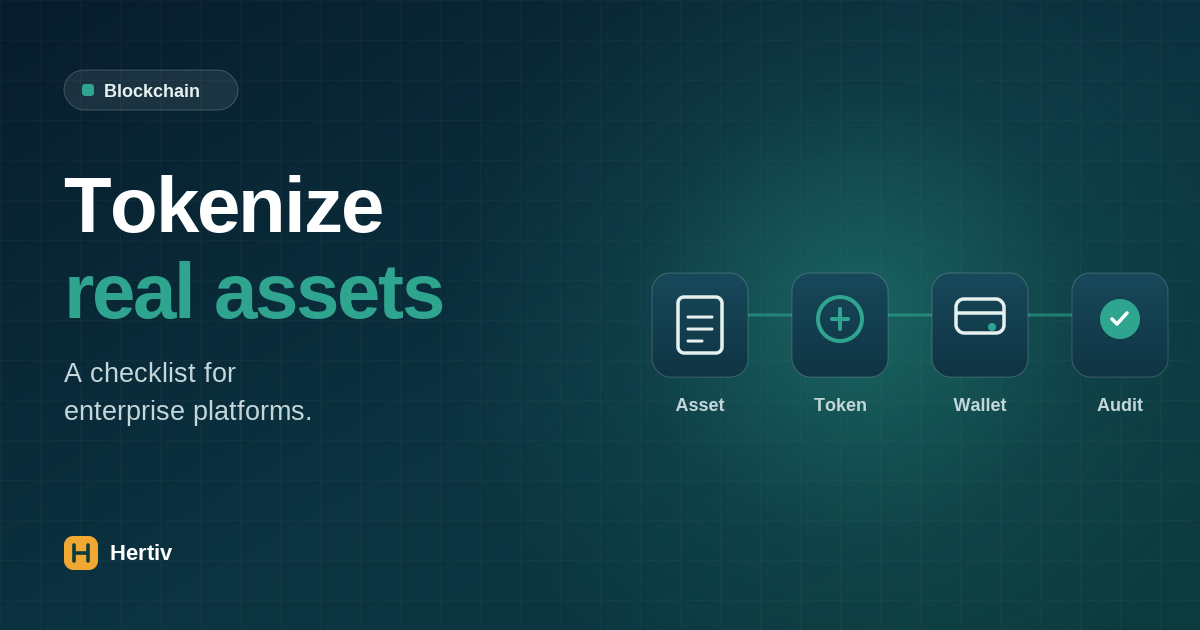
A tokenization platform turns real assets into digital tokens. This checklist covers the legal, compliance, design, security and launch steps to finish first.
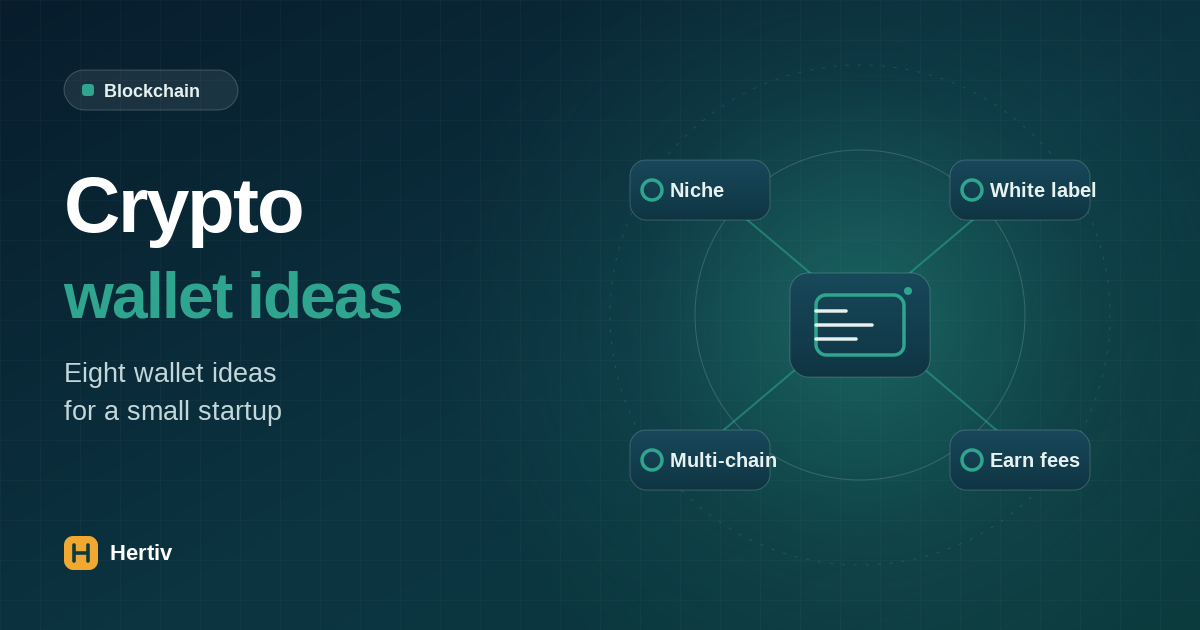
A crypto wallet startup can serve a niche, solve one painful job or sell the wallet itself. These eight ideas show where a team can start and what each one needs.
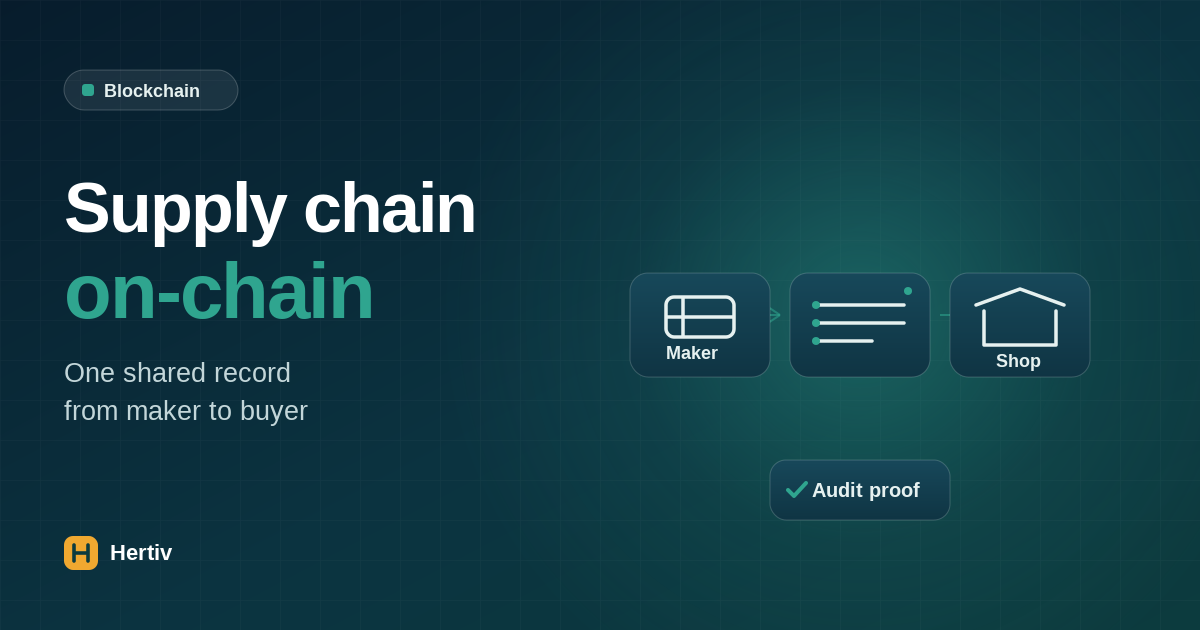
Blockchain gives every company in a supply chain one shared record of where goods are and who handled them. That shared record is why it keeps coming up.
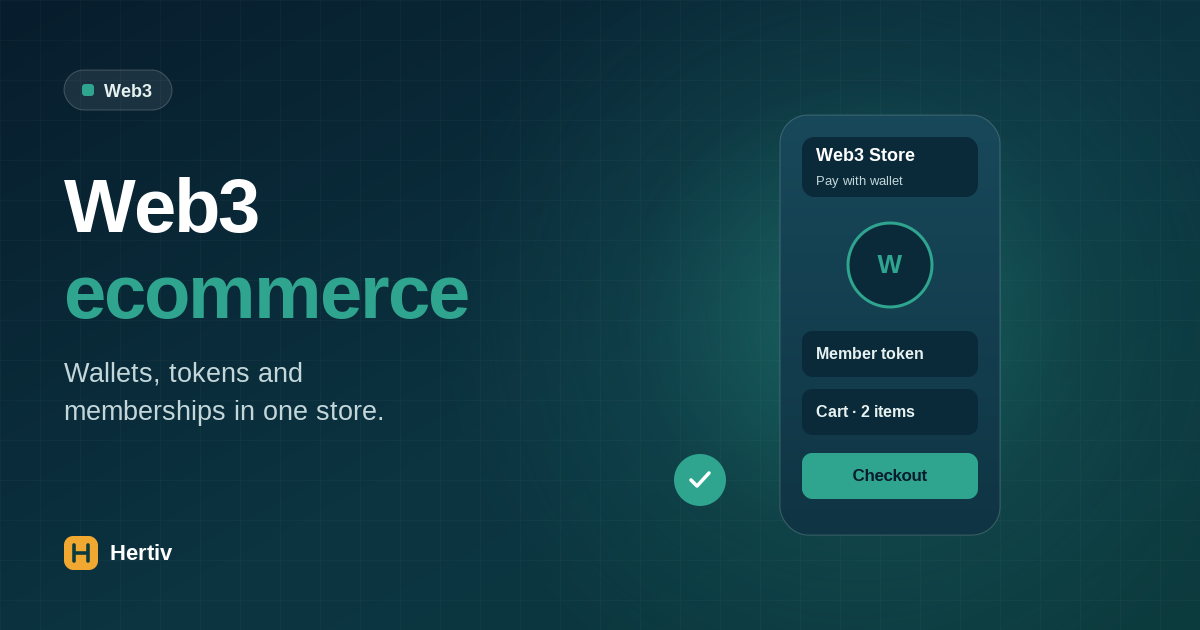
Web3 ecommerce lets customers pay with wallets and own digital items as tokens. Here is how it works, what it costs and when it fits a store.
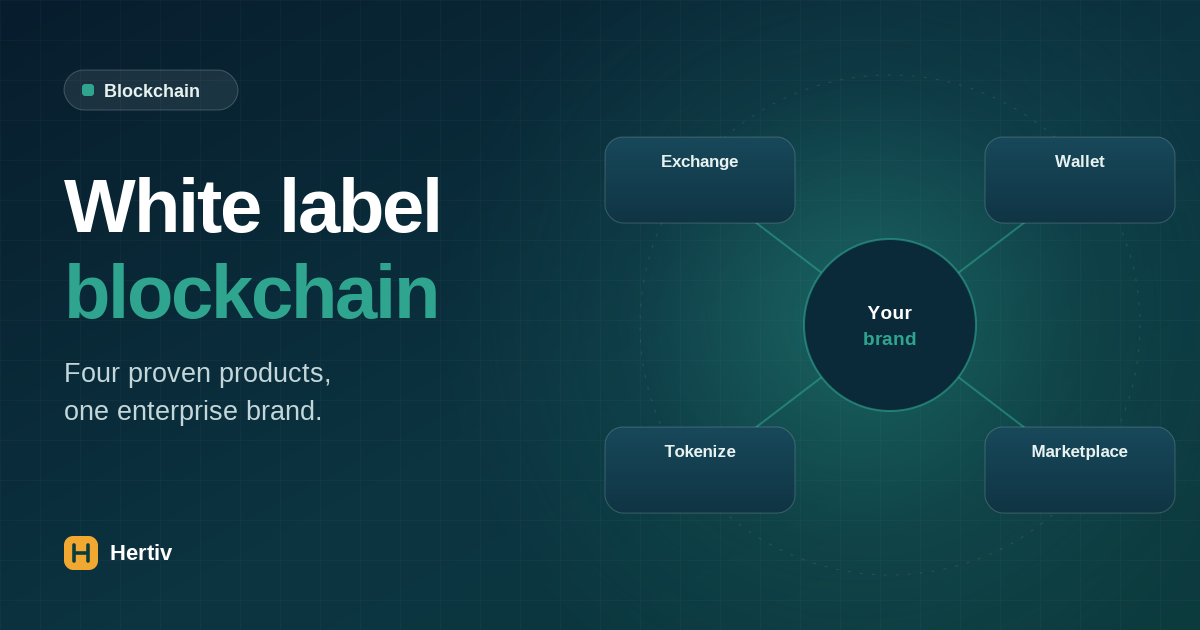
Four white label blockchain products enterprises buy: exchanges, wallets, tokenization platforms and NFT marketplaces, compared on what each does.
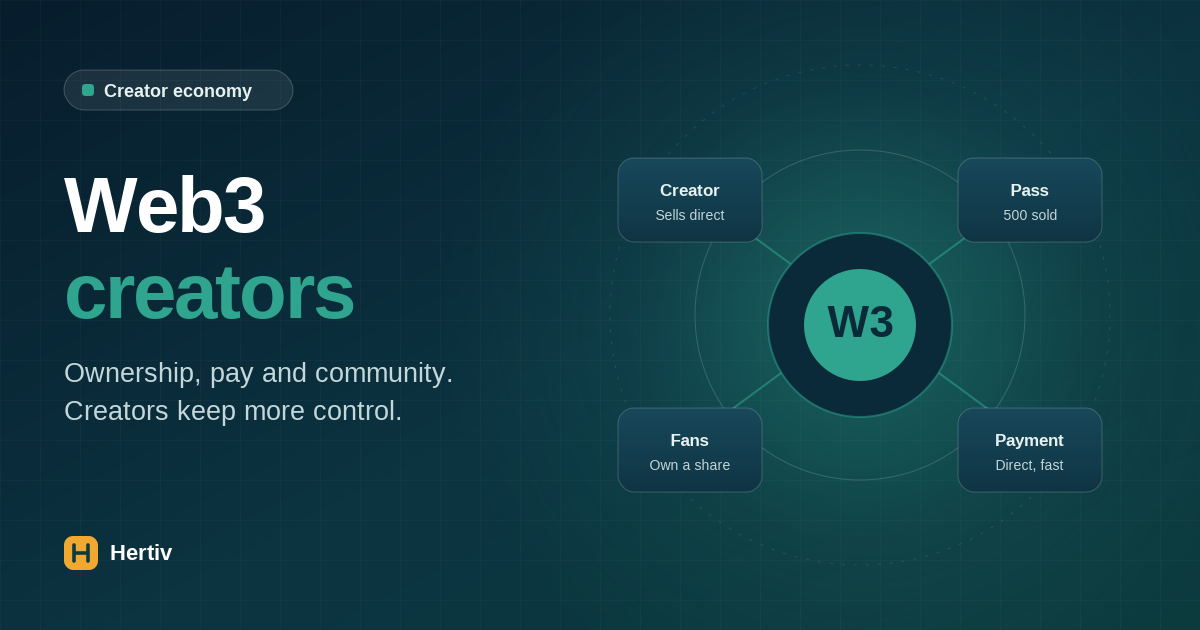
Web3 lets creators sell directly, take payments and share ownership with fans. Here is how tokens, memberships and communities work, and what to check first.
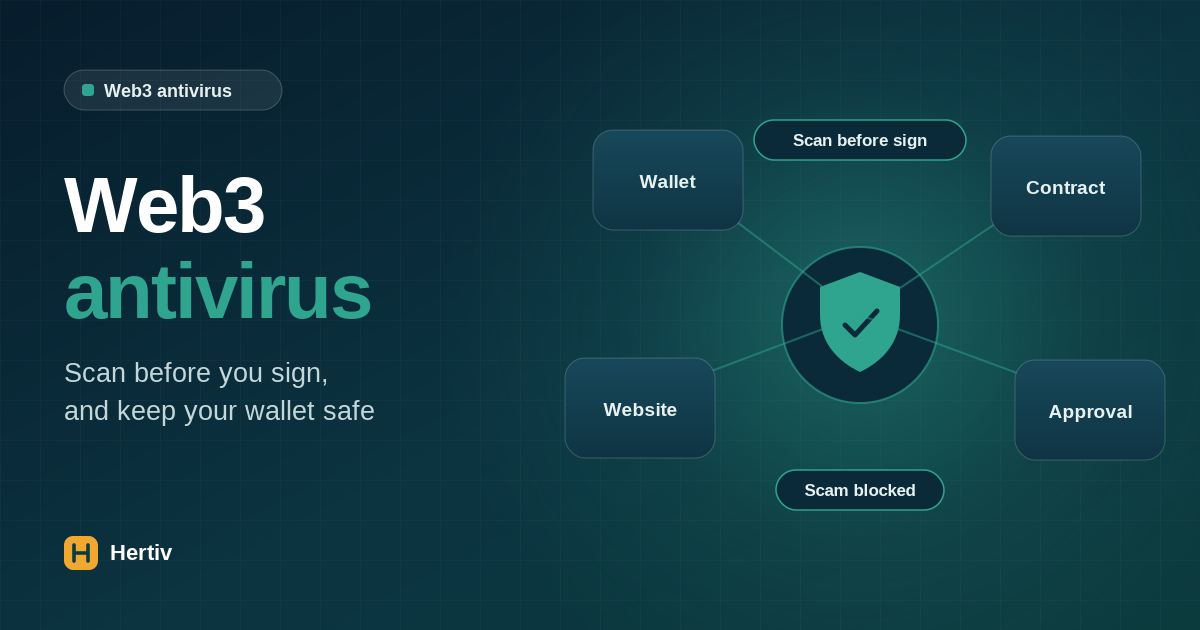
Web3 antivirus checks wallets, smart contracts, links and transactions for scams before you sign. It blocks phishing sites and flags risky contracts.
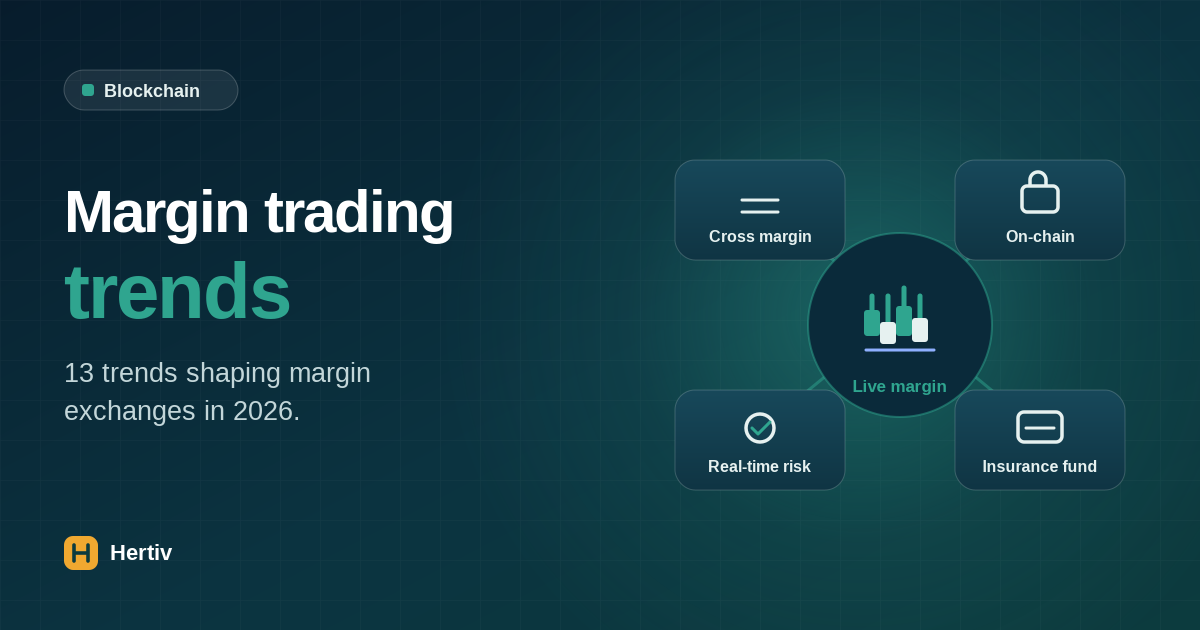
Margin trading exchanges are adding cross-margin accounts, on-chain collateral and real-time risk engines. These 13 trends show what builders are shipping now.
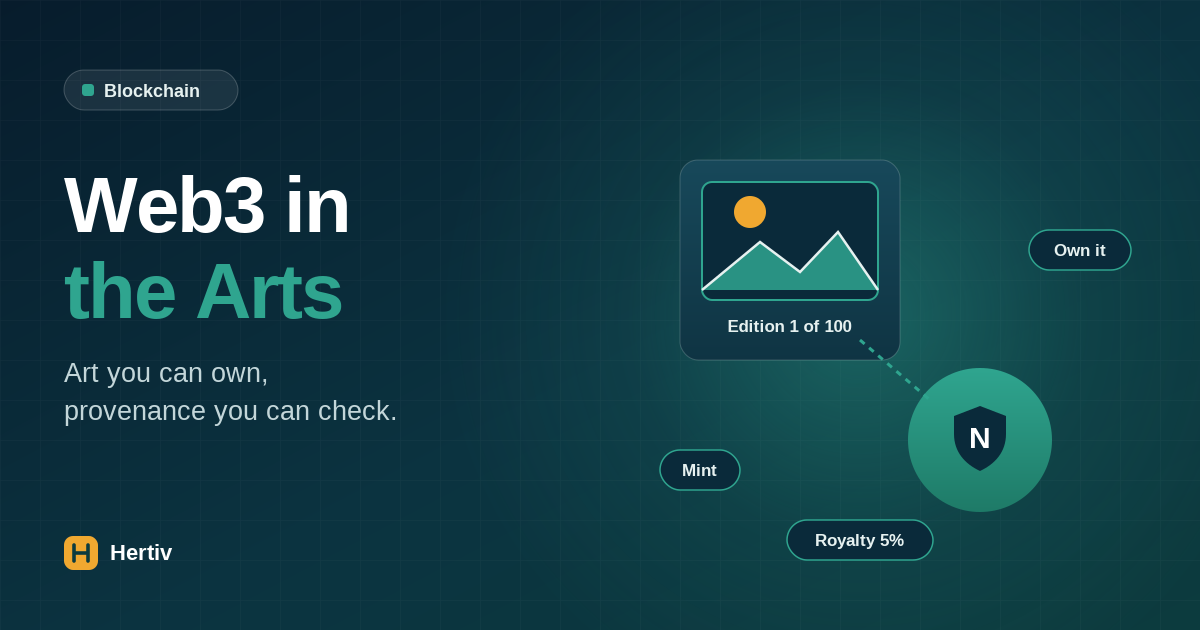
Web3 gives artists a way to sell digital work directly, prove who made it, and earn on resales, while collectors get a public record of ownership.
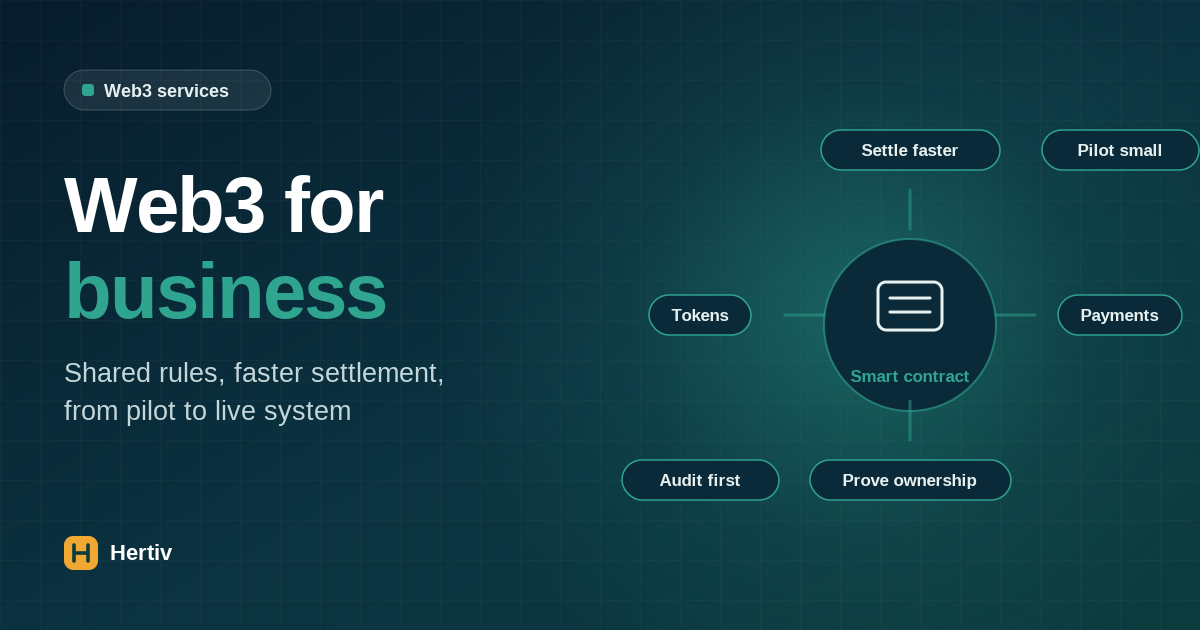
Web3 development services help a business use blockchains, tokens and smart contracts to change how it settles, proves and shares value. Learn the services.
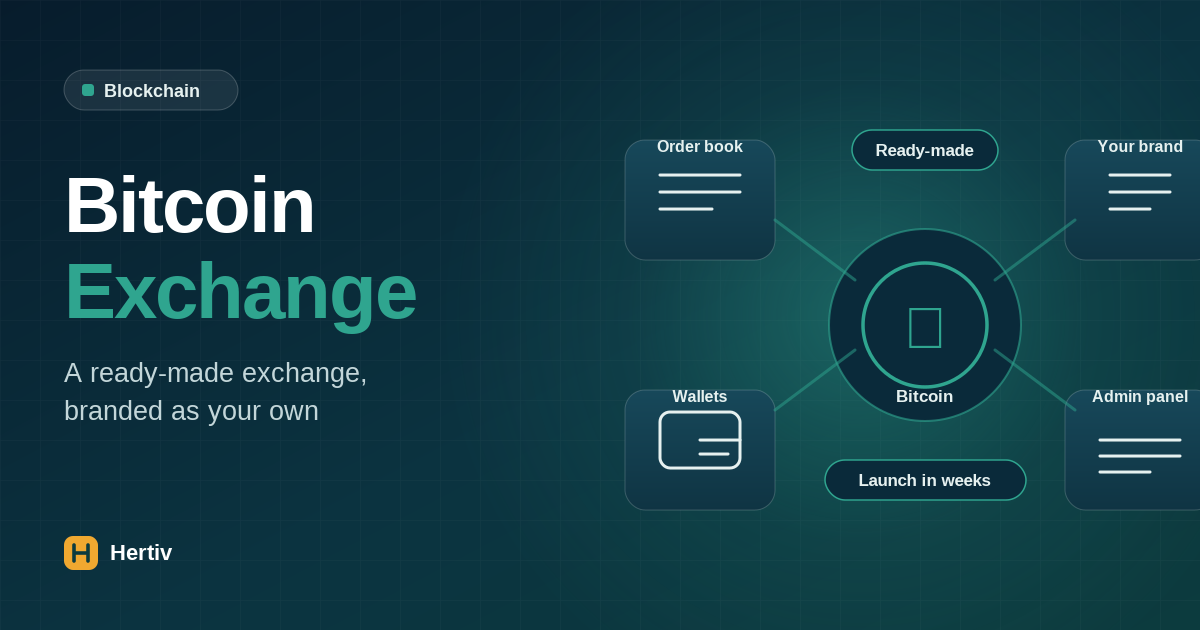
A white label bitcoin exchange is a ready-made trading platform a startup brands as its own. It covers trading, wallets and checks, so a team can launch in weeks.
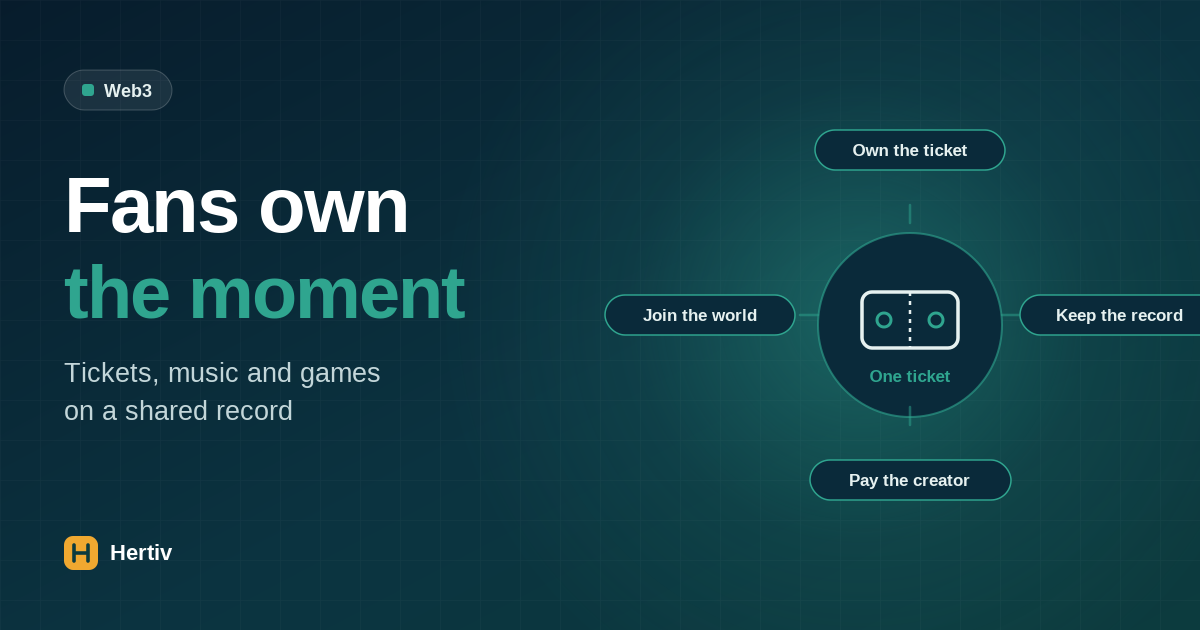
Web3 gives fans and creators a shared record of ownership for tickets, music and game items. It changes who controls access and who gets paid.
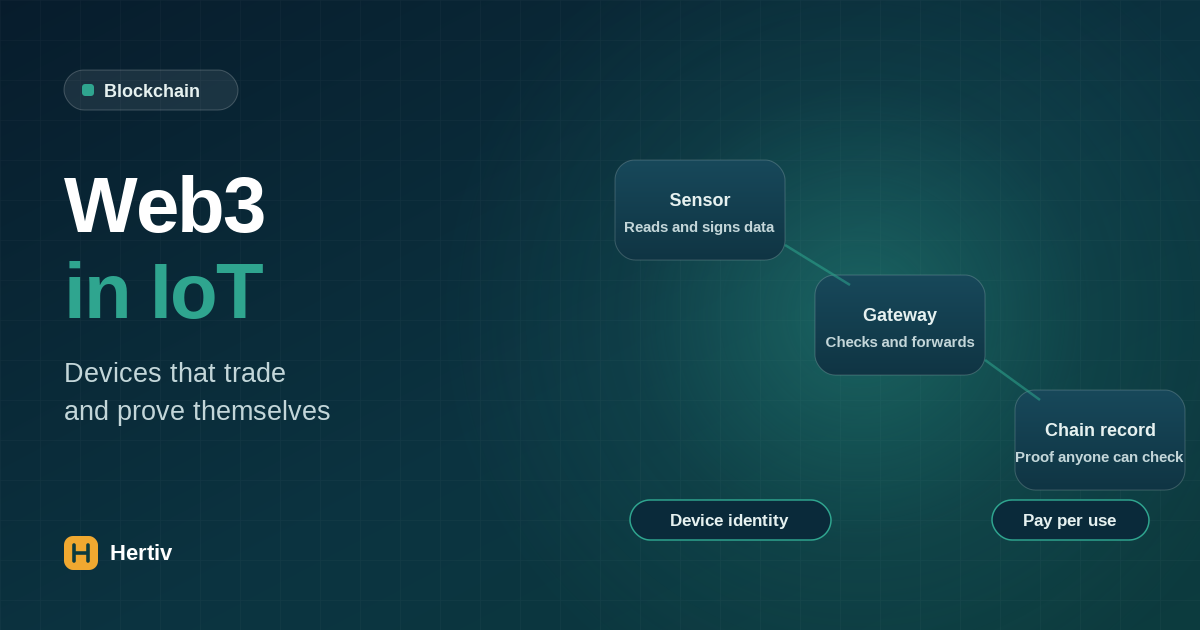
Web3 gives connected devices their own identity, a way to pay each other and a shared record, so devices can trade and prove what they did with no central platform.
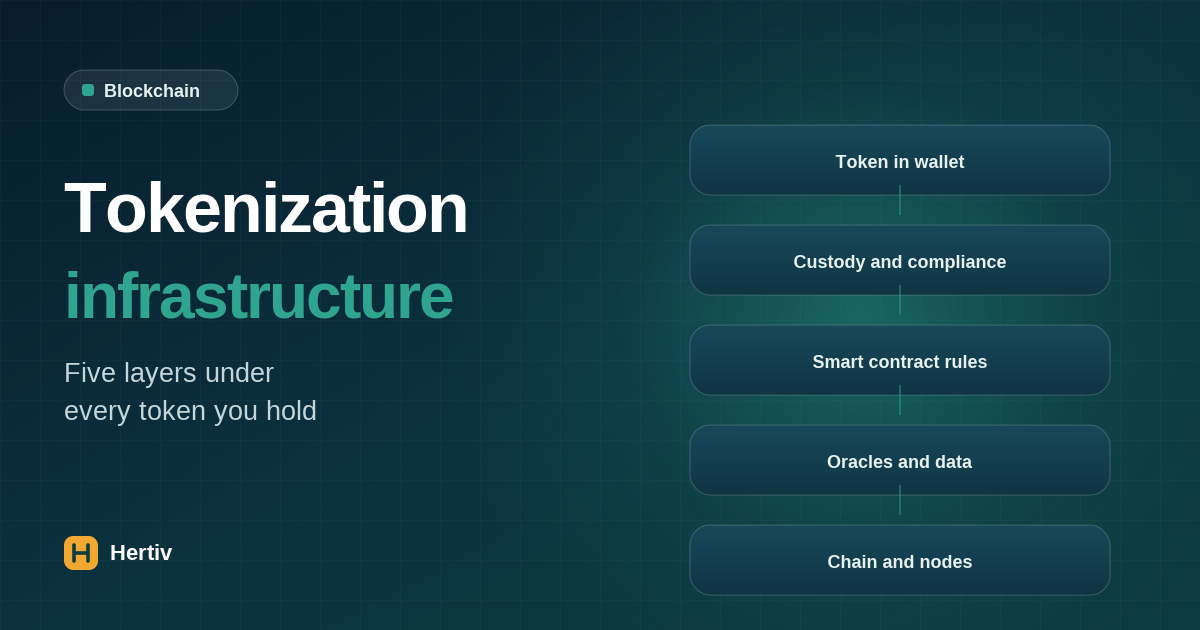
Tokenization needs more than a smart contract: chains, nodes, oracles, custody and compliance tools must work together before a token can be trusted.
No posts on this page match. Use site search (Ctrl K) to search every post.
A senior engineer reads every request and replies within one business day with questions, a rough range, or a call link.