Blockchain
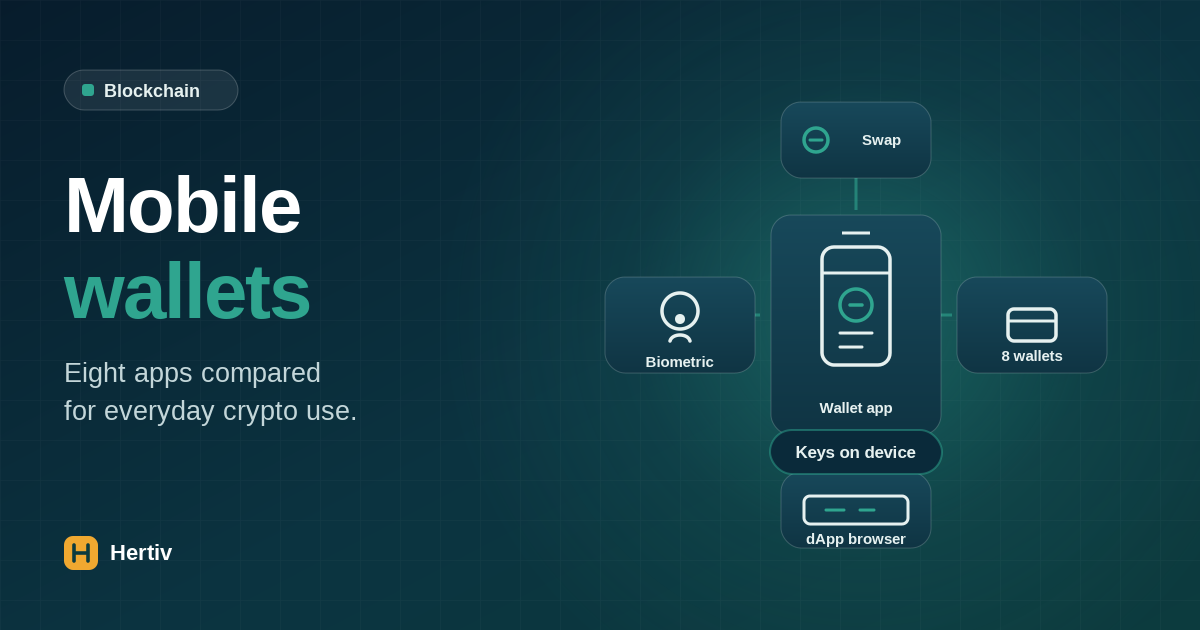
8 Mobile Crypto Wallets Worth Comparing for Everyday Use
A good mobile crypto wallet keeps keys on your phone, opens dApps in a tap and lets you swap without a desktop. Compare eight apps on security and daily use.
Practical guides on tokenization, stablecoin payments, wallets and smart contracts.
1663 posts · page 41 of 70
A good mobile crypto wallet keeps keys on your phone, opens dApps in a tap and lets you swap without a desktop. Compare eight apps on security and daily use.
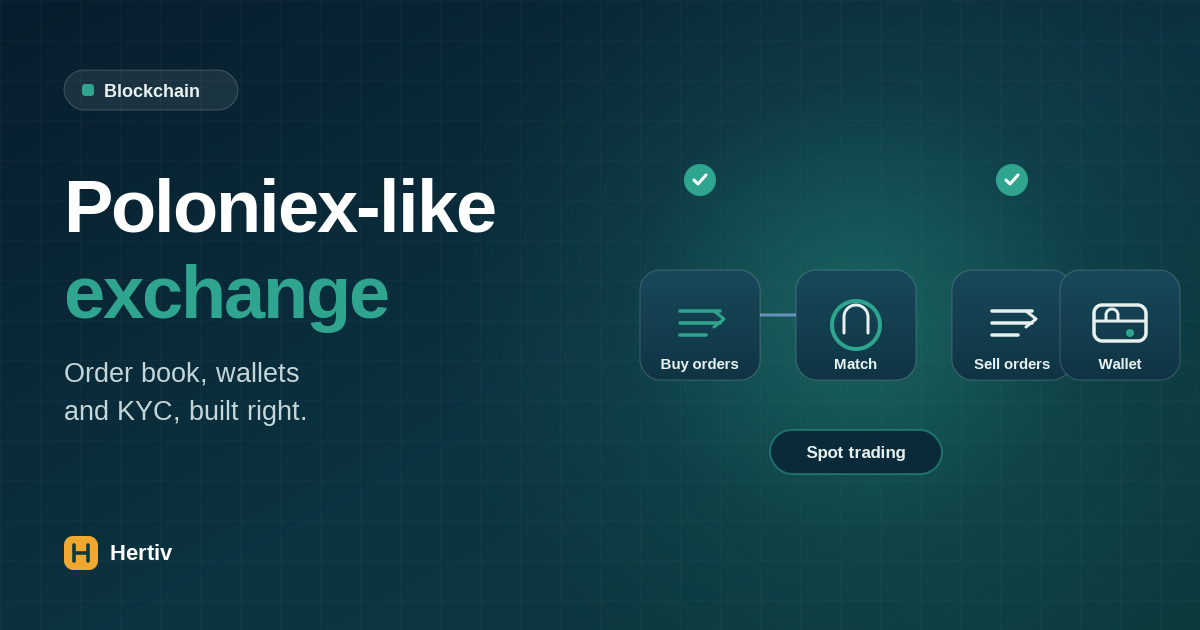
A Poloniex-like exchange needs an order book, a matching engine, secure wallets and KYC checks. This guide covers the build, the costs and the compliance steps.
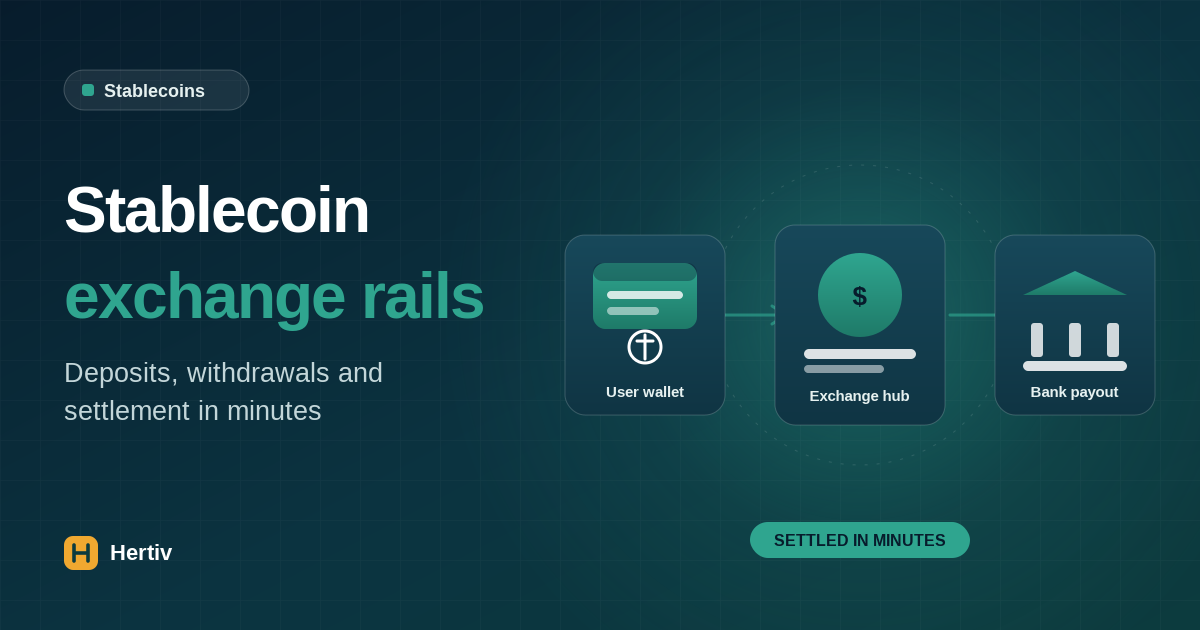
Stablecoin rails let crypto exchanges move dollars in and out as tokens, so deposits, withdrawals and settlements clear in minutes instead of days.
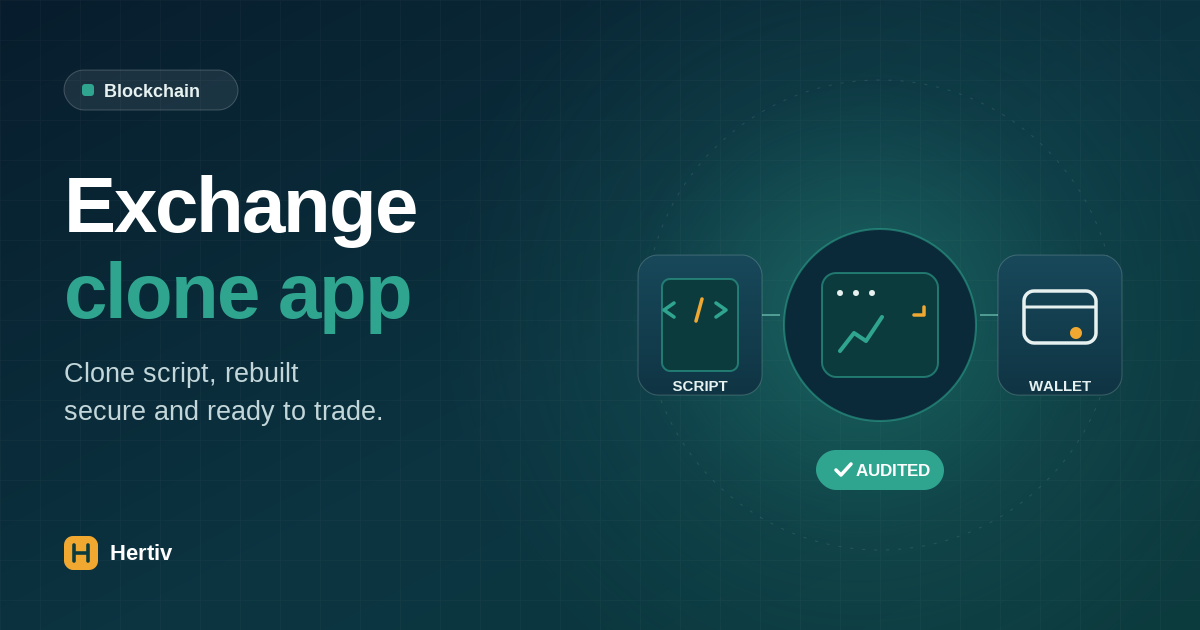
A crypto exchange clone app starts from a ready-made script, rebuilt for your brand, coins and rules. Here is how to build one that holds up.
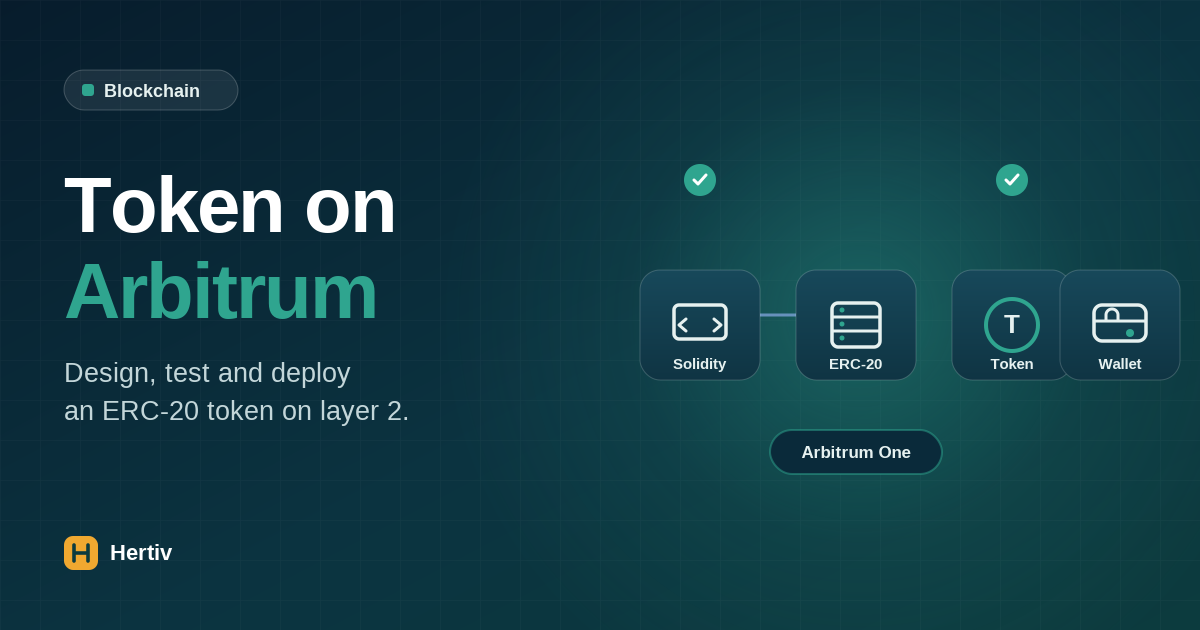
Develop a token on Arbitrum with a standard ERC-20 contract, a testnet deployment and a verified contract. This guide covers the steps, costs and checks.
Blockchain can make every donation traceable from donor to project and cut payment fees. Here is where it helps charities, and where it does not.
A white label crypto wallet is a ready-made wallet you brand as your own. You can build it from scratch or licence a base and customise it.
Stablecoin swap rails are the on-chain routes that convert one stablecoin into another. They run on exchanges, aggregators and bridges, and they settle in seconds.
A layer 2 wallet lets users hold and move assets on a faster, cheaper network while the main chain settles. Here is the architecture and the security checks.
Stablecoin treasury and settlement let businesses hold dollar-linked tokens and pay suppliers in minutes. This guide explains how it works, the risks and the setup.
Looking beyond Airbnb for your next stay or listing? These eight vacation rental platforms cover whole homes, vetted stays, serviced apartments and outdoor escapes.
An institutional DeFi platform adds identity checks and permissioned pools to open lending. Here are the building blocks, the build steps and the controls it needs.
Rollups are not the only way to scale a blockchain. Sidechains, validiums, state channels, plasma, app-chains and volitions trade security, cost and speed.
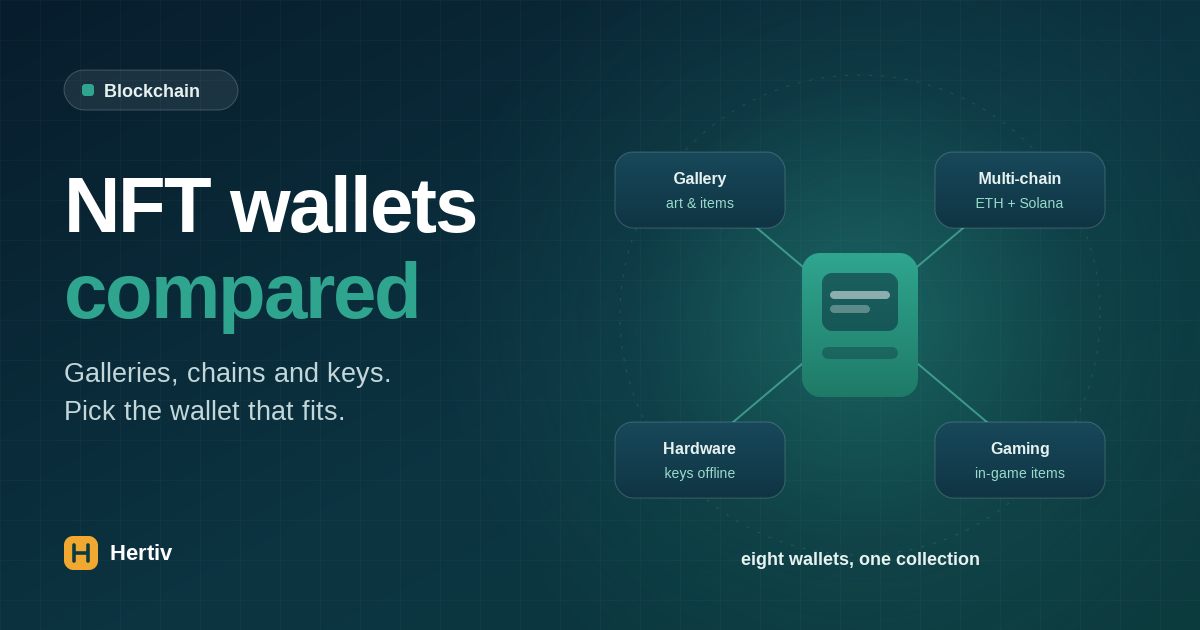
An NFT wallet has to show your collectibles clearly, work on the chains you collect on, and keep your keys safe. Here are eight options, with what each handles best.
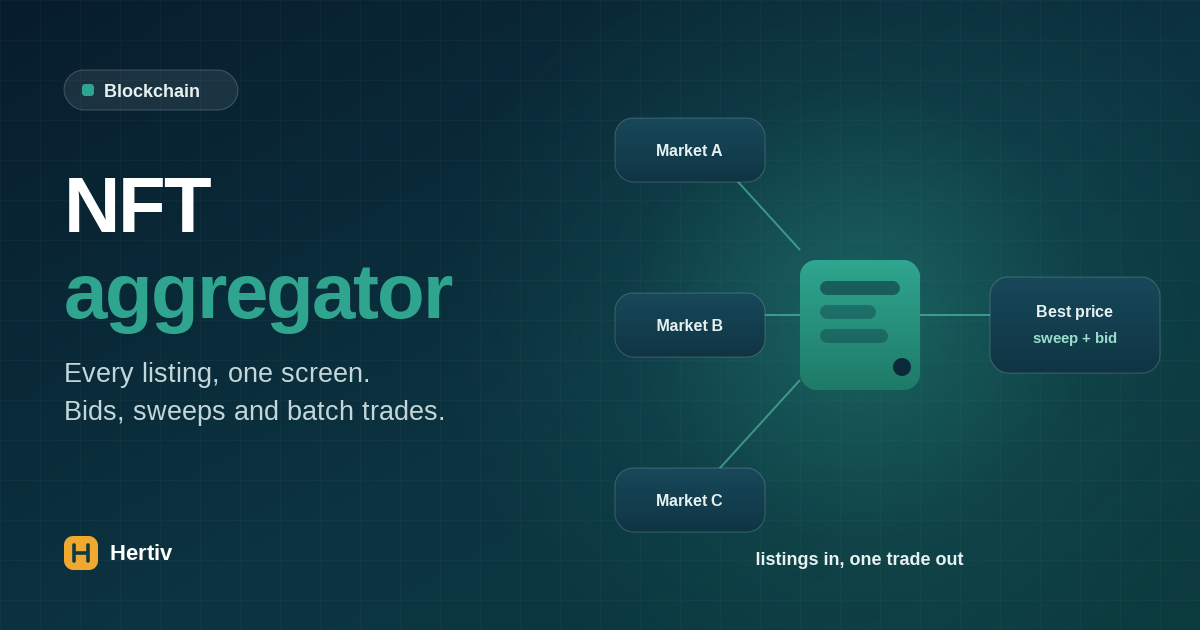
An NFT aggregator like Blur pulls listings from several marketplaces into one trading screen. Here is how it works, what to build, and what it costs.
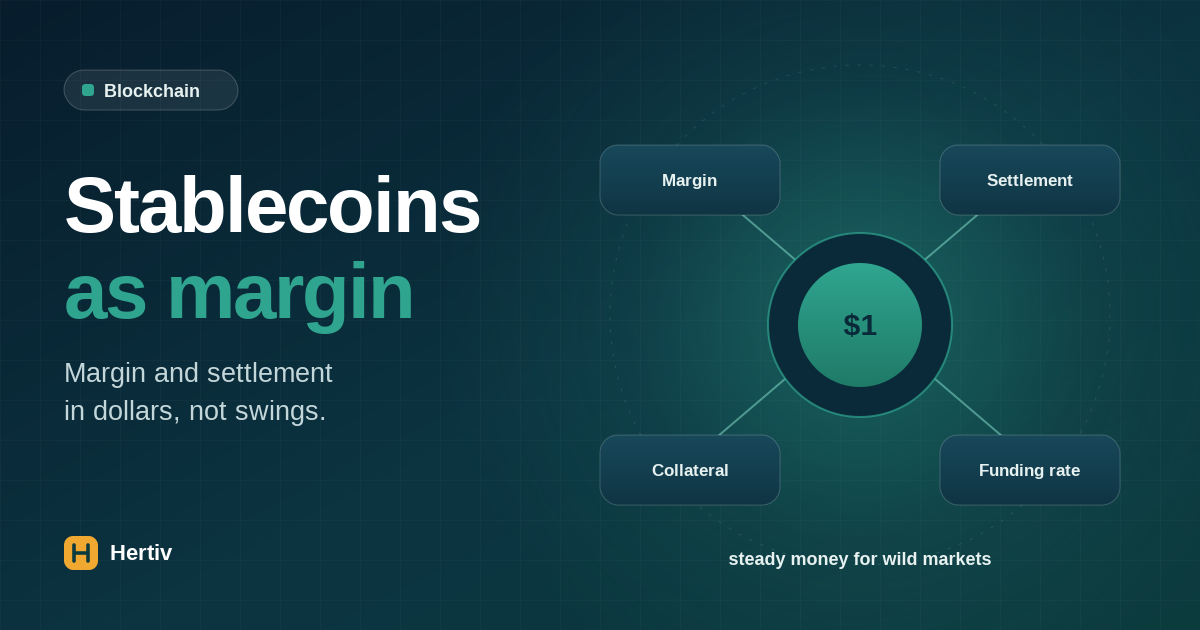
Stablecoins are the money of crypto derivatives exchanges: traders post them as margin and settle contracts in them. Here is how they work and what can go wrong.
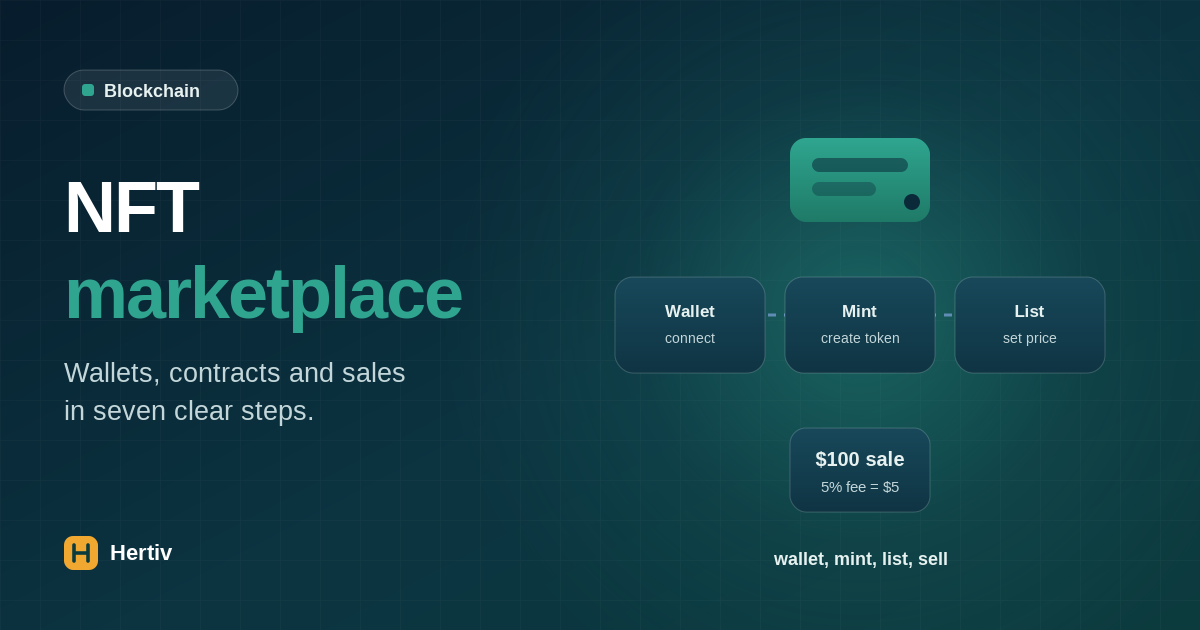
An NFT marketplace needs wallets, contracts, listings and payments working together. These steps show how to plan, build and launch one.
Oracle Database is powerful but costly to run. These eight alternatives cover open source, cloud-native and document options, so compare them before you switch.
A metaverse NFT marketplace lets avatars browse, buy and sell NFTs inside a 3D world. This guide covers the parts, the chain choice and the build steps.
Stablecoins give DeFi a steady unit of value for lending, trading and saving. Learn where they sit in a protocol and what can go wrong.
The metaverse is changing gaming from separate matches into persistent shared worlds where players keep their identity, items and friends.
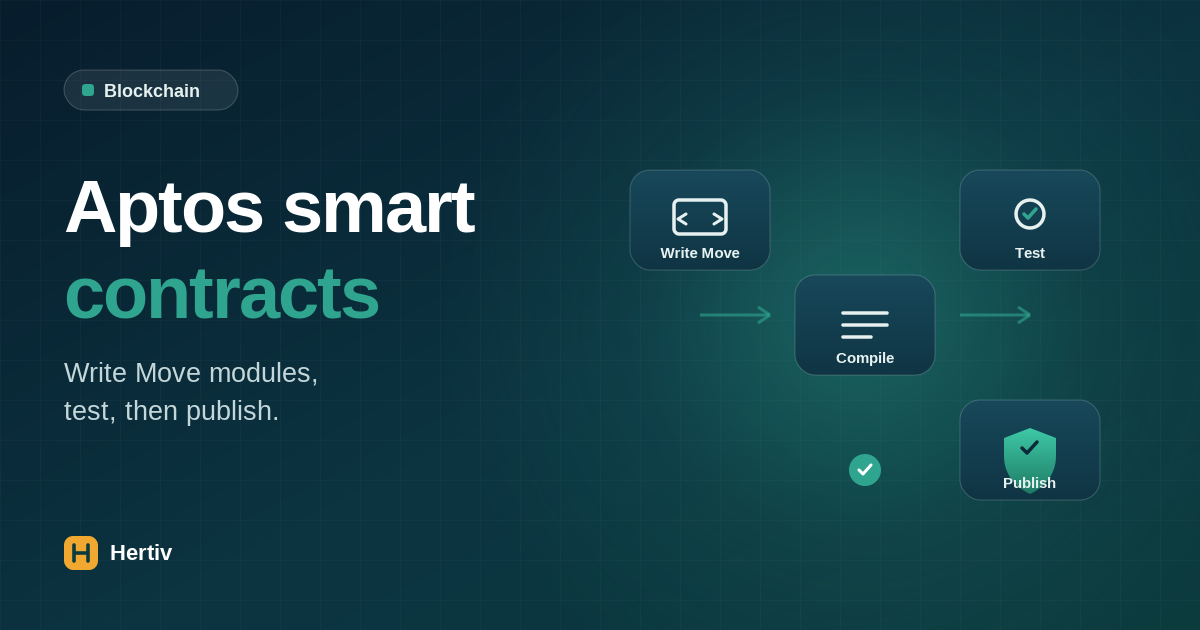
On Aptos, a smart contract is a Move module published to an account address. This guide covers the tools, the module structure, testing and the testnet deploy steps.
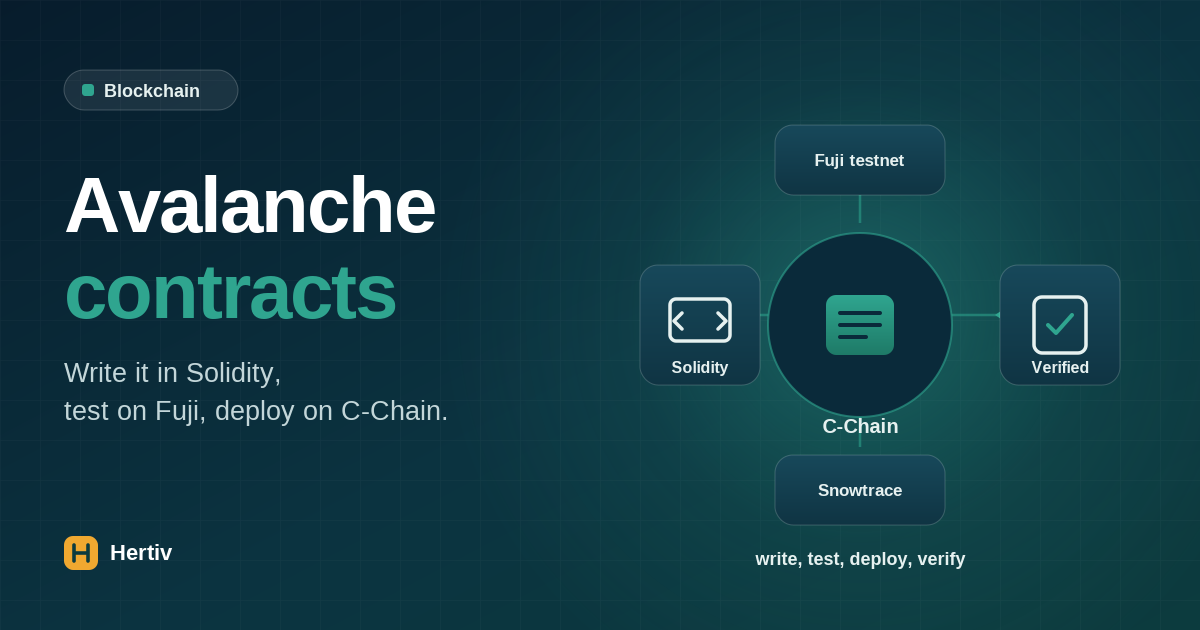
Avalanche smart contracts run on the C-Chain, which supports Solidity and Ethereum tooling. Here is how to write, test and deploy one, from setup to mainnet.
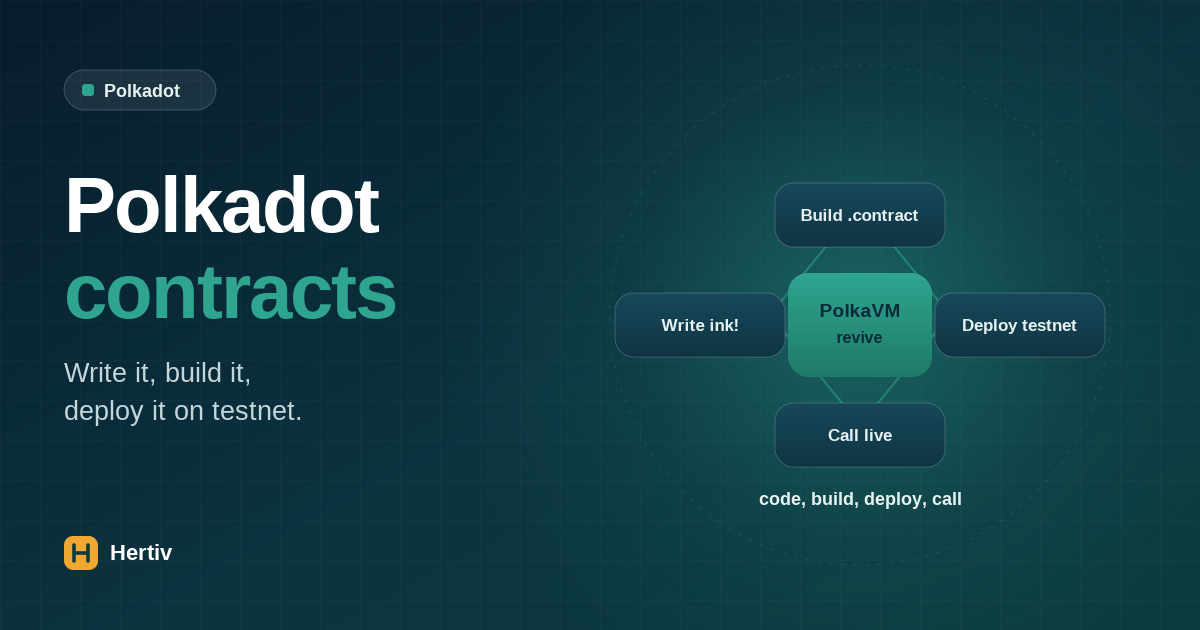
A Polkadot smart contract runs on Asset Hub or a parachain, written in ink! or Solidity. Here is the toolchain, the 7 build steps and the testnet deploy.
No posts on this page match. Use site search (Ctrl K) to search every post.
A senior engineer reads every request and replies within one business day with questions, a rough range, or a call link.