Blockchain
What Is an ICO and How Does It Work?
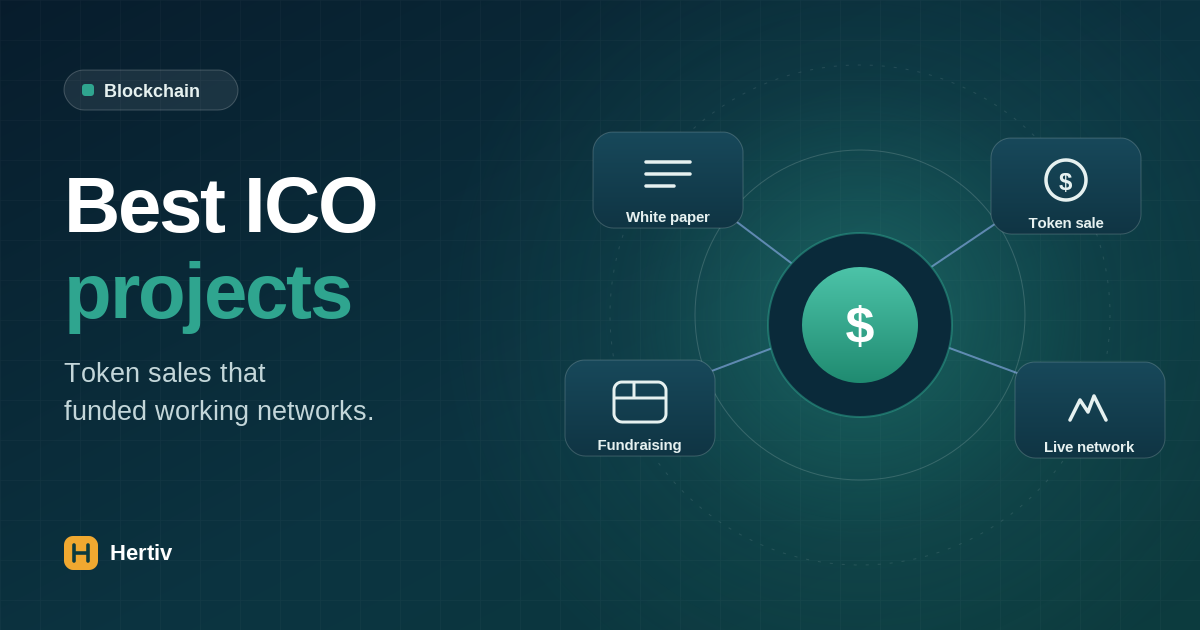
An ICO is how a blockchain project raises funds by selling new tokens to the public. Here is how the sale works, what buyers receive, and the risks first.
Practical guides on tokenization, stablecoin payments, wallets and smart contracts.
1663 posts · page 40 of 70
An ICO is how a blockchain project raises funds by selling new tokens to the public. Here is how the sale works, what buyers receive, and the risks first.
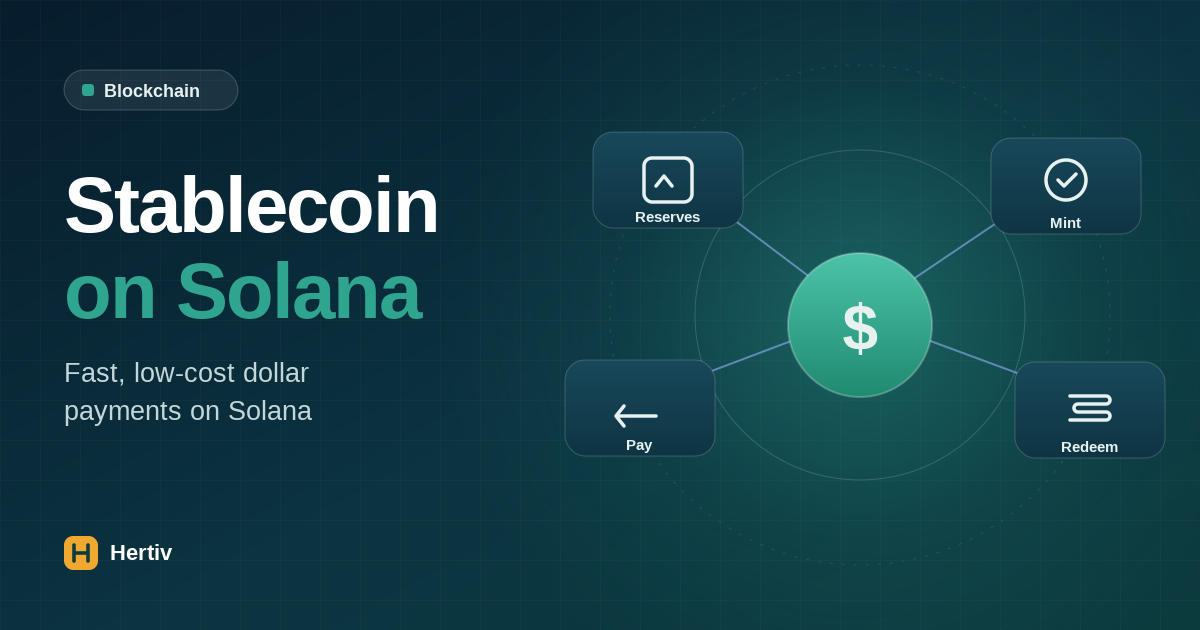
A Solana stablecoin is an SPL or Token-2022 token backed by reserves, built for fast, low-cost payments. Here is the full build, from token program to audit.
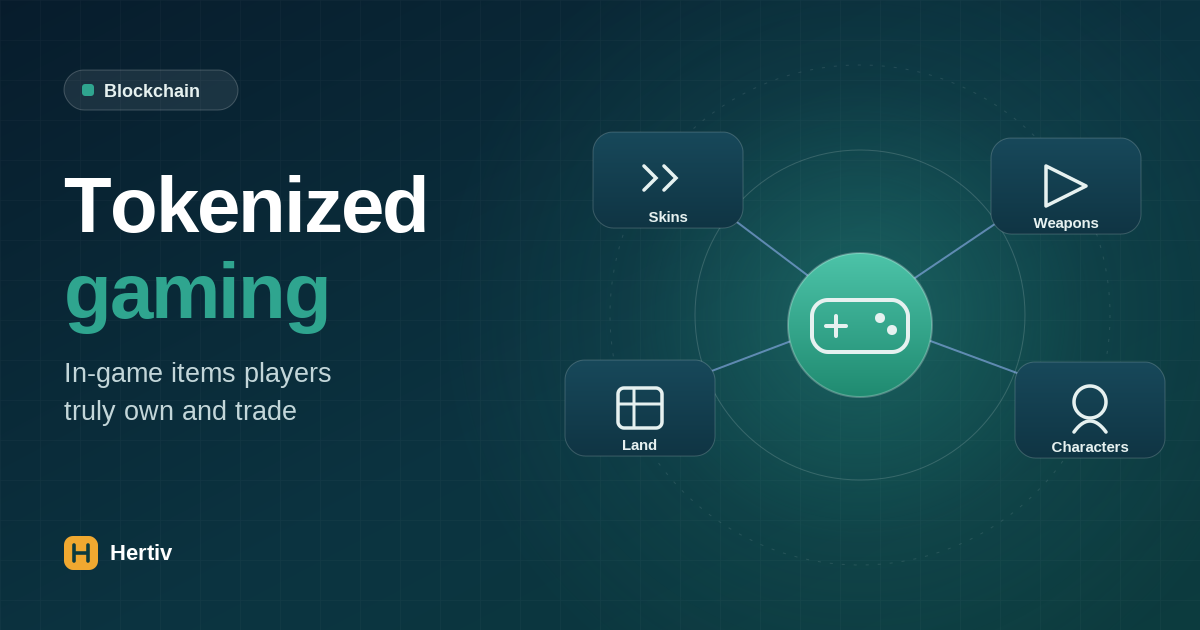
Asset tokenization turns in-game items into tokens players can own, trade and sell outside the game. Here is how it works and where it goes wrong.
ICO listing websites show active and upcoming token sales, details and ratings in one place. These eight cover curated picks, market data and launchpad sales.
A timesharing NFT is a token for the right to use a property for a fixed period each year. Here is how the token, the booking rules and resale fit together.
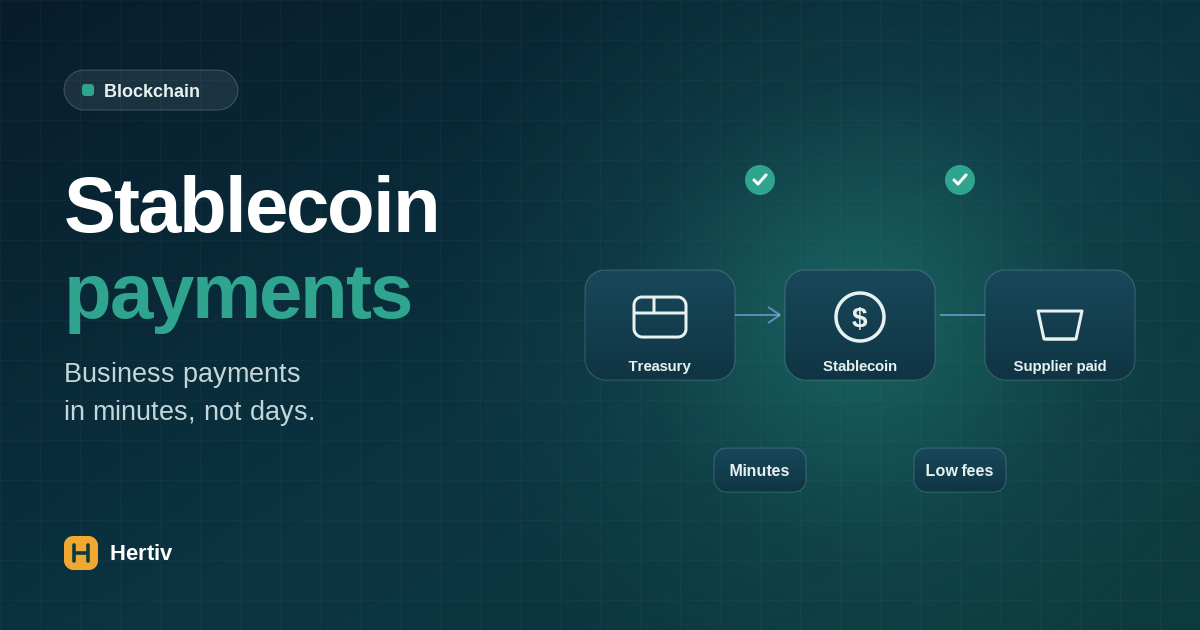
Enterprises use stablecoins to pay suppliers and settle cross-border invoices in minutes instead of days. The win is speed and lower cost, not the token itself.
These eight ICO projects set the pattern for token sales: what they built, how they raised funds, and what later projects copied from them.
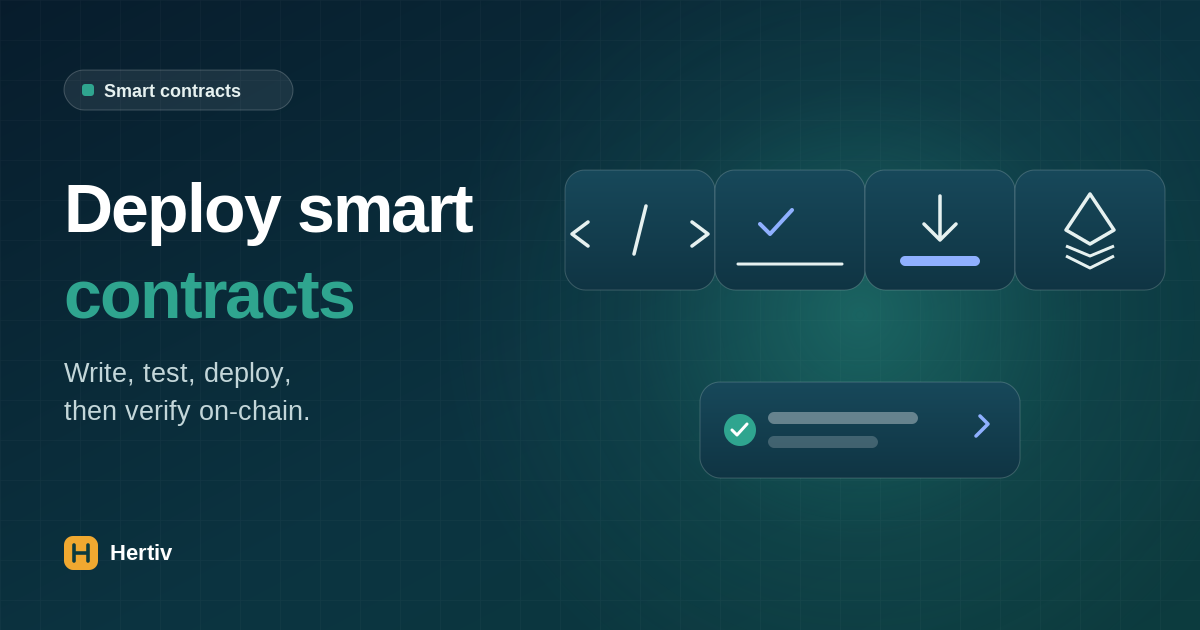
Deploying a smart contract on Ethereum means publishing its code to the network so anyone can call it. Here is the full process, from writing to verification.
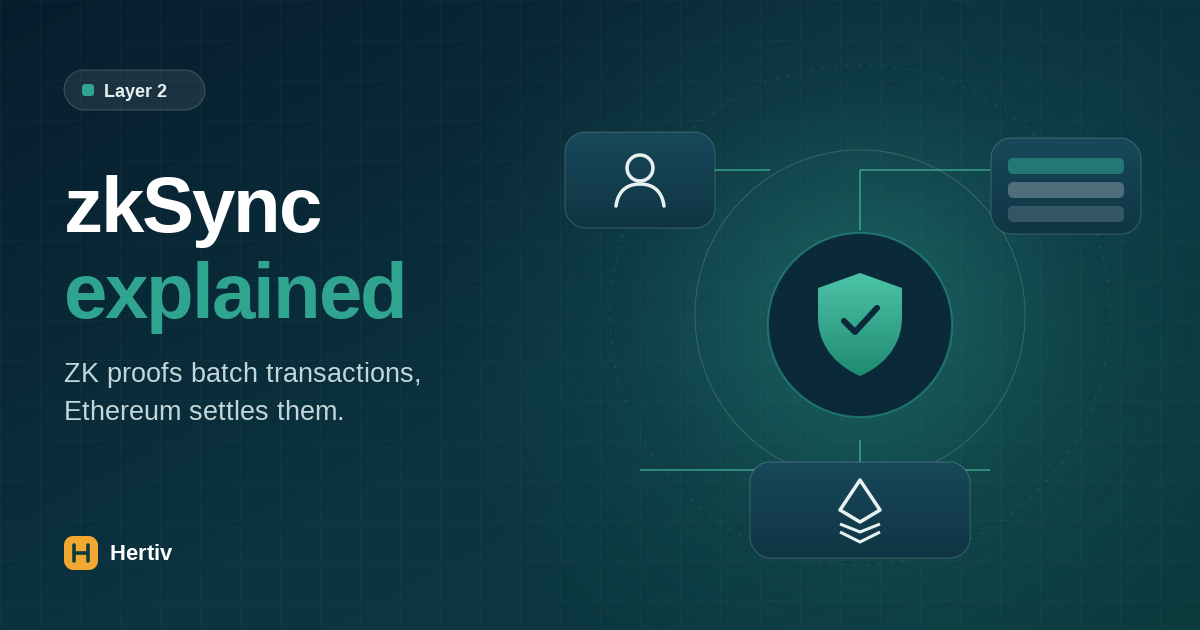
zkSync is an Ethereum Layer 2 network that uses zero-knowledge proofs to make transactions faster and cheaper while keeping Ethereum's security.
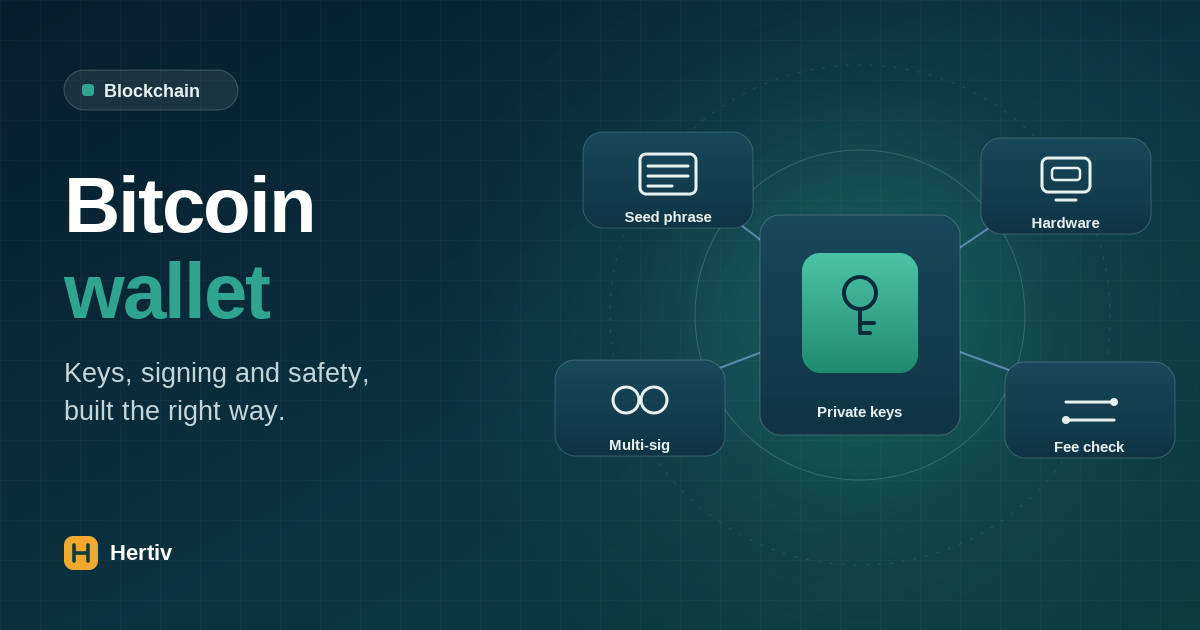
A Bitcoin wallet app holds keys, builds transactions and talks to the Bitcoin network. Build it around key safety, clear fees and a testnet first.
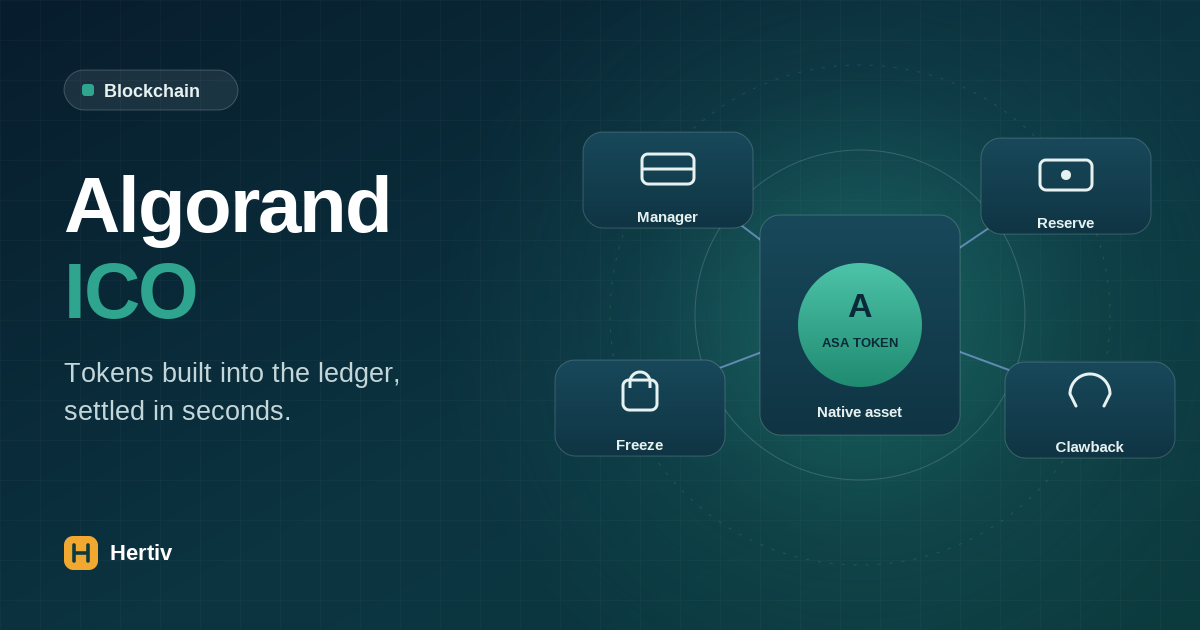
Algorand suits an ICO because its tokens are built into the ledger, transfers settle in seconds, and the compliance controls are part of the token itself.
Stablecoin merchant acceptance lets a shop take payment in a stablecoin and choose whether to keep the coins or convert them to local currency.
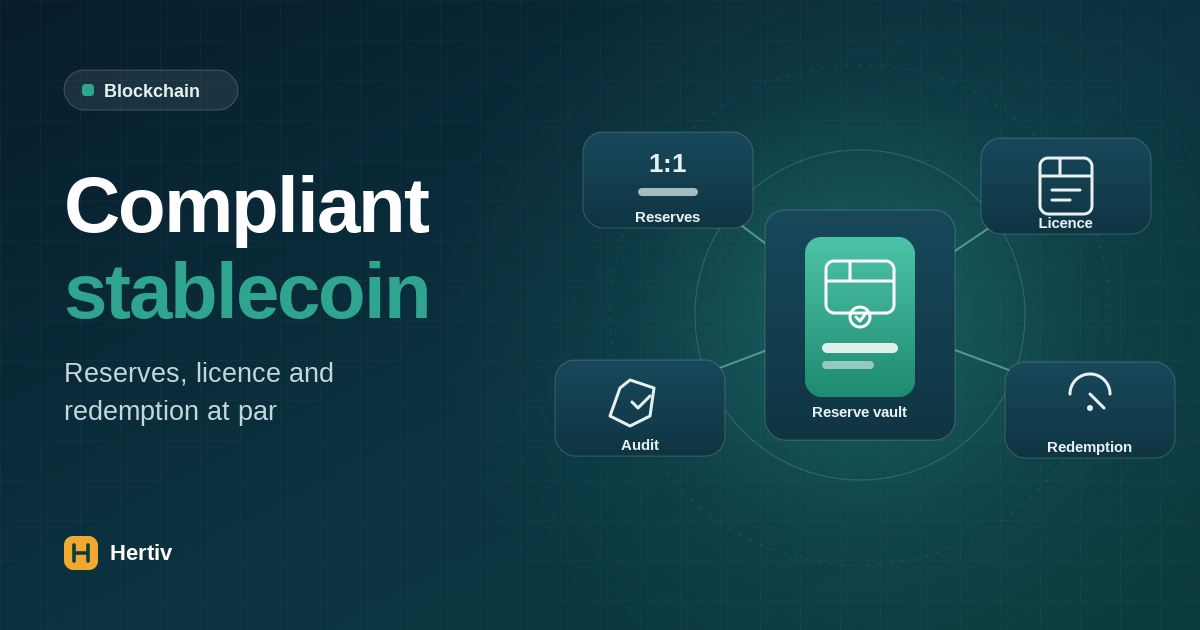
A compliant stablecoin for payments and remittances needs full reserves, a licence or partner, audited contracts and AML controls. Here is the build, step by step.
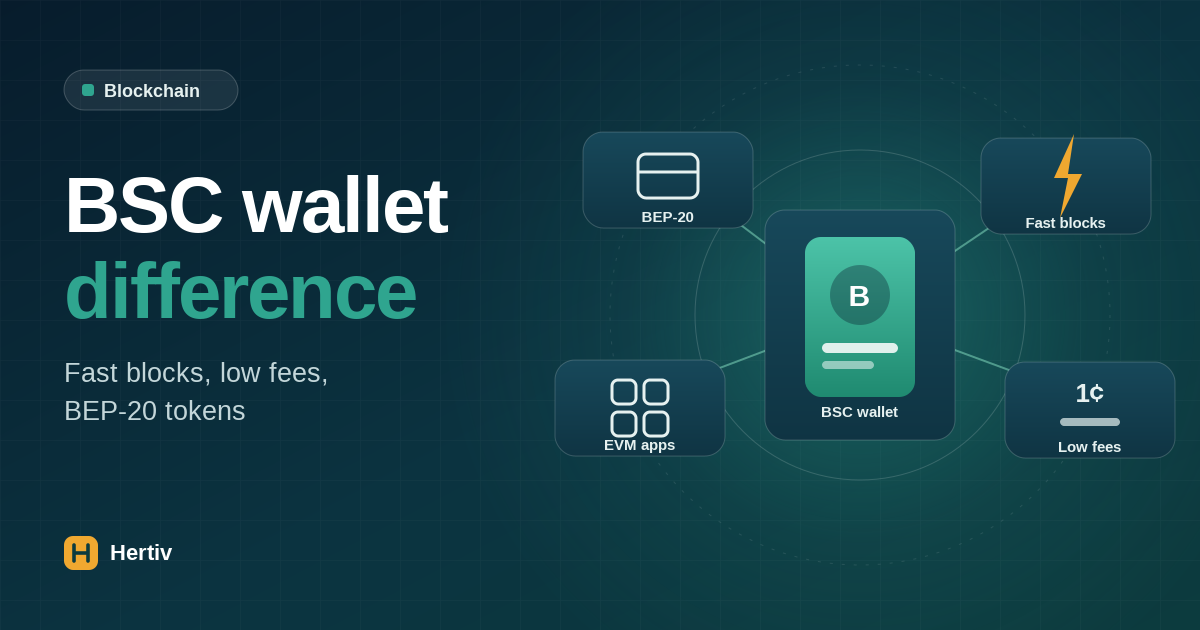
A Binance Smart Chain wallet holds BNB and BEP-20 tokens on BNB Smart Chain, an EVM-compatible network with fast blocks and low fees. Here is what sets it apart.
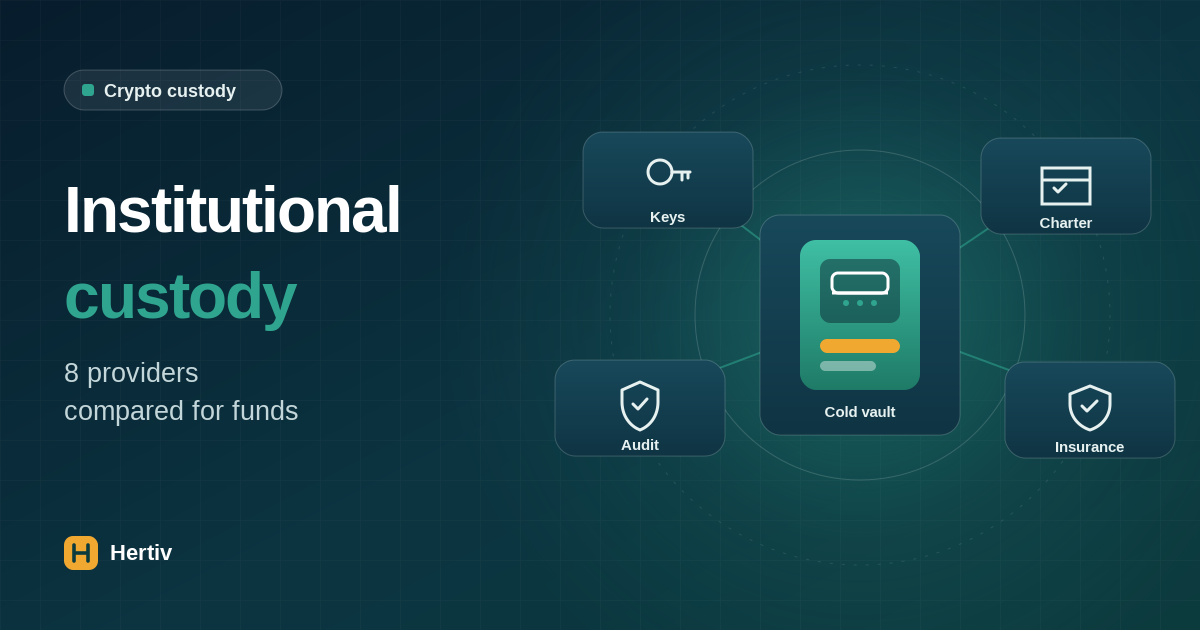
Institutional crypto custody means regulated firms holding keys for funds and companies. Here are eight providers worth comparing on security, regulation and fit.
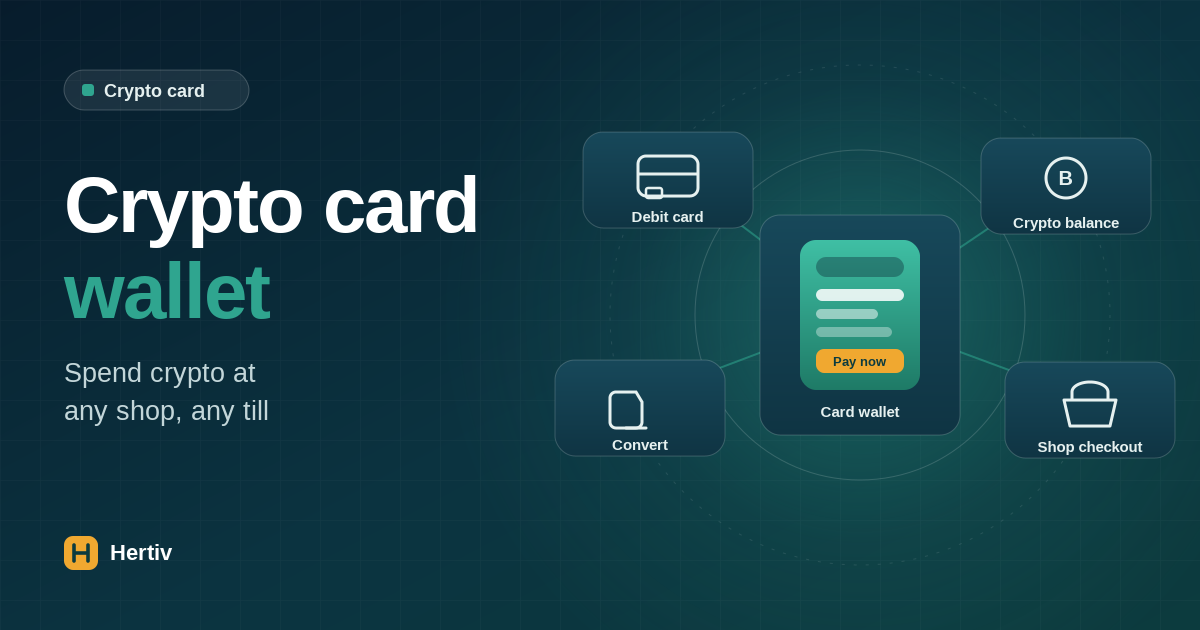
A crypto card supported wallet lets users spend crypto through a linked debit card. Here is how to build one, from card linking to settlement.
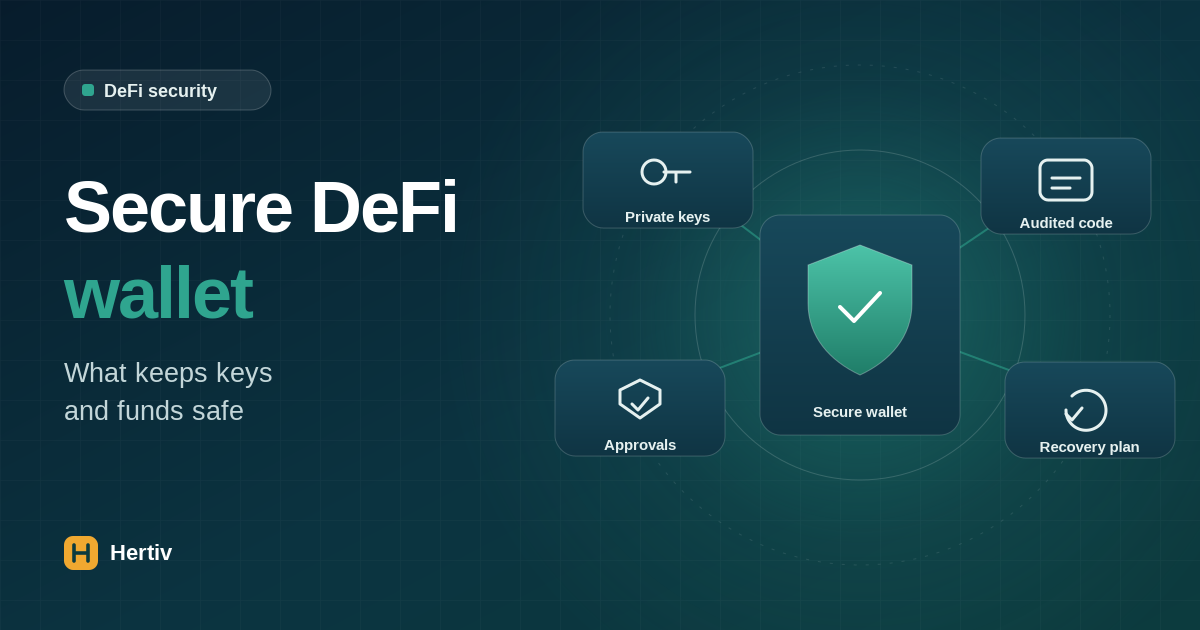
A secure DeFi wallet keeps your keys under your control, its code open and audited, and approvals small. Here is how to judge one before you trust it with funds.
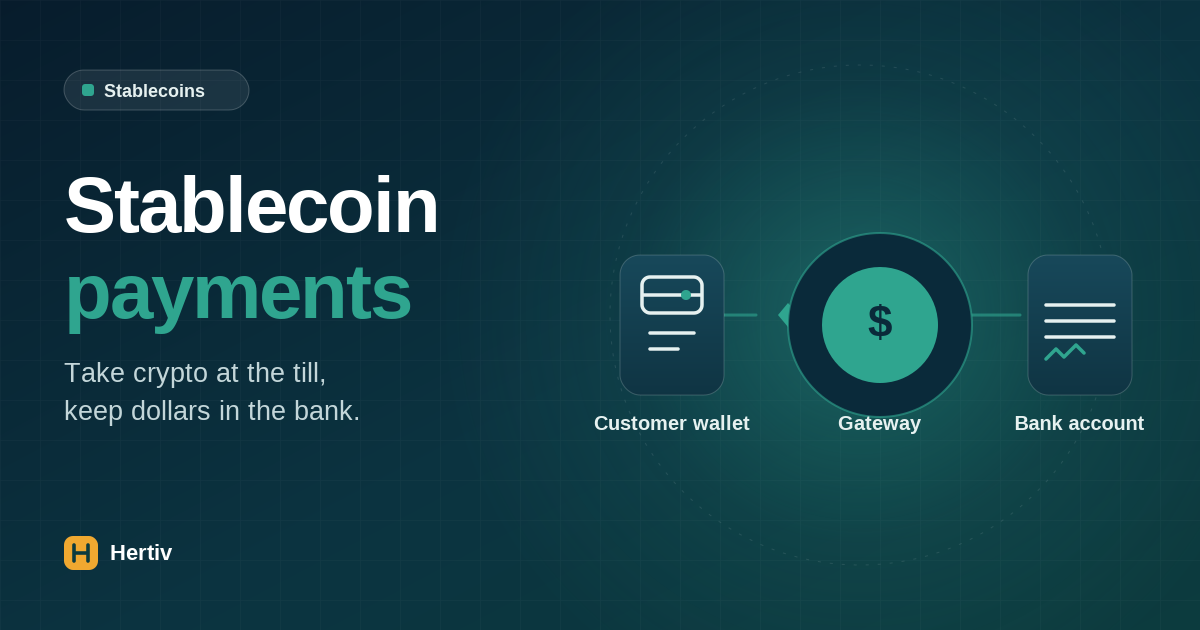
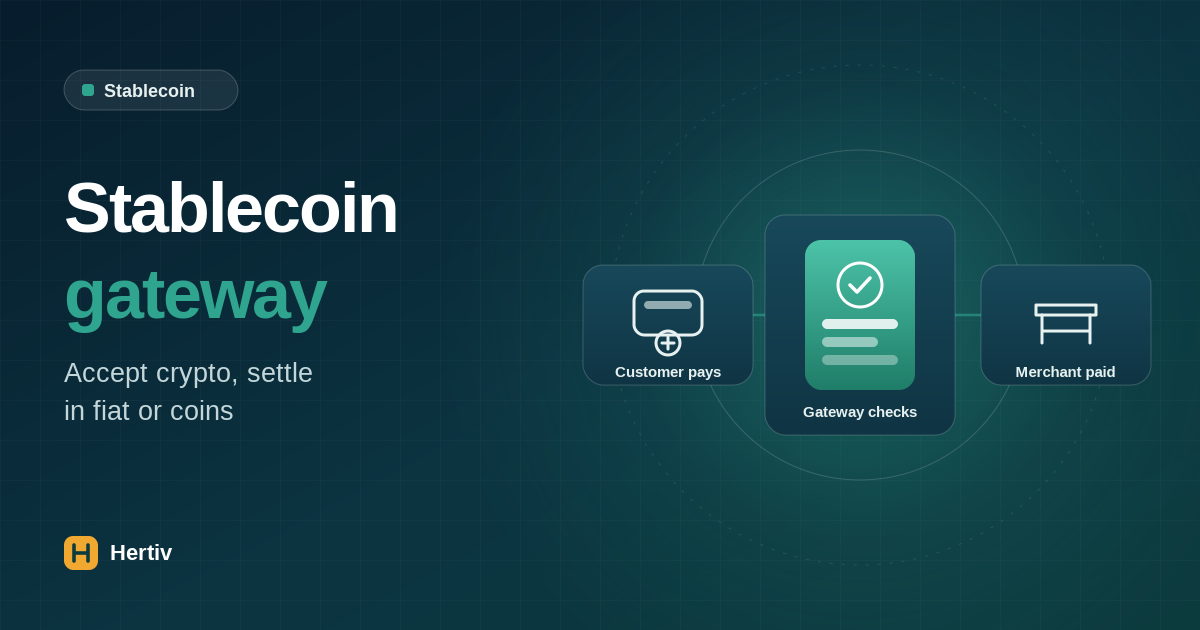
A stablecoin payment gateway lets a business accept stablecoins and settle in coins or fiat. Here is how it works, what it costs and what to check first.
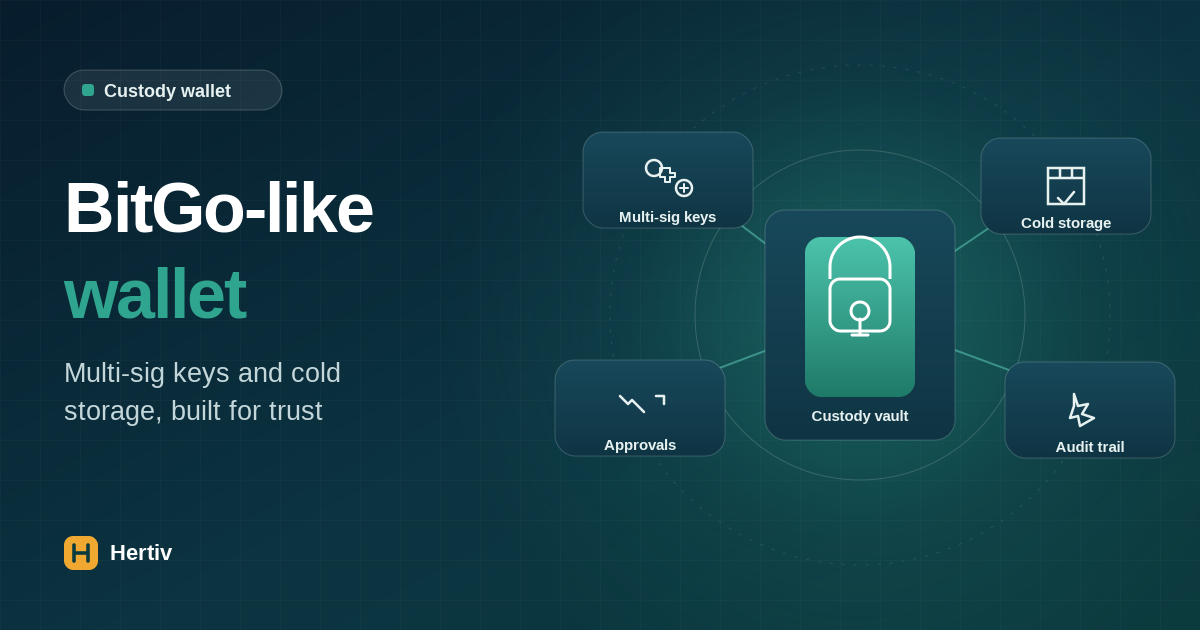
A BitGo-like wallet is an institutional custody wallet built on multi-signature keys and cold storage. This guide covers the design, build steps and compliance work.
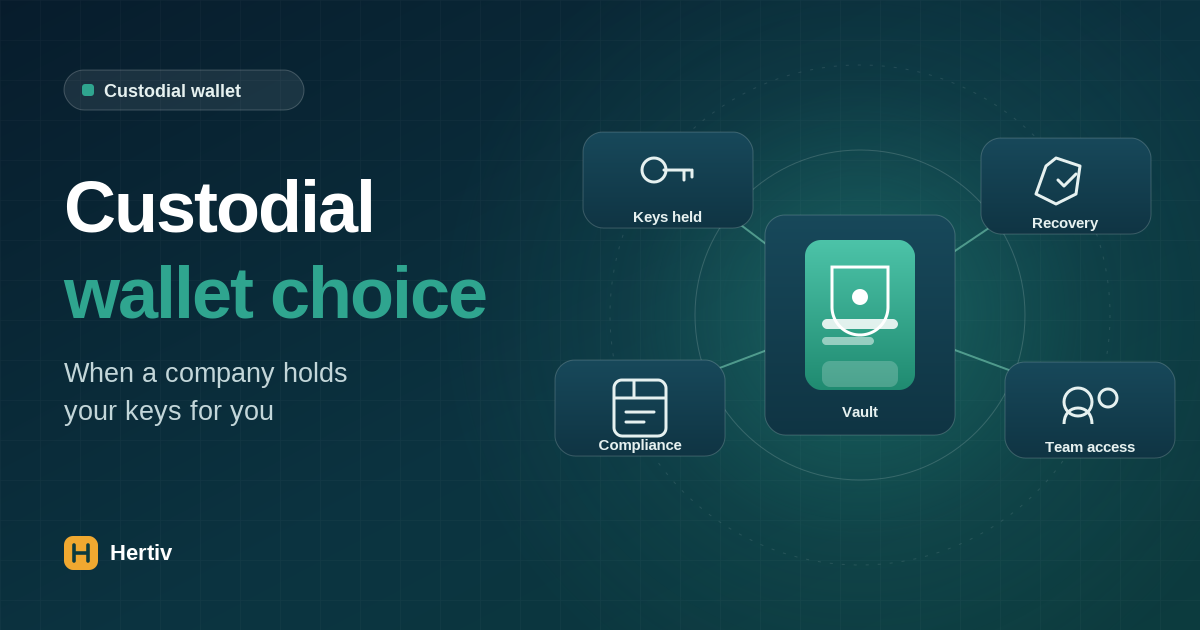
A custodial wallet suits teams and newcomers who want password recovery and regulated custody. Learn when it fits and what to check first.
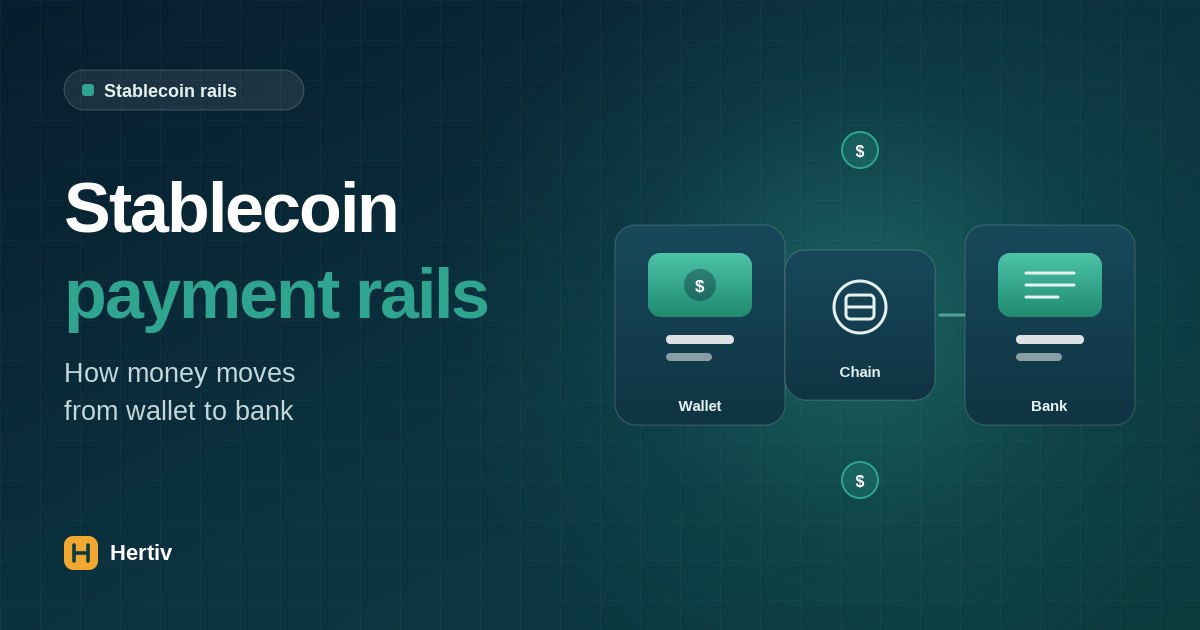
Stablecoin payment rails move dollar-pegged tokens between wallets, businesses and banks in minutes. Here is how settlement, ramps and fees work.
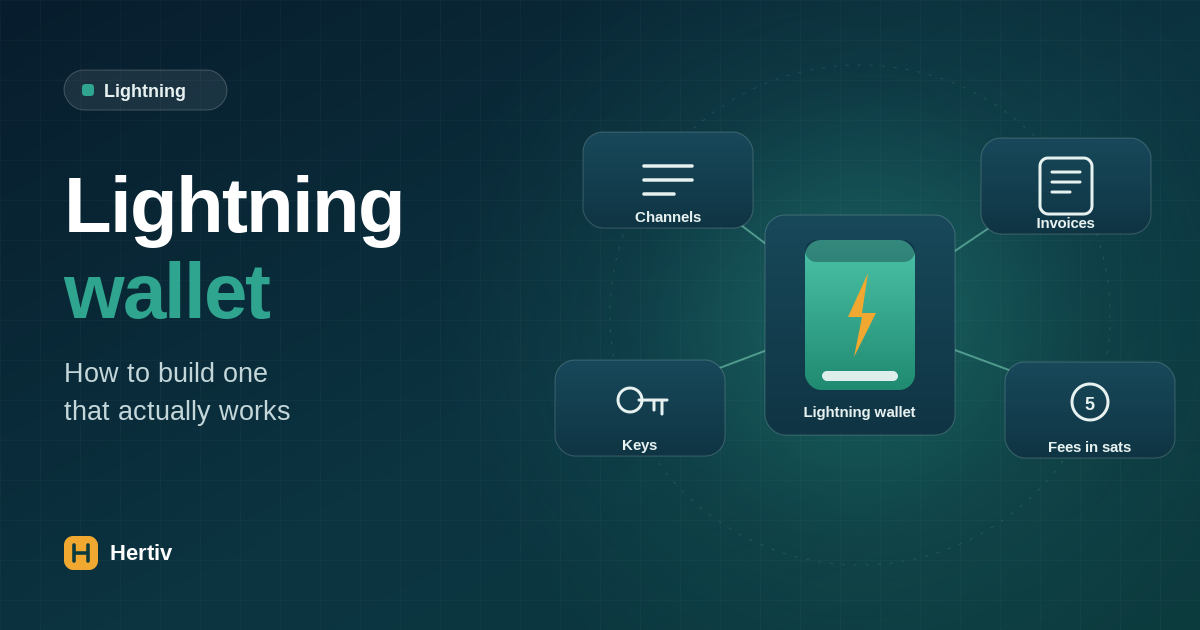
A Lightning Network wallet needs a custody model, a node or provider, channel management, clear fees and a tested recovery flow before it is ready for real money.
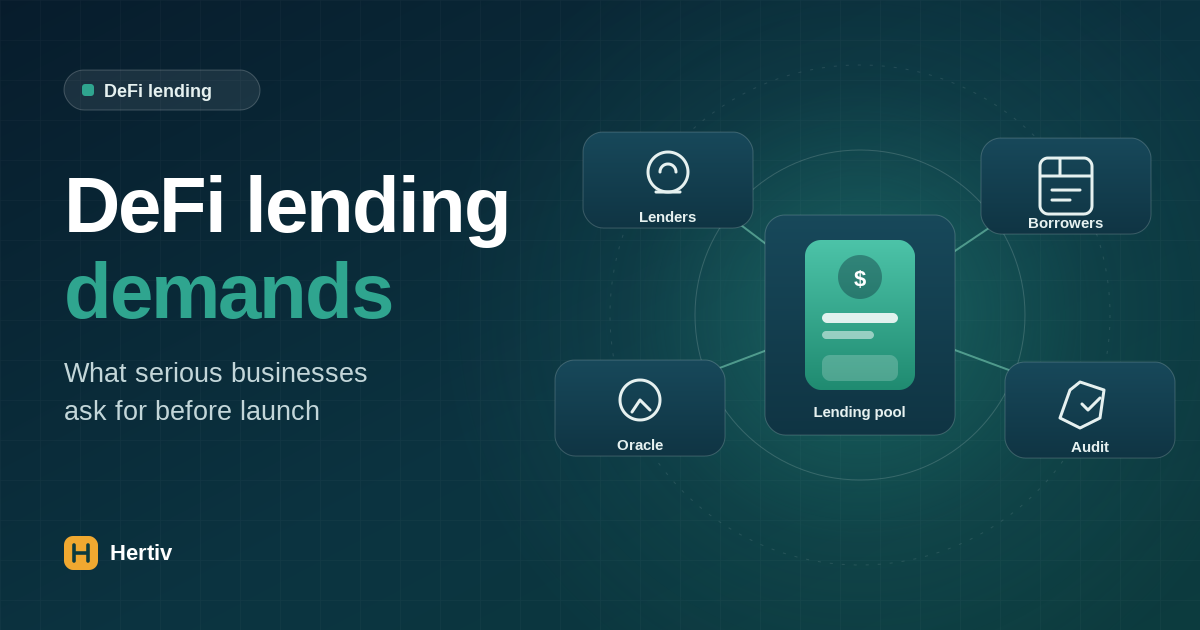
A DeFi lending platform needs audited contracts, reliable price feeds, deep liquidity and clear compliance rules before a business will trust it with real money.
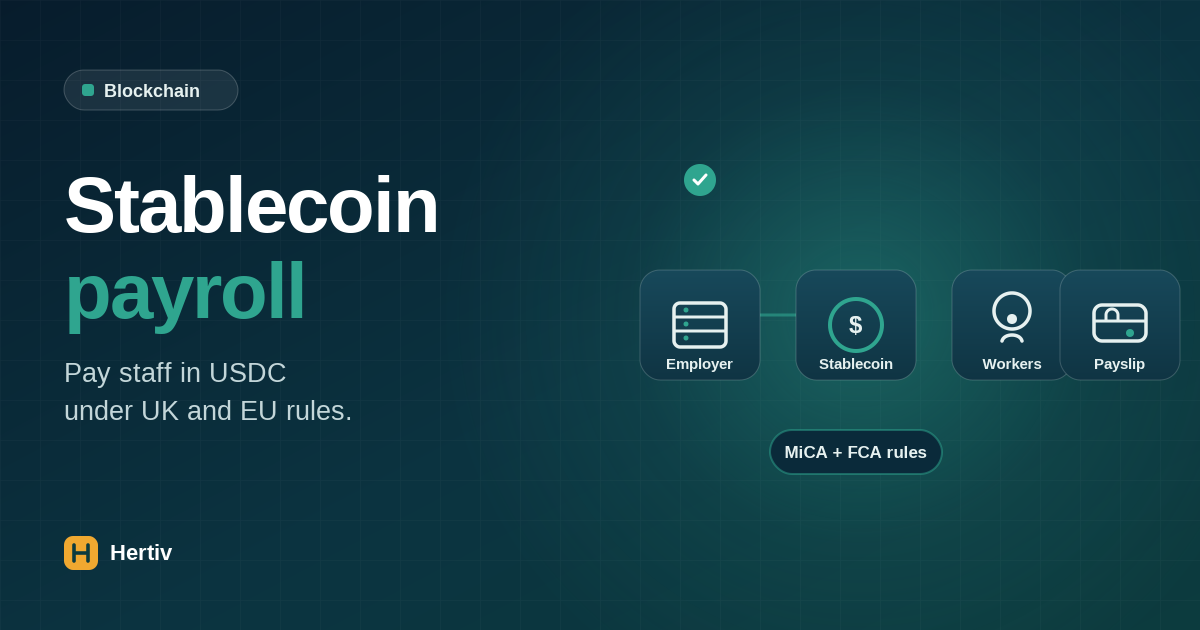
Stablecoin payroll platforms pay staff in USDC or USDT while tax and employment stay in fiat. Here is how they work under MiCA in the EU and FCA rules in the UK.
No posts on this page match. Use site search (Ctrl K) to search every post.
A senior engineer reads every request and replies within one business day with questions, a rough range, or a call link.