Blockchain
Solana Upgrades: Alpenglow, Firedancer and What Changes
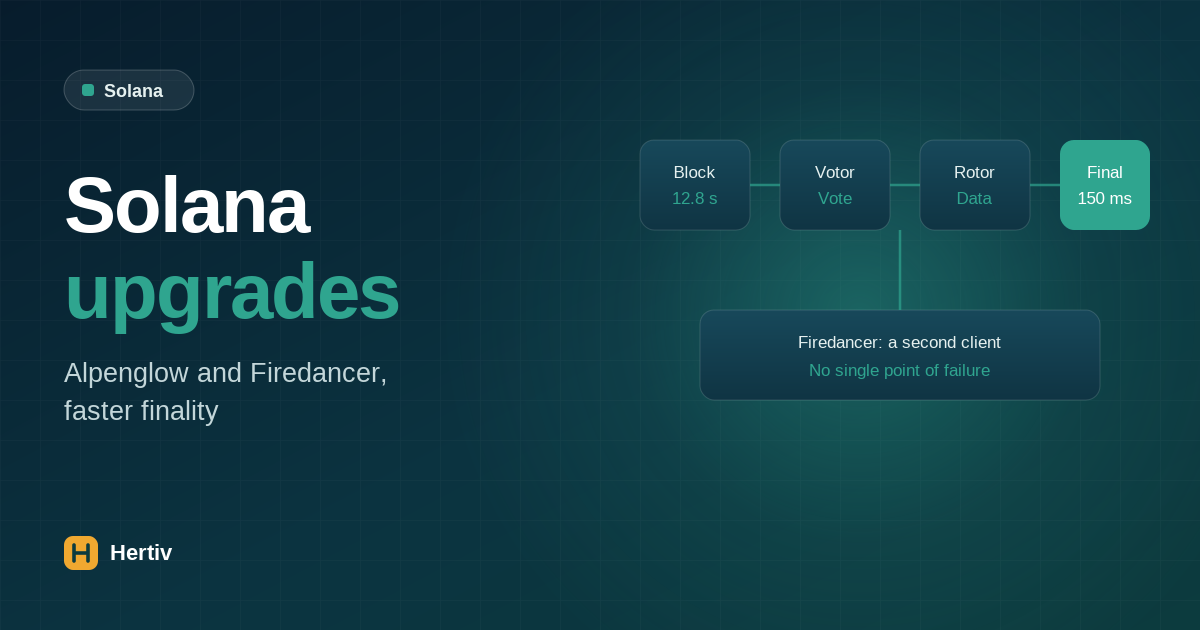
Solana upgrades in 2026 centre on Alpenglow, a new consensus design, and Firedancer, a second validator client. Here is what each one changes and when it lands.
Practical guides on tokenization, stablecoin payments, wallets and smart contracts.
1663 posts · page 38 of 70
Solana upgrades in 2026 centre on Alpenglow, a new consensus design, and Firedancer, a second validator client. Here is what each one changes and when it lands.
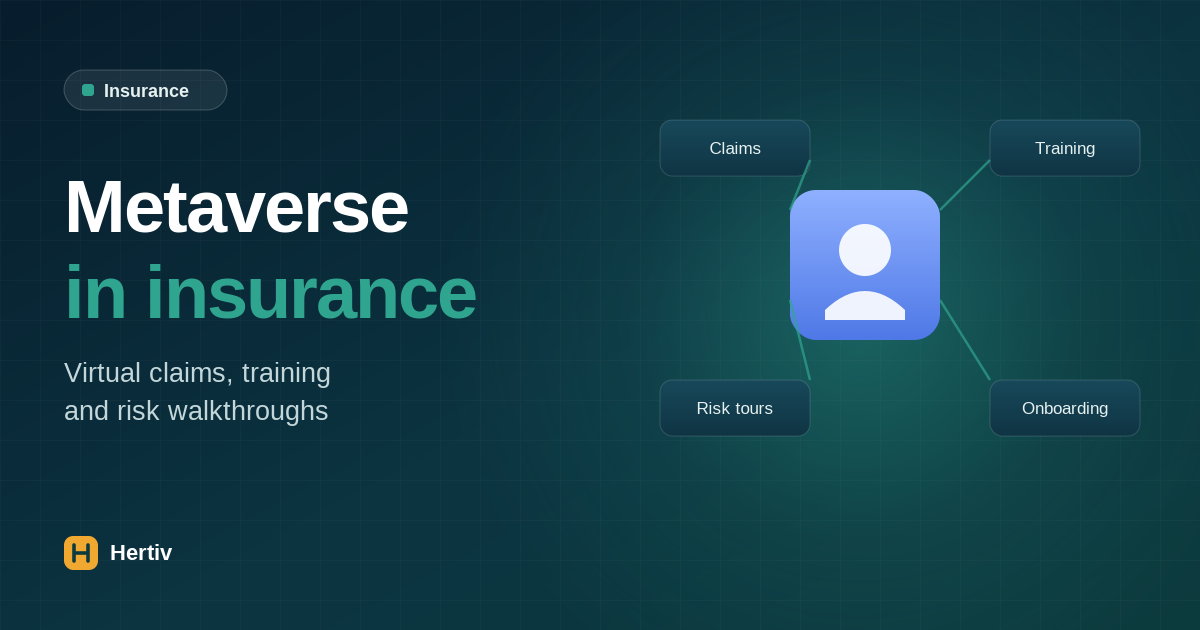
Insurers use the metaverse for virtual claims, training and risk walkthroughs. Here is where it helps, and where it does not.
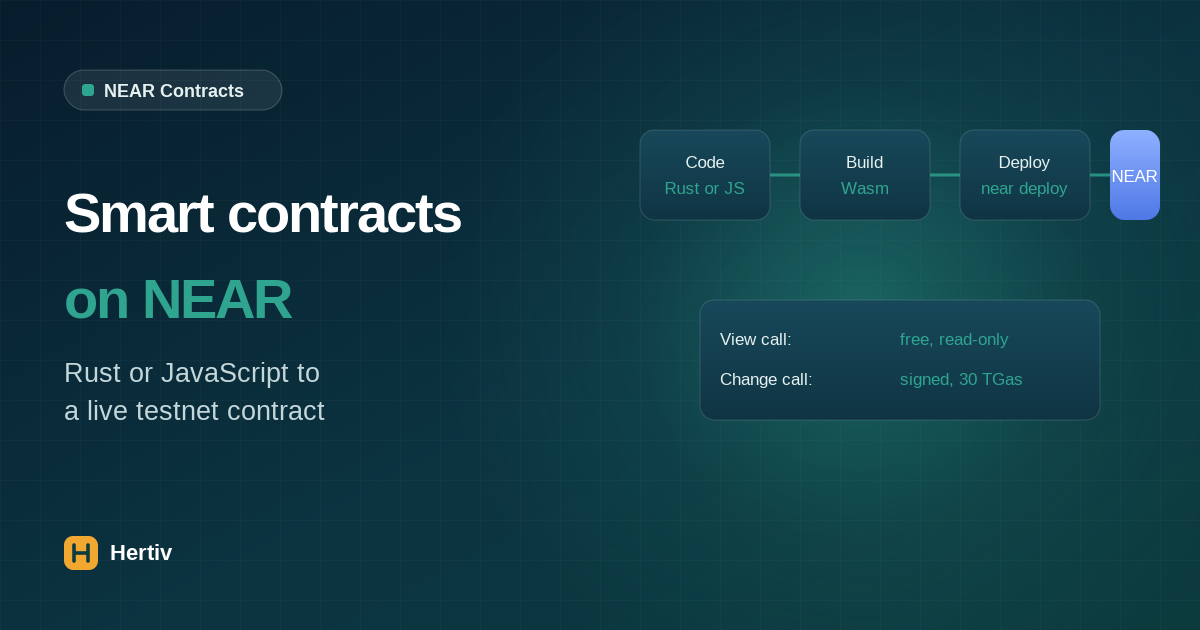
A NEAR smart contract is a Rust or JavaScript program compiled to WebAssembly and deployed to a NEAR account. Setup to a live testnet contract, step by step.
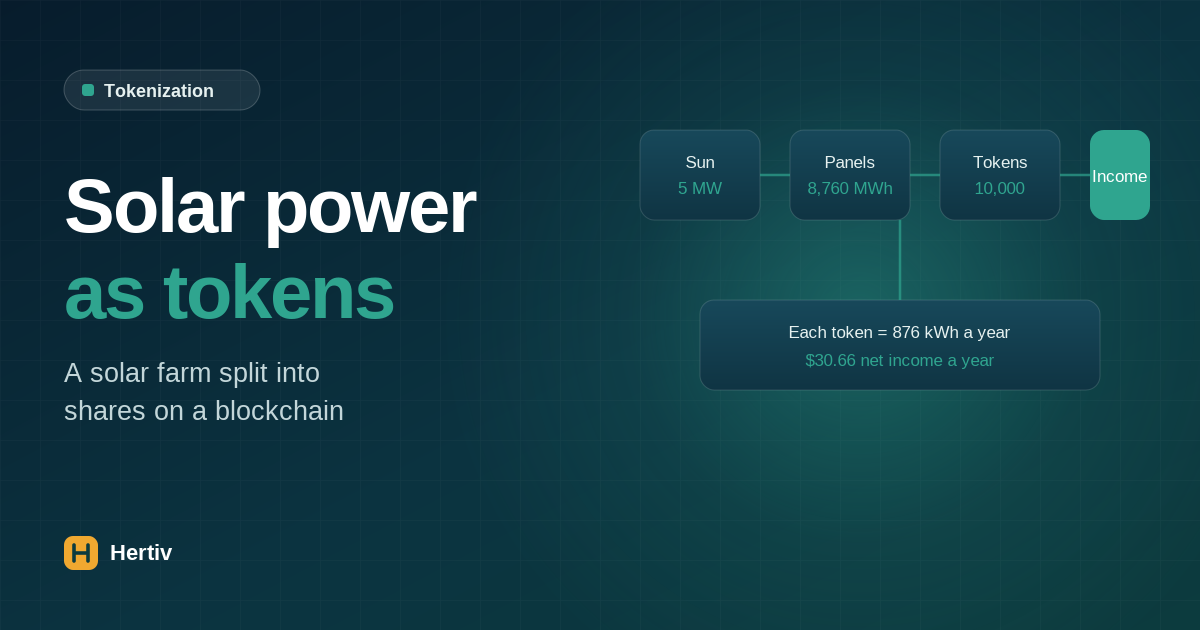
Solar asset tokenization turns a share of a solar farm's output into a digital token on a blockchain. Here is how it works, who buys in, and where the risks sit.
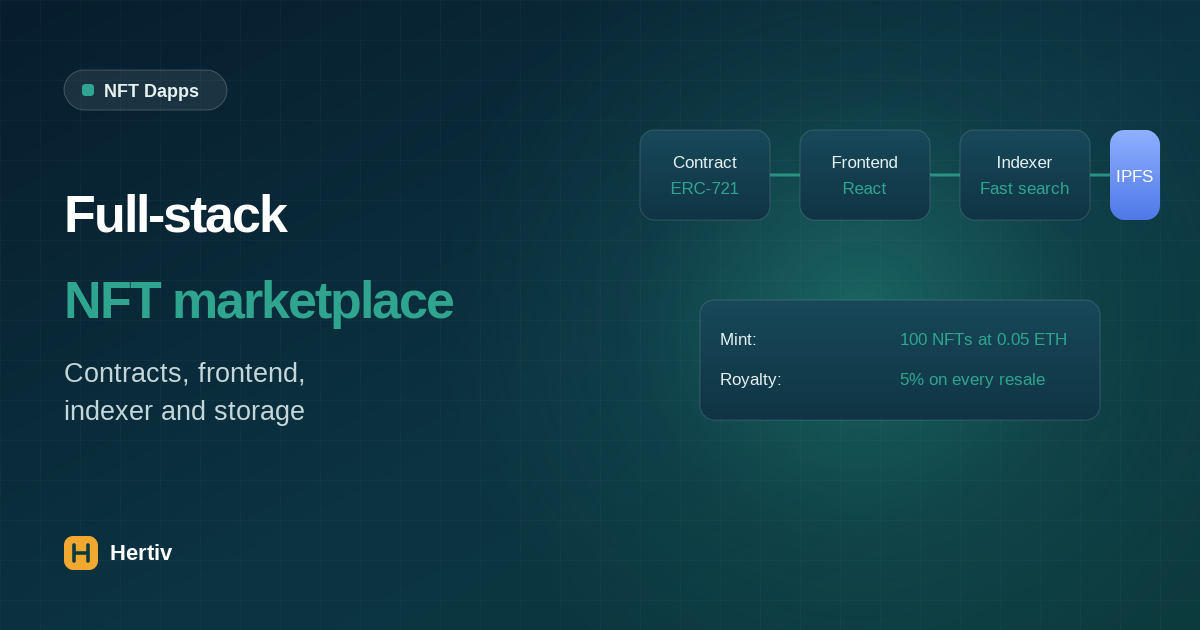
A full-stack NFT marketplace dapp combines smart contracts, a web app, an indexer and storage. Here is the stack, the build order and the launch checklist.
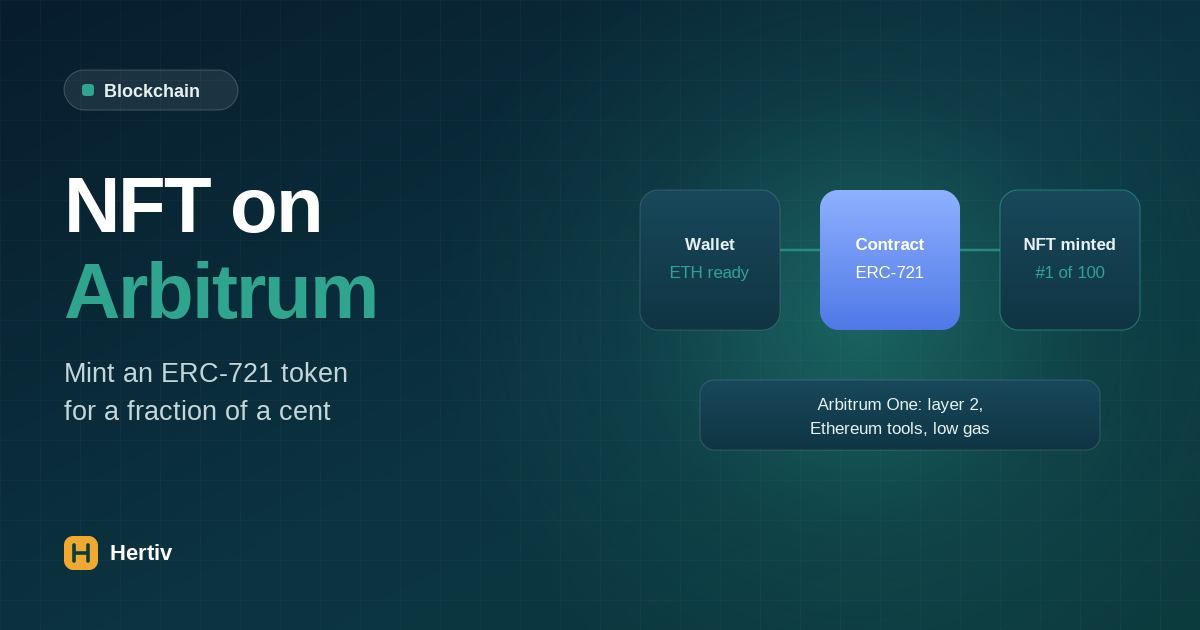
Creating an NFT on Arbitrum means minting an ERC-721 token on a layer-2 network, with gas paid in ETH. Here is the no-code route, the code route and the costs.
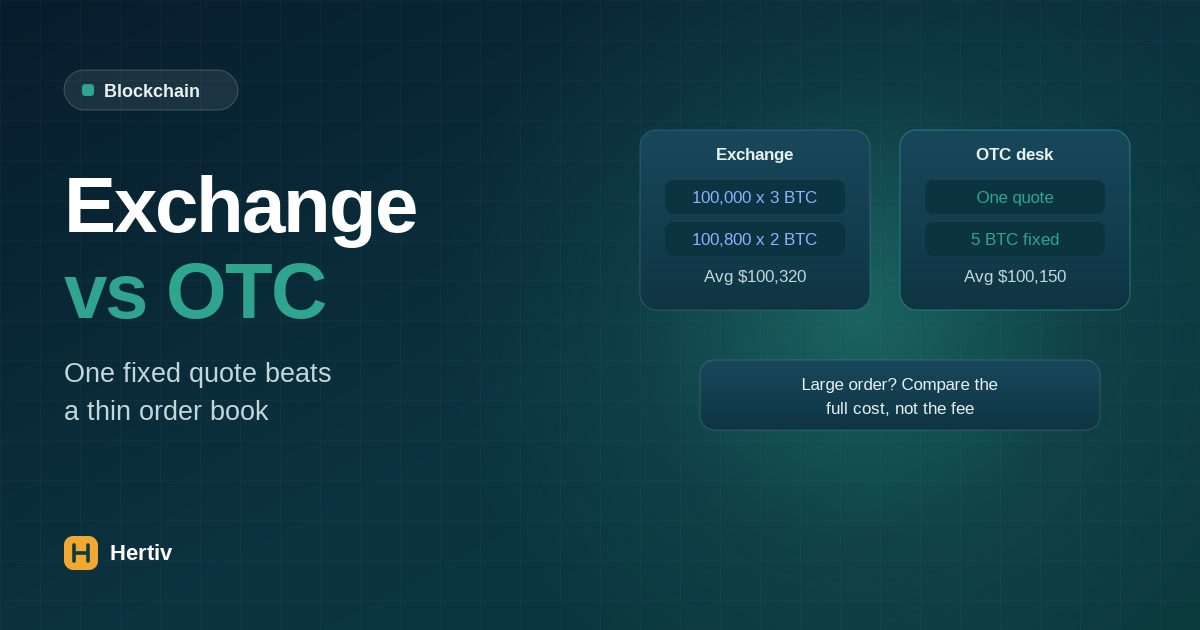
A crypto exchange suits small, frequent trades, while an OTC desk suits large ones. Here is how pricing, slippage and risk differ, and how to pick the right route.
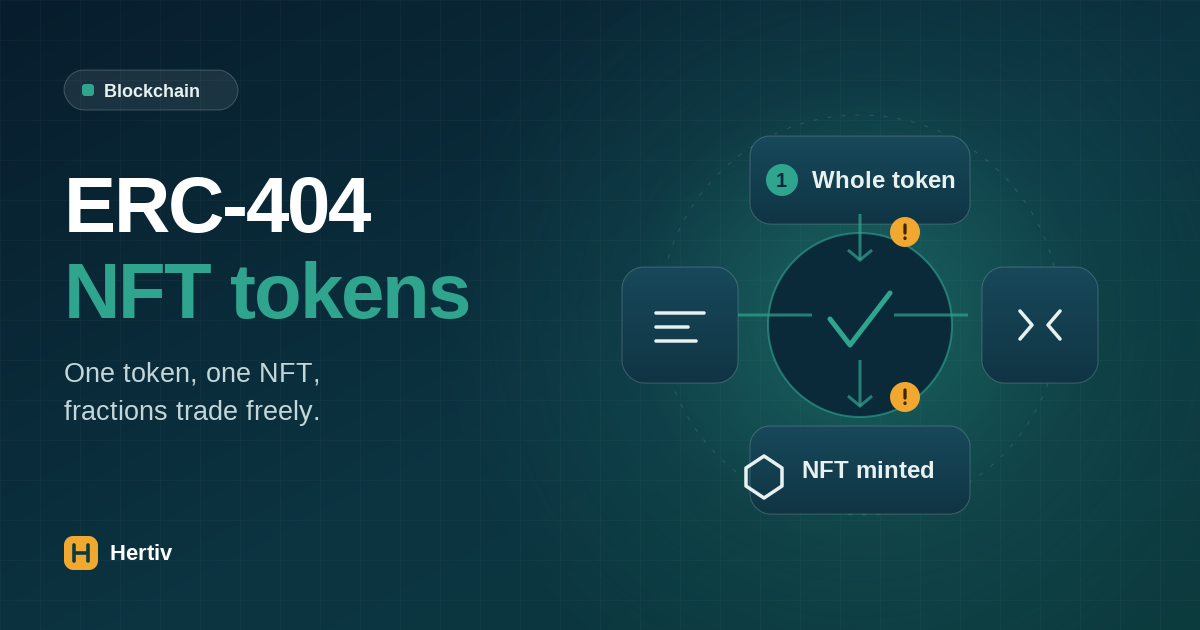
ERC-404 ties one fungible token to one NFT, so fractions trade like coins while a whole token holds the NFT. Here is how it works and how to build on it.
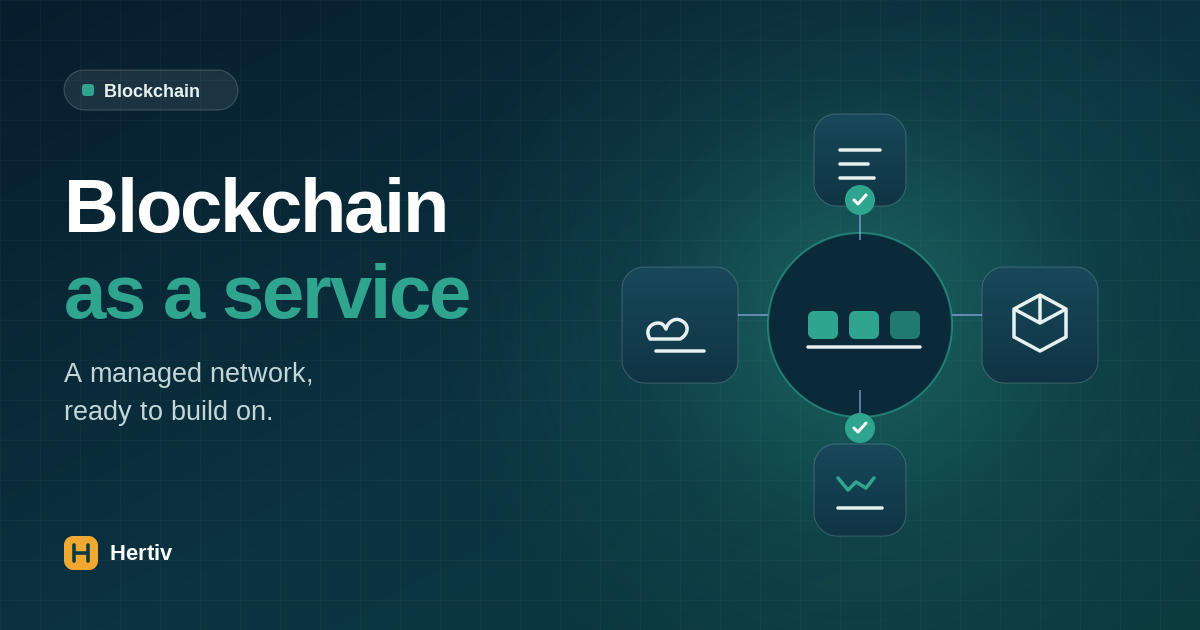
Blockchain as a service rents a managed blockchain network from a cloud provider instead of building your own nodes. Here is what the provider runs.
An NFT wallet app stores tokens, shows their art and details, and connects to marketplaces for buying and selling. Here is how to build one.
A metaverse NFT is a 3D item, avatar or parcel of land on a blockchain, usable inside a virtual world. Here is how to design, mint and test one.
Cardano NFTs are native tokens with a supply of one, issued under a minting policy. Here is how to create one, from artwork to a listed token.
DeFi options trading lets you buy the right, not the duty, to buy or sell a token at a set price before a date, using a smart contract instead of a broker.
Smart contracts automate settlement, roaming and number porting between telecom operators. Here is how they work, what they replace, and where the limits are.
Remix is a free browser IDE for writing, compiling and deploying Solidity contracts. Here is the full path from a blank file to a contract on a test network.
DePIN rewards people for running real hardware, from hotspots to storage drives. Here is how decentralised physical infrastructure networks work.
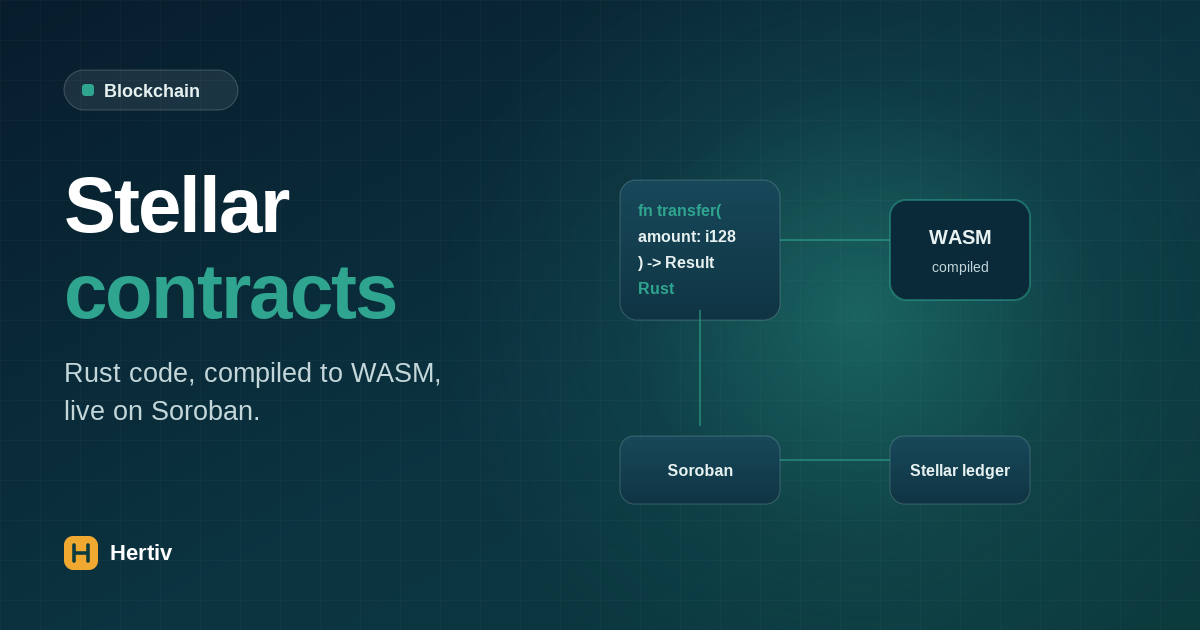
Stellar smart contracts run on Soroban, a Rust platform live since February 2024. This guide walks through setup, code, testing and deployment.
Blast is an Ethereum layer 2 where a token is a standard ERC-20. You can deploy one with code or use a no-code tool, and this guide covers the full path.
Gamified tokenomics uses points, levels and rewards to shape how people earn and spend a token. Here is how the loop works and where it breaks.
Soulbound tokens are digital tokens that cannot be transferred, so they prove who someone is or what they have done. Here is how they work and where they are used.
Hedera Consensus Service orders and timestamps token transfers, while the token rules run off-chain. Here is how that pattern works and when to use it.
A hybrid crypto exchange pairs a fast centralised order book with on-chain settlement and custody. Here is how the model works and what it takes to build one.
A wallet like Phantom is a self-custody crypto wallet with swaps, staking and NFT support. Here is what to build, in what order, and what a first version costs.
An immutable ledger is a record that cannot be changed once written, because each entry is linked to the one before it. Here is how it works and where it helps.
No posts on this page match. Use site search (Ctrl K) to search every post.
A senior engineer reads every request and replies within one business day with questions, a rough range, or a call link.