Blockchain
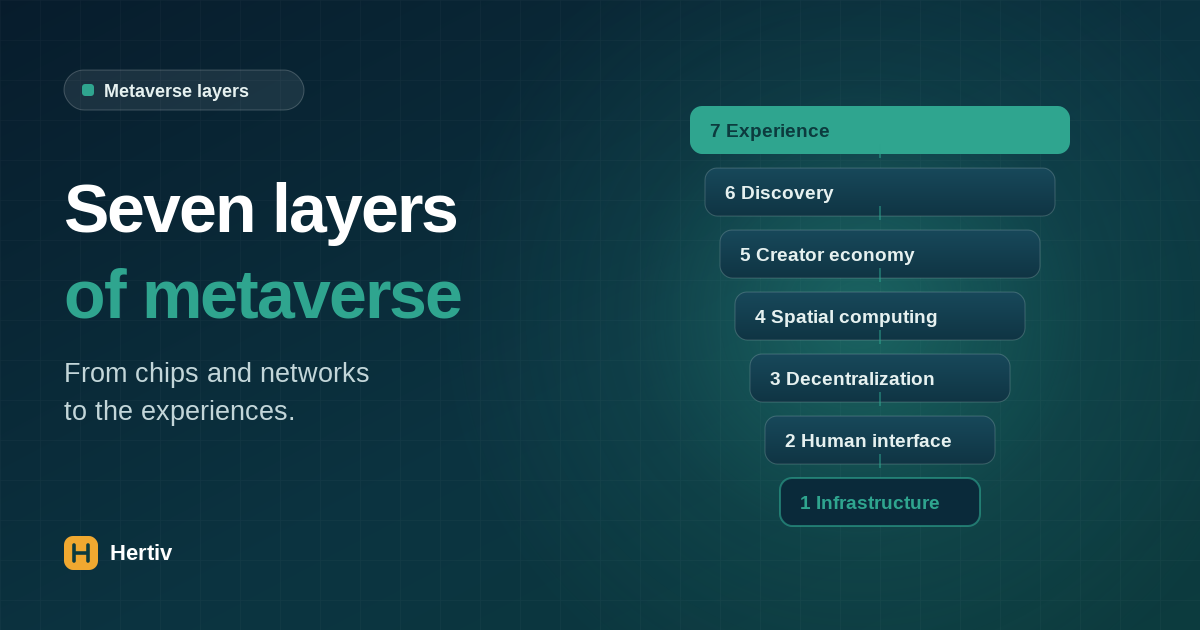
The Seven Layers of the Metaverse, Explained
Jon Radoff's seven-layer model maps the metaverse value chain from chips and networks to the experiences people pay for. Here is what each layer covers.
Practical guides on tokenization, stablecoin payments, wallets and smart contracts.
1663 posts · page 36 of 70
Jon Radoff's seven-layer model maps the metaverse value chain from chips and networks to the experiences people pay for. Here is what each layer covers.
To create a DAO on Ethereum, define its purpose and voting rules, deploy governance contracts, fund a multisig treasury, and launch with a first proposal.
DeFi coins are the tokens of working protocols for swapping, lending, staking and oracles. Here are 8 established coins compared by what each protocol does.
A DAO on Solana is usually built with Realms on top of SPL Governance. Here is how to choose the type, set it up, and run your first vote.
Incentive tokens reward holders for voting, staking, spending or staying loyal. Here are the main types, how each one pays out, and where they go wrong.
A gold tokenization platform turns vaulted gold into tokens users can trade and redeem. Here are the parts, the minting flow, and what it costs to build.
The best DEX depends on your chain, trade size and whether you want spot swaps, stablecoins or perpetuals. Here are 8 platforms to compare.
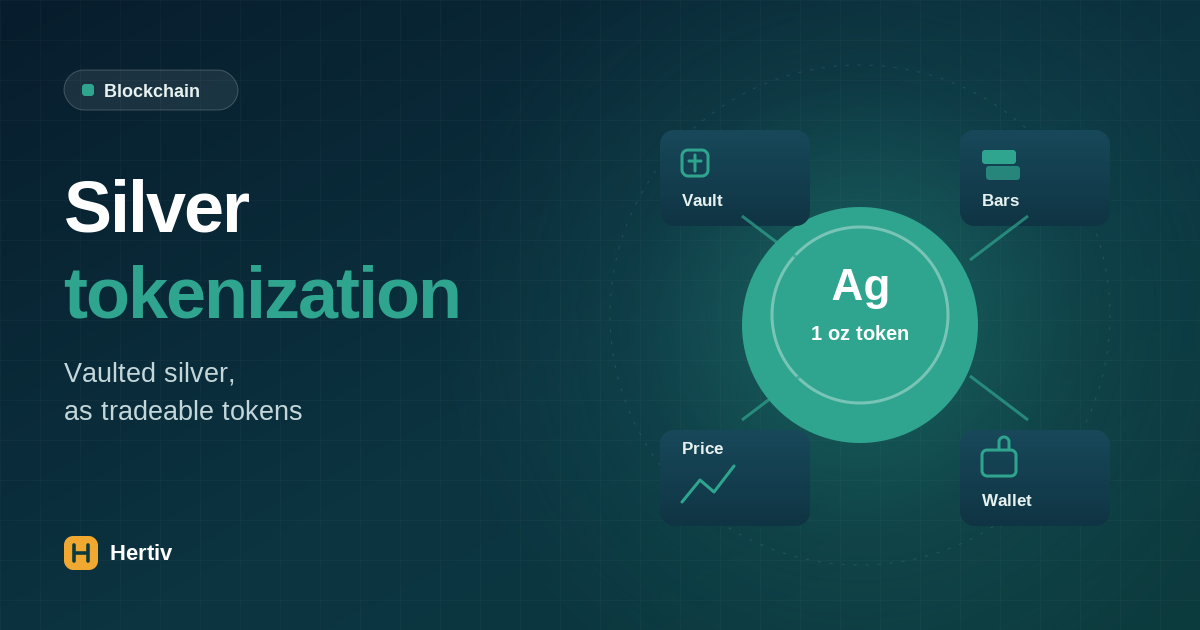
Silver tokenization turns vaulted silver into blockchain tokens you can trade in small amounts. Here is how the tokens work, who issues them and the risks to check.
A multichain wallet holds assets on several blockchains in one place. The easiest way to build one is with a wallet SDK, not from scratch.
A DeFi exchange lets you swap tokens from your own wallet, with no account and no custodian. Here are 8 exchanges to compare, from spot AMMs to perps.
A yield-bearing stablecoin is a dollar-pegged token that also pays holders a return. Here is where the yield comes from and what it costs.
Audit readiness means the code is frozen, the docs are complete and the tests pass before auditors start. Here is how to get there.
BENQI's QI is a governance token for a lending and liquid staking protocol on Avalanche. Here is how to design, build and launch a token in the same style.
A BEP20 wallet on BNB Smart Chain holds BNB and BEP20 tokens and connects to apps. Here is how to build one, from chain connection to token list and security.
To create a smart contract on BSC, write it in Solidity, compile it in Remix, and deploy it with MetaMask. Test on the testnet first.
zkSync NFTs are NFTs on zkSync Era, an Ethereum Layer 2 with low fees. Here is how they work and how to buy, sell or mint one.
A cryptocurrency website usually costs $15,000–$60,000 for a first version with live prices, token pages and a wallet connection. Here is what each part costs.
A Trust Wallet-style crypto wallet app needs multi-chain support, a recovery phrase, in-app swaps and a dApp browser. Here is how to build one, and what it costs.
A smart contract on Solana is a program written in Rust with the Anchor framework. Here is how to set up the tools, write it, test it and deploy it to devnet.
A DeFi wallet holds your keys and connects you to lending, swaps and staking. Here are 8 wallets to compare, from browser extensions to hardware.
A Solana wallet like Solflare is a non-custodial app that holds SOL and tokens, stakes, swaps and connects to dApps. Here is what to build and how the parts fit.
FAB's dirham-backed stablecoin, approved by the UAE Central Bank in February 2026, shows how a bank can put a stablecoin into real payments. Here are the lessons.
A stablecoin on the XDC Network is an XRC-20 token with its value tied to a fiat currency or asset. You can create one with no code or deploy a custom contract.
A crypto wallet app usually costs $80,000-$250,000 for a first version with key storage, send and receive, and swap. Here is how to build one people trust.
No posts on this page match. Use site search (Ctrl K) to search every post.
A senior engineer reads every request and replies within one business day with questions, a rough range, or a call link.