Blockchain
How to Buy Real Estate Using Cryptocurrency
Yes, you can buy property with crypto. Here are the four routes, the escrow and title steps, and the checks to run before you pay.
Practical guides on tokenization, stablecoin payments, wallets and smart contracts.
1663 posts · page 35 of 70
Yes, you can buy property with crypto. Here are the four routes, the escrow and title steps, and the checks to run before you pay.
Banks are putting bonds, funds and deposits on blockchains as tokens that settle in minutes. Here is how tokenization works and why banks are moving now.
A white label crypto wallet card is a ready-made wallet and card product that a business brands as its own. Here is what it costs and how long it takes.
An art NFT is a token that proves you own a specific digital artwork. Here is how to set up a wallet, pick a piece and buy it safely.
A flash loan is an uncollateralized DeFi loan that must be borrowed and repaid inside one blockchain transaction. Here is how it works and what it costs.
An RWA liquidity provider on a centralized exchange quotes buy and sell prices for tokenized assets so they trade without big price moves. Here is how it works.
Choosing a crypto exchange development company means checking security, trading engine quality and compliance before price. Here is how to vet one properly.
A cryptocurrency development company builds wallets, exchanges, tokens and DeFi products. Here is how to judge one on code, security and delivery before you sign.
NFT games give players real ownership of in-game items as tokens on a blockchain. Here is how they work, how players earn, and the risks to check first.
Crypto payment processors turn customer crypto into settled money for a business. Here are eight established options compared on fees, custody, settlement and fit.
The XRP Ledger tokenizes real-world assets with native tokens, built-in compliance controls and a decentralised exchange. Here is how issuers use it.
The best crypto wallet depends on how much you hold and how often you trade: hardware for savings, software for daily use, and never one wallet for everything.
Avalanche is an EVM-compatible chain with fast finality, so a first dApp starts with Node.js, Hardhat, a Core wallet and free test AVAX on the Fuji testnet.
RWA vault tokenization puts real-world assets into a tokenized vault, where depositors receive shares that earn yield. Here is how it works.
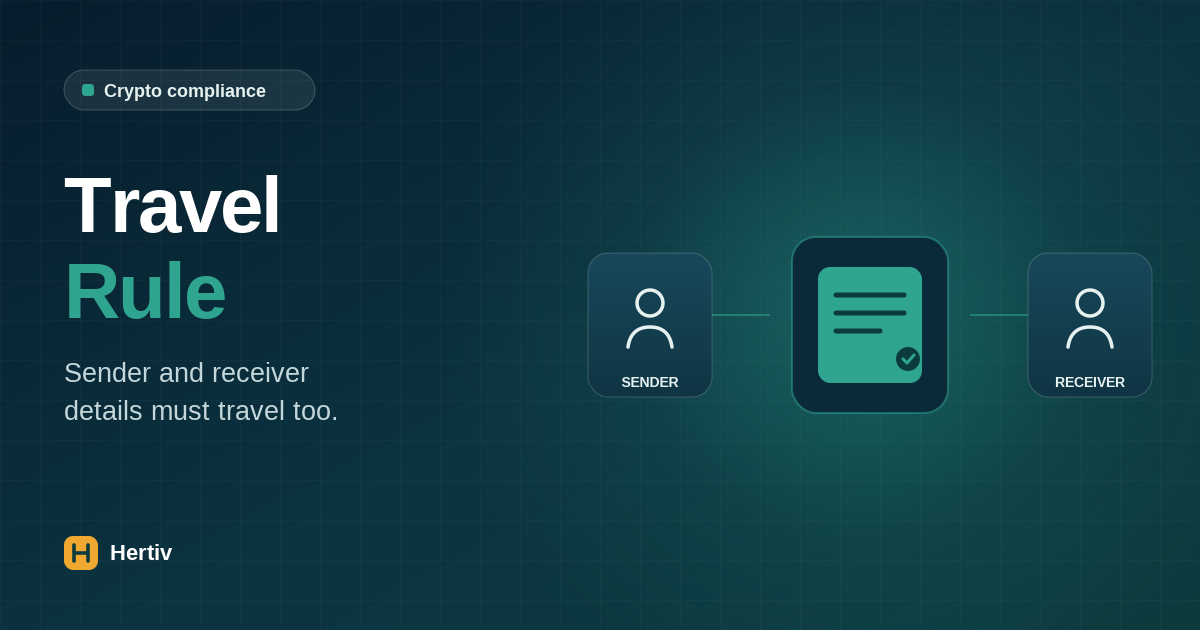
The Travel Rule forces crypto firms to share sender and receiver details on transfers. Here is what to collect, which thresholds apply, and how to build it.
A BEP20 token is a smart contract on BNB Smart Chain that follows the BEP20 standard. Here is how to build, test and deploy one with Remix and OpenZeppelin.
DeFi tokens fall into clear classes: governance, utility, stablecoins, receipt tokens, LP tokens, wrapped tokens and security tokens. Here is what each does.
SaaS tokenization turns software access into tokens: a licence, a subscription or usage credits become a token that can be sold or transferred. Here is how it works.
A cross-chain DeFi platform lets users move assets and trade across blockchains. Here are the parts, the bridge choices, and the build order.
Creating a crypto wallet takes about ten minutes: pick a wallet type, install it, write down the recovery phrase, and fund it. Here is how to do it safely.
Blockchain can cut mortgage closing times, fraud and paperwork by giving every party one shared record. Here is where it helps and where it does not.
The SEC's April 2025 statement says certain dollar-backed stablecoins are not securities. Here are the three tests a coin must pass.
A dApp browser connects your wallet to decentralised apps for swaps, lending and NFTs. Here are 8 options to compare, from full browsers to wallet apps.
Carbon credit crypto companies turn verified credits into tokens traded and retired in public. Here are the main companies and the risks to check first.
No posts on this page match. Use site search (Ctrl K) to search every post.
A senior engineer reads every request and replies within one business day with questions, a rough range, or a call link.