Blockchain
RWA-Backed Stablecoins: How Tokenized Assets Back a Dollar
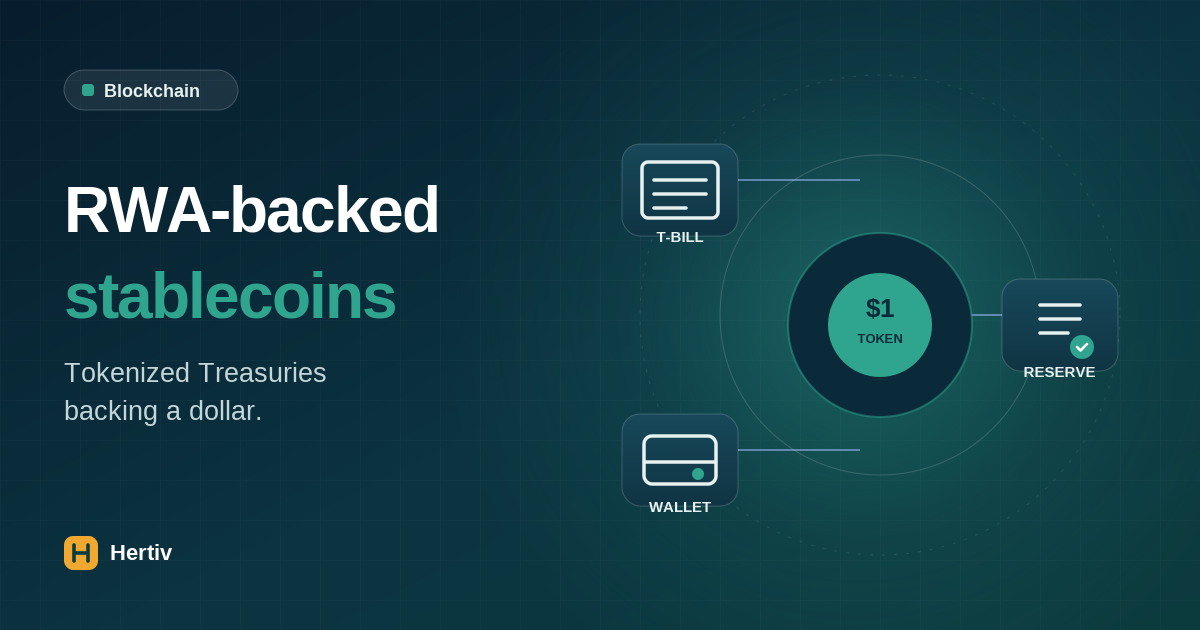
RWA-backed stablecoins hold reserves in tokenized real-world assets, such as Treasury bills. Here is how the backing works and who can hold them.
Practical guides on tokenization, stablecoin payments, wallets and smart contracts.
1663 posts · page 34 of 70
RWA-backed stablecoins hold reserves in tokenized real-world assets, such as Treasury bills. Here is how the backing works and who can hold them.
Agriculture tokenization turns farm land, crops and stored grain into digital tokens owned in fractions. Here is how it works, who it helps and where it goes wrong.
A P2P crypto lending platform matches lenders with borrowers, with smart contracts holding collateral and enforcing repayment. Here is how to build one.
Substrate lets you build a custom blockchain from ready-made parts in Rust. Here is the setup, the pallet workflow, and the mistakes to avoid.
Bitcoin Ordinals attach images, text and other data to single satoshis, making them unique digital items. Here is how the numbering and inscriptions work.
A P2P crypto exchange matches buyers and sellers directly and holds crypto in escrow until payment clears. Here is what it costs and how to launch one.
The best blockchain for an NFT project depends on what you mint, who buys it and what each sale costs. Here are eight chains compared on standards, fees and fit.
A private blockchain for an enterprise usually costs far more to run and govern than to build. Here is what drives the price and what a realistic budget looks like.
Bitcoin Runes are fungible tokens created and moved on Bitcoin, using its UTXO model. Here is how runestones work and how Runes differ from BRC-20.
Eight jurisdictions license stablecoin issuers, but they differ on status, capital and passporting. Here is how the eight compare.
A crypto sniper bot buys a token the moment it becomes tradable, before human traders can react. Here is how it works and how to build one safely.
Germany gives tokenized securities a clear legal home under its Electronic Securities Act. Here is how RWA tokenization works there and what it takes.
A white label crypto wallet usually costs far less than a custom build. Here is what each pricing model costs and what drives the bill.
A blockchain node provider runs the nodes your app talks to, so you do not have to. Here is how providers work, what they sell and when to run your own node.
Crypto compliance tools screen wallets, watch transactions and flag sanctions risk. Here are eight tools worth comparing before you pick one.
A centralized exchange costs far more than its trading screen. Here is what drives the build cost, the licence and the running bill.
A hybrid crypto exchange matches orders off-chain for speed and settles them on-chain for safety. Here is how to build one, from architecture to launch.
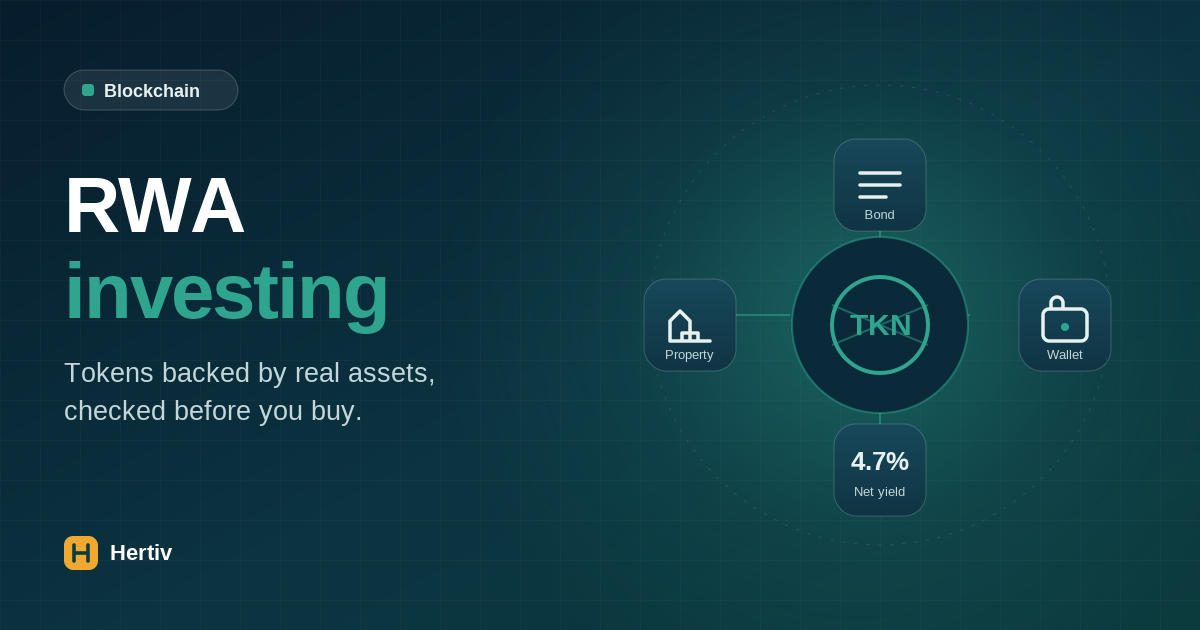
RWA tokenization turns real assets like bonds and property into tokens investors can buy in small pieces. Here is how it works and what to check first.
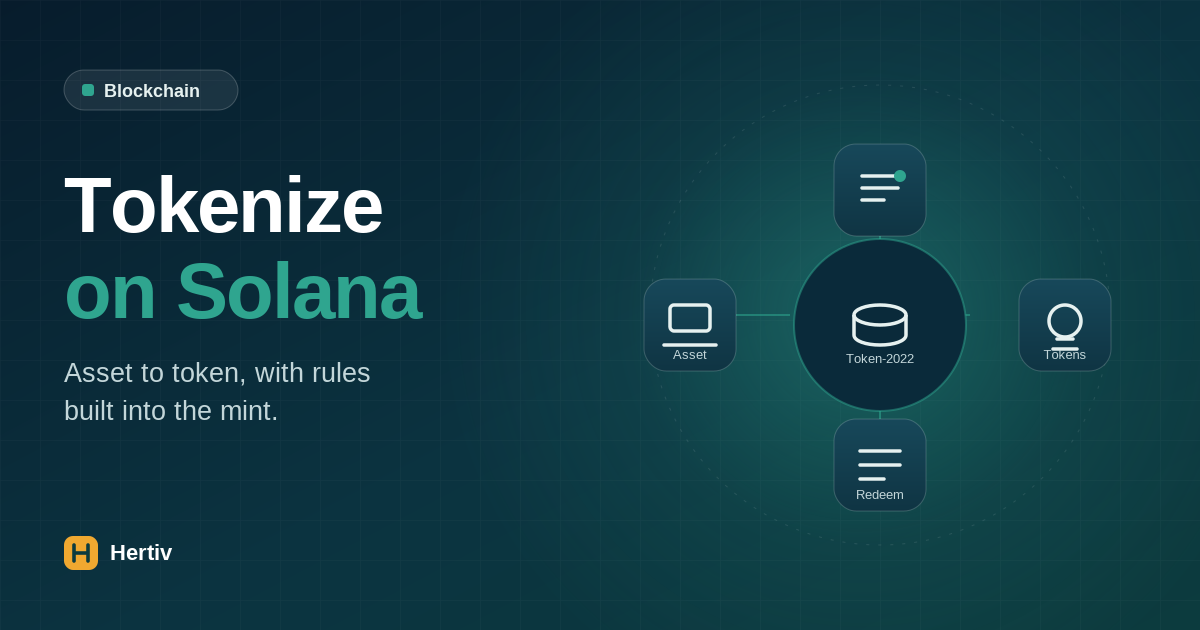
A tokenization platform on Solana turns real assets into tokens that trade on-chain. Here is the build process, the Solana pieces involved and what it costs.
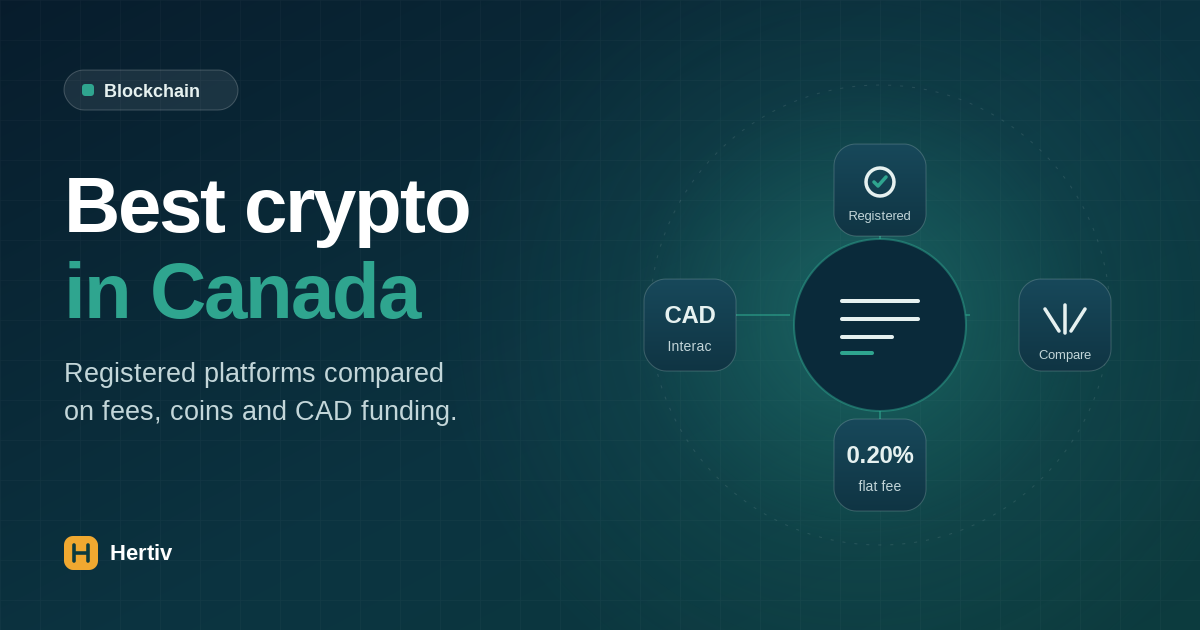
Canada only allows registered crypto platforms, so the choice is smaller than it looks. Here are eight exchanges compared on fees, coins and registration.
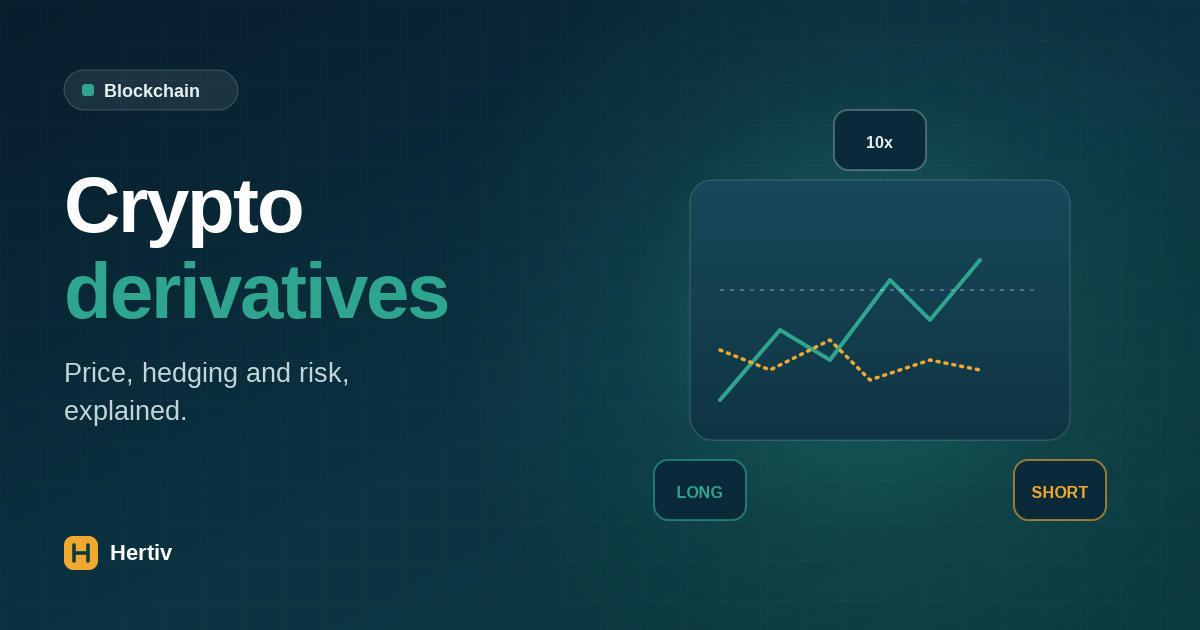
Crypto derivatives let traders bet on prices and hedge risk without owning the coins. Here is how they work, why they matter and where the risks sit.
Startups tokenizing property need a partner for issuance, compliance and investors. Here are eight companies that do that work, and what each is best for.
Building a DePIN means getting real devices onto a blockchain network and paying them with tokens. Here is how the pieces fit together, from hardware to rewards.
A white label crypto exchange in the UAE costs far more than the software alone. Here is what the licence, platform and running costs add up to.
No posts on this page match. Use site search (Ctrl K) to search every post.
A senior engineer reads every request and replies within one business day with questions, a rough range, or a call link.