Blockchain
8 Security Token Platforms Compared for Startups
Security token platforms handle issuance, compliance and trading for tokenized shares and funds. Here are eight platforms startups use, and what each is best for.
Practical guides on tokenization, stablecoin payments, wallets and smart contracts.
1663 posts · page 32 of 70
Security token platforms handle issuance, compliance and trading for tokenized shares and funds. Here are eight platforms startups use, and what each is best for.
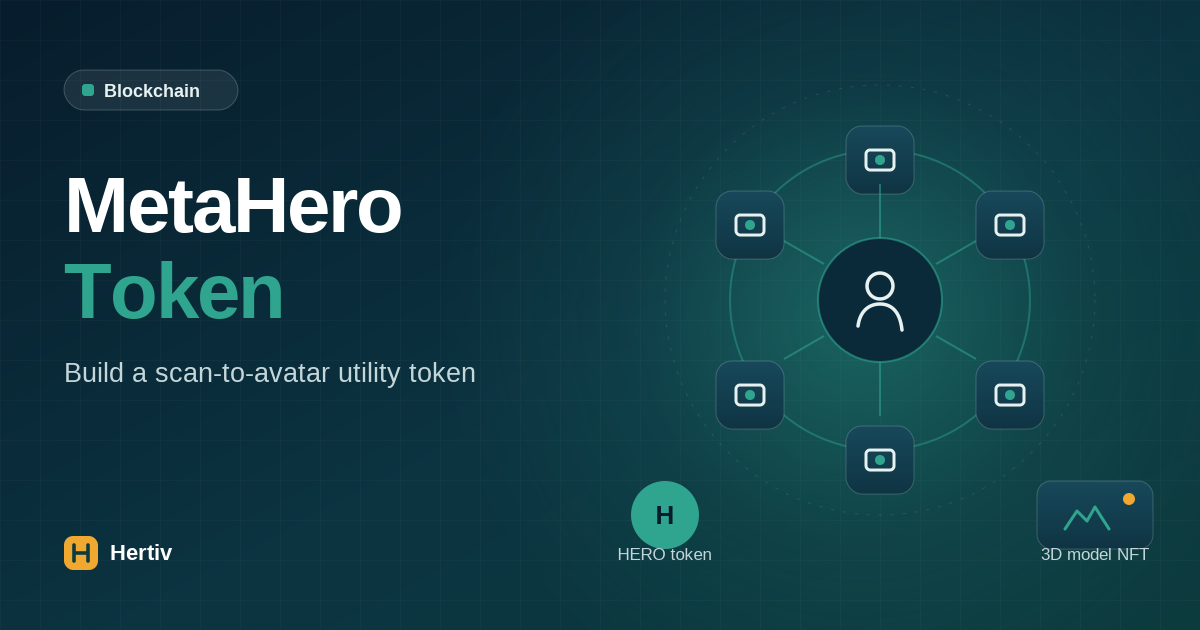
MetaHero's HERO token pays for 3D scans that turn people and objects into avatars. Here is how to build a token with the same job, from contract to marketplace.
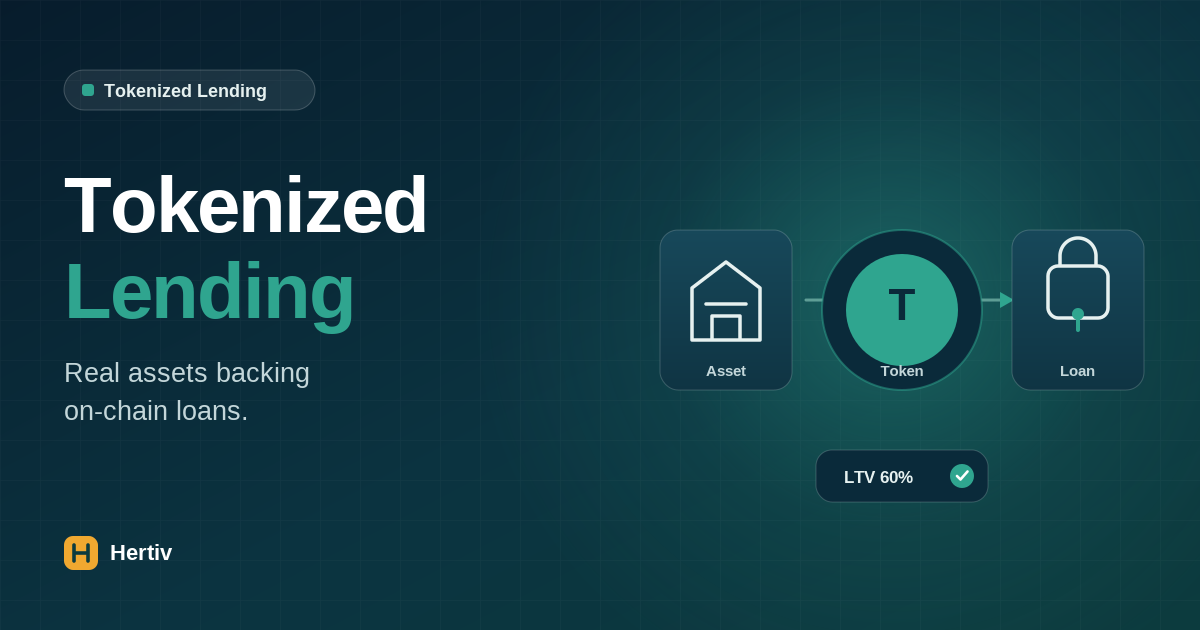
A tokenized asset-backed lending platform turns real-world collateral into on-chain tokens that secure a loan. Here is how the parts fit and how to build one.
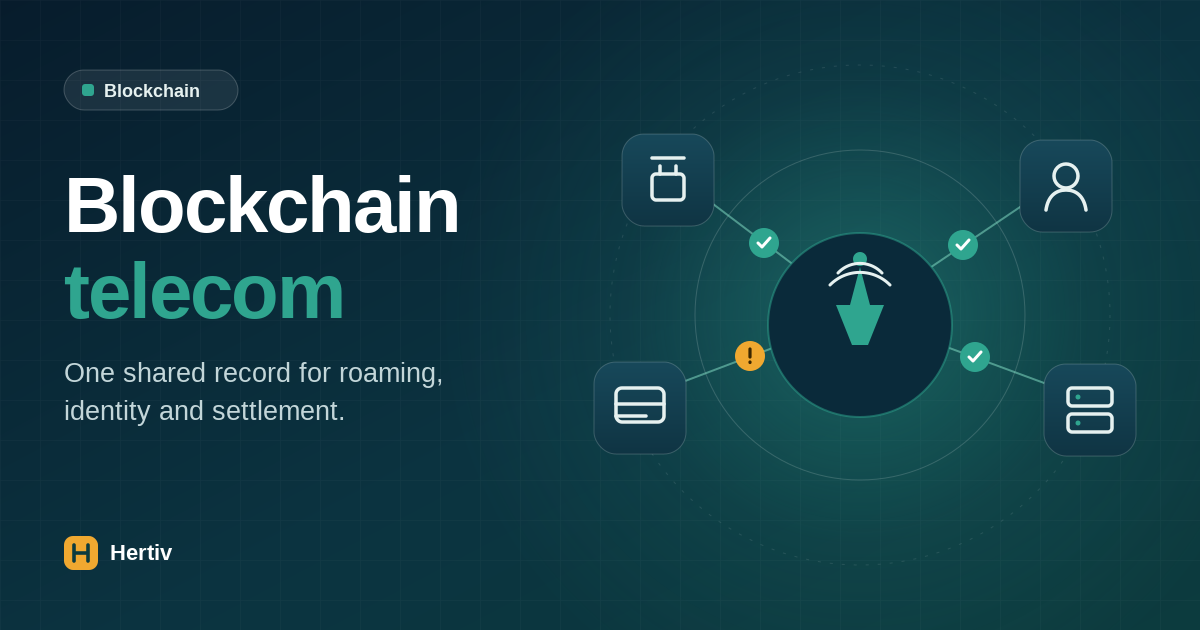
Blockchain in telecom gives operators one shared record for roaming, wholesale traffic, identity and fraud. Here is where the ledger fits and what holds it back.
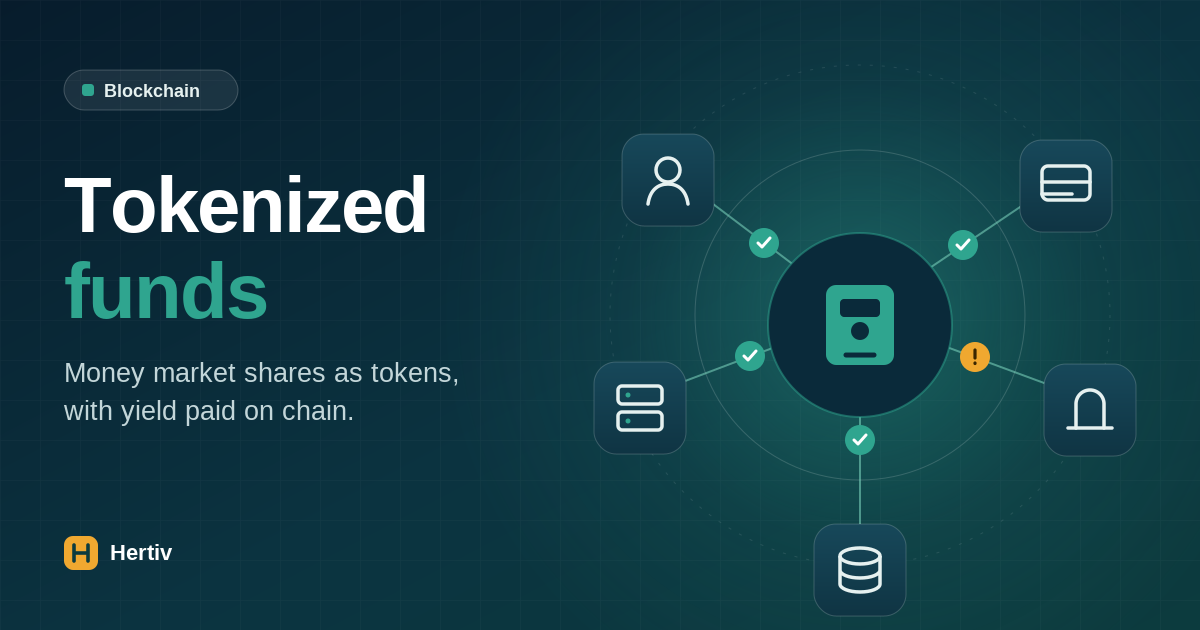
A tokenized money market fund platform issues fund shares as tokens and runs subscriptions, yield and redemptions on chain. Here is the fund-first build plan.
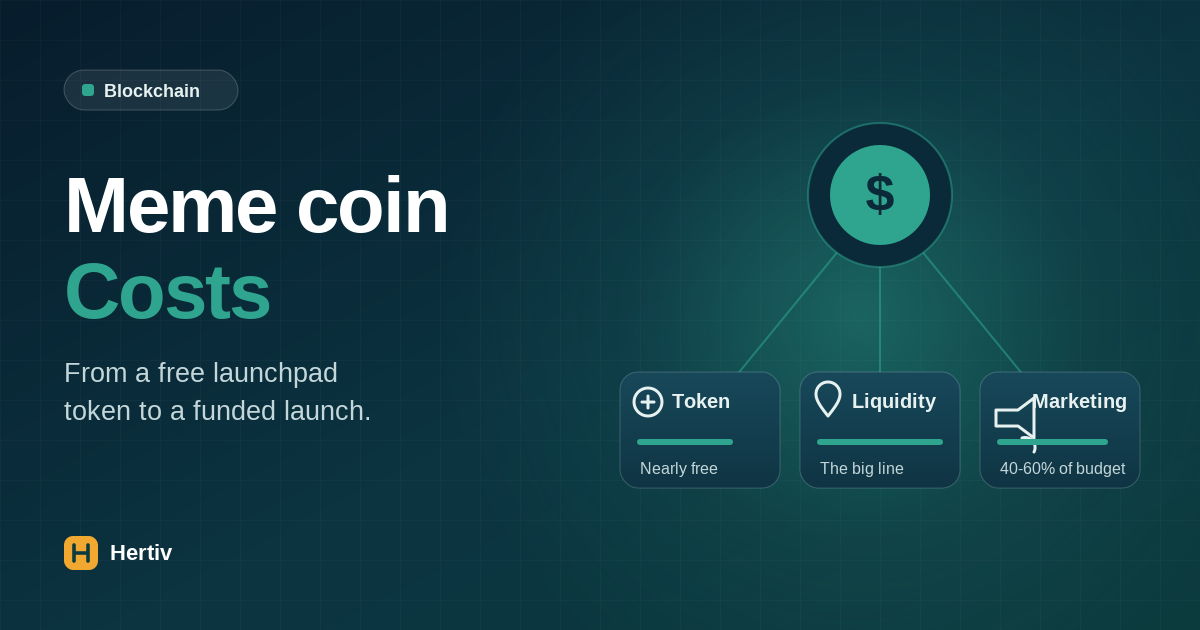
A meme coin can cost almost nothing on a launchpad or tens of thousands through an agency. The real budget is liquidity and marketing, not the token.
A tokenized stock platform lets investors hold blockchain tokens backed by real shares. Here is the architecture, the licences and the build steps.
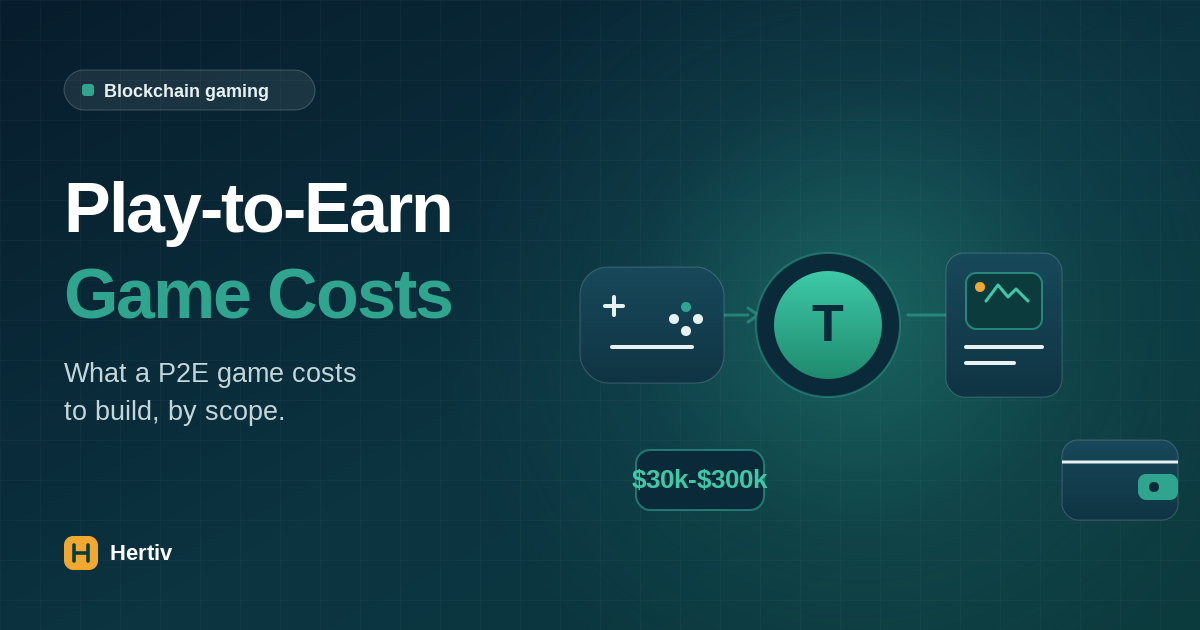
A play-to-earn crypto game costs roughly $30,000 to $300,000 to build, depending on scope. Here is what drives the price: tokenomics, audits, art and multiplayer.
Tokenized real-world assets fall into classes: property, bonds and funds, commodities, and collectibles. Here is what each class covers and what to check first.
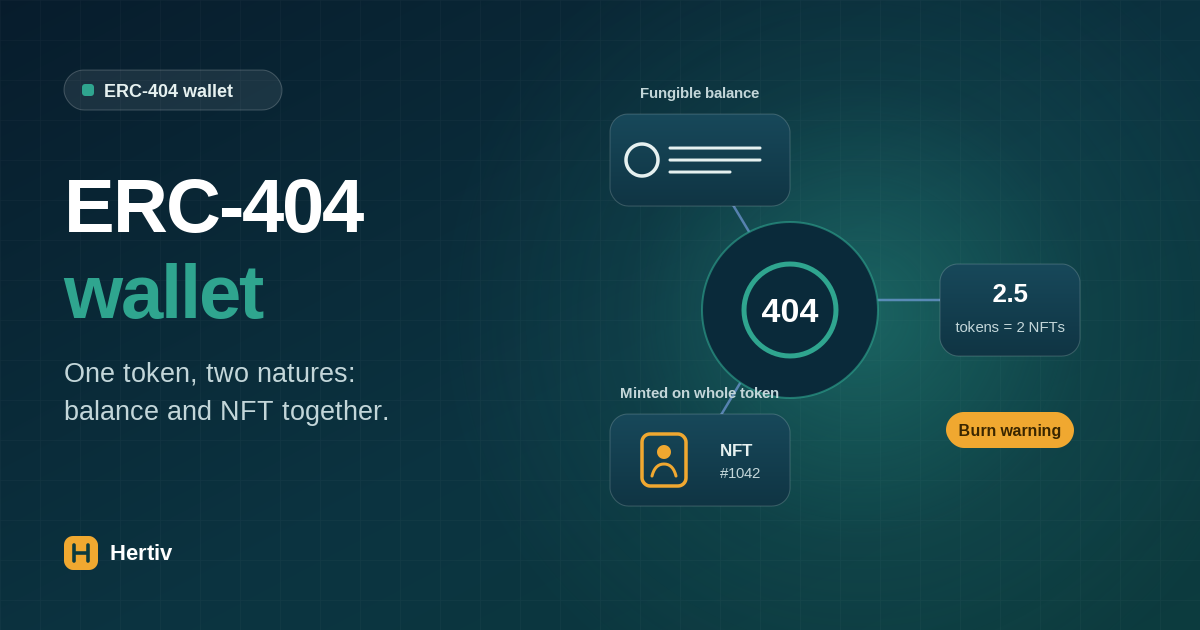
An ERC-404 wallet must show fungible balances and NFTs from one hybrid token, and handle the mint-and-burn that follows every transfer. Here is how to build it.
Solidity, Rust, Vyper, Move, Cairo, Clarity, Michelson and Cadence compared: which chains they run on, what each is best for, and how hard each is to learn.
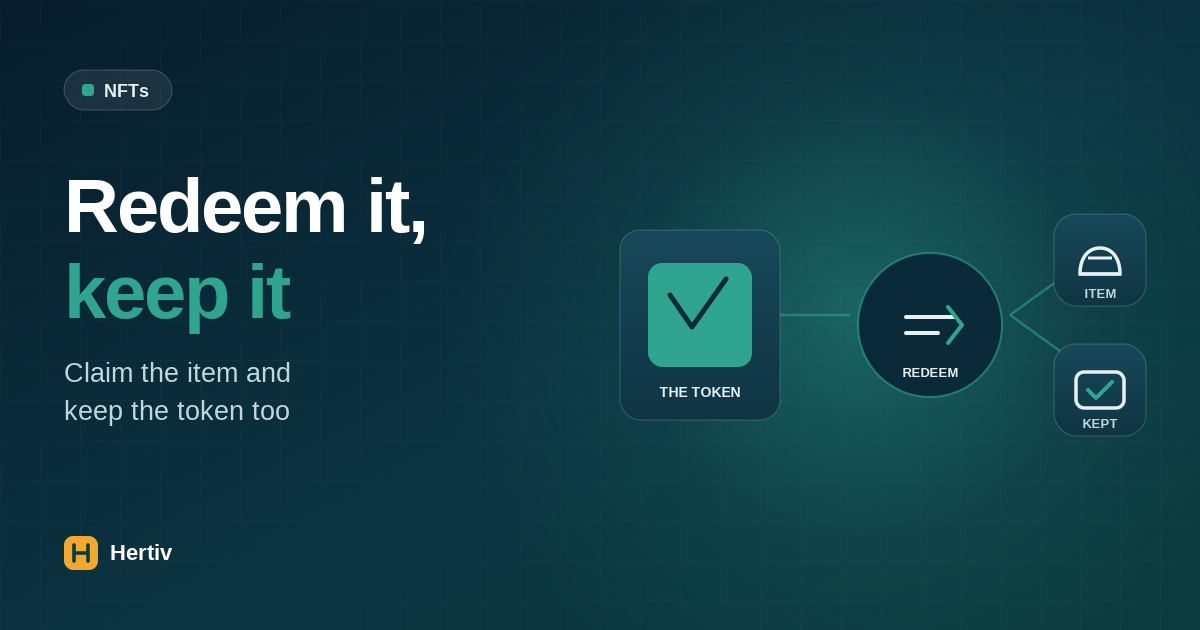
A redeem-and-retain NFT lets you claim the physical item it stands for and keep the token. Here is how redemption works and what to check first.
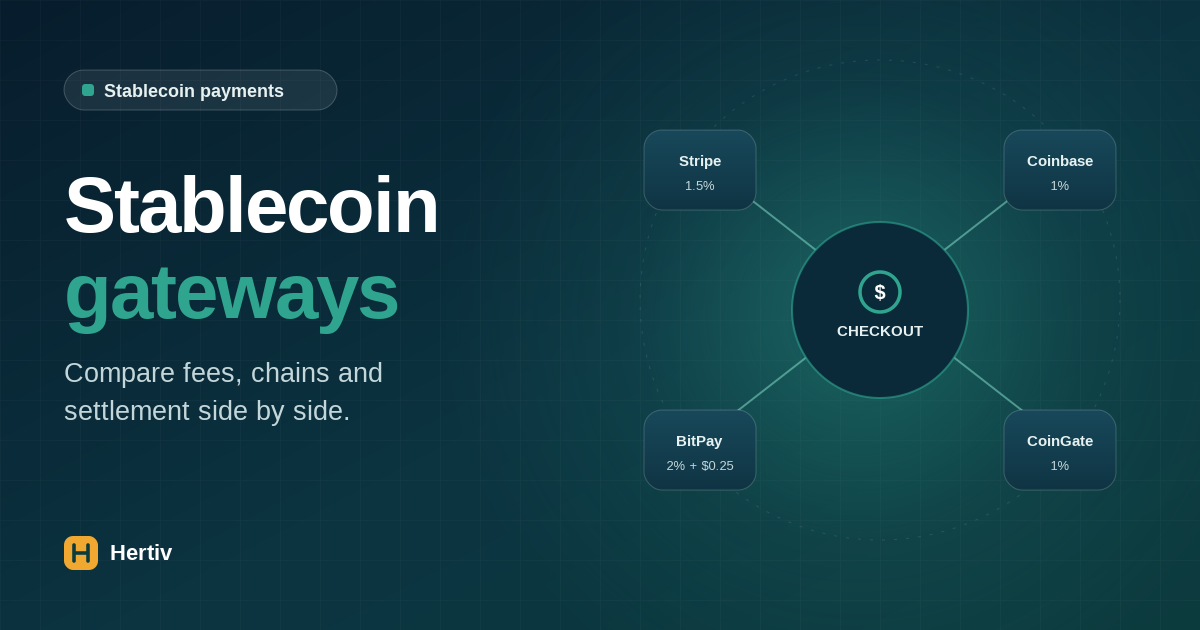
The best stablecoin payment gateway for a startup depends on fee, chains, settlement and onboarding. Here are eight that accept USDT and USDC, compared side by side.
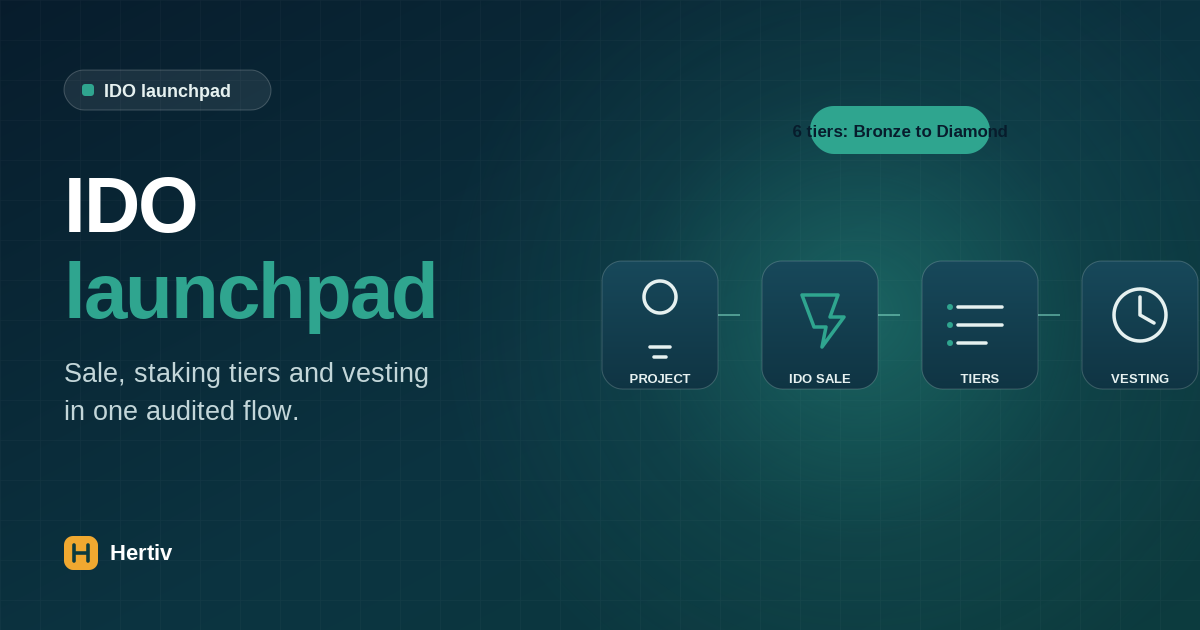
A BSCPad-style IDO launchpad is a set of smart contracts for token sales, staking tiers and vesting, plus a vetted project pipeline. Here is the build, step by step.
A Cardano IDO launchpad sells new tokens with eUTXO validators and batchers, not an Ethereum-style sale contract. Here is how the parts fit together.
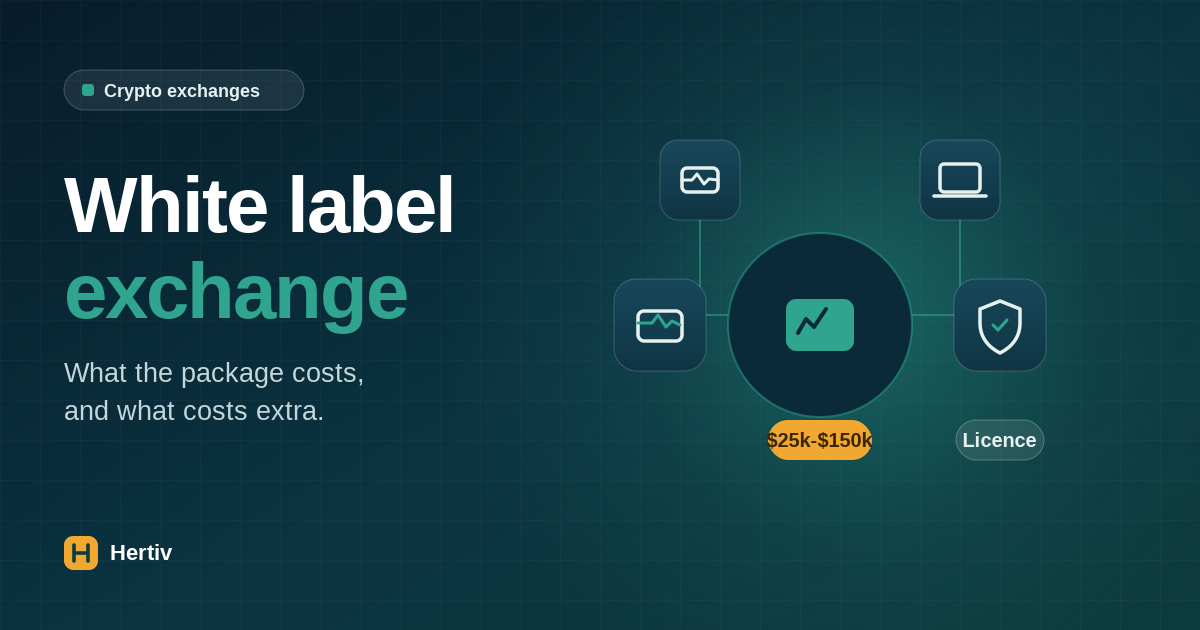
A white label crypto exchange usually costs $25,000 to $150,000 to launch, with licence, audit and running costs on top. Here is what each part costs.
Chainalysis, TRM Labs, Elliptic, Nansen, Arkham, Dune, Glassnode and CryptoQuant turn raw chain data into answers. This comparison shows what each one does best.
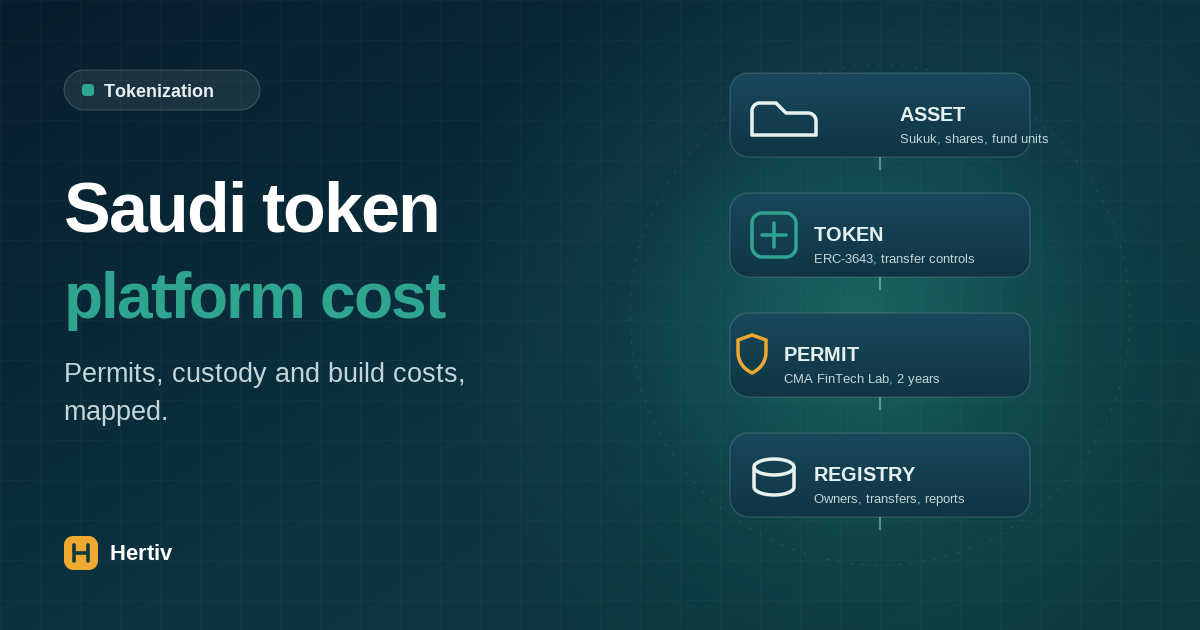
Building a tokenization platform in Saudi Arabia adds regulatory, localisation and custody costs to the usual build. Here is what drives the price.
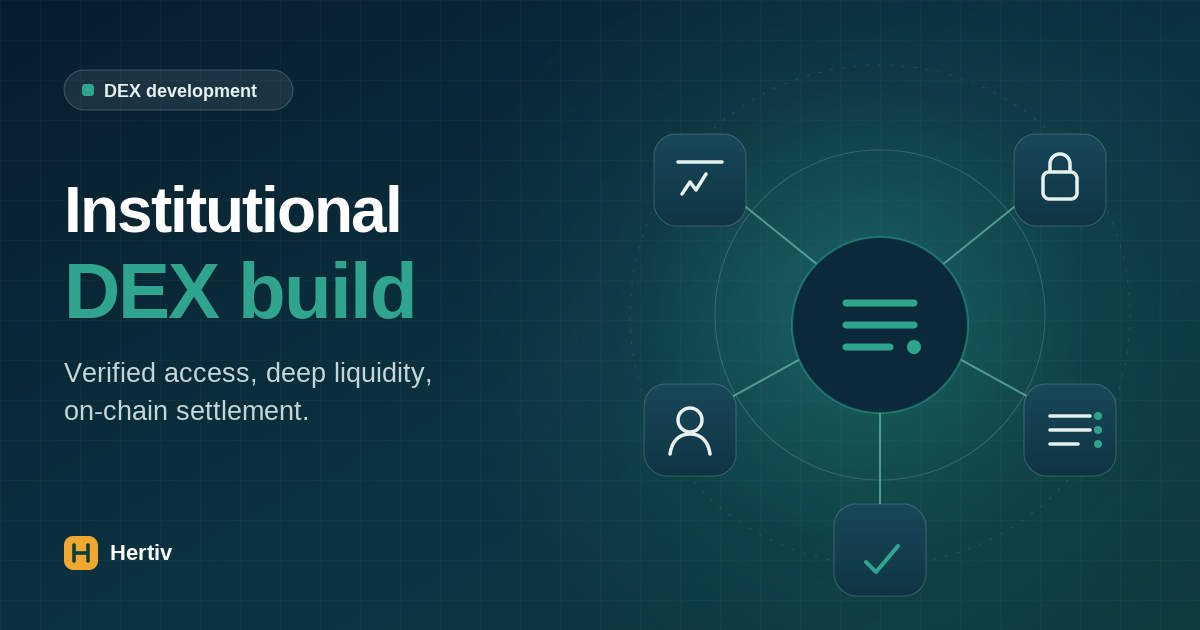
An institutional-grade DEX adds compliance, custody, deep liquidity and audited contracts to a decentralised exchange. Here is how it differs from a retail DEX.
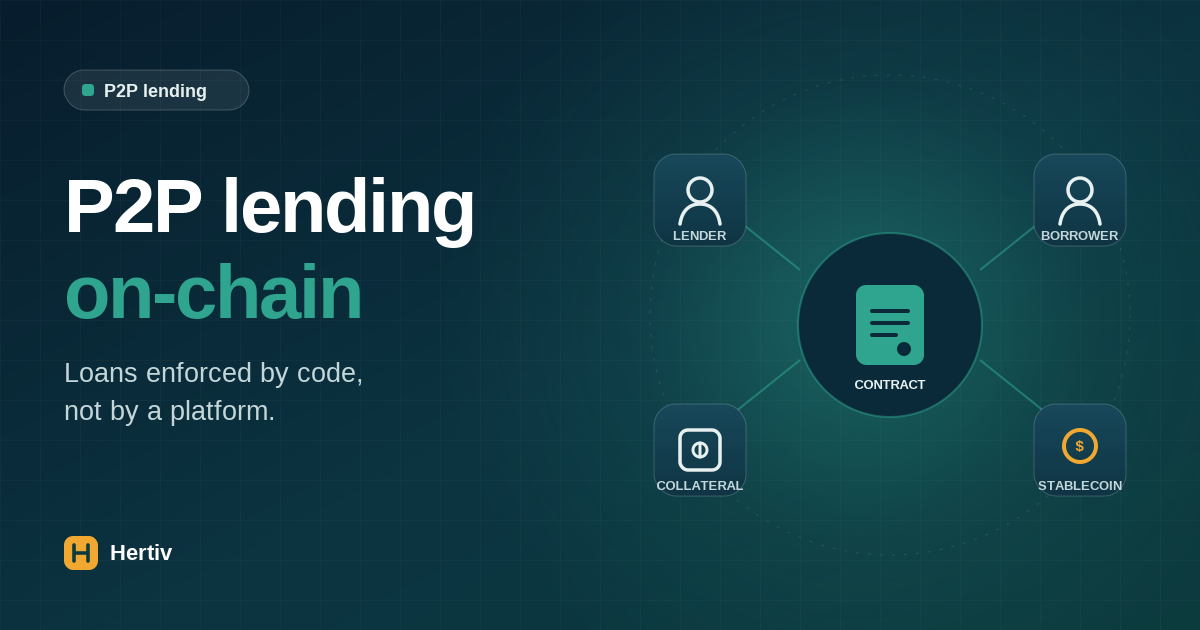
Blockchain is changing peer-to-peer lending by putting loan terms, collateral and repayments into smart contracts. Here is how it works, what it fixes and the risks.
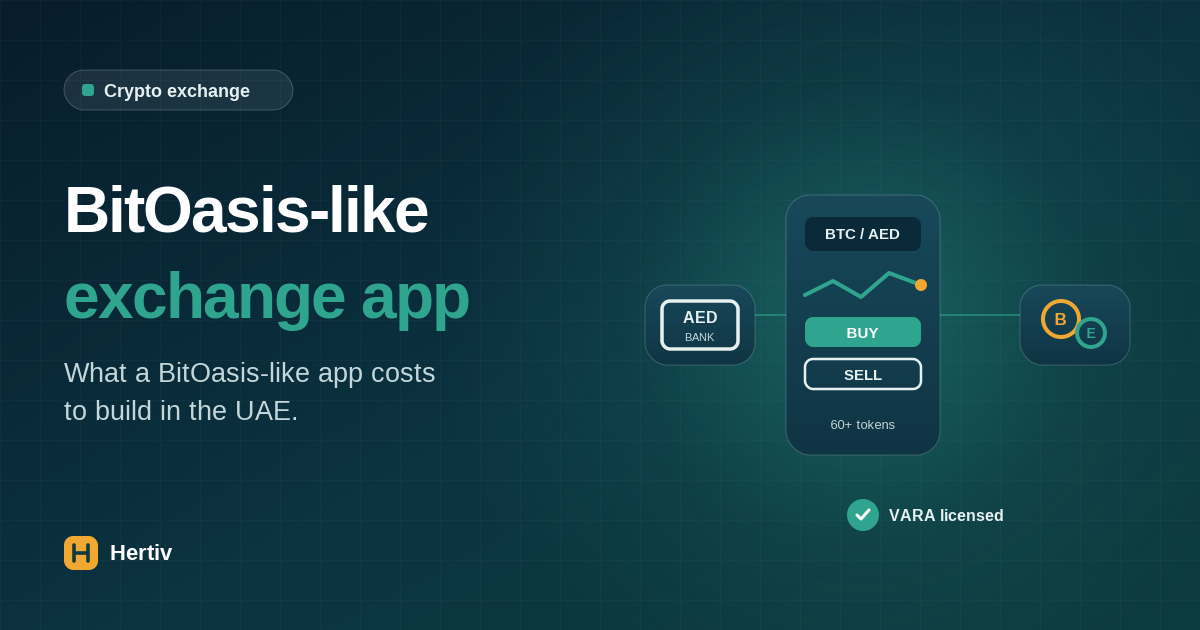
Building a crypto exchange app like BitOasis in the UAE typically costs $150,000 to $400,000 for the software, with licence and compliance adding more in year one.
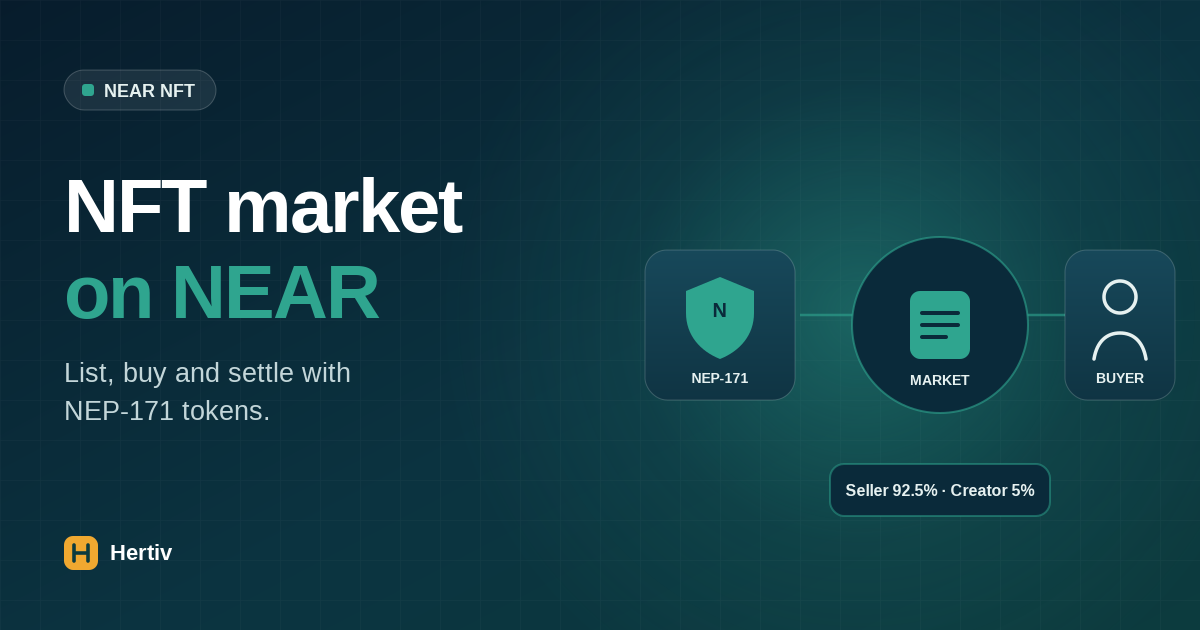
An NFT marketplace on NEAR needs a token contract following the NEP-171 standard, a marketplace contract for sales, and a frontend. Here is the build, step by step.
A wallet app like Payit costs roughly $15,000 to $400,000-plus to build, depending on scope. Here is what drives the price.
A digital crypto bank holds fiat and crypto in one licensed account. Here is the model, the licence, the stack and the launch order.
No posts on this page match. Use site search (Ctrl K) to search every post.
A senior engineer reads every request and replies within one business day with questions, a rough range, or a call link.