Blockchain
Publishing Tokenization Platforms: How Books and Rights Become Tokens
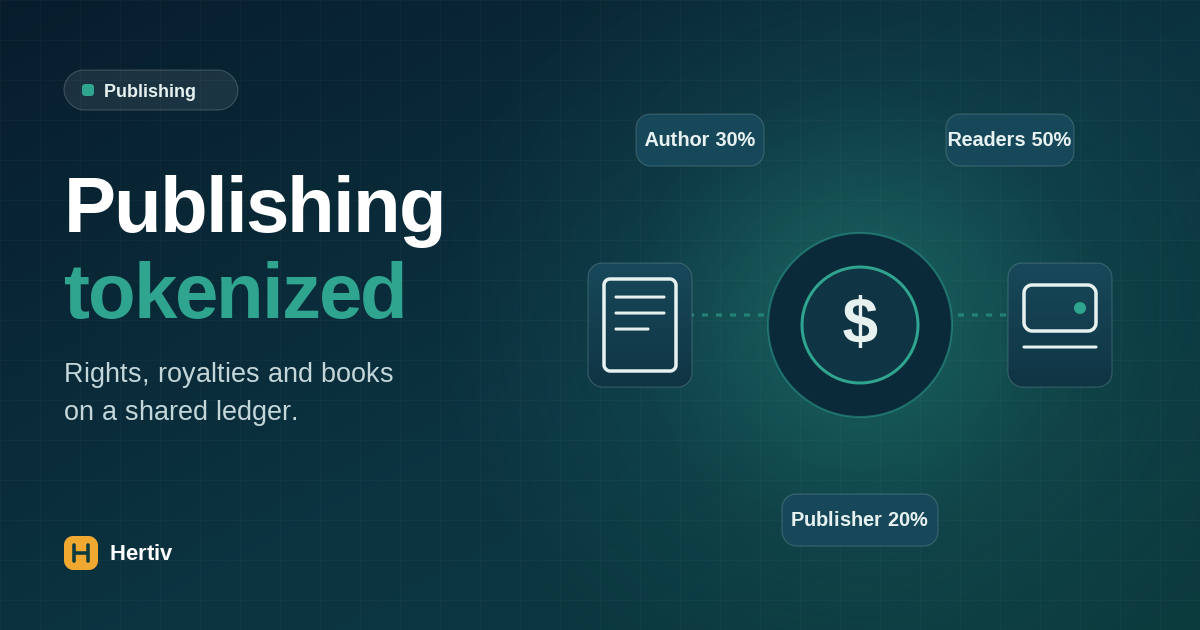
A publishing tokenization platform turns books, rights and royalties into digital tokens that can be owned, licensed and traded. Here is how it works.
Practical guides on tokenization, stablecoin payments, wallets and smart contracts.
1663 posts · page 31 of 70
A publishing tokenization platform turns books, rights and royalties into digital tokens that can be owned, licensed and traded. Here is how it works.
A hack-resistant wallet is built, not bolted on: threat model first, keys in hardware or MPC, signing behind approval gates, then audit before launch.
Sui's object model and sub-second finality make it a strong base for a fast exchange. Here is the stack, the design choices and the build steps.
Quantum computers threaten the signatures that protect blockchain funds, but they also bring tools for securing networks. Here is what changes and what to watch.
Web3 gives supply chains shared records, tokenised documents and smart-contract payments. Here is how the pieces fit and where they pay off.
The best enterprise blockchain platform depends on privacy, cost and control. This comparison covers eight platforms, from Fabric to Aptos, with their trade-offs.
A humanitarian DAO pools donations on a blockchain and lets members vote on spending. This guide covers the mission, voting rules, treasury and legal setup.
A liquid staking platform lets users stake tokens and keep a tradable receipt token. Here is how it works, what to build, and the mistakes that sink new platforms.
Quantum computers could one day break the signatures that protect blockchain funds. Here is what quantum resistance means and how to prepare a project for it.
An Axie-style web3 game costs more than a normal mobile game because of the creature NFTs, breeding, marketplace and dual-token economy. Here is the breakdown.
Hyperledger Fabric has a tool for every stage: building chaincode, connecting clients, managing identities and testing performance. Here are the eight that matter.
A metaverse dApp in Unity pairs a 3D world with wallet login, NFT ownership and on-chain logic. Here is the stack, the build steps and the traps.
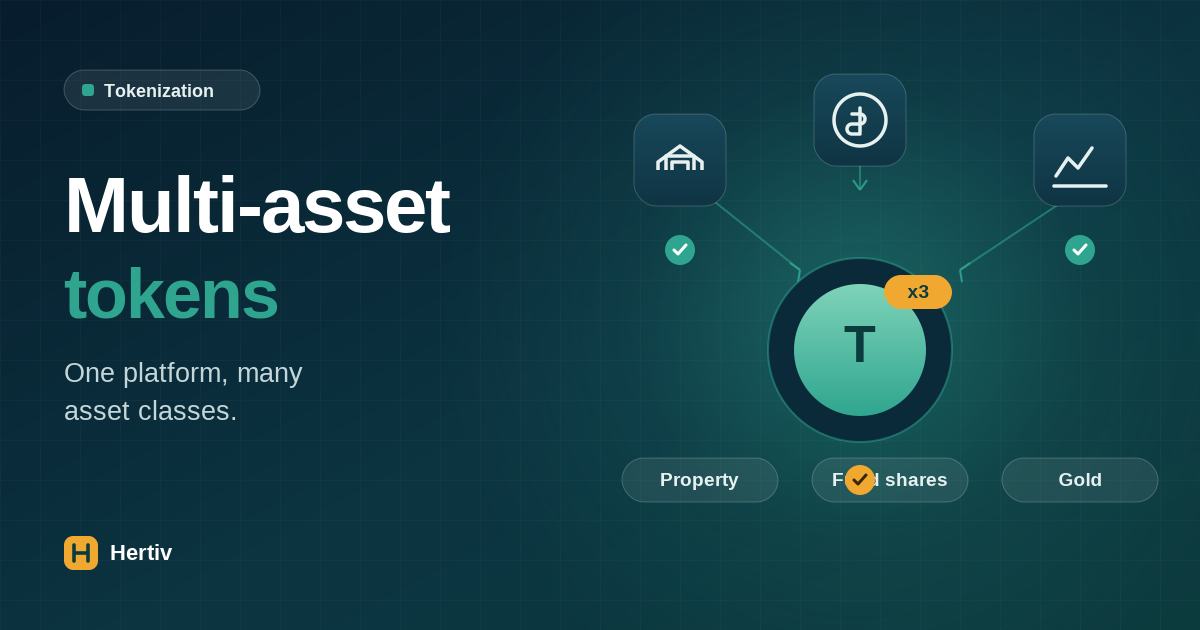
A multi-asset tokenization platform turns several asset classes into tokens on one system, with a shared compliance engine and separate rules per asset.
Before hiring a blockchain consultant, ask for proof of shipped work, how they would design your system, what security review they include and who owns the code.
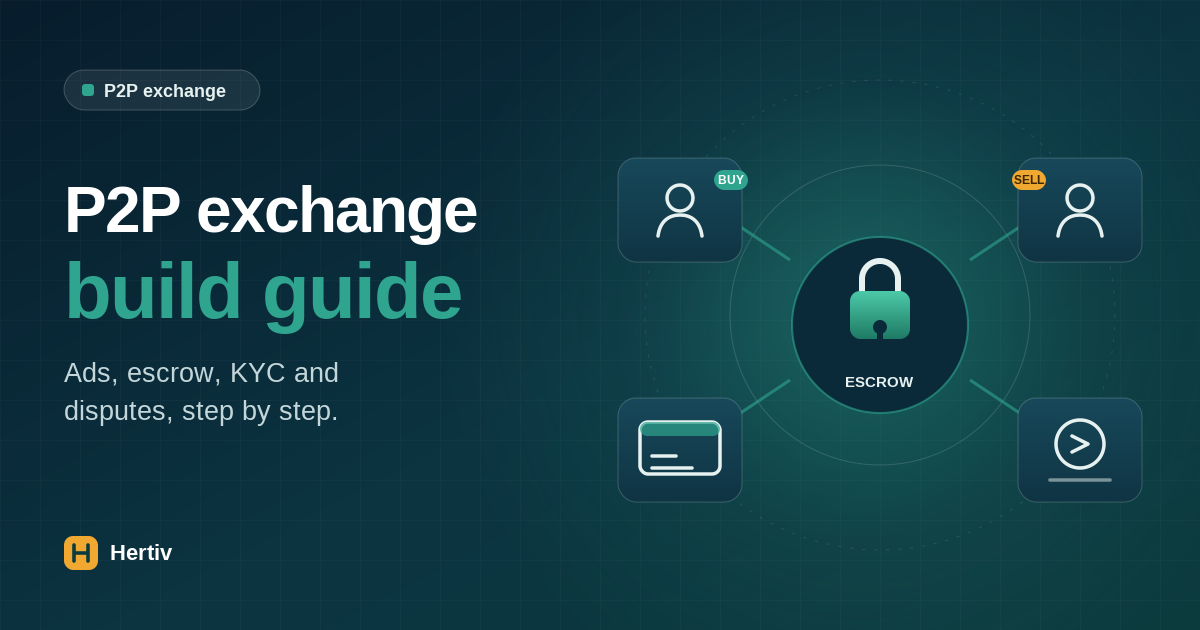
A P2P crypto exchange like Bybit connects buyers and sellers and holds crypto in escrow while fiat settles off-platform. Here is the build plan.
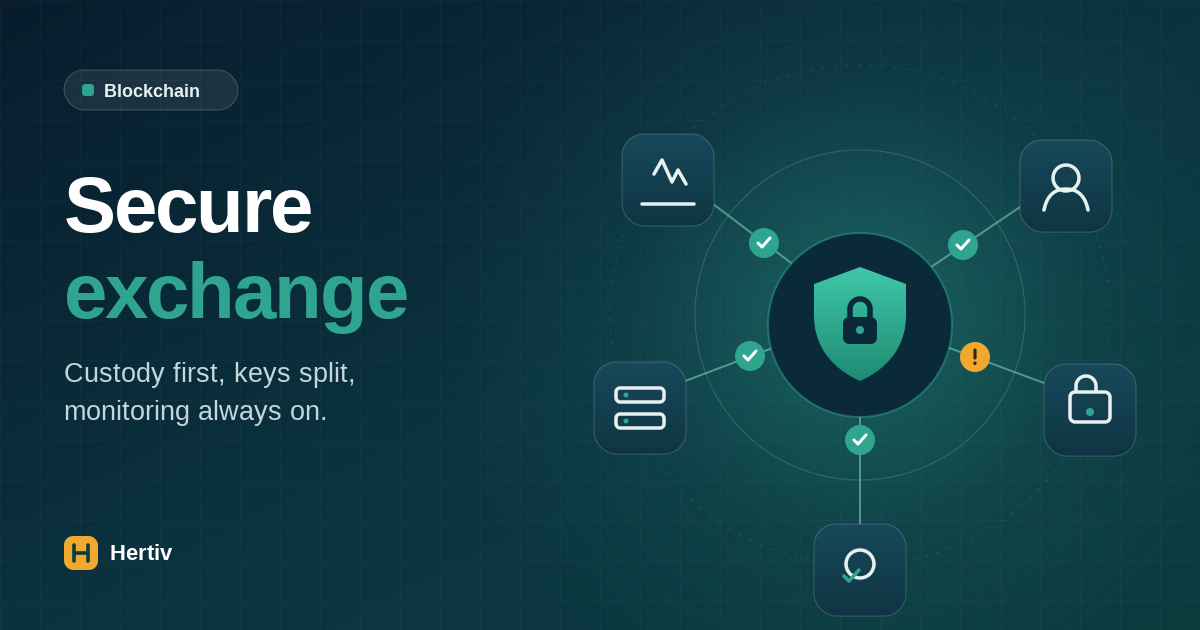
A secure crypto exchange is built from custody, key management, access controls and monitoring, not added after launch. Here is the build order that works.
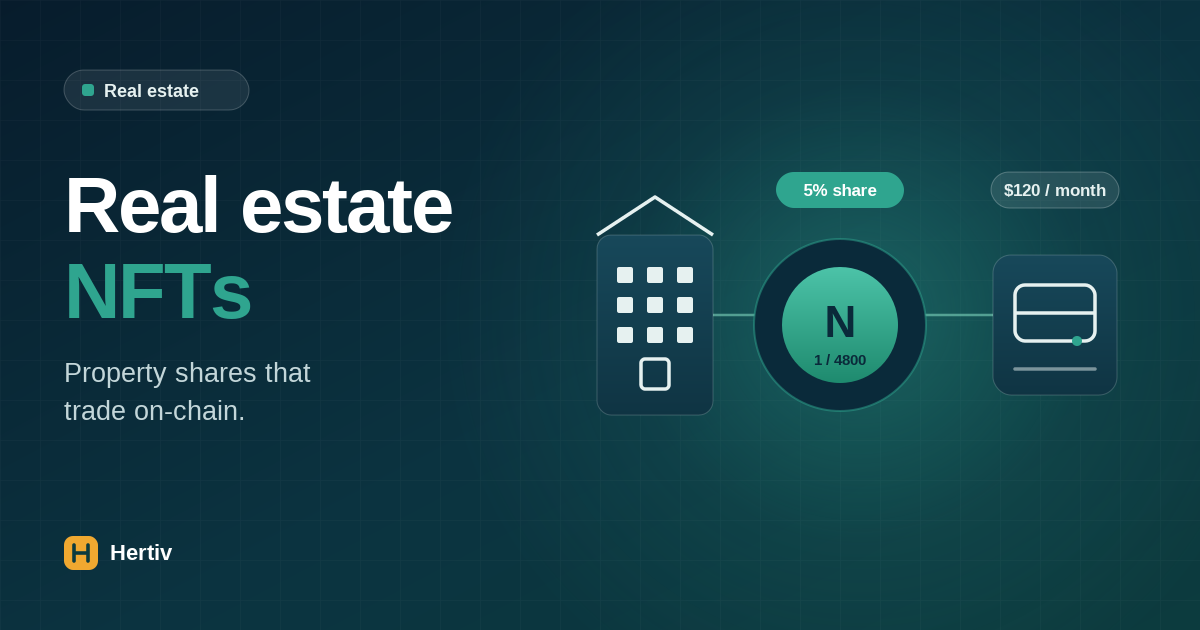
A real estate NFT marketplace lists property tokens for sale, from whole buildings to small fractional shares. Here is how trading works and what to check first.
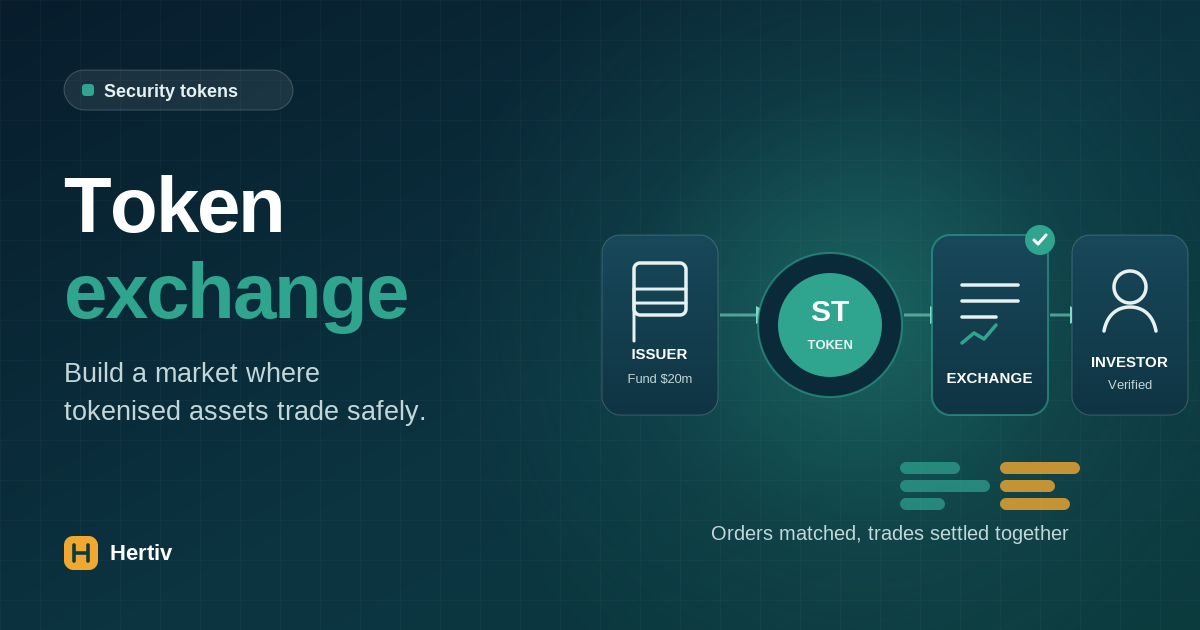
A security token exchange lets regulated investors trade tokenised shares, funds and bonds. Here is what the platform needs, which rules apply and how to build it.
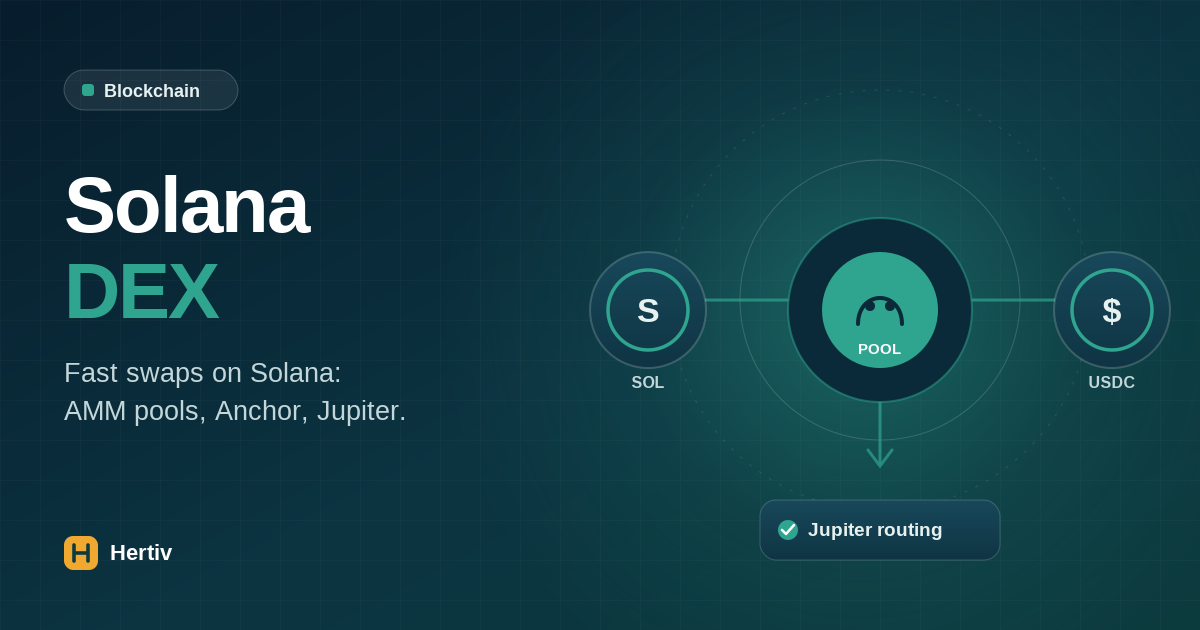
A Solana DEX swaps tokens on-chain from user wallets, with fast settlement and low fees. Here is the stack, the build steps and the liquidity plan.
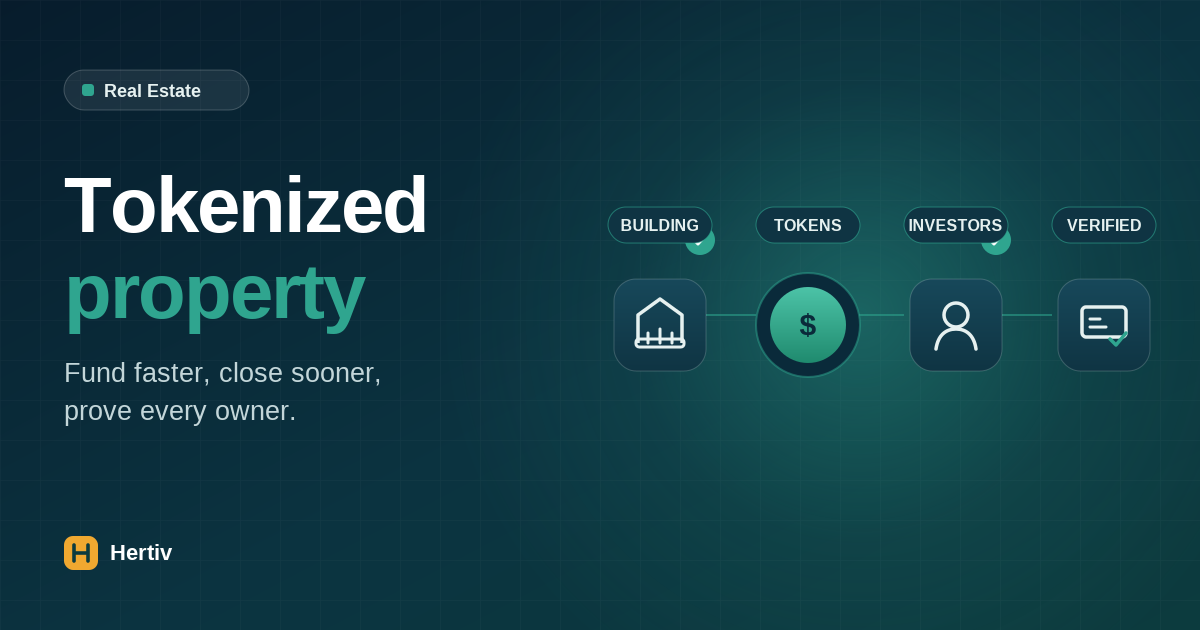
Blockchain helps real estate startups raise funds, close deals faster and prove ownership. Here is where it pays, and where it is still more hype than help.
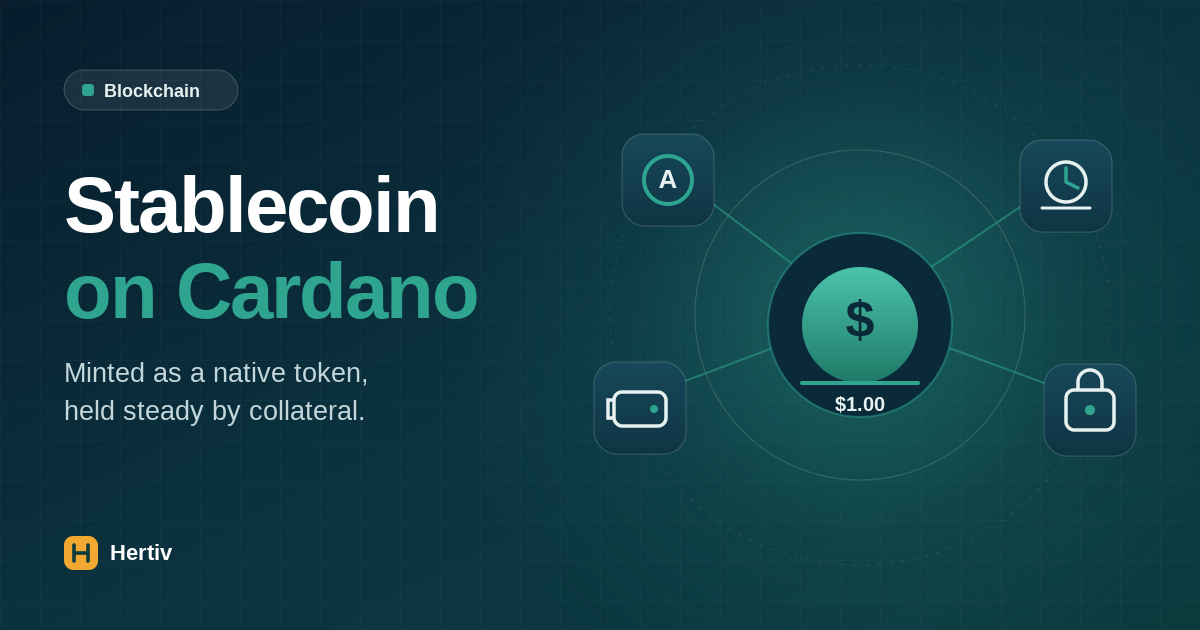
A Cardano stablecoin is a native token held at one dollar by reserves or collateral in Plutus contracts. Here is how the models differ and the steps to build one.
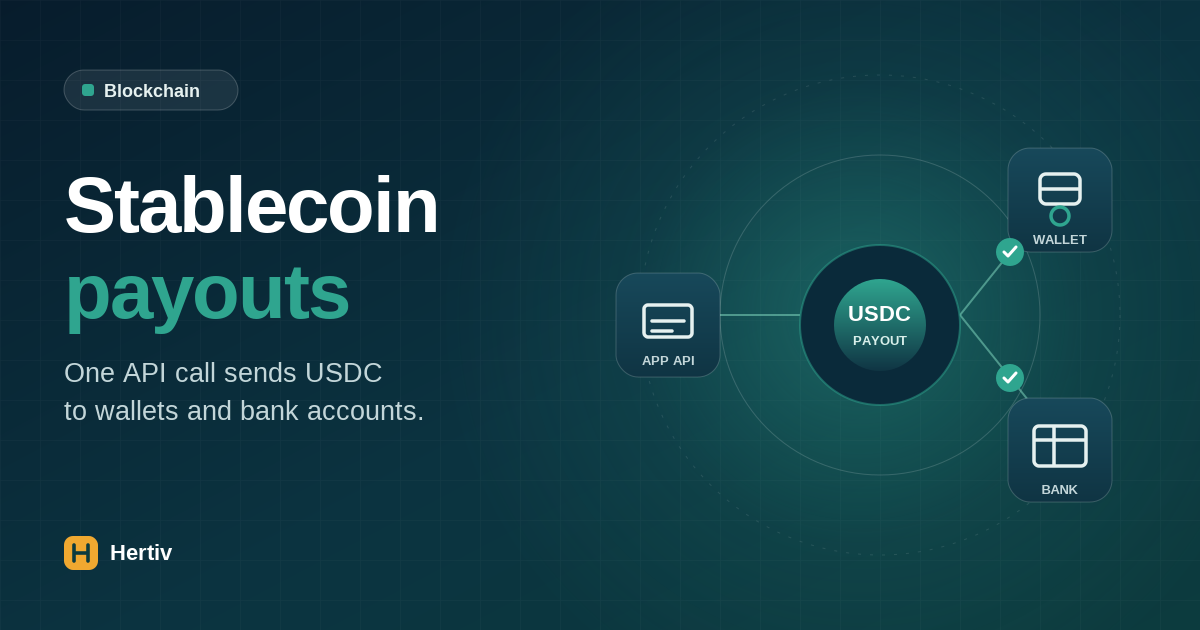
A stablecoin payout API platform lets apps send USDC or USDT to wallets and bank accounts through one integration. Here is how the pieces fit.
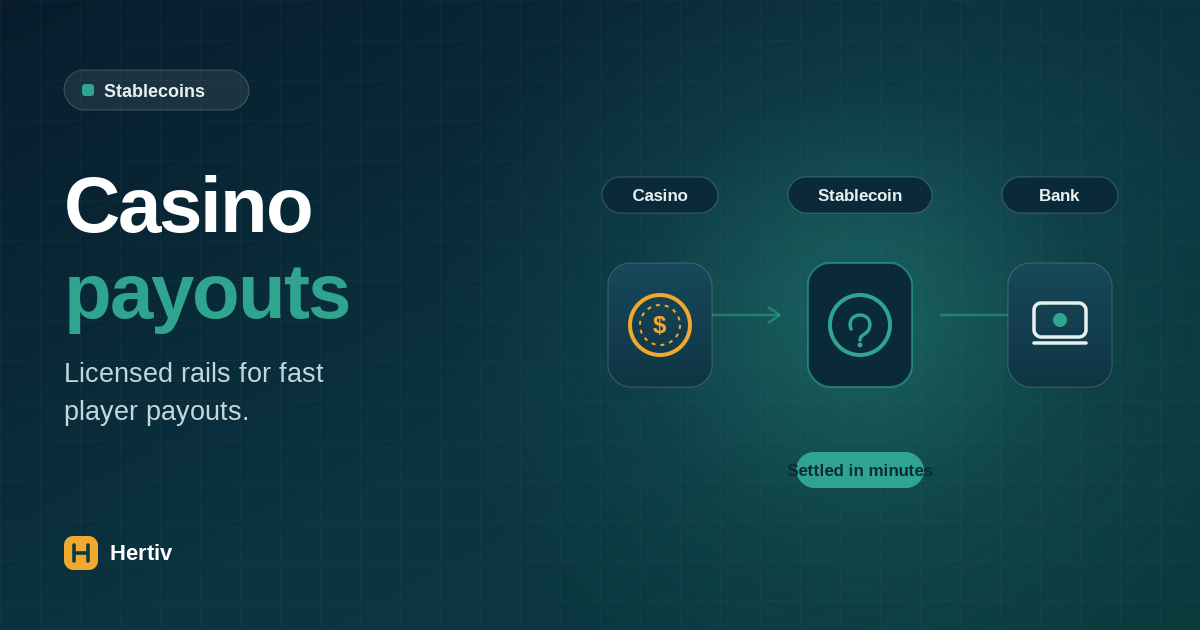
A stablecoin remittance platform moves casino payouts in minutes, but it needs licensed rails, identity checks and a clear settlement model. How to build one.
An asset tokenization platform turns real assets into tradeable tokens. Here is how to build one that holds up legally, technically and commercially.
No posts on this page match. Use site search (Ctrl K) to search every post.
A senior engineer reads every request and replies within one business day with questions, a rough range, or a call link.