Blockchain
Perpetual DEX in Crypto: How It Works
A perpetual DEX lets traders open margin positions on prices with no expiry, using funding rates to track the spot price. How it works, and what can go wrong.
Practical guides on tokenization, stablecoin payments, wallets and smart contracts.
1663 posts · page 29 of 70
A perpetual DEX lets traders open margin positions on prices with no expiry, using funding rates to track the spot price. How it works, and what can go wrong.
Smart contracts in sales automate escrow, payment release, licensing and revenue splits, so deals close without checks. Here is where they fit and where they fail.
Aptos dApps pair Move smart contracts with a wallet-connected frontend. Here is the stack, the seven build steps and how to test on devnet first.
A P2P crypto lending exchange matches borrowers and lenders directly and earns fees on every loan. Here is the business case, the costs and the risks.
Polkadot 1.0 is the release that completed the original Polkadot whitepaper. Here is what it delivered, how the network works, and what came after.
Stablecoins are finding real work in logistics: cross-border freight payments, driver payouts and customs deposits. Here are eight use cases that hold up.
A white label crypto exchange lets you launch trading under your own brand without building the engine, wallets and compliance tools. Here is when it pays.
A Polkadot dApp runs on a Substrate chain or an ink! contract, with a wallet and a frontend on top. This guide walks through the stack and the seven build steps.
DeFi staking platforms differ in custody, fees and lock-up. Here are eight compared, and how to pick one that fits your risk appetite.
Tokenization turns bills of lading, invoices and containers into digital tokens partners can check and trade. Here are eight use cases and where each one fits.
A staking platform lets users earn yield by locking tokens while you earn fees on the flow. Here is why teams build one and what it takes.
Polygon Edge is a framework for launching your own Ethereum-compatible blockchain. Here is how it works and when a dedicated chain makes sense.
Tezos dApps run on a proof-of-stake chain with low fees and on-chain upgrades. Here is the stack, the seven build steps, and how to test on Ghostnet.
Centralized exchanges still handle most crypto trading, and their fees create several income streams. Here is the case, the costs and the risks.
Stablecoins let a business accept payment in minutes and settle across borders without a bank in the middle. Here is how they work, what they cost, and the risks.
Build a dApp on NEAR with Rust contracts, a JavaScript frontend and a NEAR wallet. Follow the seven steps from setup to testnet launch.
SRC-20 tokens are fungible tokens on Bitcoin, built on the Bitcoin Stamps protocol. Here is how deploy, mint and transfer work, and what building one involves.
NFTs on Polygon work like NFTs anywhere else, but transactions cost a fraction of a cent and confirm in seconds. Here is how to buy, mint and hold one safely.
Web3 tools are already tracking shipments, paying freight and proving origin in logistics. Here are eight use cases, what each one does, and where each one fits.
A Solana dApp pairs an on-chain program with a web app that connects a wallet and sends transactions. Here is the stack and the steps to build it.
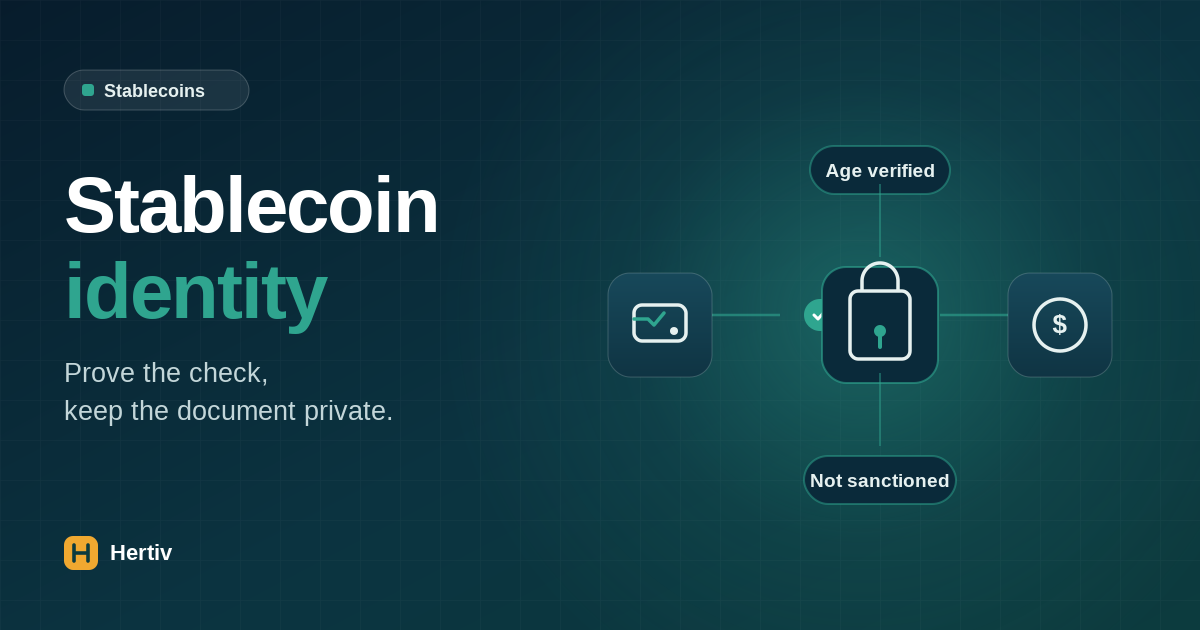
Stablecoin identity checks protect users, but holding passport copies creates risk. Decentralized identity proves the check passed without sharing the document.
A decentralized crypto wallet like MetaMask is built from key generation, local signing, a chain connection and a clear interface. Here is the build, step by step.
Starting an NFT marketplace business works when you have a clear audience, a revenue model and a way to earn trust. Here is the opportunity, the costs and the risks.
Polygon is a network beside Ethereum where fees are low and confirmations are fast. This quickstart covers the wallet, the POL token and your first transaction.
No posts on this page match. Use site search (Ctrl K) to search every post.
A senior engineer reads every request and replies within one business day with questions, a rough range, or a call link.