Blockchain
How to Become a Blockchain Developer: Skills and Steps
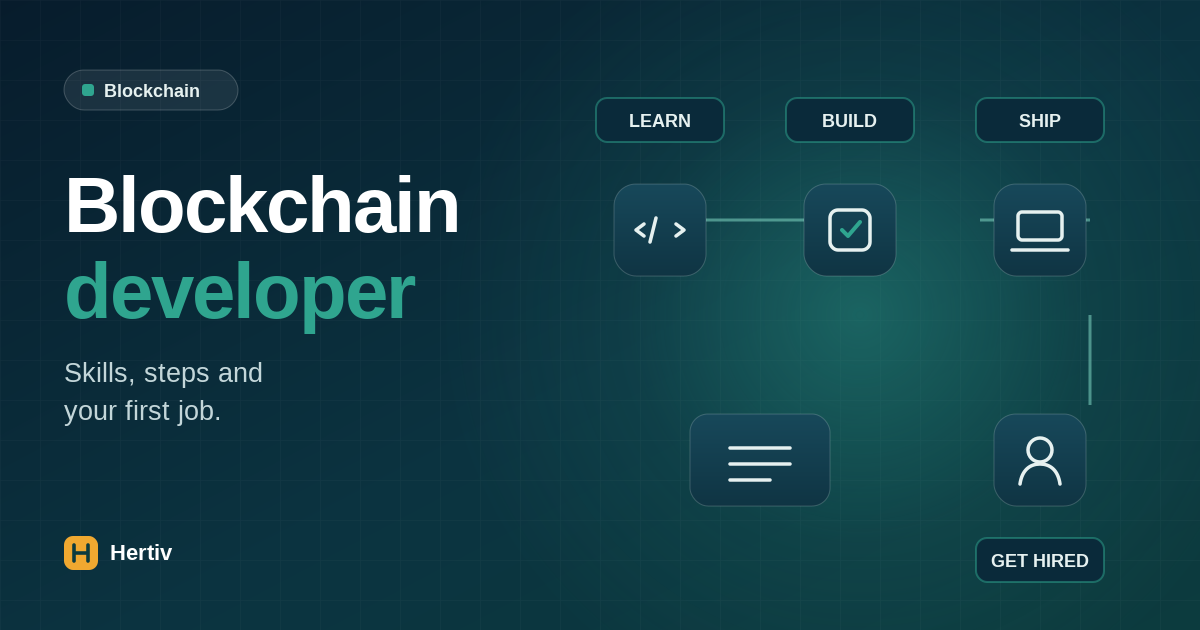
Learn how to become a blockchain developer: the roles, the skills, which chain to learn first, a six-month plan, and how to land your first job.
Practical guides on tokenization, stablecoin payments, wallets and smart contracts.
1663 posts · page 27 of 70
Learn how to become a blockchain developer: the roles, the skills, which chain to learn first, a six-month plan, and how to land your first job.
Tokenized US Treasuries turn government debt into blockchain tokens that settle around the clock. Learn why investors want them, what a platform needs and the risks.
A smart contract developer writes and tests the code that runs on a blockchain. Here is the skill set, the learning order and the portfolio that gets you hired.
A white label crypto exchange can pay for itself, but only if trading volume covers the provider fee and running costs. Here is how to test the numbers first.
Olympus DAO runs OHM, a token backed by a treasury of assets instead of a dollar peg. Here is how bonding, staking and governance fit together.
Top-earning NFT artists combine a recognisable style, a steady release plan and a community that buys. How the money works, and the steps that build it.
A blockchain KYC solution lets a business verify a customer once and reuse that proof across services. Here is how it works, who uses it, and what it costs.
Security tokens often trade rarely because buyers are few and rules limit who can buy. Here are the routes that add real trading activity, and how to choose one.
Blockchain is moving from bank pilots to live settlement, tokenized deposits and shared KYC in BFSI. Here is what changed, where it works, and what still blocks it.
An oracle implementation service connects your smart contracts to off-chain data safely. Here is what it covers, what it costs, and when to hire one.
The best blockchain security software covers code review, live monitoring and incident response. Here are eight tools worth comparing before you pick one.
A bitcoin yield ETP holds bitcoin, earns extra bitcoin through DeFi lending, and lists on a stock exchange. How Fineqia's YBTC works, and what building one takes.
Web3 wallets put users in control of their keys and connect them to apps and DeFi. Here is why crypto is shifting from exchange accounts to self-custody wallets.
Flash loan arbitrage on Polygon works because fees are tiny, blocks confirm in about two seconds, and lending pools are deep enough for useful trades.
Tokenized assets need live prices, valuations and reserve checks from the outside world. Here is how oracles bring that data on-chain and what can go wrong.
A blockchain proof of concept tests one real workflow on a small scale before you commit to a full build. Here is how to scope, build and judge it in weeks.
Liquidity decides whether a trade fills at the price you see. Thin order books mean wider spreads and more slippage, so exchanges work hard to attract it.
Rust fits blockchain work because it gives you low-level speed with memory safety built in. Here is the architecture, the build steps and the traps to avoid.
Solana combines very low transaction fees with fast confirmation, so an IDO can serve thousands of buyers without the fee spikes that price small buyers out.
Day traders need fast execution, deep order books and low fees. These eight crypto platforms are compared on the features that matter for same-day trading.
An RWA exchange lets licensed investors trade tokenised real-world assets within the rules. Here is the stack, the licences and the build order.
SRC-20 tokens put fungible tokens on Bitcoin through the Stamps protocol. Here is why a team would choose that path, what it costs, and where it falls short.
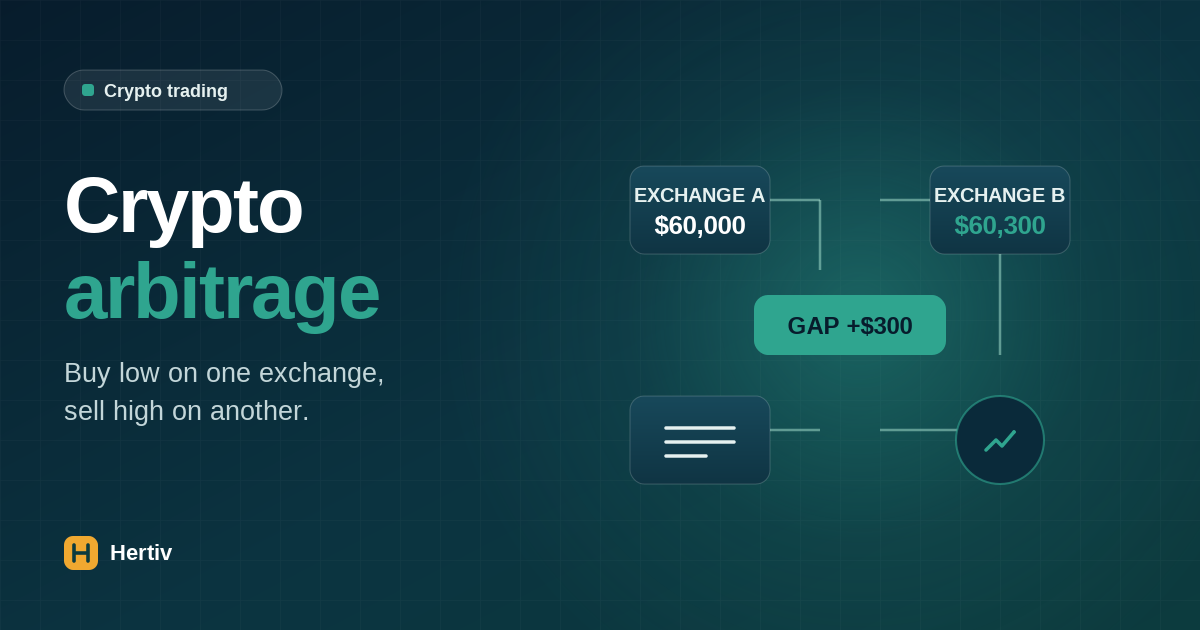
A crypto arbitrage bot buys a coin cheap on one exchange and sells it higher on another. This guide covers the strategies, the parts you need, and the build steps.
RWA tokenization moves from pilots to live products in 2026: clearer rules, live funds and fast settlement turn platforms from experiments into infrastructure.
No posts on this page match. Use site search (Ctrl K) to search every post.
A senior engineer reads every request and replies within one business day with questions, a rough range, or a call link.