Blockchain
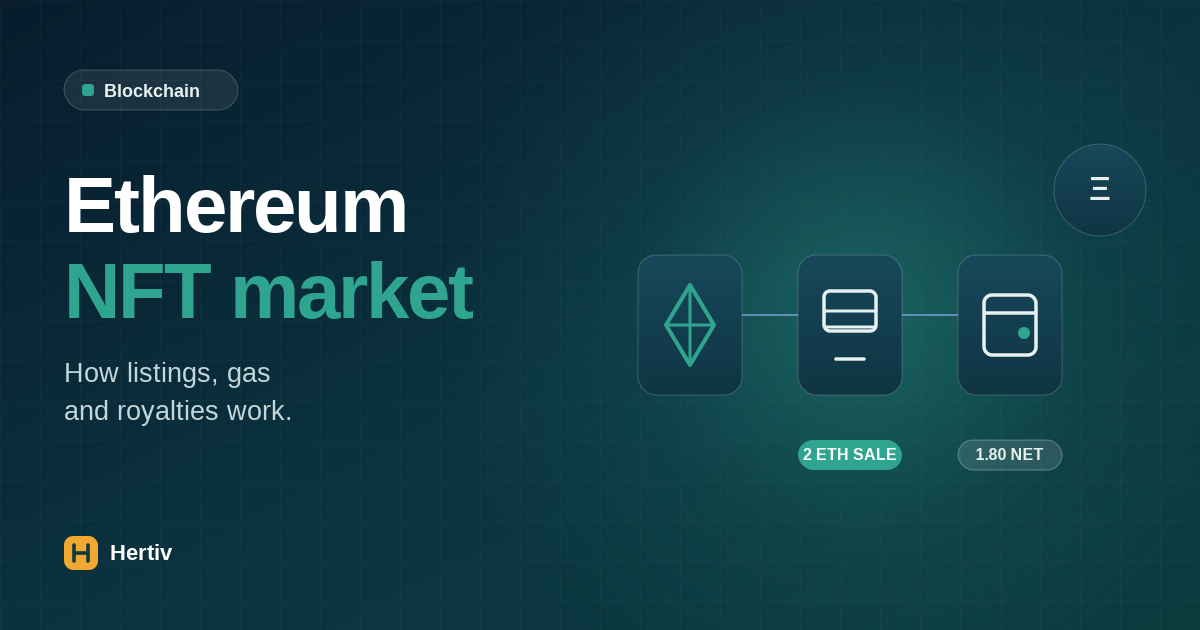
NFT Marketplaces on Ethereum: How They Work
An NFT marketplace on Ethereum is a smart-contract app where people buy and sell ERC-721 and ERC-1155 tokens. Learn how listings, gas and royalties work.
Practical guides on tokenization, stablecoin payments, wallets and smart contracts.
1663 posts · page 25 of 70
An NFT marketplace on Ethereum is a smart-contract app where people buy and sell ERC-721 and ERC-1155 tokens. Learn how listings, gas and royalties work.
Proof of reserves costs an exchange or custodian for audits, Merkle-tree tooling and regular attestations. Learn what drives the bill and how to budget for it.
A meme coin exchange needs deep liquidity, fast listings and honest token checks to earn trader trust. This guide covers the model, the build steps and the costs.
Enterprises are moving cross-border payments to stablecoins for faster settlement and lower fees. Here is what drives adoption, what it costs, and the risks.
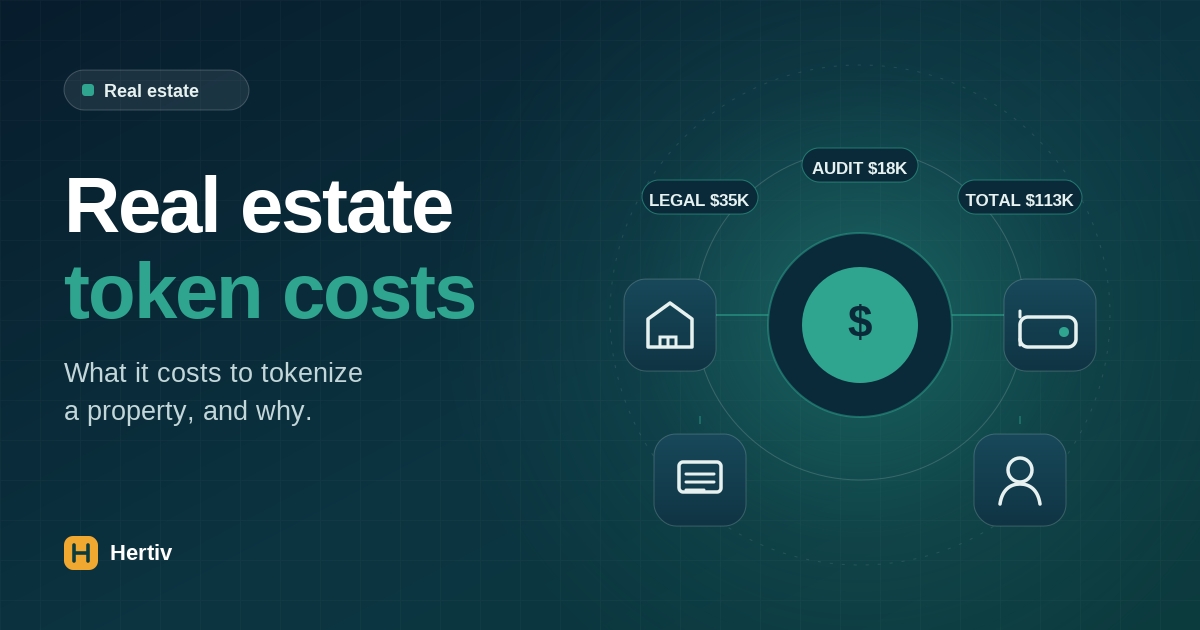
Tokenizing a property means paying for legal work, valuation, a holding company, smart contracts and an audit, plus platform fees and ongoing compliance.
Creating a meme coin on Sui means writing a Move module, minting a fixed supply and adding liquidity so people can trade it. Here are the steps, costs and risks.
Enterprises are looking past crypto payments to tokenization, supply chain records and digital identity. Here is what they are building and where it falls short.
NFT music turns a song or album into a collectible token fans can own and trade. Learn how it works, how artists earn, and what to check before buying.
White label crypto neobank companies sell ready-made banking software you brand as your own. Compare eight vendors on what the licence covers, pricing and support.
An NFT gaming platform on Solana lets games share wallets, items and a marketplace on one fast chain. Here is what to build, and in which order.
Enterprises pick Rust for smart contracts because the compiler catches memory bugs before they ship. Here is where it fits, what it costs, and when to skip it.
Stablecoins let retailers settle cross-border payments in minutes and skip card fees. Here is how they work in retail, what they cost, and when they pay off.
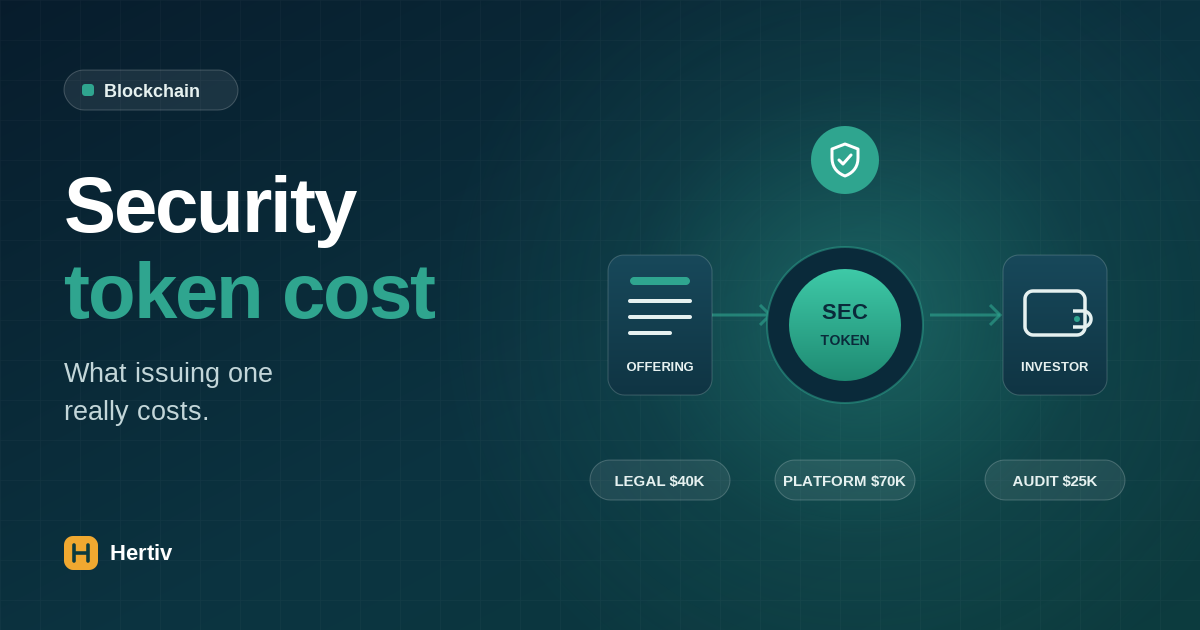
Issuing a security token costs roughly $75,000 to $340,000 for a small private placement. Here is what each part costs, what drives the price, and a worked example.
Ethereum hosts the largest share of dollar stablecoins, thanks to its token standard, liquidity and tooling. See why issuers start there and when another chain fits.
NFT provenance is the public record of where a token came from and who has held it. Learn how ownership is proved, what the record shows and where it falls short.
White label DEX providers sell ready-made exchange software you brand as your own. Compare eight providers on pricing model, chains and what the licence covers.
Create NFT art without coding by making the artwork in a design tool, then minting it on a no-code platform. No programming is needed, just good art and a plan.
A Zed Run-style NFT game needs genetic horse NFTs, trait-based races, capped breeding and a marketplace. Learn the model, the build steps and the costs.
A stablecoin platform without its own DeFi wallet hands the user experience, fees and trust to someone else. Here is why a native wallet belongs inside the platform.
An NFT smart contract is the code that creates, owns and moves a non-fungible token. Learn how it works, what standards it uses, and what to check before you buy.
Solana transaction fees are a fraction of a cent, but building and running a product costs far more. Here is what makes up the bill, from fees and rent to audits.
A sustainable NFT game lasts because its economy rewards play without inflating away and its chain uses little energy. Here is how to design one.
Tezos is a proof-of-stake blockchain that upgrades itself through on-chain voting, with a strong art community and an Ethereum-compatible layer 2.
Tokenization in retail turns products, loyalty points and payments into tokens. Here is how retailers use it, what it costs, and where it pays off.
No posts on this page match. Use site search (Ctrl K) to search every post.
A senior engineer reads every request and replies within one business day with questions, a rough range, or a call link.