Blockchain
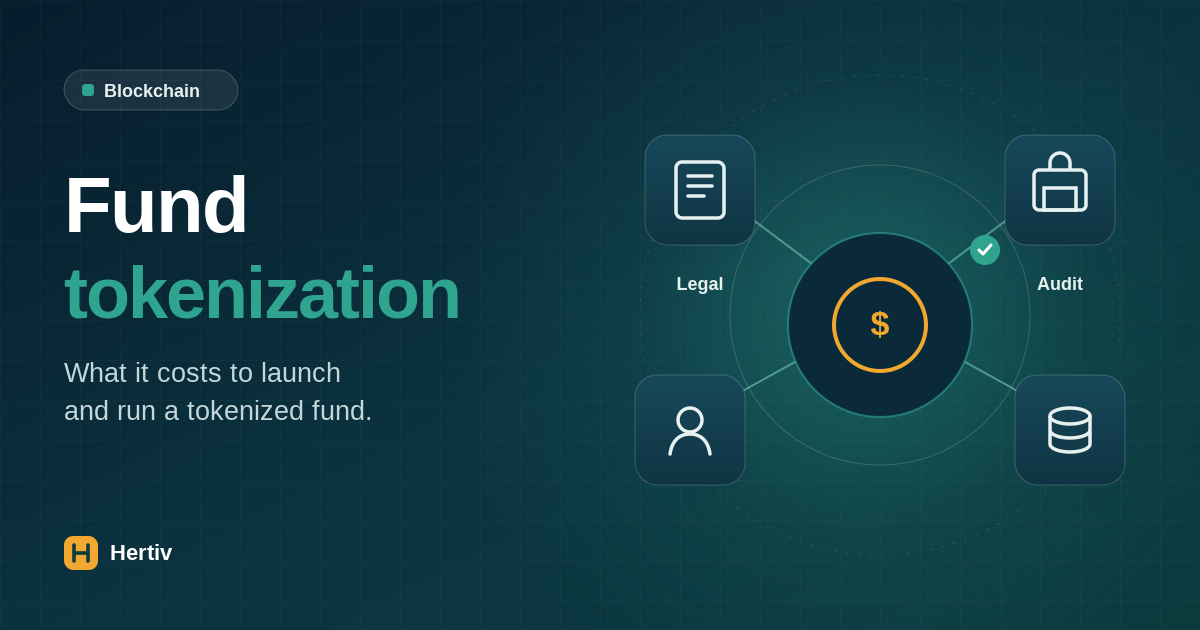
How Much Does Fund Tokenization Cost?
Tokenizing a fund means legal work, smart contracts, an audit, a platform and ongoing administration. Here is what each part costs and where the total lands.
Practical guides on tokenization, stablecoin payments, wallets and smart contracts.
1663 posts · page 24 of 70
Tokenizing a fund means legal work, smart contracts, an audit, a platform and ongoing administration. Here is what each part costs and where the total lands.
A hot wallet can cost almost nothing for personal use or thousands a year for a business. Here is what you pay for, what drives the cost, and how to keep it down.
A BSC DEX like PancakeSwap swaps BEP-20 tokens from user wallets on BNB Smart Chain. Here is why teams build one, how it earns money, and what it costs to launch.
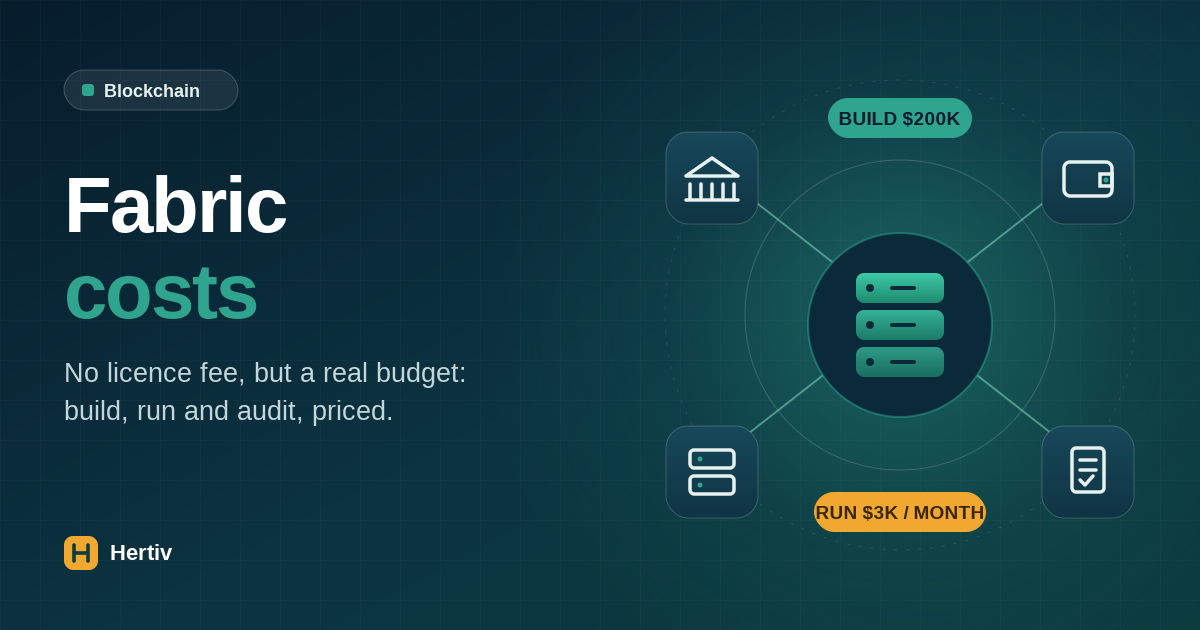
Hyperledger Fabric has no licence fee, but a permissioned network still costs money to build and run. Here is what drives the bill, with planning ranges.
A BSC token runs on BNB Smart Chain with low fees and fast blocks; an ERC-20 token runs on Ethereum with the largest ecosystem. Your users and budget decide.
Building on layer 2 costs far less per transaction than the main chain, but the budget still depends on the rollup type, the audit and the traffic you expect.
Exchanges launch their own blockchains to cut withdrawal fees, control onboarding and keep trading and apps inside their own network. Here is why.
A liquidity pool costs gas to create, capital to seed, and incentives to keep alive. Here is what each part costs and how to budget a launch.
Pixels pairs a free browser farming game with land NFTs and a token economy. Here is how to plan the same shape of game, from chain choice to launch.
Sui treats every game item as its own object and runs independent moves in parallel, so a game stays fast as players join. Here is what that means for your build.
An MPC wallet splits a private key into shares, so no single device holds the full key. Costs run from free for a personal app to tens of thousands a year.
Crypto derivatives volumes grew because traders use perpetual contracts and options to hedge, speculate and manage risk around the clock. Here is what drove it.
An NFT marketplace for music artists lets fans buy a song as a collectible, with artist royalties on resales. Compare fees and audience before you list.
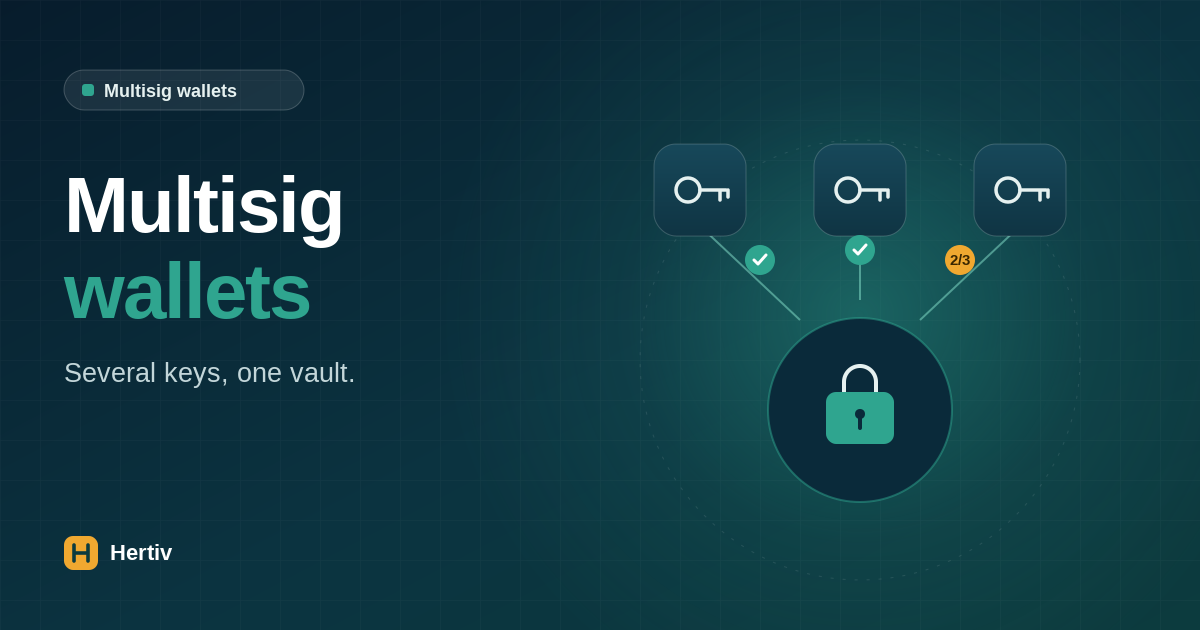
A multisig wallet costs little to set up but more to run safely. Here is what you pay for the wallet, the keys, the audit and the gas, and how to keep costs down.
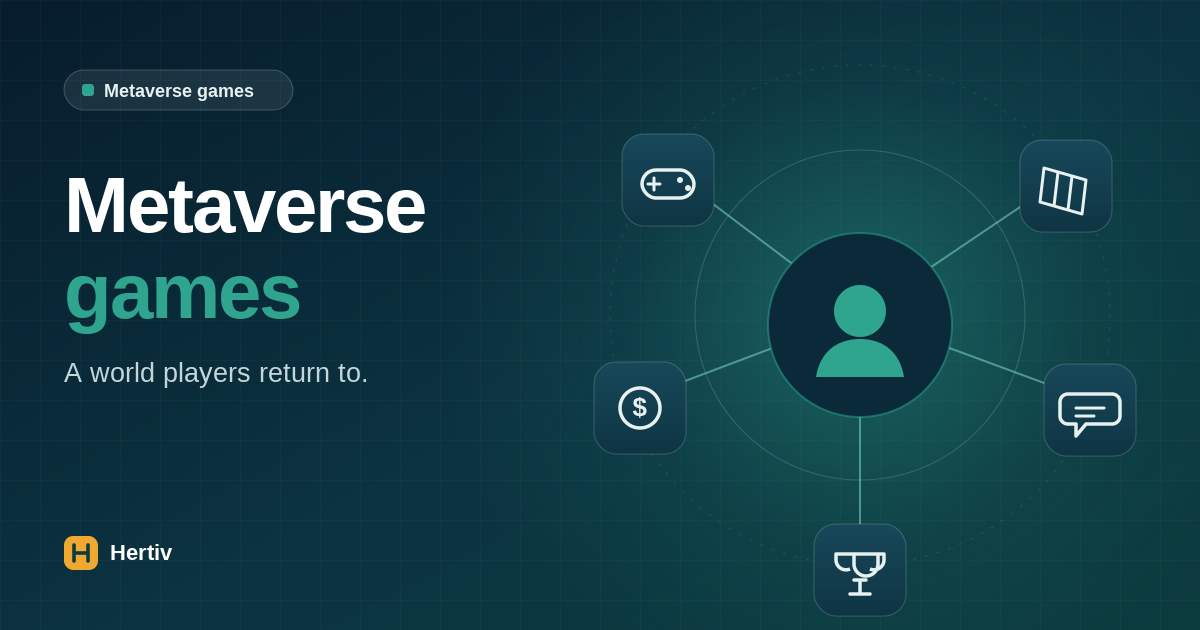
A metaverse game that attracts users needs a clear loop, a world worth visiting, and reasons to come back. Here is how to plan it and design for repeat visits.
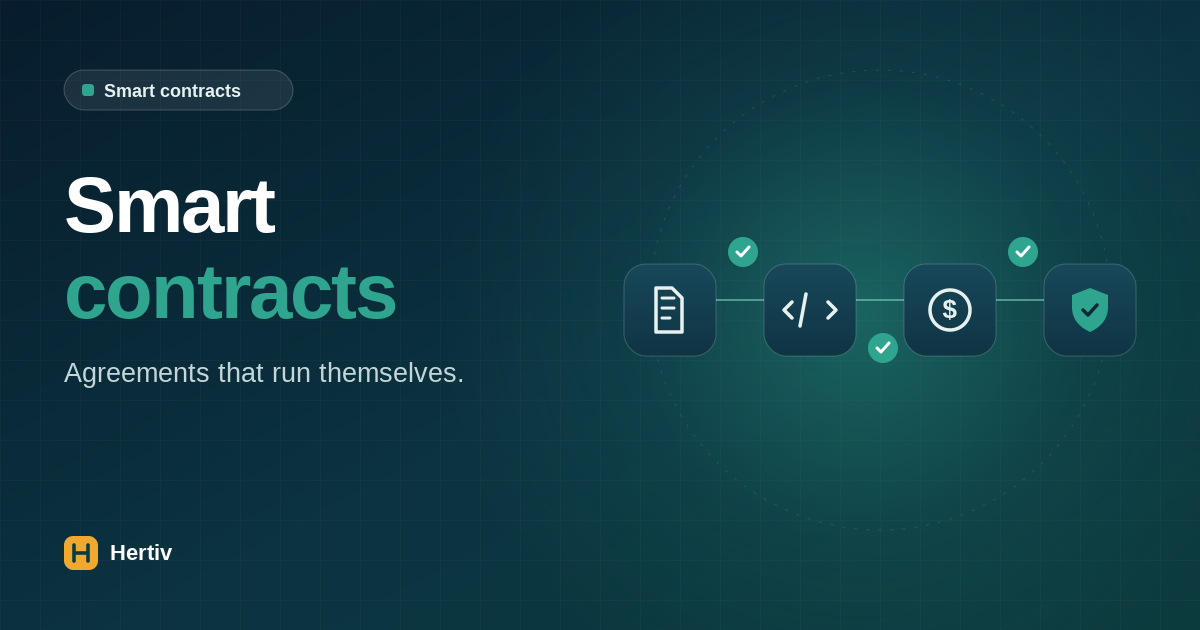
Businesses use smart contracts to automate agreements, cut out middlemen, and settle payments faster. Here is when it pays off and when a database is better.
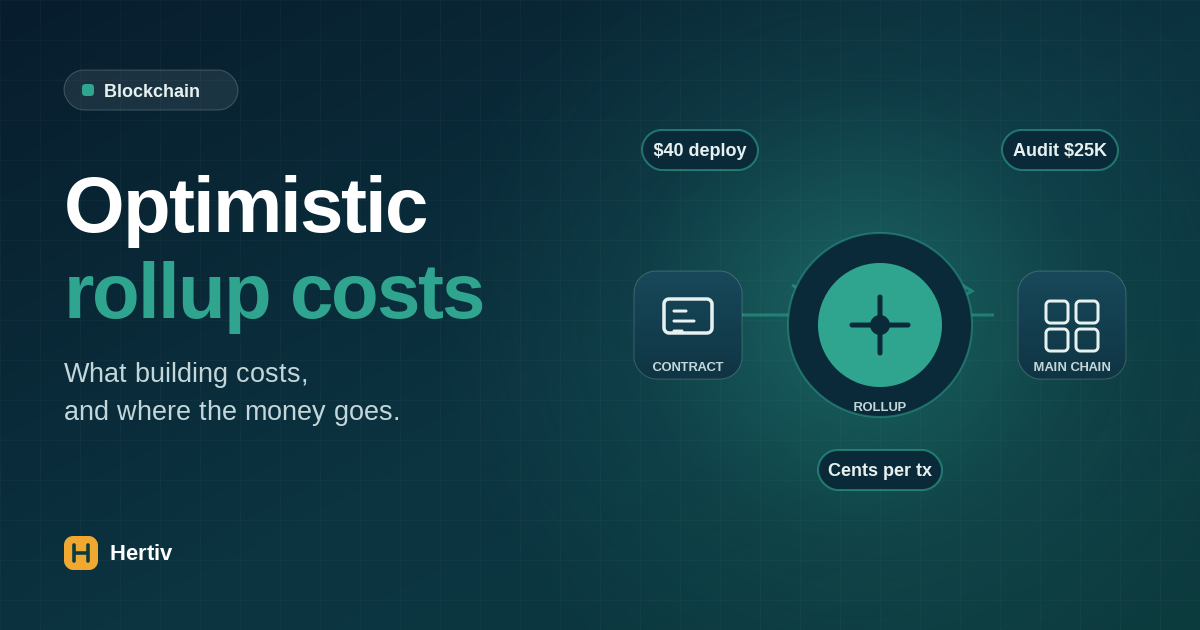
Building on an optimistic rollup costs far less than the main chain, but the audit and running costs still dominate. Here is what each part costs.
Investors use crypto asset management because holding digital assets safely takes specialist skill and secure custody. What a manager handles and what it costs.
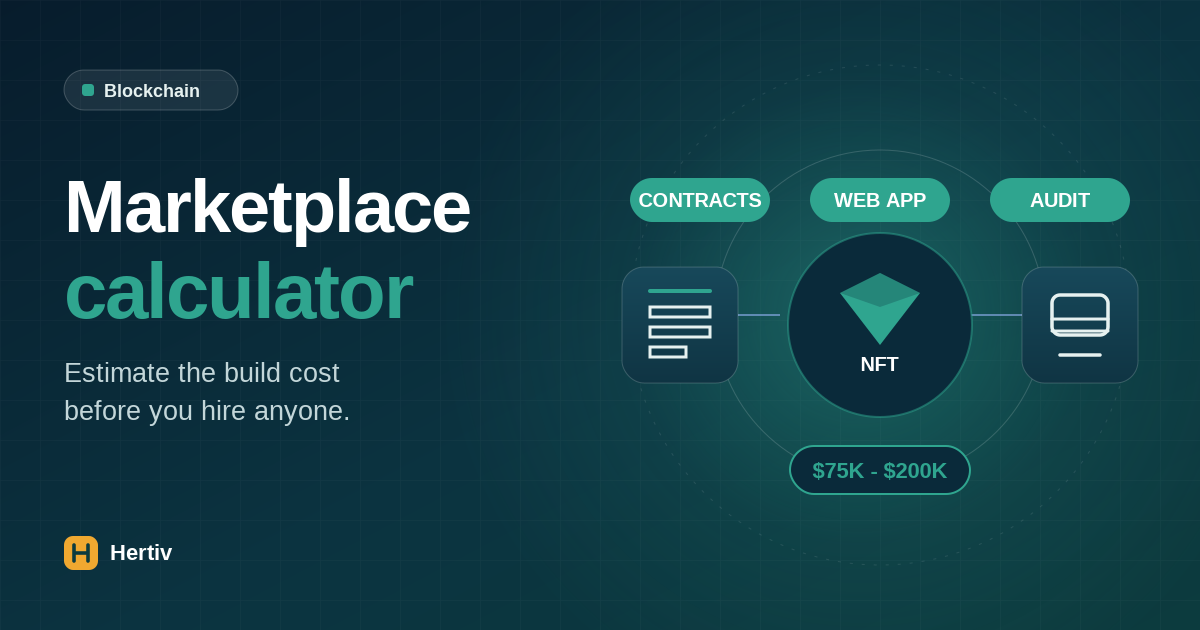
An NFT marketplace like OpenSea costs what its features cost: contracts, web app, wallets, storage and audit. Use this breakdown to estimate your build first.
Build an NFT card game like Gods Unchained with ownable cards, ranked play and a token economy. Here is the design, the build steps and what it costs.
DeFi apps let users lend, borrow and trade without a bank in the middle. Here is why businesses build them, what they earn and what the risks are.
Smart contracts in retail automate payments, loyalty rewards and supplier terms without a middleman. Here is how they work, where they fit and what to check first.
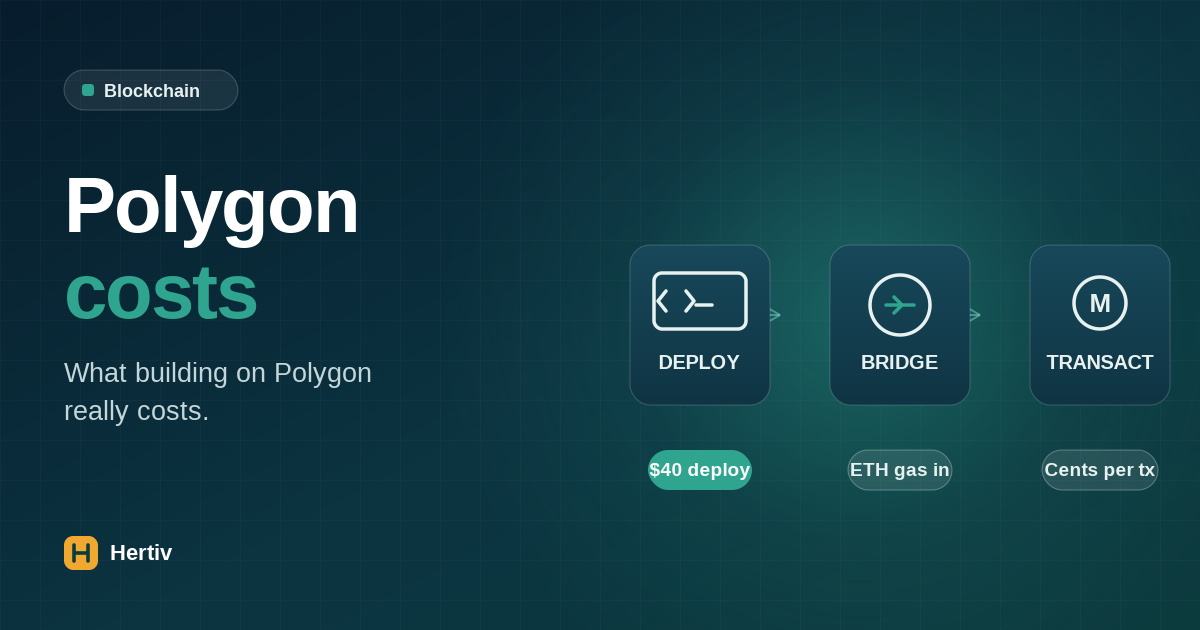
Building on Polygon is usually cheap at the transaction level, but the real budget sits in audits, infrastructure and team time. Here is what each part costs.
A digital identity wallet is only useful if the credential inside it can be checked anywhere. Interoperability is what makes that possible.
No posts on this page match. Use site search (Ctrl K) to search every post.
A senior engineer reads every request and replies within one business day with questions, a rough range, or a call link.