Blockchain
Is This the Year Stablecoin Development Takes Off?
Stablecoin development is moving from experiments to real payment products. Whether this is the year it takes off depends on rules, rails and real volume.
Practical guides on tokenization, stablecoin payments, wallets and smart contracts.
1662 posts · page 22 of 70
Stablecoin development is moving from experiments to real payment products. Whether this is the year it takes off depends on rules, rails and real volume.
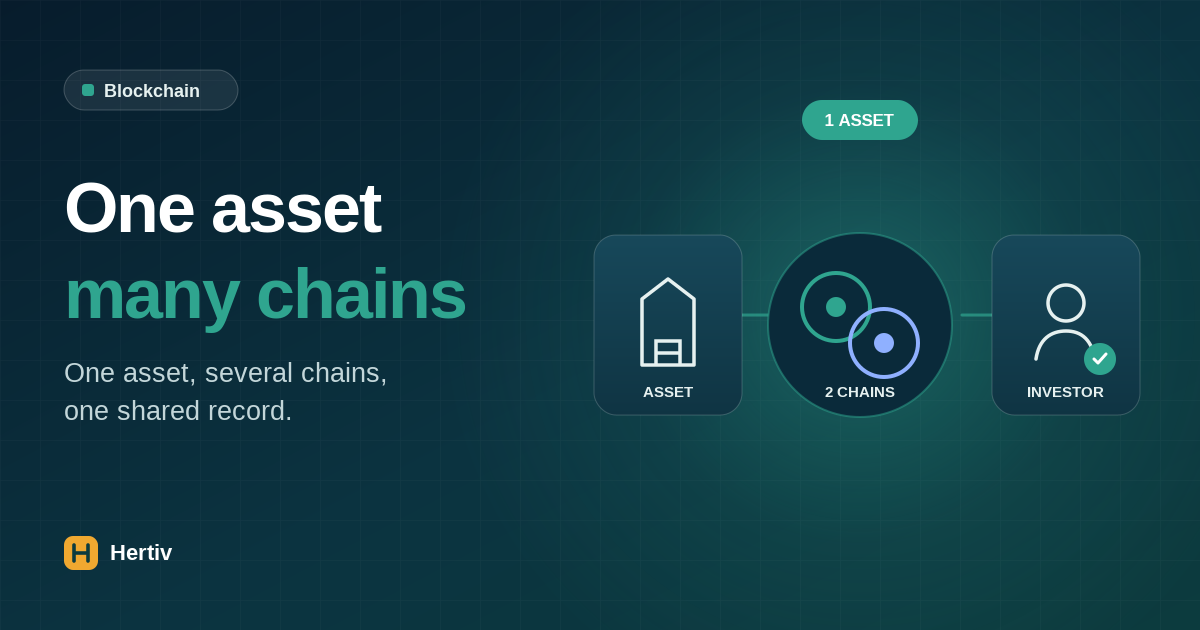
A multichain tokenization platform issues the same real-world asset on more than one blockchain. Learn how it works and what to check before you build one.
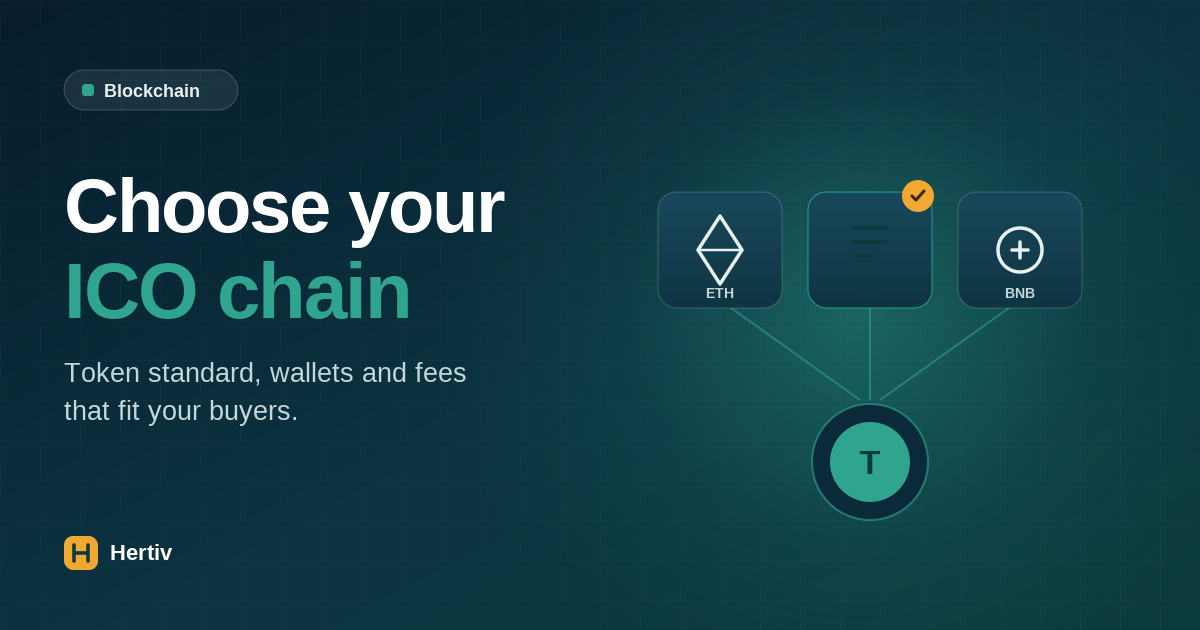
The right ICO chain has a proven token standard, wallets and exchanges your buyers use, and fees low enough that small buyers are not priced out.
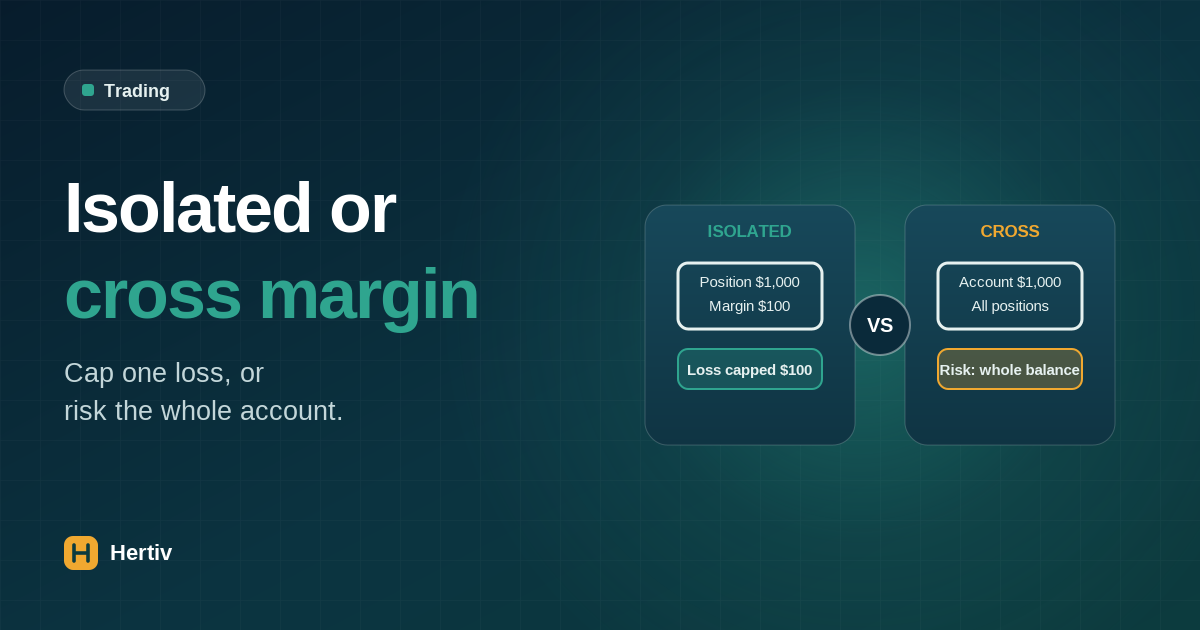
Isolated margin risks only the funds on one trade; cross margin puts your whole balance behind every position. Here is how to choose between them.
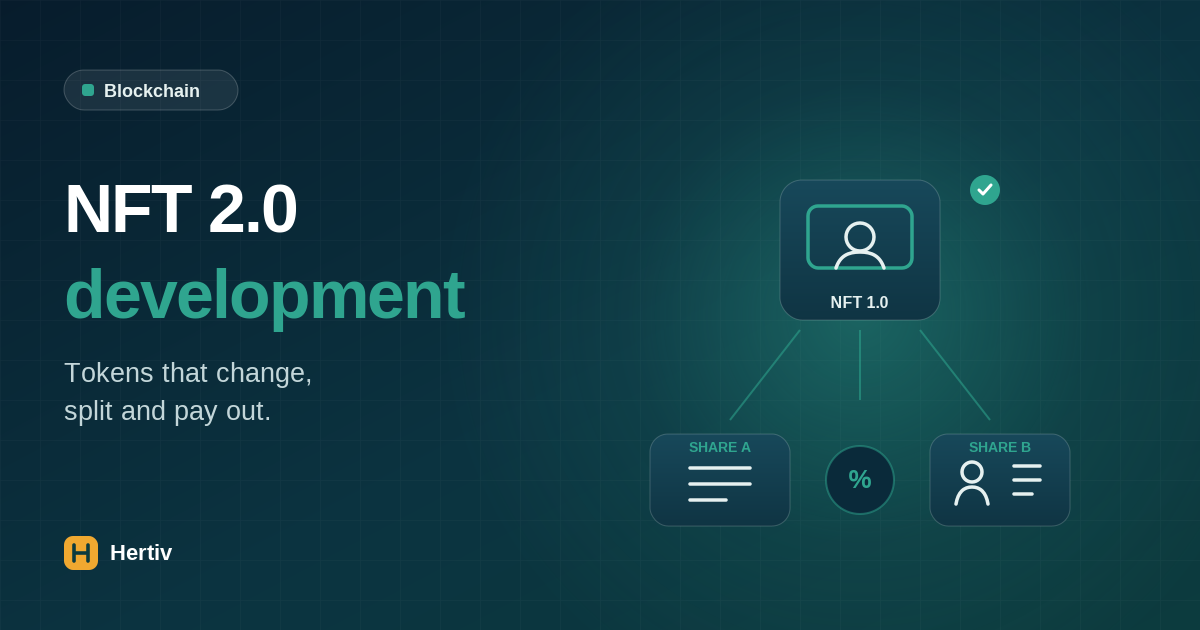
NFT 2.0 development builds tokens that change, split or pay out over time, moving past static image NFTs. Learn the building blocks and a build plan.
Choosing a crypto token development company means checking its past tokens, audit record, security and pricing. Here is how to compare firms and avoid a bad hire.
The best blockchain for DeFi depends on your product: Ethereum for liquidity, fast chains for low fees, and layer 2s in between. Compare the trade-offs first.
The NFT development services you need depend on what you are building: a collection needs art and minting, a marketplace needs trading. Start from the product.
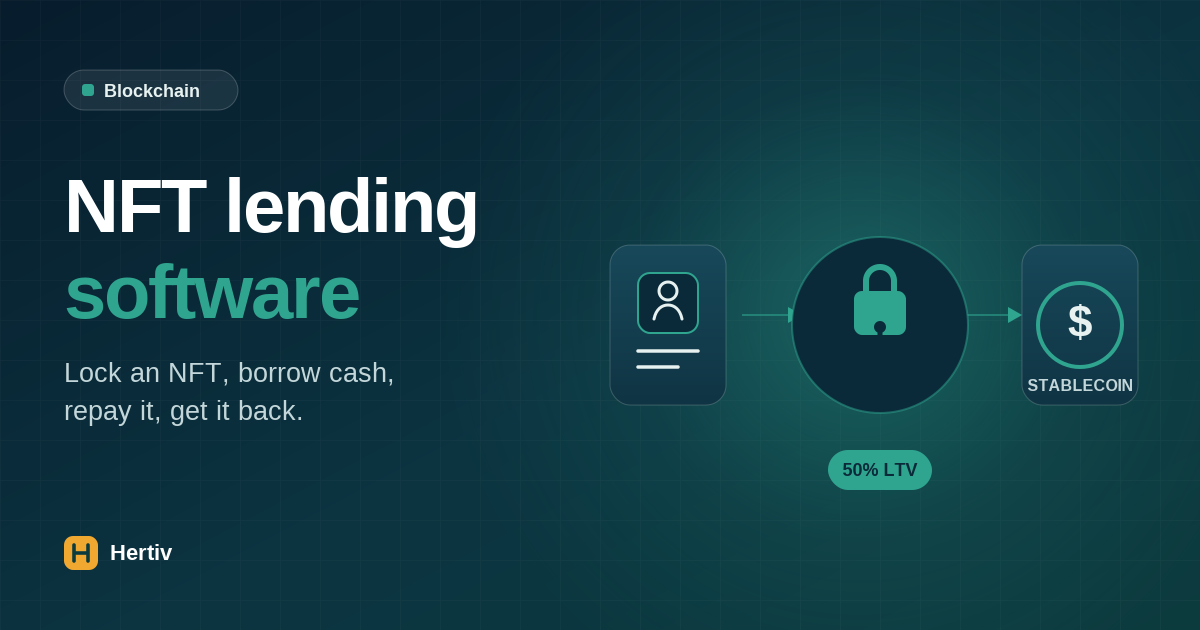
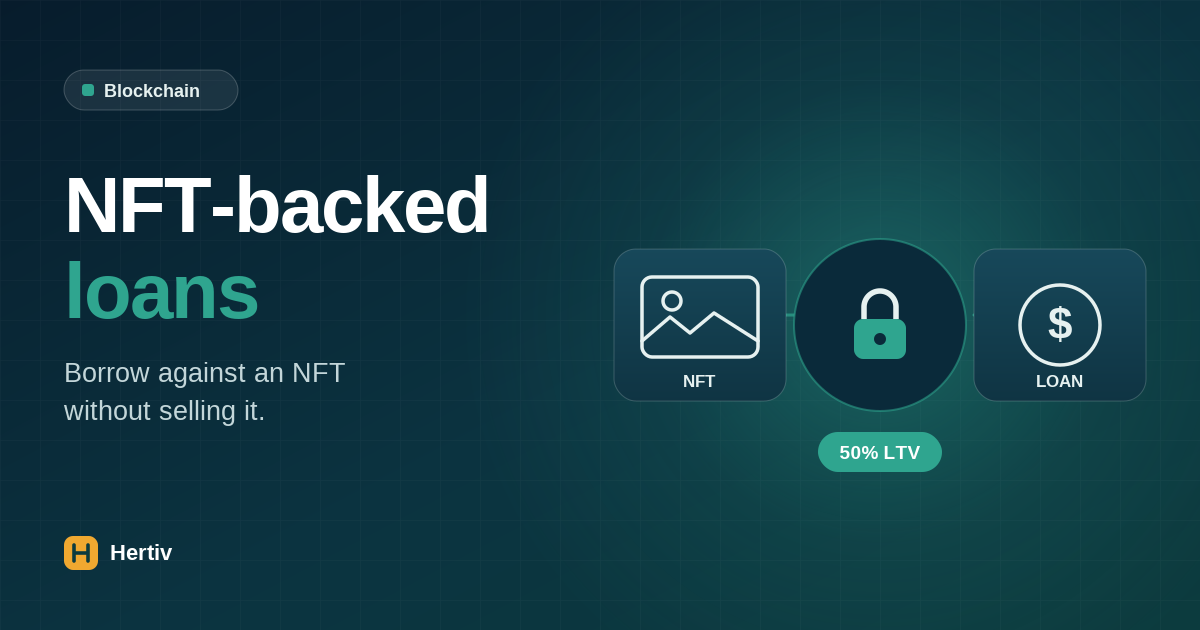
NFT-backed P2P lending software lets a borrower lock an NFT in escrow and borrow against it, with terms enforced by smart contracts. Here is how it works.
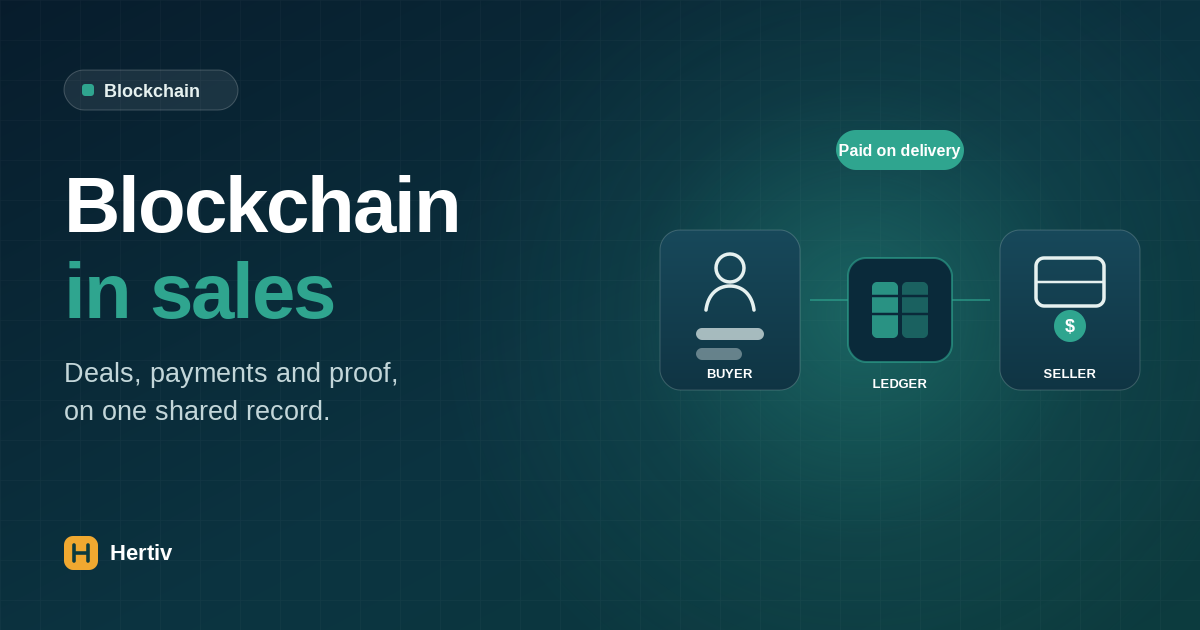
Blockchain in sales records deals, automates payments and proves what was agreed. Learn where it fits, what smart contracts change, and how to start small.
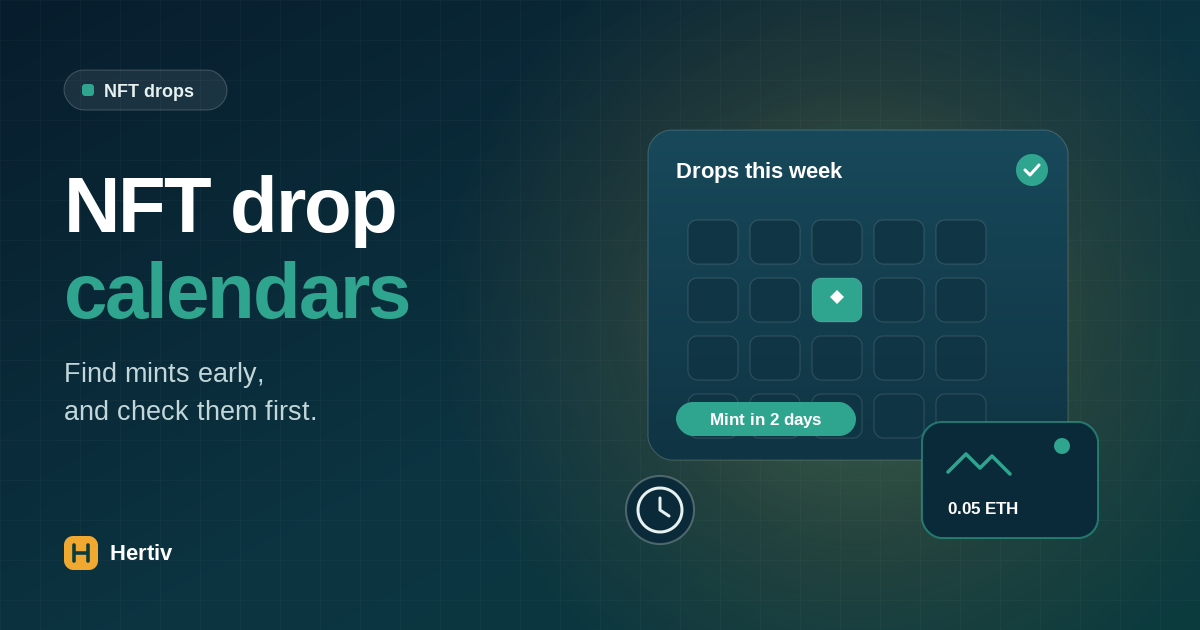
An NFT calendar lists upcoming mints by date, price and supply so you can plan ahead. It finds drops early, but it cannot judge a project, so verify before you mint.
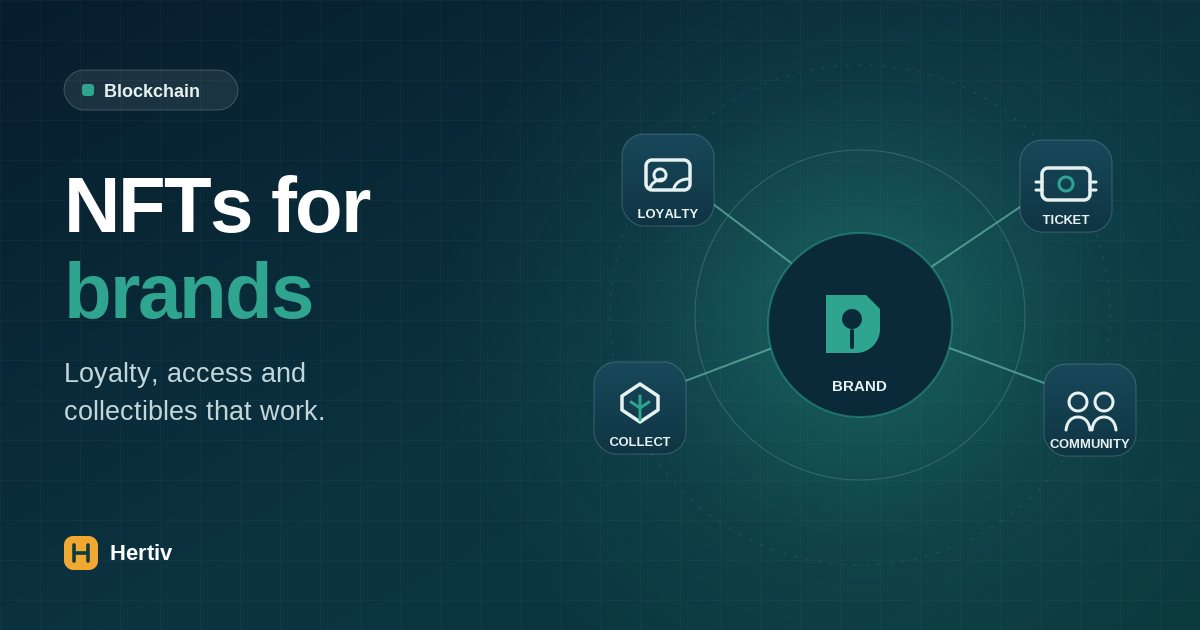
NFTs let brands reward loyal customers, gate access to products and events, and sell digital collectibles. They work best when the token does something useful.
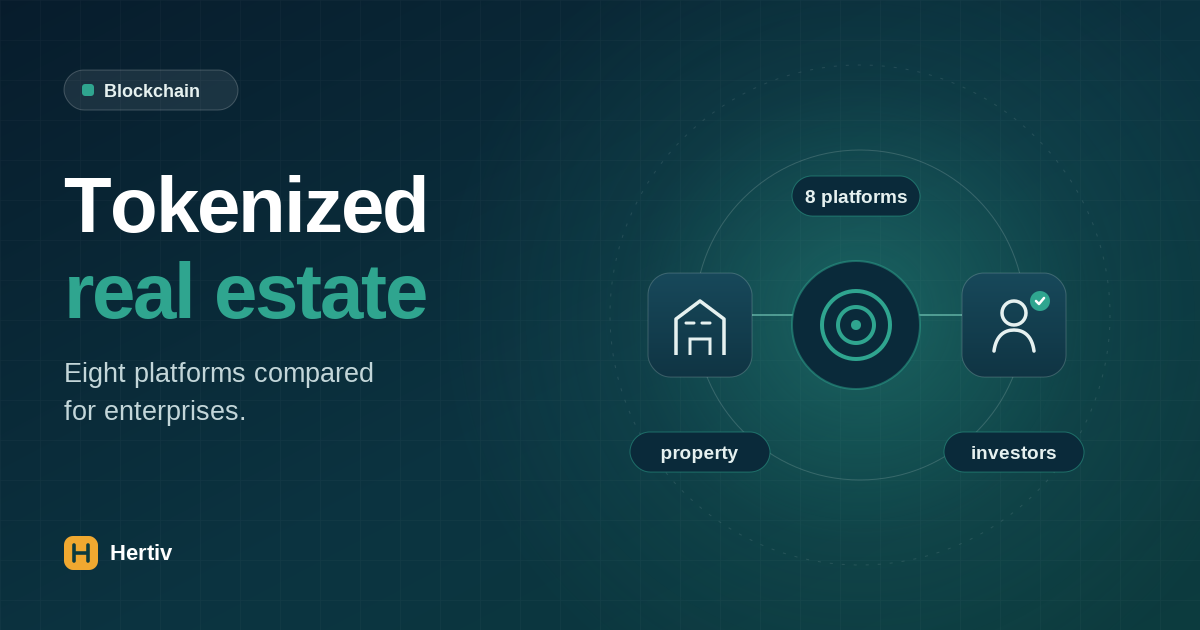
These eight real estate tokenization platforms cover issuance, investor onboarding and secondary trading. Compare what each one does before you shortlist.
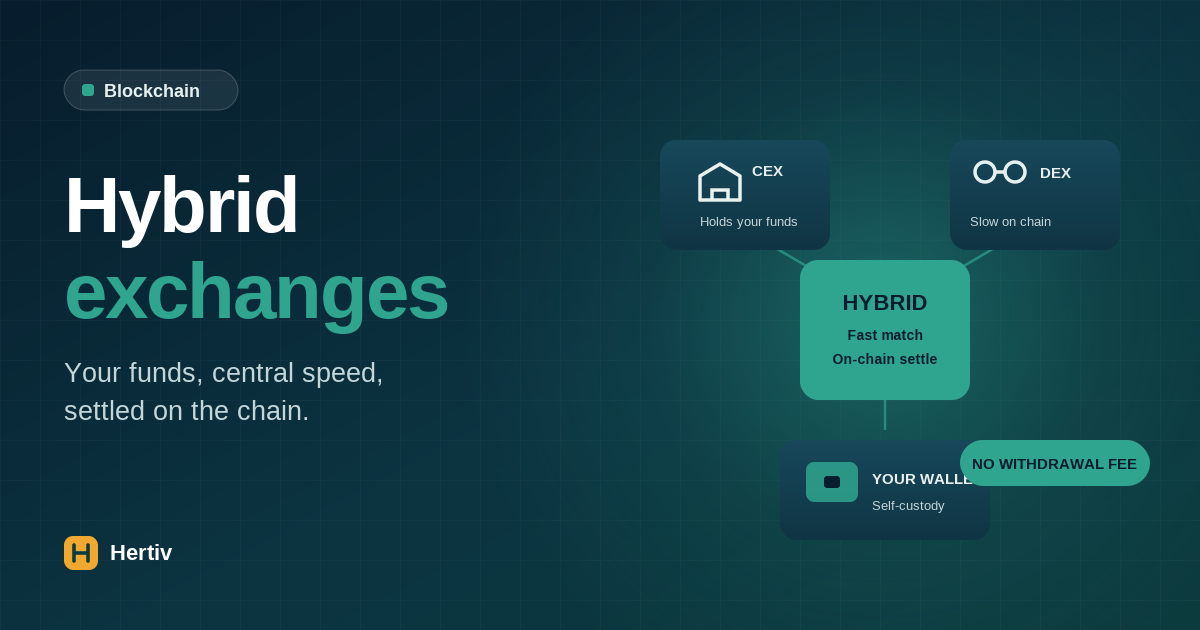
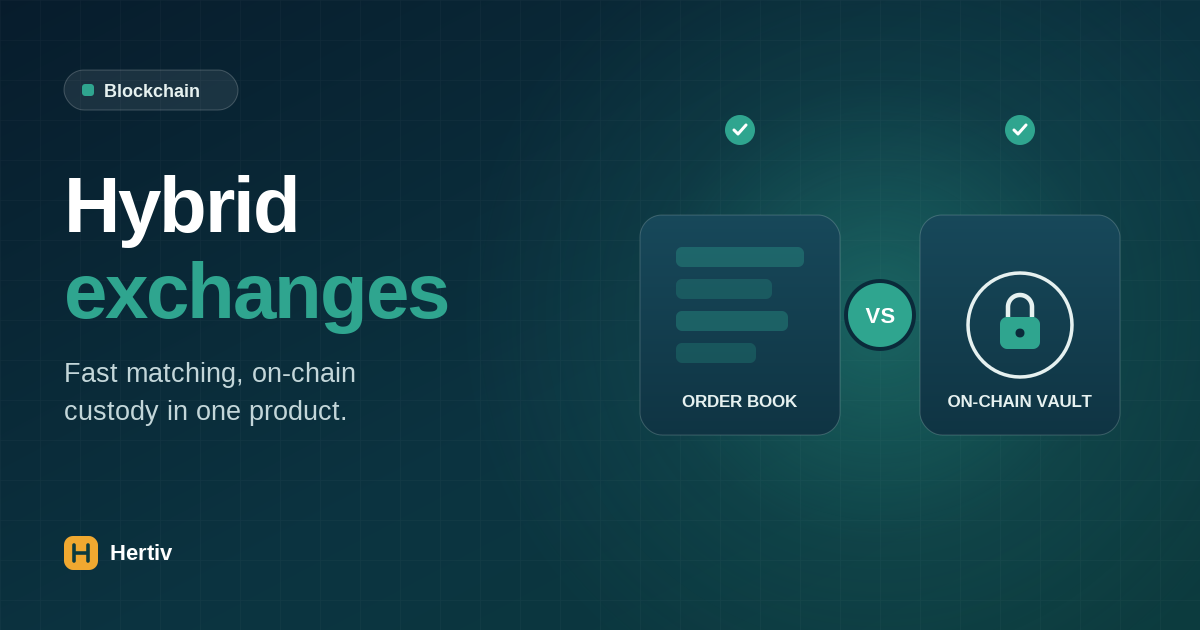
Traders are moving to hybrid exchanges for self-custody plus centralised speed. Here is what they gain, what they give up and when the move pays off.
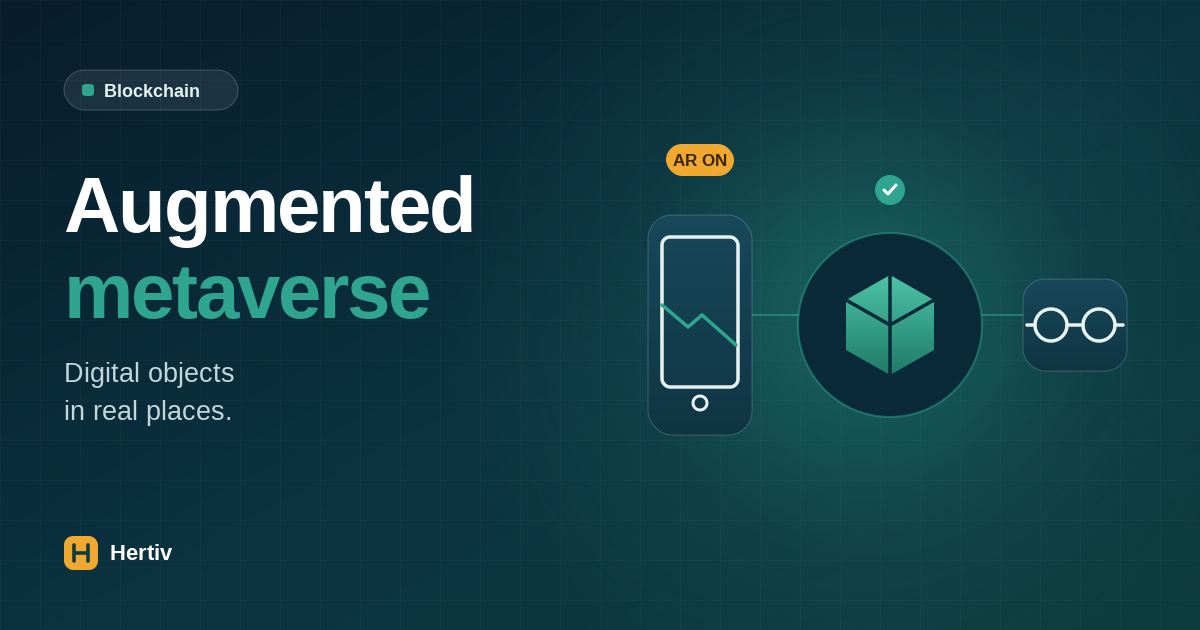
Augmented reality connects virtual worlds to the real places people live and work. Without AR, a metaverse stays trapped behind a headset.
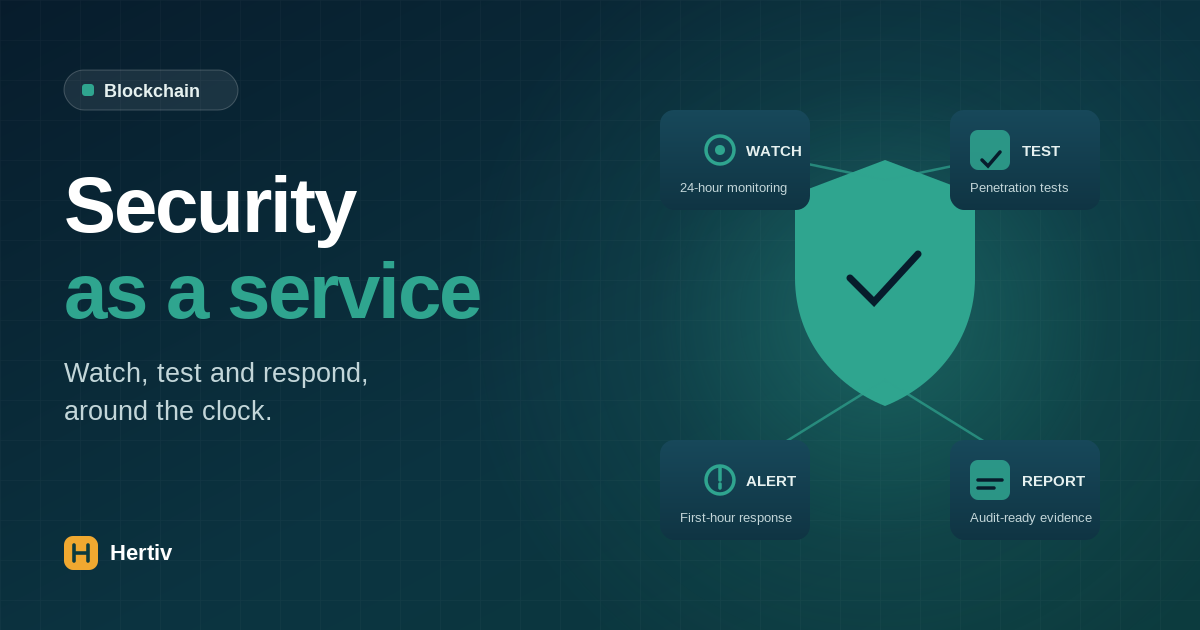
Blockchain infrastructure needs round-the-clock monitoring, audits and incident response that most teams cannot staff alone. Security as a service fills that gap.
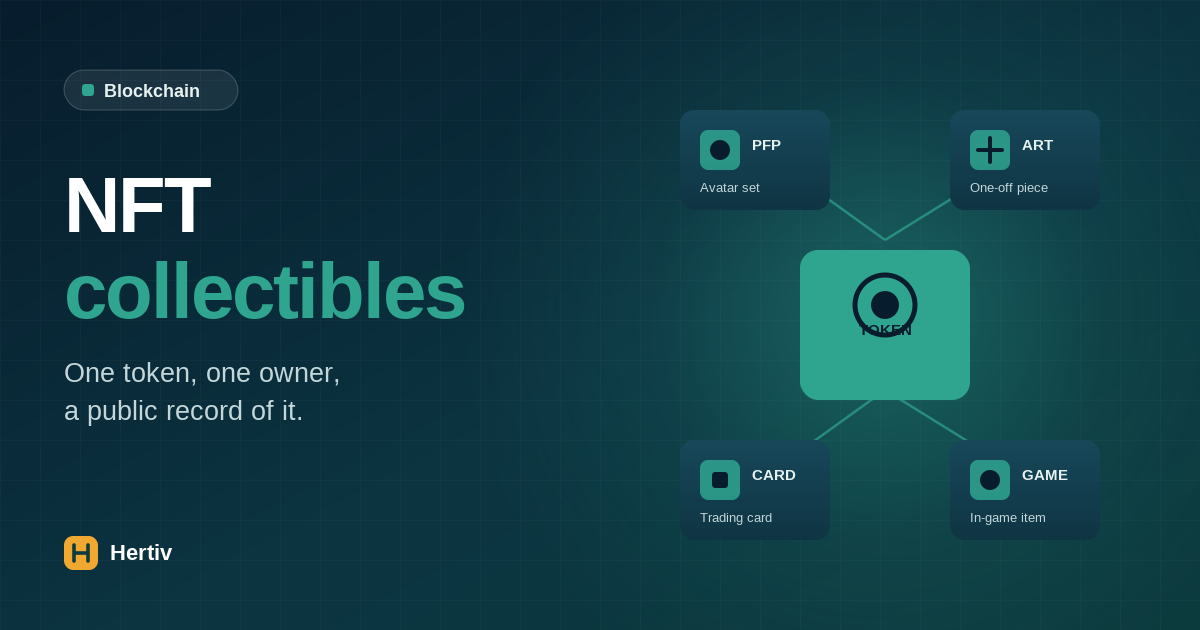
NFT collectibles are one-of-a-kind tokens that prove ownership of a digital item, from profile pictures to trading cards. Here is how they work and how to judge one.
Security token platforms turn shares, funds and property into regulated tokens. These eight cover issuance, compliance and trading, with what each one is best for.
Using an AMM costs more than the swap fee: pool fees, gas, slippage and price impact all add up. Here is what each part costs and how to estimate the total first.
A non-custodial NFT marketplace lets buyers keep their own assets while they trade, so the platform never holds user funds. Here is when that trade-off pays off.
A blockchain oracle feeds outside data to your smart contracts, and the bill depends on how often you ask and how many sources you trust. Here is how it adds up.
A hybrid crypto exchange mixes centralised order matching with decentralised custody. Here is when that mix pays off, what it costs and what to build first.
NFT lending lets owners borrow against an NFT instead of selling it. Here is how collateral, loan-to-value and liquidation work, and what to check first.
A cold wallet costs the price of the device plus setup, backup and replacement over its life. Here is what each part costs and how the total adds up.
No posts on this page match. Use site search (Ctrl K) to search every post.
A senior engineer reads every request and replies within one business day with questions, a rough range, or a call link.