Blockchain
How to Implement a Liquidity Pool Step by Step
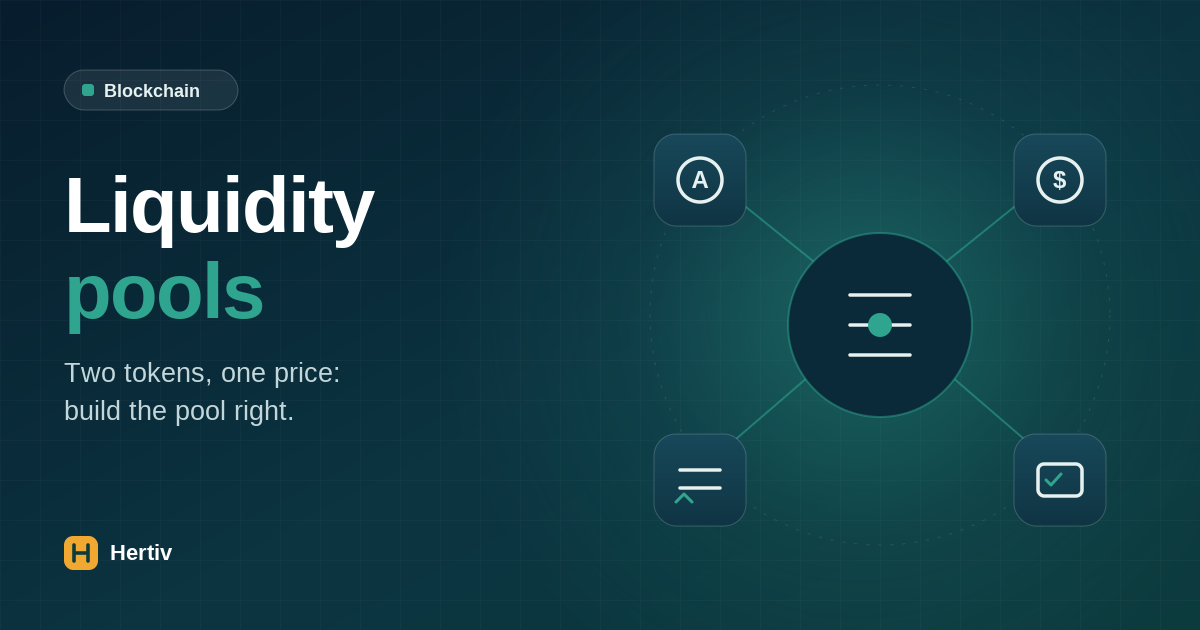
A liquidity pool is a smart contract holding two tokens so traders can swap without a counterparty. To build one, pick a design, set the first price and deploy.
Practical guides on tokenization, stablecoin payments, wallets and smart contracts.
1662 posts · page 20 of 70
A liquidity pool is a smart contract holding two tokens so traders can swap without a counterparty. To build one, pick a design, set the first price and deploy.
DAOs can hold escrow, run treasuries, record votes and settle disputes on-chain. These seven legal use cases show where member voting replaces paperwork.
An MPC wallet splits a private key into shares so no single device can sign alone. This guide explains the parts, the build steps and the recovery plan.
A metaverse token can fund a virtual world or drain a budget. Check utility, supply, team and legal standing before you commit money or time to a token project.
dApps in legal work record evidence, hold escrow, track IP rights and keep dispute records on chain. Here are seven uses where a shared record wins.
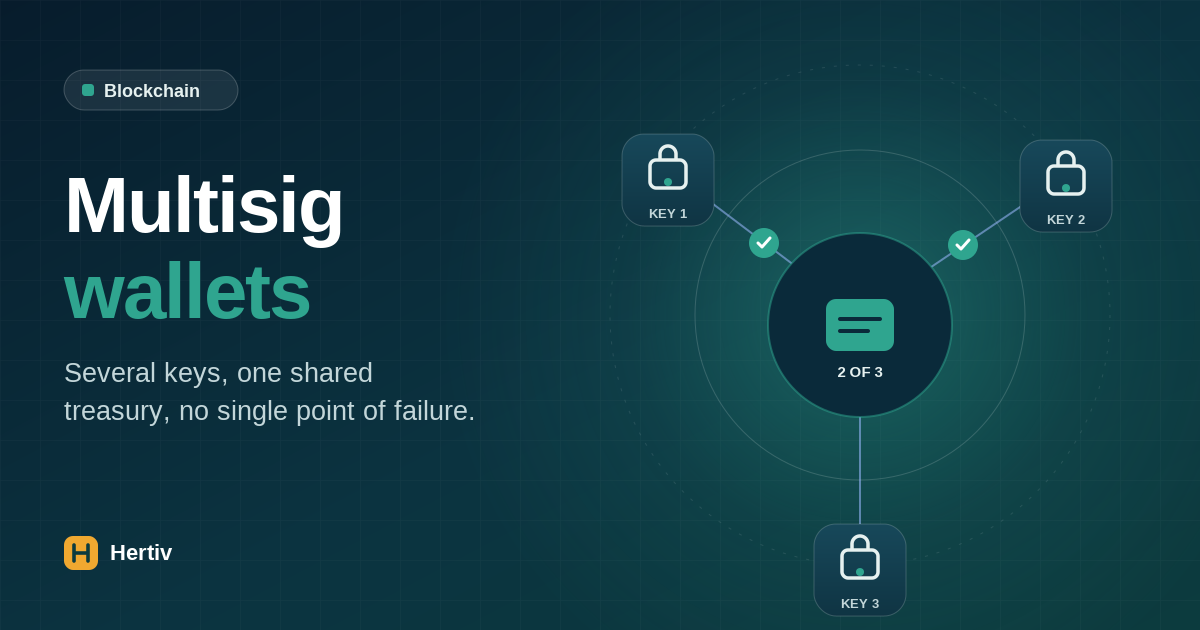
A multisig wallet needs several keys to approve a transaction, so no single person can move funds alone. Here is how to pick a setup and test it safely.
DeFi tools can hold escrow, move settlement money and pay royalties without a bank in the middle. Here are eight legal use cases, with the risks each one carries.
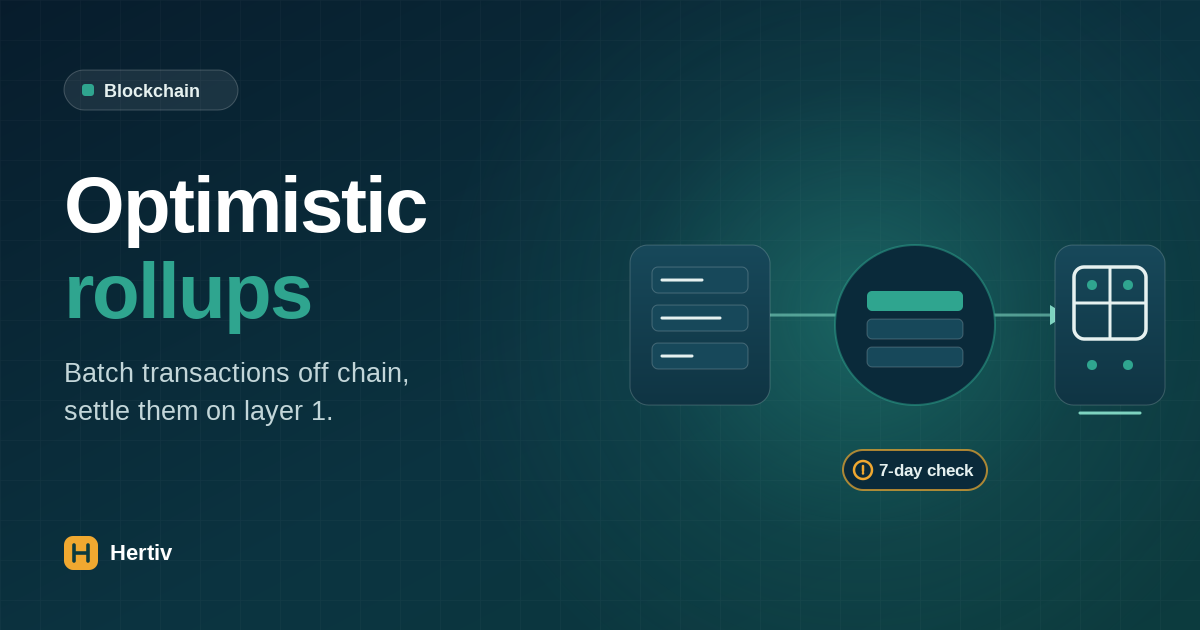
An optimistic rollup moves transactions off chain and posts results to layer 1, assuming they are valid unless challenged. Here is how to build one, step by step.
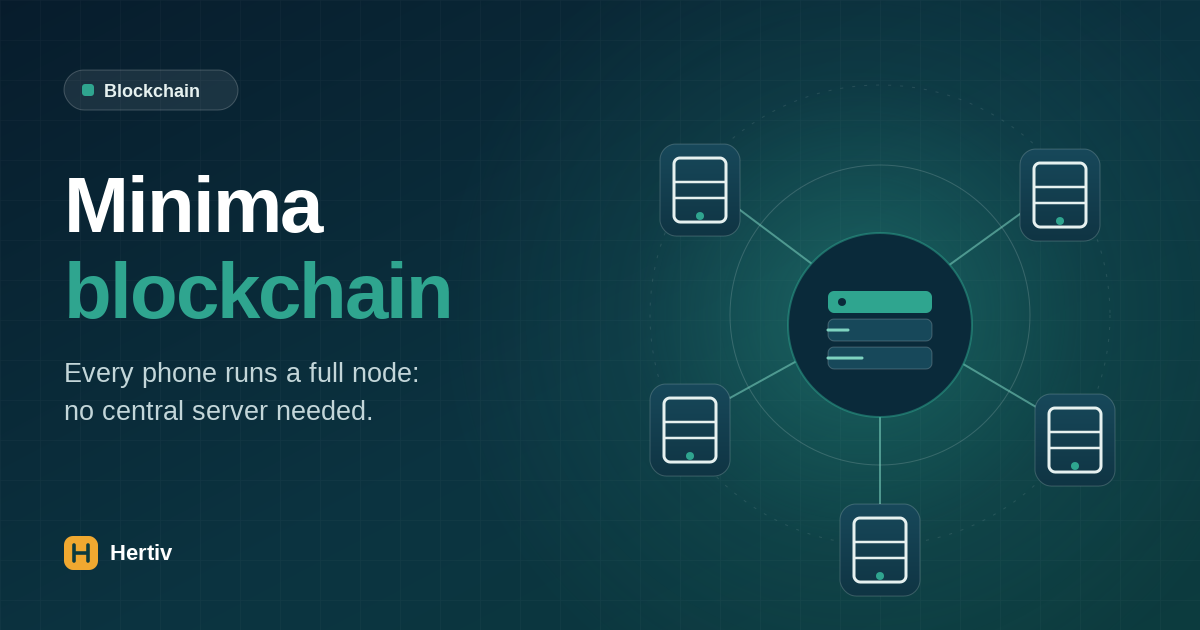
Minima is a layer-1 blockchain where every user runs a full node, even on a phone. Learn how its design works and what it changes for builders.
NFTs can act as tamper-evident records for legal documents and assets. These seven use cases show where they help a law firm, and where they do not.
A permissioned blockchain limits who can join and write to the ledger. This guide covers the decisions, setup steps and running costs of a working network.
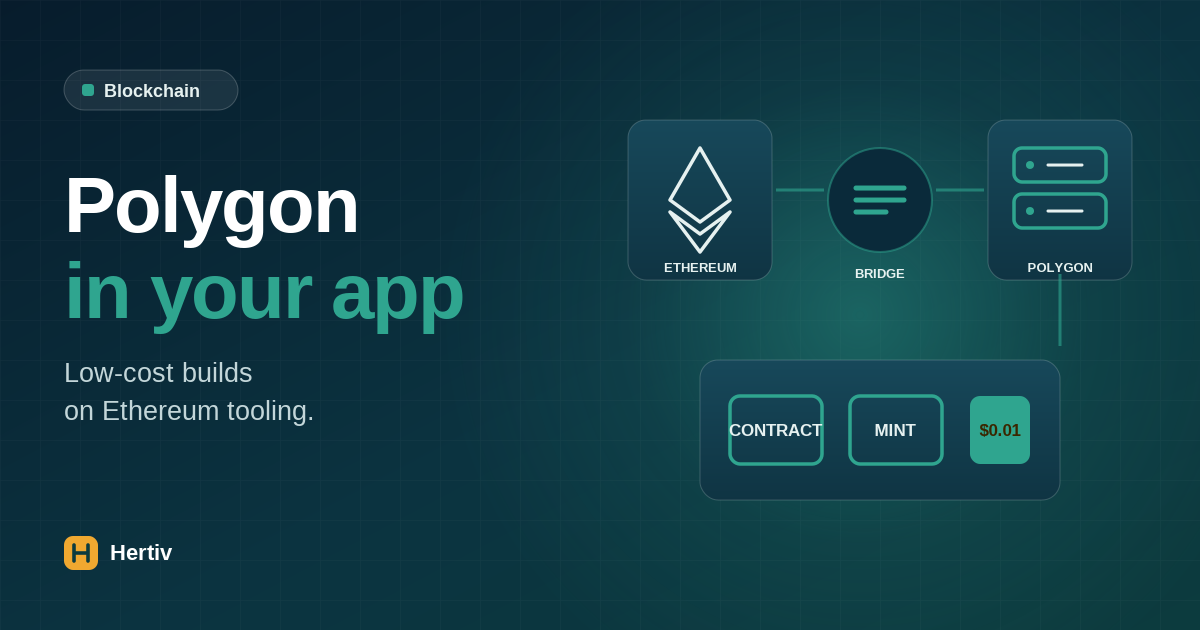
Implementing Polygon means running your app on a low-cost Ethereum-compatible network: pick a network, set up wallets and testnet, deploy, and bridge assets.
Stablecoins are already moving client funds, escrow and settlements in legal work. These eight use cases show where they fit and where they do not.
Tokenization turns legal rights and assets into digital tokens that can be held, transferred and settled on a blockchain. These seven uses show where it fits.
A security token is a regulated digital record of ownership in a real asset, issued on a blockchain. This guide walks through design, legal, build and launch steps.
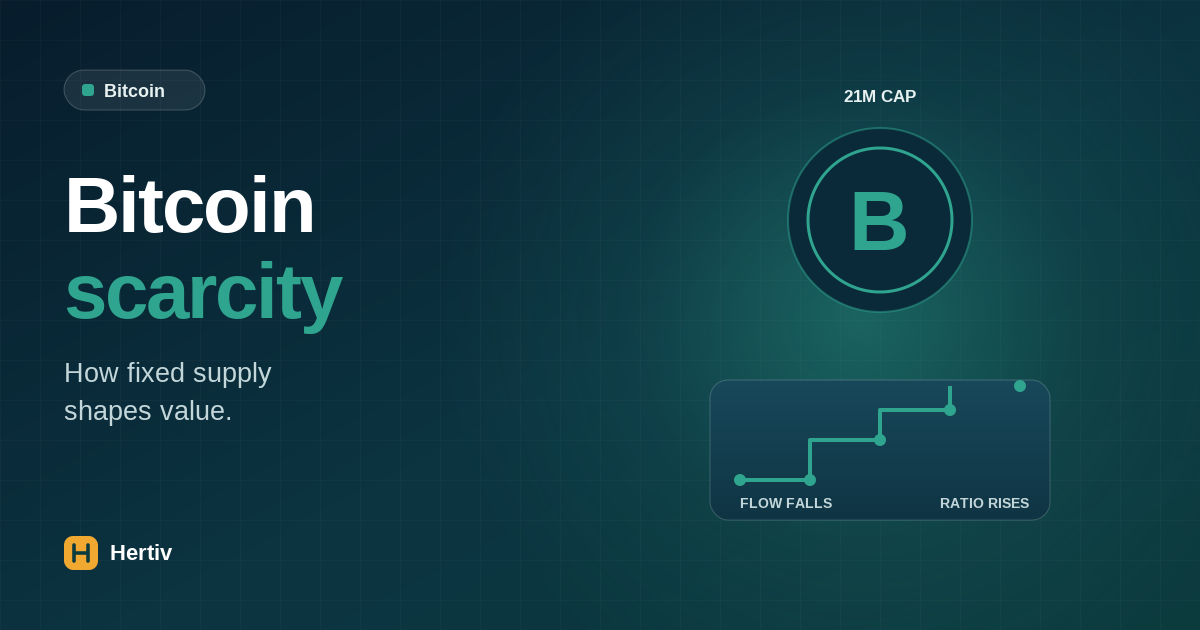
Bitcoin's fixed supply makes scarcity models tempting: the stock-to-flow ratio rises as issuance falls. How it works, what halvings change, and what it leaves out.
Blockchain in retail is the use of shared, tamper-resistant records to track products, run payments and manage loyalty. It helps shops prove where goods came from.
Implementing Solana in an existing app means adding wallet login, payments or token features through the network. This guide covers the setup and the launch checks.
Creating an NFT means turning a digital file into a unique token on a blockchain. These seven steps cover the wallet, the file, the details, the mint and the listing
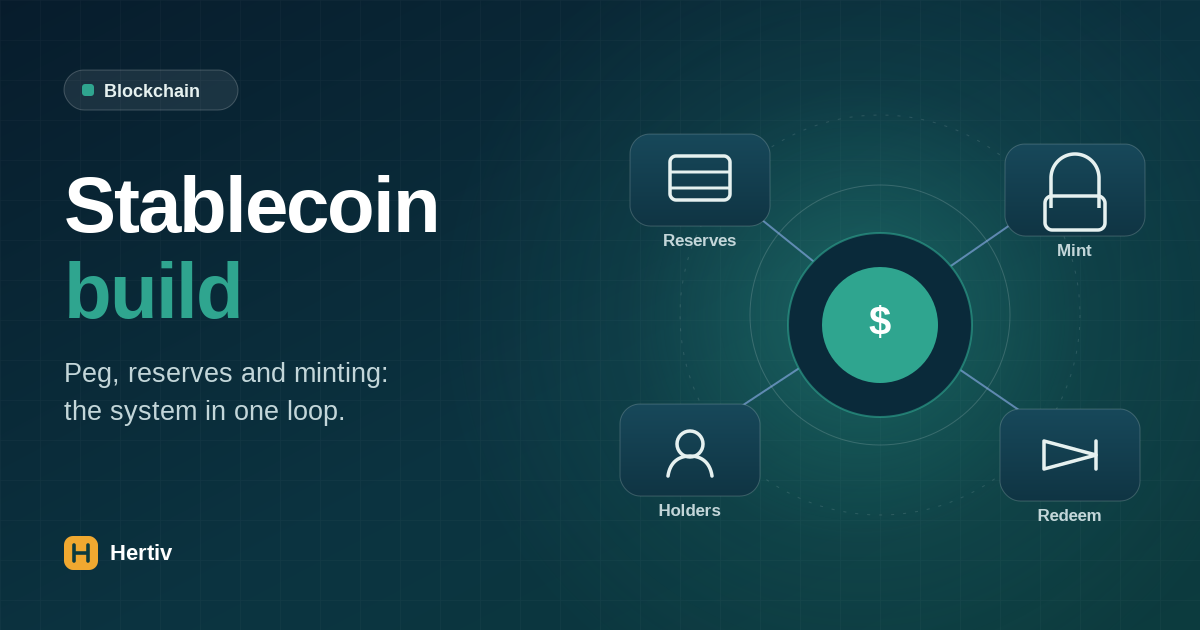
Implementing a stablecoin means building the token, the reserve and the minting system that keeps its peg. Here is the order of work, from peg model to pilot.
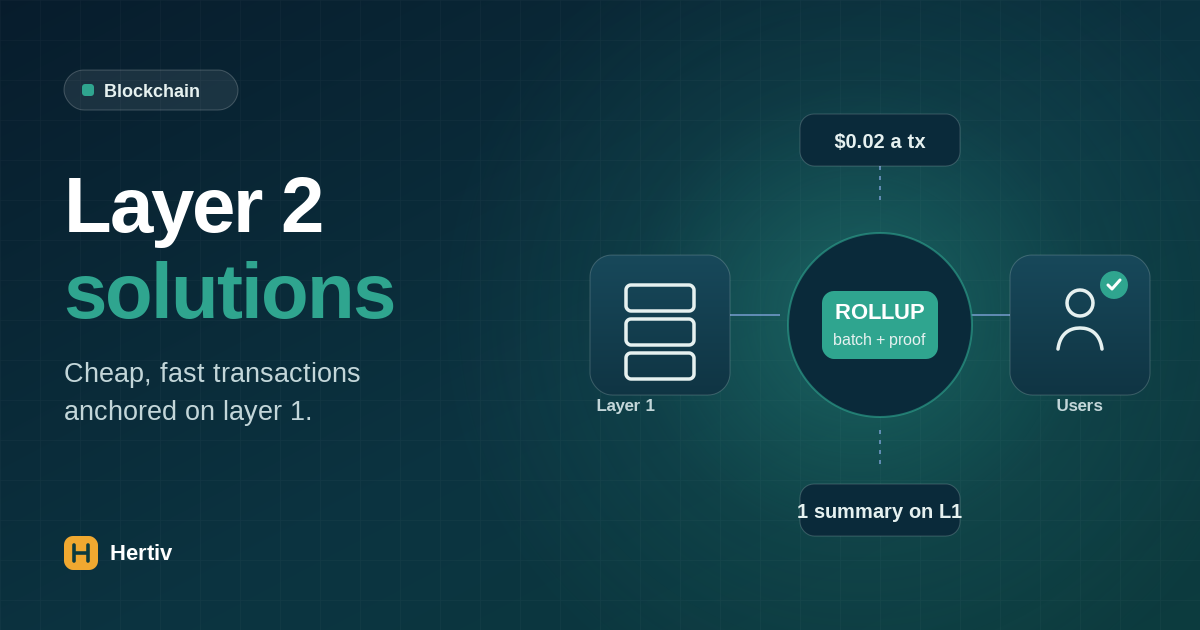
Layer 2 solutions cut the cost and raise the speed of transactions, but they are only part of the answer to scaling. Here is what they fix and what they cannot.
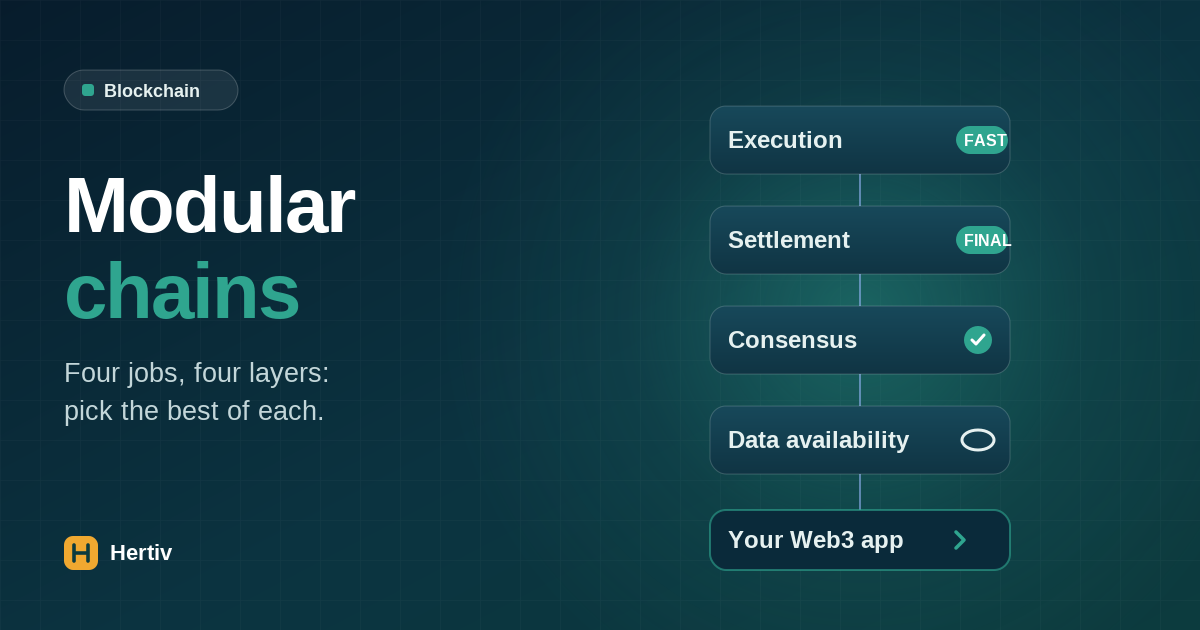
A modular blockchain splits a chain's four jobs across layers. Here is how the layers fit together, when the design helps a Web3 project, and how to choose a stack.
Web3 tools help in legal work, from timestamped evidence to tokenized property records. These eight show where blockchains help and where a database wins.
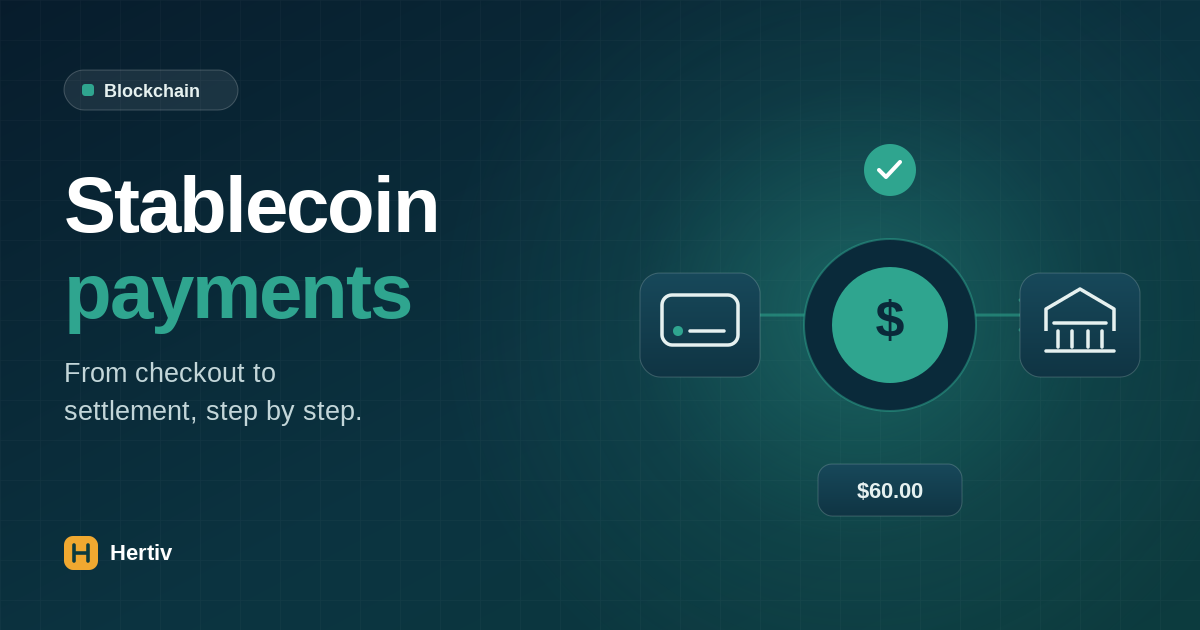
Stablecoin payments settle in minutes, but a working setup needs the right coin, chain, wallet and provider. Here is the step-by-step plan.
No posts on this page match. Use site search (Ctrl K) to search every post.
A senior engineer reads every request and replies within one business day with questions, a rough range, or a call link.