Blockchain
How to Launch an NFT Marketplace, Step by Step
Launching an NFT marketplace takes more than a working build: you need creators, buyers, fees and a launch plan. Here is the order to do it in.
Practical guides on tokenization, stablecoin payments, wallets and smart contracts.
1660 posts · page 18 of 70
Launching an NFT marketplace takes more than a working build: you need creators, buyers, fees and a launch plan. Here is the order to do it in.
Blockchain cost is the fee you pay for each transaction plus the cost of running nodes and storing data. Here is what sets those costs and how to keep them in check.
Tokenization turns insurance policies, claims and reserves into digital tokens that move faster and are easier to check. Here are eight use cases worth knowing.
Blockchain development cost depends on what you build: a token, a dApp, a wallet or an exchange. Here is what drives the price and how to plan a budget.
An NFT gaming platform needs wallet login, a clear marketplace, a game SDK and fair fees. Here is the checklist to use before you build on one or buy into one.
A blockchain gaming ecosystem links players, game assets, tokens, marketplaces and wallets on one chain. Here is how the parts fit and how players earn and trade.
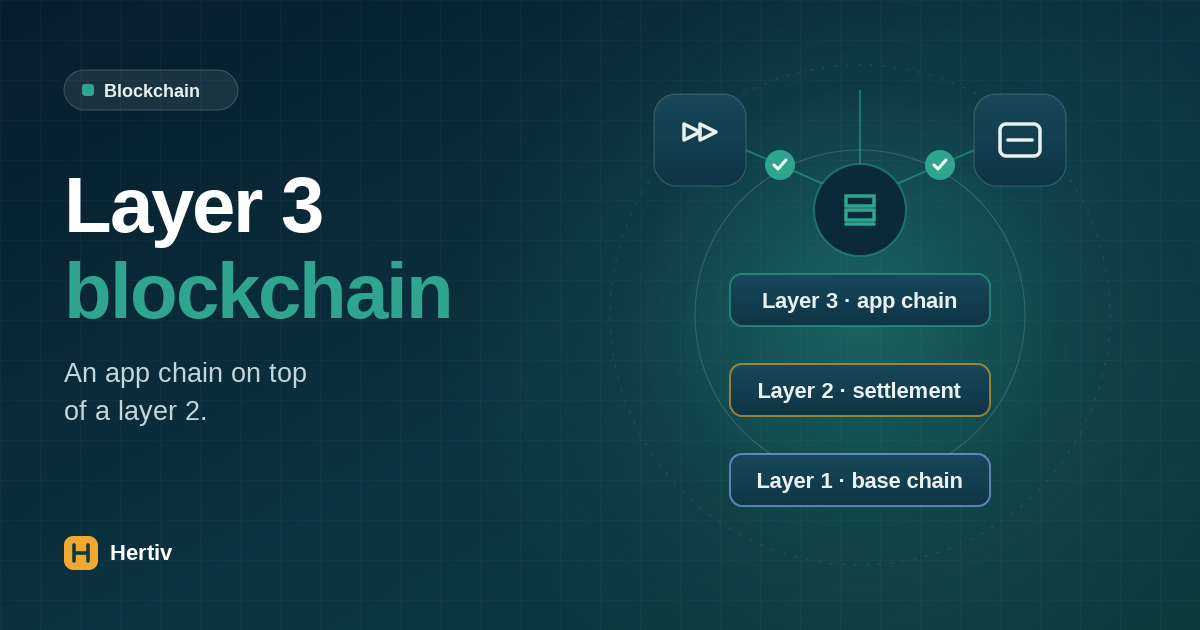
A layer 3 blockchain is an application-specific chain that settles on a layer 2. Here is how the layers stack, what layer 3s are used for, and where they fall short.
Web3 in insurance means parametric claims, fraud checks, reinsurance ledgers, peer-to-peer pools and tokenised policies. Start with one simple pilot.
Account abstraction turns a wallet into a programmable smart contract account. Here is how to add it to your app, from choosing an approach to launch.
Libra was Facebook's 2019 plan for a stablecoin backed by a reserve of currencies. It never launched, became Diem, and was wound down in 2022.
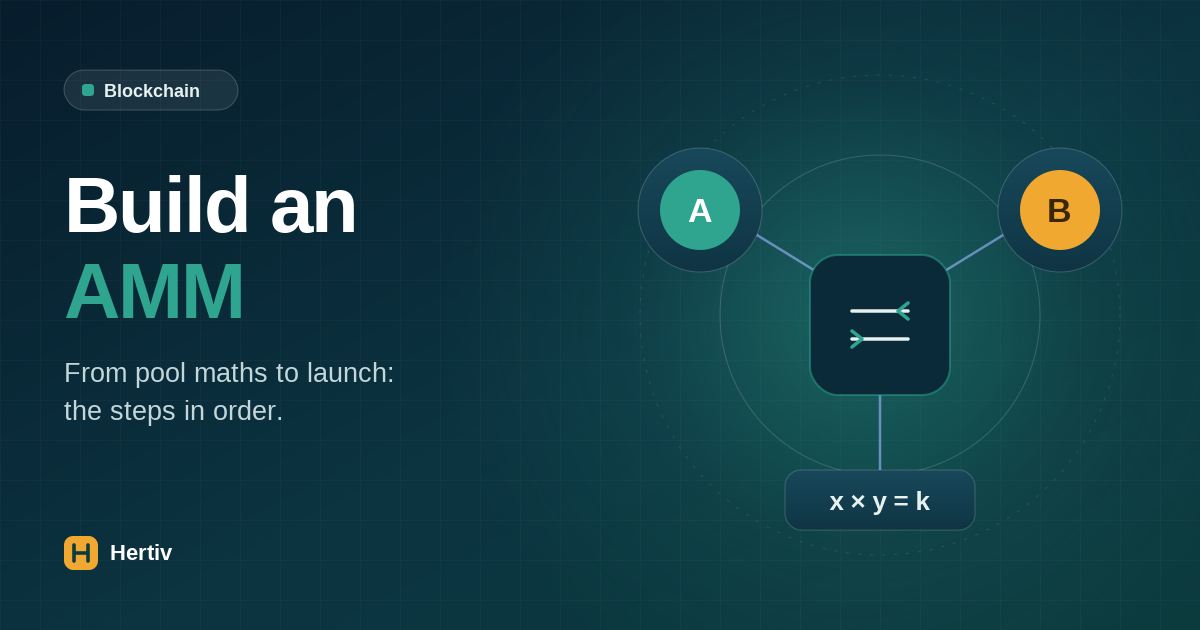
An AMM is a pool of two tokens priced by a formula. Implementing one means choosing the model, writing the pool contract and testing it before launch.
Two quotes for the same contract can differ by a wide margin. The gap usually comes from scope, depth of review, auditor experience and what the quote includes.
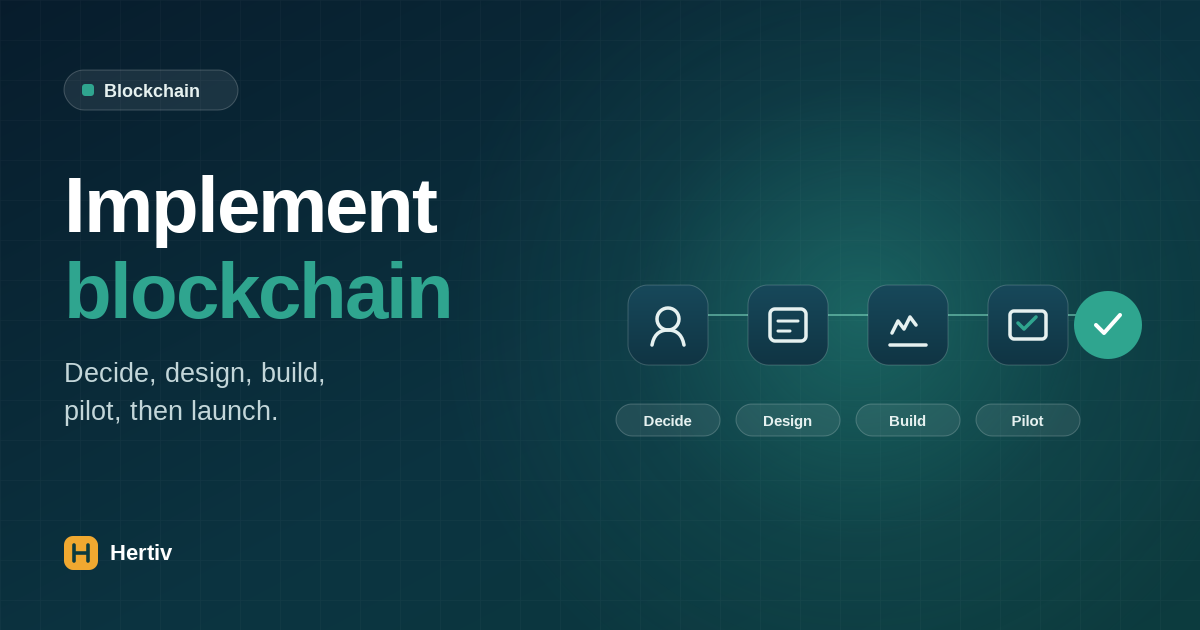
Implementing blockchain means choosing the right approach, designing the data model, building in stages and launching with a pilot. Here is the full sequence.
A crypto margin trading exchange earns from trading fees, interest on borrowed funds, liquidation fees and spreads. Here is how each revenue line works.
NFTs are moving past art and collectibles into tickets, games, identity and loyalty. This map of where they are heading separates lasting uses from hype.
Smart contracts in marketing automate loyalty rewards, creator payouts and referrals. Learn where they help, how they work and the limits to watch first.
How to implement a blockchain oracle: pick a data source, connect the feed to your contract, add freshness and safety checks, test failures, then monitor it live.
Implementing a cold wallet means setting up offline key storage, a clear signing routine and a tested recovery plan before moving funds.
Blockchain identity management lets banks and customers prove who they are with shared records instead of repeated document checks.
Marketing an NFT marketplace means reaching collectors and creators where they already spend time, then giving them a reason to list and trade.
A crypto payment gateway costs a mix of transaction fees, monthly charges, conversion spreads and settlement fees. Here is what each part adds to the total.
Implementing Cosmos SDK means building an app-chain with its standard modules, adding your own logic, testing on a testnet and launching with validators.
A cross-chain bridge moves tokens between blockchains by locking them on one chain and releasing matching tokens on another. Here is how the transfer works.
Brands use stablecoins for loyalty rewards, creator payouts, cashback and contest prizes that settle in minutes. Learn where they fit and what to watch out for.
No posts on this page match. Use site search (Ctrl K) to search every post.
A senior engineer reads every request and replies within one business day with questions, a rough range, or a call link.