Blockchain
How to Implement Crypto Custody Step by Step
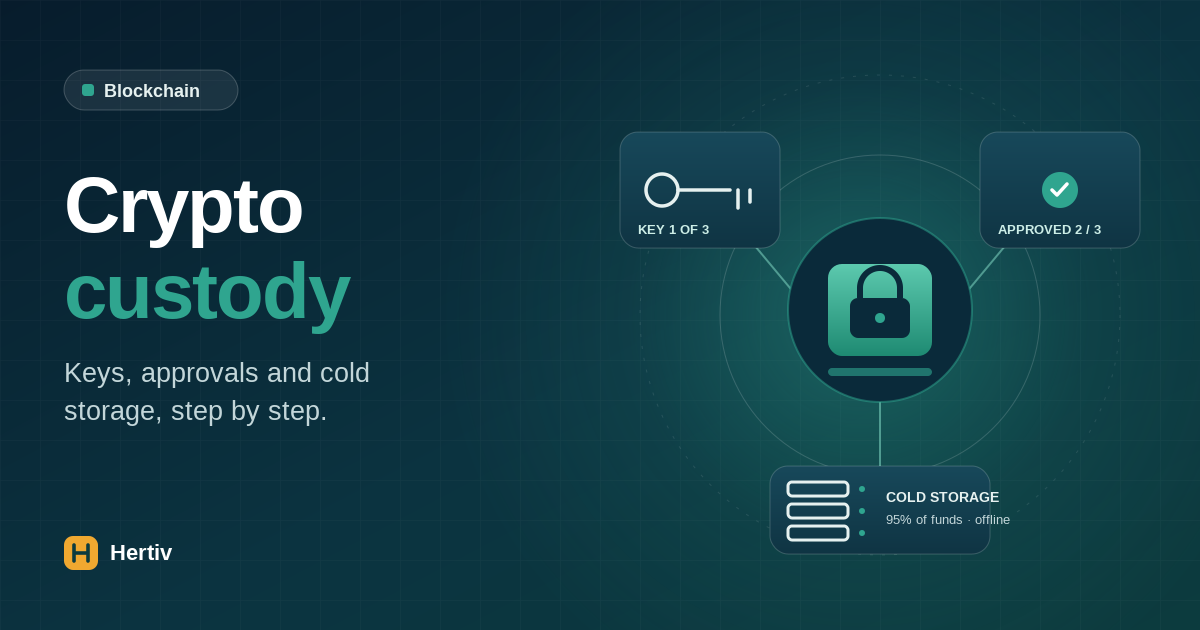
Implementing crypto custody means choosing a model, generating keys in a controlled ceremony, setting approval rules and testing with small amounts first.
Practical guides on tokenization, stablecoin payments, wallets and smart contracts.
1660 posts · page 19 of 70
Implementing crypto custody means choosing a model, generating keys in a controlled ceremony, setting approval rules and testing with small amounts first.
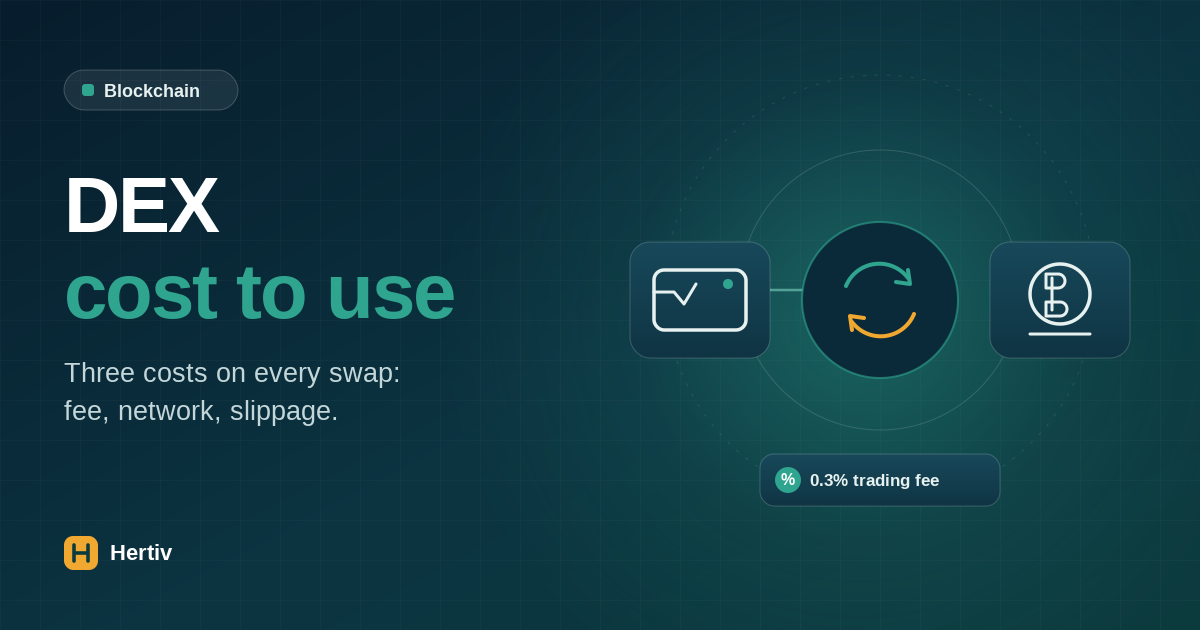
Using a DEX costs a trading fee, a network fee and, on larger trades, slippage. Here is how each part works and what a month of trading adds up to.
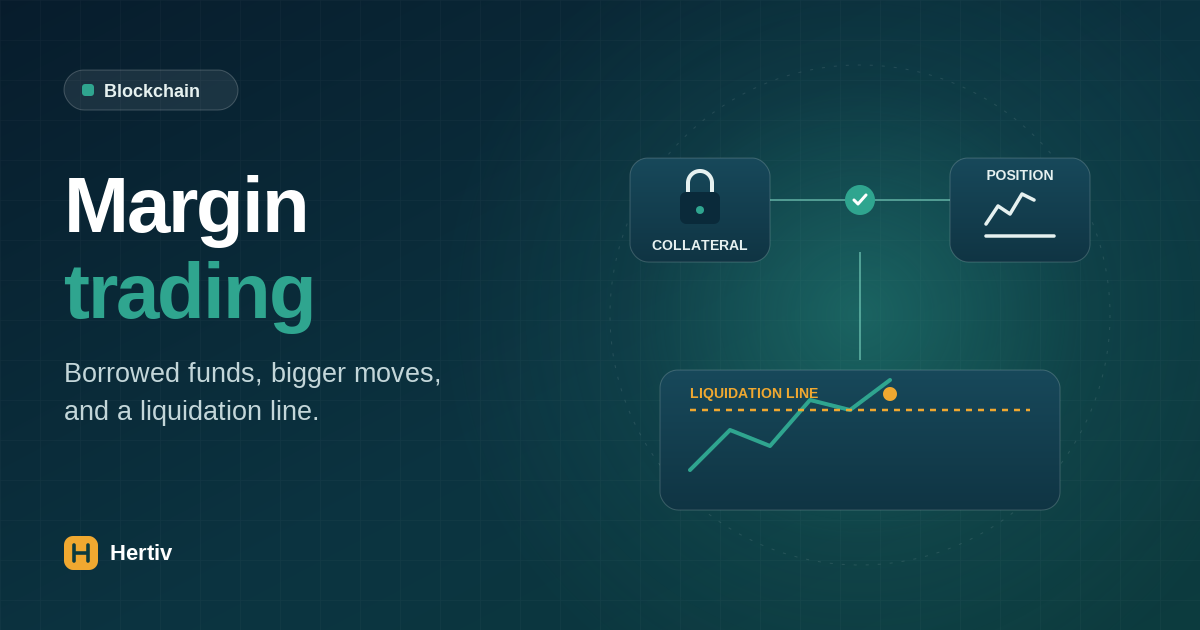
Margin trading lets you trade crypto with borrowed funds, so gains and losses are both larger. Here is how collateral, margin calls and liquidation work.
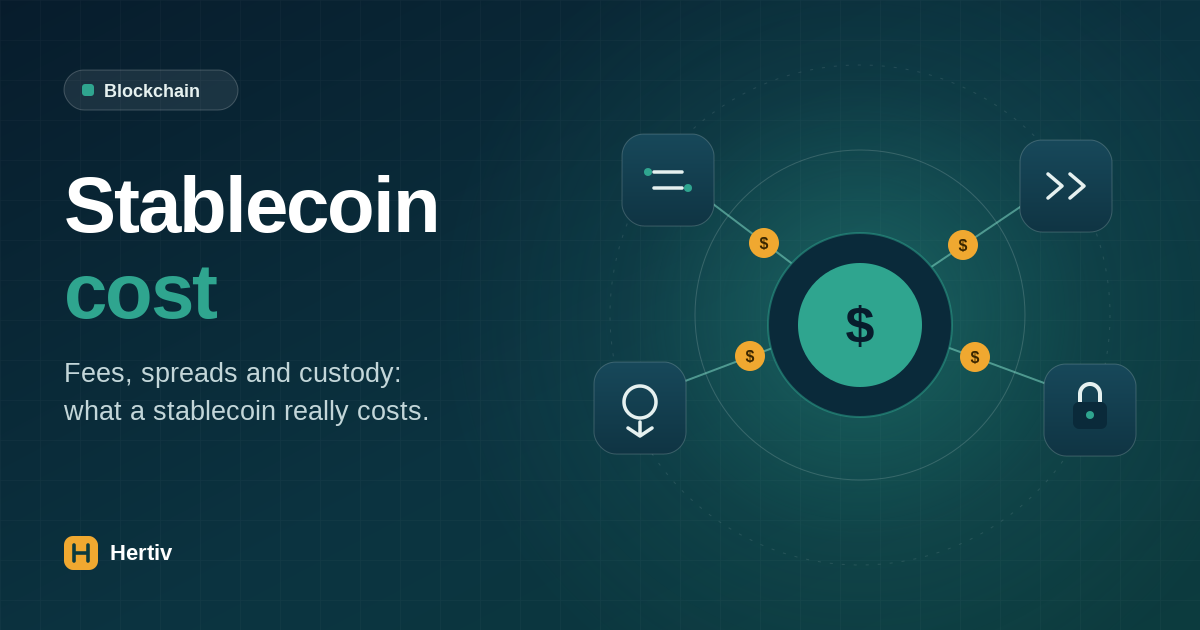
Using a stablecoin is rarely free: network fees, spreads, minting and redemption charges, and custody costs all add up. Here is what each part costs.
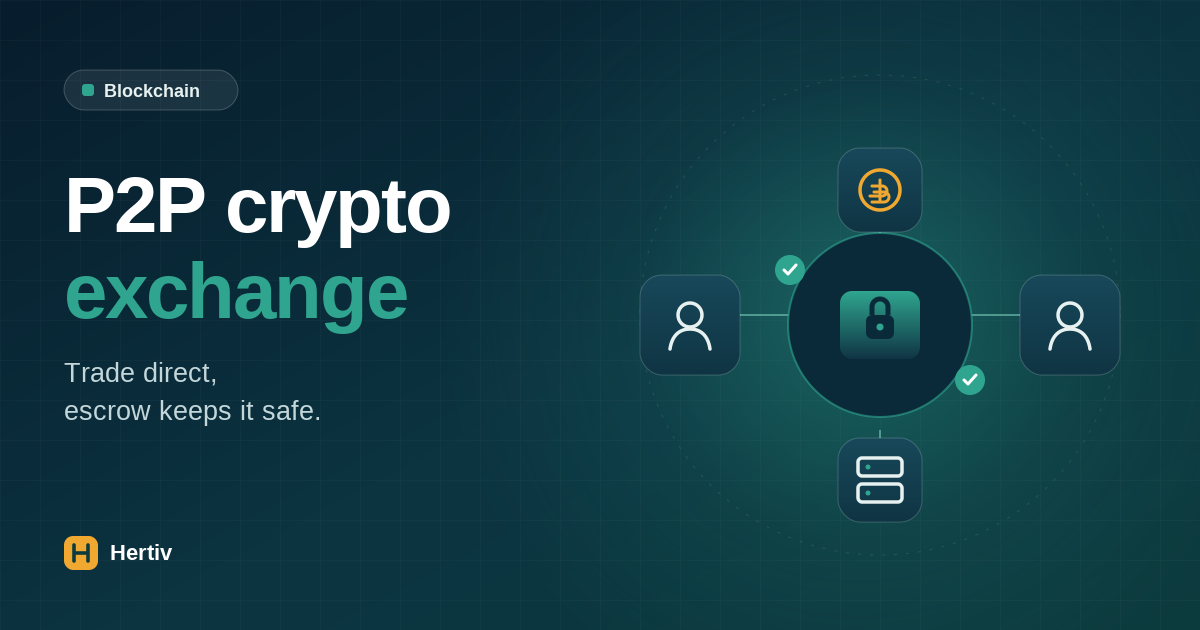
A peer-to-peer crypto exchange lets users trade directly while your platform holds escrow and takes a fee. Here is how it earns money and what launching one takes.
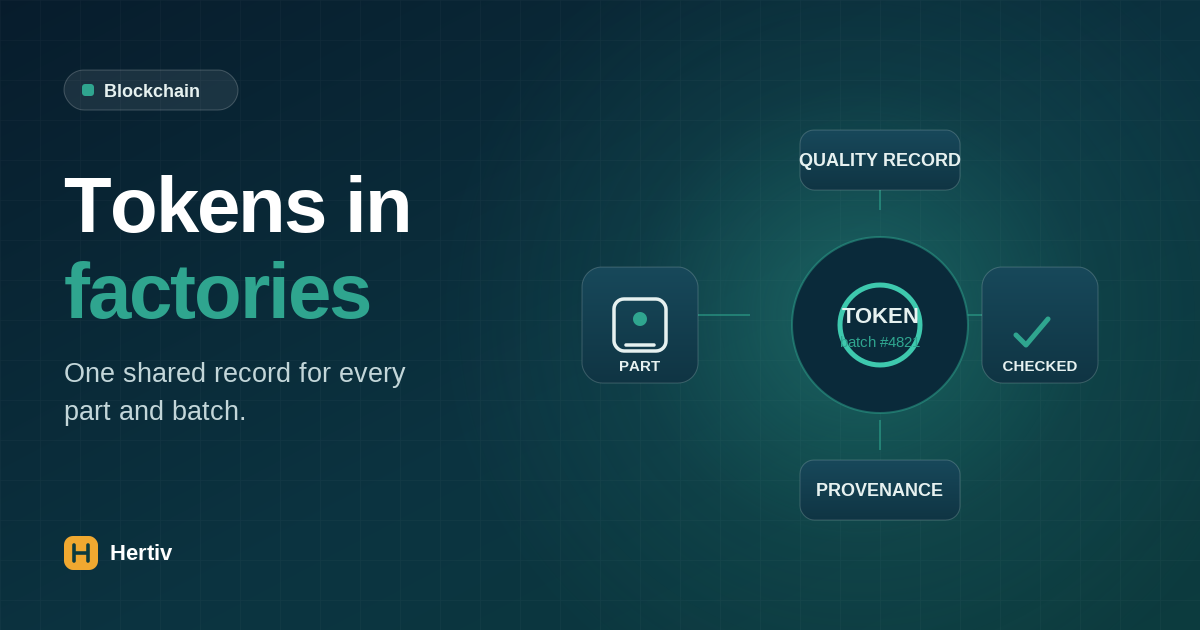
Tokenization in manufacturing gives parts, machines and batches a shared digital record. Here is where tokens fit and how to run a pilot.
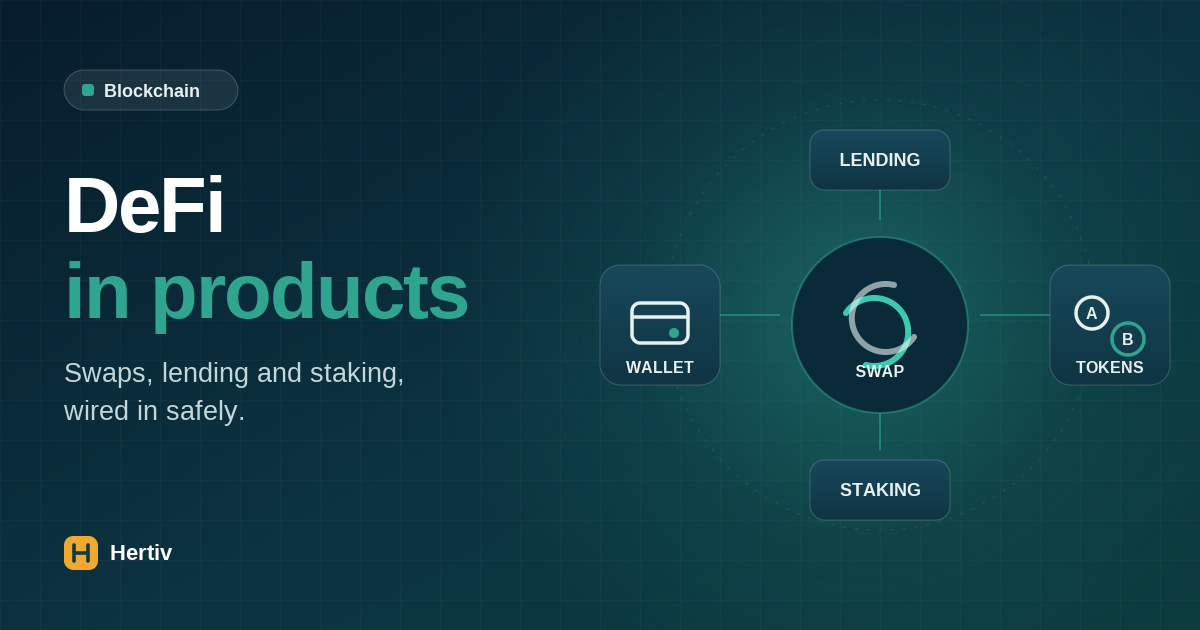
Implementing DeFi means connecting your product to smart contracts for swaps, lending or staking. Here is how to pick a feature, a chain and a safe launch plan.
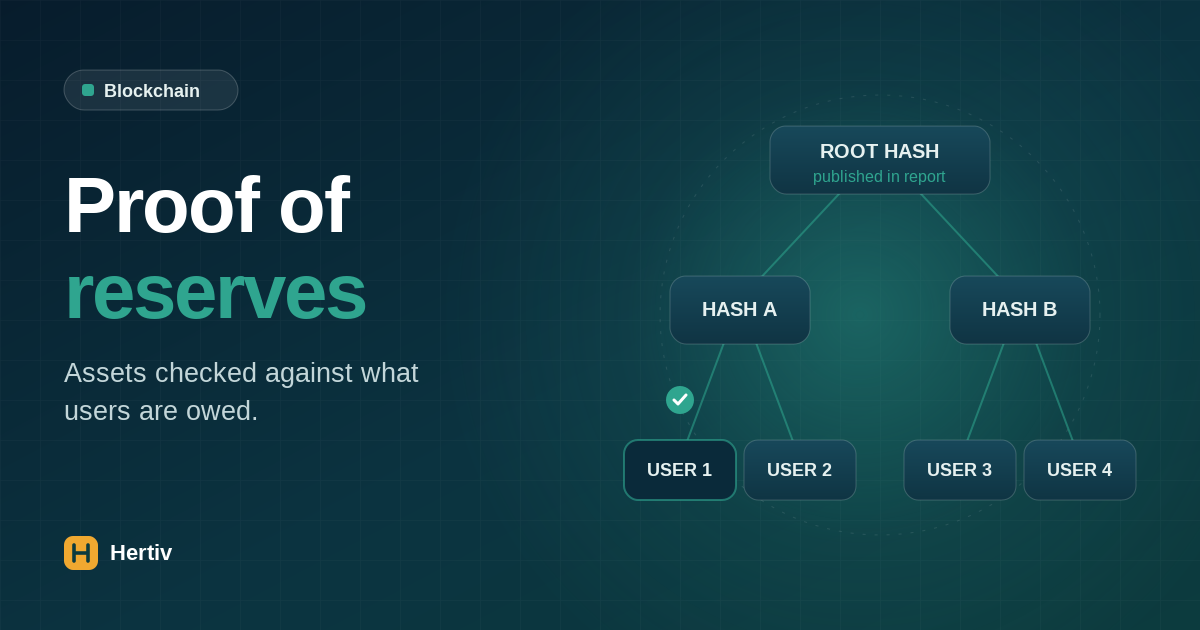
Proof of reserves shows that an exchange holds enough assets to cover customer balances. Here is how the snapshot, Merkle tree and attestation fit together.
A metaverse education platform is a 3D virtual campus where classes, labs and group work happen through avatars instead of video tiles.
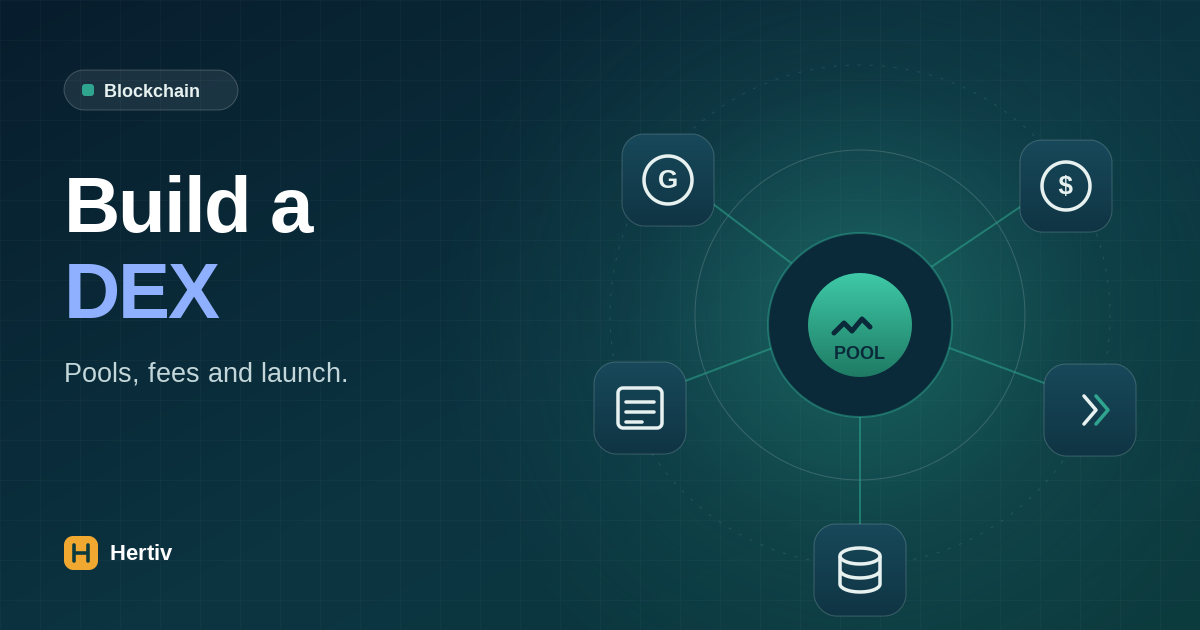
A DEX lets users swap tokens through smart contracts instead of a company holding their funds. Here is how to implement one, from pool contracts to launch.
Stablecoins give games a dollar-priced way to pay players, settle marketplace trades and move value between worlds. Here is where they fit and where they do not.
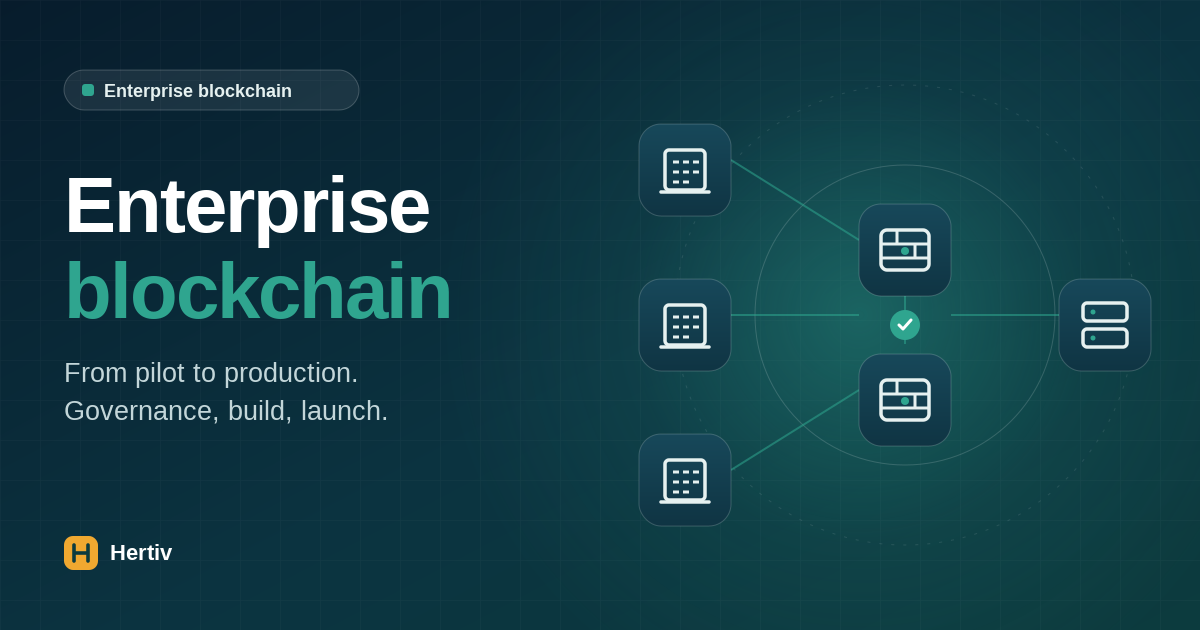
Enterprise blockchain takes a shared ledger from pilot to production. This guide covers the use case, governance, build steps and system links you need to launch.
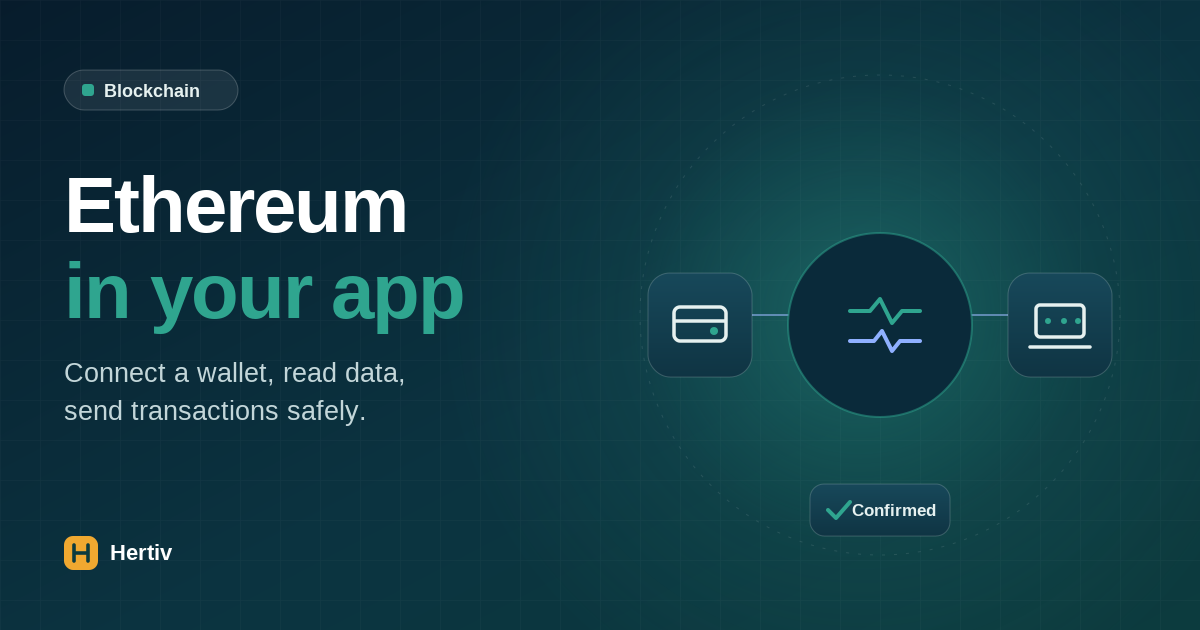
Implementing Ethereum in your app means connecting it to the network so users can sign in with a wallet and send transactions. Here is the setup.
Metaverse training lets staff practise real tasks in a shared 3D space: onboarding, safety drills, equipment practice and role-play, with feedback straight away.
Fund tokenization turns fund shares into digital tokens on a blockchain. Here is how to set up the legal structure, build the token and launch it.
A hot wallet stays online so it can send and receive funds at once. Here is how to set one up safely, from key storage to daily limits.
A metaverse NFT marketplace is a shop inside a virtual world where avatars buy and sell NFTs: land, wearables, art and access passes. Here is how it works.
The metaverse for business means 3D spaces where customers and staff meet, shop, train and collaborate. Here is what it is, where it fits, and how to start small.
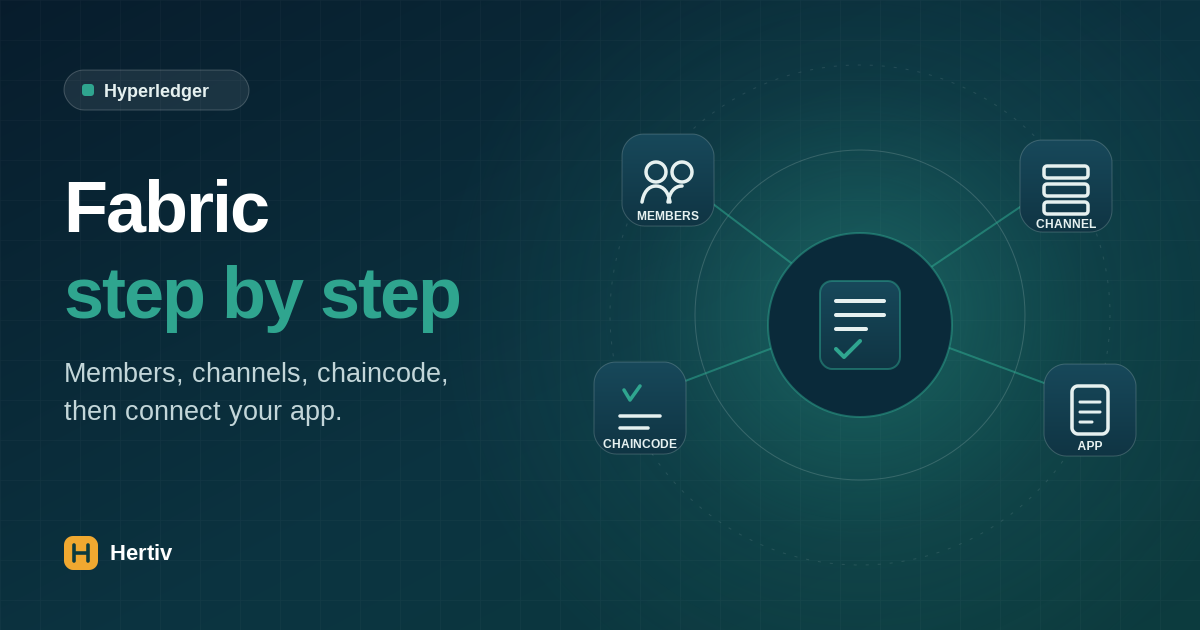
Implementing Hyperledger Fabric means setting up a permissioned network, writing chaincode and connecting your app. Start with two organisations, then grow.
Layer 2 moves transactions off the main chain so your app settles faster and cheaper. This guide covers choosing a type, wiring wallets, bridging and testing.
Blockchain gives every party in a shipment the same tamper-proof record. These eight use cases show where it cuts disputes, paperwork and delays in logistics.
A Solana metaverse is a virtual world where land, items and payments run on the Solana blockchain. Here is how wallets, NFTs and SOL payments fit together.
A liquidity pool is a smart contract holding two tokens so traders can swap without a counterparty. To build one, pick a design, set the first price and deploy.
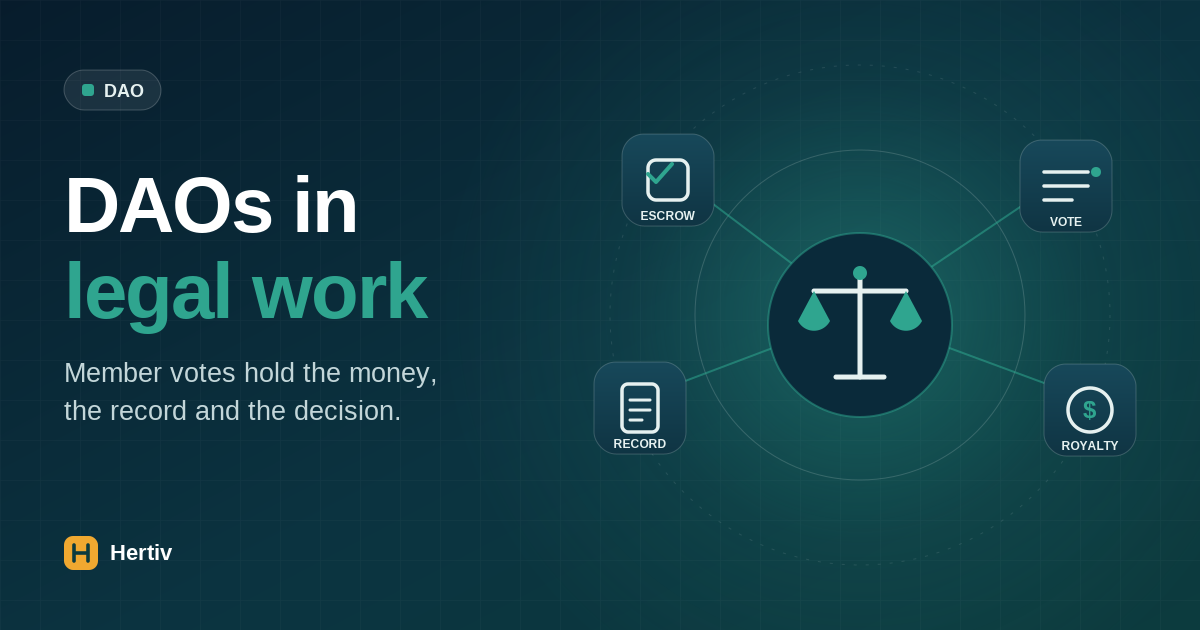
DAOs can hold escrow, run treasuries, record votes and settle disputes on-chain. These seven legal use cases show where member voting replaces paperwork.
No posts on this page match. Use site search (Ctrl K) to search every post.
A senior engineer reads every request and replies within one business day with questions, a rough range, or a call link.