Blockchain
Why Build a White-Label Stablecoin Remittance Platform?
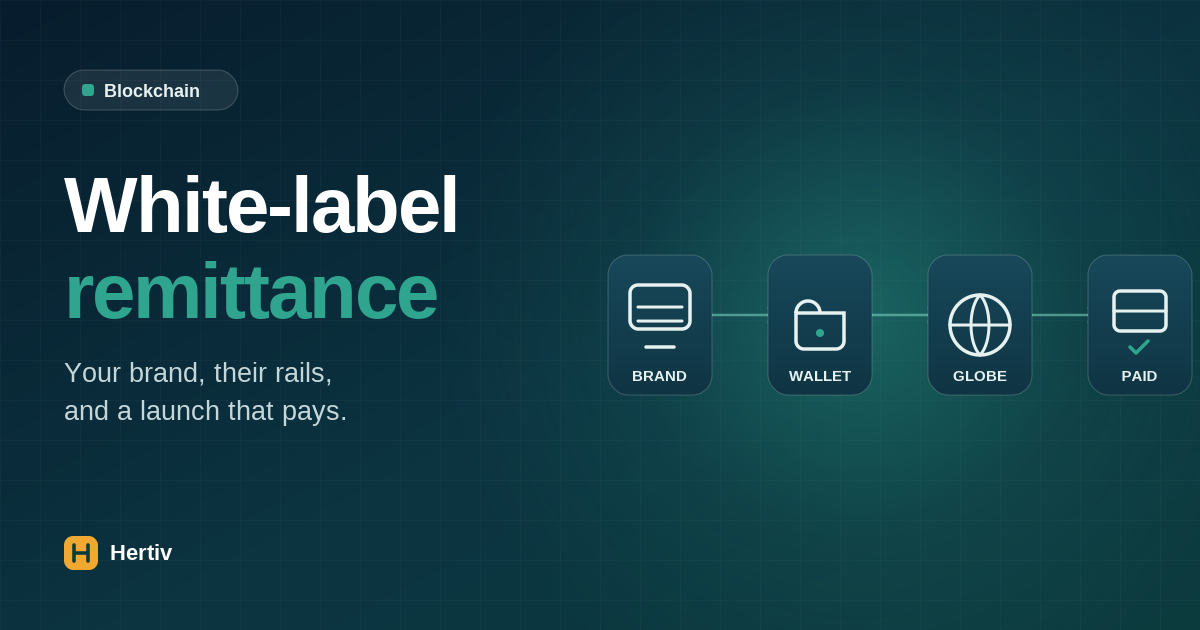
A white-label stablecoin remittance platform lets you offer cross-border payments under your own brand. Here is when it pays off and what it takes to launch.
Practical guides on tokenization, stablecoin payments, wallets and smart contracts.
1662 posts · page 23 of 70
A white-label stablecoin remittance platform lets you offer cross-border payments under your own brand. Here is when it pays off and what it takes to launch.
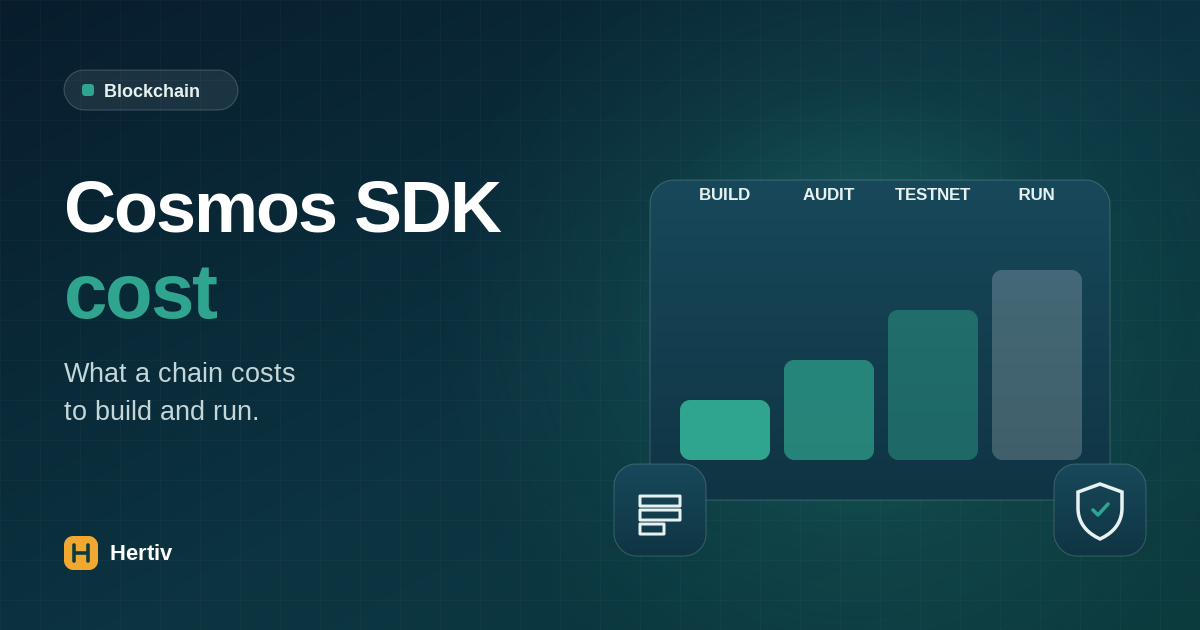
A Cosmos SDK chain costs from a five-figure sum for a simple app chain to several hundred thousand dollars for a custom build with an audit. Here is what decides it.
A multiplayer metaverse platform is a shared 3D world where people meet, play and trade live. Build one when the shared presence is the product, not an extra.
NFT games in the metaverse let players own land, avatars and items inside a shared 3D world. Here is how the pieces fit and what to check before you play.
Tokenization turns pharma rights and data into digital tokens on a blockchain. Here is how it works, where it fits today, and what to check before you start.
Moving tokens between chains costs more than one network fee. Here is what a bridge charges, what drives the price up, and how to keep each transfer cheap.
Businesses invest in custom metaverse development to own the space, the data and the brand experience instead of renting them. Here is what drives the decision.
Crypto custody costs depend on the model you choose: a share of assets held, a flat fee, or a mix of both. Here is what each part costs and how to budget.
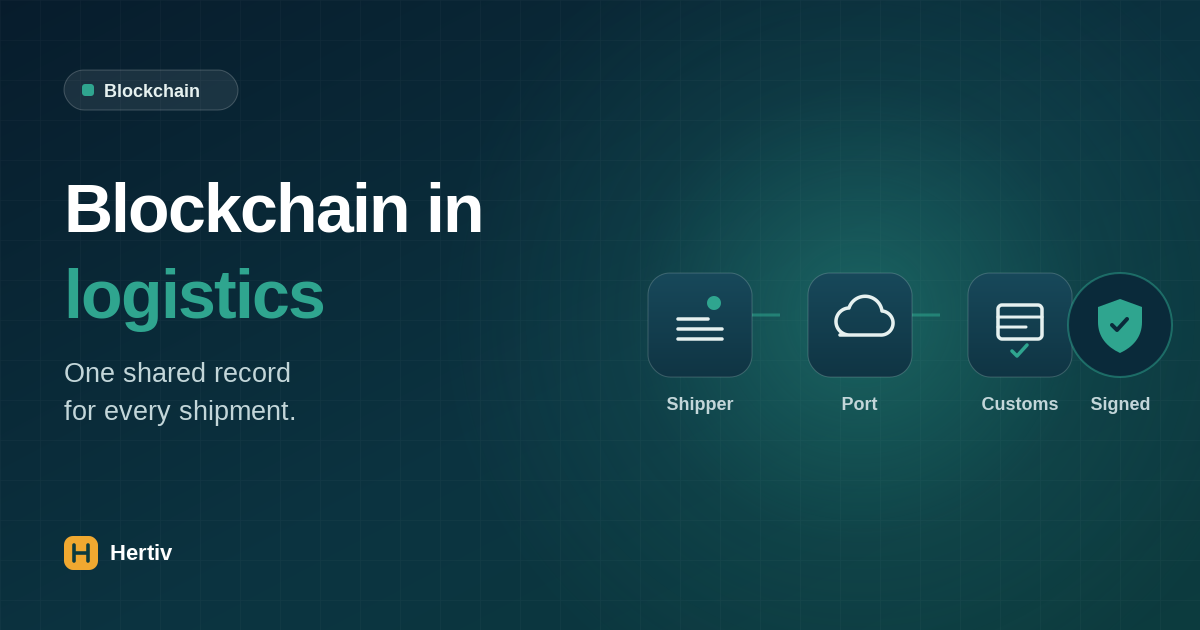
Blockchain gives every shipment a shared record all parties can trust, cutting disputes and paperwork. Here is where it helps and how to start.
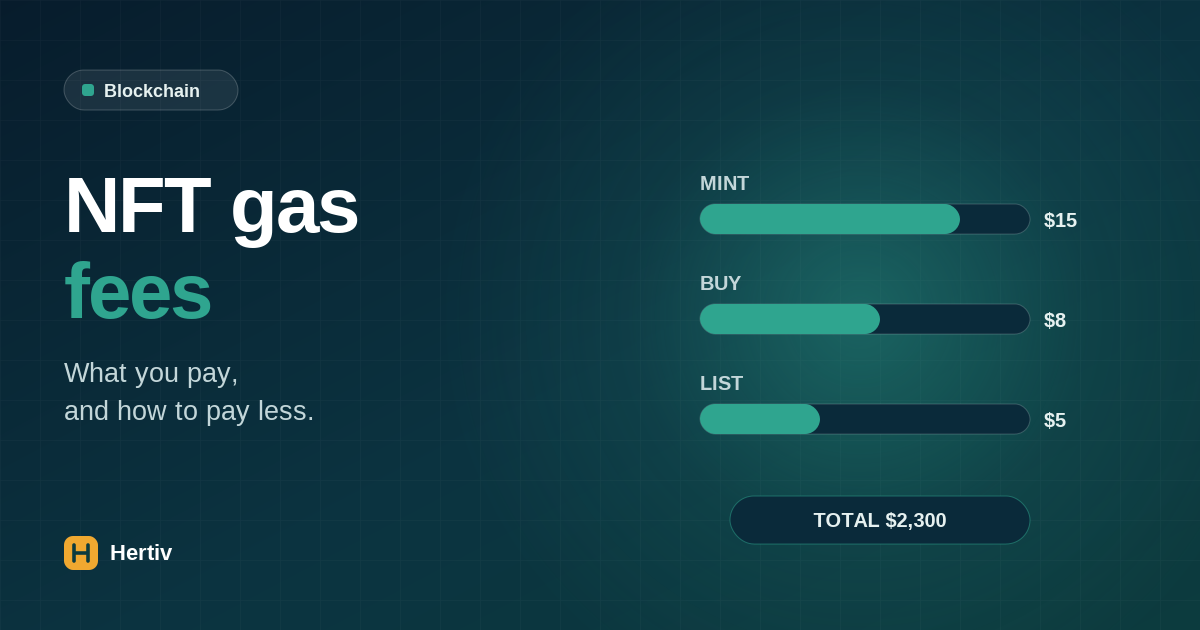
NFT gas fees are what you pay to mint, buy and list an NFT. They rise with network demand — cut them with timing, batching, lazy minting or a layer 2 chain.
A crypto payment gateway costs roughly $80,000 to $400,000 to build. Wallet support, custody and compliance drive the price — here is what each part costs.
Charities are adopting tokenized donation platforms because donors can see where money goes, fees are lower, and gifts can arrive from anywhere.
A DAO build costs from a five-figure sum for simple voting to several hundred thousand dollars for a governed treasury with an audit. Scope and audit decide it.
Base is an Ethereum layer 2 with low fees, full EVM tooling and a large user base. Here is when it fits an IDO launchpad, and when another chain wins.
Node.js fits products that handle many small requests at once, such as APIs, chat and dashboards. Here is when it is the right call, and when another stack fits.
NFTs in mobile apps act as tickets, passes, collectibles and game items on your phone. Here is how they work and what it takes to add them.
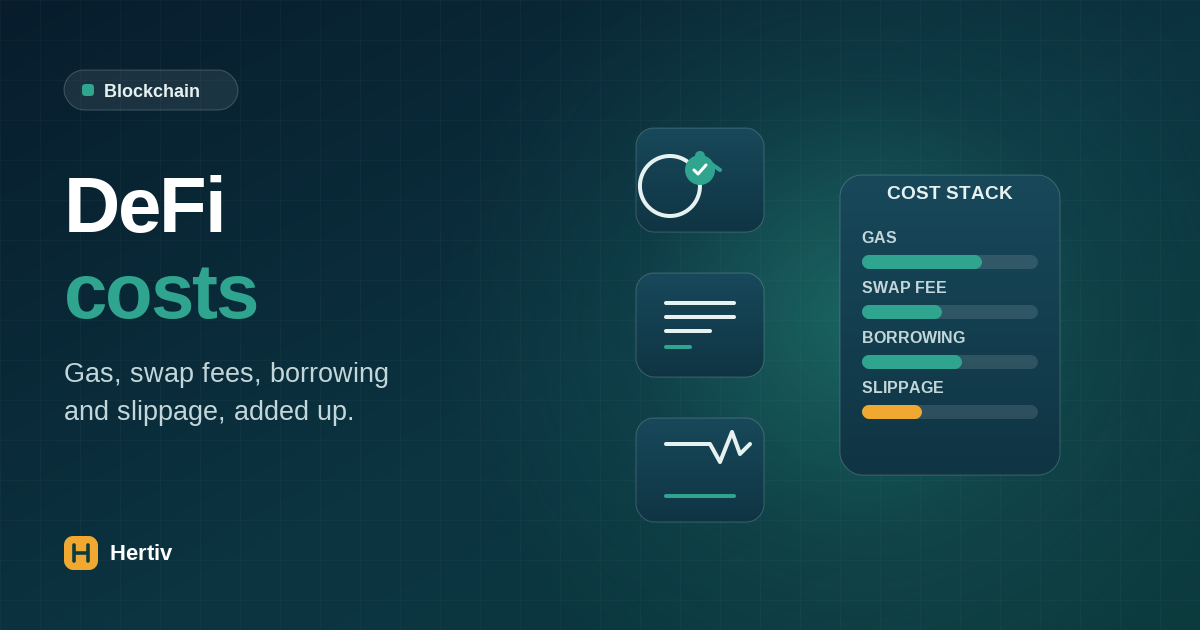
Using DeFi costs more than the fee you see on screen: gas, swap fees, borrowing rates and slippage all add up. Here is what each part costs and how to keep it down.
Polygon gives token projects low fees, fast confirmations and Ethereum compatibility. Here is when it fits your token, and when another chain is the better call.
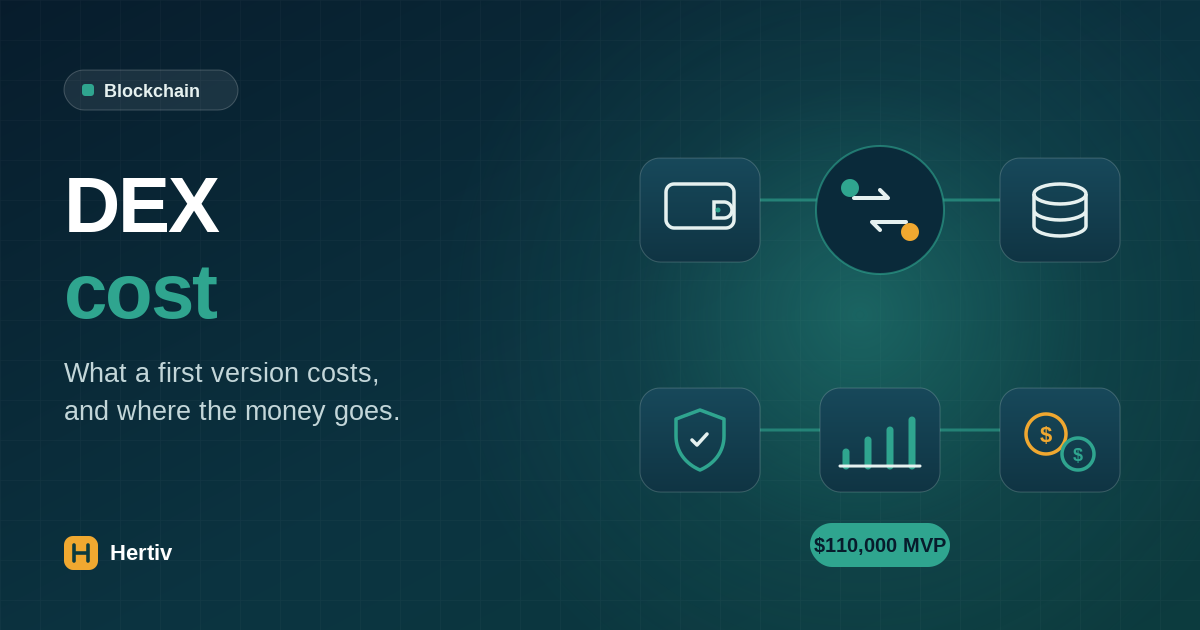
A decentralised exchange can start as a lean MVP or grow into a fully audited platform. Here is what each part costs and how to budget the build.
White label blockchain is a branded chain product you run and control; SaaS is a rented service. Which fits depends on control, cost and who owns the data.
NFTs in social media appear as profile pictures, collectible posts, token-gated groups and creator rewards. Here is how they work and what to check first.
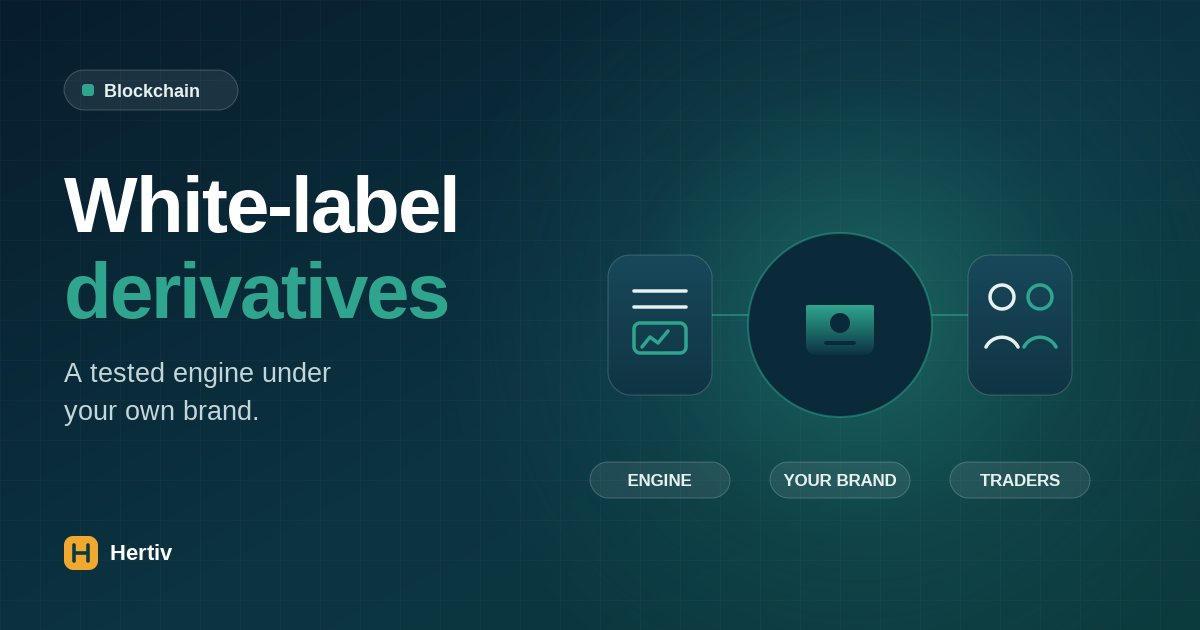
A white-label crypto derivatives exchange gives you a tested trading engine, wallet and risk tools under your own brand, so you launch in weeks, not a year.
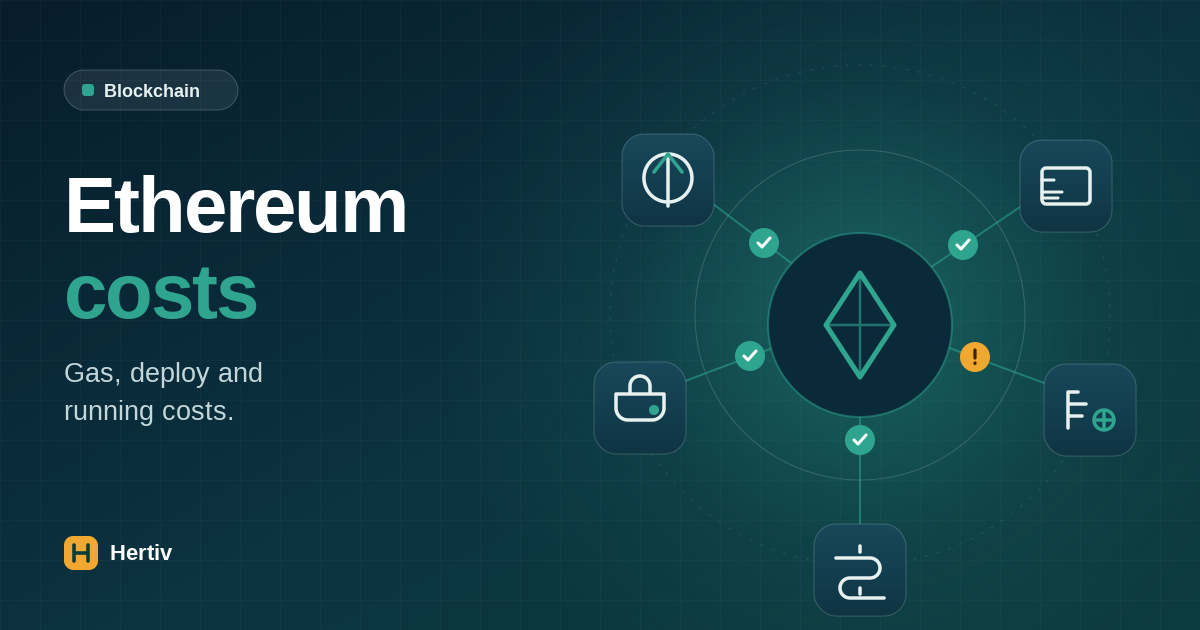
Building on Ethereum costs gas for every transaction, plus deployment, audits and running services. Here is what each part costs and how to keep the total in check.
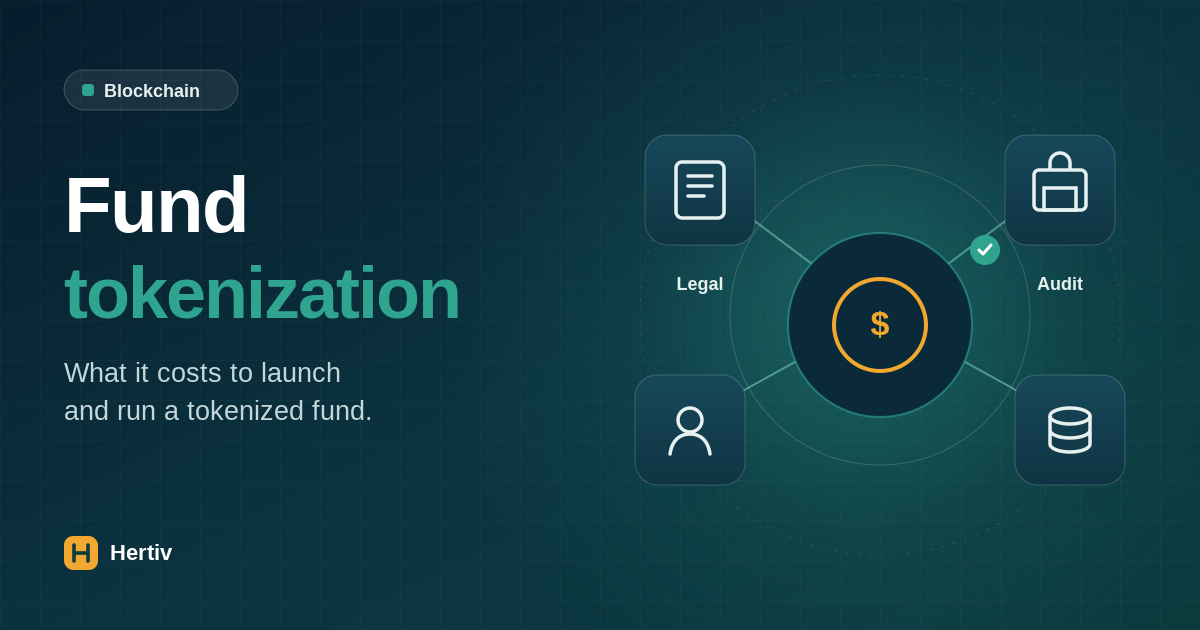
Tokenizing a fund means legal work, smart contracts, an audit, a platform and ongoing administration. Here is what each part costs and where the total lands.
No posts on this page match. Use site search (Ctrl K) to search every post.
A senior engineer reads every request and replies within one business day with questions, a rough range, or a call link.