Blockchain
What Does It Cost to Build a Wallet App Like Wero?
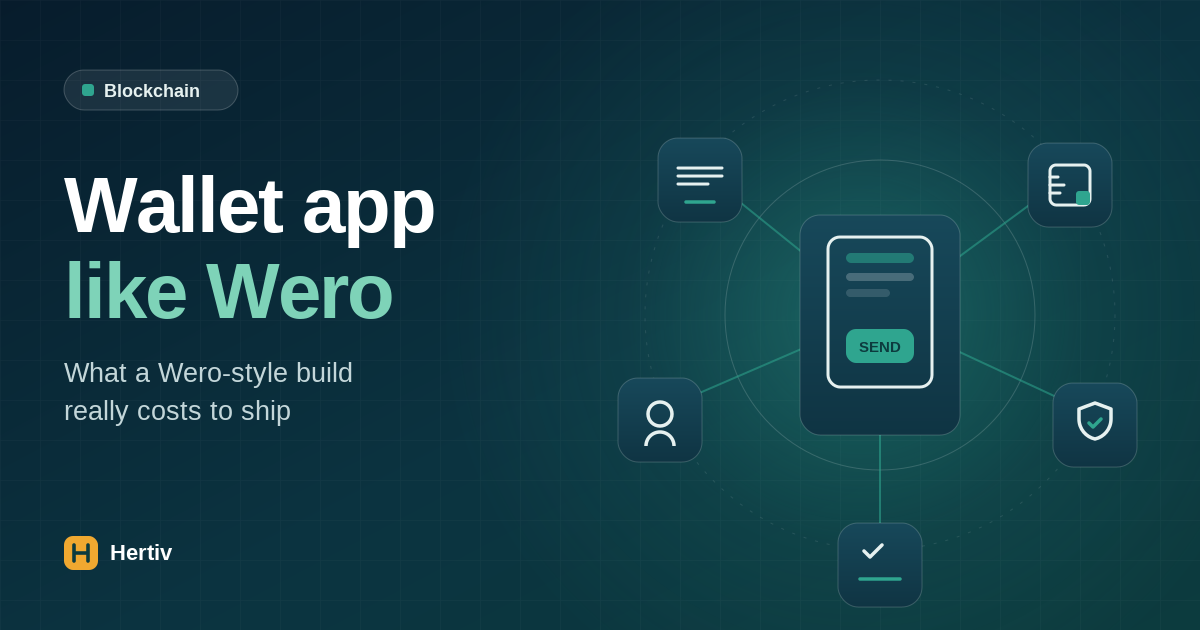
A wallet app like Wero moves money straight between bank accounts, which changes the build and the budget. Here is what each tier costs and what drives the price.
Practical guides on tokenization, stablecoin payments, wallets and smart contracts.
1663 posts · page 33 of 70
A wallet app like Wero moves money straight between bank accounts, which changes the build and the budget. Here is what each tier costs and what drives the price.
Creating a crypto wallet on Solana costs roughly $15,000 to over $200,000 to build, depending on scope, with white-label options from about $4,500.
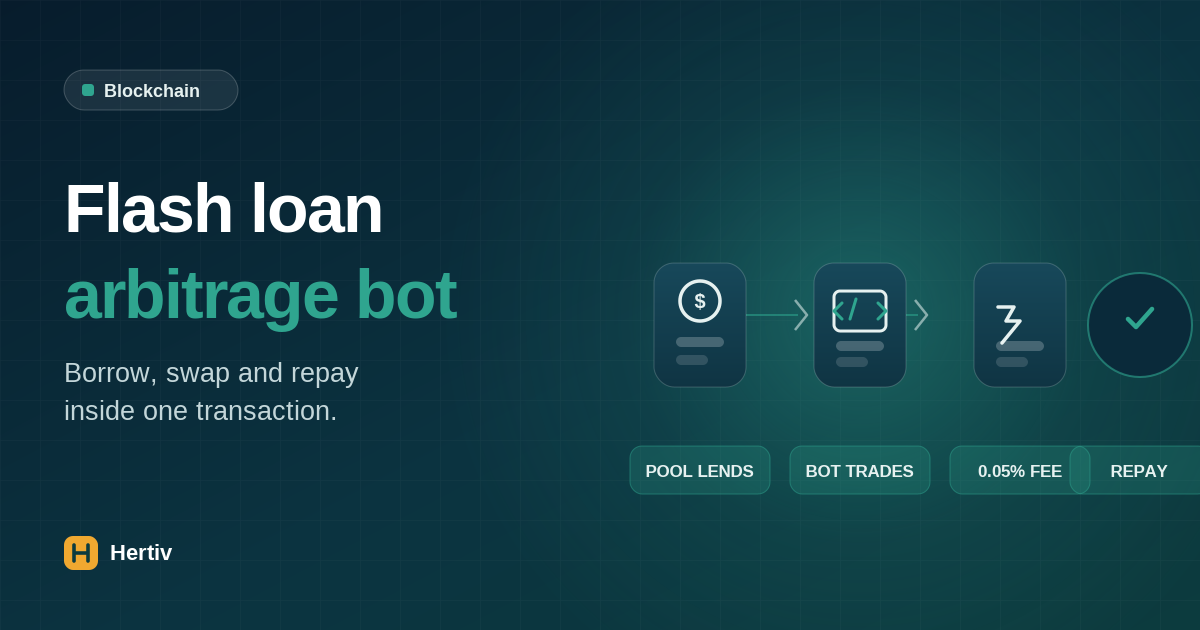
A flash loan arbitrage bot borrows crypto, buys low on one exchange and sells high on another, then repays the loan, all inside one transaction.
Blockchain is changing digital banking from the inside: faster settlement, cheaper cross-border payments and new kinds of deposits. Here is where it helps.
Stablecoins let supply chain partners settle invoices in hours instead of days, with lower fees than bank wires. Here is how they work in practice.
Blockchain development tools cover smart contract frameworks, node access, data indexing and testing. Here are eight tools compared for teams building on chain.
A MetaMask-level wallet costs $120,000 to $250,000 or more to build, with the audit and integrations on top. Here is the full breakdown by build path and feature.
A DAO-governed DEX lets token holders set fees, approve listings and spend the treasury by vote. Here is how the contracts fit together and how to build one safely.
An e-wallet app costs $15,000 to $60,000 for an MVP and $60,000 to $150,000 for a mid-level wallet. Here is what drives the price, and what compliance adds.
A DAO is an organisation whose rules live in smart contracts and whose members decide by vote. Write the rules first, secure the treasury, then deploy and test.
Starting a tokenized asset business in Dubai means a VARA licence, paid-up capital and a Dubai office. Here is what each part costs and how long it takes.
The XDC Network is EVM-compatible with two-second finality and near-zero fees. Here is how to build and deploy a decentralized app on it.
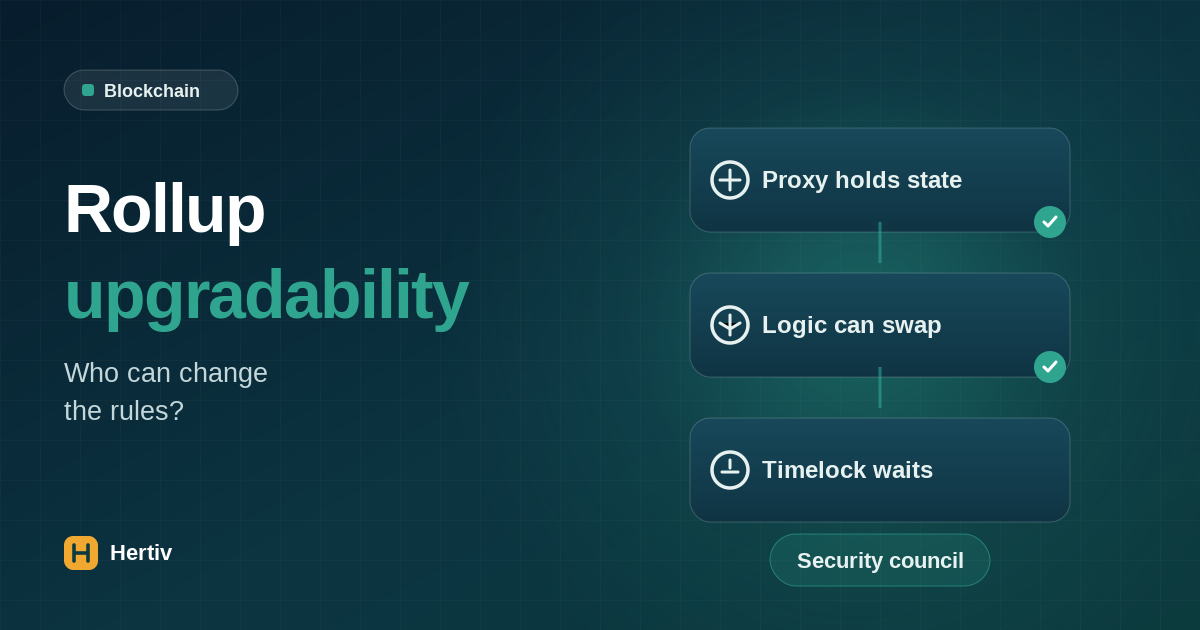
Rollup upgradability decides who can change a layer 2's contracts and how fast. Here is how proxies, timelocks and security councils work, and what to check.
Tokenization turns goods, documents and invoices in a supply chain into digital tokens. Here is how it works, where it helps, and where it falls short.
Startups holding crypto need a custodian that fits their size, assets and compliance needs. Here are eight custody providers compared for early-stage teams.
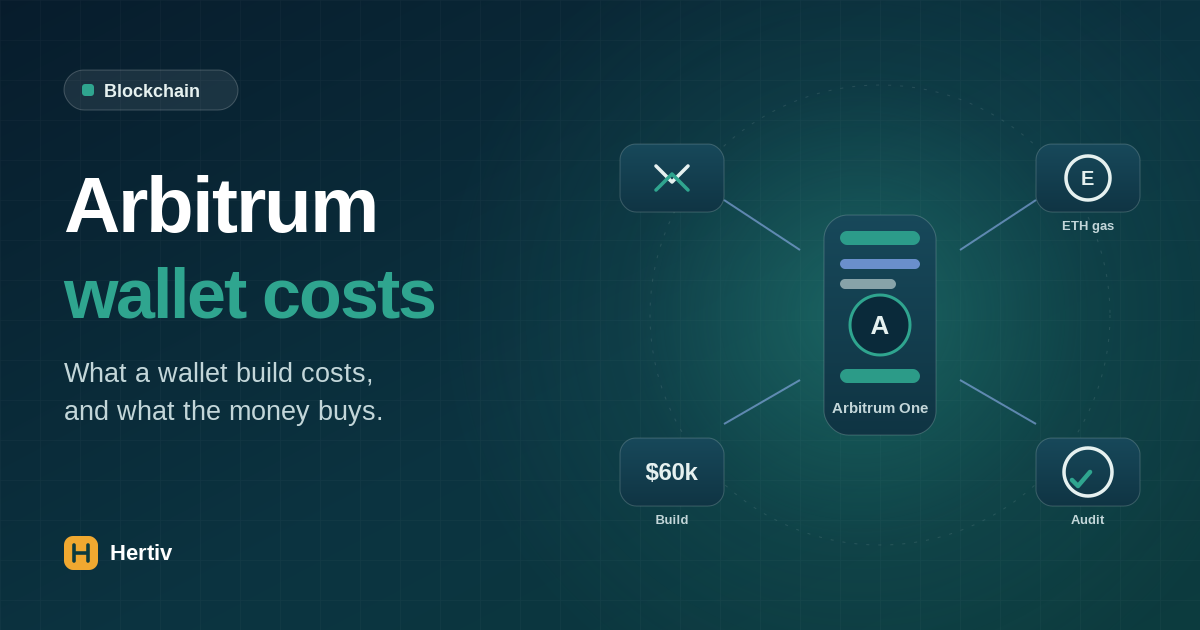
Building a crypto wallet on Arbitrum costs about $20,000 to $55,000 for a basic version and $55,000 to $150,000 mid-level, plus audit and maintenance.
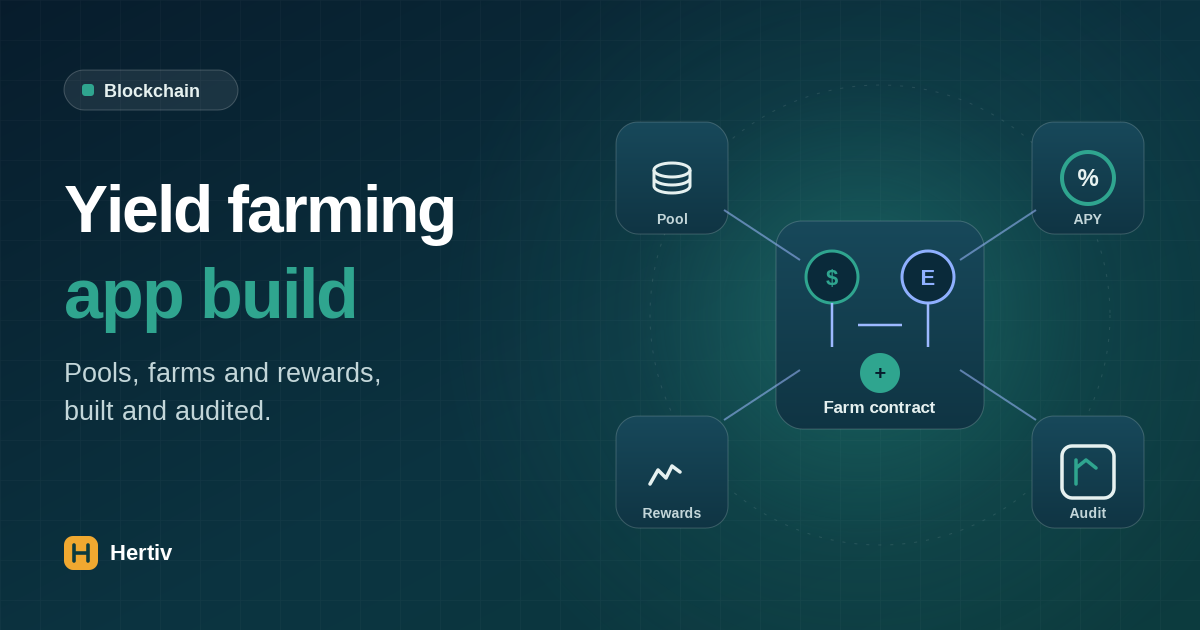
A DeFi yield farming app lets users deposit crypto into pools and earn rewards from fees, interest and emissions. Here is what it needs and how to build it.
Enterprise DeFi on Bitcoin Layer 2 pairs Bitcoin settlement with off-chain execution. Here is how to pick a layer, move BTC in, and ship a compliant product.
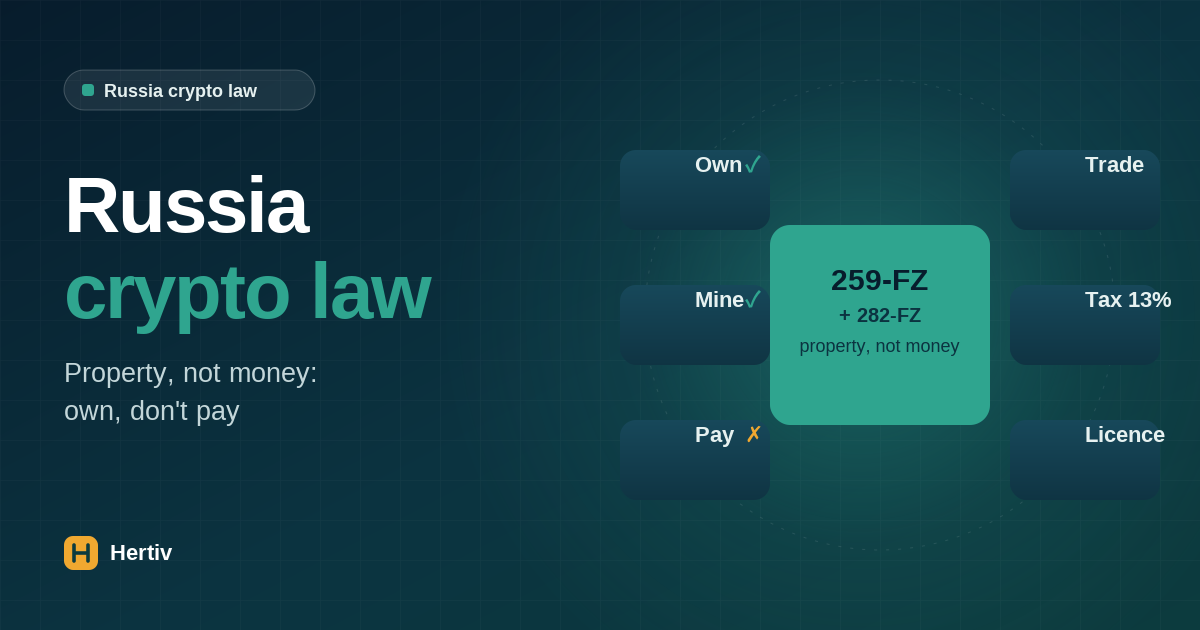
Russia treats crypto as property, not money: owning, trading and mining are legal under defined rules, but domestic payments are banned. Here is the framework.
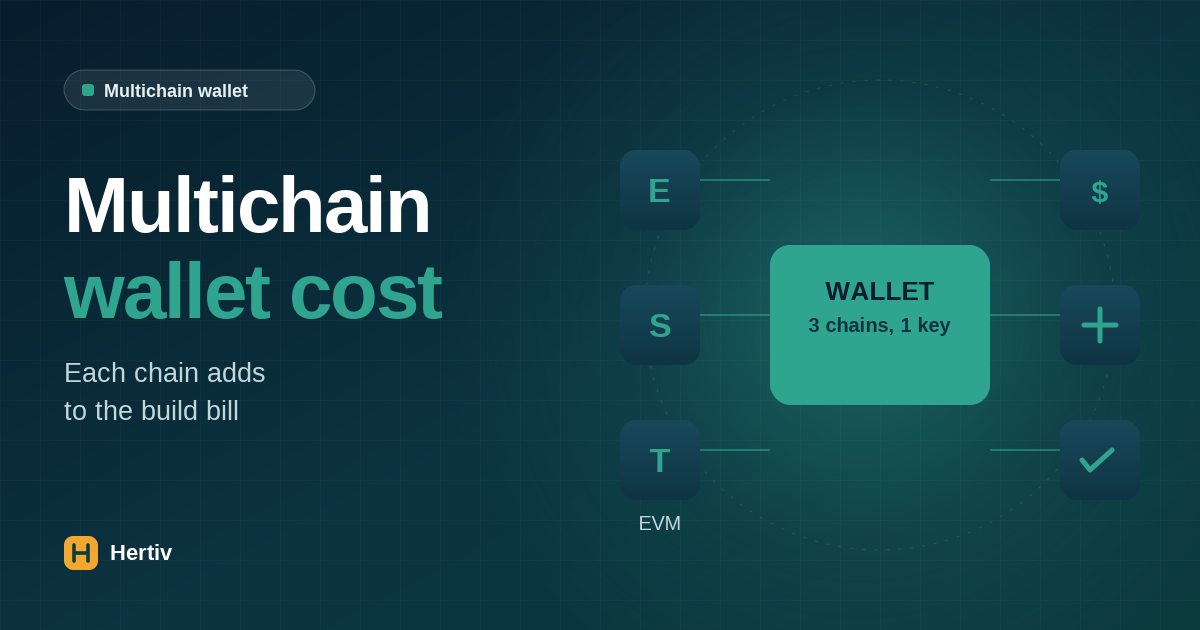
A multichain Web3 wallet costs roughly $15,000 for a basic build and $50,000 to $150,000 for a production version. Here is what drives the price up.
A HIPAA-compliant metaverse healthcare platform lets patients and clinicians meet in virtual reality while patient data stays protected under HIPAA rules.
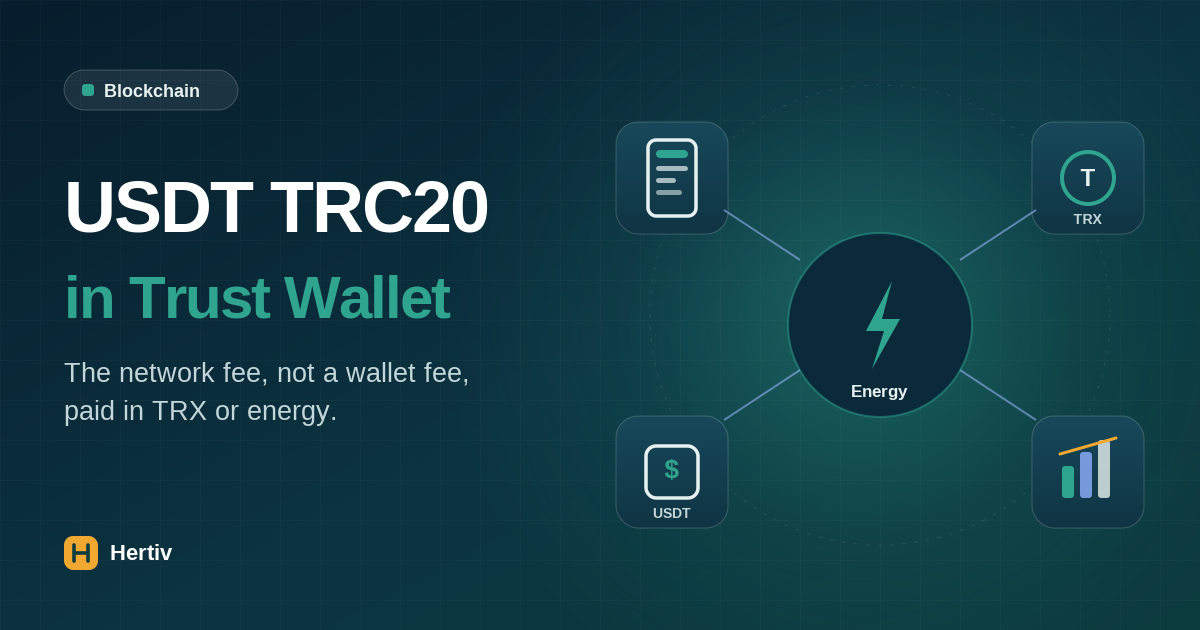
Sending USDT TRC20 from Trust Wallet costs the TRON network fee, not a wallet fee. Here is what a transfer burns in TRX, and how staking or renting energy cuts it.
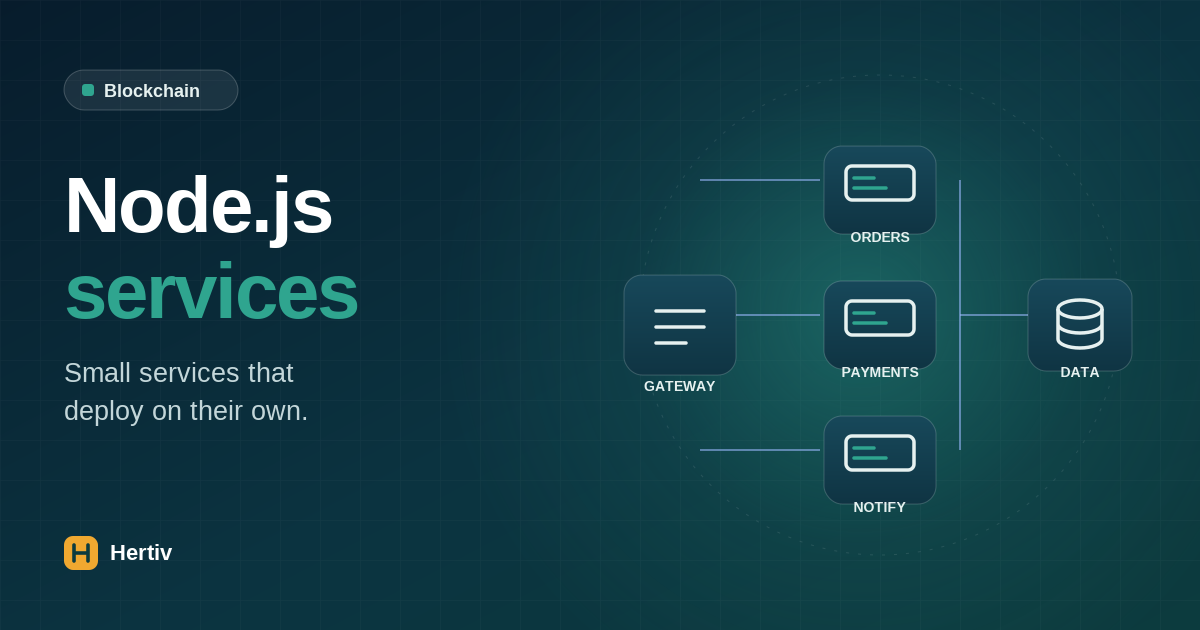
Building microservices with Node.js means splitting an app into small services, each with its own process and database. Here is how to design the split.
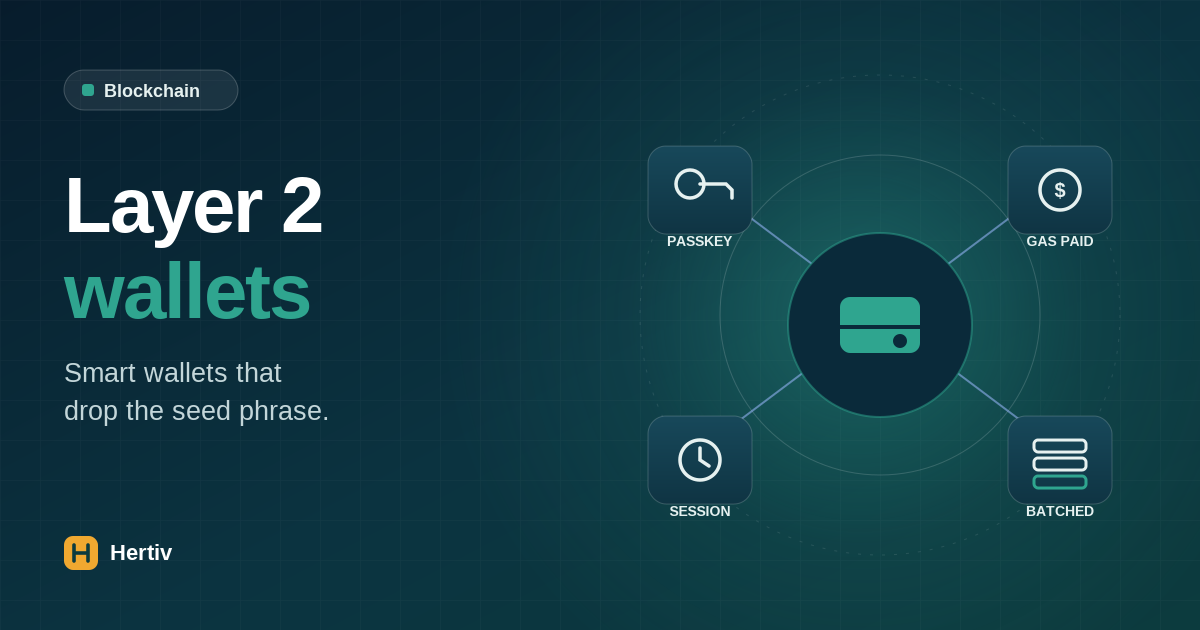
Advanced layer 2 wallets are smart-contract wallets that drop seed phrases, sponsor gas and batch actions into one tap. Here is how they work and who should use one.
No posts on this page match. Use site search (Ctrl K) to search every post.
A senior engineer reads every request and replies within one business day with questions, a rough range, or a call link.