Blockchain
What Are Spot Bitcoin ETFs and How Do They Work?
A spot bitcoin ETF holds actual bitcoin and trades on a stock exchange, so investors get bitcoin exposure through a brokerage account. Here is how it works.
Practical guides on tokenization, stablecoin payments, wallets and smart contracts.
1663 posts · page 39 of 70
A spot bitcoin ETF holds actual bitcoin and trades on a stock exchange, so investors get bitcoin exposure through a brokerage account. Here is how it works.
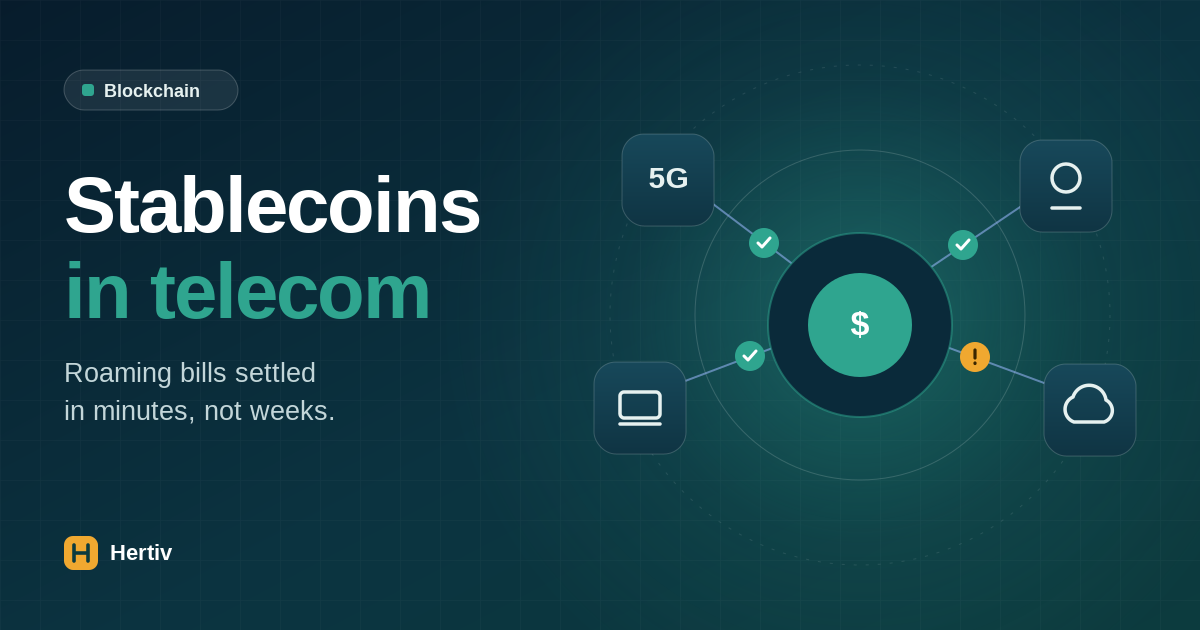
Stablecoins give telecom operators a dollar-pegged way to settle roaming and wholesale bills faster than banks. Here is where they fit and where they do not.
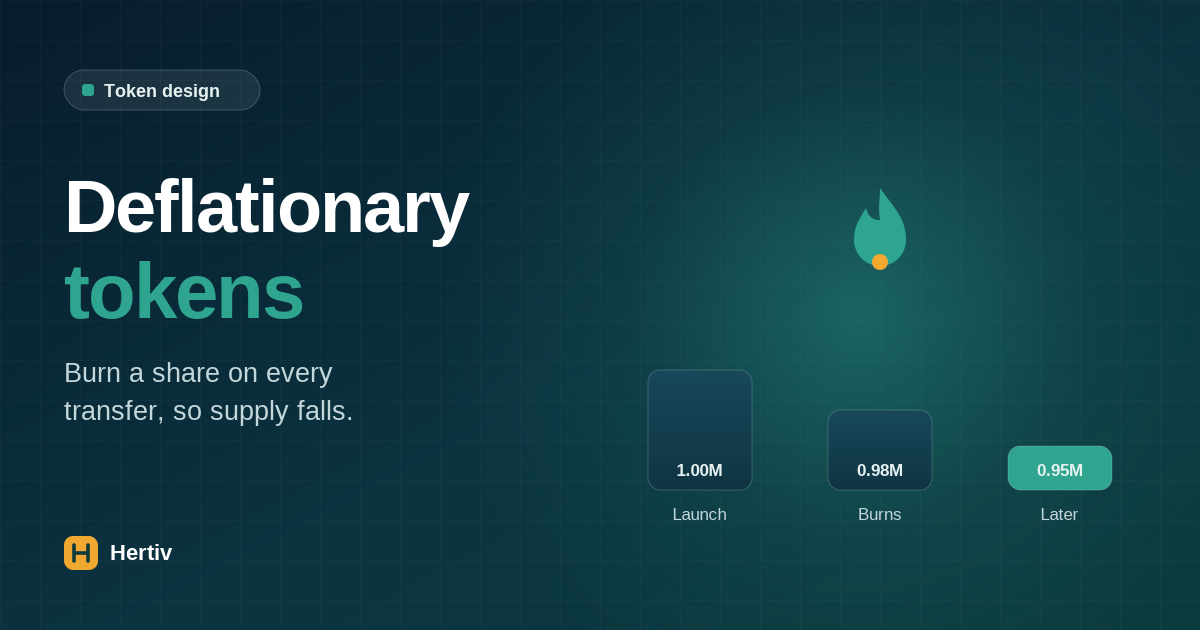
A deflationary token is built by writing a burn rule into its contract, then testing, auditing and deploying it. Here is the full sequence and the maths behind it.
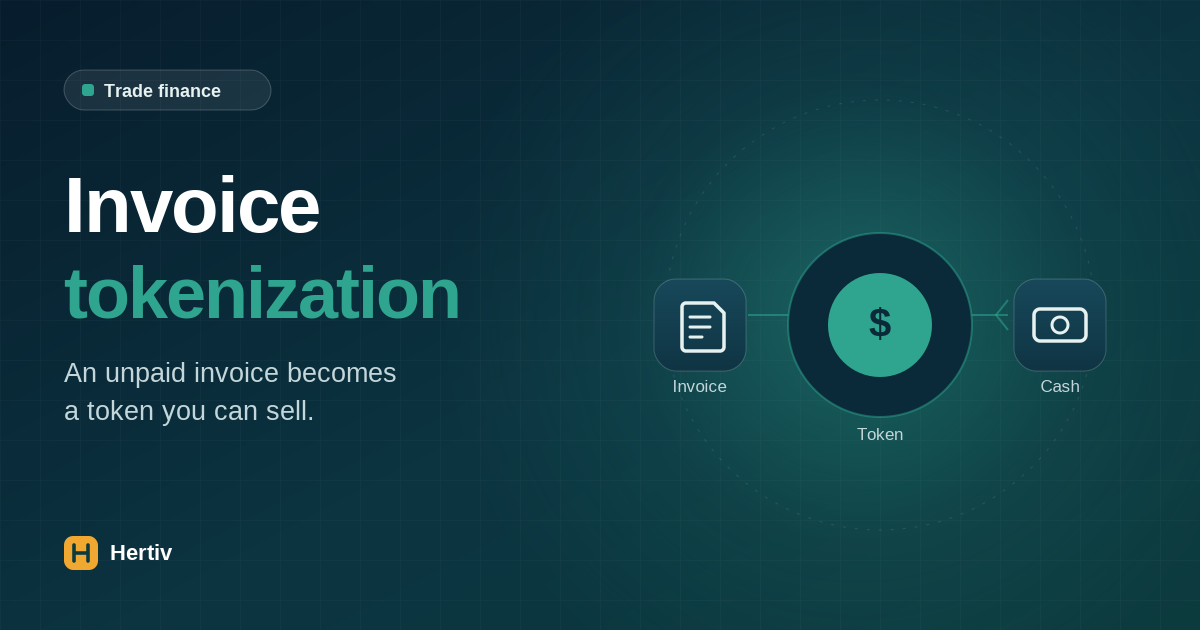
Invoice tokenization turns an unpaid invoice into a token on a blockchain, so a business can sell it or borrow against it before the buyer pays.
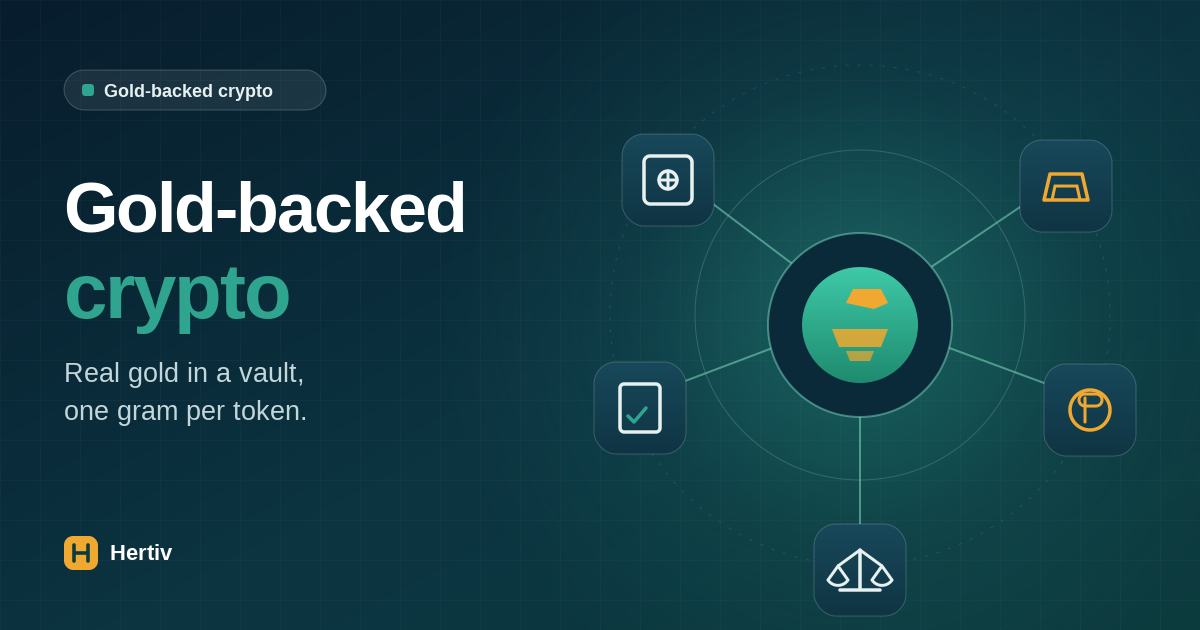
A gold-backed cryptocurrency is a token tied to physical gold in a vault, each token worth a fixed weight. Here is how to build one, from custody to redemption.
Metaverse social media puts people together as avatars in shared 3D spaces, where they talk and attend events live. Here is what it needs and how to build it.
An SPV is a separate company that holds the real asset behind a token, so token holders have a clear claim. Here is how the structure works and what can go wrong.
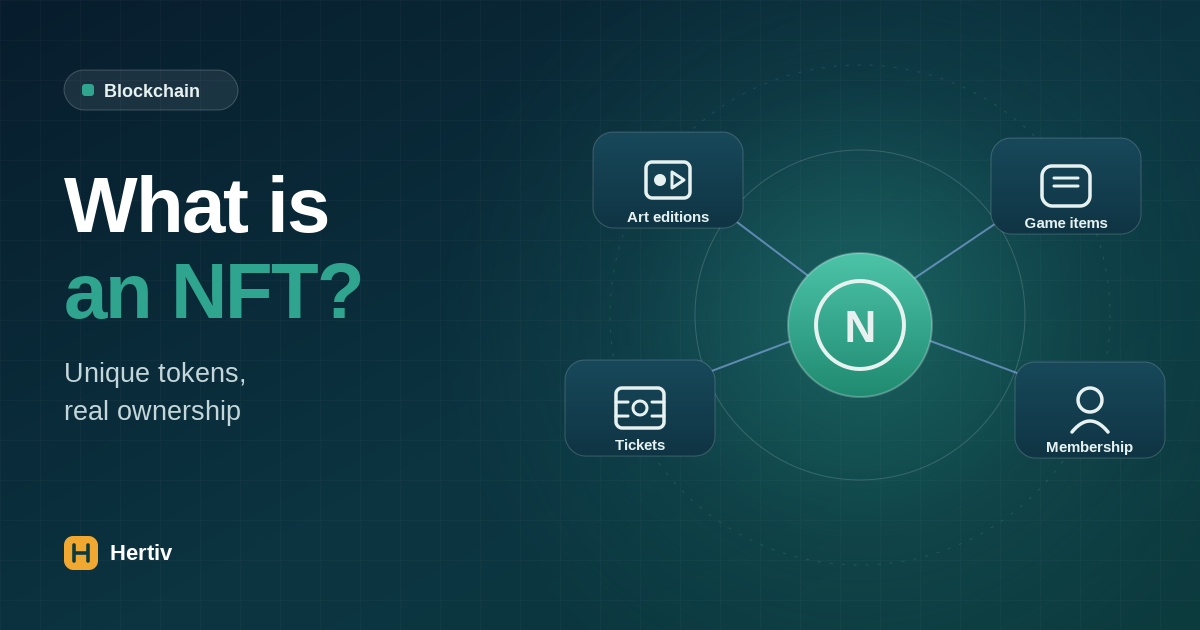
An NFT is a unique token on a blockchain that proves ownership of a specific digital item. Its rise came from scarcity, creator income and community.
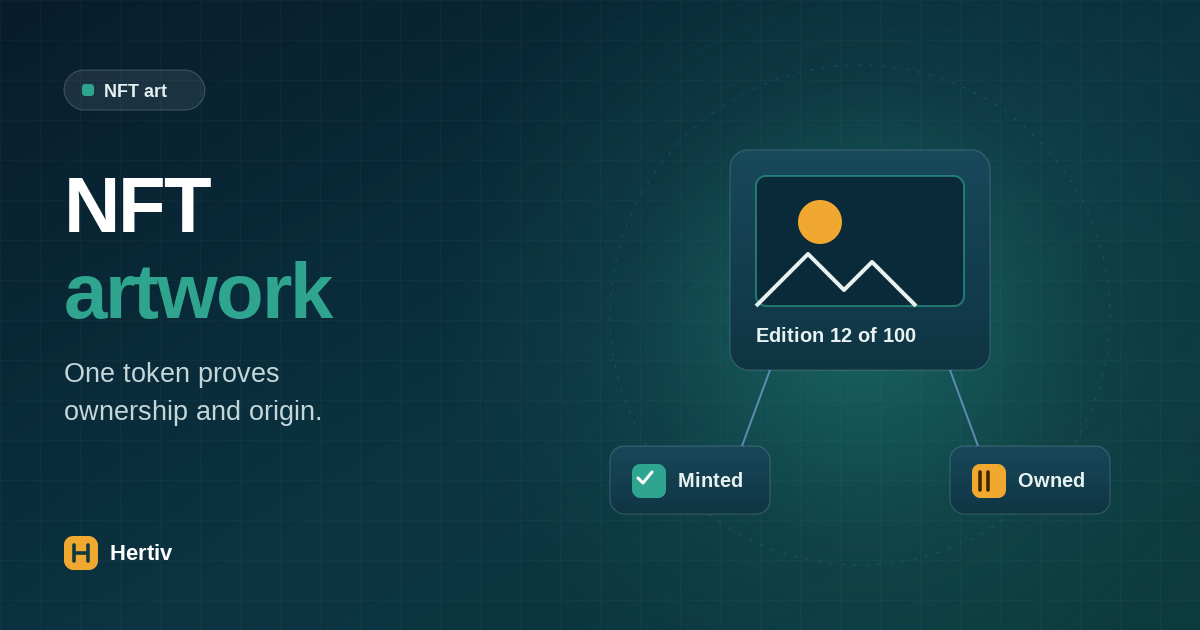
NFT artwork is digital art linked to a unique blockchain token, so ownership and origin can be checked by anyone. Here is how minting, buying and resale work.
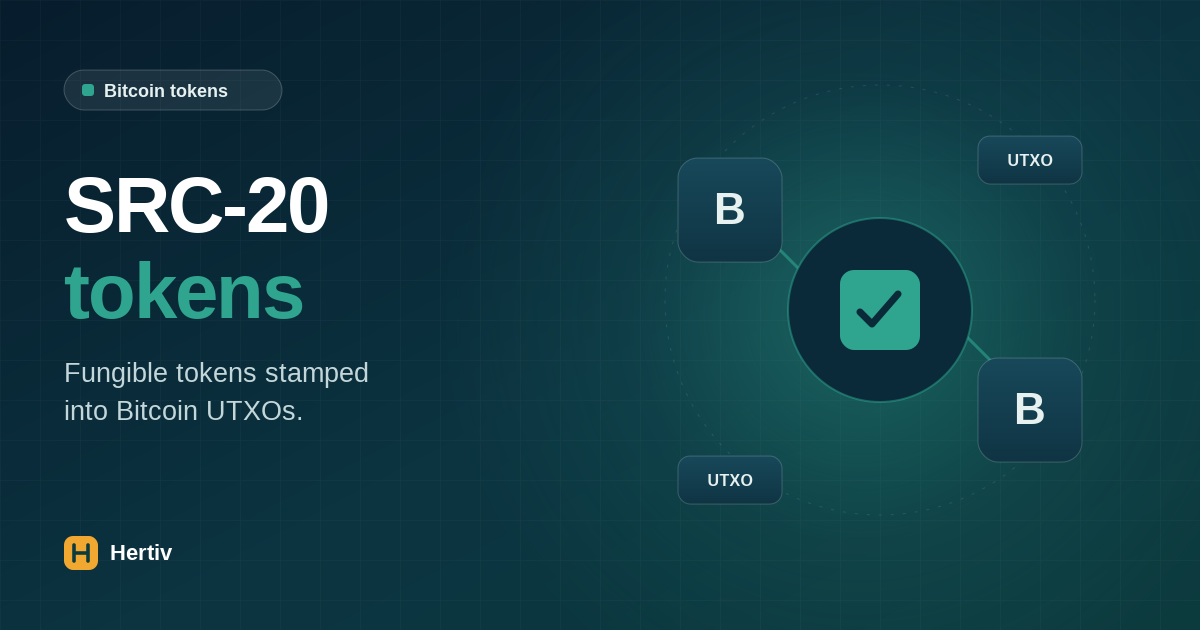
SRC-20 tokens are fungible tokens on Bitcoin built with the Bitcoin Stamps protocol. Here is how they store data, how they differ from BRC-20, and the trade-offs.
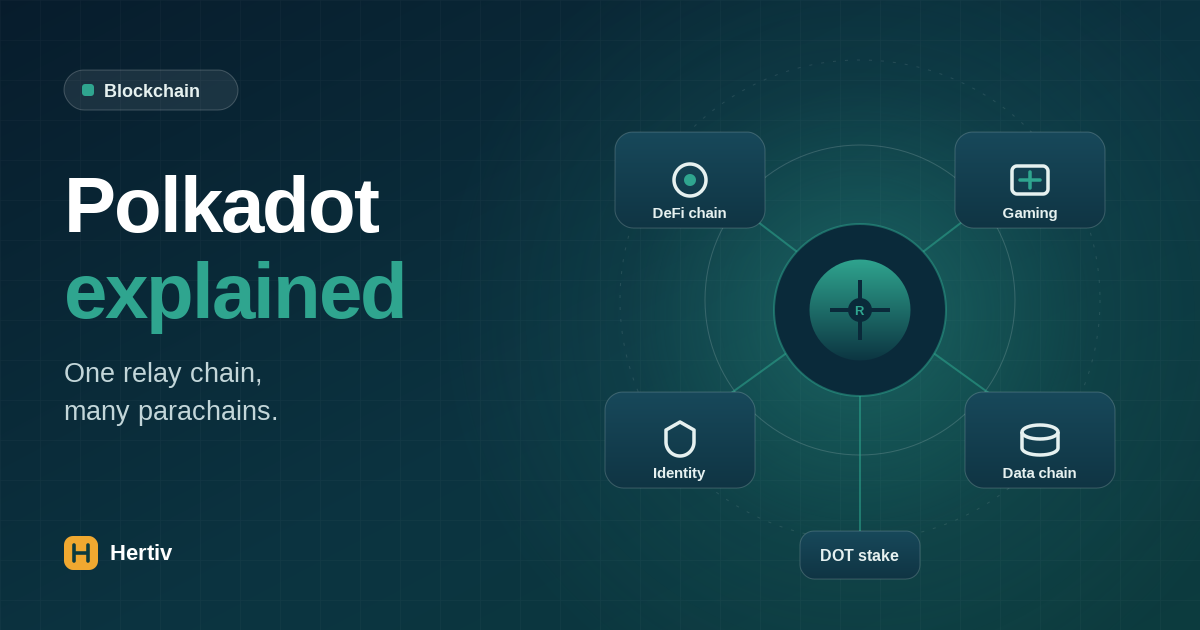
Polkadot is a blockchain network that connects specialised chains called parachains to one relay chain, so they share security. DOT is the token that pays for it.
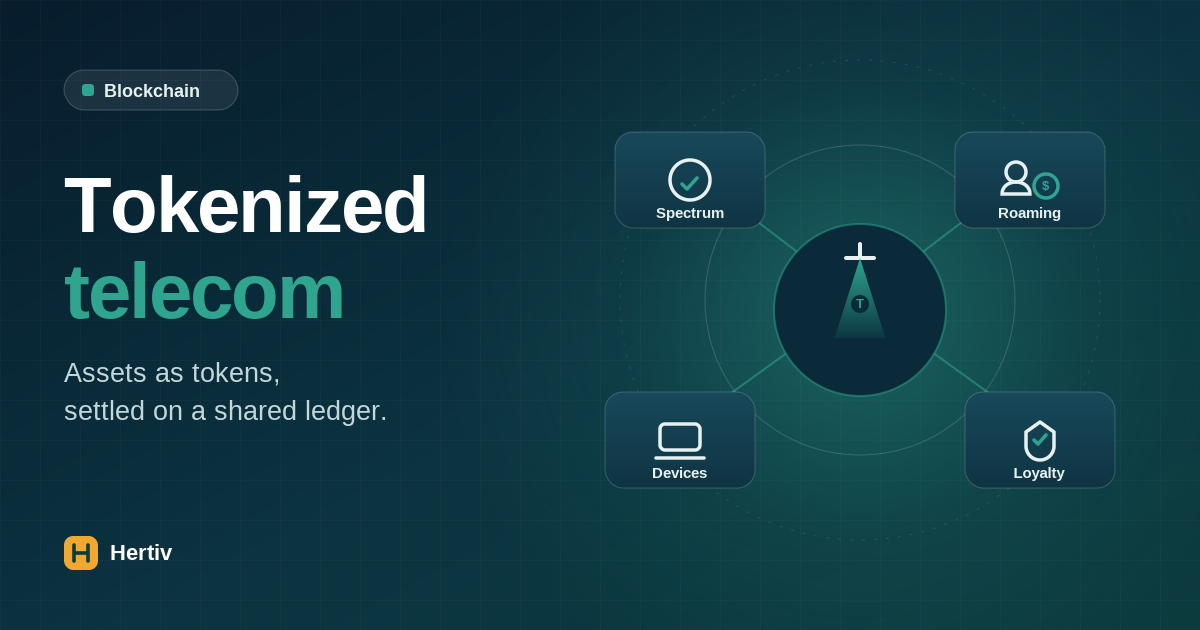
Tokenization in telecom turns network assets, spectrum rights and customer balances into digital tokens. Here is how it works, where it helps and what limits it.
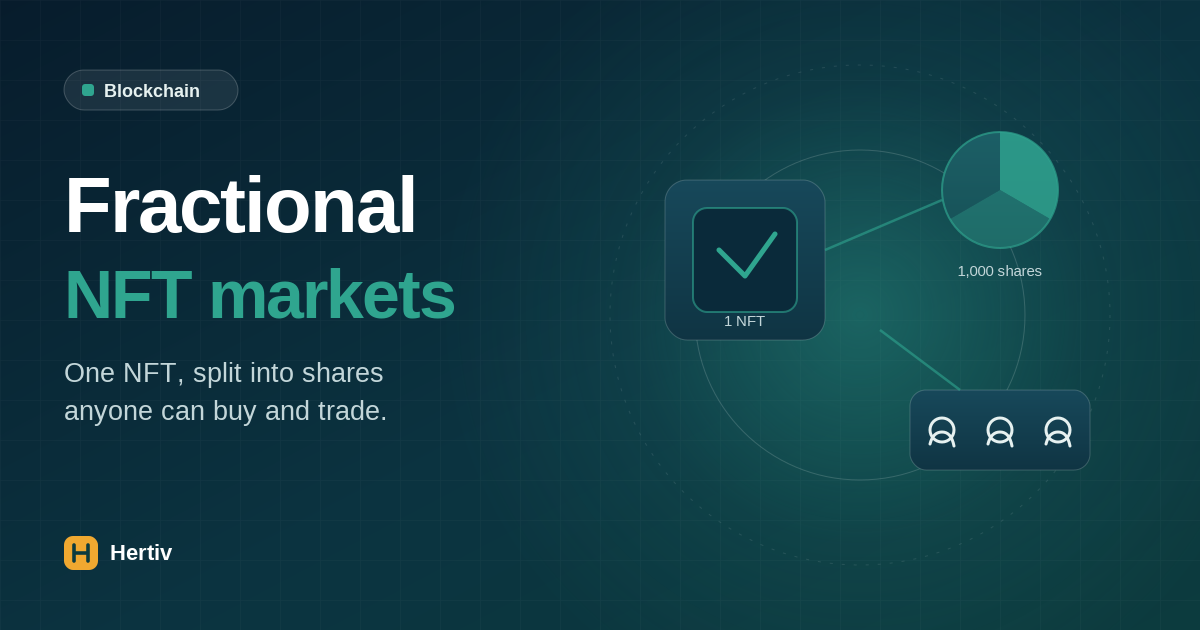
A fractional NFT marketplace lets many people own shares of one NFT. This guide covers how it works, the features you need and the build cost.
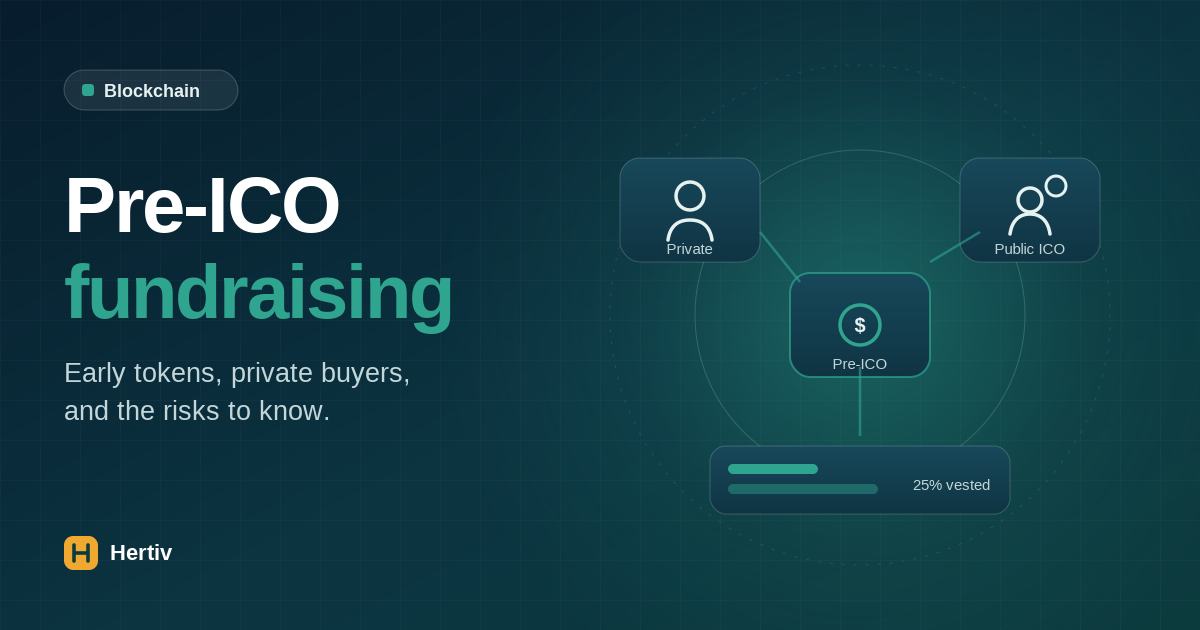
A pre-ICO is a private token sale held before a public ICO, usually at a lower price. This guide explains how it works and the risks buyers take.
Stablecoin as a service lets a company launch its own stablecoin without building the reserves, minting, compliance and wallet rails itself.
Web3 in banking means using blockchains, tokenised assets and smart contracts inside banking services. Payments, trade finance and custody come first.
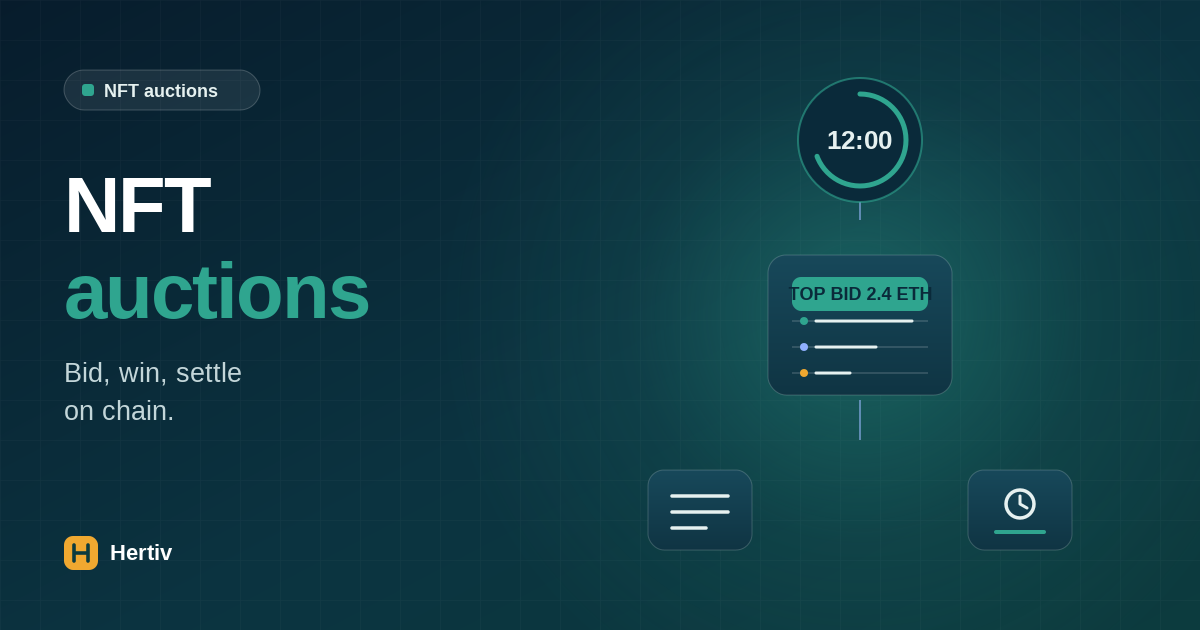
An NFT auction portal lets creators list digital items and buyers bid on them until the timer ends. Here is how to build one, from auction types to fees.
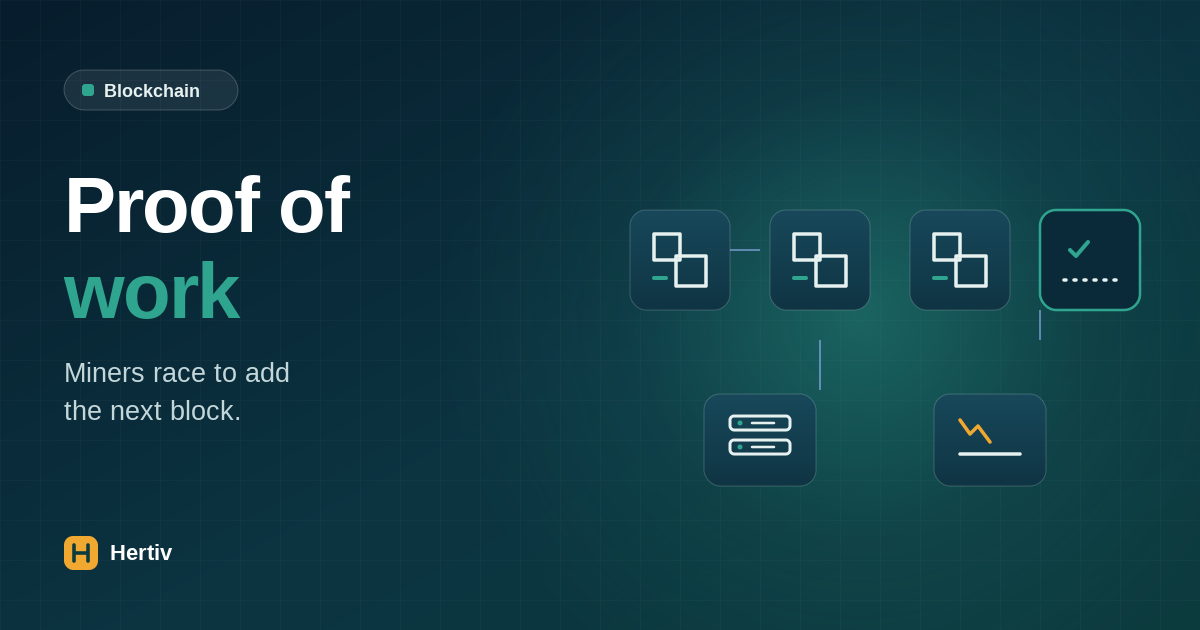
Proof of work secures a blockchain by making miners solve a hard puzzle before adding a block. Learn how mining, difficulty and rewards fit together.
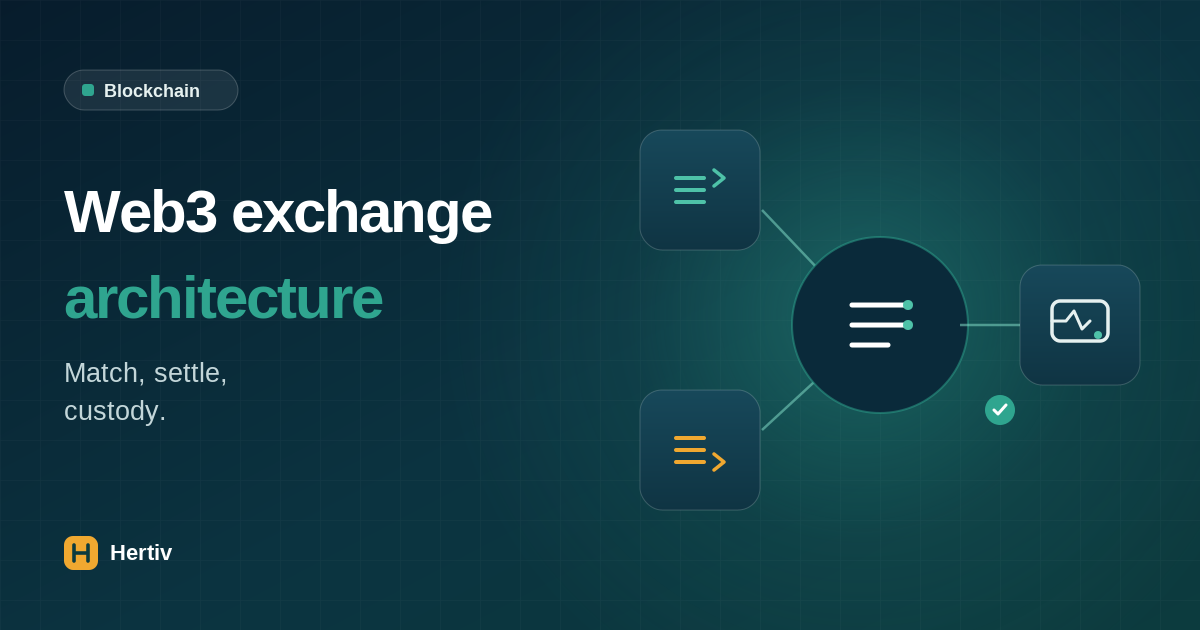
A Web3 exchange is a matching engine, wallets, custody, liquidity and compliance wired together. Here is how each layer works and what to build first.
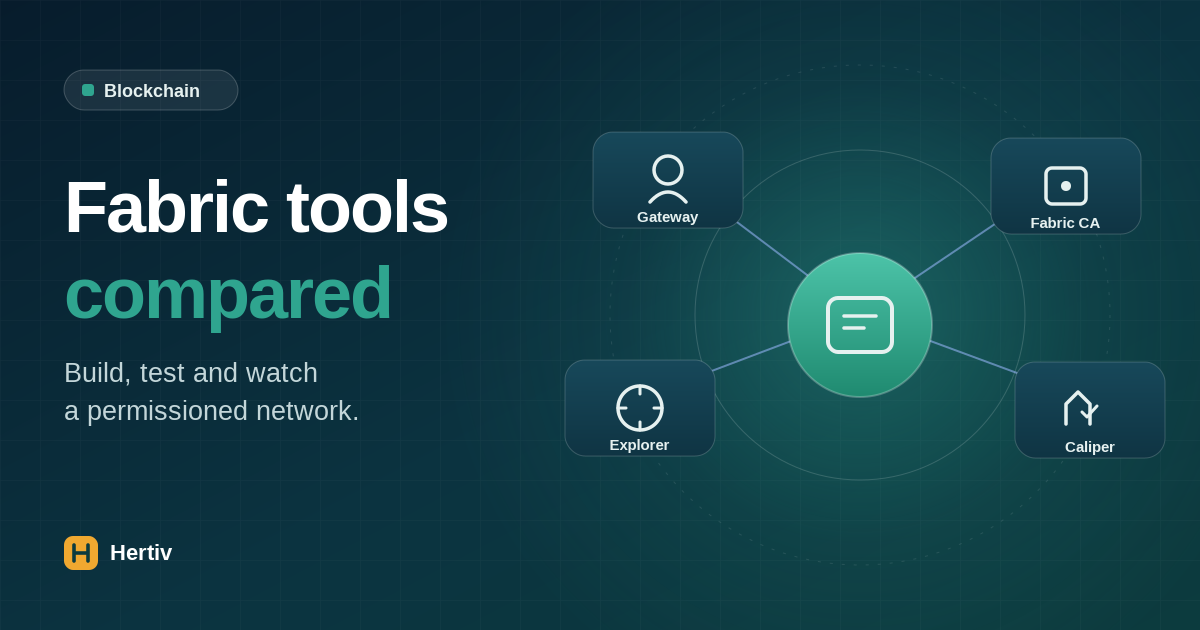
Hyperledger Fabric is a permissioned blockchain for business networks. These eight tools cover building, running, testing and watching a Fabric network.
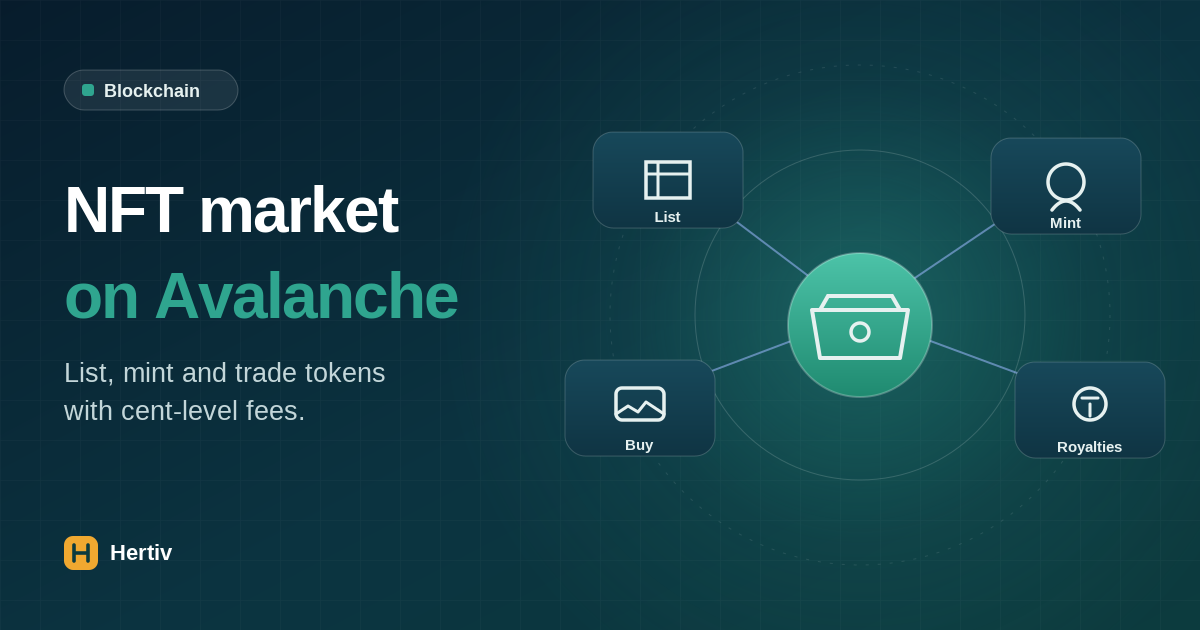
An NFT marketplace on Avalanche is a storefront where creators list tokens and buyers trade them on the C-Chain. Here is the full build, from contract to launch.
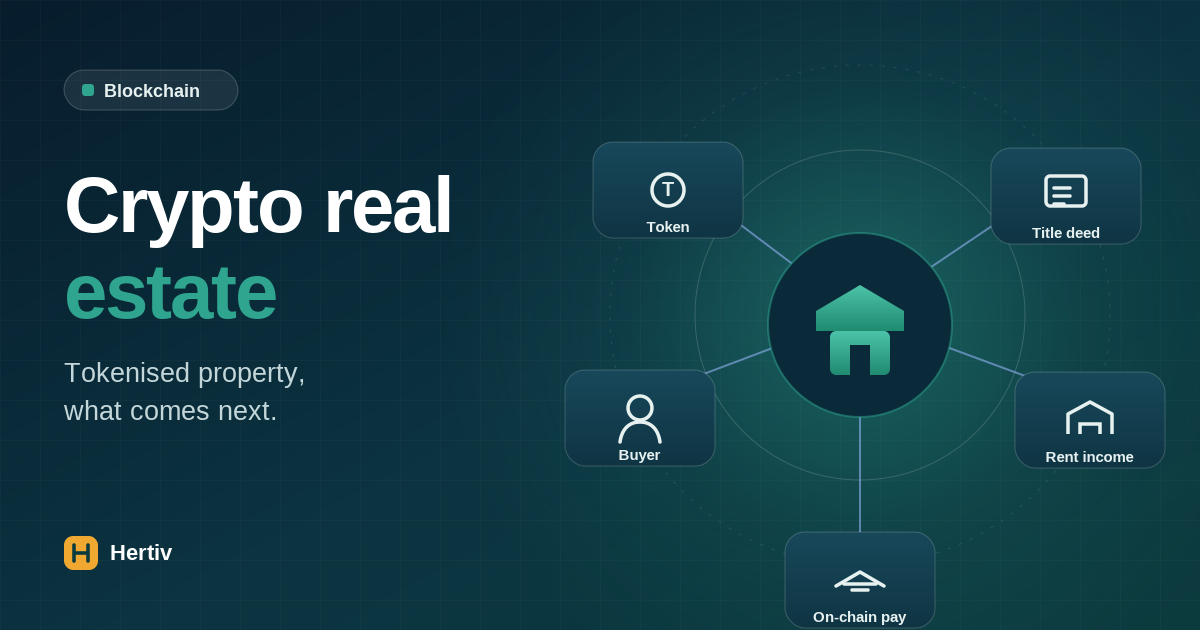
Crypto real estate is moving toward fractional ownership, on-chain settlement and records you can check. Here is what is changing, and what could slow it down.
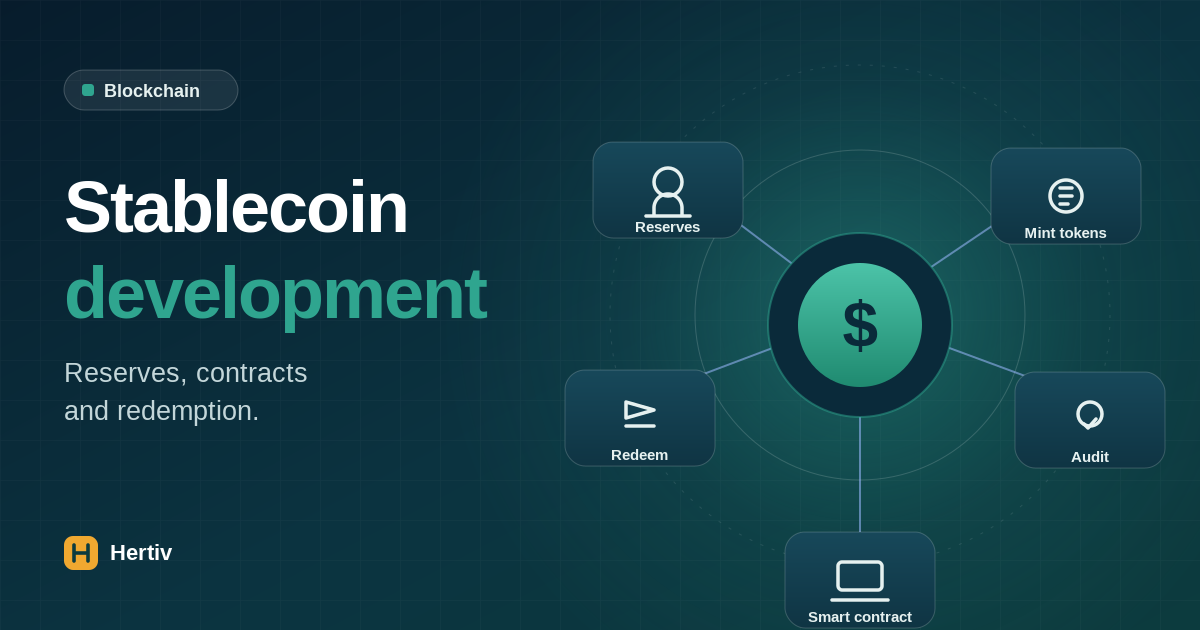
Stablecoin development turns a pegged-value idea into a working token with reserves, smart contracts and a redemption flow. Here is how it works.
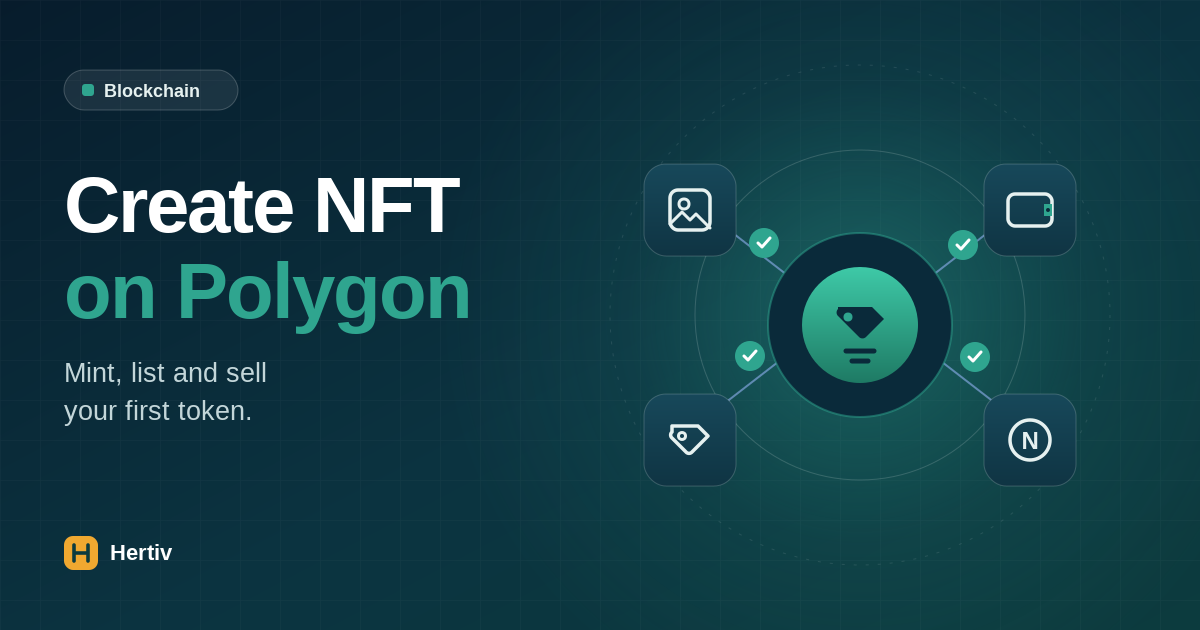
Creating an NFT on Polygon takes a wallet, some POL for gas and a marketplace or smart contract. This guide walks through the setup, the mint and the sale.
No posts on this page match. Use site search (Ctrl K) to search every post.
A senior engineer reads every request and replies within one business day with questions, a rough range, or a call link.