Blockchain
How to Get Started with a Crypto-Friendly Neobank
A crypto-friendly neobank lets you hold, send and receive crypto alongside normal banking. Here is how to pick one and open an account safely.
Practical guides on tokenization, stablecoin payments, wallets and smart contracts.
1663 posts · page 43 of 70
A crypto-friendly neobank lets you hold, send and receive crypto alongside normal banking. Here is how to pick one and open an account safely.
Tempo is a payments-first blockchain from Stripe and Paradigm, built for stablecoins. Fees are paid in stablecoins, and payments get their lane in every block.
NFT real estate development means building a platform where property rights are held as NFTs. What to build first, which chain to pick, and the checks to run.
Sustainable NFT solutions cut the energy and waste of creating and trading NFTs. Here is how greener chains, smarter minting and honest reporting work.
The Ethereum ICO boom let anyone sell a token to the world in weeks. Here is what drove the hype, what went wrong, and what survived after the bubble burst.
A stablecoin payment gateway lets a shop take USDC or USDT and settle in crypto or fiat. These eight gateways cover different coins, fees and payout options.
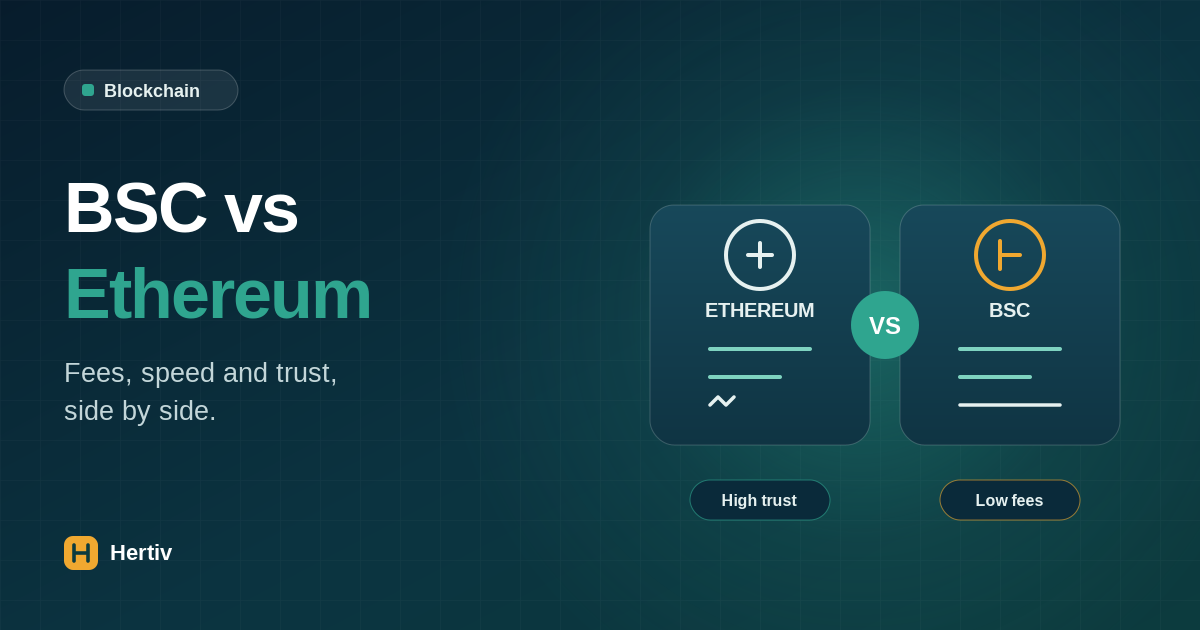
BSC and Ethereum both run smart contracts, but they differ on fees, speed and tooling. Pick the chain that fits your users and your budget.
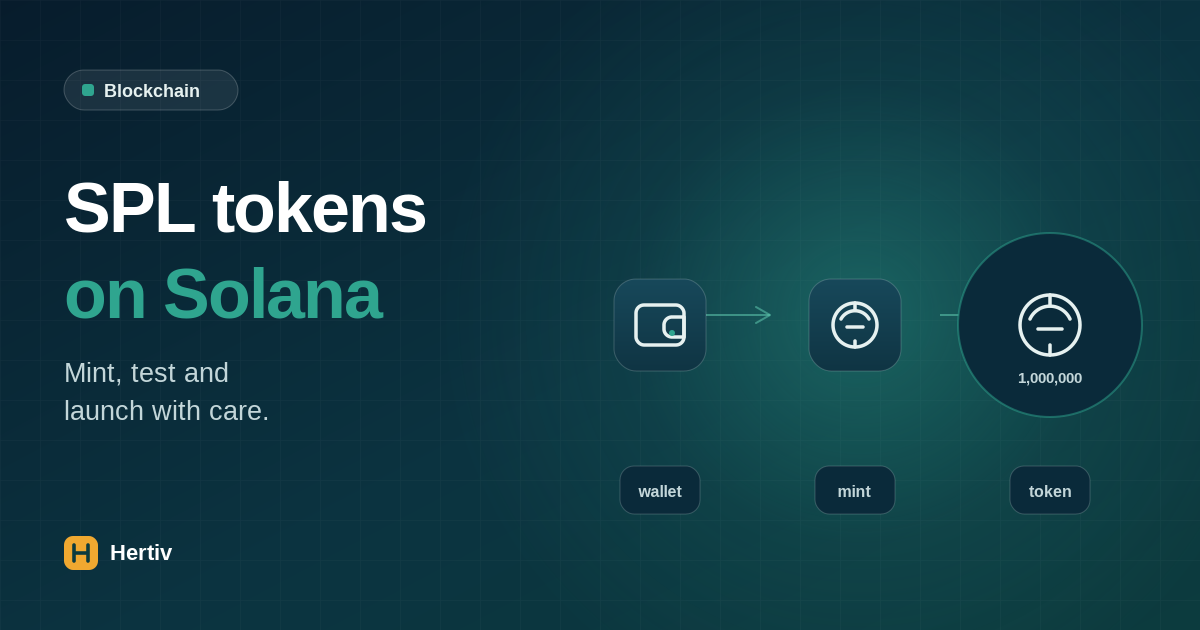
SPL token development means creating a fungible token on Solana with the Solana Program Library. Here is what you need, the steps, and the checks before launch.
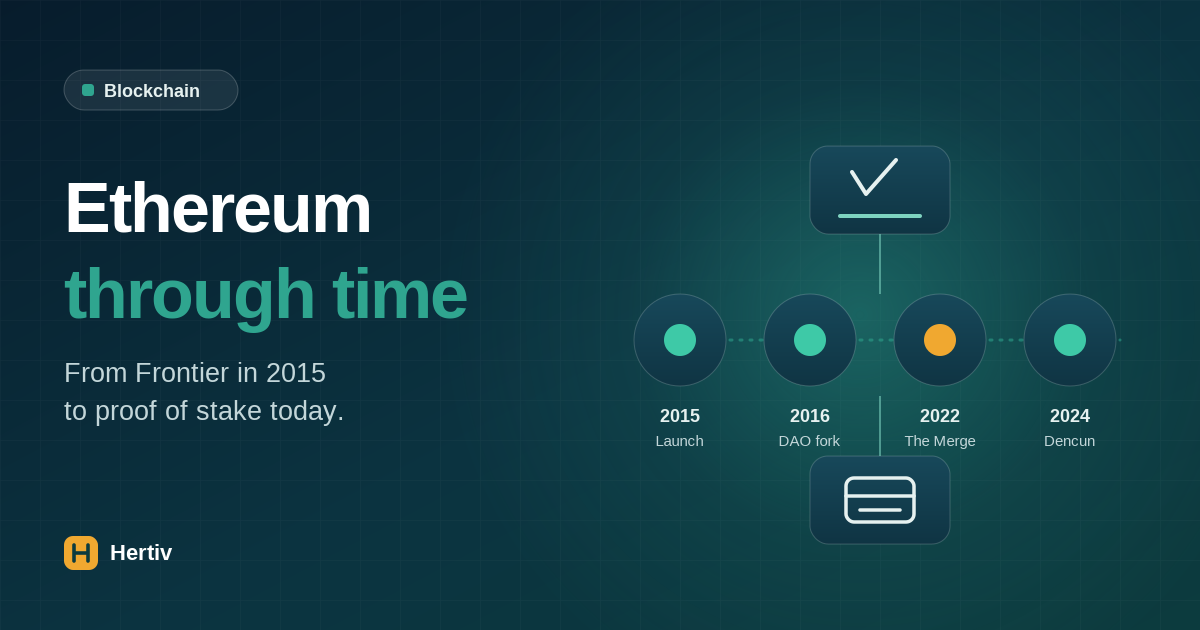
Ethereum began in 2015 as a programmable blockchain and has changed its consensus and scaling plan several times. Its history explains how the network works today.
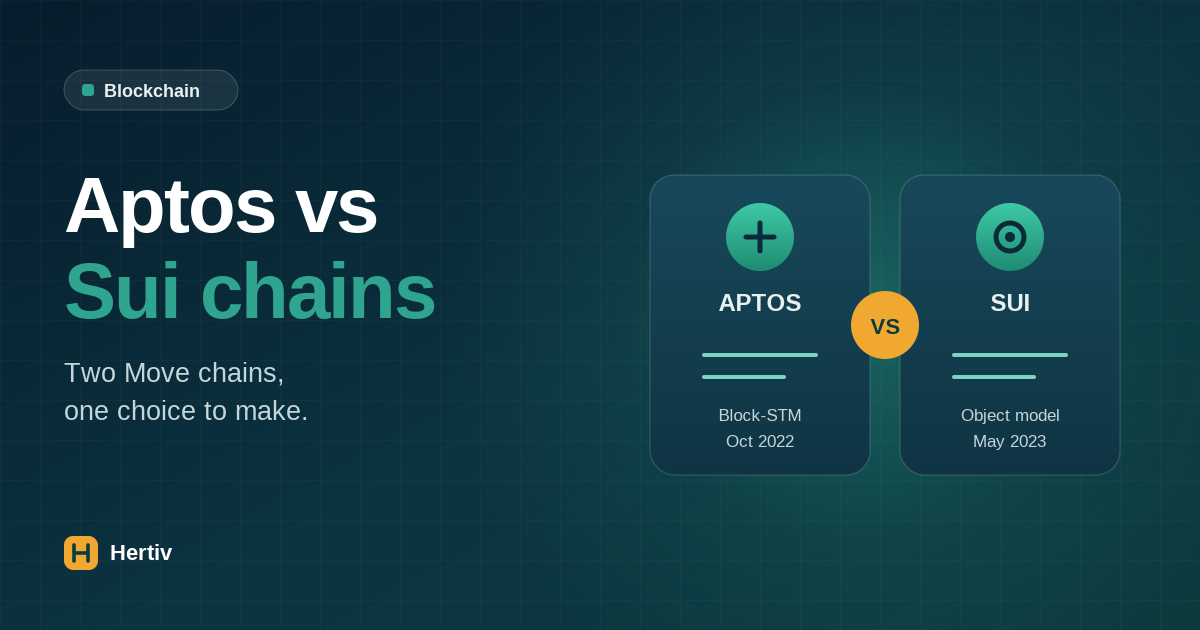
Aptos and Sui are both Move blockchains from the Diem project, but they organise state and reach agreement in different ways. The right pick depends on your app.
Getting music into the metaverse means placing songs, shows or merch inside virtual worlds where fans gather. Pick a world, sort your rights, then perform.
Integrating a blockchain means connecting your product to an existing chain, while building from scratch means creating your own. Here is how to choose.
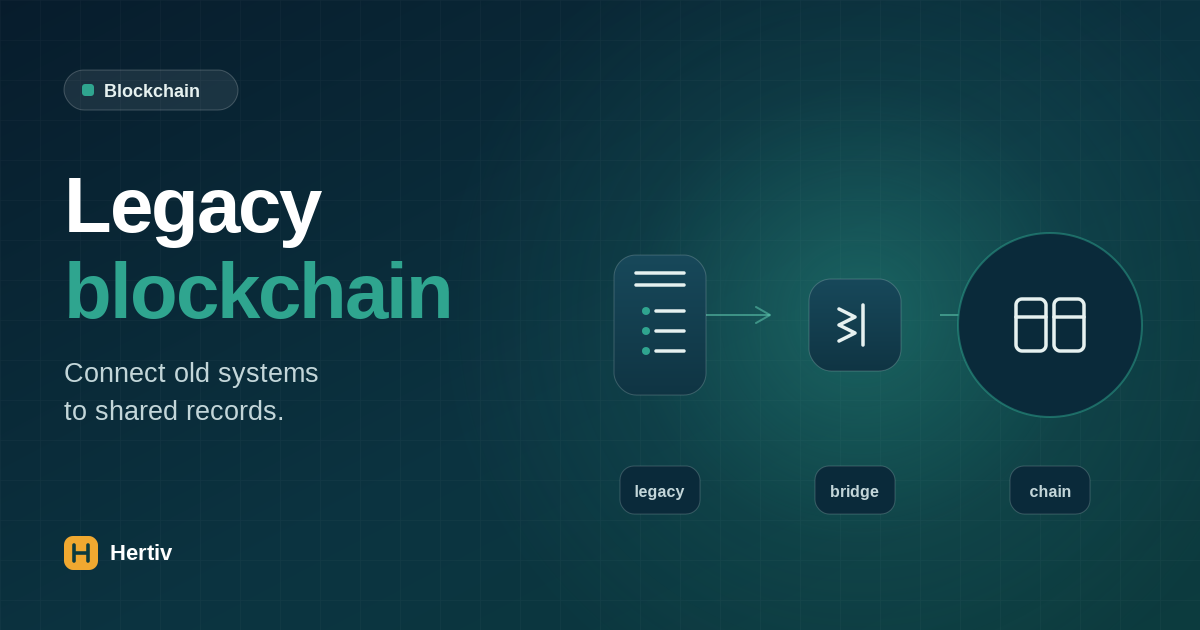
Blockchain can sit beside a legacy system instead of replacing it. Here is how to connect the two, from the first pattern to a working pilot.
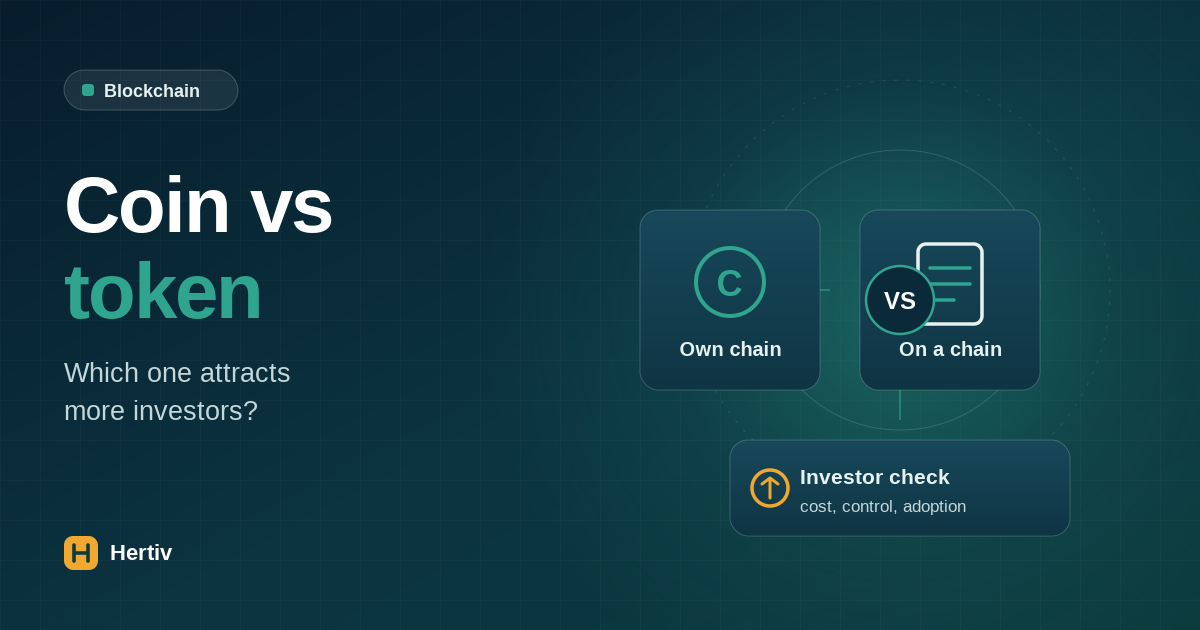
A coin runs on its own blockchain; a token runs on someone else's. That one difference shapes cost, control and which kind of investor pays attention.
Investing in DeFi means using lending, staking and trading protocols instead of a bank. Start small, learn one approach at a time, and check every protocol first.
An NFT is only as safe as the wallet and habits behind it. Here is how to store, back up and trade NFTs without handing thieves the keys.
The Howey test is the US test for whether a token counts as a security. Four prongs decide it, and the answer shapes how a Web3 project can launch and sell.
Switzerland has no single crypto licence, so launching an exchange means picking the right regulatory route first. Here is how the SRO, FinTech and DLT paths work.
Margin trading and borrowed-funds trading both let you trade with more than you own. One borrows the asset itself; the other uses a multiplier on contracts.
An instant-swap exchange like Changelly lets users trade one coin for another without an order book. Here is how the model works and what it takes to launch one.
A security token is a regulated digital asset that represents ownership or a claim on an asset. Here is how to plan the legal work, design and launch, in order.
NFTs work best as proof of ownership for a specific item, such as a ticket, a membership or a game asset. The hype promised more than the technology can deliver.
A DAO runs on token votes and open rules, while a traditional company runs on directors and contracts. Compare how each decides, pays and handles risk.
A white label tokenization platform lets you offer tokenised assets under your own brand without building the system. Here is how to launch one, step by step.
No posts on this page match. Use site search (Ctrl K) to search every post.
A senior engineer reads every request and replies within one business day with questions, a rough range, or a call link.