Blockchain
Tokenization as a Service: How It Works and What It Costs
Tokenization as a service lets a business issue digital tokens for real assets without building its own blockchain platform. Here is how it works and what it costs.
Practical guides on tokenization, stablecoin payments, wallets and smart contracts.
1663 posts · page 45 of 70
Tokenization as a service lets a business issue digital tokens for real assets without building its own blockchain platform. Here is how it works and what it costs.
A crypto OTC derivatives platform lets large traders agree on custom contracts privately. Launching one needs a licence, liquidity, credit checks and risk controls.
Fireblocks is closed-source institutional custody. These eight open-source wallets offer multi-signature control and policy rules, with code you can inspect.
A crypto token can launch in a week if the plan, the contract and the checks are done in order. Here is a day-by-day plan, from token design to the first trade.
Foundry is a fast Ethereum toolkit, but it is not the only open option. These eight alternatives cover testing, deployment and local chains.
A tokenization consultant helps a US business turn a real asset into digital tokens, covering the legal structure, token design and launch.
Launching an ICO legally means treating the sale like a regulated offer: check if the token is a security, pick a jurisdiction, and put the right checks in place.
Gnosis Safe, now called Safe, is the best-known multisig wallet, but not the only open-source option. These eight cover multisig, smart accounts and self-custody.
An IDO launchpad in the metaverse lets new projects sell tokens to a community inside a virtual world. Here is the build, the rules and the launch order.
Tokenization in cryptocurrency turns a crypto asset into a token that can move, trade and be used on another chain or app. Here is how it works.
Hardhat is a popular Ethereum development environment, but it is not the only one. These eight open source tools cover testing, deployment and local chains.
A Solana DeFi wallet holds your SOL and tokens, signs transactions and connects you to swaps, lending and staking. Here is how to set one up safely.
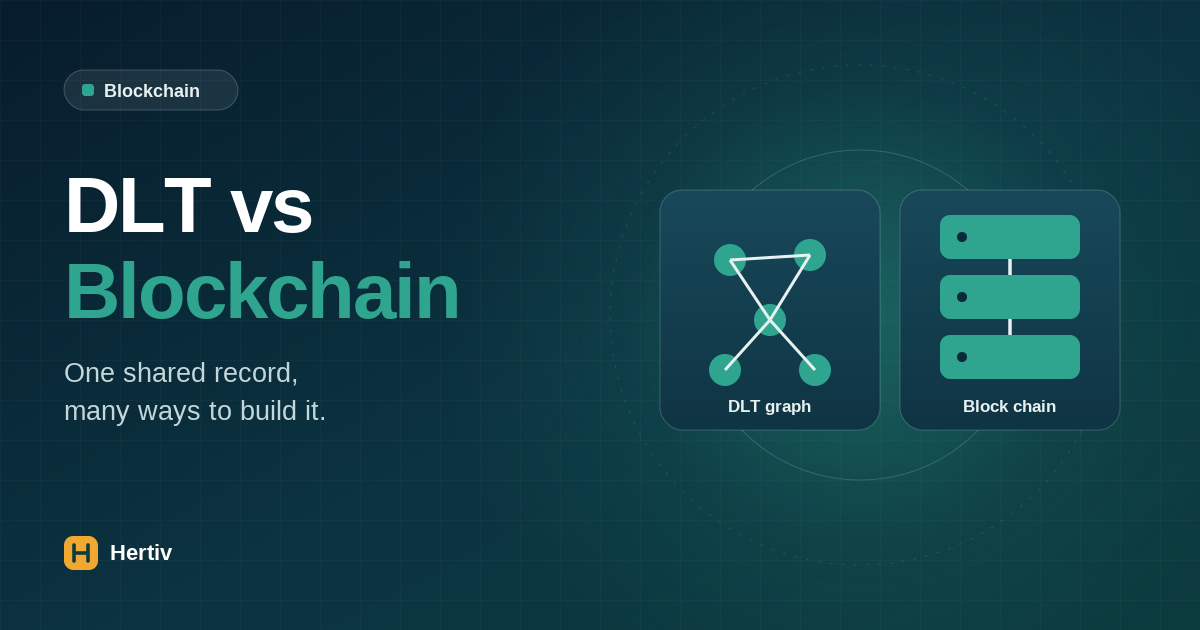
Distributed ledger technology is the broad idea; blockchain is one way to build it. Here is how the two differ, when each fits, and what to check before you choose.
Launching a crypto exchange legally means picking a licensed jurisdiction, registering the company, and running AML and KYC checks before taking a deposit.
A white label NFT marketplace lets you launch a branded trading platform without building the contracts and wallets from scratch. Here are eight options.
Tokenization protects sensitive data by replacing card numbers and personal details with random tokens, so a breach exposes nothing useful. Here is how it works.
An enterprise blockchain suits shared records across companies that do not fully trust each other; a traditional database suits fast records inside one company.
Infura runs hosted nodes for Ethereum apps, but open options exist too. These eight cover self-hosted nodes, open protocols and providers with open tooling.
Building an NFT marketplace on WAX means using its fast, low-fee chain for minting and trading. Here is how the pieces fit together.
ERC-3643 is a permissioned token standard for regulated assets, ERC-7518 is a proposal built on ERC-1155, and a custom standard gives full control at a high cost.
From token-bound accounts and dynamic NFTs to compressed minting and account abstraction, here are 8 NFT development trends worth building on.
Build a public blockchain platform step by step: choose the architecture, pick consensus, design token economics and launch a tested mainnet.
Compare 8 open source ledgers, from Hyperledger Fabric and Corda to Substrate and Stellar. Find the right platform for your network, privacy needs and team.
Token fundraising moved from unregulated ICOs to regulated STOs after many early sales failed investors. Here is what changed for teams raising money today.
No posts on this page match. Use site search (Ctrl K) to search every post.
A senior engineer reads every request and replies within one business day with questions, a rough range, or a call link.